
Blockchain for Telemedicine: Secure and Seamless Remote Patient Care


Welcome to Blockchain Trends, where we delve into the groundbreaking applications of blockchain technology beyond the hype. Discover how this revolutionary technology is reshaping industries and redefining possibilities.
Ready to explore how blockchain can revolutionize healthcare? Our deep dive into blockchain telemedicine patient care unveils the potential for secure, seamless, and patient-centric remote healthcare solutions. Intrigued? Let's unlock the future of healthcare, one block at a time.
- Use Cases of Blockchain in Telemedicine: Real-World Applications
-
Frequently Asked Questions
- How does blockchain enhance the security of patient data in telemedicine?
- What benefits does blockchain offer for interoperability in telemedicine systems?
- Can blockchain help streamline the process of verifying medical credentials in telemedicine?
- How can blockchain improve patient identity management in remote consultations?
- What are some potential regulatory challenges associated with using blockchain in telemedicine?
- Final Reflection: Empowering Healthcare Through Trust
- Revolutionize Your Telemedicine Experience!
Use Cases of Blockchain in Telemedicine: Real-World Applications
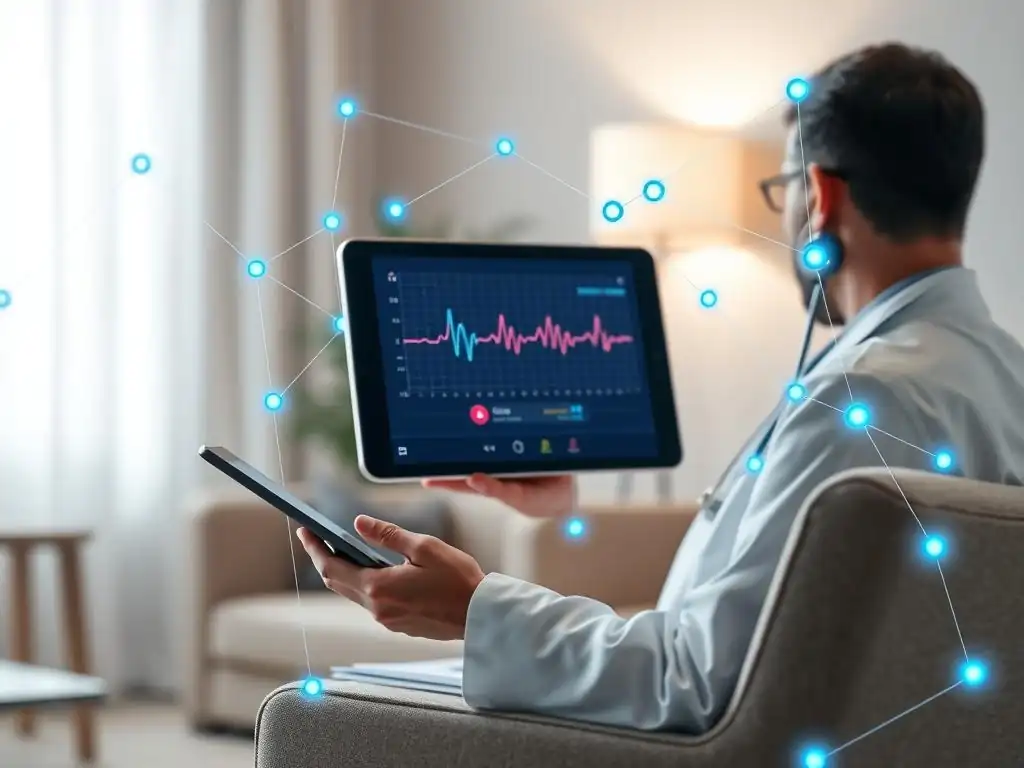
Secure Electronic Health Records (EHR) Management with Blockchain
One of the most compelling applications of blockchain in healthcare, particularly within the realm of blockchain telemedicine patient care, is the secure management of Electronic Health Records (EHRs). Traditional EHR systems often face challenges related to data silos, security breaches, and patient control over their own information. By leveraging blockchain, a decentralized, immutable ledger can be created where patient data is encrypted and recorded chronologically.
Access permissions can be managed via smart contracts, ensuring that only authorized individuals (patients, specific doctors, researchers with consent) can view or add information. This enhances privacy and security significantly compared to centralized databases, which are more susceptible to large-scale cyberattacks. For instance, the healthcare industry faced an estimated cost of over \$4 billion due to breaches in 2022, highlighting the critical need for more robust security, which blockchain can help provide for telemedicine patient care data.
Furthermore, blockchain-based EHR systems facilitate seamless data sharing across different healthcare providers involved in blockchain telemedicine patient care without compromising security or data integrity. When a patient consults with multiple specialists remotely, their relevant history can be accessed quickly and securely, provided they grant permission. This eliminates delays caused by requesting records from disparate systems and reduces the risk of errors from manual data transfer.
Several pilot projects, like those exploring Hyperledger Fabric for healthcare data sharing, have demonstrated the feasibility of creating secure, interoperable networks for managing patient data, paving the way for more efficient and reliable blockchain telemedicine services. The ability to have a single, verifiable source of truth for a patient's health history is foundational for effective remote diagnosis and treatment.
Remote Patient Monitoring and Data Integrity using Blockchain
Remote Patient Monitoring (RPM) devices, such as wearable sensors and connected medical devices, collect vast amounts of sensitive health data, including vital signs, activity levels, and medication adherence. Ensuring the integrity and security of this data as it travels from the patient to the healthcare provider is paramount for reliable blockchain telemedicine patient care. Blockchain technology offers a robust solution by providing a tamper-proof record of all data points collected by RPM devices.
Each data transmission can be time-stamped and recorded on the blockchain, making it impossible to alter the data retroactively without detection. This immutability is crucial for maintaining trust in the data used for remote diagnosis and treatment decisions.
The integration of blockchain with RPM goes beyond mere data storage; it creates a verifiable audit trail for every data point. If a doctor in a blockchain telemedicine setting relies on RPM data to adjust a patient's treatment plan, they can be confident that the data is accurate and has not been manipulated. Companies are developing solutions that use blockchain to secure data streams from devices monitoring conditions like diabetes or hypertension.
For example, a system might record glucose readings or blood pressure measurements directly onto a private blockchain, accessible only to the patient and their designated care team. This level of data integrity is vital for providing high-quality blockchain telemedicine patient care, especially for chronic disease management where continuous and accurate data is essential.
Supply Chain Management for Pharmaceuticals in Telemedicine
Telemedicine often involves prescribing medications remotely, which necessitates a secure and transparent pharmaceutical supply chain to ensure patients receive authentic and safe drugs. Blockchain can revolutionize this process by providing end-to-end traceability from the manufacturer to the patient's doorstep. Each step in the drug's journey – manufacturing, packaging, shipping, and dispensing – can be recorded on a blockchain.
This creates a permanent, verifiable history for every unit of medication, making it incredibly difficult for counterfeit drugs to enter the supply chain. The World Health Organization (WHO) estimates that up to 10% of medical products in low- and middle-income countries are substandard or falsified, highlighting a global problem that blockchain can help combat, especially as telemedicine expands access to remote areas.
Implementing blockchain for pharmaceutical supply chain management in a blockchain telemedicine context allows patients and providers to verify the origin and authenticity of prescribed medications using a simple scan or lookup. This not only builds trust in the healthcare system but also protects patients from the dangers of ineffective or harmful counterfeit drugs.
Several blockchain consortia and pharmaceutical companies are actively exploring or implementing pilot programs to track medications using distributed ledger technology. For instance, the U.S. Drug Supply Chain Security Act (DSCSA) mandates enhanced tracing requirements, and blockchain is seen as a promising technology to meet these regulations effectively, thereby safeguarding patients receiving prescriptions through telemedicine consultations.
Verifying Medical Credentials and Preventing Fraud with Blockchain
Ensuring that healthcare providers offering blockchain telemedicine patient care are properly licensed and qualified is critical for patient safety and trust. Fraudulent credentials or impersonation can pose significant risks. Blockchain technology provides a secure and transparent method for verifying the credentials of doctors, nurses, specialists, and other healthcare professionals. Licensing bodies and educational institutions can issue verifiable digital credentials anchored to a blockchain, creating an immutable record of a provider's qualifications, certifications, and licensing status.
Patients utilizing blockchain telemedicine services could potentially verify their provider's credentials directly via the blockchain, offering an unprecedented level of transparency and confidence. This decentralized verification process reduces reliance on centralized databases, which can be slow to update or vulnerable to manipulation. Furthermore, blockchain can help prevent insurance fraud within telemedicine by creating a verifiable ledger of services rendered.
Smart contracts could potentially automate verification processes based on recorded patient encounters and provider credentials, reducing manual review and the potential for fraudulent claims. While widespread adoption is still developing, the potential for blockchain to enhance trust and security in the professional interactions inherent in blockchain telemedicine patient care is substantial.
Frequently Asked Questions
How does blockchain enhance the security of patient data in telemedicine?
Blockchain provides a secure and immutable ledger for storing patient data, preventing unauthorized access and tampering. This is achieved through cryptographic hashing and distributed consensus, ensuring data integrity and confidentiality.
What benefits does blockchain offer for interoperability in telemedicine systems?
Blockchain can facilitate seamless data sharing between different telemedicine platforms and healthcare providers. This improves interoperability by creating a standardized and secure way to exchange patient information, avoiding data silos.
Can blockchain help streamline the process of verifying medical credentials in telemedicine?
Yes, blockchain can be used to create a verifiable and tamper-proof record of medical credentials. This streamlines the verification process, reducing administrative overhead and ensuring accurate and up-to-date information about healthcare professionals.
How can blockchain improve patient identity management in remote consultations?
Blockchain can establish a decentralized and secure digital identity for patients. This helps prevent identity theft and fraud, ensuring that the correct patient is receiving the appropriate care and treatment during telemedicine consultations.
What are some potential regulatory challenges associated with using blockchain in telemedicine?
Regulatory uncertainty surrounding data privacy and security is a key challenge. Clear guidelines and standards are needed to ensure compliance with regulations like HIPAA and GDPR when implementing blockchain solutions in telemedicine.
Final Reflection: Empowering Healthcare Through Trust
The potential of blockchain telemedicine patient care is no longer a futuristic fantasy, but a tangible reality rapidly reshaping how we deliver and experience healthcare. As we've explored the secure, transparent, and efficient applications of blockchain in telemedicine, it's clear that this technology holds the key to unlocking a new era of patient-centric care, particularly for those in remote or underserved communities.
The integration of blockchain into telemedicine isn't just about technological advancement; it's about fostering trust and empowering patients. The ability to securely share and control their own medical data, knowing it's immutable and accessible only with their consent, is a fundamental shift in the power dynamic within healthcare. The future of healthcare is in the hands of the patients, and blockchain is the tool that will empower them to take control.
This shift has the potential to revolutionize patient engagement and improve health outcomes across the board.
Now, as you consider the possibilities we've discussed, I encourage you to reflect on how you can contribute to this transformative movement. Whether you're a healthcare professional, a technology enthusiast, or simply a patient seeking better care, consider how you can advocate for the adoption of blockchain in telemedicine. Let's work together to build a future where secure, seamless, and patient-centered healthcare is accessible to all.
Revolutionize Your Telemedicine Experience!
Thank you for exploring how blockchain can transform telemedicine. We hope this article has revealed new opportunities for secure and efficient remote patient care. Now, it's time to turn these insights into action.
Here are some steps you can take to further explore this exciting field:
- Take the initiative to discuss implementing blockchain solutions with your healthcare provider or IT team. Be a driving force for positive change!
- Explore the regulatory landscape surrounding blockchain in healthcare. Understanding legal considerations is essential for successful adoption.
- Share this article with colleagues and industry peers to foster conversations about the future of secure telemedicine. Let’s build a community of innovators!
What specific challenges do you foresee in integrating blockchain into your organization’s existing telemedicine platforms, and how can we work together to overcome them? Share your thoughts below!
Leave a Reply