
Blockchain's Promise for Clinical Data Management: Security and Accessibility

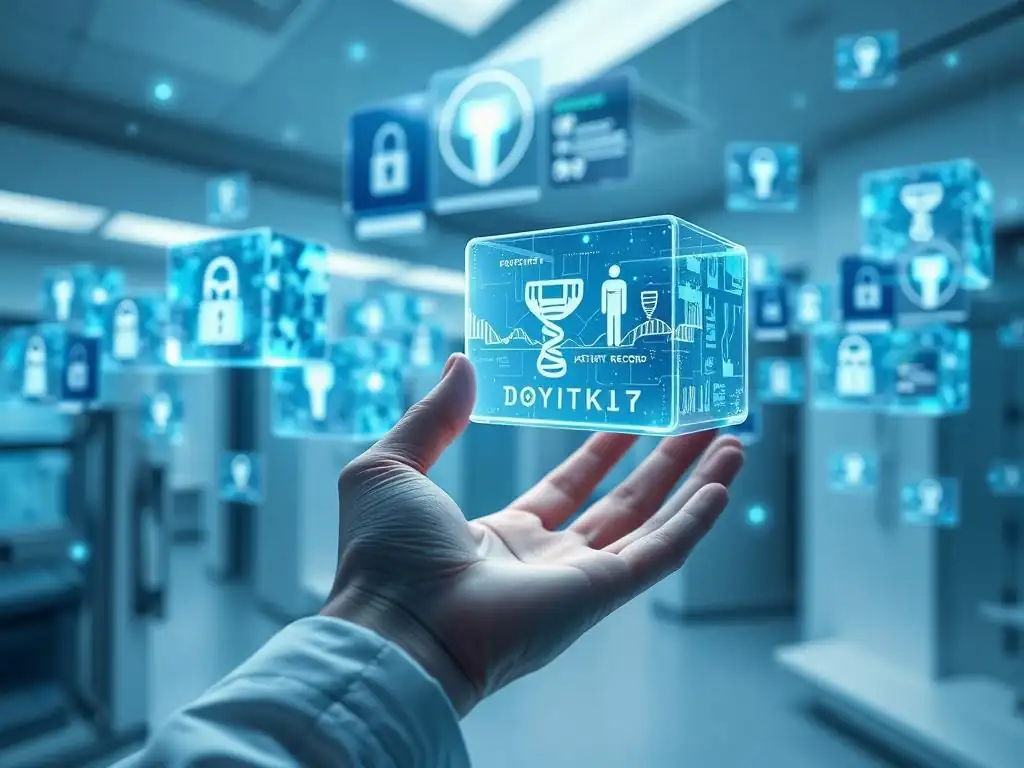
Welcome to Blockchain Trends, your guide to understanding the revolutionary power of blockchain technology. Beyond the hype, blockchain offers transformative solutions across industries. Are you ready to discover how it's reshaping healthcare? Dive into our latest article and explore the potential of blockchain clinical data security to revolutionize patient data management, enhance security, and improve accessibility. What innovative solutions are emerging, and what challenges lie ahead? Let's unlock the future of healthcare, one block at a time.
Blockchain's Promise for Clinical Data Management: Security and Accessibility
- Introduction: Transforming Clinical Data Management with Blockchain Technology
- Understanding Blockchain Technology for Healthcare Applications
- Enhancing Clinical Data Security with Blockchain
- Improving Accessibility of Clinical Data Through Blockchain
- Real-World Applications and Case Studies of Blockchain in Clinical Data Management
- Addressing the Challenges and Limitations of Blockchain Adoption in Healthcare
- The Future of Blockchain in Clinical Data Management
- Conclusion: Blockchain as a Catalyst for Secure and Accessible Clinical Data
-
Frequently Asked Questions
- What is the primary benefit of using blockchain for clinical data management?
- How does blockchain improve the accessibility of clinical data?
- What are some potential enterprise applications of blockchain in healthcare beyond data security?
- What regulatory challenges exist for implementing blockchain solutions in healthcare?
- How can blockchain contribute to the future of decentralized clinical data systems?
- Final Reflection: Securing the Future of Healthcare Data
- Unlock the Future of Healthcare Data!
Introduction: Transforming Clinical Data Management with Blockchain Technology
The Current Challenges in Clinical Data Management
The healthcare industry grapples with significant challenges concerning the management of clinical data. Traditional systems are often fragmented, leading to data silos across different providers, hospitals, and research institutions. This fragmentation hinders effective care coordination, makes it difficult to access comprehensive patient histories, and complicates data aggregation for research purposes. Moreover, the security of this sensitive information is constantly under threat, with healthcare organizations frequently targeted by cyberattacks, resulting in data breaches that compromise patient privacy and incur substantial financial and reputational damage.
According to reports, healthcare experienced the highest average cost of a data breach across all industries for 13 consecutive years, reaching an estimated USD 10.93 million per breach in 2023. This figure underscores the urgent need for more robust security measures. Beyond security, challenges include ensuring data accuracy, preventing unauthorized access, and establishing clear ownership and control over patient health information. The lack of a unified, secure, and easily accessible framework for clinical data management impedes innovation and limits the potential for data-driven insights to improve patient outcomes and advance medical research.
Blockchain as a Solution: Enhancing Security and Accessibility of Patient Data
Blockchain technology presents a compelling solution to many of these pervasive challenges in clinical data management. Its core principles of decentralization, immutability, and cryptographic security offer a fundamentally new way to store, manage, and share sensitive patient information. By creating a distributed ledger, blockchain can help break down data silos, enabling authorized parties to access a single, consistent, and tamper-proof record of a patient's health history, significantly enhancing the accessibility of clinical data.
Furthermore, blockchain's inherent security features are particularly well-suited for protecting sensitive health information. Every transaction or data entry on the blockchain is cryptographically secured and linked to the previous one, making it virtually impossible to alter data retroactively without detection. This immutability is crucial for maintaining data integrity and building trust in the information. Implementing blockchain clinical data security measures can drastically reduce the risk of data breaches and unauthorized access, offering a more resilient infrastructure compared to centralized databases.
Understanding Blockchain Technology for Healthcare Applications
What is Blockchain and How Does it Work?
At its heart, a blockchain is a distributed, immutable ledger that records transactions or data across many computers (nodes). Instead of storing data in a single, central location, copies of the ledger are distributed among participants in the network. When a new transaction occurs, it is grouped with other transactions into a "block." This block is then validated by the network participants using consensus mechanisms (like Proof of Work or Proof of Stake). Once validated, the block is cryptographically linked to the previous block, forming a chain, and added to the distributed ledger on all participating nodes.
This process ensures that once data is recorded on the blockchain, it is extremely difficult to change or delete. Any attempt to alter a block would require altering all subsequent blocks and gaining control over a majority of the network's computing power, a computationally infeasible task for public blockchains and highly detectable on permissioned ones. This architecture provides a high level of security and transparency, as all participants can view the history of transactions (though the data itself can be encrypted for privacy).
Key Features of Blockchain Relevant to Clinical Data
Decentralization and Immutability
Decentralization is a cornerstone of blockchain technology, meaning that data is not stored in one central location but distributed across a network of computers. In the context of clinical data, this eliminates single points of failure that are vulnerable to attack or system failure. Instead of relying on a single server or database, patient records could be distributed across a network of healthcare providers, ensuring that data remains accessible even if one node goes offline. This distributed architecture also enhances resilience against targeted cyberattacks aimed at disrupting access to critical health information.
Immutability, another key feature, means that once data is added to the blockchain, it cannot be altered or deleted. Each block contains a cryptographic hash of the previous block, creating a secure link. If someone attempts to tamper with data in an earlier block, the hash would change, breaking the chain and immediately signaling that the data has been compromised. This feature is invaluable for maintaining the integrity of clinical records, ensuring that patient histories, treatment plans, and test results are accurate and trustworthy over time, crucial for establishing robust blockchain clinical data security.
Enhanced Security and Privacy
Blockchain utilizes advanced cryptographic techniques to secure data. Each transaction is encrypted, and participant identities can be represented by pseudonyms or encrypted keys, enhancing privacy while maintaining transparency of the transaction flow. Data stored on the blockchain can be encrypted at rest, and access can be controlled via private keys, ensuring that only authorized individuals or systems can decrypt and view sensitive patient information. This layered security approach significantly strengthens protection against unauthorized access and data breaches.
The use of private keys for access control gives patients or designated parties fine-grained control over who can view their medical records. This empowers individuals to manage their data and grant permissions selectively, aligning with privacy regulations like GDPR and HIPAA. By embedding security and privacy at the architectural level, blockchain offers a more inherently secure framework for handling sensitive clinical data compared to many legacy systems that rely on perimeter-based security which can be breached.
Transparency and Auditability
While data on a blockchain can be encrypted for privacy, the record of transactions (who accessed or modified data and when) is often transparent to authorized network participants. This transparency creates an immutable audit trail of all data interactions. Every time a healthcare provider accesses a patient record or a researcher requests access to de-identified data, this action is recorded on the blockchain. This provides an unprecedented level of accountability and oversight.
The auditability feature is crucial for compliance and trust in clinical data management. Regulators and auditors can easily verify the history of data access and modifications, ensuring adherence to privacy policies and data governance rules. This transparent ledger of interactions makes it easier to detect suspicious activity and investigate potential breaches or misuse of data, further reinforcing blockchain clinical data security and regulatory compliance efforts.
Enhancing Clinical Data Security with Blockchain
Addressing Data Breaches and Cyber Threats in Healthcare
Healthcare organizations are prime targets for cybercriminals due to the high value and sensitivity of patient data. Data breaches can expose millions of records, leading to identity theft, fraud, and significant disruption of healthcare services. Traditional centralized databases, while protected by firewalls and intrusion detection systems, still present a single point of failure that, if compromised, can expose vast amounts of information. The increasing sophistication of cyberattacks necessitates a more resilient and distributed security architecture.
Blockchain technology, by distributing data across multiple nodes and securing it with cryptography and consensus mechanisms, drastically reduces the attractiveness and feasibility of large-scale data breaches. Instead of targeting one central server, an attacker would need to compromise a significant portion of the distributed network simultaneously, a much more complex and resource-intensive undertaking. This distributed resilience enhances blockchain clinical data security against both external threats and internal misuse, making it a formidable tool against cybercrime in healthcare.
Blockchain's Role in Securing Electronic Health Records (EHRs)
Securing Electronic Health Records (EHRs) is paramount for patient safety and privacy. EHRs contain a wealth of sensitive information, from diagnoses and treatments to lab results and billing information. Integrating blockchain with EHR systems can provide an additional layer of security and integrity that traditional systems often lack. Blockchain can serve as a secure, immutable ledger for recording changes to EHRs, creating a verifiable history of all updates and access events.
By storing hashes of EHRs or specific data segments on the blockchain, while keeping the actual sensitive data off-chain (perhaps in encrypted form), healthcare providers can leverage blockchain's integrity features without storing massive amounts of data directly on the ledger. This approach, often called a "pointer" or "hash" model, ensures that any alteration to the off-chain data would invalidate the corresponding hash on the blockchain, instantly alerting stakeholders to potential tampering. This enhances blockchain clinical data security by providing a tamper-proof audit trail for EHR modifications.
Cryptographic Protection of Sensitive Data
Cryptography is fundamental to blockchain, and its application extends directly to protecting sensitive clinical data. Data stored on or referenced by the blockchain can be encrypted using strong encryption algorithms. Access to decrypt this data is controlled by private keys, which are held by the patient or other authorized parties. This ensures that even if the encrypted data is somehow accessed by an unauthorized entity, it remains unintelligible without the correct decryption key.
Furthermore, techniques like zero-knowledge proofs could potentially be used in future blockchain implementations to allow verification of certain data attributes (e.g., a patient is over 18) without revealing the underlying sensitive data itself (e.g., the patient's exact birthdate). This advanced cryptographic capability offers the potential for enhanced privacy-preserving data sharing and analysis, crucial for research and public health initiatives while maintaining robust blockchain clinical data security.
Secure Data Sharing Among Healthcare Providers
One of the biggest challenges in healthcare is securely sharing patient data among different providers who use disparate systems. This lack of interoperability and secure sharing mechanisms often leads to fragmented care and medical errors. Blockchain can facilitate secure, permissioned data sharing by providing a common, trusted layer for recording data access and exchange. When a patient consents to share their data with a new provider, a transaction is recorded on the blockchain, granting temporary or permanent access via encrypted channels.
This blockchain-based approach ensures that data sharing is transparent, auditable, and controlled by the patient or designated data owner. It eliminates the need for complex, point-to-point data integrations between every possible provider combination. Instead, providers can interact with the blockchain layer to request and record access to patient data, significantly streamlining the process while maintaining a high level of blockchain clinical data security and privacy compliance.
Ensuring Data Integrity and Preventing Tampering
Maintaining the integrity of clinical data is critical for accurate diagnosis, treatment, and research. Any alteration, whether malicious or accidental, can have severe consequences. Traditional databases are susceptible to unauthorized modifications, with changes sometimes difficult to detect or trace back to their origin, especially in complex distributed systems.
Blockchain's immutability directly addresses this vulnerability. Once clinical data (or a hash representing it) is recorded on the blockchain, it becomes part of a permanent, tamper-evident record. Any attempt to change historical data would be immediately visible to the network, as the cryptographic links between blocks would be broken. This ensures that the clinical data accessed by healthcare professionals or researchers is the original, unaltered version, providing a foundation of trust and reliability essential for patient care and advancing blockchain clinical data security.
Improving Accessibility of Clinical Data Through Blockchain
Overcoming Data Silos and Interoperability Issues
Healthcare data is notoriously siloed, locked away in disparate systems used by different hospitals, clinics, labs, and pharmacies. This fragmentation makes it challenging to get a complete view of a patient's health history, leading to redundant tests, delayed diagnoses, and inefficient care. Interoperability standards and initiatives have made some progress, but a truly seamless exchange of data across the entire healthcare ecosystem remains elusive due to technical, organizational, and competitive barriers.
Blockchain offers a potential solution by acting as a unifying layer that sits above existing systems. While the actual patient data might reside in existing databases, the blockchain can serve as a secure index or registry, recording where the data is located and who has permission to access it. This distributed index, accessible to authorized parties across the network, can help overcome data silos by providing a single point of reference for patient information, regardless of where it is stored, thereby improving the accessibility of clinical data.
Patient-Centric Data Ownership and Control Using Blockchain
Current healthcare systems often leave patients with limited control over their own medical data. Patients may struggle to access their complete records, correct errors, or share their information with third parties outside of direct care providers. This lack of control can be frustrating and disempowering, particularly for individuals managing chronic conditions or seeking second opinions.
Blockchain technology can fundamentally shift this paradigm by enabling patient-centric data ownership. By using private keys controlled by the patient, individuals can become the primary guardians of their health records stored or referenced on the blockchain. This empowers patients to decide who can access their data, for what purpose, and for how long. This model aligns with the growing movement towards patient empowerment and supports regulations that grant individuals greater rights over their personal data, enhancing both control and the accessibility of clinical data.
Empowering Patients with Access to Their Medical Records
Providing patients with easy and secure access to their complete medical records is crucial for informed decision-making and active participation in their healthcare. While patient portals exist, they often only provide access to data from a single provider or network. A blockchain-based system could aggregate records from multiple sources, providing patients with a comprehensive, longitudinal view of their health history in one place.
Using a secure application linked to their blockchain identity, patients could view their entire medical timeline, including visits to different specialists, hospital stays, lab results, and prescriptions. This level of access promotes transparency and allows patients to identify discrepancies or missing information. It shifts the focus from provider-centric data management to a patient-controlled system, significantly improving the accessibility of clinical data for the individual.
Facilitating Secure Data Sharing with Researchers and Clinicians
Beyond personal access, patients may wish to share their de-identified or even identified data for medical research, clinical trials, or with new clinicians. Current processes for data sharing are often cumbersome, involving paper forms, faxes, or insecure electronic methods. Blockchain provides a secure and auditable mechanism for patients to grant granular permissions for data sharing.
Patients could use their blockchain identity to authorize specific researchers or clinics to access certain parts of their medical record for a defined period. This consent is recorded on the immutable ledger, providing transparency and accountability. Researchers could potentially access larger, more diverse datasets with explicit patient consent, accelerating discoveries while respecting privacy and enhancing blockchain clinical data security and the accessibility of clinical data for research purposes.
Streamlining Clinical Trials and Research
Clinical trials are essential for developing new treatments and therapies, but they are notoriously expensive, time-consuming, and complex. Managing vast amounts of data collected from diverse sites, ensuring data integrity, and maintaining patient privacy are significant challenges that can slow down the research process and impact the reliability of results.
Blockchain's inherent features can address many of these hurdles. By providing a secure, transparent, and immutable ledger for recording trial data, patient consent, and protocol adherence, blockchain can streamline data collection, improve data quality, and enhance trust in trial outcomes. This can potentially reduce the time and cost associated with bringing new therapies to market, ultimately benefiting patients worldwide.
Secure and Transparent Data Collection
Data collected during clinical trials comes from various sources, including electronic data capture (EDC) systems, electronic health records (EHRs), wearable devices, and lab reports. Ensuring the security and integrity of this data from collection point to analysis is critical. A blockchain can provide a secure layer for timestamping and verifying the origin and integrity of trial data as it is collected.
By recording hashes of data batches on the blockchain, researchers can create a tamper-evident audit trail that proves when and where data was entered or modified. This enhances the reliability of the data used for analysis and regulatory submissions. The transparency of the ledger (for authorized participants) also allows for easier monitoring of data flow and identification of potential inconsistencies, reinforcing blockchain clinical data security in research settings.
Improved Data Quality and Reliability
Data quality is paramount in clinical trials; errors or inconsistencies can invalidate results. Blockchain's immutability helps ensure that once data is recorded, it remains unchanged, providing a high degree of confidence in its reliability. Furthermore, smart contracts – self-executing contracts with the terms of the agreement directly written into code – can be used to automate and enforce trial protocols, ensuring data is collected according to predefined rules.
For example, a smart contract could verify that data points fall within expected ranges or that specific procedures were followed before recording the data on the blockchain. This automated validation layer can significantly improve data quality at the source, reducing the need for extensive data cleaning and validation later in the trial process. This contributes to more efficient trials and more reliable research findings, underpinned by enhanced blockchain clinical data security and data integrity.
Real-World Applications and Case Studies of Blockchain in Clinical Data Management
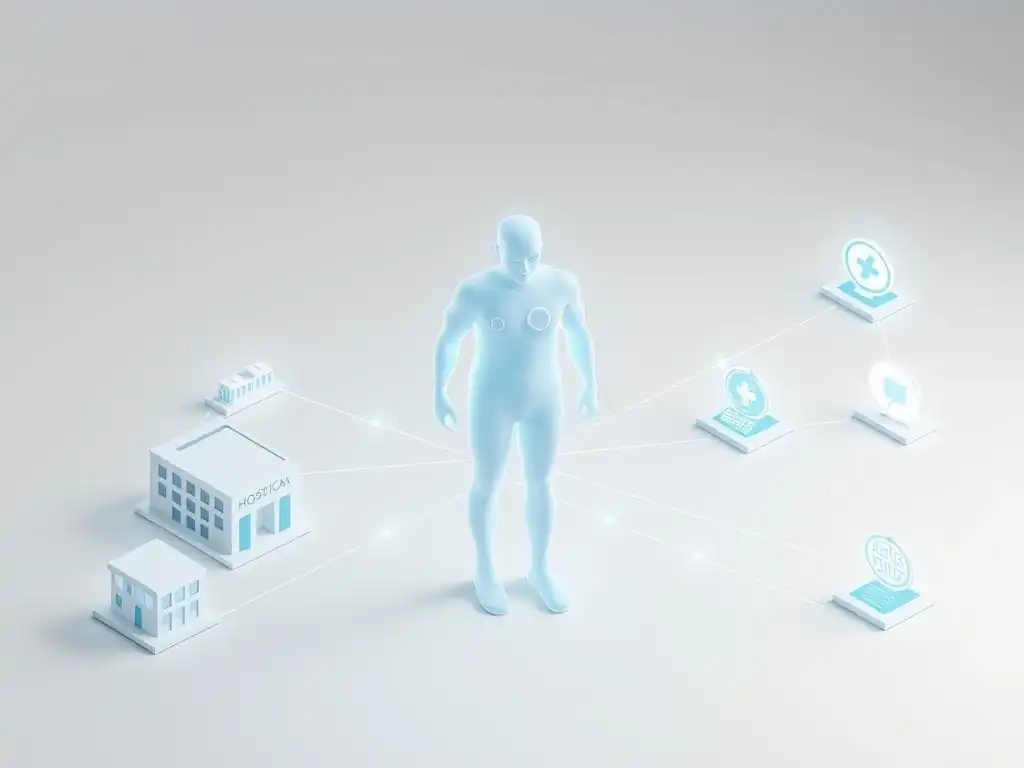
Examples of Blockchain Implementations in Healthcare Organizations
While widespread adoption is still nascent, several healthcare organizations and technology companies are exploring and implementing blockchain solutions for clinical data management. These initiatives range from pilot programs focused on specific use cases like consent management or supply chain tracking to more ambitious platforms aiming to create patient-centric data ecosystems. Early adopters include academic medical centers, pharmaceutical companies, and health IT startups.
For instance, some hospitals are piloting blockchain for managing patient consent for data sharing for research, providing granular control and an immutable audit trail. Pharmaceutical companies are exploring its use in tracking clinical trial data and managing the drug supply chain to combat counterfeiting. These diverse applications highlight the versatility of blockchain beyond finance and its potential to address specific pain points within the complex healthcare landscape, particularly concerning blockchain clinical data security and data integrity.
Case Study 1: MediBloc - Patient-Centric Healthcare Data Platform
MediBloc is a prominent example of a platform designed to create a patient-centric healthcare data ecosystem using blockchain technology. Founded in South Korea, MediBloc aims to empower patients with ownership and control over their medical information. Their platform allows patients to consolidate health records from various providers onto a single, secure mobile app, leveraging blockchain to ensure data integrity and security.
The MediBloc platform uses a permissioned blockchain where healthcare providers, patients, and researchers can interact with patient data based on predefined permissions. Patients use their private keys to grant or revoke access to specific parts of their records. This system not only improves patient access to their own data but also facilitates secure data sharing with authorized parties. MediBloc's approach directly addresses the challenges of data fragmentation and lack of patient control, demonstrating a tangible application of blockchain clinical data security for patient empowerment.
Case Study 2: BurstIQ - Secure Data Exchange for Healthcare Ecosystems
BurstIQ is another notable company leveraging blockchain for healthcare data management, focusing on creating a secure and compliant platform for managing and sharing sensitive health data. BurstIQ's platform utilizes a multi-level blockchain network designed specifically for handling complex, relationships-based data common in healthcare, such as the connections between patients, providers, researchers, and payers.
Their platform enables organizations to securely acquire, manage, and share health data assets while maintaining strict compliance with regulations like HIPAA and GDPR. BurstIQ employs smart contracts to manage data usage agreements and enforce permissions, ensuring that data is accessed and used only according to specified terms. Their focus on secure data exchange and complex data relationships highlights blockchain's potential to build interconnected healthcare ecosystems while prioritizing blockchain clinical data security and regulatory compliance.
Addressing the Challenges and Limitations of Blockchain Adoption in Healthcare
Scalability and Performance Considerations
One significant challenge for blockchain adoption in healthcare is scalability. Public blockchains like Bitcoin or Ethereum (pre-Eth2) can process a limited number of transactions per second, which might not be sufficient for the high volume of data transactions required by large healthcare systems or busy hospitals. While private or permissioned blockchains, often considered for enterprise use, offer higher transaction speeds (potentially thousands per second), they may still face performance bottlenecks when dealing with massive datasets or real-time access needs.
Designing blockchain solutions that can handle the scale and performance requirements of modern healthcare requires careful consideration of the underlying architecture, consensus mechanisms, and integration strategies. Solutions might involve hybrid approaches, using blockchain for specific functions like indexing or consent management while storing the bulk of the data in optimized off-chain databases. Addressing these technical limitations is crucial for the practical implementation of blockchain clinical data security solutions at scale.
Regulatory Compliance and Legal Frameworks
The healthcare industry is heavily regulated, with strict rules governing data privacy and security, such as HIPAA in the United States and GDPR in Europe. While blockchain's features align well with the goals of these regulations (e.g., security, auditability, patient control), its implementation within existing legal frameworks presents complexities. For instance, the "right to be forgotten" under GDPR conflicts with the immutable nature of blockchain.
Finding ways to reconcile blockchain's immutability with data privacy regulations requires careful design, potentially involving storing sensitive data off-chain with hashes on the blockchain, or using advanced cryptographic techniques. Furthermore, legal clarity is needed regarding data ownership, liability, and the legal standing of data stored on a blockchain in different jurisdictions. Navigating this complex regulatory landscape is a critical step towards widespread adoption of blockchain clinical data security systems.
Interoperability with Existing Healthcare Systems
Healthcare organizations have invested heavily in existing IT infrastructure, including various EHR systems, lab information systems, and practice management software. Integrating new blockchain-based solutions with these legacy systems presents a significant technical and logistical challenge. Many legacy systems use proprietary data formats and communication protocols, making seamless interoperability difficult.
For blockchain to be successfully adopted, it must be able to interact and exchange data with existing systems without requiring a complete overhaul of current infrastructure. This often necessitates the development of middleware, APIs, and data transformation layers to bridge the gap between blockchain platforms and legacy systems. Achieving true interoperability is key to leveraging blockchain clinical data security benefits without disrupting existing workflows and operations.
Overcoming Resistance to Change and Fostering Collaboration
Implementing blockchain in healthcare requires not only technical integration but also significant organizational change. Healthcare professionals, administrators, and IT staff need to understand the technology, its benefits, and how it impacts their workflows. Resistance to adopting new technologies, particularly one as potentially disruptive as blockchain, is a significant barrier.
Fostering collaboration among diverse stakeholders – including hospitals, clinics, payers, patients, and technology vendors – is essential. Building trust in the technology and demonstrating clear value propositions are crucial for overcoming skepticism. Pilot projects, educational initiatives, and collaborative frameworks can help ease the transition and build consensus around the benefits of enhanced blockchain clinical data security and improved data accessibility.
The Future of Blockchain in Clinical Data Management
Emerging Trends and Innovations
The application of blockchain in clinical data management is a rapidly evolving field, with several emerging trends and innovations pushing the boundaries of what's possible. Beyond basic data security and sharing, future developments are likely to integrate blockchain with other cutting-edge technologies to create more sophisticated and intelligent healthcare data ecosystems.
One significant trend is the development of specialized healthcare blockchains designed to meet the unique needs of the industry, including considerations for privacy, compliance, and performance. Another area of innovation involves using decentralized identifiers (DIDs) and verifiable credentials (VCs) to manage identities and permissions on the blockchain, offering a more secure and privacy-preserving way for patients and providers to interact with data. These advancements promise to further enhance blockchain clinical data security and enable more complex data interactions.
Integration with AI and Machine Learning
The combination of blockchain with Artificial Intelligence (AI) and Machine Learning (ML) holds immense potential for transforming healthcare. While blockchain provides a secure, immutable, and auditable foundation for managing clinical data, AI/ML can extract valuable insights from this data to improve diagnostics, personalize treatments, and accelerate drug discovery. However, training AI models often requires access to vast amounts of sensitive data, raising privacy concerns.
Blockchain can facilitate secure and privacy-preserving AI/ML training by enabling federated learning approaches where AI models are trained locally on distributed, encrypted data sources (secured by blockchain) rather than requiring data to be centralized. Blockchain can also be used to track and audit the AI models themselves, ensuring transparency and accountability in how they are developed and used. This integration can unlock the power of data-driven healthcare while maintaining robust blockchain clinical data security.
Decentralized Identity Management for Healthcare
Managing patient and provider identities securely across different healthcare systems is a persistent challenge. Traditional identity management relies on centralized databases, which are vulnerable to breaches and can lead to fragmented identity records. Decentralized identity (DID) systems, often built on blockchain, offer a potential solution.
In a DID system, individuals and organizations control their own digital identities, verified cryptographically on a blockchain or decentralized ledger. Patients could use their DID to securely authenticate themselves and grant access to their medical records without relying on a central authority. Healthcare providers could also have DIDs, simplifying secure communication and data exchange. This approach enhances privacy, security, and patient control over their identity and associated data, further strengthening blockchain clinical data security within the healthcare ecosystem.
Predictions for the Adoption of Blockchain in the Healthcare Industry
While widespread, enterprise-level adoption of blockchain across the entire healthcare industry is likely still several years away, the trajectory indicates increasing implementation, particularly in specific high-value use cases. Experts predict that blockchain technology will move beyond pilot projects in areas like supply chain and credentialing to more core clinical data management functions.
Market research reports suggest a significant growth in the blockchain in healthcare market, projecting billions of dollars in value within the next few years. Initially, adoption may focus on applications where blockchain's immutability and transparency are most critical, such as clinical trial data management, consent management, and secure data exchange networks between specific provider groups. As the technology matures, scalability solutions improve, and regulatory clarity emerges, blockchain's role in securing and making clinical data more accessible is expected to expand significantly. The focus on blockchain clinical data security will likely be a primary driver of this growth.
Conclusion: Blockchain as a Catalyst for Secure and Accessible Clinical Data
Recap of the Benefits of Blockchain for Clinical Data Management
Blockchain technology offers a transformative approach to clinical data management by addressing critical challenges related to security, integrity, and accessibility. Its decentralized and immutable ledger creates a tamper-proof record of patient information and data interactions, significantly enhancing blockchain clinical data security against breaches and unauthorized modifications. By providing a shared, trusted layer, blockchain can help overcome data silos and improve interoperability between disparate healthcare systems, making clinical data more accessible to authorized providers and researchers.
Furthermore, blockchain empowers patients by enabling them to control access to their own medical records, fostering a patient-centric model of healthcare data management. The transparency and auditability inherent in blockchain provide a clear, verifiable history of all data access and changes, crucial for compliance and building trust among all stakeholders in the healthcare ecosystem. From streamlining clinical trials to securing EHRs, the benefits of leveraging blockchain clinical data security are substantial.
The Path Forward: Embracing Blockchain to Revolutionize Healthcare Data
While challenges related to scalability, regulation, and integration with legacy systems remain, the potential benefits of blockchain for clinical data management are too significant to ignore. The path forward involves continued research and development into scalable solutions, collaborative efforts between technology providers and healthcare organizations, and proactive engagement with regulators to establish clear legal and compliance frameworks.
Embracing blockchain requires a strategic vision that goes beyond simply implementing a new technology; it involves fundamentally rethinking how clinical data is managed, shared, and secured. As pilot projects demonstrate tangible value and the technology matures, blockchain is poised to become a catalyst for revolutionizing healthcare data, leading to more secure, accessible, and ultimately, more effective patient care and medical research. Investing in blockchain clinical data security is an investment in the future of healthcare.
Frequently Asked Questions
What is the primary benefit of using blockchain for clinical data management?
The primary benefit is enhanced data security and integrity. Blockchain's immutable nature makes it significantly harder to tamper with sensitive patient information.
How does blockchain improve the accessibility of clinical data?
Blockchain facilitates secure data sharing among authorized parties. This enables better collaboration between healthcare providers and faster access to patient records.
What are some potential enterprise applications of blockchain in healthcare beyond data security?
Beyond security, blockchain can streamline supply chain management for pharmaceuticals, improve clinical trial transparency, and facilitate secure identity management for patients.
What regulatory challenges exist for implementing blockchain solutions in healthcare?
Regulatory hurdles involve navigating existing data privacy laws like HIPAA and GDPR. Ensuring compliance with regulations is crucial for successful adoption.
How can blockchain contribute to the future of decentralized clinical data systems?
Blockchain can enable patient-centric data ownership and control. This shift empowers patients to manage their health information and selectively share it with providers.
Final Reflection: Securing the Future of Healthcare Data
The exploration of blockchain's potential within clinical data management underscores a critical need in our increasingly digital world: the secure and accessible management of sensitive patient information. The challenges of data breaches, interoperability issues, and patient control are not abstract concerns; they are realities impacting healthcare systems and individual lives today. Blockchain offers a compelling, albeit complex, solution to these pressing problems, promising a future where data security and patient empowerment are not mutually exclusive.
The promise of blockchain extends far beyond mere technological innovation; it represents a fundamental shift in how we perceive and interact with healthcare data. This shift, driven by the principles of decentralization and transparency, has the potential to revolutionize the patient experience, fostering trust and enabling more informed healthcare decisions. The future of healthcare is about empowering patients with control over their own data, and blockchain technology offers a powerful tool to achieve this vision.
This ongoing evolution necessitates a continuous dialogue and collaborative effort among technologists, healthcare professionals, and policymakers to ensure responsible and ethical implementation.
As we stand at the cusp of this technological transformation, let us not merely observe, but actively participate in shaping the future of healthcare data management. Consider how you, whether as a patient, a healthcare provider, or a technology enthusiast, can contribute to the responsible adoption of blockchain technology. Reflect on the potential benefits and challenges, and strive to advocate for solutions that prioritize security, accessibility, and, above all, the well-being of individuals. The future of healthcare data security is not just a technological imperative; it is a shared responsibility.
Here's a CTA tailored to the article "Blockchain's Promise for Clinical Data Management: Security and Accessibility," for the website "Blockchain Trends" (blockchaintrends.org):
Unlock the Future of Healthcare Data!
Thanks for diving into the potential of blockchain for revolutionizing clinical data management! We hope you've gained valuable insights into how this technology can enhance security and accessibility in healthcare. Ready to take the next step?
- Embark on a personal project: Investigate a blockchain-based clinical data platform or application you've never heard of and share your findings with us.
- Discuss potential blockchain clinical data implementations with medical professionals in your network to gain their perspective.
- Share this article on your social media channels to spark a wider conversation about blockchain's role in healthcare innovation.
How will you champion the secure and accessible future of clinical data using blockchain technology?
Leave a Reply