
The Challenges of Implementing Blockchain in Supply Chains: Overcoming Hurdles to Adoption


Welcome to Blockchain Trends, your hub for understanding the revolutionary impact of blockchain technology. Beyond the hype of cryptocurrencies, blockchain is poised to reshape industries. Are you ready to delve into the real-world applications and navigate the complexities of this transformative technology?
This article explores a critical area: the blockchain supply chain implementation challenges businesses face. Discover the hurdles and potential solutions in adopting this innovative technology and unlock the future of decentralized systems and enterprise solutions. Keep reading to uncover the key to successful adoption.
The Challenges of Implementing Blockchain in Supply Chains: Overcoming Hurdles to Adoption
- Introduction: Unlocking Supply Chain Efficiency with Blockchain
- Understanding the Core Challenges of Blockchain Supply Chain Implementation
- Specific Blockchain Supply Chain Implementation Challenges and Solutions
- Overcoming the Challenges: Strategies for Successful Blockchain Supply Chain Implementation
- Case Studies: Learning from Real-World Blockchain Supply Chain Implementations
- The Future of Blockchain in Supply Chain: Trends and Predictions
- Conclusion: Navigating the Path to Blockchain-Enabled Supply Chains
-
Frequently Asked Questions
- What are the primary challenges associated with blockchain supply chain implementation?
- Why is data integration a significant hurdle in blockchain supply chain implementation?
- What are the regulatory considerations that organizations must address when implementing blockchain supply chain solutions?
- How does the lack of standardization impact the success of blockchain supply chain implementation?
- What steps can organizations take to overcome the challenges of blockchain supply chain implementation and ensure successful adoption?
- Final Reflection: Navigating the Blockchain Supply Chain Frontier
- Power Up Your Supply Chain Future!
Introduction: Unlocking Supply Chain Efficiency with Blockchain
The Promise of Blockchain Technology for Supply Chain Management
Blockchain technology holds immense potential to revolutionize supply chain management by providing unprecedented transparency, traceability, and efficiency. At its core, blockchain offers a decentralized, immutable ledger that can record every transaction and movement of goods from origin to destination. This shared, tamper-proof record allows all participants in a supply chain – from suppliers and manufacturers to distributors and retailers – to access reliable, real-time information. This level of visibility helps reduce fraud, minimize errors, improve logistics, and build greater trust among stakeholders who may otherwise operate in silos.
Consider the journey of a product from raw material to consumer. Traditionally, this involves numerous intermediaries, each maintaining their own separate records, leading to delays, data discrepancies, and a lack of end-to-end visibility. Blockchain streamlines this process by creating a single source of truth.
For instance, tracking goods like perishable foods or high-value electronics becomes significantly more accurate, allowing for quicker identification of issues like contamination or counterfeiting. The promise lies in cutting costs associated with manual processes, reducing disputes, and enabling faster, more informed decision-making across the entire network, directly addressing many operational inefficiencies inherent in complex, multi-party supply chains.
Why Blockchain Adoption in Supply Chains Faces Unique Obstacles
Despite the compelling benefits, the path to successful blockchain supply chain implementation is fraught with unique challenges. Unlike relatively contained financial applications, supply chains involve a vast, diverse network of entities, often spanning multiple countries and regulatory environments. These networks rely on legacy systems, operate with varying levels of technological sophistication, and frequently lack established protocols for data sharing and collaboration. The inherent fragmentation and complexity of global supply chains amplify the difficulties in integrating a disruptive technology like blockchain seamlessly across all participants.
Furthermore, blockchain supply chain implementation challenges extend beyond technical integration. They encompass significant organizational, logistical, and financial hurdles. Gaining consensus among numerous independent parties, overcoming resistance to change within organizations, establishing clear governance models, and demonstrating a tangible return on investment are critical barriers. These factors make the adoption curve for blockchain in supply chains steeper than in some other sectors, requiring careful planning, phased implementation, and a collaborative approach to navigate the complex landscape of global commerce.
Understanding the Core Challenges of Blockchain Supply Chain Implementation
Technical Hurdles in Blockchain Integration for Supply Chains
Implementing blockchain within existing supply chain ecosystems presents significant technical challenges that must be carefully addressed. Integrating a new, decentralized ledger system with a multitude of disparate legacy enterprise resource planning (ERP), warehouse management systems (WMS), and transportation management systems (TMS) is a complex undertaking. Many of these existing systems use proprietary databases and communication protocols, making seamless data exchange with a blockchain platform technically difficult. Developing robust APIs and middleware to bridge these technological gaps requires significant development effort and expertise.
Interoperability Issues: Connecting Diverse Supply Chain Systems to Blockchain
A major technical hurdle is ensuring interoperability between different blockchain platforms and between blockchain and existing IT infrastructure. A typical supply chain involves various parties potentially using different blockchain solutions or relying heavily on traditional databases. For a blockchain to provide end-to-end visibility, it needs to exchange data reliably with these diverse systems. Achieving this requires standardized data formats, communication protocols, and potentially cross-chain compatibility solutions, which are still evolving areas within blockchain technology. Without effective interoperability, the blockchain becomes another silo rather than a unifying layer.
Scalability Limitations of Current Blockchain Solutions for Large Supply Chains
Scalability remains a critical concern for blockchain supply chain implementation, especially in high-throughput environments involving millions or billions of transactions annually. Public blockchains like Ethereum, while decentralized, face limitations in transaction speed (e.g., around 15-30 transactions per second) which are insufficient for the volume of data generated by large-scale supply chains. While permissioned blockchains like Hyperledger Fabric or Corda offer higher throughput (potentially thousands of transactions per second depending on configuration), scaling them across a vast network of participants while maintaining performance and decentralization is still a challenge that requires careful architectural design and infrastructure investment.
Data Storage and Management Concerns in Blockchain-Based Supply Chains
Blockchain's immutable nature means that once data is added, it is permanently stored on the ledger. For supply chains, this can lead to rapid data growth as information about every product movement, quality check, and transaction is recorded.
Managing the storage capacity and querying large volumes of historical data on the blockchain can become technically challenging and costly. Solutions often involve storing only critical hashes or summary data on-chain while linking to off-chain databases for bulk storage, introducing complexities in data management and requiring careful consideration of what information truly needs the immutability of the blockchain versus what can reside in traditional systems.
Organizational and Logistical Challenges in Blockchain Adoption
Beyond the technical complexities, significant organizational and logistical challenges impede blockchain supply chain implementation. Supply chains are intricate networks of independent businesses, each with its own culture, processes, and priorities. Gaining buy-in from all necessary stakeholders – from small farmers or material suppliers to large manufacturers and global logistics providers – is a fundamental hurdle. This requires extensive collaboration, education, and alignment of incentives, which can be a slow and arduous process given the fragmented nature of many supply chain ecosystems.
Lack of Standardized Protocols and Regulatory Frameworks
The absence of universally accepted standards for blockchain implementation in supply chains is a major barrier. Different platforms use different protocols, data models, and governance rules, making integration and collaboration difficult. Furthermore, regulatory frameworks surrounding blockchain and digital assets are still evolving globally. Uncertainty about compliance, data privacy regulations (like GDPR), and cross-border legal recognition of blockchain-based transactions creates a hesitant environment for widespread adoption. Establishing clear standards and navigating the complex regulatory landscape adds significant logistical challenges to blockchain supply chain implementation efforts.
Resistance to Change and Internal Adoption Barriers
Introducing a new technology like blockchain often faces internal resistance within organizations. Employees may be comfortable with existing processes, wary of learning new systems, or concerned about job security. Overcoming this requires significant effort in change management, training, and demonstrating the value proposition to end-users. Logistically, integrating blockchain requires changes to existing workflows, data capture methods (e.g., using IoT sensors or mobile apps to feed data onto the chain), and collaboration models, demanding careful planning and execution to minimize disruption during the transition period.
Managing Temperature-Sensitive Goods with Blockchain in Cold Chain Logistics
A specific logistical challenge arises in sectors like cold chain logistics, where tracking conditions like temperature and humidity is critical for perishable goods. While blockchain can immutably record data, it relies on accurate input from external sources, typically IoT sensors.
Ensuring the reliability and security of data captured by these sensors and transmitted to the blockchain is crucial. Furthermore, the logistics of integrating sensors throughout a complex cold chain – from refrigerated trucks and warehouses to retail freezers – and ensuring data flow even in remote or disconnected environments adds layers of logistical complexity to blockchain supply chain implementation for temperature-sensitive products.
Financial and Economic Barriers to Entry
The financial implications of adopting blockchain technology represent another significant category of blockchain supply chain implementation challenges. While the long-term promise includes cost savings, the initial investment required to build or subscribe to a blockchain platform, integrate it with existing systems, and train personnel can be substantial. This upfront cost can be a significant deterrent, particularly for small and medium-sized enterprises (SMEs) that are integral parts of many supply chains but may lack the capital resources of larger corporations.
High Initial Investment Costs for Blockchain Infrastructure
Setting up the necessary infrastructure for a blockchain supply chain solution involves costs for hardware (servers, IoT devices), software licenses or development, integration services, and potentially ongoing network fees. Building a permissioned network requires investments in nodes and network maintenance. Even using a Blockchain as a Service (BaaS) platform incurs subscription fees that can escalate with usage. Estimates for pilot projects can range from tens of thousands to hundreds of thousands of dollars, while full-scale deployments can run into millions, depending on the complexity and size of the supply chain network involved.
Demonstrating ROI and Justifying Blockchain Implementation
One of the key economic barriers is accurately calculating and demonstrating a clear return on investment (ROI) for blockchain supply chain implementation. The benefits of blockchain – such as increased trust, reduced fraud, or faster dispute resolution – can be intangible or difficult to quantify in monetary terms in the short term. Companies need to build a strong business case that goes beyond buzzwords and clearly outlines how blockchain will lead to measurable improvements, such as reduced waste (e.g., less spoilage in food), lower administrative costs, faster payments, or increased sales due to enhanced consumer trust in product authenticity.
Difficulty in Securing Funding for Blockchain Supply Chain Projects
Securing internal or external funding for blockchain supply chain projects can be challenging due to the perceived risk, novelty, and the difficulty in demonstrating concrete, short-term financial returns. Investors and corporate finance departments may be hesitant to allocate significant budgets to initiatives whose benefits might only fully materialize over several years and require extensive cross-organizational collaboration. This makes justifying the investment and navigating internal budget approval processes a significant hurdle in moving from pilot projects to full-scale blockchain supply chain implementation.
Specific Blockchain Supply Chain Implementation Challenges and Solutions
While blockchain's transparency is a key benefit, it also presents a challenge regarding data privacy, especially in supply chains where sensitive commercial information is exchanged. Participants may be reluctant to share proprietary data, such as pricing, customer lists, or manufacturing processes, on a shared ledger accessible even within a permissioned network. Ensuring that only authorized parties can access specific types of data while maintaining the integrity and immutability of the overall record is a critical concern that must be addressed during blockchain supply chain implementation.
Solution: Implementing Permissioned Blockchains and Data Encryption
A primary solution to data privacy concerns in blockchain supply chain implementation is the use of permissioned blockchains (like Hyperledger Fabric or R3 Corda) rather than public ones. In permissioned networks, participation is restricted, and access controls can be implemented to define who can join the network, submit transactions, and view data. Furthermore, data encryption techniques can be employed. Sensitive data can be encrypted before being placed on the ledger, with decryption keys shared only among authorized parties, ensuring that the data remains private even if the transaction record is visible on the chain.
Zero-Knowledge Proofs
Zero-Knowledge Proofs (ZKPs) offer an advanced cryptographic solution to enhance privacy. ZKPs allow one party to prove to another that a statement is true without revealing any information beyond the validity of the statement itself. In a supply chain context, this means a participant could prove they meet a certain compliance requirement (e.g., a supplier is certified organic) without revealing the underlying sensitive data (e.g., detailed farming practices or customer contracts) on the blockchain. While technically complex, ZKPs are an emerging tool to balance transparency with privacy in blockchain supply chain implementation.
Challenge 2: Supply Chain Complexity and Fragmentation
Modern supply chains are often incredibly complex, involving numerous tiers of suppliers, manufacturers, distributors, and logistics providers spread across the globe. This fragmentation means different entities use disparate systems, follow varying processes, and operate under different legal jurisdictions. Integrating a single blockchain solution across such a diverse and geographically dispersed network is a significant undertaking. The lack of a centralized authority or common platform makes coordinated blockchain supply chain implementation particularly challenging.
Solution: Modular Blockchain Solutions and API Integrations
To address the complexity and fragmentation, adopting modular blockchain solutions and focusing on robust API integrations is key. Instead of attempting a monolithic implementation, a modular approach allows different parts of the supply chain to integrate with the blockchain platform incrementally. APIs act as the bridge, allowing existing legacy systems (like ERPs, WMS) to interact with the blockchain layer without requiring a complete overhaul of their internal infrastructure. This allows companies to connect to the blockchain network and share relevant data points without disrupting their core operations.
Partnering with Specialized Blockchain Providers
Engaging with specialized blockchain solution providers who understand specific industry nuances (e.g., food traceability, pharmaceuticals, luxury goods) can also mitigate complexity. These providers often offer pre-built modules, industry-specific templates, and expertise in integrating with common supply chain software. Partnering can accelerate the blockchain supply chain implementation process, leverage existing best practices, and reduce the burden on internal IT teams who may not have deep expertise in distributed ledger technology and its application within complex logistical networks.
Challenge 3: Lack of Trust and Collaboration Among Stakeholders
Paradoxically, while blockchain is built on trust (or rather, trustlessness in the sense of not requiring trust in a single intermediary), a significant hurdle to its adoption in supply chains is the existing lack of trust and collaboration among stakeholders. Companies within a supply chain may view each other as competitors or be hesitant to share information they perceive as giving others a competitive advantage. Getting multiple, often competing, parties to agree on a shared platform, data standards, and governance rules is a fundamental human and business challenge that precedes the technical implementation.
Solution: Building Consensus Mechanisms and Governance Models
Overcoming the trust barrier requires building strong consensus mechanisms and clear governance models for the blockchain network. Consensus mechanisms, inherent to blockchain, ensure that all participating nodes agree on the validity of transactions, building trust in the data itself. Beyond the technical consensus, a robust governance framework defines the rules of participation, how disputes are resolved, how updates are made, and how new members are onboarded. Establishing a neutral governing body or a consortium model involving key stakeholders can help build confidence and facilitate collaboration necessary for successful blockchain supply chain implementation.
Smart Contracts for Automated Agreements
Smart contracts can play a crucial role in fostering collaboration by automating agreements based on predefined conditions recorded on the blockchain. For example, a smart contract could automatically trigger payment to a supplier once the blockchain records that goods have been received and verified at the next point in the chain. This reduces the need for manual invoicing and verification, speeds up transactions, and builds trust by ensuring that agreements are executed automatically and transparently according to the agreed-upon terms, reducing potential for disputes and increasing efficiency in blockchain supply chain implementation.
Overcoming the Challenges: Strategies for Successful Blockchain Supply Chain Implementation
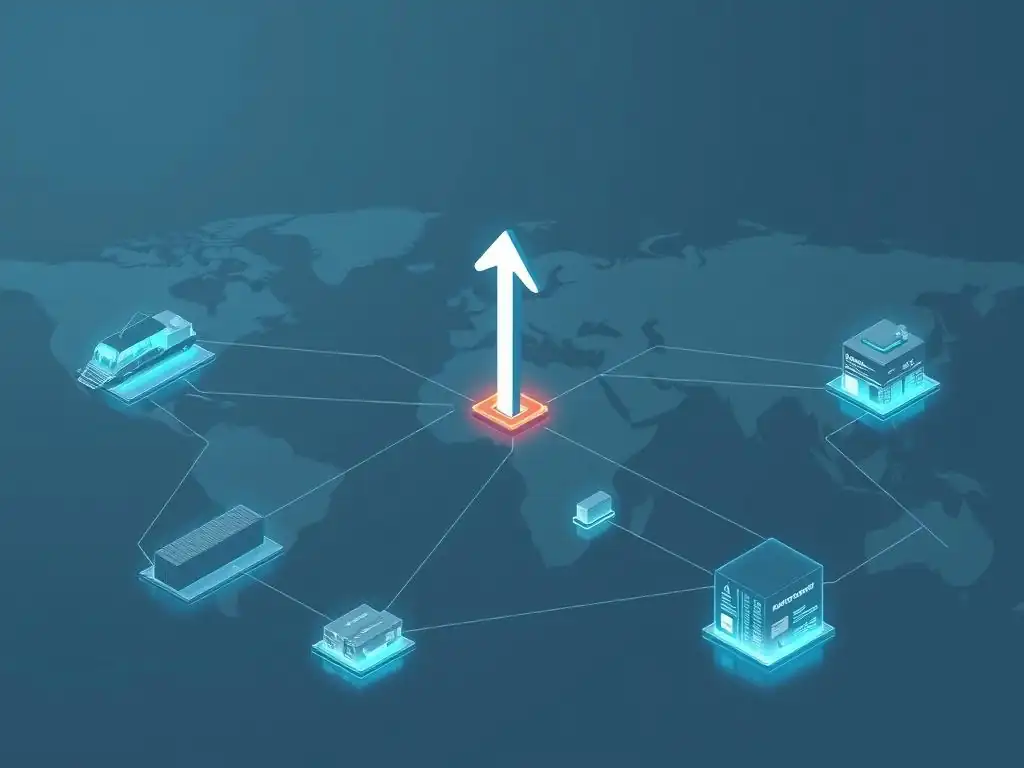
Pilot Projects and Proof of Concepts: Validating Blockchain's Value
A crucial strategy for overcoming blockchain supply chain implementation challenges is to start small with pilot projects or proof-of-concepts (PoCs). Attempting a full-scale deployment across an entire global supply chain from day one is often impractical and risky. Pilots allow organizations to test the technology in a controlled environment, focusing on a specific use case (e.g., tracking a single product line, verifying a specific compliance process) and involving a limited number of key partners. This approach provides valuable lessons learned, helps identify unforeseen technical or organizational hurdles, and allows stakeholders to see the tangible benefits firsthand.
Successful pilots, even on a small scale, provide crucial data points and build confidence among participants. For instance, a pilot tracking high-value goods might demonstrate a 10-15% reduction in counterfeit items or a 5-7% improvement in delivery times for a specific route. These early successes can serve as powerful internal and external validation, making it easier to gain buy-in for broader blockchain supply chain implementation. They also help refine the technical architecture, data requirements, and governance model before scaling up the solution across a wider network of partners and products.
Building a Strong Ecosystem: Collaboration and Partnerships
Given the multi-party nature of supply chains, successful blockchain adoption hinges on building a strong collaborative ecosystem. No single company can implement blockchain in a supply chain effectively without the participation and cooperation of its suppliers, customers, logistics partners, and potentially regulators. This requires fostering open communication, establishing clear value propositions for all participants, and finding common ground on data sharing and governance protocols. Initiatives like industry consortia focused on blockchain standards can play a vital role in facilitating this collaboration.
Partnering with technology providers, industry associations, and even competitors can help pool resources, share knowledge, and accelerate the development and adoption of common blockchain solutions. For example, forming a consortium around tracking specific commodities (like agricultural products or minerals) allows participating companies to share the costs and benefits of blockchain supply chain implementation, creating network effects that increase the value for everyone involved. Building this collaborative foundation is paramount to overcoming the inherent fragmentation and trust issues within complex supply chain networks.
Investing in Education and Training: Upskilling the Workforce
A significant barrier to blockchain supply chain implementation is the lack of understanding and expertise among the existing workforce. Implementing and managing blockchain solutions requires new skills, ranging from understanding distributed ledger technology concepts to working with smart contracts and managing data input from IoT devices. Investing in comprehensive education and training programs for employees across various functions – including IT, logistics, procurement, and compliance – is essential to ensure smooth adoption and operation of the new system.
Training should cover not just the technical aspects but also the strategic benefits and practical implications of blockchain for daily operations. This helps alleviate fears, builds confidence, and empowers employees to effectively utilize the technology. Companies might offer workshops, online courses, or partner with educational institutions. A workforce that understands and embraces blockchain is far more likely to contribute to the successful implementation and ongoing optimization of blockchain-enabled supply chain processes, mitigating internal resistance and maximizing the value derived from the investment.
Case Studies: Learning from Real-World Blockchain Supply Chain Implementations
Tracking Tuna from Ocean to Table: Blockchain in the Food Industry
The food industry is a prime example where blockchain supply chain implementation is addressing long-standing challenges of traceability, safety, and sustainability. One notable case involves tracking tuna. Traditionally, tracing fish from catch to consumer is difficult, leading to issues like illegal fishing, mislabeling, and lack of transparency regarding origin and handling. A blockchain solution allows fishermen, distributors, processors, and retailers to record data at each step: catch location, date, vessel, processing facility, temperature logs, and shipping details.
This immutable record provides consumers with verifiable information about the fish they purchase, building trust and supporting sustainable practices. For businesses, it enables rapid identification and isolation of contaminated products during recalls, potentially reducing the scope and cost of such events. While initial implementation faced challenges in getting small-scale fishermen and diverse intermediaries onboarded and trained, the long-term benefits in terms of brand reputation, compliance, and operational efficiency are driving continued adoption in this sector, illustrating how blockchain can enhance transparency for perishable goods.
Ensuring Authenticity and Traceability of Pharmaceuticals with Blockchain
Counterfeiting and ensuring the authenticity of drugs is a critical challenge in the pharmaceutical supply chain, posing significant health risks. Blockchain is being explored and implemented to create a secure, transparent ledger for tracking pharmaceutical products from manufacturing through distribution to the pharmacy or hospital. Each package can be assigned a unique identifier, and its movement and status recorded on the blockchain at various checkpoints, such as leaving the factory, arriving at a warehouse, and being shipped to a dispenser.
This level of granular traceability helps combat the infiltration of counterfeit drugs into the legitimate supply chain. Regulatory mandates, like the US Drug Supply Chain Security Act (DSCSA), are pushing the industry towards greater electronic traceability, and blockchain offers a robust solution to meet these requirements. While the blockchain supply chain implementation in this highly regulated and complex industry involves significant technical validation and coordination among numerous stakeholders, the potential to save lives and protect brand integrity makes it a compelling use case despite the initial hurdles in integrating diverse systems and ensuring data integrity from all participants.
The Future of Blockchain in Supply Chain: Trends and Predictions
Increased Adoption of Blockchain as a Service (BaaS)
Looking ahead, a key trend expected to accelerate blockchain supply chain implementation is the increased adoption of Blockchain as a Service (BaaS) platforms. BaaS providers offer cloud-based blockchain infrastructure and tools, simplifying the technical complexities of setting up and managing a blockchain network. This significantly lowers the barrier to entry for companies, particularly SMEs, who may lack the in-house expertise or capital for a full-scale private deployment. Major cloud providers and specialized blockchain companies are expanding their BaaS offerings, making the technology more accessible and affordable.
This trend is likely to reduce the initial financial and technical blockchain supply chain implementation challenges, allowing companies to focus more on integrating the technology with their business processes and collaborating with partners. As BaaS platforms mature, offering more standardized APIs and modular solutions, the time and effort required to onboard participants and connect disparate systems will decrease, paving the way for broader adoption across various industries, from retail and manufacturing to logistics and agriculture.
The Rise of Decentralized Supply Chain Finance (DeFi)
The convergence of blockchain with decentralized finance (DeFi) is another significant future trend for supply chains. Blockchain's ability to provide transparent, verifiable records of goods movement and transactions creates opportunities for more efficient and accessible supply chain finance. For example, once goods are verified as shipped or received on the blockchain, smart contracts could trigger automated payments or unlock financing based on the confirmed transaction data, reducing reliance on traditional, often slow, manual processes and intermediaries.
This integration could provide suppliers, especially smaller ones, with faster access to working capital by allowing them to finance invoices or purchase orders represented as digital assets on the blockchain. This could significantly ease the financial burdens often faced by smaller players in the supply chain, fostering greater stability and participation. While regulatory clarity and technical integration challenges remain, the potential for DeFi to unlock liquidity and improve financial flows within blockchain-enabled supply chains is a powerful driver for future adoption.
The Role of Blockchain in Sustainable and Ethical Supply Chains
Blockchain is poised to play a crucial role in building more sustainable and ethical supply chains. Consumers and regulators are increasingly demanding transparency regarding the origin of products, labor practices, and environmental impact. Blockchain's immutable ledger can record and verify data related to these factors, such as certifications (e.g., fair trade, organic), carbon footprint data, or evidence of ethical sourcing. This provides a verifiable history that goes beyond traditional paper trails, which are susceptible to fraud.
By providing irrefutable proof of claims related to sustainability and ethics, blockchain can empower consumers to make informed choices and help companies build trust and demonstrate compliance with environmental, social, and governance (ESG) standards. While the challenge lies in ensuring the accuracy and reliability of the data fed into the blockchain (the 'garbage in, garbage out' problem), the technology provides the necessary infrastructure for verifiable reporting and accountability, making it a vital tool for the future of responsible sourcing and consumption within global supply networks.
Key Takeaways: Addressing Blockchain Supply Chain Implementation Challenges
Successfully navigating the path to blockchain-enabled supply chains requires a clear understanding and proactive approach to the numerous blockchain supply chain implementation challenges. These hurdles span technical complexities like interoperability and scalability, organizational issues such as resistance to change and lack of standards, and financial barriers including high initial costs and demonstrating ROI. Addressing these requires more than just adopting technology; it demands strategic planning, cross-organizational collaboration, and investment in people and processes.
Key takeaways include the necessity of starting with well-defined pilot projects to validate value, building a collaborative ecosystem involving all stakeholders, and investing in education to prepare the workforce. Solutions like using permissioned blockchains for privacy, leveraging modular architectures and APIs for integration, and implementing robust governance models and smart contracts are crucial technical and operational strategies. While the journey is complex, acknowledging and systematically addressing these specific challenges is fundamental to unlocking the transformative potential of blockchain in supply chain management.
Looking Ahead: The Transformative Potential of Blockchain for Global Supply Chains
Despite the current blockchain supply chain implementation challenges, the long-term transformative potential of this technology for global supply chains remains immense. As the technology matures, standards emerge, and the industry gains more experience, many of the current hurdles will diminish. The shift towards BaaS models, the integration with DeFi for improved financial flows, and the increasing demand for verifiable sustainability and ethical sourcing are all trends that point towards a future where blockchain is a fundamental layer of global trade.
Ultimately, blockchain offers the ability to create supply chains that are not only more efficient and cost-effective but also more transparent, secure, and trustworthy. By providing a single, immutable source of truth for the movement and provenance of goods, blockchain can foster greater collaboration among disparate parties, reduce fraud and waste, and build stronger connections with consumers. Overcoming the current challenges is an investment in a future where supply chains are more resilient, responsible, and responsive to the needs of a global economy.
Frequently Asked Questions
What are the primary challenges associated with blockchain supply chain implementation?
The main challenges often revolve around data integration with existing systems, ensuring scalability to handle large volumes of transactions, and achieving interoperability between different blockchain networks.
Why is data integration a significant hurdle in blockchain supply chain implementation?
Integrating blockchain with legacy systems can be complex because of differing data formats and the need for standardized protocols. This makes it difficult to ensure seamless data flow and real-time visibility across the supply chain.
What are the regulatory considerations that organizations must address when implementing blockchain supply chain solutions?
Regulations surrounding data privacy, data security, and cross-border data transfer are crucial. Organizations need to ensure compliance with applicable laws to avoid legal issues and maintain consumer trust.
How does the lack of standardization impact the success of blockchain supply chain implementation?
A lack of standardized protocols and data formats hinders interoperability between different blockchain platforms. This can limit the ability to track goods across multiple stages of the supply chain and collaborate with various supply chain partners.
What steps can organizations take to overcome the challenges of blockchain supply chain implementation and ensure successful adoption?
Focus on pilot projects to test and refine blockchain solutions, prioritize collaboration with industry partners, and invest in employee training to build internal expertise. This helps to address challenges gradually and build confidence in the technology.
The complexities explored throughout this article highlight that blockchain supply chain implementation challenges are not mere technical glitches, but rather systemic hurdles deeply intertwined with organizational culture, regulatory landscapes, and the very nature of collaborative ecosystems. Understanding these challenges is no longer a theoretical exercise; it's a critical imperative for businesses seeking to unlock the transformative potential of blockchain in today's increasingly interconnected and transparent global marketplace.
The journey towards widespread blockchain adoption in supply chains is a marathon, not a sprint. It requires a fundamental shift in mindset, embracing transparency, collaboration, and a willingness to challenge established norms. The resistance to change, the complexities of data integration, and the need for robust security protocols are all significant obstacles. However, the potential rewards – enhanced traceability, reduced fraud, and improved efficiency – are too significant to ignore. The future of supply chains is not just about efficiency; it's about trust. And blockchain, when implemented thoughtfully, can be a powerful tool for building that trust.
As we conclude this exploration of blockchain supply chain implementation challenges, I invite you to consider your own role in shaping this future. How can you champion transparency and collaboration within your organization? What steps can you take to educate yourself and others about the potential of blockchain and the strategies for overcoming its hurdles? The future of supply chains is being written now, and your contribution, however small, can help pave the way for a more efficient, transparent, and resilient global economy.
Power Up Your Supply Chain Future!
Thank you for exploring the complexities of implementing blockchain in supply chains. You've gained valuable insights into the challenges and potential solutions. Now, it's time to turn that knowledge into action.
Here are some ways to get started:
- Start Small, Dream Big: Identify a specific area within your supply chain where a pilot blockchain project could provide immediate benefits.
- Engage the Community: Join our forum on Blockchain Trends to connect with professionals facing similar challenges and share your experiences.
- Innovate Beyond the Norm: Consider unconventional uses of blockchain technology, such as verifying ethical sourcing of materials, and think about how these applications could benefit your business.
What is the one concrete step you'll take this week to explore blockchain integration in your supply chain? Share your ideas in the comments below!
Leave a Reply