
Decoding Blockchain for Supply Chain: A Practical Guide for Businesses

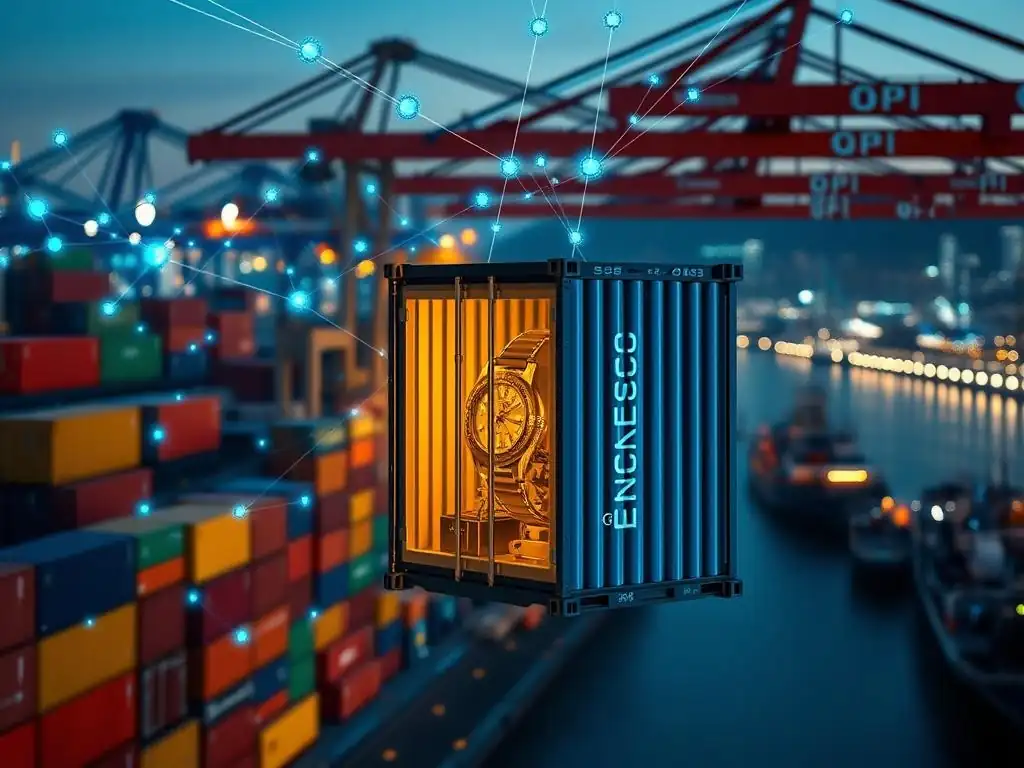
Welcome to Blockchain Trends, your guide to unlocking the transformative power of blockchain technology!
Dive into our latest exploration of how this revolutionary technology is moving beyond cryptocurrency. Are you ready to discover the profound blockchain supply chain management benefits that are reshaping industries? This practical guide unveils the secrets to leveraging blockchain for enhanced transparency, security, and efficiency in your business operations. Intrigued? Keep reading to unlock the future of your supply chain.
- Decoding Blockchain for Supply Chain: A Practical Guide for Businesses
- Exploring Blockchain Supply Chain Management Benefits
- Key Use Cases of Blockchain in Supply Chain
- Implementing Blockchain in Your Supply Chain: A Step-by-Step Guide
- Overcoming Challenges in Blockchain Supply Chain Adoption
- Real-World Examples of Blockchain Supply Chain Success
- The Future of Blockchain in Supply Chain Management
-
Frequently Asked Questions
- How can blockchain improve supply chain visibility?
- What are the key benefits of using blockchain in supply chain management?
- Is blockchain supply chain management only for large corporations?
- How does blockchain help with supply chain security and fraud prevention?
- What are some real-world examples of blockchain being used in supply chain management?
- Final Reflection: Unlocking Supply Chain Transparency
- Unlock Your Supply Chain's Potential: Take Action Now!
Decoding Blockchain for Supply Chain: A Practical Guide for Businesses
What is Blockchain and How Does It Work?
At its core, blockchain is a type of distributed ledger technology (DLT) that records transactions across a network of computers. Unlike traditional databases where a single entity controls the data, a blockchain maintains identical copies of the ledger on multiple nodes, making it highly resistant to tampering and fraud.
Each block in the chain contains a batch of transactions, a timestamp, and a cryptographic hash of the previous block, creating a secure and immutable link. Once a block is added to the chain through a consensus mechanism (like Proof of Work or Proof of Stake, though enterprise blockchains often use variations like Proof of Authority), the data within it cannot be altered without invalidating subsequent blocks, which would be immediately apparent to the network participants.
This distributed and immutable nature is fundamental to blockchain's appeal, especially in complex environments like supply chains. Instead of relying on centralized systems that are prone to single points of failure or manipulation, blockchain provides a shared, verifiable record that all authorized participants can access. This shared source of truth builds inherent trust among parties who may not otherwise trust each other directly, facilitating collaboration and reducing the need for intermediaries. The transparency can be configured, allowing participants to see only the data relevant to them while maintaining overall data integrity for the network.
Defining Supply Chain Management: Challenges and Opportunities
Supply chain management (SCM) encompasses the flow of goods, services, information, and finances from the point of origin to the point of consumption. It involves a complex network of suppliers, manufacturers, distributors, logistics providers, retailers, and ultimately, customers. Effective SCM aims to optimize these flows to maximize efficiency, reduce costs, improve customer satisfaction, and enhance resilience. Key activities include procurement, production scheduling, inventory management, logistics and transportation, and demand forecasting.
Despite its critical role, SCM faces significant challenges in the modern global economy. Lack of end-to-end visibility is a major hurdle, often leading to inefficiencies, delays, and difficulties in identifying the source of issues like product recalls or quality defects. Trust deficits between different parties, manual processes prone to error, susceptibility to fraud and counterfeiting, and slow, opaque payment systems further complicate operations. However, these challenges also present opportunities for innovation. Technologies that can enhance transparency, build trust, automate processes, and secure data hold immense potential to transform traditional supply chain models into more agile, resilient, and efficient networks.
The Intersection of Blockchain and Supply Chain: A Natural Fit
The inherent characteristics of blockchain technology align remarkably well with the core requirements and challenges of supply chain management. Supply chains are, by nature, distributed networks involving multiple independent entities. Blockchain's decentralized ledger mirrors this structure, allowing each participant to hold a copy of the shared transaction history relevant to their interactions. This eliminates reliance on a central authority or database that could be a bottleneck or point of failure.
Furthermore, the need for trust and transparency in supply chains is paramount, yet often lacking. Blockchain's immutability ensures that once data is recorded, it cannot be retrospectively changed, creating a verifiable and auditable history of transactions, movements, and states of goods. This provides an unprecedented level of transparency, allowing participants to track products from origin to destination with confidence in the data's integrity. This combination of distribution, immutability, and transparency makes blockchain a powerful tool for building more resilient, trustworthy, and efficient supply chains.
Exploring Blockchain Supply Chain Management Benefits
Adopting blockchain technology offers a multitude of benefits for businesses operating within complex supply networks. These advantages collectively contribute to a more efficient, secure, and transparent supply chain, directly addressing many of the long-standing challenges in the field. Understanding these Blockchain supply chain management benefits is crucial for businesses considering this transformative technology.
One of the primary Blockchain supply chain management benefits is the significant enhancement of visibility and trust among network participants. By providing a shared, immutable ledger of transactions and events, blockchain allows stakeholders to access near real-time information about the status, location, and history of goods as they move through the chain. This transparency reduces information asymmetry, enables faster decision-making, and builds a higher level of trust between parties who can verify data without relying solely on a single entity's records.
Enhanced Transparency and Traceability in Supply Chains
Blockchain's distributed and immutable ledger fundamentally transforms transparency within a supply chain. Every transaction or event – from raw material sourcing and manufacturing to shipping and delivery – can be recorded on the blockchain. This creates an unbroken, verifiable digital trail for every product. Participants with appropriate permissions can access this ledger to see the history of an item, including its origin, handling, and location at various stages.
This enhanced traceability offers significant Blockchain supply chain management benefits, particularly in industries where provenance and authenticity are critical. For instance, tracing the origin of food products in case of an outbreak or recall, which traditionally could take days or weeks involving sifting through paper records and disparate databases, can be reduced to mere seconds with a well-implemented blockchain solution. This rapid traceability minimizes potential harm to consumers and significantly reduces financial losses for businesses involved.
Improved Efficiency and Reduced Costs
The automation capabilities and streamlined data flow offered by blockchain contribute significantly to improving operational efficiency and reducing costs across the supply chain. Manual data entry, paper-based documentation, and reconciliation processes are major sources of delays, errors, and administrative overhead. By digitizing these processes and recording them on a shared ledger, blockchain minimizes the need for redundant data entry and verification across different systems and organizations.
Furthermore, the use of smart contracts – self-executing contracts with the terms of the agreement directly written into code – can automate various processes, such as payments triggered automatically upon delivery confirmation or quality verification. This reduces reliance on intermediaries, speeds up transactions, and lowers administrative costs associated with contract enforcement and payment processing. Estimates suggest that streamlining documentation and reducing manual processes through blockchain could lead to cost savings ranging from 10% to 25% in some supply chain operations. These efficiencies are clear Blockchain supply chain management benefits.
Increased Security and Counterfeit Prevention
Security is paramount in supply chains, involving both data integrity and product authenticity. Blockchain's cryptographic security measures and immutable ledger make it incredibly difficult for malicious actors to tamper with transaction data. Any attempt to alter a record would require compromising a majority of the network's participants, a far more complex task than hacking a single centralized database. This robust security protects sensitive supply chain information from unauthorized access or modification.
Beyond data security, blockchain is a powerful weapon against the estimated $1.2 trillion global trade in counterfeit goods. By creating a secure, verifiable digital identity for each product, linked to its physical counterpart through unique identifiers (like QR codes or NFC tags), consumers and businesses can verify the authenticity of an item by scanning the code and checking its history on the blockchain. This process makes it significantly harder for counterfeit products to infiltrate the legitimate supply chain, protecting brands, revenue, and consumer safety – a critical Blockchain supply chain management benefit, especially in pharmaceuticals, luxury goods, and electronics.
Streamlined Processes and Automation
Blockchain technology facilitates the streamlining of complex, multi-party supply chain processes through shared data and automated workflows. Traditionally, each participant in a supply chain maintains their own records and communicates with others using disparate systems and formats, leading to delays and inconsistencies. A shared blockchain ledger acts as a single source of truth, accessible to all authorized parties, ensuring everyone is working with the same, up-to-date information.
The implementation of smart contracts takes this streamlining a step further by automating actions based on predefined conditions. For example, a smart contract could automatically release payment to a supplier once a shipment is confirmed as received and inspected at a distribution center, as recorded on the blockchain. This automation reduces manual intervention, accelerates transactions, minimizes disputes, and frees up resources previously spent on administrative tasks and reconciliation, further highlighting the Blockchain supply chain management benefits in terms of operational efficiency.
Key Use Cases of Blockchain in Supply Chain
Blockchain's versatility allows its application across various critical functions within supply chain management, addressing specific pain points and unlocking new possibilities.
Tracking and Tracing Products
One of the most widely recognized and implemented use cases of blockchain in supply chain is enhancing the tracking and tracing of goods. By assigning a unique identifier to a product or batch and recording its movement and state changes (e.g., manufacturing date, location scans, temperature logs during transport) on a blockchain ledger, companies can create a complete, transparent, and immutable history. This allows for granular visibility into a product's journey from its origin through various intermediaries to its final destination.
This capability is invaluable for ensuring product authenticity, managing recalls efficiently, and complying with regulatory requirements. For example, in the food industry, a system like IBM Food Trust leverages blockchain to track produce from farm to table. This dramatically reduced the time it takes to trace the origin of a specific product from potentially seven days or more down to a matter of seconds, enabling rapid response to contamination issues and significantly improving food safety. Similar applications are being explored and implemented in pharmaceuticals, electronics, and other industries requiring high levels of traceability.
Enhancing Supply Chain Financing and Payments
Traditional supply chain finance often involves complex processes, lengthy payment cycles, and reliance on intermediaries, leading to inefficiencies and limited access to capital for smaller suppliers. Blockchain, coupled with smart contracts, can significantly enhance financing and payment processes. By tokenizing assets or invoices and recording them on a blockchain, businesses can create more liquid and verifiable financial instruments.
Platforms leveraging blockchain for trade finance enable faster, more secure transactions by providing a shared, immutable record of trade assets and agreements. Smart contracts can automate payments based on verifiable delivery or milestone completion data recorded on the ledger, reducing payment delays and the risk of disputes. This not only accelerates cash flow for suppliers but also opens up opportunities for broader participation in supply chain finance from various financial institutions, potentially unlocking billions in currently tied-up capital.
Managing Inventory and Logistics
Effective inventory management and logistics coordination are crucial for optimizing costs and meeting customer demand. Blockchain can improve these areas by providing a shared, real-time view of inventory levels and asset movements across the supply chain network. By integrating blockchain with IoT devices (like sensors tracking location, temperature, or humidity), automated updates can be recorded on the ledger as goods move or their status changes.
This creates a more accurate and transparent inventory record accessible to all relevant parties, reducing discrepancies, minimizing stockouts or overstocking, and improving planning. For logistics, blockchain can streamline the management of shipping documents, customs clearance, and freight tracking. A shared ledger reduces the need for multiple paper copies and disparate systems, leading to faster processing times and reduced administrative burdens. For instance, pilot programs using blockchain for shipping documentation have demonstrated potential reductions in processing time by several days.
Verifying Authenticity and Preventing Counterfeiting
Counterfeiting is a pervasive issue that costs industries billions annually and poses significant risks to consumer safety. Blockchain provides a robust mechanism for verifying the authenticity of products throughout the supply chain and at the point of sale. By creating a unique digital identity (often represented by a token on the blockchain) for each genuine product and linking it to a physical marker (like a serial number, QR code, or tamper-proof seal), companies can establish a secure chain of custody.
As the product moves through the supply chain, each legitimate handler can verify its authenticity and record its transfer on the blockchain. Consumers can use a mobile app to scan the physical marker and instantly access the product's verified history on the ledger, confirming whether it is genuine or a potential counterfeit. This approach has shown promise in industries like luxury goods, pharmaceuticals (as seen in the MediLedger project aiming to secure the US pharmaceutical supply chain), and electronics, significantly increasing confidence in product legitimacy and protecting against fraud.
Implementing Blockchain in Your Supply Chain: A Step-by-Step Guide
Implementing blockchain in a supply chain requires careful planning and execution. It's not a plug-and-play solution but rather a strategic technology adoption that impacts processes, systems, and relationships.
Assessing Your Supply Chain Needs
The first crucial step is to conduct a thorough assessment of your current supply chain operations to identify specific pain points and areas where blockchain can provide the most significant value. This involves mapping out your existing processes, identifying inefficiencies, pinpointing areas lacking transparency or trust, and understanding the flow of information and goods between different parties.
Consider which aspects of your supply chain are most vulnerable to fraud, delays, or lack of visibility. Is it raw material sourcing, manufacturing traceability, logistics, or final delivery? Understanding these specific challenges will help define the scope and objectives for a blockchain implementation. For example, if counterfeit goods are a major issue, focusing on product authentication might be the priority. If payment delays are common, exploring blockchain for supply chain finance could be the starting point.
Choosing the Right Blockchain Platform
Selecting the appropriate blockchain platform is critical, as different platforms offer varying features, consensus mechanisms, and governance models. For enterprise supply chain applications, private or consortium blockchains are often preferred over public blockchains like Bitcoin or Ethereum due to requirements for privacy, permissioned access, and higher transaction throughput.
Evaluate platforms based on factors such as scalability (ability to handle transaction volume), interoperability (ability to connect with existing systems and other blockchains), security features, privacy controls (e.g., support for zero-knowledge proofs), cost of implementation and operation, and the availability of developer tools and support. Examples of platforms used in enterprise supply chains include Hyperledger Fabric, R3 Corda, and certain permissioned versions of Ethereum. The choice should align with the specific needs identified in the assessment phase and the ecosystem of partners involved.
Developing a Proof of Concept
Before committing to a full-scale deployment, it is highly recommended to develop a Proof of Concept (PoC). A PoC involves implementing blockchain for a specific, limited use case within your supply chain to test the technology's viability and value proposition in a real-world setting. This could involve tracking a single product line, digitizing a specific document flow between a few key partners, or automating a small payment process.
The PoC should have clearly defined objectives and success metrics. It allows stakeholders to gain hands-on experience with the technology, identify potential technical and operational challenges, and gather data to evaluate the tangible benefits, such as reduced tracing time or improved data accuracy. A successful PoC provides the necessary evidence and lessons learned to justify further investment and scale the solution.
Integrating Blockchain with Existing Systems
Integrating a new blockchain solution with your existing legacy systems, such as Enterprise Resource Planning (ERP), Warehouse Management Systems (WMS), and Transportation Management Systems (TMS), is a significant technical challenge. Supply chain data is often siloed within these traditional systems, and bridging the gap between them and the distributed ledger is crucial for a successful implementation.
This integration typically involves developing Application Programming Interfaces (APIs) or using middleware to facilitate the flow of data between existing systems and the blockchain network. It's important to determine which data should reside on the blockchain (e.g., transaction hashes, key identifiers) and which should remain off-chain in existing databases, with only references stored on the ledger for privacy and efficiency. Careful planning is needed to ensure data consistency and synchronization across all connected systems.
Data Management and Security Considerations
Implementing blockchain introduces new considerations for data management and security. While blockchain provides inherent security through immutability and cryptography, the design of the network and the management of sensitive data require careful attention. Decide what level of detail should be recorded on the public (or permissioned) ledger versus kept private off-chain. For example, while a transaction record might be on-chain, sensitive commercial terms or customer details might be stored off-chain with only a hash on the ledger.
Ensuring data privacy and compliance with regulations like GDPR is paramount. Private and consortium blockchains offer features like permissioned access and data segregation to address these concerns. Robust key management practices are also essential to secure access to the network and protect digital identities of participants. Developing clear data governance policies covering data input, validation, access control, and retention is critical for maintaining the integrity and security of the blockchain-based supply chain solution.
Overcoming Challenges in Blockchain Supply Chain Adoption
While the Blockchain supply chain management benefits are compelling, businesses often face significant challenges during adoption that need to be addressed proactively.
Addressing Scalability Issues
Early blockchain platforms, particularly public ones, faced challenges with scalability, struggling to process a high volume of transactions quickly. While this was a major concern, enterprise-grade blockchain platforms designed for supply chain use cases have made significant strides in addressing this. Platforms like Hyperledger Fabric and R3 Corda are built with scalability in mind, utilizing different consensus mechanisms and architectures that can handle thousands of transactions per second, far exceeding the capabilities of early public chains.
Furthermore, solutions involving off-chain processing for high-volume, low-value transactions, with periodic settlement or verification on the blockchain, can further enhance scalability. Choosing a platform that aligns with the expected transaction volume and growth trajectory of your supply chain network is crucial. Continuous monitoring and optimization of network performance are also necessary as the system scales.
Ensuring Interoperability
Supply chains are inherently complex networks involving diverse participants using various systems and potentially different blockchain platforms. Ensuring interoperability between different blockchain networks and between blockchain and traditional legacy systems is a significant hurdle. Without interoperability, data can remain siloed even within blockchain environments, limiting the potential for end-to-end visibility.
Efforts are underway to establish standards and protocols for blockchain interoperability. Solutions include cross-chain communication protocols, standardized APIs for integration with legacy systems, and the development of middleware that can translate data between different platforms. Participation in industry-wide initiatives focused on blockchain standards can also help ensure that your implementation can connect and share data effectively with partners using different technologies.
The regulatory landscape surrounding blockchain technology is still evolving, and businesses implementing blockchain in their supply chains must navigate various legal and compliance considerations. Issues such as data ownership, the legal status and enforceability of smart contracts, cross-border data flow regulations, and industry-specific compliance requirements (e.g., pharmaceutical serialization regulations) need careful examination.
Consulting with legal and regulatory experts is essential during the planning and implementation phases. Businesses must ensure that their blockchain solution complies with relevant data privacy laws (like GDPR or CCPA), trade regulations, and industry standards. Clarity on the legal standing of smart contracts within specific jurisdictions is also important, particularly when they are used to automate critical processes like payments or contract execution.
Managing Data Privacy and Compliance
While blockchain offers transparency, it also raises concerns about data privacy, especially when dealing with sensitive commercial information. Not all data is meant to be public, and businesses need to ensure that confidential information, such as pricing, customer details, or proprietary manufacturing processes, remains private while still leveraging the benefits of a shared ledger.
Permissioned blockchains allow for controlled access, ensuring that only authorized participants can view specific data. Additionally, techniques like hashing, where only a cryptographic fingerprint of the data is stored on-chain, or using zero-knowledge proofs, which allow verification of a statement's truth without revealing the underlying data, can help maintain privacy. Designing the data architecture carefully and implementing robust access controls are critical steps in managing data privacy and ensuring compliance with data protection regulations while realizing the Blockchain supply chain management benefits of enhanced data integrity.
Real-World Examples of Blockchain Supply Chain Success
Examining actual implementations provides valuable insights into the practical application and tangible Blockchain supply chain management benefits.
Case Study 1: Food Traceability Improvement
One of the most prominent examples of blockchain's impact on supply chain traceability comes from the food industry. Walmart, in collaboration with IBM Food Trust, implemented a blockchain-based system to track produce from farm to store. The traditional method of tracing a single item of produce back to its origin involved contacting multiple intermediaries and sifting through disparate records, often taking more than a week.
Using the blockchain platform, authorized participants – including farmers, processors, distributors, and retailers – record data points about the produce as it moves through the supply chain. This creates an immutable, shared record accessible to all relevant parties. As a result, the time required to trace a product back to its farm of origin was drastically reduced from an average of 7 days to just 2.2 seconds in pilot tests.
This capability is critical for quickly identifying the source of contaminated food during a recall, minimizing the spread of illness, and reducing waste. This case clearly demonstrates the significant Blockchain supply chain management benefits in terms of rapid response and enhanced safety.
Case Study 2: Pharmaceutical Supply Chain Security
The pharmaceutical industry faces a critical challenge with counterfeit drugs, which pose severe health risks and result in substantial financial losses. Blockchain is being explored and implemented to enhance the security and integrity of the pharmaceutical supply chain, ensuring that medicines are genuine and safely delivered to patients.
The MediLedger Project, a consortium of pharmaceutical companies, wholesalers, and technology providers, has developed a blockchain-based network to comply with regulations like the U.S. Drug Supply Chain Security Act (DSCSA). The system uses blockchain to verify the authenticity and ownership of pharmaceutical products as they change hands between trading partners.
By recording the unique serial number of each product on the blockchain and verifying its status at each transfer point, the system helps prevent counterfeit or illegitimate drugs from entering the supply chain. This enhanced security is a vital Blockchain supply chain management benefit that protects public health and industry integrity.
Lessons Learned from Successful Implementations
Successful blockchain supply chain implementations share common threads that offer valuable lessons for businesses considering adoption. Firstly, collaboration among supply chain partners is paramount. Blockchain is a network technology, and its full benefits are realized when multiple participants join and contribute data. Projects that involve key stakeholders from the outset tend to be more successful.
Secondly, starting with a clear, specific use case for a Proof of Concept is crucial. Trying to solve too many problems at once can lead to complexity and failure. Focusing on a single, high-impact area, like traceability or supplier payments, allows teams to test the technology, refine processes, and demonstrate value before scaling. Finally, successful projects emphasize interoperability and integration with existing systems, recognizing that blockchain will likely operate alongside, rather than completely replace, established technologies. These lessons highlight the importance of a strategic, collaborative, and phased approach to unlocking Blockchain supply chain management benefits.
The Future of Blockchain in Supply Chain Management
The application of blockchain in supply chain management is still relatively nascent, but its potential for future transformation is immense. As the technology matures and adoption grows, its impact will become even more profound.
Emerging Trends and Innovations
Several emerging trends are shaping the future of blockchain in supply chains. The integration of Internet of Things (IoT) devices with blockchain is becoming increasingly sophisticated, enabling automated, real-time data capture from sensors (temperature, location, shock) and recording it directly onto the ledger. This enhances data accuracy and reduces manual intervention. Artificial intelligence (AI) is also being combined with blockchain data to provide advanced analytics, predictive insights (e.g., predicting delays or quality issues), and optimize supply chain operations based on the verified, immutable data provided by the blockchain.
Furthermore, there is a growing focus on developing industry-specific standards and consortiums to facilitate broader adoption and interoperability. Initiatives aimed at creating common data models and protocols for specific sectors (like agriculture, logistics, or manufacturing) will make it easier for businesses to join blockchain networks and share information seamlessly with partners across the entire ecosystem.
The Role of Blockchain in Sustainable and Ethical Supply Chains
Blockchain is poised to play a significant role in enabling more sustainable and ethical supply chains. Consumers and regulators are increasingly demanding transparency regarding the environmental and social impact of products. Blockchain can provide verifiable proof of origin for raw materials, track their journey through the supply chain, and record data related to sustainable practices, such as fair labor conditions, reduced carbon emissions, or waste management.
By recording certifications (e.g., organic, fair trade) and audit trails on the blockchain, businesses can provide immutable evidence of their sustainability claims. This helps prevent greenwashing and provides consumers with trustworthy information to make informed purchasing decisions. Tracking the lifecycle of products, including recycling and disposal, can also be facilitated by blockchain, supporting circular economy initiatives. These applications extend the Blockchain supply chain management benefits beyond efficiency and security to encompass social responsibility and environmental stewardship.
Predictions for the Future
Experts predict that blockchain adoption in supply chain management will continue to accelerate over the next decade. While precise figures vary, some market analyses project the global blockchain in supply chain market to grow significantly, potentially reaching tens of billions of dollars by the mid-2020s. This growth will be driven by increasing awareness of the Blockchain supply chain management benefits, maturing technology, and growing regulatory pressures for greater transparency and traceability.
We can expect to see more large-scale consortiums forming across industries, building shared blockchain infrastructure to address common challenges. The integration with other technologies like IoT, AI, and 5G will become more seamless, creating highly intelligent and automated supply networks. Blockchain may also play a key role in the future of digital twins and the metaverse within industrial contexts, providing a trusted layer for managing digital representations of physical assets and processes.
Preparing Your Business
For businesses looking to capitalize on the future of blockchain in supply chain, preparation is key. This involves educating your leadership and teams about the technology and its potential applications. Start exploring specific pain points in your supply chain that blockchain could address and research existing solutions and platforms relevant to your industry.
Consider participating in industry pilot programs or exploring the development of a small-scale Proof of Concept with key partners. Building internal expertise in blockchain technology and data management will be crucial. As the technology evolves and standards emerge, businesses that have already begun their blockchain journey will be better positioned to integrate into larger networks and fully leverage the transformative Blockchain supply chain management benefits for increased efficiency, transparency, security, and sustainability.
Frequently Asked Questions
How can blockchain improve supply chain visibility?
Blockchain provides an immutable and transparent ledger, allowing all participants to track goods in real-time. This improved visibility helps reduce counterfeiting and streamlines logistics.
What are the key benefits of using blockchain in supply chain management?
Adopting blockchain offers benefits such as increased efficiency, enhanced security, and improved traceability throughout the supply chain process. It reduces errors and delays.
Is blockchain supply chain management only for large corporations?
No, while large corporations can certainly benefit, blockchain solutions are becoming increasingly accessible. SMEs can leverage blockchain to gain a competitive edge and build trust.
How does blockchain help with supply chain security and fraud prevention?
Blockchain's decentralized and encrypted nature makes it difficult to tamper with data. This significantly reduces the risk of fraud and ensures data integrity, providing enhanced security.
What are some real-world examples of blockchain being used in supply chain management?
Examples include tracking food provenance, verifying the authenticity of luxury goods, and managing pharmaceutical supply chains. Walmart's food safety initiative is a well-known example.
Okay, here's a final reflection designed for your "Decoding Blockchain for Supply Chain: A Practical Guide for Businesses" article, optimized for the keyword "Blockchain supply chain management benefits," and following the structure you requested:
Final Reflection: Unlocking Supply Chain Transparency
The insights shared throughout this guide underscore a powerful truth: blockchain technology is no longer a futuristic concept, but a tangible solution for revolutionizing supply chain management. The potential for enhanced transparency, efficiency, and security, as detailed in the preceding sections, directly addresses the pressing challenges businesses face in today's complex global landscape. Ignoring these benefits is akin to navigating a dense fog without a compass.
The transformative power of blockchain in supply chains extends far beyond mere cost reduction; it fosters trust, empowers consumers, and ultimately reshapes the very fabric of global commerce. Witnessing the early adopters reap the rewards of increased accountability and streamlined operations reinforces the belief that this technology is not just a trend, but a fundamental shift. The supply chain is the only thing that matters. Everything else is noise.
- Peter Drucker. This quote, though predating blockchain, perfectly encapsulates the technology's potential to optimize and secure this critical business function.
As you consider the potential of blockchain for your own supply chain, remember that the journey towards implementation is a process of learning, adaptation, and collaboration. Embrace the challenges, explore the possibilities, and become a part of the movement that is redefining how goods and services are tracked, verified, and delivered across the globe. What steps will you take today to unlock the transformative benefits of blockchain for your supply chain?
Unlock Your Supply Chain's Potential: Take Action Now!
Thank you for exploring how blockchain can transform supply chains. We hope you've gained useful insights into how this technology can enhance transparency and efficiency in your business. Now, it's time to turn that knowledge into results.
- Start Small, Dream Big: Identify a key product in your supply chain and begin exploring how blockchain can improve its traceability. This approach can open the door to a more efficient and transparent future.
- Share Your Insights: Share this article on LinkedIn or Twitter and tag @BlockchainTrends with your biggest takeaway—let's start a conversation!
- Dive Deeper: Visit BlockchainTrends.org for more detailed case studies and practical guides on implementing blockchain solutions.
What is the first challenge you're planning to address in your supply chain using blockchain, and what improvements are you aiming for? Share your thoughts in the comments below!
Leave a Reply