
The Ethical Supply Chain: Leveraging Blockchain for Sustainable and Responsible Sourcing

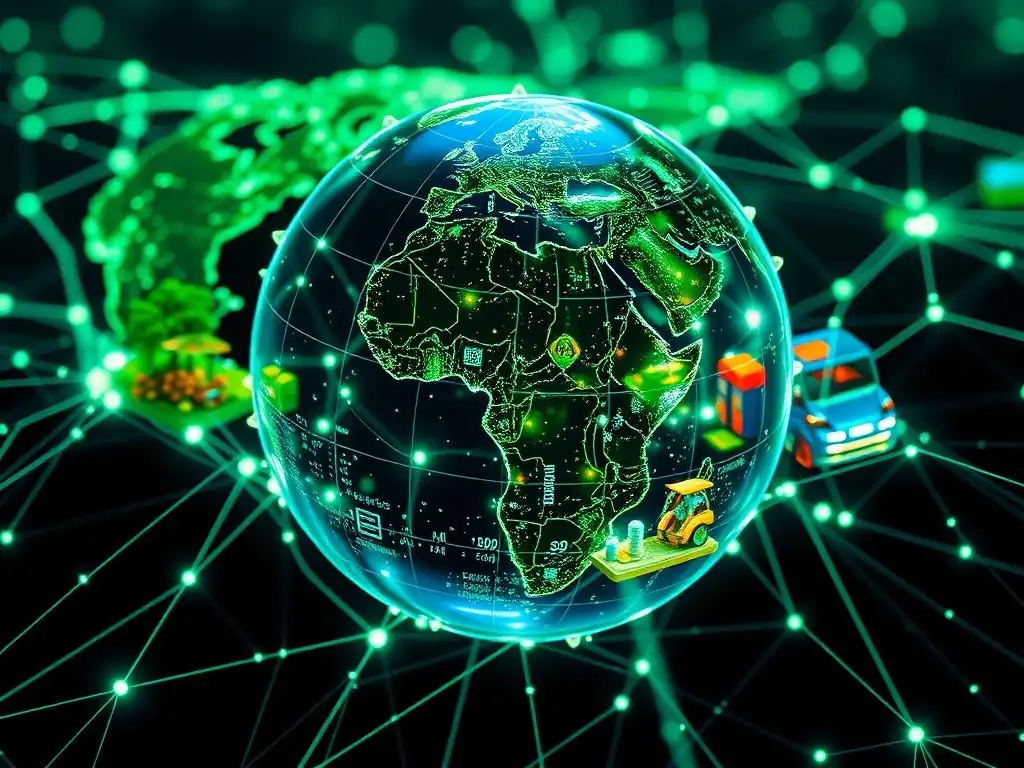
Welcome to Blockchain Trends, your premier source for understanding the revolutionary impact of blockchain technology!
Imagine a world where every product's journey, from origin to consumer, is transparent, verifiable, and ethically sound. Our exploration of blockchain ethical supply chain sourcing reveals how this powerful technology is transforming industries beyond cryptocurrency. Dive in to discover how blockchain is enabling sustainable and responsible sourcing, driving accountability, and reshaping the future of enterprise solutions. What secrets does the ledger hold for a more ethical tomorrow? Read on to find out...
- The Ethical Supply Chain: Leveraging Blockchain for Sustainable and Responsible Sourcing
- Blockchain Technology: A Foundation for Ethical Supply Chains
- Implementing Blockchain for Ethical Sourcing: Key Applications
- Benefits of Blockchain-Enabled Ethical Supply Chain Sourcing
- Case Studies: Blockchain Success Stories in Ethical Sourcing
- Overcoming Challenges in Implementing Blockchain for Ethical Supply Chains
- The Future of Blockchain and Ethical Supply Chain Management
- Conclusion: Building a More Ethical and Sustainable Future with Blockchain
-
Frequently Asked Questions
- How can blockchain improve ethical supply chain sourcing?
- What are the key benefits of using blockchain for ethical supply chain management?
- What challenges are associated with implementing blockchain for supply chain sourcing?
- How does blockchain help ensure fair labor practices in supply chains?
- What is the future outlook for blockchain in ethical supply chain sourcing?
- Final Reflection: Embracing Transparency for a Better Tomorrow
- Empower Change: Revolutionize Your Sourcing Today!
The Ethical Supply Chain: Leveraging Blockchain for Sustainable and Responsible Sourcing
The Growing Demand for Transparency in Supply Chains
Consumers, regulators, and investors are increasingly demanding transparency regarding the origins and journey of products. Reports indicate that a significant percentage of consumers, often cited as over 60%, are willing to pay more for products from brands that demonstrate social responsibility and transparency in their supply chains.
This shift is driven by a desire to support businesses that align with their values, such as fair labor, environmental protection, and responsible sourcing of raw materials. The lack of clear visibility into complex global supply networks makes it difficult for stakeholders to verify claims about product sustainability and ethical practices, leading to skepticism and a higher risk of reputational damage for companies.
Furthermore, regulatory bodies worldwide are beginning to mandate supply chain transparency, particularly concerning conflict minerals, forced labor, and environmental impact. For instance, the EU's Non-Financial Reporting Directive (NFRD) and proposed Corporate Sustainability Due Diligence Directive (CSDDD) aim to increase corporate accountability regarding human rights and environmental impacts in their value chains.
Without robust systems to track and verify sourcing information, companies face potential legal penalties, fines, and exclusion from markets. This escalating pressure highlights the critical need for innovative solutions that can provide verifiable, end-to-end visibility throughout the entire supply chain, from the point of origin to the final consumer.
Challenges in Traditional Supply Chain Management and Ethical Concerns
Traditional supply chains are often characterized by opaque, siloed systems where information is fragmented and difficult to verify across multiple intermediaries. This lack of a single, trusted source of truth creates significant blind spots, making it challenging to monitor and enforce ethical standards effectively.
Issues such as child labor in raw material extraction, unsafe working conditions in manufacturing facilities, and illegal deforestation linked to sourcing are difficult to detect and address when information is scattered and easily manipulated within individual company databases or paper-based records. A study by the International Labour Organization (ILO) estimated that 25 million people were in forced labor in 2016, with a significant portion linked to global supply chains.
These challenges are compounded by the complexity and global nature of modern supply networks. A single product might involve dozens of steps across multiple countries, each managed by different entities with varying levels of commitment to ethical practices. Audits provide snapshots but can be costly, infrequent, and susceptible to falsification.
When a scandal erupts – such as a factory collapse linked to poor safety standards or the discovery of illegal logging in a sourcing region – companies often struggle to quickly identify where the breakdown occurred, who was responsible, and how to prevent recurrence. This inherent opacity in traditional systems undermines efforts towards ethical supply chain sourcing and sustainable business practices.
The Role of Blockchain in Addressing Supply Chain Ethical Dilemmas
Blockchain technology offers a promising solution to many of the ethical dilemmas inherent in traditional supply chains by providing a decentralized, immutable, and transparent ledger. By recording transactions and events across the supply chain on a shared, distributed database, blockchain creates a verifiable history of a product's journey and the conditions under which it was produced and handled.
This inherent transparency allows stakeholders – including consumers, auditors, and regulators – to access and verify information about sourcing, production processes, and distribution, assuming appropriate permissions are granted. For example, tracking the origin of raw materials like conflict minerals or verifying fair trade certifications becomes much more reliable when recorded on a blockchain.
Furthermore, blockchain's immutability ensures that once data is recorded, it cannot be altered or deleted without the consensus of the network participants, significantly reducing the risk of data manipulation or fraud. This is crucial for maintaining the integrity of ethical claims, such as verifying compliance with labor standards or confirming sustainable harvesting practices.
Combined with the potential for smart contracts to automate compliance checks and trigger payments based on predefined conditions (e.g., proof of fair wages paid), blockchain provides a robust framework for building truly ethical supply chain sourcing models that go beyond superficial claims and enable verifiable accountability across the network.
Blockchain Technology: A Foundation for Ethical Supply Chains
How Blockchain Ensures Transparency and Traceability
Blockchain technology fundamentally enhances transparency and traceability in supply chains by creating a shared, distributed ledger accessible to authorized participants. Every step in a product's journey, from raw material extraction to manufacturing, transportation, and retail, can be recorded as a transaction on the blockchain. Each transaction is timestamped, cryptographically secured, and linked to the previous one, forming an unbroken chain of records. This distributed nature means that no single entity controls the data, making it resistant to manipulation and providing a single source of truth that all participants can trust.
For example, a company sourcing coffee beans can record the farmer's identity, location, date of harvest, fair trade certification details, and payment information on the blockchain. As the beans move through processing, export, import, roasting, and distribution, each handler adds their relevant data.
This creates a verifiable, end-to-end history accessible to the brand and potentially even the end consumer via a QR code on the packaging. This level of granular traceability allows companies to pinpoint the exact origin of issues, verify ethical claims made by suppliers, and provide consumers with confidence in the provenance and ethical sourcing practices behind their purchase.
Immutability and Data Integrity in Blockchain-Based Supply Chains
One of the core strengths of blockchain is its immutability, meaning that once data is added to a block and the block is added to the chain, it is extremely difficult, if not impossible, to alter or delete. This characteristic is paramount for ensuring data integrity in complex supply chains where information could potentially be falsified to hide unethical practices or non-compliance. In a blockchain network, altering a past record would require altering every subsequent block in the chain, which is computationally infeasible for public or large private blockchains due to the cryptographic hashing and consensus mechanisms involved.
This inherent immutability ensures that the historical record of a product's journey and the associated ethical data – such as verification of fair wages, environmental certifications, or absence of child labor – remains secure and tamper-proof. Auditors and stakeholders can rely on the data recorded on the blockchain as a trustworthy representation of events, significantly enhancing accountability. For instance, if a supplier claims they used sustainable packaging materials, the record on the blockchain provides persistent, verifiable proof that cannot be later changed, building a foundation of trust essential for ethical supply chain sourcing.
Smart Contracts: Automating Ethical Compliance and Fair Trade
Smart contracts are self-executing contracts with the terms of the agreement directly written into code. They reside on the blockchain and automatically execute when predefined conditions are met, without the need for intermediaries.
In the context of ethical supply chains, smart contracts can automate the enforcement of ethical standards and fair trade agreements, adding a layer of programmatic assurance beyond manual checks and audits. For example, a smart contract could be programmed to release payment to a farmer only after verifiable data (e.g., from IoT sensors or third-party verification services recorded on the blockchain) confirms that sustainable farming practices were followed or that fair working hours were maintained.
This automation reduces the administrative burden of monitoring compliance and minimizes the potential for human error or deliberate circumvention of ethical guidelines. Smart contracts can also facilitate fair trade by automatically distributing payments or premiums to producers upon successful delivery and verification of goods, ensuring timely and accurate compensation based on agreed-upon terms. By embedding ethical requirements directly into the automated processes of the supply chain, smart contracts on a blockchain platform can significantly strengthen the integrity and enforceability of ethical supply chain sourcing initiatives.
Implementing Blockchain for Ethical Sourcing: Key Applications
Tracking and Verifying Product Origin with Blockchain
One of the most direct applications of blockchain in ethical sourcing is establishing a robust system for tracking and verifying product origin. By creating a digital identity for products or batches of materials at their source and recording subsequent transactions on the blockchain, companies can create an immutable ledger detailing where items came from and every step they took. This is particularly valuable for goods where provenance is critical for ethical reasons, such as conflict minerals (e.g., tin, tantalum, tungsten, and gold), timber from sustainable forests, or agricultural products from fair-trade certified farms.
For instance, a company sourcing cocoa beans can use blockchain to record the GPS coordinates of the farm, details of the farmer, confirmation of fair-trade certification via integration with certification bodies' systems, and the date of harvest. As the beans are aggregated, processed, and shipped, each transfer of custody is logged on the blockchain.
This allows buyers downstream to trace the beans back to their specific origin, verify the ethical claims associated with that source, and demonstrate due diligence in avoiding materials linked to deforestation or exploitative labor practices. This verifiable trail significantly enhances accountability in blockchain ethical supply chain sourcing.
Ensuring Fair Labor Practices and Human Rights through Blockchain
Blockchain can play a vital role in monitoring and ensuring fair labor practices and respect for human rights throughout the supply chain. While blockchain itself doesn't directly prevent abuses, it provides a transparent and verifiable platform for recording and tracking data related to labor conditions. This can include recording worker identities (anonymized where necessary for privacy), hours worked, wages paid (potentially via tokenized payments on the blockchain), safety certifications, and even reports of grievances or audits.
Companies can work with suppliers to integrate systems that capture this data and anchor it to the blockchain. For example, using mobile applications or IoT devices in factories to record worker attendance and hours, with this data being immutably stored. Fair wage payments made using a blockchain-based system provide verifiable proof of payment.
Furthermore, blockchain can facilitate secure and confidential reporting mechanisms for workers to raise concerns about labor practices, creating a transparent record that can be reviewed by auditors or third parties. This verifiable data trail enables companies to proactively identify and address potential human rights issues, moving beyond relying solely on infrequent audits.
Reducing Environmental Impact and Promoting Sustainable Practices
Blockchain's ability to track and verify data makes it a powerful tool for monitoring environmental impact and promoting sustainable practices in supply chains. Companies can use blockchain to record certifications related to sustainable forestry, organic farming, carbon emissions associated with transportation, waste management practices, and the use of renewable energy by suppliers. Integrating data from environmental sensors or third-party verification bodies onto the blockchain provides immutable proof of compliance with environmental standards.
For example, a furniture company committed to using sustainably sourced timber can use blockchain to track logs from certified forests. Each log or batch of timber is tagged, and its journey, including harvesting dates, transportation routes, and processing details, is recorded on the blockchain. Verification of the forest's sustainable certification is also linked to the record.
This creates a transparent and verifiable chain of custody, allowing the company and its customers to be confident that the timber was not sourced from illegally logged areas or endangered forests. This application of blockchain ethical supply chain sourcing helps companies meet sustainability goals and demonstrate environmental responsibility.
Preventing Counterfeiting and Ensuring Product Authenticity
Counterfeiting is a significant problem that not only impacts brand reputation and revenue but can also pose serious health and safety risks, particularly for products like pharmaceuticals, food, and luxury goods. Counterfeit goods often bypass ethical and quality control standards, potentially involving illicit labor or harmful materials. Blockchain provides a robust mechanism to combat counterfeiting by creating a secure, verifiable digital identity for each genuine product.
Each product can be assigned a unique identifier (e.g., a serial number or QR code) linked to a record on the blockchain created at the point of manufacture. This record can contain details about the product's origin, components, manufacturing date, and supply chain journey. Consumers or retailers can scan the code and check the blockchain to verify the product's authenticity and trace its history.
If a product's identifier has been duplicated or if its journey history doesn't match the expected path recorded on the blockchain, it raises a red flag for potential counterfeiting. This application directly supports ethical supply chain sourcing by ensuring that the products reaching consumers are legitimate and have passed through the intended, ethically controlled channels.
Benefits of Blockchain-Enabled Ethical Supply Chain Sourcing
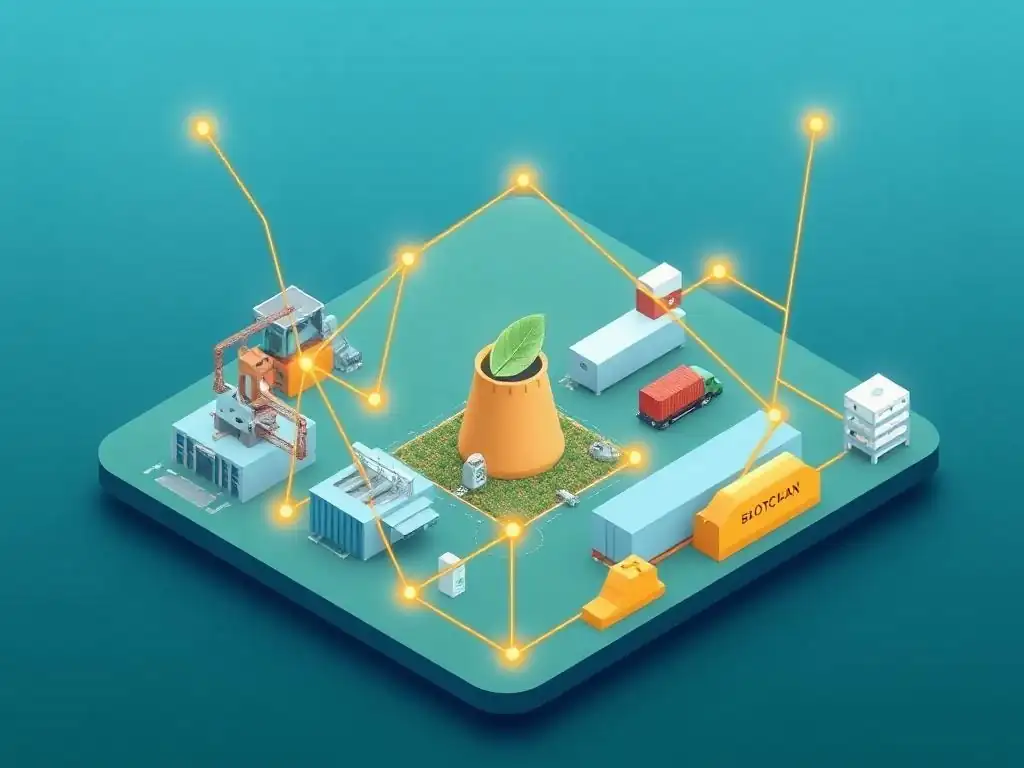
Enhanced Transparency and Accountability in Supply Chains
Implementing blockchain technology fundamentally transforms the level of transparency and accountability within supply chains. By creating a shared, immutable ledger of transactions and events, blockchain provides all authorized participants with access to the same reliable information. This eliminates information silos and reduces the potential for misrepresentation or data manipulation. Stakeholders can trace products back to their origin, verify certifications, and review the conditions under which goods were produced and handled.
This enhanced visibility fosters greater accountability among supply chain partners. When unethical practices occur, the verifiable data on the blockchain makes it easier to identify the source of the problem and assign responsibility. Companies can no longer claim ignorance about issues deep within their supply network if the data is recorded and accessible on the blockchain. This increased pressure for accountability incentivizes partners to adhere to ethical standards, knowing that their actions are part of a transparent and auditable record, thereby strengthening blockchain ethical supply chain sourcing efforts.
Improved Consumer Trust and Brand Reputation
In today's socially conscious market, consumer trust is paramount. Consumers are increasingly concerned about the ethical implications of their purchases, from labor practices to environmental impact. By providing verifiable proof of ethical sourcing and sustainable practices through a blockchain-based system, companies can build significant trust with their customer base. A consumer scanning a QR code on a product and seeing an immutable history of its journey, including confirmations of fair wages paid or sustainable materials used, gains confidence in the brand's integrity.
This transparency translates directly into an improved brand reputation. Companies that can demonstrably back up their ethical claims with verifiable blockchain data stand out from competitors who rely on less credible methods. A strong reputation for ethical supply chain sourcing can attract loyal customers, enhance brand value, and even open up new market opportunities. Conversely, a lack of transparency or involvement in supply chain scandals can severely damage reputation and erode consumer trust, highlighting the strategic importance of blockchain for building a positive brand image rooted in ethical practices.
Increased Efficiency and Reduced Costs
While initial implementation requires investment, blockchain can lead to increased efficiency and reduced costs in the long run for ethical supply chain sourcing. The automation enabled by smart contracts can streamline processes such as payments upon delivery verification or automatic compliance checks, reducing manual administrative work and potential errors. Furthermore, having a single, trusted source of truth eliminates the need for extensive reconciliation of data across disparate systems of multiple partners.
Reduced costs can also stem from mitigating risks associated with unethical practices, such as fines for non-compliance, costs associated with recalls due to authenticity issues, or the expense of managing reputational crises. Faster and more reliable traceability can significantly speed up processes like product recalls or investigations into quality issues, minimizing their impact. Although specific cost savings vary widely depending on the industry and implementation scope, the potential for operational efficiencies and risk reduction makes blockchain a compelling investment for companies serious about ethical sourcing.
Strengthening Compliance with Regulations and Standards
Regulatory requirements related to supply chain transparency, ethical sourcing, and sustainability are becoming more stringent globally. Regulations like the UK's Modern Slavery Act, the US Dodd-Frank Act (concerning conflict minerals), and forthcoming EU directives place significant responsibility on companies to ensure their supply chains are free from illegal and unethical practices. Demonstrating compliance with these complex and evolving regulations is a major challenge for multinational corporations.
Blockchain provides a powerful tool for meeting and exceeding these compliance requirements. The immutable ledger provides an auditable trail that regulators can trust, significantly simplifying compliance reporting and audits. Companies can use blockchain to record and verify data points required by specific regulations, such as the origin of materials, labor certifications, or environmental impact data. By having a robust, verifiable system for monitoring and reporting on ethical and sustainable practices, companies can reduce the risk of non-compliance, avoid potential legal penalties, and proactively demonstrate their commitment to responsible business operations, thereby strengthening their blockchain ethical supply chain sourcing framework.
Case Studies: Blockchain Success Stories in Ethical Sourcing
De Beers: Tracking Diamonds from Mine to Retail
The diamond industry has historically faced challenges related to conflict diamonds and ensuring ethical sourcing. De Beers, a leading diamond company, launched its Tracr platform, a blockchain-based system designed to track high-value diamonds from mine to retailer. The platform creates a unique, immutable record for each registered diamond, recording its journey and characteristics at every step, including cutting, polishing, and setting.
By assigning a unique ID to each diamond and recording key data points on the blockchain, Tracr provides verifiable proof of provenance and authenticity. This allows retailers and consumers to be confident that the diamonds they purchase are natural, conflict-free, and ethically sourced. As of early 2022, De Beers reported that over 25% of its rough diamond production value was registered on Tracr, demonstrating significant progress in enhancing transparency and trust in the diamond supply chain through blockchain ethical supply chain sourcing.
Provenance: Tracing Tuna from Ocean to Plate
Provenance, a technology company, has pioneered the use of blockchain for supply chain transparency, focusing initially on the food industry. One notable project involved tracking tuna sourced from fishing communities in Indonesia. The goal was to provide consumers with verifiable information about the fish they were buying, including details about the boat, the captain, the catch area (ensuring it was caught legally and sustainably), and processing information.
Using mobile technology, fishermen recorded their catch data, which was then linked to a blockchain record. As the tuna moved through processors, distributors, and retailers, each handler added their information to the same immutable record. Consumers could scan a code on the product packaging in a sushi restaurant or fish market and access the full, verifiable history of that specific fish, from the ocean to their plate. This initiative demonstrated how blockchain could empower consumers to make informed choices and support sustainable and ethical fishing practices, showcasing practical blockchain ethical supply chain sourcing.
FoodLogiQ: Improving Food Safety and Traceability
While not purely focused only on ethics, FoodLogiQ, a company providing food safety, quality, and traceability solutions, has integrated blockchain capabilities into its platform to enhance transparency and speed up response times during food safety incidents. The food industry is highly complex, with numerous participants, making it challenging to quickly trace contaminated products back to their source.
By leveraging blockchain, FoodLogiQ's platform allows food companies to record supply chain data in a way that is accessible and verifiable across the network. In the event of a foodborne illness outbreak or recall, the immutable and shared ledger enables much faster tracing of affected products through the supply chain compared to traditional methods that rely on fragmented records.
This rapid traceability not only improves food safety but also supports ethical responsibility by allowing companies to quickly identify and isolate issues, minimizing harm to consumers and reducing food waste, which aligns with broader sustainability goals in blockchain ethical supply chain sourcing.
Overcoming Challenges in Implementing Blockchain for Ethical Supply Chains
Scalability and Interoperability Issues
While promising, implementing blockchain for complex, global supply chains faces challenges, particularly concerning scalability and interoperability. Public blockchains like Ethereum, while highly decentralized, can face limitations in transaction speed and throughput, which might be insufficient for tracking millions of individual products or high-frequency transactions in a large supply network. Private or consortium blockchains can offer better performance but may sacrifice some degree of decentralization.
Furthermore, the lack of interoperability between different blockchain platforms and legacy supply chain systems presents a hurdle. A typical supply chain involves multiple companies using various software platforms (ERP, WMS, TMS). Integrating these diverse systems with a blockchain and ensuring they can communicate and exchange data seamlessly requires significant technical effort and standardization. Developing common data standards and protocols for sharing information across different blockchain networks and traditional databases is essential for widespread adoption of blockchain ethical supply chain sourcing.
Data Privacy and Security Concerns
While blockchain is inherently secure due to cryptography and immutability, implementing it in a supply chain context raises specific data privacy and security concerns. Supply chain data can be highly sensitive, including proprietary information about suppliers, pricing, logistics routes, or customer details. Putting all this information on a shared ledger, even a permissioned one, requires careful consideration of who has access to what data. Ensuring compliance with data privacy regulations like GDPR is critical.
Designing the blockchain solution to manage access controls granularly, potentially using zero-knowledge proofs or other privacy-enhancing technologies, is necessary. Additionally, while the data on the blockchain is immutable, the data before it is recorded on the chain is still vulnerable. Ensuring the accuracy and integrity of data being fed into the blockchain (the "oracle problem") is crucial. Robust identity management and secure data input mechanisms are required to prevent false or misleading information from being permanently recorded, undermining the goal of blockchain ethical supply chain sourcing.
The Importance of Collaboration and Stakeholder Engagement
Implementing a blockchain solution for ethical supply chain sourcing requires unprecedented levels of collaboration and trust among often competing or independent entities within the supply chain. For the system to be effective, all or most key participants – from raw material suppliers and manufacturers to logistics providers and retailers – need to agree on the platform, data standards, and processes. This requires significant effort in building consensus, aligning incentives, and managing the change process across diverse organizations.
Engaging all stakeholders early and ensuring they understand the benefits and requirements of participating is vital. Small suppliers, in particular, might lack the technical infrastructure or expertise to integrate with a blockchain platform. Providing support, training, and accessible interfaces is necessary to ensure inclusive participation. Without broad adoption across the network, the blockchain will only provide a partial view of the supply chain, limiting its effectiveness in ensuring end-to-end ethical sourcing.
Addressing Regulatory and Legal Frameworks
The legal and regulatory landscape surrounding blockchain technology is still evolving. Applying existing contract law, data ownership regulations, and liability frameworks to blockchain-based systems and smart contracts can be complex. Questions arise regarding the legal status of smart contracts, who is liable if an automated smart contract execution leads to an unintended consequence, and how dispute resolution mechanisms apply in a decentralized environment.
Furthermore, specific regulations related to supply chain transparency and ethical sourcing may vary across jurisdictions, requiring blockchain solutions to be flexible and adaptable to different legal requirements. Clarity is needed from regulators on how blockchain records will be viewed as legal evidence and how existing compliance mandates can be met using this new technology. Addressing these legal ambiguities and working towards supportive regulatory frameworks are necessary steps for the widespread and effective adoption of blockchain ethical supply chain sourcing.
The Future of Blockchain and Ethical Supply Chain Management
Emerging Trends and Innovations in Blockchain for Sustainability
The field of blockchain for ethical supply chain sourcing is rapidly evolving, with several emerging trends and innovations. One significant trend is the development of specialized blockchain platforms designed specifically for supply chain use cases, offering improved scalability, privacy features, and ease of integration compared to general-purpose blockchains. Another is the increasing focus on tokenization, where physical assets or ethical attributes (like carbon credits or fair trade certifications) are represented as digital tokens on the blockchain, enabling easier tracking and trading.
Innovations are also occurring in how data is brought onto the blockchain reliably. Decentralized oracles, which provide external data to smart contracts, are becoming more sophisticated, allowing for more trustworthy integration of real-world information like environmental sensor readings or audit reports. Furthermore, research into interoperability solutions like cross-chain bridges aims to enable different blockchain networks to communicate, potentially allowing companies to track goods across diverse ecosystems without being locked into a single platform, enhancing the potential for comprehensive blockchain ethical supply chain sourcing.
The Role of IoT and AI in Enhancing Blockchain-Based Ethical Sourcing
The combination of blockchain with other technologies like the Internet of Things (IoT) and Artificial Intelligence (AI) holds immense potential for enhancing ethical supply chain sourcing. IoT devices, such as sensors monitoring temperature, humidity, location, or air quality, can automatically record real-time data about product conditions during transit or storage. This data can be fed directly onto the blockchain via secure gateways, providing immutable and verifiable proof of handling conditions, crucial for sensitive goods like food or pharmaceuticals, and supporting ethical considerations like preventing spoilage or ensuring proper storage.
AI can analyze the vast amounts of data collected via IoT and recorded on the blockchain to identify patterns, predict potential risks (e.g., likelihood of delays, potential for temperature excursions, or anomalies suggesting non-compliance), and optimize supply chain routes for reduced environmental impact. AI algorithms can also help in verifying the integrity of data submitted to the blockchain, flagging suspicious entries that deviate from expected norms. This synergy between IoT for data collection, blockchain for secure and transparent record-keeping, and AI for analysis and prediction creates a powerful framework for proactive and data-driven blockchain ethical supply chain sourcing.
Predictions for the Adoption of Blockchain in Various Industries
Industry analysts predict significant growth in the adoption of blockchain technology for supply chain management across various sectors, driven by the increasing demand for transparency, traceability, and ethical sourcing. While early adoption has been seen in industries dealing with high-value goods or those under intense regulatory scrutiny (like diamonds, pharmaceuticals, and food), broader adoption is expected in apparel, electronics, automotive, and raw materials.
Reports suggest that the global blockchain in supply chain market size is projected to grow substantially over the next few years, reaching billions of dollars. This growth will be fueled by falling implementation costs, increasing understanding of the technology's benefits, and the continued push from consumers and regulators for more responsible business practices. As pilot projects mature into full-scale deployments and interoperability improves, blockchain is poised to become a standard technology for companies committed to building truly ethical and sustainable supply chains and demonstrating responsible blockchain ethical supply chain sourcing.
Conclusion: Building a More Ethical and Sustainable Future with Blockchain
Frequently Asked Questions
How can blockchain improve ethical supply chain sourcing?
Blockchain provides immutable and transparent records, making it easier to track products from origin to consumer. This enhanced traceability helps verify compliance with ethical standards and combat fraud. It ensures accountability at every stage.
What are the key benefits of using blockchain for ethical supply chain management?
Key benefits include increased transparency, improved efficiency in tracking and verifying product origins, and reduced risk of fraud and unethical practices. This ultimately leads to increased consumer trust.
What challenges are associated with implementing blockchain for supply chain sourcing?
Challenges include the initial investment in infrastructure and technology, the need for collaboration and data sharing among stakeholders, and ensuring data integrity and security.
How does blockchain help ensure fair labor practices in supply chains?
Blockchain can be used to track worker conditions, wages, and working hours, providing greater transparency into labor practices. This enables better monitoring and enforcement of fair labor standards and helps combat exploitation.
What is the future outlook for blockchain in ethical supply chain sourcing?
The future looks promising, with increasing adoption of blockchain to enhance transparency and accountability. This includes the development of standardized protocols and interoperability to facilitate wider integration and drive more sustainable and responsible sourcing practices.
Final Reflection: Embracing Transparency for a Better Tomorrow
The journey towards ethical supply chain sourcing is no longer a distant aspiration, but a tangible imperative, especially in today's interconnected world. The principles explored throughout this article, particularly the transformative potential of blockchain technology, highlight a shift from opaque practices to a future where transparency and accountability reign supreme. The urgency for responsible sourcing is amplified by growing consumer awareness and the increasing demand for businesses to demonstrate genuine commitment to sustainability.
The impact of ethical supply chain practices extends far beyond mere compliance; it shapes our cultural and social landscape, fostering trust and driving positive change. Witnessing the evolution of blockchain from a technological novelty to a powerful tool for social good has been profoundly inspiring. The future of supply chains is not just about efficiency; it's about creating a system that is fair, transparent, and sustainable for all stakeholders.
This quote encapsulates the core of the movement, reminding us that our choices as consumers and businesses have far-reaching consequences.
Now, as you reflect on the possibilities presented by blockchain and ethical sourcing, consider how you can contribute to this vital movement. Let the insights gained from this exploration inspire you to demand greater transparency from the brands you support, to advocate for responsible practices within your own organizations, and to champion a future where every product tells a story of ethical and sustainable creation. The power to shape a better tomorrow lies within each of us.
Okay, I'm ready to craft a Call to Action (CTA) based on the "Ethical Supply Chain: Leveraging Blockchain for Sustainable and Responsible Sourcing" article for Blockchain Trends (blockchaintrends.org).
Here's the CTA:
Empower Change: Revolutionize Your Sourcing Today!
Thank you for exploring how blockchain can transform ethical sourcing! You've now seen the potential to build a more transparent and responsible supply chain. Let's put that knowledge into action and create real change together.
Here are a few things you can do right now:
- Start small: Identify one key product in your supply chain and research how blockchain could improve its traceability and ethical practices.: This first step is crucial!
- Join the conversation:Share this article with your network and spark a discussion about the role of blockchain in creating a more sustainable future.
- Explore the landscape: Research blockchain platforms and initiatives specifically focused on ethical supply chain management to discover potential partners and solutions.
What's one immediate step you will take to advocate for more transparency in your supply chain? Share your thoughts in the comments below!
Leave a Reply