
The Future of Healthcare Payments: Blockchain and the Streamlining of Insurance Claims


Welcome to Blockchain Trends, your guide to understanding the revolutionary power of blockchain beyond digital currencies. Are you ready to discover how this groundbreaking technology is reshaping industries?
Dive into our latest exploration of Enterprise Blockchain Solutions and uncover the potential of blockchain healthcare insurance claims. Imagine a world of faster, more transparent, and secure healthcare payments. Intrigued? Read on to learn how blockchain is poised to transform the future of healthcare administration.
Streamlining Healthcare Payments: Leveraging Technology for Efficiency and Transparency
- Introduction: Transforming Healthcare Payments with Technology
- Understanding Modern Technologies in Healthcare Payments
- The Benefits of Technology in Healthcare Insurance Claims Processing
- Use Cases: Technology Applications in Healthcare Insurance
- Overcoming Technology Adoption Challenges in Healthcare
- The Future of Technology and Healthcare Insurance Claims
- Conclusion: Technology - A Catalyst for Efficient and Secure Healthcare Payments
-
Frequently Asked Questions
- How can blockchain technology specifically improve healthcare insurance claims processing?
- What are the main benefits of using blockchain for healthcare insurance claims in terms of cost reduction?
- What are the key challenges in implementing blockchain solutions for healthcare insurance claims?
- How does blockchain address the issue of data security and privacy when handling sensitive patient information in insurance claims?
- Beyond claims processing, what other areas of healthcare could benefit from blockchain technology?
- Final Reflection: Embracing Transparency in Healthcare
- Unlock the Future: Start Streamlining Your Healthcare Today!
Introduction: Transforming Healthcare Payments with Technology
Current Challenges in Healthcare Claims Processing: Complexity and Delays
The traditional process for handling healthcare insurance claims is notoriously complex, often involving multiple intermediaries, disparate systems, and manual steps. This inherent complexity leads to significant delays in payment, frustration for patients and providers alike, and substantial administrative overhead. Estimates suggest that administrative costs related to billing and insurance can account for a considerable portion of overall healthcare expenditure, with some studies indicating figures potentially exceeding 15-20% in certain healthcare systems.
Beyond the sheer cost, the lack of standardization and interoperability between payers, providers, and patients creates bottlenecks. Claims can be lost, require resubmission due to minor errors, or face lengthy review periods. This opacity makes it difficult for providers to predict revenue streams and for patients to understand their financial obligations, hindering timely access to care and creating distrust in the system. The inefficiency embedded within these processes highlights a critical need for modernization.
Technology's Potential to Enhance Healthcare Payment Accuracy and Speed
Technology offers powerful solutions to address the deep-seated inefficiencies in healthcare payment and claims processing. By automating repetitive tasks, improving data accuracy, and providing greater transparency, digital tools can dramatically accelerate the claims lifecycle, from submission to adjudication and payment. This not only reduces administrative costs but also minimizes errors that lead to denials and appeals.
Furthermore, advanced technologies can enhance the security and integrity of financial transactions within the healthcare ecosystem. Secure electronic systems can ensure that sensitive patient and financial data is handled compliantly, while innovative approaches, including those leveraging blockchain healthcare insurance claims concepts, can create immutable records of transactions, reducing opportunities for fraud and abuse. The potential for technology to transform this critical function is immense, promising a future of faster, more accurate, and more transparent healthcare payments.
Understanding Modern Technologies in Healthcare Payments
Data Analytics for Fraud Detection and Prevention in Claims
Data analytics plays a crucial role in safeguarding the integrity of healthcare payment systems, particularly in identifying and preventing fraudulent activities. By analyzing vast datasets of claims, billing patterns, provider behaviors, and patient histories, sophisticated algorithms can detect anomalies that deviate from typical or expected patterns. For instance, identifying a provider billing for an unusually high volume of complex procedures or a patient receiving the same service from multiple providers simultaneously can trigger alerts for further investigation.
These analytical tools employ various techniques, including statistical modeling, machine learning, and pattern recognition, to proactively flag suspicious claims before payment is issued. This shift from reactive detection (investigating fraud after it occurs) to proactive prevention can save payers billions of dollars annually. While precise figures are hard to pin down globally, estimates for healthcare fraud losses in countries like the United States are often cited in the tens of billions of dollars per year, underscoring the critical need for robust data-driven prevention strategies.
Automated Clearinghouse (ACH) and Electronic Funds Transfer (EFT) Systems
Automated Clearinghouse (ACH) and Electronic Funds Transfer (EFT) systems represent foundational technologies for modern electronic payments, including those in healthcare. ACH enables batch processing of electronic transactions, facilitating direct deposits (like insurance claim payments to providers) and direct payments (like premium payments from patients to insurers). EFT is a broader term encompassing any transfer of funds initiated through electronic means, including ACH, wire transfers, and credit/debit card transactions.
These systems have significantly improved upon paper-based payment methods by speeding up the transfer of funds and reducing manual processing costs. Healthcare payers extensively use EFT/ACH to disburse payments to providers for approved claims. However, while efficient for the payment transfer itself, traditional ACH/EFT systems do not inherently provide the detailed, immutable, and universally accessible transaction history or the smart contract capabilities that emerging technologies like blockchain can offer for the entire claims lifecycle, including the initial claim submission and adjudication steps that precede the payment.
The Benefits of Technology in Healthcare Insurance Claims Processing
Enhanced Fraud Prevention Through Advanced Analytics
Leveraging advanced data analytics and AI within healthcare insurance claims processing significantly bolsters fraud prevention capabilities. These technologies move beyond simple rule-based checks to identify complex fraud schemes that involve multiple parties or subtle patterns over time. For example, predictive analytics can assess the likelihood of a submitted claim being fraudulent based on a multitude of risk factors identified from historical data, allowing payers to prioritize suspicious claims for human review.
Furthermore, technologies like distributed ledgers, central to blockchain healthcare insurance claims discussions, offer potential enhancements by creating a secure, shared, and tamper-evident record of every transaction and interaction related to a claim. This makes it incredibly difficult for malicious actors to alter historical data or fabricate transactions without being detected by other participants in the network, adding an extra layer of security and trust to the claims process.
Accelerated Claim Processing with Automation
Automation is a key driver in accelerating healthcare claim processing, drastically reducing the time it takes from claim submission to final payment. Robotic Process Automation (RPA) can handle repetitive, rule-based tasks such as data entry from claim forms into processing systems, checking for missing information, and verifying patient eligibility. AI-powered claim adjudication engines can automatically review claims against policy rules and clinical guidelines, approving straightforward cases instantly.
This level of automation means that many claims can be processed and approved within minutes or hours, rather than days or weeks. While complex or suspicious claims still require human oversight, automating the high volume of routine claims frees up staff to focus on more complex cases and appeals. This acceleration not only improves cash flow for healthcare providers but also enhances patient satisfaction by providing quicker resolution of billing issues.
Improved Transparency and Audit Trails for all Stakeholders
One of the most significant benefits technology brings to healthcare insurance claims is enhanced transparency. Systems built on secure, shared ledgers, such as those envisioned with blockchain healthcare insurance claims platforms, can provide all authorized parties – including patients, providers, and payers – with access to a single, consistent, and real-time view of a claim's status. This eliminates confusion caused by conflicting information across different systems.
Crucially, these technologies create an immutable audit trail of every action taken on a claim, from initial submission and verification to adjudication, payment, and any subsequent adjustments or appeals. This detailed, tamper-evident history simplifies auditing processes, helps resolve disputes efficiently, and builds trust among participants by ensuring accountability and visibility into the claims lifecycle.
Reduced Administrative Burden and Costs
The cumulative effect of automation, improved accuracy, and enhanced transparency is a substantial reduction in the administrative burden and associated costs within healthcare claims processing. Automating manual tasks reduces the need for extensive data entry and paper handling. Fewer errors mean fewer claim denials and appeals, which are costly and time-consuming for both providers and payers.
By streamlining workflows and providing clear visibility into claim status, technology minimizes the need for manual follow-up and inquiries. Industry reports consistently show that administrative costs related to billing and insurance are a major expense for healthcare providers. Implementing efficient technological solutions can lead to significant savings, allowing healthcare organizations to redirect resources towards patient care rather than administrative tasks.
Use Cases: Technology Applications in Healthcare Insurance
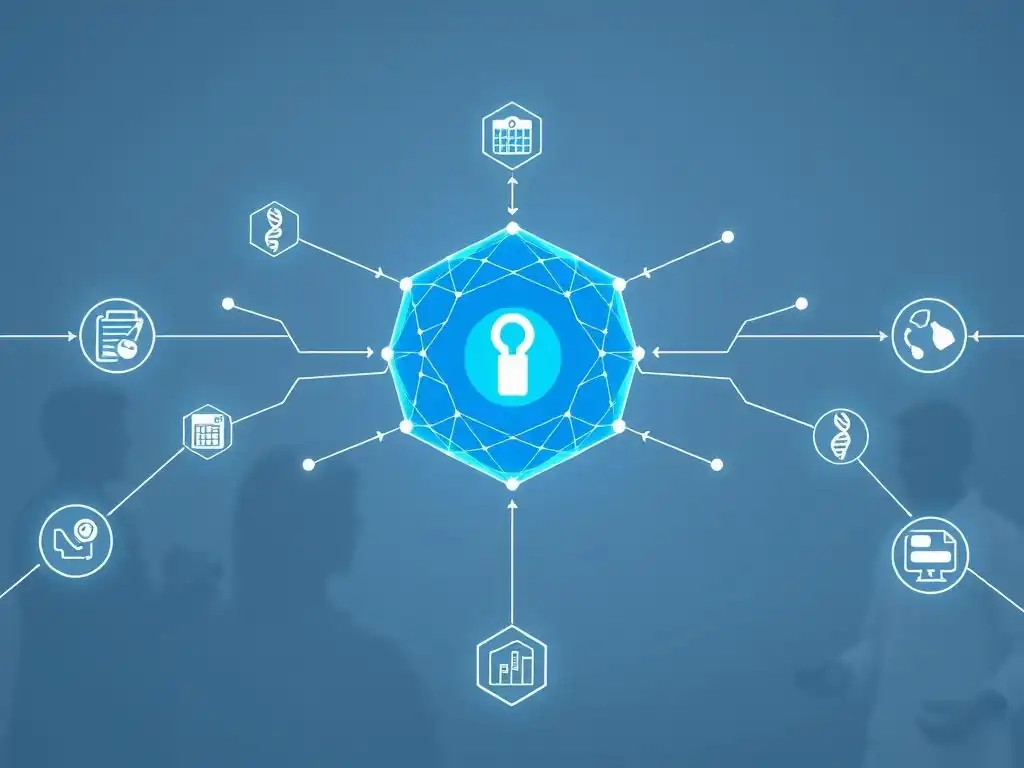
AI-Powered Claim Adjudication for Faster Approvals
Artificial intelligence is being increasingly applied to automate the complex process of claim adjudication. AI systems are trained on vast datasets of historical claims, policy rules, medical codes (like CPT, ICD-10), and clinical documentation to learn how to accurately assess whether a submitted claim meets the criteria for payment. These systems can quickly cross-reference information, identify potential coding errors, check for medical necessity based on predefined rules, and verify eligibility.
For straightforward claims that meet all criteria, the AI can auto-adjudicate and approve them within seconds or minutes, drastically speeding up the process. Complex claims or those flagged with potential issues are routed to human reviewers with all relevant information summarized by the AI. This hybrid approach leverages the speed and efficiency of AI while retaining human expertise for nuanced decisions, leading to faster turnaround times and higher accuracy compared to purely manual processes.
Secure Patient Portal for Real-Time Claim Status Updates
Patient portals, enhanced with robust security features and potentially integrated with systems leveraging blockchain healthcare insurance claims data, provide patients with direct access to information about their healthcare journey, including the status of their insurance claims. Through a secure online interface, patients can view submitted claims, track their progress through the adjudication process, see explanations of benefits (EOBs), and understand their financial responsibility.
Providing patients with real-time access to this information reduces calls to provider billing offices and payer customer service lines, improving operational efficiency. It also empowers patients by giving them transparency into a process that is often opaque, helping them understand why a claim was processed in a certain way or what their financial balance is. Security is paramount, with strict access controls and data encryption necessary to protect sensitive protected health information (PHI), adhering to regulations like HIPAA.
Prior authorization (PA) is a process where providers must obtain approval from an insurer before rendering certain services or prescribing specific medications. Historically, this has been a manual, fax-based, and time-consuming process known for causing delays in patient care. Technology is transforming PA through automation. Electronic prior authorization (ePA) systems allow providers to submit requests digitally through integrated EHR systems or dedicated portals.
Automated PA systems can check against policy rules and clinical criteria instantly, approving many requests immediately. More complex cases can be routed for expedited manual review. Implementing ePA can reduce the typical time for obtaining authorization from several days to potentially minutes or hours. Industry initiatives and regulations are increasingly pushing for electronic and automated PA to streamline this critical administrative step.
Electronic Remittance Advice (ERA) for Streamlined Reconciliation
Electronic Remittance Advice (ERA) is a digital version of the explanation of benefits (EOB) that payers send to healthcare providers. Instead of paper EOBs, providers receive ERAs in a standard electronic format (like the HIPAA-mandated ASC X12 835 transaction). This allows providers to automatically reconcile payments received via EFT/ACH against the claims they submitted.
Practice management systems and billing software can ingest ERA files, automatically matching payments to specific claims, posting payments to patient accounts, and identifying denied or partially paid claims that require follow-up. This automation eliminates the need for manual payment posting, which is labor-intensive and prone to errors. ERA significantly streamlines the reconciliation process, improves accuracy in financial records, and speeds up the identification of underpaid or denied claims requiring action.
Overcoming Technology Adoption Challenges in Healthcare
Integration with Existing Electronic Health Records (EHR) Systems
A major hurdle in implementing new healthcare payment technologies is ensuring seamless integration with existing Electronic Health Records (EHR) systems. EHRs are the central repository for patient clinical data in most healthcare organizations, and billing/claims processes often originate or pull data from them. Many healthcare organizations use different EHR vendors, and older or proprietary systems may lack open APIs or standardized data formats necessary for easy integration.
Achieving interoperability between claims processing platforms, payer systems, and diverse EHRs requires significant technical effort and adherence to healthcare data standards (like HL7, FHIR). Without robust integration, the benefits of new technologies like automated claim submission or real-time status updates via a portal are limited by the need for manual data transfer or duplicated efforts between systems. Addressing this requires industry-wide collaboration and investment in modern, open-standard-based interfaces.
Data Security and HIPAA Compliance
Protecting sensitive patient health information (PHI) is paramount in healthcare, and any technology handling healthcare insurance claims must comply with stringent regulations like the Health Insurance Portability and Accountability Act (HIPAA) in the United States. This includes ensuring the confidentiality, integrity, and availability of electronic PHI (ePHI) through technical, physical, and administrative safeguards.
Implementing secure systems requires robust encryption for data in transit and at rest, strict access controls, regular security audits, and comprehensive breach notification procedures. Technologies like blockchain, while offering potential security benefits through immutability and cryptography, also present compliance considerations, particularly regarding the "right to be forgotten" or data modification requirements, which need careful architectural design to meet HIPAA's mandates when handling PHI within a blockchain healthcare insurance claims context.
Ensuring Accessibility and Digital Literacy for Patients
While technology offers significant benefits, its effective adoption depends on ensuring accessibility for all users, including patients who may have varying levels of digital literacy or access to technology. Not all patients have reliable internet access, smartphones, or the technical skills required to navigate online portals or mobile applications for managing their claims information.
Healthcare providers and payers must consider equitable access when deploying patient-facing technologies. This might involve maintaining alternative communication channels (like phone support), providing clear instructions and technical support, and designing user interfaces that are intuitive and easy to use for a wide demographic range. Ensuring digital inclusion is crucial for the success and fairness of technology-driven healthcare payment systems.
Cost of Implementation and Return on Investment
The initial cost of implementing new healthcare payment and claims processing technologies can be substantial. This includes software licensing, hardware upgrades, integration costs, staff training, and potential workflow redesign. Healthcare organizations, particularly smaller practices or hospitals with limited budgets, may find these upfront investments challenging.
Evaluating the return on investment (ROI) is critical. Organizations must carefully assess the potential savings from reduced administrative costs, accelerated revenue cycles, decreased claim denials, and improved fraud prevention against the implementation costs. While the long-term benefits often outweigh the initial expense, demonstrating a clear and compelling ROI is essential for securing the necessary funding and organizational buy-in for technology adoption projects in healthcare finance.
The Future of Technology and Healthcare Insurance Claims
Predictive Analytics for Proactive Healthcare Management
Looking ahead, predictive analytics is poised to move beyond just fraud detection in claims to enable more proactive healthcare management. By analyzing historical data on patient demographics, health conditions, treatment outcomes, and claims patterns, predictive models can identify individuals or populations at high risk for certain conditions or adverse health events.
This allows payers and providers to intervene earlier, potentially preventing costly hospitalizations or complex treatments down the line. For example, identifying patients likely to develop chronic conditions based on claims data could trigger outreach programs focused on preventative care and lifestyle changes. This shift towards value-based care, supported by predictive analytics, aligns financial incentives with improving patient health outcomes, moving beyond solely processing claims reactively.
Telehealth Integration for Remote Claim Processing
The rise of telehealth introduces new dimensions to healthcare claims processing. As more services are delivered remotely, payment systems must adapt to accommodate these virtual interactions. Technology facilitates this by enabling secure capture of encounter data from telehealth platforms, transmitting it accurately for billing, and supporting remote patient identification and verification crucial for claims integrity.
Furthermore, technology can streamline the submission and processing of claims specifically generated from telehealth visits. Automated systems can quickly verify whether a telehealth service is covered by a patient's plan and ensure proper coding and billing. This integration is vital for ensuring that the administrative processes keep pace with evolving healthcare delivery models, making it easier for both providers to get paid and patients to understand billing for remote services.
Discussion of Emerging Technologies in Healthcare Payment Security
The future of healthcare payment security will heavily rely on emerging technologies, with blockchain standing out as a key contender for transforming blockchain healthcare insurance claims processes. Blockchain's inherent properties of decentralization, immutability, and cryptographic security offer a robust foundation for creating tamper-proof records of transactions and interactions across the healthcare payment ecosystem.
A distributed ledger could track a claim's journey from a provider's EHR submission, through payer verification and adjudication, to final payment, creating a transparent and indisputable audit trail accessible to authorized participants. This could significantly reduce disputes, simplify audits, and enhance trust. Moreover, smart contracts, self-executing contracts with the terms directly written into code on the blockchain, could automate parts of the adjudication and payment process based on predefined conditions, injecting efficiency and reducing human error in blockchain healthcare insurance claims handling.
Conclusion: Technology - A Catalyst for Efficient and Secure Healthcare Payments
Technology's Impact on Improving Healthcare Insurance Claims Processes
Technology has already profoundly impacted healthcare insurance claims processing, moving it from a cumbersome, paper-based system towards increasingly electronic and automated workflows. From the foundational electronic transfers (ACH/EFT) to advanced data analytics and AI-powered automation, technology has demonstrably improved speed, accuracy, and efficiency. The integration of these tools reduces administrative costs, accelerates payment cycles for providers, and offers patients greater transparency into their claims information.
The ongoing evolution of technologies, including the potential application of blockchain healthcare insurance claims systems, promises further transformation. These innovations address long-standing challenges like data silos, lack of interoperability, and the need for enhanced security and trust among stakeholders. By leveraging these tools effectively, the healthcare industry can overcome many of the inefficiencies that have plagued claims processing for decades.
Building a More Efficient and Patient-Focused Healthcare System Through Technology
Ultimately, the goal of leveraging technology in healthcare payments is to build a more efficient, transparent, and patient-focused healthcare system. Streamlining the complex process of healthcare insurance claims frees up valuable resources – time, money, and personnel – that can be redirected towards delivering higher-quality patient care. Reducing billing disputes and providing clear financial information empowers patients, allowing them to focus on their health rather than navigating confusing administrative hurdles.
While challenges related to integration, security, and accessibility remain, the trajectory is clear: technology is an essential catalyst for modernizing healthcare finance. Continued investment and collaboration across the industry are necessary to fully realize the potential of innovations like blockchain healthcare insurance claims solutions, automated processes, and advanced analytics to create a claims system that is not only efficient and secure but also serves as a seamless and supportive part of the overall patient experience.
Frequently Asked Questions
How can blockchain technology specifically improve healthcare insurance claims processing?
Blockchain can create a shared, immutable ledger that all relevant parties (patients, providers, insurers) can access. This transparency and security reduces fraud and streamlines verification, accelerating claim processing.
What are the main benefits of using blockchain for healthcare insurance claims in terms of cost reduction?
By automating verification and reducing fraudulent claims, blockchain can significantly lower administrative costs associated with manual processing and investigations. It also minimizes disputes through transparent record-keeping.
What are the key challenges in implementing blockchain solutions for healthcare insurance claims?
Challenges include data privacy concerns, ensuring interoperability between different healthcare systems, and navigating the complex regulatory landscape surrounding healthcare data.
How does blockchain address the issue of data security and privacy when handling sensitive patient information in insurance claims?
Blockchain solutions can utilize encryption and access controls to protect patient data. Furthermore, techniques like zero-knowledge proofs allow verification without revealing the underlying information.
Beyond claims processing, what other areas of healthcare could benefit from blockchain technology?
Blockchain has potential in supply chain management for pharmaceuticals, verifying medical credentials, and creating secure patient health records that patients can control and share.
Final Reflection: Embracing Transparency in Healthcare
The promise of blockchain technology revolutionizing healthcare payments is no longer a distant dream, but a tangible opportunity. As we've explored the potential of blockchain to streamline insurance claims, reduce fraud, and enhance transparency, it's clear that its impact extends far beyond mere efficiency gains. The future of healthcare payments hinges on embracing these innovative solutions to build a more equitable and patient-centric system.
This journey into blockchain's potential has underscored the critical need for trust and security in healthcare. The current system, often plagued by opaque processes and bureaucratic hurdles, can leave patients feeling vulnerable and disempowered. Blockchain offers a pathway to restore that trust by creating a verifiable and immutable record of transactions. The beauty of blockchain isn't just that it's efficient, but that it's inherently transparent. It allows all parties to see the same information, fostering a sense of accountability and trust that's often missing in traditional systems.
As we look ahead, let us not simply view blockchain as a technological solution, but as a catalyst for a more humane and accessible healthcare system. Consider how you, as a patient, provider, or policymaker, can champion the adoption of these technologies to build a future where healthcare is not only more efficient but also more equitable and empowering for all. The power to shape this future lies in our collective willingness to embrace change and prioritize the well-being of our communities.
Unlock the Future: Start Streamlining Your Healthcare Today!
Thank you for exploring the potential of blockchain in transforming healthcare payments! We hope you've gained valuable insights into how this technology can revolutionize insurance claims and improve efficiency. Now, it's time to put that knowledge into action.
Here are a few steps you can take to be a part of this exciting change:
- Propose a blockchain-based solution to your insurance provider. Initiate the conversation about how they can improve their claims process.
- Research and share articles and resources about blockchain in healthcare with your network, sparking further discussion.
- Attend a blockchain in healthcare conference or webinar to connect with experts and learn about cutting-edge innovations – you might discover a new angle!
What specific challenges do you see blockchain addressing best in healthcare payments, and how can we collaborate to bring these solutions to life? Share your thoughts below!
Leave a Reply