
The Impact of Blockchain on Global Trade and Supply Chains: Facilitating Seamless Transactions


Welcome to Blockchain Trends, your guide to understanding the revolutionary impact of blockchain technology beyond just cryptocurrencies. Curious about how this technology is reshaping industries worldwide?
Dive into our feature article on blockchain supply chain transparency benefits, where we uncover how decentralized ledger technology is streamlining global trade, fostering trust, and ultimately, creating more efficient and secure supply chains. Discover the power of verifiable data and its potential to revolutionize enterprise operations – the future of seamless transactions starts here.
- Blockchain Supply Chain Transparency Benefits: A Deep Dive
-
Frequently Asked Questions
- How does blockchain enhance supply chain transparency?
- What are the primary benefits of using blockchain for supply chain management?
- How can blockchain help in verifying the authenticity of products within a supply chain?
- What role does blockchain play in improving the efficiency of cross-border trade?
- How are regulations impacting the adoption of blockchain in global supply chains?
- Final Reflection: Embracing Blockchain's Transparent Future
- Unlock the Future of Trade!
Blockchain Supply Chain Transparency Benefits: A Deep Dive
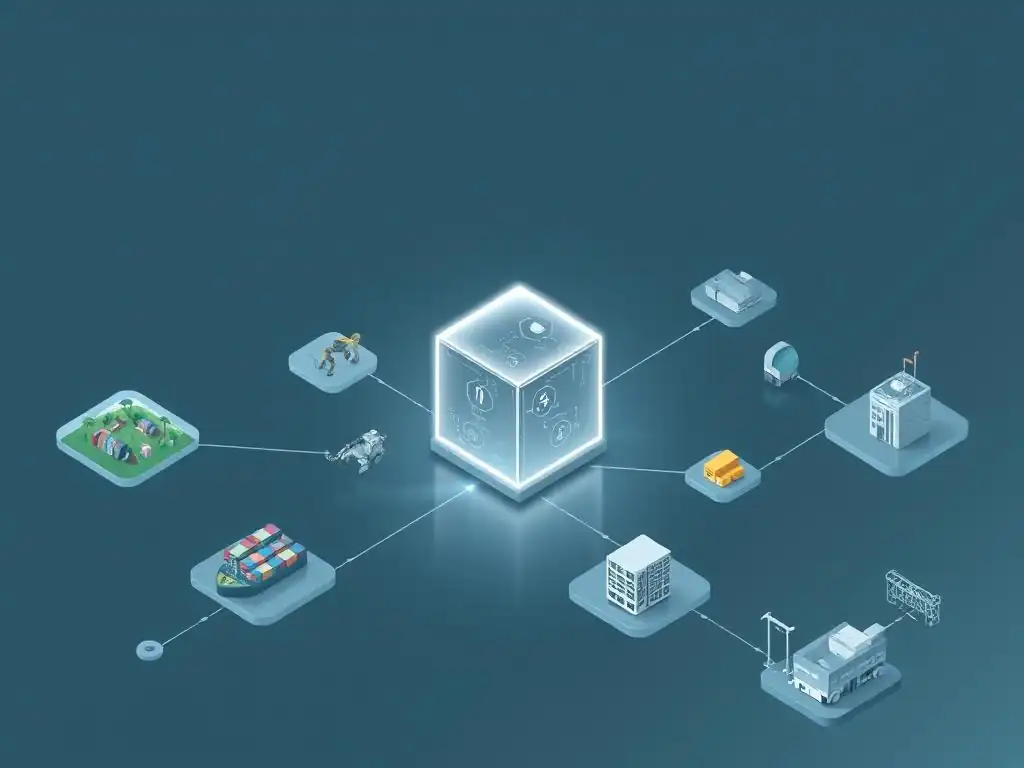
Blockchain technology fundamentally alters how information flows within complex global supply chains, offering unprecedented levels of visibility and trust. The inherent characteristics of blockchain—immutability, decentralization, and cryptographic security—create a single, shared source of truth accessible to all authorized participants. This foundational shift unlocks significant blockchain supply chain transparency benefits, moving away from opaque, siloed systems where tracing goods or verifying provenance is a manual, time-consuming, and often unreliable process.
Exploring the specific blockchain supply chain transparency benefits reveals how this technology addresses some of the most persistent challenges in global trade. From tracking raw materials to monitoring finished goods and managing returns, blockchain provides a granular, tamper-proof record of each step. This detailed ledger not only enhances operational oversight but also builds consumer trust by enabling verification of ethical sourcing, authenticity, and quality standards.
Enhancing Traceability and Visibility with Blockchain
One of the most significant blockchain supply chain transparency benefits is the dramatic improvement in traceability and visibility. Traditionally, tracking a product from its origin to the consumer involves multiple intermediaries, each maintaining their own records in disparate systems. This fragmentation makes it difficult, if not impossible, to get a real-time, end-to-end view of the supply chain journey. Blockchain solves this by creating a shared, distributed ledger where every transaction or movement of goods can be recorded.
Consider the journey of a food product. Using blockchain, each step—from the farm where it was harvested, through processing plants, distribution centers, and retailers—can be logged as a transaction on the ledger. This allows any authorized party to trace the product's entire history instantly.
For example, during a food recall, tracing affected items that previously took days or even weeks can be reduced to mere seconds or minutes. Walmart, for instance, piloted blockchain for tracing mangoes and pork, demonstrating the ability to trace origin information in seconds compared to the traditional method which took over a week. This level of granular, immutable data provides unparalleled visibility, offering crucial blockchain supply chain transparency benefits for stakeholders across the network.
Reducing Fraud and Counterfeiting Through Blockchain-Based Verification
Counterfeiting and fraud cost the global economy hundreds of billions of dollars annually, impacting industries from luxury goods and pharmaceuticals to electronics and automotive parts. The lack of a reliable, verifiable record of authenticity makes it challenging to distinguish genuine products from fakes. Blockchain offers a powerful solution by providing a secure, decentralized method for verifying product authenticity and provenance, delivering substantial blockchain supply chain transparency benefits in this regard.
By assigning unique digital identifiers (often linked to physical tags like QR codes or NFC chips) to individual products and recording their creation and transfer on a blockchain, companies can create an immutable digital fingerprint for each item. When a product changes hands or reaches a consumer, its identity and history can be verified against the blockchain record. For example, pharmaceutical companies are exploring blockchain solutions like MediLedger to track prescription drugs through the supply chain, complying with regulations like the US Drug Supply Chain Security Act (DSCSA) and significantly reducing the risk of counterfeit drugs entering the market.
This verifiable ledger makes it exceedingly difficult for counterfeit products to infiltrate the legitimate supply chain, as their history cannot be authenticated on the blockchain. The transparency provided by the distributed ledger acts as a powerful deterrent and detection mechanism against fraudulent activities, highlighting critical blockchain supply chain transparency benefits.
Improving Efficiency and Reducing Costs in Supply Chain Operations
Beyond traceability and security, the blockchain supply chain transparency benefits extend to significant operational efficiencies and cost reductions. Traditional supply chains are often burdened by excessive paperwork, manual data entry, delayed information flow, and disputes arising from discrepancies in records held by different parties. These inefficiencies lead to delays, increased administrative costs, and higher levels of waste.
By digitizing processes and creating a shared, real-time ledger, blockchain streamlines many operational aspects. For instance, documentation like bills of lading, customs declarations, and invoices can be linked to the blockchain transaction representing the movement of goods. This shared access to verified information reduces the need for repeated manual checks and reconciliations.
Furthermore, the increased trust and transparency facilitate faster settlements and reduced reliance on costly intermediaries. A report by the World Economic Forum estimated that blockchain technology could reduce trade finance gaps by $1.5 trillion and reduce trade costs by 14.3% in some sectors, driven largely by these efficiency gains and enhanced trust from improved blockchain supply chain transparency benefits. This streamlining of processes, from documentation handling to payment settlements, directly translates into lower operating expenses and improved overall supply chain performance.
Frequently Asked Questions
How does blockchain enhance supply chain transparency?
Blockchain creates an immutable and shared ledger, allowing all participants in the supply chain to access and verify information. This enhanced visibility tracks products from origin to consumer, reducing fraud and improving efficiency.
What are the primary benefits of using blockchain for supply chain management?
Key benefits include improved traceability, enhanced security against counterfeiting, and increased efficiency through automated processes. This leads to cost savings and improved customer satisfaction.
How can blockchain help in verifying the authenticity of products within a supply chain?
Blockchain's cryptographic security and tamper-proof nature ensure product authenticity. Each transaction or event is recorded and validated, creating an auditable trail that verifies the product's origin and journey.
What role does blockchain play in improving the efficiency of cross-border trade?
Blockchain facilitates faster and more secure cross-border transactions by eliminating intermediaries and automating processes. It reduces paperwork, improves data accuracy, and streamlines customs clearance, leading to faster delivery times.
How are regulations impacting the adoption of blockchain in global supply chains?
Regulatory clarity is crucial for widespread adoption. While some regions are embracing blockchain, others are still developing frameworks. Clear regulations will foster trust and encourage investment in blockchain-based supply chain solutions.
Final Reflection: Embracing Blockchain's Transparent Future
The exploration of blockchain's transformative power within global trade and supply chains underscores a critical point: transparency is no longer a luxury, but a necessity. The benefits of enhanced traceability, security, and efficiency, as detailed throughout this article, are not merely theoretical advantages; they are the building blocks of a more resilient and trustworthy global economy, particularly as consumers demand greater accountability from the brands they support.
The shift towards blockchain-enabled supply chains is more than just a technological upgrade; it's a fundamental reshaping of how we interact with goods and services. This journey towards greater transparency is deeply personal, as it empowers us, as consumers and citizens, to make more informed choices and hold businesses accountable for their practices. The future of supply chains is not just about efficiency; it's about trust. Blockchain provides the foundation for that trust, enabling a new era of collaboration and accountability.
As we stand on the cusp of this new era, let us not only marvel at the technological advancements, but also embrace the responsibility that comes with increased transparency. Consider how you can support businesses that prioritize ethical and sustainable practices, and advocate for policies that promote blockchain adoption within supply chains. The power to shape a more transparent and equitable future lies within each of us.
Okay, I'm ready to write a CTA for the end of a web article titled "The Impact of Blockchain on Global Trade and Supply Chains: Facilitating Seamless Transactions" for the website "Blockchain Trends" (blockchaintrends.org). Here it is:
Unlock the Future of Trade!
Thanks for exploring how blockchain is revolutionizing global trade! You've now seen how it can streamline processes and foster trust. Now, let's put that knowledge into action.
Here are some things you can do right now:
- Dive Deeper: Start researching blockchain solutions tailored to YOUR industry and identify potential pilot projects. It's time to get practical!
- Explore: Share this article with your network and spark conversations about the future of trade. Let's spread the knowledge!
- Engage: Participate in relevant online blockchain forums and communities to exchange ideas and stay informed about the latest trends. Your insights matter!
Ready to be a part of the blockchain revolution in global trade? What's the very first step you'll take towards implementing blockchain in your supply chain?
Leave a Reply