
Improving Healthcare Access in Underserved Communities with Blockchain Solutions

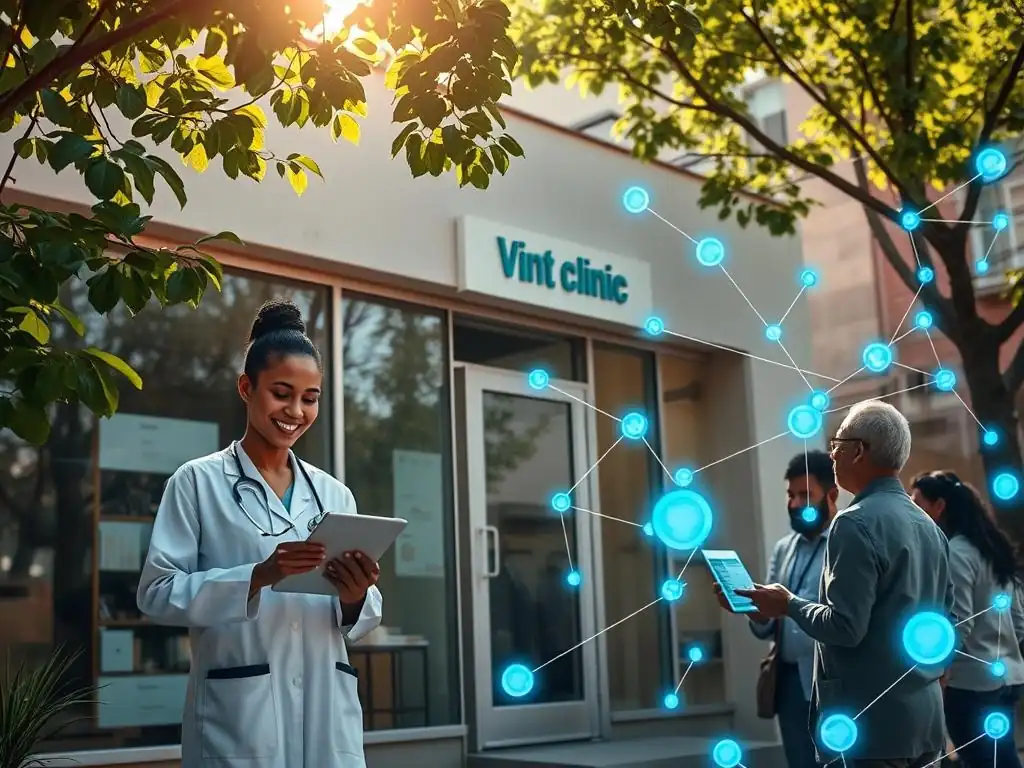
Welcome to Blockchain Trends, your go-to source for understanding the revolutionary impact of blockchain technology. Are you curious about how this innovative technology is moving beyond cryptocurrencies? Dive into our latest article exploring how blockchain is poised to revolutionize healthcare access for underserved communities. Discover the potential of decentralized systems to create a more equitable and efficient future, and how this is just the beginning of blockchain's transformative journey. Ready to unlock the possibilities?
Improving Healthcare Access in Underserved Communities with Technology Solutions
- Introduction: Addressing Healthcare Disparities with Technology
- Understanding the Barriers to Healthcare Access in Underserved Communities
- How Technology Can Enhance Healthcare Access: Specific Use Cases
-
Frequently Asked Questions
- What is the role of blockchain in improving healthcare access?
- How does blockchain address privacy concerns in healthcare?
- What are some examples of blockchain applications in healthcare?
- How can blockchain facilitate collaboration among healthcare providers?
- What future trends should we expect for blockchain in healthcare?
- Final Reflection: Empowering Equity Through Innovation
- Empower Change: Transform Healthcare Today!
Introduction: Addressing Healthcare Disparities with Technology
The Challenge: Limited Healthcare Access in Underserved Areas
Millions of individuals residing in underserved communities across the globe face significant barriers to accessing quality healthcare. These communities, often characterized by geographic isolation in rural areas or socioeconomic disadvantages in urban centers, experience stark disparities in health outcomes compared to more affluent populations. Challenges range from a severe shortage of healthcare professionals and facilities to prohibitive costs, lack of transportation, and limited health literacy.
For instance, studies consistently show that rural populations often have higher rates of chronic diseases and lower life expectancies, partly attributable to difficulties in accessing timely and appropriate medical care. The infrastructure needed for effective healthcare delivery is frequently inadequate, leaving residents vulnerable to preventable conditions and complications.
The consequences of this limited access are profound and far-reaching. Without regular check-ups, preventative screenings, and consistent management of chronic conditions like diabetes or hypertension, individuals in underserved areas often present with more advanced stages of illness, requiring more complex and expensive interventions. This not only places a heavy burden on individuals and families but also strains public health systems.
The gap in healthcare access contributes to a cycle of poverty and poor health, making it essential to explore innovative approaches that can bridge these divides and foster true healthcare equity. Addressing this challenge requires a multifaceted strategy, with technology emerging as a key potential enabler.
Technology: A Potential Solution for Healthcare Equity
Technology offers promising avenues to dismantle the barriers hindering healthcare access in underserved communities. Digital health solutions, telemedicine platforms, and advanced data management systems can extend the reach of medical expertise beyond traditional clinical settings. For example, mobile health units equipped with diagnostic tools can bring essential services directly to remote villages, while secure digital platforms can connect patients with specialists hundreds of miles away.
These technological interventions can help compensate for infrastructure gaps and personnel shortages, providing pathways to care that were previously unavailable. The rapid advancements in connectivity, even in remote areas, are making such solutions increasingly feasible and impactful.
Among these technological solutions, blockchain technology stands out for its unique capabilities in enhancing security, transparency, and trust within healthcare systems. While often associated with cryptocurrencies, blockchain's potential in healthcare is vast, particularly for improving blockchain healthcare access underserved communities.
Its decentralized and immutable ledger can secure patient data, streamline supply chains for essential medicines, and create verifiable digital identities, all critical components for building robust and accessible healthcare infrastructure where it is currently lacking. By providing a secure and transparent foundation, blockchain can empower patients, improve operational efficiency, and build confidence in the healthcare services provided, ultimately contributing to greater equity in access.
Understanding the Barriers to Healthcare Access in Underserved Communities

Geographic Limitations and Rural Healthcare Challenges
Geographic isolation is a primary barrier for many underserved communities, particularly those in rural or remote regions. Long distances to healthcare facilities, coupled with insufficient public transportation options and poor road infrastructure, make it difficult or impossible for residents to access routine medical appointments, emergency care, or specialized services. Many rural hospitals have faced closure in recent years, further reducing the availability of local care.
For instance, between 2005 and 2019, over 160 rural hospitals in the United States closed, leaving many communities without a nearby emergency room or inpatient facility. This forces residents to travel significant distances, often hours, to receive necessary medical attention, which can be particularly challenging for the elderly, individuals with chronic conditions, or those without personal vehicles.
Moreover, rural areas often face a critical shortage of healthcare professionals, including primary care physicians, specialists, and nurses. Attracting and retaining medical staff in these regions is challenging due to factors like lower salaries compared to urban areas, limited professional development opportunities, and lack of amenities. This means that even if a facility exists, the range of services offered may be limited, requiring referrals to distant specialists.
For example, access to mental health services or specific chronic disease management programs might be non-existent locally, exacerbating health issues. Overcoming these geographic and workforce limitations is crucial for improving blockchain healthcare access underserved communities.
Socioeconomic Factors and Healthcare Disparities
Socioeconomic factors play a significant role in healthcare disparities experienced by underserved communities. Poverty, unemployment, and lack of health insurance are major impediments to accessing care. Individuals with limited financial resources may postpone or forgo necessary medical visits, prescriptions, or treatments due to cost concerns. According to the Kaiser Family Foundation, in 2019, nearly 30 million non-elderly individuals in the U.S. were uninsured, with disproportionately higher rates among low-income populations and certain racial/ethnic groups. This lack of insurance coverage creates a substantial financial barrier, even when facilities are geographically accessible.
Beyond insurance, other socioeconomic factors like low health literacy, cultural and language barriers, and unstable housing can impact a person's ability to navigate the healthcare system effectively. For instance, a patient with limited understanding of medical terms or difficulty communicating with providers due to language differences may struggle to follow treatment plans or access preventative care.
Addressing these complex socioeconomic determinants requires a multi-pronged approach that includes not only making healthcare services more affordable and available but also providing culturally competent care and educational resources tailored to community needs. Technology, including solutions that support blockchain healthcare access underserved communities, must be designed with these socioeconomic realities in mind to be truly effective.
Lack of Infrastructure and Technological Barriers
Many underserved communities suffer from inadequate infrastructure, which presents significant challenges for modern healthcare delivery. This includes not only physical infrastructure like roads and clinics but also technological infrastructure such as reliable internet connectivity and access to digital devices. In many rural areas, broadband internet is either unavailable, prohibitively expensive, or unreliable, making it difficult to implement telehealth services or utilize electronic health records effectively. For example, a 2020 report by the FCC indicated that approximately 18 million Americans, many in rural areas, lacked access to broadband internet.
Furthermore, even when technological infrastructure exists, digital literacy can be a barrier. Many individuals in underserved communities, particularly older adults or those with limited educational backgrounds, may lack the skills or confidence needed to use computers, smartphones, or online healthcare portals. This digital divide can prevent them from benefiting from technology-driven health solutions. Implementing technology to improve blockchain healthcare access underserved communities must therefore consider these infrastructure and literacy gaps, potentially requiring investment in community connectivity projects and digital education programs alongside the deployment of healthcare-specific technologies.
How Technology Can Enhance Healthcare Access: Specific Use Cases
Electronic Health Records (EHRs) for Improved Data Management
Secure and Interoperable EHR Systems
Electronic Health Records (EHRs) are fundamental to modern healthcare, enabling better management of patient information. In underserved communities, implementing secure and interoperable EHR systems can significantly improve care coordination and access to patient history, even when individuals receive care from multiple providers or clinics. A key challenge is ensuring the security and privacy of sensitive health data, which is paramount, especially in areas with limited digital infrastructure or expertise.
Blockchain technology offers a robust solution by providing an immutable and transparent ledger for recording access and changes to EHRs, without necessarily storing the sensitive data itself directly on the chain. Instead, hashed references or encrypted pointers to the data can be stored on-chain, enhancing security and auditability.
Implementing such systems requires careful planning and investment, focusing on user-friendly interfaces and ensuring compliance with regulations like HIPAA in the United States or GDPR in Europe. The goal is to create systems where healthcare providers, regardless of location within the community, can access a patient's relevant medical history securely and efficiently, leading to more informed diagnoses and treatment plans. This is crucial for improving blockchain healthcare access underserved communities, as it allows for continuity of care across disparate points of service and empowers providers with comprehensive patient information.
Empowering Patients with Control Over Their Health Data
A significant benefit of advanced EHR systems, potentially enhanced by blockchain, is empowering patients with greater control over their own health data. In traditional systems, patients often lack easy access to their full medical records and have limited say in who can view their information. Technology can change this by providing patients with secure portals or applications that allow them to view their records, track their health metrics, and grant or revoke access permissions to healthcare providers. Blockchain's decentralized nature and cryptographic security can ensure that patients have verifiable ownership and control over their data access logs.
By giving patients more agency over their health information, these technologies can increase engagement in their own care, improve adherence to treatment plans, and facilitate better communication with providers. For individuals in underserved communities, this empowerment can be particularly impactful, helping to overcome feelings of powerlessness within complex healthcare systems and fostering greater trust. Enabling patients to manage their health data is a vital step towards improving blockchain healthcare access underserved communities and promoting health literacy and self-advocacy.
Supply Chain Management for Pharmaceuticals and Medical Supplies
Ensuring the Authenticity and Integrity of Medications
The integrity of the pharmaceutical supply chain is critical for patient safety, yet it is particularly vulnerable to counterfeiting and diversion, especially in regions with less stringent oversight. Underserved communities often face challenges related to the availability and authenticity of essential medicines. Implementing technology solutions, such as blockchain-based supply chain tracking, can significantly enhance visibility and security from manufacturer to patient. By recording each transaction and movement of pharmaceuticals on an immutable ledger, blockchain creates a verifiable history that makes it incredibly difficult to introduce counterfeit drugs or divert legitimate supplies unnoticed.
This level of transparency helps build trust in the medications being distributed and ensures that patients receive authentic and safe treatments. For example, pilot programs using blockchain for tracking pharmaceuticals have shown the potential to reduce fraud and improve efficiency. A study involving tracing medicines in a specific region might show a reduction in reported counterfeit incidents by a certain percentage (e.g., a pilot in China reportedly reduced counterfeit drug incidents in the traced supply chain). Ensuring the authenticity and integrity of medical supplies is fundamental to improving blockchain healthcare access underserved communities.
Reducing Counterfeit Drugs and Improving Supply Chain Transparency
Counterfeit drugs pose a serious threat to public health globally, leading to treatment failures, adverse reactions, and even death. Underserved communities, often targeted by counterfeiters due to weaker regulatory enforcement and desperate patient needs, are particularly at risk. Technology, specifically blockchain, offers a powerful tool to combat this issue by creating an unprecedented level of transparency throughout the supply chain. Each actor in the chain – manufacturers, distributors, pharmacies, and even patients – can verify the provenance and journey of a medication by scanning a code linked to its blockchain record.
This transparency not only helps identify and remove counterfeit products but also improves the efficiency of the supply chain by reducing delays and identifying bottlenecks. For instance, a transparent ledger can quickly identify where a batch of medication is located during a shortage or recall. This enhanced visibility and security are vital for ensuring that essential medicines reach underserved populations reliably and safely. Leveraging blockchain for supply chain management is a concrete way to improve blockchain healthcare access underserved communities by ensuring the availability of safe and effective medications.
Digital Identity Management for Patients and Healthcare Providers
Secure and Verifiable Healthcare Credentials
Managing identities and credentials securely is a foundational challenge in healthcare, impacting everything from patient registration to provider licensing. In underserved communities, inconsistent identification methods or lack of formal identification can create barriers to accessing care. Technology, particularly blockchain-based decentralized identity solutions, can provide individuals and providers with secure, verifiable digital identities and credentials. For patients, this could mean a digital health ID that securely links them to their medical history and insurance information. For providers, it could be verifiable proof of their licenses, certifications, and specializations stored immutably.
These digital credentials, owned and controlled by the individual, can streamline administrative processes, reduce fraud, and ensure that patients are correctly identified, improving safety and efficiency. For example, a pilot project in Estonia used a blockchain-based system to secure patient data access, demonstrating the feasibility of verifiable digital identities in healthcare. Such systems can be particularly beneficial in mobile clinic settings or for transient populations within underserved areas, providing a consistent and secure way to manage patient identity and records. Establishing secure and verifiable credentials is key to improving blockchain healthcare access underserved communities.
Streamlining Patient Identification and Authentication
Efficient and accurate patient identification and authentication are critical for patient safety and operational efficiency in healthcare settings. Manual processes are prone to errors, leading to potential mix-ups in patient records or treatments. In underserved communities, where patients may not have consistent addresses or phone numbers, or where multiple individuals share similar names, reliable identification is even more challenging. Technology solutions, such as biometric authentication linked to a secure digital identity or blockchain-based verification of identity attributes, can significantly streamline this process.
By enabling quick, accurate, and secure identification, these technologies reduce administrative overhead, minimize the risk of medical errors related to identity, and improve the overall patient experience. For instance, using a secure digital health ID linked to a patient's biometric data (like a fingerprint scan, with patient consent and strong privacy safeguards) could allow for faster registration and access to records in a clinic setting.
This is especially valuable in high-volume or mobile healthcare environments common in efforts to improve blockchain healthcare access underserved communities. Streamlined identification allows healthcare providers to focus more time on patient care rather than administrative tasks.
Telehealth and Remote Patient Monitoring
Secure Data Transmission for Remote Consultations
Telehealth has emerged as a powerful tool for extending healthcare reach, particularly in areas lacking local providers. It allows patients in underserved communities to consult with doctors and specialists remotely via video calls, phone calls, or secure messaging. However, the transmission of sensitive patient data during these consultations requires robust security measures to maintain privacy and trust. Encrypted communication channels and secure platforms are essential. Furthermore, blockchain technology can be utilized to secure the metadata associated with telehealth sessions, such as timestamps, participants, and the fact that a consultation occurred, without revealing the content of the consultation itself.
This use of blockchain can enhance the auditability and integrity of telehealth interactions, ensuring that records of consultations are accurate and tamper-proof. For example, a platform could log the initiation and completion of a remote session on a blockchain ledger, providing a verifiable record for billing or legal purposes. Ensuring secure data transmission and verifiable session logs is fundamental to building confidence in telehealth and expanding blockchain healthcare access underserved communities.
Improved Access to Specialists and Medical Expertise
One of the most significant benefits of telehealth for underserved communities is improved access to specialists. Residents in rural areas or those with mobility issues often face immense challenges in seeing specialists like cardiologists, dermatologists, or mental health professionals due to distance or availability. Telehealth platforms connect these patients directly with specialists located elsewhere, eliminating the need for arduous travel. This allows for timely consultations, diagnoses, and management of complex conditions that would otherwise go untreated or be managed suboptimally.
Remote patient monitoring (RPM) is another related technology that allows healthcare providers to track a patient's health data (e.g., blood pressure, glucose levels, weight) from a distance using connected devices. This is particularly useful for managing chronic diseases, enabling early detection of deteriorating conditions and proactive interventions. For example, a patient with heart failure in a remote village could have their weight and blood pressure monitored daily via a connected scale and cuff, with the data securely transmitted to a healthcare team.
This allows for personalized care adjustments without frequent clinic visits. Integrating these technologies is a critical component of improving blockchain healthcare access underserved communities by bringing specialized care and monitoring capabilities directly to patients' homes.
Frequently Asked Questions
What is the role of blockchain in improving healthcare access?
Blockchain technology can enhance healthcare access by providing secure, transparent, and efficient systems for managing patient data, particularly in underserved communities.
How does blockchain address privacy concerns in healthcare?
Blockchain offers a decentralized model that ensures data privacy and security, allowing patients to control their own health information while sharing it with providers as needed.
What are some examples of blockchain applications in healthcare?
Examples include patient identity verification, supply chain management, and clinical trial data management, all of which can significantly improve healthcare delivery and access in underserved areas.
How can blockchain facilitate collaboration among healthcare providers?
Blockchain enables interoperability between different systems, allowing for seamless data sharing among providers, which can lead to improved patient outcomes and access in underserved communities.
What future trends should we expect for blockchain in healthcare?
Expect advancements in smart contracts, greater regulatory clarity, and increased adoption of blockchain solutions that aim to bridge the healthcare access gap for underserved populations.
Final Reflection: Empowering Equity Through Innovation
The journey through exploring blockchain solutions for healthcare access in underserved communities reveals a powerful truth: technology, when ethically applied, can be a potent force for social justice. The potential to dismantle systemic barriers and create a more equitable healthcare landscape is not just a theoretical possibility; it's a tangible goal within our reach, demanding immediate attention and collaborative action.
The promise of blockchain in healthcare extends far beyond mere efficiency; it touches the very core of human dignity and the right to quality care. Witnessing the potential for secure data management, transparent supply chains, and decentralized access to medical records underscores the profound impact this technology can have on vulnerable populations. The future of healthcare is not just about better technology; it's about better access, better outcomes, and a more equitable system for all.
This quote encapsulates the driving force behind leveraging innovation to bridge the healthcare gap.
As we conclude this exploration, I urge you to consider your own role in shaping this future. How can you contribute to the ethical development and implementation of blockchain solutions that prioritize the needs of underserved communities? Let us all commit to championing innovation that empowers individuals, strengthens communities, and ultimately, ensures that quality healthcare is a fundamental right, not a privilege.
Empower Change: Transform Healthcare Today!
Thank you for exploring how blockchain can revolutionize healthcare access in underserved communities. We hope you found valuable insights and are inspired to take action. Let's move from discussion to real-world impact!
Ready to make a difference? Here are a few things you can do right now:
- Research and share a blockchain healthcare project that is actively making a difference in an underserved community. Help spread awareness of real solutions!
- Join online forums and discussions about blockchain in healthcare to connect with experts, share your ideas, and learn from others. Contribute to the collective knowledge!
- Reach out to a local healthcare provider or community organization to see if they are interested in learning more about blockchain solutions. You could be the catalyst for change!
What specific blockchain healthcare project are you most excited to see implemented in your community, and why? Share your thoughts below!
Leave a Reply