
The Potential of Tokenization in Supply Chain: Fractional Ownership and Enhanced Liquidity

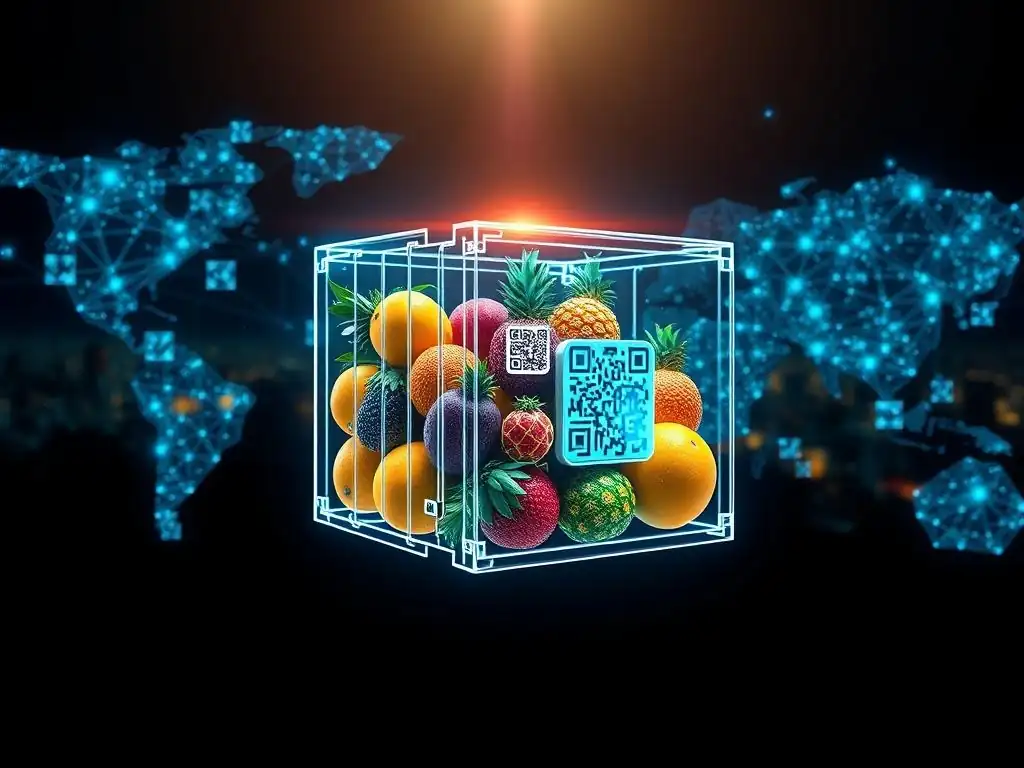
Welcome to Blockchain Trends, your guide to navigating the evolving landscape of blockchain technology. Are you ready to unlock the transformative power of blockchain beyond cryptocurrencies?
In this article, we delve into the exciting potential of tokenization in the supply chain, focusing on how fractional ownership is revolutionizing asset management and liquidity. Discover how this innovative approach is reshaping industries and what the future holds for decentralized systems. Intrigued? Let's explore.
Transforming Supply Chains with Tokenization: Enhanced Efficiency and Transparency
- Introduction: Tokenization's Impact on Modern Supply Chain Management
- Tokenization in Supply Chain: Fostering Efficiency and Access
- Enhanced Transparency and Traceability Through Tokenization
- Real-World Applications of Tokenization in Supply Chain
- Benefits of Using Tokenization in Supply Chain
- Challenges and Considerations for Tokenized Supply Chains
- The Future of Tokenization in Supply Chain Management
- Conclusion: Tokenization - A Catalyst for Supply Chain Innovation
-
Frequently Asked Questions
- What is tokenization and how does it relate to the supply chain?
- How does tokenization enable fractional ownership in the supply chain?
- What are the main benefits of tokenizing a supply chain?
- How can tokenization help with regulatory compliance in the supply chain?
- What is the future outlook for tokenization in supply chains?
- Final Reflection: Unlocking Supply Chain Potential Through Tokenization
- Unlock the Future: Revolutionize Your Supply Chain Today!
Introduction: Tokenization's Impact on Modern Supply Chain Management
The complexities of modern supply chains demand innovative solutions to enhance efficiency, traceability, and financing. Traditional systems often suffer from opacity, fragmentation, and illiquidity, making it challenging to track goods comprehensively, verify authenticity, and access capital efficiently. Tokenization, the process of converting rights to an asset into a digital token on a blockchain, emerges as a powerful technology poised to revolutionize these intricate networks. By representing physical or intangible assets as digital tokens, supply chain participants can achieve unprecedented levels of granular tracking, automated processes, and new avenues for asset management and funding.
This transformative potential extends beyond simple tracking, offering the possibility of fractional ownership of assets within the supply chain and significantly enhancing liquidity. Imagine raw materials, components, or even entire shipments being represented by tokens that can be divided and traded instantly. This capability unlocks capital previously tied up in physical inventory and assets, creating a more dynamic and accessible ecosystem for businesses of all sizes. The integration of blockchain technology and tokenization promises to build more resilient, transparent, and economically viable supply chains for the future.
Core Concepts: Tokenization, Supply Chain, and Decentralized Finance (DeFi)
At its heart, tokenization involves creating a digital representation (a token) on a blockchain for something of value. This could be a physical item like a pallet of goods, a contractual right like an invoice, or even a unit of output like a barrel of oil. These tokens carry metadata about the asset and can be programmed with specific rules via smart contracts. A supply chain is the entire process of producing and distributing a product or service, from sourcing raw materials to delivering the final item to the consumer. It involves numerous participants, transactions, and data flows.
Decentralized Finance (DeFi), while often associated with financial applications outside traditional banking, plays a crucial role in understanding the potential of tokenization in supply chain. DeFi leverages blockchain and smart contracts to enable peer-to-peer financial transactions and services without intermediaries. When supply chain assets or receivables are tokenized, they can potentially interact with DeFi protocols, enabling novel financing methods like instant, fractional lending against tokenized inventory or automated payment streams based on verifiable asset movement. This integration of tokenization supply chain fractional ownership capabilities with DeFi could unlock significant liquidity.
Why Tokenization is Crucial for Evolving Supply Chain Dynamics
Traditional supply chains are often plagued by inefficiencies stemming from manual data entry, siloed information systems, and a lack of trust between parties. This leads to delays, errors, disputes, and makes it difficult to get a single, accurate view of a product's journey or status. Furthermore, physical assets and outstanding invoices are often illiquid, making it hard for businesses, particularly small and medium-sized enterprises (SMEs), to access working capital tied up in these assets.
Tokenization addresses these fundamental challenges by creating a single source of truth on an immutable ledger. Each token represents a specific, verifiable asset or right, making its status and ownership transparent to authorized parties. This digital representation allows for automated handling via smart contracts, reducing manual overhead and potential for error. Crucially, by making assets digitally tradable, tokenization supply chain fractional ownership becomes feasible, allowing investors to buy partial stakes in high-value goods or batches, thereby providing immediate or near-immediate liquidity to the asset holder. This transforms static assets into dynamic, financeable instruments.
Tokenization in Supply Chain: Fostering Efficiency and Access
The application of tokenization within supply chain operations offers a powerful pathway to significant improvements in both operational efficiency and financial accessibility for all participants. By digitally representing goods, components, or even contractual obligations as tokens on a blockchain, businesses can move away from cumbersome paper-based processes and disparate digital systems towards a unified, transparent, and automated framework. This shift enables real-time visibility and control over the flow of assets, reducing delays and minimizing the risk of errors or fraud inherent in traditional methods.
Furthermore, tokenization unlocks the dormant value within physical supply chain assets. High-value inventory, machinery, or future receivables, traditionally difficult to leverage for financing, can be converted into digital tokens. These tokens can then be used as collateral, sold fractionally, or traded on secondary markets, providing businesses with enhanced access to capital. This is particularly impactful for smaller participants who might lack the extensive credit history or assets required for traditional loans, effectively democratizing access to financing within the supply chain ecosystem.
Tokenization's Role in Supply Chain Optimization
Tokenization plays a pivotal role in optimizing supply chains by creating a granular, verifiable, and dynamic representation of assets and processes. Instead of tracking shipments at a high level, individual items, components, or specific quantities can be tokenized. For example, in the electronics industry, critical components can each have a unique token linked to their manufacturing data, origin, and specifications. As these components move through assembly, testing, and distribution, the corresponding tokens are updated or transferred, creating an immutable history on the blockchain.
This granular approach, facilitated by tokenization, allows for precise inventory management, targeted recalls if necessary, and highly accurate demand forecasting based on real-time asset location and status. Smart contracts can be programmed to automatically trigger actions, such as payments upon delivery verification or quality checks, based on the token's state. This level of automation and data integrity significantly reduces the administrative burden and operational costs associated with managing complex supply networks, leading to a more streamlined and efficient overall process.
Benefits of Tokenization for Supply Chain Operations
The integration of tokenization into supply chain management yields a multitude of tangible benefits that address long-standing challenges and unlock new opportunities. These advantages span operational improvements, enhanced financial flexibility, and increased trust among participants.
Increased Operational Efficiency
Tokenization significantly boosts operational efficiency by digitizing and automating many processes that were previously manual or required extensive human oversight. Data entry is reduced as information is inherently linked to the token and updated automatically via smart contracts or IoT device inputs. This minimizes errors, accelerates transaction processing, and reduces the need for reconciliation across different systems. For instance, processing trade finance documents can take days or weeks traditionally; with tokenized invoices and automated smart contract execution, this process could be reduced to hours or even minutes, potentially cutting administrative costs by 20-30% in some pilot programs.
Improved Access to Financing for Participants
One of the most impactful benefits is the improved access to financing, particularly through tokenization supply chain fractional ownership. By tokenizing assets like inventory, raw materials, or validated invoices, businesses can convert illiquid assets into liquid digital tokens. These tokens can then be used as collateral for loans or sold outright to investors, even in small fractions.
This allows businesses to unlock capital tied up in physical goods or receivables much faster and more flexibly than through traditional financing routes. Early initiatives exploring the tokenization of trade receivables suggest the potential to unlock billions in previously inaccessible working capital for SMEs globally.
Enhanced Transparency and Traceability
Tokenization inherently provides enhanced transparency and traceability throughout the supply chain. Every movement, status change, or transaction involving a tokenized asset is recorded on the blockchain, creating an immutable and verifiable history accessible to authorized parties. This eliminates information silos and provides a single, trustworthy source of data regarding an asset's provenance, handling history, and current location. This level of transparency is crucial for verifying ethical sourcing, ensuring product authenticity, and meeting regulatory compliance requirements, significantly reducing the risk of fraud and counterfeiting.
Enhanced Transparency and Traceability Through Tokenization
Transparency and traceability are paramount in modern supply chains, driven by consumer demand for ethically sourced and authentic products, as well as increasing regulatory scrutiny. Tokenization provides a robust framework to achieve these goals by leveraging the inherent properties of blockchain technology.
The Challenges of Opacity in Traditional Supply Chains
Traditional supply chains are often characterized by a lack of end-to-end visibility. Information is typically held in disparate databases by different participants (suppliers, manufacturers, distributors, logistics providers, retailers), leading to fragmented data and information asymmetry.
It's difficult to track a product's journey definitively from its origin to the final consumer, verify the conditions under which it was transported, or confirm the authenticity of components used in its manufacture. This opacity creates significant risks, including the proliferation of counterfeit goods, difficulty in managing recalls effectively, challenges in ensuring compliance with sustainability or ethical labor standards, and a general lack of trust among supply chain partners.
For example, tracing the origin of raw materials like minerals or agricultural products often involves complex paper trails and intermediaries, making verification difficult and prone to error or deliberate deception. Similarly, ensuring that luxury goods are authentic or that pharmaceuticals have been stored at the correct temperature throughout their journey is challenging without a reliable, continuous record. This lack of transparency contributes to inefficiencies, increases the likelihood of disputes, and erodes consumer confidence.
How Tokenization Enables Transparency in Supply Chain Processes
Tokenization directly addresses the challenges of opacity by creating a shared, immutable ledger of asset information and transactions. When an asset is tokenized, its unique identity and key attributes are linked to a digital token on a blockchain. As the asset moves through the supply chain, updates regarding its location, ownership, status (e.g., manufacturing step completed, quality check passed, shipped), and handling conditions (e.g., temperature data from IoT sensors) are recorded on the blockchain, linked to the corresponding token.
Because blockchain records are append-only and cryptographically secured, this creates a tamper-evident history that provides a single, trustworthy source of truth accessible to all authorized participants. This eliminates the need for multiple, potentially conflicting databases and provides real-time, verifiable data on the asset's journey and status. This enhanced transparency allows for quicker problem identification, easier auditing, and builds greater trust among supply chain partners and with end consumers.
Tokenized Provenance: A Case Study in Traceability
Consider the journey of a high-value product, such as conflict-free diamonds or ethically sourced coffee. Traditionally, proving the origin and handling of such goods relies on paper certificates and manual checks at various points. With tokenization, each batch of coffee beans or individual diamond could be assigned a unique token at its origin. Data about the farm, ethical certifications, harvest date, and initial processing would be linked to the token on the blockchain. As the product moves through milling, export, roasting, and distribution, each step is recorded on the blockchain, updating the token's history.
This tokenized provenance allows any authorized party – from the roaster to the end consumer (via a QR code on the packaging) – to scan the token identifier and view the complete, verified history of the product. Pilot programs using tokenization for provenance have shown significant improvements in tracking accuracy, often exceeding 95%, and have helped combat issues like mislabeling and fraud in industries like food and luxury goods.
Smart Contracts for Automated Compliance and Transparency
Smart contracts further enhance transparency and traceability by automating compliance checks and actions based on the verifiable data associated with tokens. For example, a smart contract could be programmed to automatically release payment to a supplier only after the token representing the goods arrives at a specific location and IoT sensor data linked to the token verifies that the temperature remained within the required range during transit.
This automated verification reduces the potential for manual errors or malicious manipulation of data. It ensures that agreed-upon conditions are met before transactions are executed, adding a layer of programmed trust and transparency to contractual agreements within the supply chain. Smart contracts linked to tokenized assets can automate processes like quality control sign-offs, regulatory reporting based on asset movement, and even insurance payouts triggered by verifiable events recorded against the token.
Real-World Applications of Tokenization in Supply Chain
The theoretical benefits of tokenization are being explored and implemented across various industries, demonstrating its practical potential to transform supply chain operations. While widespread adoption is still developing, several compelling real-world examples highlight how tokenization is enhancing efficiency, transparency, and creating new financial opportunities, including exploring tokenization supply chain fractional ownership models.
Case Study 1: Tracking and Tokenizing Seafood for Sustainability
The seafood industry faces significant challenges with traceability, illegal fishing, and ensuring sustainability. Several initiatives have explored using blockchain and tokenization to track seafood from catch to plate. For example, a pilot project might tokenize batches of fish immediately upon catch, recording details about the species, catch location, vessel information, and fishing method on the blockchain. As the fish moves through processing plants, distributors, and retailers, updates are added to the token's history.
This tokenized approach allows consumers and regulators to scan a code on the final product and view its complete, verifiable journey, ensuring it comes from a legal and sustainable source. While widespread tokenization supply chain fractional ownership might not be the primary focus here initially, the underlying infrastructure for tracking and verifying assets creates the potential for future applications, such as tokenizing specific quotas or future yields. Pilots in this sector have shown significant improvements in data accuracy and the ability to identify discrepancies in the supply chain, enhancing trust and supporting sustainability claims.
Case Study 2: Tokenizing Carbon Credits in the Supply Chain
As companies increasingly focus on reducing their environmental footprint, tracking and trading carbon emissions and offsets within the supply chain becomes crucial. Tokenization provides a mechanism to represent verified carbon credits or reductions as digital tokens on a blockchain. Companies can tokenize their verified carbon offsets and integrate them with their logistical operations, potentially linking specific shipments or production processes to corresponding carbon tokens.
This allows for transparent tracking of carbon footprints associated with goods as they move through the supply chain. Furthermore, these tokenized carbon credits can be more easily traded, potentially fractionally, on blockchain-based marketplaces, providing a more liquid and accessible market for companies to manage their environmental liabilities or capitalize on sustainability efforts. Several platforms are emerging that facilitate the tokenization and trading of environmental assets, demonstrating the practical application of tokenization in driving sustainability within supply networks.
Case Study 3: Optimizing Automotive Parts Supply Chains with Tokenization
The automotive industry relies on complex global supply chains with millions of components. Ensuring the authenticity and quality of parts is critical for safety and performance. Tokenization is being explored to create a digital twin for high-value or critical automotive parts. Each part, such as an engine component or an airbag module, could be assigned a unique token at the point of manufacture.
This token would carry information about its origin, manufacturing date, materials used, and quality inspection data. As the part moves through distribution, assembly, and potentially even its lifecycle in a vehicle (recording maintenance history), the token's data is updated on the blockchain. This tokenized system helps combat the significant problem of counterfeit parts, which can compromise safety and cost the industry billions annually.
It also streamlines recall processes by providing immediate, accurate information on the location and history of affected components. While not strictly tokenization supply chain fractional ownership in the consumer sense, the underlying tokenization of individual parts establishes the framework for more granular asset management and potential future financing models based on verified component inventories. Pilot programs have shown the ability to significantly reduce the time and cost associated with tracking parts and verifying their authenticity.
Benefits of Using Tokenization in Supply Chain
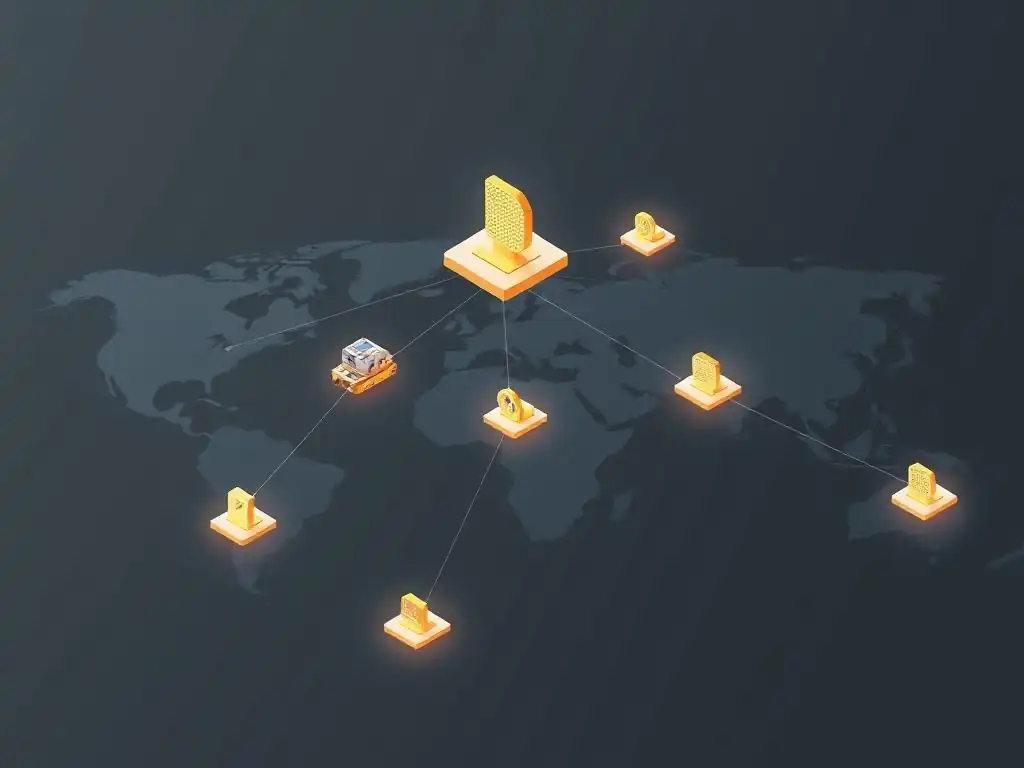
Implementing tokenization within supply chain operations delivers a range of compelling benefits that collectively lead to more efficient, secure, and financially dynamic networks. These advantages build upon the core capabilities of blockchain technology to create a new paradigm for managing goods and information flow.
Improved Data Integrity and Security
One of the primary benefits is the significant improvement in data integrity and security. Data associated with tokenized assets is stored on an immutable blockchain ledger. Once a record is added, it cannot be altered or deleted, creating a tamper-evident history of every transaction and status update related to the token. This inherent security feature drastically reduces the risk of data manipulation, errors, and fraud compared to traditional systems where data is often siloed and more vulnerable to unauthorized changes. Participants can trust the information recorded on the blockchain, knowing it represents an accurate history of the asset.
Reduced Intermediaries and Transaction Costs
Tokenization and smart contracts enable more direct, peer-to-peer interactions within the supply chain, potentially reducing the reliance on traditional intermediaries. For example, automated payments triggered by smart contracts based on verified token movements can bypass traditional payment processors, reducing transaction fees and accelerating settlement times. Similarly, financing processes can become more direct as investors can interact directly with tokenized assets or receivables, potentially reducing the need for banks or other financial institutions as central gatekeepers. Estimates suggest that tokenization could reduce overall transaction costs in trade finance by up to 30% by eliminating manual processes and intermediaries.
Enhanced Collaboration and Data Sharing
Tokenization fosters enhanced collaboration among supply chain partners by providing a secure, shared platform for data exchange. While sensitive data can be kept off-chain or permissioned, key information linked to tokenized assets (like ownership, status, location) can be made accessible to relevant parties on the blockchain. This shared source of truth eliminates information silos and promotes greater coordination and trust among participants who might not otherwise trust each other's independent systems. This collaborative environment, built on verifiable token data, facilitates smoother operations and quicker responses to disruptions.
Streamlined Auditing and Verification Processes
Auditing and verifying compliance within complex supply chains is traditionally a time-consuming and costly process, often involving manual checks of numerous documents across different entities. Tokenization streamlines these processes significantly. Because all relevant transactions and asset histories are immutably recorded on the blockchain and linked to tokens, auditors can access a single, verifiable source of truth.
This allows for much faster and more efficient verification of provenance, ownership, compliance with regulations (like cold chain requirements or ethical sourcing), and financial transactions. What might have taken weeks of manual reconciliation can potentially be completed in days, or even hours, by querying the blockchain data associated with the relevant tokens.
Challenges and Considerations for Tokenized Supply Chains
While the potential benefits of tokenization in supply chain are substantial, their widespread implementation faces several significant challenges that must be addressed for successful adoption. These include technical hurdles, regulatory uncertainties, and the need for industry-wide coordination.
Scalability and Performance Limitations
Current blockchain technologies vary in their ability to handle the massive volume of transactions generated by global supply chains. Public blockchains, while highly decentralized, can face scalability limitations and high transaction costs (gas fees) during periods of high network congestion. Enterprise-grade or permissioned blockchains often offer better performance and lower costs but may introduce different considerations regarding centralization and governance.
Implementing tokenization supply chain solutions at scale requires platforms capable of processing millions, if not billions, of transactions efficiently and cost-effectively to track every granular movement and status change of tokenized assets across complex networks. Achieving throughput comparable to traditional logistics systems remains an ongoing development challenge for many blockchain platforms.
Data Privacy and Confidentiality Concerns
Supply chain data often contains sensitive commercial information, including pricing, supplier relationships, production volumes, and customer details. Storing all this information directly on a public, immutable ledger raises significant privacy and confidentiality concerns for businesses. While token data itself might be limited, the linked information or transaction patterns could reveal competitive intelligence.
Solutions are being developed to address this, such as using private or permissioned blockchains, employing zero-knowledge proofs to verify data without revealing it, or storing sensitive data off-chain while using tokens as verifiable pointers. Implementing tokenization requires careful consideration of which data goes on-chain and robust mechanisms to ensure data privacy and compliance with regulations like GDPR.
Standardization and Interoperability Requirements
A major hurdle is the lack of standardized protocols and token specifications across different industries and blockchain platforms. For tokenization supply chain solutions to be truly effective, they must be interoperable, allowing tokens and associated data to flow seamlessly between different companies, platforms, and even different blockchain networks used by various supply chain partners. Without common standards for token types (e.g., representing a bill of lading vs. a quality certificate), data formats, and communication protocols, implementing end-to-end tokenization across diverse supply chains becomes fragmented and complex, limiting network effects and widespread adoption.
Addressing the Need for User Education and Adoption
Implementing tokenization requires not just technical infrastructure but also significant change management and user education across potentially hundreds or thousands of participants in a complex supply chain. Businesses need to understand what tokenization is, how it benefits them, how to use the new platforms, and trust the underlying technology.
Overcoming inertia, resistance to change, and the need for significant investment in training and integration are substantial challenges. Successful adoption relies on building intuitive user interfaces and providing clear value propositions that encourage participants, from raw material suppliers to logistics providers and retailers, to integrate tokenized workflows into their existing operations.
The Future of Tokenization in Supply Chain Management
Despite the challenges, the trajectory for tokenization in supply chain management points towards increasing adoption and integration. The compelling benefits of enhanced efficiency, transparency, and improved access to capital, including through tokenization supply chain fractional ownership, are too significant to ignore. As blockchain technology matures and standards emerge, tokenization is poised to become a fundamental component of future supply chain infrastructure.
Predictions for Industry-Wide Integration
Industry analysts predict substantial growth in the use of blockchain and tokenization within supply chains over the next few years. Market reports often forecast the global blockchain in supply chain market to reach tens of billions of dollars within the next five to seven years, indicating a move beyond pilot projects towards broader implementation.
Early adopters in industries like logistics, pharmaceuticals, food and beverage, and manufacturing are demonstrating tangible returns on investment, paving the way for wider integration. As more participants join tokenized networks, the network effects will increase, making it increasingly beneficial for others to follow suit, potentially leading to industry-wide standards and adoption within specific sectors.
Emerging Technologies and Synergies
The future of tokenization in supply chain is intrinsically linked with the development and synergy of other emerging technologies. Advancements in blockchain scalability solutions, such as Layer 2 protocols and sharding, will address performance limitations. Cryptographic techniques like zero-knowledge proofs will enhance data privacy on-chain. Furthermore, the integration of tokenization with technologies like the Internet of Things (IoT) and Artificial Intelligence (AI) will unlock even greater potential.
The Role of IoT and AI in Tokenized Supply Chains
IoT devices, such as sensors tracking temperature, location, or humidity, can provide real-time, verifiable data that automatically updates the state and attributes of tokenized assets on the blockchain. For example, a token representing a shipment of vaccines could be automatically updated with temperature readings from an IoT sensor in the container, ensuring the cold chain was maintained throughout transit. This direct link between the physical world (via IoT) and the digital token on the blockchain creates a highly accurate and automated tracking system.
AI can then be applied to analyze the vast amounts of verifiable data generated by tokenized supply chains and IoT sensors. AI algorithms can identify patterns, predict potential disruptions, optimize routes, forecast demand with greater accuracy, and even automate complex decision-making processes based on the real-time status of tokenized assets. This combination of IoT, AI, and tokenization creates intelligent, self-optimizing supply chains.
Conclusion: Tokenization - A Catalyst for Supply Chain Innovation
Tokenization represents a significant leap forward in supply chain management, moving beyond incremental improvements to offer a fundamental transformation of how goods are tracked, verified, and financed. By converting physical and intangible assets into digital tokens on a blockchain, supply chains can overcome long-standing challenges related to opacity, inefficiency, and limited access to capital.
Recap of Key Benefits: Efficiency and Transparency
The core benefits of tokenization in supply chain are clear and compelling: dramatically increased operational efficiency through automation and streamlined processes, enhanced transparency and traceability providing verifiable provenance and combating fraud, improved data integrity and security via immutable blockchain records, reduced intermediaries and transaction costs, and greater collaboration among participants. Crucially, tokenization supply chain fractional ownership capabilities unlock new financing opportunities by making assets more liquid and accessible to a wider pool of investors.
The Transformative Potential of Blockchain and Tokenization in Supply Chains
Blockchain provides the foundational trust layer, and tokenization provides the mechanism to represent and manage assets on that layer. Together, they offer the potential to create supply chains that are not only more efficient and transparent but also more resilient, secure, and financially inclusive. The ability to track assets at a granular level, automate contractual obligations with smart contracts, and enable fractional ownership and enhanced liquidity fundamentally changes the economic dynamics of supply networks, benefiting businesses of all sizes, including SMEs seeking better access to capital.
Future Outlook: Towards a More Resilient and Sustainable Supply Chain Ecosystem
As the technology matures, standards develop, and integration with IoT and AI deepens, tokenization is poised to become an indispensable tool for modern supply chain management. The future promises supply chains that are not only optimized for speed and cost but also for sustainability, ethical sourcing, and resilience against disruptions.
By enabling verifiable tracking of environmental and social metrics linked to tokenized goods, and by providing more flexible financing options via tokenization supply chain fractional ownership, this technology is a key catalyst for building a more robust, equitable, and sustainable global trade ecosystem. The journey towards fully tokenized supply chains is ongoing, but the path towards greater efficiency, transparency, and financial fluidity is clearly defined.
Frequently Asked Questions
What is tokenization and how does it relate to the supply chain?
Tokenization in the supply chain involves converting physical assets or rights into digital tokens on a blockchain. This allows for fractional ownership and improved traceability of goods throughout the supply chain.
How does tokenization enable fractional ownership in the supply chain?
Tokenization allows a single asset, like a shipment of goods, to be divided into many tokens. This means multiple parties can own a fraction of the asset, democratizing access to supply chain investments and reducing financial barriers.
What are the main benefits of tokenizing a supply chain?
The primary benefits include enhanced liquidity through easier trading of tokens, increased transparency due to blockchain's immutability, and improved efficiency by automating processes and reducing intermediaries.
How can tokenization help with regulatory compliance in the supply chain?
Blockchain's transparent and auditable nature allows for easier tracking of goods and documentation. This simplifies compliance with regulations related to product origin, ethical sourcing, and environmental impact.
What is the future outlook for tokenization in supply chains?
The future looks promising, with increasing adoption driven by the need for greater transparency and efficiency. Expect to see more sophisticated use cases emerge, leveraging DeFi and other decentralized technologies.
Final Reflection: Unlocking Supply Chain Potential Through Tokenization
The exploration of tokenization within the supply chain, particularly through fractional ownership, is not merely a theoretical exercise; it's a critical pathway to democratizing access and enhancing liquidity in a sector ripe for disruption. The potential to unlock previously inaccessible value and streamline complex processes is no longer a distant possibility, but a tangible opportunity being actively pursued by forward-thinking organizations.
This journey into tokenization's impact on supply chains has underscored its profound influence on reshaping traditional business models. Witnessing the shift towards greater transparency and efficiency is inspiring, reminding us that innovation is not just about technology, but about empowering individuals and businesses alike. The future of supply chains lies in their ability to adapt and respond in real-time, and tokenization provides the infrastructure for that agility.
This quote encapsulates the essence of the transformative power we've discussed, highlighting the potential for a more resilient and responsive global trade ecosystem.
Now, as you reflect on the possibilities presented by tokenization in supply chains, consider how you can contribute to this evolution. Explore the potential within your own sphere of influence, whether it's advocating for greater adoption, developing innovative solutions, or simply educating yourself and others about the transformative power of fractional ownership. The future of global trade is being written now, and your participation can help shape a more equitable and efficient world for all.
Unlock the Future: Revolutionize Your Supply Chain Today!
Thank you for exploring the potential of tokenization to transform supply chain management. You've seen how fractional ownership and increased liquidity can reshape the way your business operates. Now, it's time to take action!
Here are a few steps to get started:
- Begin identifying specific assets within your supply chain that could benefit from tokenization. Start with a small pilot to demonstrate its advantages.
- Explore blockchain platforms and service providers that specialize in asset tokenization for supply chains. Don't hesitate to request demonstrations and ask detailed questions.
- Share this article with your network and initiate conversations about the opportunities of tokenization in your industry. Let's work together to build a tokenized future!
What is the first asset in your supply chain you're considering for tokenization, and what makes it a good candidate? Share your thoughts in the comments below!
Leave a Reply