
Real Estate Tokenization Explained: Investing in Digital Assets Secured by Physical Properties


Welcome to Blockchain Trends, your guide to navigating the evolving world of decentralized technologies. Are you ready to unlock a new era of investment? Dive into our analysis of Real Estate Tokenization Explained, where we demystify how blockchain is revolutionizing property investment. Discover how to leverage digital assets secured by physical properties and explore the real estate blockchain investment strategy that could reshape your portfolio. Ready to learn more?
- Real Estate Tokenization Explained: Investing in Digital Assets Secured by Physical Properties
- Understanding Real Estate Tokenization: A Comprehensive Overview
- The Advantages of Blockchain for Real Estate Investment
- Real Estate Blockchain Investment Strategy: Building Your Portfolio
- Navigating the Legal and Regulatory Landscape of Real Estate Tokenization
- Comparing Traditional Real Estate Investment vs. Tokenized Real Estate
- The Future of Real Estate Investment: Tokenization and Beyond
- Risks and Challenges Associated with Real Estate Tokenization
- Conclusion: Is Real Estate Tokenization Right for You?
-
Frequently Asked Questions
- What is real estate tokenization and how does it relate to blockchain?
- How can blockchain technology benefit real estate investment?
- What are the potential risks associated with real estate blockchain investment strategy?
- How does DeFi (Decentralized Finance) integrate with real estate tokenization?
- What should I consider when developing a Real Estate Blockchain Investment Strategy?
- Final Reflection: Embracing the Future of Property Ownership
- Unleash Your Real Estate Potential!
Real Estate Tokenization Explained: Investing in Digital Assets Secured by Physical Properties
Introduction to Real Estate Tokenization and Blockchain Trends
The real estate market, traditionally characterized by illiquidity, high transaction costs, and limited accessibility, is undergoing a significant transformation thanks to blockchain technology. Real estate tokenization, the process of issuing digital tokens on a blockchain that represent ownership or rights in a physical property, is at the forefront of this evolution. This innovation leverages the inherent strengths of blockchain – transparency, security, and immutability – to create new possibilities for both investors and property owners. As blockchain trends continue to mature beyond cryptocurrencies, enterprise applications like real estate tokenization are demonstrating tangible benefits in established industries.
This article explores the multifaceted world of real estate tokenization, delving into its mechanics, benefits, challenges, and the strategic considerations for building a real estate blockchain investment strategy. We will examine how this technology is poised to democratize access to real estate investment, reduce frictional costs, and enhance market liquidity. By understanding the core concepts and technical processes involved, investors can begin to navigate this burgeoning asset class and potentially unlock new avenues for portfolio diversification within the digital asset landscape, secured by tangible physical properties.
Understanding Real Estate Tokenization: A Comprehensive Overview
What is Real Estate Tokenization? Defining the Core Concepts
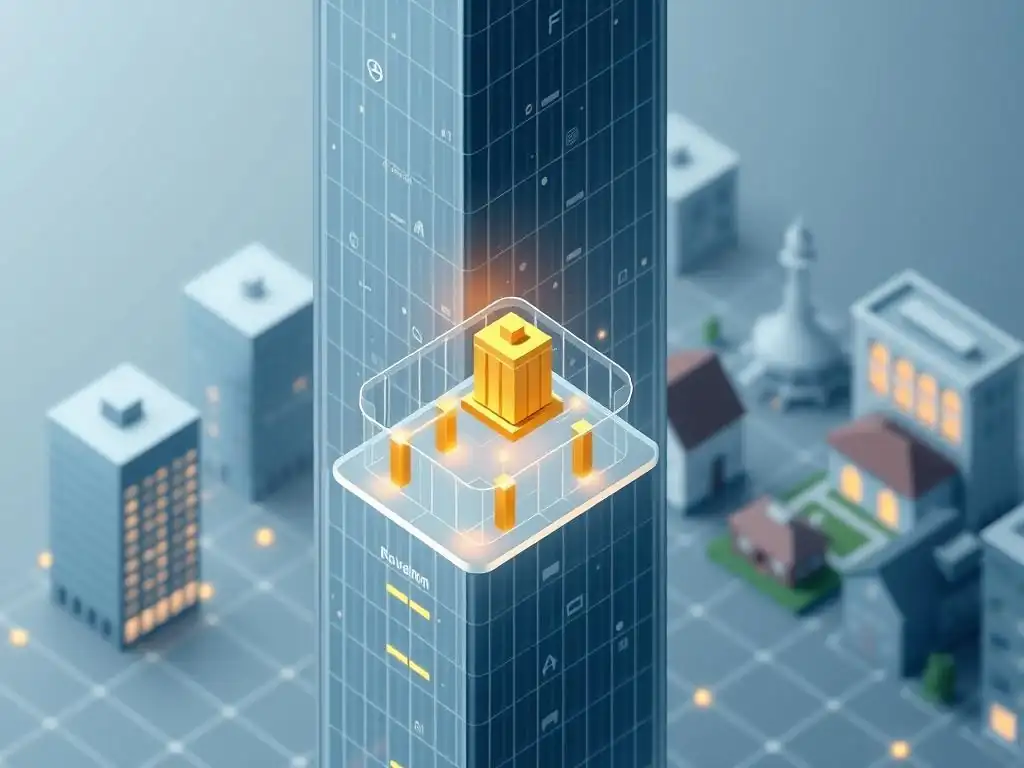
Real estate tokenization involves converting the value or ownership rights of a real-world property into digital tokens on a blockchain. Each token represents a fractional share or a specific right associated with the underlying asset, such as equity ownership, debt, or even future rental income streams. These tokens function similarly to digital securities, allowing for the fractionalization of high-value assets like commercial buildings or luxury properties that would typically require significant capital to acquire outright. The process creates a digital representation of a traditionally illiquid asset, making it potentially more accessible and easier to trade.
The core concepts revolve around the use of smart contracts, self-executing contracts with the terms of the agreement directly written into code. These smart contracts govern the rules of token ownership, transfer, dividend distribution (from rental income, for example), and other relevant property rights. By leveraging blockchain technology, the ownership records are immutable, transparent, and distributed across a network, theoretically reducing the need for traditional intermediaries and enhancing trust among participants. This digital representation fundamentally changes how ownership and value are tracked and transferred in the real estate sector.
How Does Real Estate Tokenization Work? The Technical Process Explained
The technical process of real estate tokenization typically begins with the legal structuring of the property ownership or investment vehicle. This often involves creating a Special Purpose Vehicle (SPV) or similar legal entity that holds the physical property. The ownership or economic rights of this legal entity are then digitized and represented by tokens issued on a blockchain platform. Common blockchain networks used for this purpose include Ethereum, Tezos, and others supporting security token standards like ERC-20, ERC-721, or more specifically designed security token standards like ERC-1400.
Once the legal framework is established and the tokens are created, they are typically offered to investors through a Security Token Offering (STO) or a similar regulated issuance process. Investors acquire these tokens, which legally represent their fractional ownership or rights in the underlying property or the SPV holding the property. Subsequent trading of these tokens occurs on regulated secondary markets or security token exchanges. The blockchain records every transaction, providing a permanent, transparent, and auditable history of token ownership. Smart contracts automate processes like distributing rental income or managing voting rights, streamlining operations compared to traditional property management.
Benefits of Real Estate Tokenization for Investors and Property Owners
Real estate tokenization offers a compelling suite of benefits for both investors seeking to build a real estate blockchain investment strategy and property owners looking to raise capital. For investors, the primary advantages include increased liquidity compared to traditional real estate, lower entry barriers allowing for fractional ownership, and enhanced transparency through the blockchain's immutable ledger. An investor could potentially buy a fraction of a commercial building for a few hundred or thousand dollars, diversifying their portfolio with less capital than required for a direct property purchase. This fractionalization broadens the potential investor base significantly.
For property owners and developers, tokenization provides a new, potentially more efficient way to raise capital. Instead of relying solely on traditional bank loans or large institutional investors, they can issue tokens to a wider pool of global investors. This can potentially reduce financing costs and speed up the fundraising process. Furthermore, tokenization can facilitate easier and faster secondary market transactions for investors, making the asset more attractive. The reduced reliance on intermediaries like brokers and title companies can also contribute to lower transaction costs for all parties involved in the real estate blockchain investment strategy.
The Advantages of Blockchain for Real Estate Investment
Enhanced Liquidity in Real Estate Markets Through Tokenization
One of the most significant pain points in traditional real estate investment is its inherent illiquidity. Selling a property can take months, involving lengthy negotiation processes, legal procedures, and significant transaction costs. Real estate tokenization directly addresses this by transforming illiquid assets into potentially highly liquid digital tokens. These tokens can be traded on secondary markets much like stocks or other securities, allowing investors to buy or sell their fractional ownership stakes relatively quickly and easily, without the need for lengthy property sale processes.
This enhanced liquidity has profound implications for a real estate blockchain investment strategy. Investors are no longer locked into assets for extended periods, providing greater flexibility in managing their portfolios. The ability to enter and exit positions more readily can also attract a wider range of investors who were previously deterred by the long-term, illiquid nature of traditional real estate. While the liquidity of security token markets is still developing, the technological foundation exists to create a far more dynamic and liquid real estate investment environment than ever before.
Increased Accessibility to Real Estate Investments for Smaller Investors
Traditionally, investing directly in commercial real estate or high-value properties required substantial capital, often millions of dollars, effectively locking out most individual investors. Real estate tokenization shatters this barrier by enabling fractional ownership. A large property can be divided into thousands or millions of tokens, each representing a small percentage of ownership. This allows individuals to invest with much smaller amounts, perhaps starting from as little as $100 or $1,000, depending on the tokenization project.
This increased accessibility opens up real estate investment to a global pool of smaller investors, democratizing an asset class historically dominated by wealthy individuals and institutions. It allows individuals to participate in diversified real estate portfolios, owning small stakes in multiple properties across different locations or asset types (e.g., residential, commercial, industrial) that would be impossible with traditional investment methods. For anyone considering a real estate blockchain investment strategy, this lower entry point is a major draw.
Reduced Costs and Increased Efficiency in Real Estate Transactions
The traditional real estate transaction process is notorious for its high costs, involving fees for brokers, lawyers, title insurance, escrow services, and more. These costs can easily add up to 5-10% of the property's value. Real estate tokenization, leveraging blockchain and smart contracts, has the potential to significantly reduce these expenses by streamlining processes and cutting out intermediaries. Smart contracts can automate aspects like payment transfers, ownership verification, and distribution of income, reducing the need for manual intervention and third-party services.
For example, instead of requiring a lengthy escrow process managed by a third party, a smart contract can hold funds and automatically release them upon verification of token transfer. While some legal and regulatory costs remain, the potential for automating and disintermediating many steps in the transaction lifecycle promises substantial cost savings.
Early estimates and pilot projects suggest potential cost reductions in transaction fees by a notable percentage, though precise figures vary greatly depending on the jurisdiction and specific tokenization platform used. This efficiency gain is a key component of a sound real estate blockchain investment strategy focused on maximizing returns.
Improved Transparency and Security in Real Estate Ownership
Blockchain technology provides an immutable and transparent ledger that records every token transaction. This means the history of ownership for a tokenized property is publicly verifiable on the blockchain (while potentially anonymizing the identity of the owner, depending on the platform and regulations). This level of transparency significantly improves confidence and trust among participants compared to traditional paper-based or centralized digital record systems which can be prone to errors or manipulation.
Furthermore, blockchain offers enhanced security through cryptographic encryption and the decentralized nature of the ledger. Once a transaction is recorded on the blockchain, it is extremely difficult and computationally expensive to alter or delete it. This immutability ensures the integrity of ownership records and reduces the risk of fraud associated with title disputes or fraudulent transfers. For investors crafting a real estate blockchain investment strategy, the enhanced security and transparency provided by the underlying technology offer a layer of assurance not typically found in traditional real estate dealings.
Real Estate Blockchain Investment Strategy: Building Your Portfolio
Diversifying Your Investment Portfolio with Tokenized Real Estate
Tokenized real estate presents a compelling opportunity for investors looking to diversify their portfolios beyond traditional stocks, bonds, and even physical property. By investing in fractional ownership of various properties, investors can spread their risk across different asset types (residential, commercial, industrial), geographic locations, and risk profiles (e.g., income-generating vs. development projects). This diversification can help mitigate portfolio volatility and enhance risk-adjusted returns, a core principle of any robust investment strategy.
Instead of needing hundreds of thousands or millions to buy a single property, an investor can allocate smaller amounts across a dozen or more tokenized properties. This allows for exposure to markets or property types previously inaccessible. For instance, an investor in Europe could easily gain exposure to a tokenized commercial property in Asia or a residential portfolio in the US, something that would be logistically and financially challenging in the traditional market. Building a real estate blockchain investment strategy centered on diversification leverages the fractional nature of tokenization to its fullest potential.
Assessing Risk and Return in Tokenized Real Estate Investments
While tokenization offers numerous benefits, investors must still perform rigorous due diligence and assess the risks and potential returns associated with each tokenized real estate investment. The underlying risks of the physical property itself remain – market fluctuations, vacancy rates, maintenance costs, and potential depreciation. Tokenization does not eliminate these fundamental real estate risks; it merely changes the investment vehicle and transaction method.
In addition to traditional real estate risks, investors in tokenized assets must consider technology risks (platform stability, smart contract vulnerabilities), liquidity risk (while potentially more liquid than traditional, secondary markets are still nascent), and regulatory risk (the evolving legal landscape). Evaluating potential returns involves analyzing projected rental income, potential appreciation of the underlying property, and the potential for capital gains from selling tokens on a secondary market. A successful real estate blockchain investment strategy requires a thorough understanding and assessment of both the traditional real estate fundamentals and the unique risks of the tokenized structure.
Due Diligence in Real Estate Tokenization: Key Considerations
Performing due diligence on a tokenized real estate investment is paramount, combining traditional real estate analysis with blockchain-specific considerations. Investors should scrutinize the underlying physical asset: its location, market value, condition, income potential (if applicable), and management team. This involves reviewing appraisals, feasibility studies, and market reports, just as they would for a traditional property investment.
Beyond the physical asset, due diligence must extend to the tokenization project itself. Key considerations include:
- Legal Structure: Understand the legal entity holding the property and the rights represented by the tokens (equity, debt, income rights).
- Tokenomics: Examine the total supply of tokens, how they are distributed, and any vesting schedules or lock-up periods.
- Platform and Technology: Evaluate the blockchain platform used, the security of the smart contracts, and the reliability of the tokenization platform provider.
- Issuance and Compliance: Verify that the token offering complies with relevant securities regulations (e.g., SEC rules in the US).
- Management Team: Research the experience and track record of the team managing the property and the tokenization project.
- Secondary Market: Understand where and how the tokens can be traded on secondary markets and the current liquidity of those markets.
[ ] Verify the legal structure of the tokenized asset.
[ ] Assess the underlying physical property's fundamentals (location, value, income).
[ ] Review the tokenomics and distribution model.
[ ] Examine the blockchain platform and smart contract security.
[ ] Confirm regulatory compliance of the token offering.
[ ] Research the project and property management teams.
[ ] Investigate available secondary trading platforms and liquidity.
Case Study: The St. Regis Aspen Resort Tokenization
One of the most prominent real-world examples of real estate tokenization is the St. Regis Aspen Resort in Colorado. In 2018, a significant portion of the limited partnership equity interest in the entity that owns the luxury hotel was tokenized on the Aspen Digital platform, built on the Tezos blockchain. This offering aimed to raise capital by selling fractional ownership stakes to accredited investors.
The tokenization allowed investors to purchase digital tokens representing equity in the resort's ownership entity, with a minimum investment threshold significantly lower than what would typically be required to invest directly in such a high-value asset. The tokens were designed to represent economic rights, including potential dividends from the resort's operations and a share in any appreciation of the asset's value. This case demonstrated the potential of tokenization to unlock investment in trophy assets and provide a template for future real estate blockchain investment strategies targeting high-net-worth individuals and institutional investors seeking fractional access.
Understanding the Regulatory Framework for Digital Real Estate Assets
The legal and regulatory landscape surrounding real estate tokenization is complex and rapidly evolving across different jurisdictions. A primary challenge is determining whether a tokenized real estate asset constitutes a security. If a token meets the criteria of a security under existing laws (such as the Howey Test in the US), it must comply with stringent securities regulations regarding issuance, trading, and investor protection. Failure to comply can result in significant legal penalties.
Regulators globally are grappling with how to apply existing laws, designed for traditional financial instruments, to novel digital assets. Some jurisdictions have provided clearer guidance or created specific frameworks for security tokens, while others remain in a state of uncertainty. Investors and platforms operating in this space must navigate this patchwork of regulations, which can include requirements for Know Your Customer (KYC) and Anti-Money Laundering (AML) checks on investors, registration of the token offering, and licensing for trading platforms. Understanding this framework is critical for any participant in a real estate blockchain investment strategy.
Compliance Considerations for Real Estate Tokenization Platforms
Platforms facilitating real estate tokenization face significant compliance burdens. They must ensure that the token issuance process adheres to all applicable securities laws in the relevant jurisdictions where the offering is made and where investors reside. This often involves working closely with legal counsel to structure the offering correctly, potentially filing registration statements or seeking exemptions with regulatory bodies.
Furthermore, platforms facilitating secondary trading of real estate tokens must often operate as regulated security token exchanges or Alternative Trading Systems (ATS). This requires obtaining the necessary licenses and implementing robust systems for trading, clearing, and settlement that comply with financial regulations. Compliance also extends to implementing KYC/AML procedures for all participants to prevent illicit activities. The operational and legal complexities of ensuring full compliance are substantial and a key factor influencing the growth and structure of the real estate tokenization market.
US Regulations on Real Estate Tokenization
In the United States, the Securities and Exchange Commission (SEC) has indicated that many tokenized assets, including those representing ownership or economic rights in real estate, are likely to be considered securities. This means that offerings of such tokens must either be registered with the SEC or qualify for an exemption from registration, such as Regulation D (for accredited investors) or Regulation A (for smaller offerings). The St. Regis Aspen tokenization, for example, was structured under Regulation D.
Secondary trading of these tokens in the US must typically occur on platforms registered as national securities exchanges or operating under an ATS exemption, regulated by the SEC and potentially FINRA. The legal framework requires strict adherence to rules around investor eligibility, disclosure requirements, and trading practices. Navigating the specifics of US securities law is a critical step for any project or investor involved in a real estate blockchain investment strategy targeting the US market, adding layers of complexity compared to traditional real estate transactions.
"The application of existing securities laws to digital assets is a complex and evolving area. Market participants must be mindful of their obligations under the federal securities laws, including the registration requirements for offers and sales of securities." - Statement from a US regulatory body (paraphrased for context).
Comparing Traditional Real Estate Investment vs. Tokenized Real Estate
Liquidity Comparison: Tokenized vs. Traditional Real Estate
The starkest difference between traditional and tokenized real estate investment lies in liquidity. Traditional real estate is inherently illiquid; selling a property is a slow, cumbersome process involving multiple parties and significant time. The average time to sell a house in the US, for instance, can range from 30 days to several months, and commercial properties often take even longer. Exiting an investment typically requires selling the entire asset or a substantial share, a high-friction activity.
Tokenized real estate, conversely, aims to provide near-instantaneous liquidity. Once listed on a regulated secondary market, tokens can be bought and sold electronically, similar to trading stocks. While the current liquidity of security token exchanges is still developing and varies by asset, the potential for faster transaction speeds and smaller trade sizes (due to fractionalization) is fundamentally higher than in the traditional market. This shift towards greater liquidity is a core value proposition for a real estate blockchain investment strategy.
Investment Threshold: Accessibility for Different Investor Types
Traditional real estate investment, especially in commercial or institutional-grade properties, demands significant capital, often starting in the hundreds of thousands or millions of dollars. This high entry barrier effectively restricts direct investment to wealthy individuals, institutions, and funds. Smaller investors are typically limited to indirect methods like Real Estate Investment Trusts (REITs), which offer liquidity but remove direct property selection.
Tokenization drastically lowers the investment threshold, allowing individuals to invest with relatively small amounts, potentially starting from as little as $100 or $500 in some offerings. This fractionalization makes high-value assets accessible to a much broader investor base, including retail investors globally. This democratization of access is a key driver for the adoption of a real estate blockchain investment strategy among individuals seeking exposure to this asset class without requiring immense upfront capital.
Management and Operational Costs: Tokenized Real Estate Efficiency
Traditional real estate ownership involves various ongoing costs and management complexities: property management fees, maintenance expenses, property taxes, insurance, and administrative overhead. While tokenization doesn't eliminate the costs associated with maintaining the physical property itself, it can significantly reduce the costs and increase the efficiency related to managing the investment structure and distributing returns.
Smart contracts can automate the distribution of rental income or dividends directly to token holders, reducing the need for manual processing and associated administrative fees. The transparent and automated nature of blockchain transactions can also simplify accounting and reporting. While there are costs associated with setting up and maintaining the tokenization platform and complying with regulations, the potential for reduced administrative overhead and streamlined processes can lead to overall efficiency gains compared to managing traditional, fragmented ownership structures. These efficiencies contribute to the attractiveness of a real estate blockchain investment strategy.
The Future of Real Estate Investment: Tokenization and Beyond
Predictions for the Growth of the Real Estate Tokenization Market
Experts and market analysts predict substantial growth in the real estate tokenization market over the coming years. While still in its early stages, the market is expected to expand significantly as regulatory clarity increases, technology matures, and investor awareness grows. Some reports project the total value of tokenized real estate assets to reach billions, or even trillions, of dollars within the next decade. For example, a report by the World Economic Forum in 2018 estimated that by 2027, 10% of the world's GDP could be stored on blockchain, with real estate being a significant component.
This growth will likely be driven by increased adoption among institutional investors seeking access to liquid real estate exposure, as well as continued interest from retail investors drawn by the lower entry barriers. As more successful tokenization projects come online and secondary market liquidity improves, the market is expected to gain momentum. The increasing sophistication of platforms and legal frameworks will also play a crucial role in facilitating this expansion, solidifying the place of real estate blockchain investment strategy in the broader financial landscape.
The Impact of Tokenization on the Future of Real Estate Finance
Tokenization is poised to fundamentally reshape real estate finance. It offers an alternative fundraising mechanism for developers and property owners, potentially reducing reliance on traditional bank financing and democratizing access to capital markets. This could accelerate development projects and make financing more accessible, particularly for smaller or innovative projects.
Beyond equity, tokenization can also be applied to real estate debt, allowing for the issuance of tokenized mortgages or real estate-backed bonds. This could create a more liquid and transparent market for real estate debt, attracting a wider pool of lenders and investors. Furthermore, tokenization facilitates the creation of new financial products and investment structures built upon tokenized assets, potentially integrating them into decentralized finance (DeFi) protocols, which could further enhance liquidity and create new yield opportunities for those pursuing a real estate blockchain investment strategy.
Fractional Ownership and DeFi Integration in Real Estate Tokenization
Fractional ownership, enabled by tokenization, is perhaps the most disruptive aspect for individual investors. It allows pooling capital from a large number of investors to collectively own high-value properties. This model unlocks investment opportunities in prime assets that were previously out of reach for most. As the tokenization market matures, we may see the development of sophisticated platforms specifically designed for managing fractional ownership portfolios.
The integration of tokenized real estate into Decentralized Finance (DeFi) protocols represents a significant future potential. DeFi platforms allow users to lend, borrow, and trade assets without intermediaries. Tokenized real estate could potentially be used as collateral in DeFi lending protocols, enabling property owners to access liquidity against their tokenized assets without selling them.
It could also be integrated into decentralized exchanges for peer-to-peer trading or used in yield farming protocols. This intersection of real estate tokenization and DeFi could create entirely new financial ecosystems and advanced strategies for a real estate blockchain investment strategy focused on leveraging decentralized finance.
Risks and Challenges Associated with Real Estate Tokenization
Regulatory Uncertainty in the Real Estate Tokenization Space
Despite growing interest, significant regulatory uncertainty remains a major challenge for real estate tokenization. The lack of clear, harmonized regulations across jurisdictions creates legal hurdles for projects and investors. Classifying tokens as securities brings them under existing financial regulations, which can be complex and costly to comply with. However, the specific application of these laws to digital assets is still being defined by regulators globally.
This uncertainty can deter institutional investors who require clear regulatory frameworks and can slow down the development of necessary infrastructure, such as regulated security token exchanges with sufficient liquidity. Future regulatory actions, including potential changes in how digital assets are classified or taxed, pose risks that investors must consider when evaluating a real estate blockchain investment strategy. Navigating this evolving legal landscape requires careful legal counsel and a thorough understanding of the regulations in relevant markets.
Security Risks and Vulnerabilities in Blockchain-Based Real Estate
While blockchain is generally considered secure due to its cryptographic nature and decentralization, tokenized real estate investments are not immune to security risks. Vulnerabilities can exist at various points in the process:
- Smart Contract Risks: Bugs or flaws in the smart contract code governing the tokens can lead to loss of funds or incorrect execution of terms. Auditing by reputable third parties is essential but doesn't guarantee complete security.
- Platform Risks: The platforms used for token issuance, management, and trading can be targets for hacking or technical failures. Centralized components within a supposedly decentralized system can introduce single points of failure.
- Private Key Management: Investors are responsible for securing their private keys, which control access to their tokens. Loss or theft of private keys can result in the permanent loss of the investment.
These technological risks, while distinct from traditional real estate risks, are critical considerations for anyone adopting a real estate blockchain investment strategy. Investors must understand the security measures in place by the platform and take necessary steps to secure their own digital assets.
Market Volatility and Liquidity Concerns in Tokenized Assets
While tokenization aims to enhance liquidity, the secondary markets for real estate tokens are still relatively nascent. The number of active buyers and sellers on security token exchanges is currently much lower than for traditional stock exchanges or even major cryptocurrency markets. This can lead to periods of low trading volume, making it difficult for investors to buy or sell tokens quickly or at their desired price.
This limited liquidity can also contribute to price volatility. With fewer participants, large buy or sell orders can have a disproportionate impact on the token price. While the underlying asset (the physical property) may be relatively stable in value, the price of its corresponding tokens traded on an exchange can be influenced by market sentiment, platform issues, or overall crypto market volatility, even if the correlation is not direct. Investors pursuing a real estate blockchain investment strategy must be aware of these potential liquidity and volatility challenges in the current market environment.
Conclusion: Is Real Estate Tokenization Right for You?
Summarizing the Potential of Real Estate Blockchain Investment Strategy
Real estate tokenization leveraging blockchain technology holds immense potential to revolutionize how we invest in property. By fractionalizing ownership, it dramatically lowers entry barriers, making high-value assets accessible to a global pool of investors. It promises enhanced liquidity compared to traditional real estate, offering investors greater flexibility to manage their positions.
Furthermore, the transparency and efficiency gains derived from blockchain and smart contracts can reduce costs and improve the security of ownership records. For those looking to diversify their portfolio and gain exposure to real estate with potentially lower capital requirements and higher liquidity, a real estate blockchain investment strategy presents a compelling new avenue.
However, it is crucial to approach this emerging asset class with caution and a thorough understanding of the associated risks.
Considerations and Recommendations for Investors in Real Estate Tokenization
Before diving into real estate tokenization, potential investors should carefully consider several factors. First and foremost, conduct comprehensive due diligence on both the underlying property and the tokenization project itself, including the legal structure, technology, and team. Understand the specific rights represented by the tokens you are purchasing.
Secondly, be aware of the regulatory environment in your jurisdiction and the jurisdiction of the property/platform. Ensure the offering is compliant with relevant securities laws. Thirdly, assess the current liquidity of the secondary market where the tokens are expected to trade; nascent markets may present challenges in exiting positions.
Finally, understand that while tokenization offers benefits, the fundamental risks associated with real estate market fluctuations, property performance, and management remain. A well-informed real estate blockchain investment strategy requires balancing the exciting potential of this technology with a realistic assessment of the risks and the current state of the market infrastructure.
Frequently Asked Questions
What is real estate tokenization and how does it relate to blockchain?
Real estate tokenization is the process of converting ownership rights in a property into digital tokens on a blockchain. These tokens represent a fractional ownership share, making real estate investment more accessible. Blockchain provides a secure and transparent platform for managing these digital assets.
How can blockchain technology benefit real estate investment?
Blockchain offers numerous benefits including increased liquidity through fractional ownership, lower transaction costs by removing intermediaries, and enhanced transparency due to the immutable nature of the ledger. It also facilitates global investment opportunities.
What are the potential risks associated with real estate blockchain investment strategy?
Risks include regulatory uncertainty surrounding tokenized assets, potential for market volatility affecting token value, and the complexities of navigating new technological platforms and smart contracts. Due diligence is crucial.
How does DeFi (Decentralized Finance) integrate with real estate tokenization?
DeFi platforms can facilitate lending and borrowing against tokenized real estate assets, creating new financial products and opportunities. This integration allows for greater flexibility and accessibility in real estate finance. It also introduces new yield generating strategies.
What should I consider when developing a Real Estate Blockchain Investment Strategy?
Consider your risk tolerance, the liquidity of the tokens, the underlying value of the property, and the regulatory landscape governing tokenized real estate. Thorough research and consultation with financial advisors are essential before investing.
Final Reflection: Embracing the Future of Property Ownership
The exploration of real estate tokenization reveals a powerful confluence of traditional assets and cutting-edge technology, highlighting a paradigm shift in how we perceive and interact with property investment. The potential for increased liquidity, fractional ownership, and democratized access to real estate markets is no longer a distant dream, but a tangible reality reshaping the investment landscape.
This innovative approach to real estate is not just about technological advancement; it's about fundamentally altering the power dynamics within the industry. The ability to participate in high-value real estate ventures with smaller capital outlays empowers a broader range of investors and fosters a more inclusive financial ecosystem. The future of finance is decentralized, and real estate is no exception. Tokenization is the key to unlocking unprecedented access and efficiency in the property market.
This quote encapsulates the transformative potential that blockchain technology brings to an asset class traditionally characterized by high barriers to entry.
As we stand on the cusp of this digital revolution, I invite you to consider the implications of real estate tokenization for your own investment strategies and financial future. Explore the possibilities, embrace the innovation, and become an active participant in shaping the future of property ownership. The time to explore a real estate blockchain investment strategy is now.
Unleash Your Real Estate Potential!
Thank you for exploring the world of real estate tokenization with Blockchain Trends. You've seen how digital assets can open up exciting new investment opportunities. Ready to take the next step and become part of the future of real estate?
Here are some ways to dive deeper:
- Research platforms that offer tokenized real estate and explore available investment options.
- Join the Blockchain Trends community forum and share your thoughts on the future of real estate investing. What aspects of tokenization excite you the most?
- Stay updated on blockchain trends and innovative technologies transforming how people invest, communicate, and connect with the world.
What type of real estate asset would you be most interested in seeing tokenized, and why? Share your ideas in the comments below!
Leave a Reply