
Securing the Pharmaceutical Supply Chain: Combating Counterfeits with Blockchain Technology

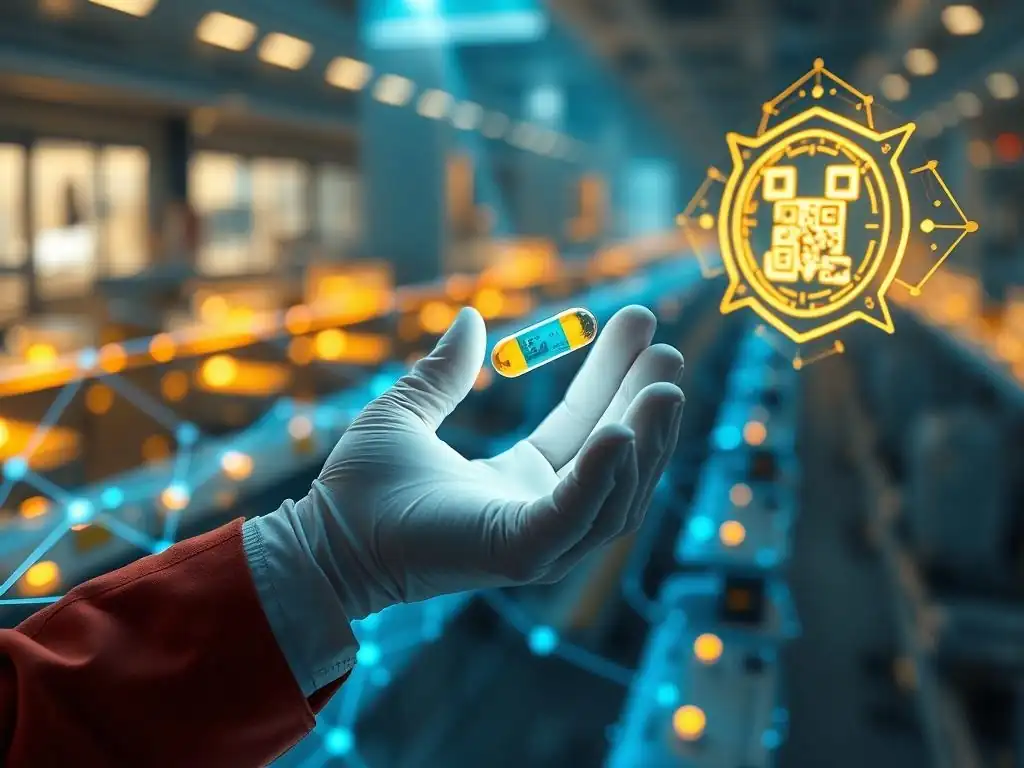
Welcome to Blockchain Trends, where we delve into the revolutionary applications of blockchain technology.
Discover how blockchain is transforming industries beyond cryptocurrency. In this article, we explore a critical application: enhancing security and combating counterfeiting within the pharmaceutical supply chain. Can blockchain supply chain pharmaceuticals security truly be the key to ensuring the integrity of life-saving medications? Let's unravel the potential and challenges together...
Securing the Pharmaceutical Supply Chain: Combating Counterfeits with Blockchain Technology
- Introduction: The Growing Threat of Counterfeit Pharmaceuticals
- The Vulnerabilities of Traditional Pharmaceutical Supply Chains
- Blockchain Technology: A Solution for Pharmaceutical Supply Chain Security
-
Implementing Blockchain for Pharmaceutical Supply Chain Security: A Step-by-Step Approach
- Step 1: Onboarding Pharmaceutical Manufacturers and Distributors to the Blockchain Network
- Step 2: Recording Product Information and Batch Numbers on the Blockchain Ledger
- Step 3: Tracking Product Movement Through the Supply Chain in Real-Time
- Step 4: Utilizing Smart Contracts for Automated Verification and Compliance
- Step 5: Empowering Consumers to Verify Product Authenticity via Blockchain
-
Benefits of Using Blockchain for Pharmaceutical Supply Chain Management
- Enhanced Transparency and Accountability Throughout the Supply Chain
- Improved Product Traceability: From Manufacturing to Point of Sale
- Reduced Counterfeiting Risks and Enhanced Patient Safety
- Increased Efficiency and Reduced Operational Costs in Pharmaceutical Logistics
- Streamlined Regulatory Compliance and Auditing Processes
- Real-World Examples: Blockchain Implementations in the Pharmaceutical Industry
- Challenges and Considerations for Blockchain Adoption in Pharmaceuticals
- The Future of Blockchain in Pharmaceutical Security: Beyond Traceability
- Conclusion: Blockchain's Transformative Role in Securing the Pharmaceutical Supply Chain
-
Frequently Asked Questions
- How does blockchain technology enhance security in the pharmaceutical supply chain?
- What are the key benefits of using blockchain for pharmaceutical supply chain management?
- What are some specific examples of blockchain applications in the pharmaceutical supply chain?
- What are the challenges in implementing blockchain solutions for pharmaceutical supply chain security?
- How does blockchain help with regulatory compliance in the pharmaceutical industry?
- Final Reflection: Trust in Every Dose
- Empower Trust: Start Building a Safer Pharmaceutical Future Now!
Introduction: The Growing Threat of Counterfeit Pharmaceuticals
The integrity of the pharmaceutical supply chain is paramount to global public health. However, this critical system is increasingly threatened by the proliferation of counterfeit medications. These fake drugs, often containing incorrect ingredients, improper dosages, or harmful substances, pose a significant risk to patients worldwide. The complex, multi-layered nature of the traditional supply chain provides numerous entry points for illicit actors, making effective security measures challenging.
The fight against pharmaceutical counterfeiting requires innovative solutions that can provide unprecedented levels of transparency, traceability, and trust. While traditional methods have offered some protection, their inherent limitations necessitate the exploration and adoption of advanced technologies capable of addressing the root causes of supply chain vulnerabilities. Blockchain technology has emerged as a promising candidate, offering a decentralized and immutable ledger that could revolutionize how pharmaceuticals are tracked and verified from manufacturer to patient.
The Pervasive Problem of Fake Drugs in the Global Market
Counterfeit pharmaceuticals represent a substantial and growing threat across the globe, particularly in developing countries where regulatory oversight may be weaker. The World Health Organization (WHO) has estimated that roughly 10% of medical products in low- and middle-income countries are substandard or falsified. This figure can be significantly higher for specific product categories or in certain regions, sometimes exceeding 30%. These fake drugs range from essential antibiotics and antimalarials to life-saving cancer treatments and vaccines, undermining patient trust in healthcare systems and legitimate medicines.
The sophisticated operations behind these counterfeits often mimic legitimate packaging and branding, making them difficult to distinguish from genuine products without specialized testing. This ease of deception allows them to infiltrate various points in the supply chain, from small pharmacies to larger distribution networks. The sheer volume and variety of fake drugs circulating globally highlight the urgent need for robust blockchain supply chain pharmaceuticals security measures that can provide verifiable proof of origin and authenticity at every step.
The Devastating Impact of Counterfeit Medications on Public Health and Safety
The most severe consequence of counterfeit pharmaceuticals is the direct harm inflicted upon patients. Individuals unknowingly taking fake medications may experience treatment failure, leading to worsening health conditions, prolonged illness, disability, or even death. For example, counterfeit antibiotics with insufficient active ingredients can fail to treat infections, contributing to antimicrobial resistance. Similarly, fake antimalarials have been linked to thousands of deaths annually in regions where malaria is endemic.
Beyond the immediate health risks, counterfeit drugs erode public confidence in healthcare providers, pharmaceutical manufacturers, and regulatory bodies. Patients may become hesitant to seek necessary medical treatment or distrust the medications they receive, leading to poorer health outcomes overall. Addressing this public health crisis necessitates implementing secure, verifiable systems like those enabled by blockchain technology to ensure that every pill and vial reaching a patient is genuine and safe, thereby enhancing pharmaceutical blockchain security.
Economic Consequences of Pharmaceutical Counterfeiting: A Multi-Billion Dollar Issue
The economic toll of pharmaceutical counterfeiting is staggering, impacting manufacturers, governments, and consumers alike. Estimates vary, but the global market for counterfeit drugs is often cited as a multi-billion dollar industry, potentially exceeding $200 billion annually according to some reports. This illicit trade diverts revenue from legitimate pharmaceutical companies, hindering their ability to invest in research and development for new life-saving therapies.
Governments lose significant tax revenue and incur substantial costs associated with investigating counterfeiting operations, seizing fake products, and addressing the public health consequences. For consumers, the cost can range from wasted money spent on ineffective or harmful drugs to the devastating financial burden of treating illnesses caused or exacerbated by counterfeit medicines. Implementing strong blockchain supply chain pharmaceuticals security is crucial not only for patient safety but also for protecting the economic integrity of the legitimate pharmaceutical market and recovering lost revenue.
The Vulnerabilities of Traditional Pharmaceutical Supply Chains
Traditional pharmaceutical supply chains, while designed with certain security protocols, possess inherent vulnerabilities that make them susceptible to infiltration by counterfeit products. These systems often rely on fragmented data management, manual processes, and limited real-time visibility, creating opportunities for illicit activities to occur undetected. Understanding these weaknesses is the first step toward appreciating how technologies like blockchain can offer a more resilient alternative for securing pharmaceutical supply chains with blockchain.
The journey of a pharmaceutical product from manufacturing plant to patient is long and involves numerous intermediaries: wholesalers, distributors, pharmacies, hospitals, and sometimes third-party logistics providers. Each handover point represents a potential vulnerability where counterfeit products could be introduced, mixed with legitimate stock, or where documentation could be falsified. The complexity of this network makes comprehensive oversight extremely difficult using conventional methods.
Lack of Transparency and Traceability: Key Weaknesses in Current Systems
A primary weakness in traditional pharmaceutical supply chains is the lack of end-to-end transparency and granular traceability. Information about a product's origin, handling, and chain of custody is often siloed within individual companies or relies on paper records and disparate digital systems that don't easily communicate. This makes it challenging, if not impossible, to track a specific product batch from its point of manufacture all the way to the patient in real-time.
When a potential issue arises, such as a suspected counterfeit batch or a recall, tracing the affected products quickly and accurately through the entire network becomes a laborious and time-consuming process. This delay can endanger patients and allow illicit products to remain in circulation longer. A system that offers transparent, immutable records of every transaction and movement is essential for robust blockchain supply chain pharmaceuticals security.
Complex Distribution Networks: Opportunities for Counterfeit Entry
The global pharmaceutical distribution network is incredibly complex, spanning continents and involving numerous handoffs between different entities. Products may pass through multiple warehouses, distribution centers, and intermediaries before reaching their final destination. Each transition point represents a potential opportunity for counterfeiters to introduce fake products into the legitimate supply chain, especially where security checks are inconsistent or documentation is incomplete.
The sheer volume of products moving through these networks, coupled with varying regulations and enforcement capabilities across different jurisdictions, further complicates oversight. Counterfeiters can exploit these complexities, targeting weaker links in the chain to insert their illicit goods. Effective blockchain supply chain pharmaceuticals security needs to provide a unified, secure ledger that tracks products across these complex networks, making unauthorized insertions immediately evident.
Inefficient Verification Processes: Difficulties in Identifying Fake Products
Verifying the authenticity of a pharmaceutical product at various points in the supply chain often relies on visual inspection, checking security features on packaging (like holograms or seals), and reviewing accompanying documentation. While these methods offer some level of protection, they are not foolproof. Sophisticated counterfeiters can replicate packaging features convincingly, and paper documentation can be easily forged or altered.
More advanced authentication methods, such as laboratory testing, are often too slow, expensive, and disruptive to be implemented at scale throughout the supply chain. This means that many counterfeit products may not be identified until they reach the patient or cause adverse effects. Technologies that enable quick, reliable, and verifiable authentication at any point in the journey are critical for enhancing pharmaceutical blockchain security.
The Role of Human Error in Supply Chain Security Breaches
Despite the implementation of various security protocols, traditional supply chains remain vulnerable to human error. Mistakes in data entry, mislabeling of products, incorrect handling procedures, or oversight during inspection processes can inadvertently create opportunities for counterfeits to enter or move through the system undetected. Furthermore, negligence or deliberate malicious actions by individuals within the supply chain can compromise security.
Reliance on manual processes for tracking and verification increases the likelihood of such errors. An automated, tamper-evident system that reduces the need for human intervention in critical data recording and verification tasks would significantly bolster security. This is an area where the inherent design of blockchain technology, with its focus on automated, trustless processes, offers a distinct advantage for improving blockchain supply chain pharmaceuticals security.
Blockchain Technology: A Solution for Pharmaceutical Supply Chain Security
Blockchain technology, initially popularized by cryptocurrencies, offers a fundamentally different approach to data management and transaction recording. Its core principles of immutability, transparency, and decentralization make it uniquely suited to address many of the vulnerabilities inherent in traditional pharmaceutical supply chains. By providing a shared, secure, and tamper-evident ledger, blockchain can create a new paradigm for tracking and verifying pharmaceutical products.
Implementing blockchain for pharmaceutical supply chain security involves creating a network where all participants – manufacturers, distributors, pharmacies, and potentially even regulators and patients – can record and access information about a specific product's journey. Each transaction or event (like a product leaving a warehouse or arriving at a pharmacy) is recorded as a 'block' of data, cryptographically linked to the previous block, forming an unbreakable chain. This distributed ledger is replicated across multiple nodes in the network, making it extremely difficult to alter without consensus from the majority of participants.
Understanding Blockchain's Core Principles: Immutability, Transparency, and Decentralization
At its heart, blockchain is a distributed, immutable ledger that records transactions in a secure, transparent, and verifiable way.
*   **Immutability:** Once data is recorded on the blockchain, it cannot be altered or deleted without the agreement of the network participants. This means the history of a pharmaceutical product, from its manufacturing batch details to its point of sale, is permanently recorded and tamper-evident. This is crucial for ensuring the integrity of the data used for **blockchain supply chain pharmaceuticals security**.
*   **Transparency:** While specific details might be permissioned, the existence and sequence of transactions are typically visible to authorized participants on the network. This shared view of the supply chain's activities allows for greater accountability and makes it easier to spot discrepancies or unauthorized movements.
*   **Decentralization:** The ledger is not stored in a single location or controlled by a single entity. Instead, copies are distributed across a network of computers. This eliminates single points of failure and makes the system highly resilient to cyberattacks or manipulation by any one party, significantly enhancing **pharmaceutical blockchain security**.
These principles collectively build trust among participants who may not otherwise trust each other, as the integrity of the data is guaranteed by the network's architecture, not by a central authority.
These core characteristics provide a powerful foundation for securing the pharmaceutical supply chain. By recording every critical event related to a product's lifecycle on an immutable ledger, companies and regulators can gain unprecedented confidence in the data's accuracy. The transparent nature allows authorized parties to monitor the chain of custody in near real-time, while the decentralized structure ensures that no single entity can unilaterally alter records or compromise the system's integrity. This fundamental shift in data management offers a robust defense against the introduction and spread of counterfeit drugs.
How Blockchain Enhances Traceability in the Pharmaceutical Supply Chain
Blockchain fundamentally transforms traceability by creating a single, shared, and verifiable record of a product's journey. Every time a product changes hands, moves location, or undergoes a quality check, that event can be recorded as a transaction on the blockchain. Each transaction block includes essential details like the product's unique identifier (e.g., serial number), batch information, location, timestamp, and the identities of the parties involved.
Because each block is cryptographically linked to the previous one, it creates a complete, unbroken chain of custody. Authorized users can query the blockchain to see the entire history of a specific product or batch, from its creation to its final destination. This granular, real-time traceability makes it incredibly difficult for counterfeit products to infiltrate the supply chain without leaving an indelible, verifiable trace on the ledger, thus significantly improving blockchain supply chain pharmaceuticals security.
Blockchain's Role in Verifying Authenticity and Preventing Counterfeiting
Blockchain serves as a powerful tool for verifying the authenticity of pharmaceutical products at multiple points in the supply chain. By scanning a product's unique identifier (like a serialized barcode), authorized users (including potentially patients) can access the product's history on the blockchain. They can instantly verify if the product's recorded journey aligns with legitimate pathways, if the serial number is unique and hasn't been duplicated, and if the product information matches the expected details from the manufacturer.
If a product's scan reveals no corresponding record on the blockchain, or if its history shows inconsistencies (e.g., appearing in an unexpected location, having a duplicate serial number), it raises an immediate red flag indicating a potential counterfeit. This ability for instant verification at the point of dispense or even by the patient empowers stakeholders to identify and isolate suspicious products quickly. This proactive approach is a cornerstone of effective pharmaceutical blockchain security, moving beyond reactive measures to prevent counterfeits from reaching consumers.
Implementing Blockchain for Pharmaceutical Supply Chain Security: A Step-by-Step Approach
Implementing blockchain technology for pharmaceutical supply chain security is a complex undertaking that requires careful planning, collaboration among stakeholders, and a phased approach. It involves integrating new technology with existing systems and establishing clear protocols for data recording and access. While specific implementations may vary, a general roadmap can be outlined to illustrate the process of enhancing blockchain supply chain pharmaceuticals security.
The transition from traditional systems to a blockchain-based network requires significant coordination across the entire value chain. It's not simply a technological upgrade but a transformation of how information is shared and trusted. Successfully deploying blockchain involves defining governance models, ensuring data privacy compliant with regulations like GDPR and HIPAA (where applicable), and building consensus among diverse participants with varying technical capabilities and business interests.
Step 1: Onboarding Pharmaceutical Manufacturers and Distributors to the Blockchain Network
The foundational step involves bringing the primary actors – pharmaceutical manufacturers and major distributors – onto the shared blockchain platform. This requires establishing the network infrastructure, defining participation rules, and integrating their existing enterprise resource planning (ERP) and manufacturing execution systems (MES) with the blockchain ledger. Each participating entity needs to set up nodes or access points to interact with the network securely.
This phase often involves significant technical work to ensure data compatibility and secure API connections. Legal agreements defining data ownership, access rights, and responsibilities among network participants are also crucial. Getting buy-in from these key players is paramount, as they are the source of legitimate product data that will populate the blockchain and form the basis of pharmaceutical blockchain security.
Step 2: Recording Product Information and Batch Numbers on the Blockchain Ledger
Once participants are onboarded, the next step is to begin recording critical product information directly onto the blockchain at the point of manufacture. This includes unique serial numbers for individual saleable units (as required by regulations like the US Drug Supply Chain Security Act - DSCSA), batch numbers, manufacturing dates, expiration dates, and other relevant identifiers. This information is hashed and included in a transaction block, creating an immutable record of the product's origin and initial characteristics.
This step is vital because it establishes the 'genesis' record for each product or batch on the ledger. Any subsequent transaction related to that product will reference this initial record, linking its entire history back to its verified point of origin. Ensuring the accuracy and integrity of the data recorded at this initial stage is fundamental to the effectiveness of blockchain supply chain pharmaceuticals security.
Step 3: Tracking Product Movement Through the Supply Chain in Real-Time
As products move from the manufacturer to distributors, wholesalers, pharmacies, or hospitals, each significant handoff or change in custody is recorded as a new transaction on the blockchain. This involves scanning the product's unique identifier and updating its status and location on the shared ledger. Participants in the network can access this information (based on their permission levels) to see where a product is and who is responsible for it at any given time.
This creates a dynamic, near real-time map of the entire supply chain for each specific product. If a product takes an unexpected route or disappears from the chain without a recorded transaction, it becomes immediately visible as an anomaly. This continuous tracking significantly enhances visibility and control, making it much harder for counterfeit products to be introduced or for legitimate products to be diverted without detection, thereby strengthening blockchain supply chain pharmaceuticals security.
Step 4: Utilizing Smart Contracts for Automated Verification and Compliance
Smart contracts are self-executing contracts with the terms of the agreement directly written into code on the blockchain. In the pharmaceutical supply chain, smart contracts can automate verification processes and ensure compliance with regulations and business rules. For example, a smart contract could automatically verify if a product arriving at a distribution center matches the expected batch information and route recorded on the blockchain before authorizing its receipt.
Smart contracts can also automate compliance checks, such as verifying that a product's temperature has remained within the required range throughout its journey (if integrated with IoT sensors) or ensuring that transactions adhere to regulatory requirements like DSCSA serialization. This automation reduces the potential for human error and speeds up verification, adding another layer of security and efficiency to pharmaceutical blockchain security.
Step 5: Empowering Consumers to Verify Product Authenticity via Blockchain
The final step, and a powerful aspect of using blockchain for pharmaceutical blockchain security, is enabling consumers to verify the authenticity of their medications. This can be achieved through mobile applications that allow patients to scan a unique QR code or barcode on the product packaging. The app would then query the blockchain network to retrieve and display the product's verified history, confirming its legitimacy.
This level of transparency directly empowers the end-user and provides a final line of defense against counterfeits. If a consumer scans a product and the app indicates it's not verifiable on the blockchain, or shows a suspicious history, they can immediately report it, triggering investigations upstream. This direct connection to the consumer leverages the decentralized nature of blockchain to enhance safety across the entire supply chain.
Benefits of Using Blockchain for Pharmaceutical Supply Chain Management

Adopting blockchain technology for pharmaceutical supply chain management offers a wide array of benefits that extend beyond simply combating counterfeits. These advantages contribute to a more efficient, transparent, and trustworthy ecosystem, ultimately benefiting manufacturers, distributors, regulators, and patients by bolstering blockchain supply chain pharmaceuticals security.
The shift to a blockchain-based system represents a significant investment and change, but the potential returns in terms of reduced risk, increased efficiency, and enhanced trust are substantial. These benefits address long-standing challenges in the industry and pave the way for a more secure and resilient future for pharmaceutical distribution.
Enhanced Transparency and Accountability Throughout the Supply Chain
Blockchain provides an unprecedented level of transparency in the pharmaceutical supply chain. Every authorized participant can access a shared, consistent view of a product's journey and transaction history. This shared truth eliminates information silos and reduces disputes over data accuracy. With every action recorded immutably on the ledger, it becomes clear who handled a product at each stage, fostering greater accountability among all parties involved.
This enhanced transparency makes it significantly harder for illicit activities, such as the introduction of counterfeits or the diversion of legitimate drugs, to go unnoticed. Any attempt to tamper with records or move products outside of established protocols would create an anomaly on the transparent ledger, immediately alerting network participants. This inherent feature of blockchain is fundamental to improving pharmaceutical blockchain security.
Improved Product Traceability: From Manufacturing to Point of Sale
As discussed, blockchain excels at creating a detailed, immutable trail for every product. This granular traceability means that in the event of a recall, a quality issue, or the discovery of a counterfeit, affected products can be traced back to their origin and pinpointed within the supply chain with speed and accuracy. This allows for targeted recalls, minimizing waste and ensuring that potentially harmful products are removed from circulation quickly.
The ability to trace every individual serialized unit provides unparalleled visibility compared to batch-level tracking. This level of detail is essential for meeting stringent regulatory requirements, like DSCSA in the US, and significantly enhances the ability to manage inventory, investigate discrepancies, and verify the legitimate path of a drug, thereby reinforcing blockchain supply chain pharmaceuticals security.
Reduced Counterfeiting Risks and Enhanced Patient Safety
The primary benefit of implementing blockchain in the pharmaceutical supply chain is the significant reduction in the risk of counterfeits reaching patients. By providing a secure, verifiable record of authenticity and chain of custody, blockchain makes it extremely difficult for fake drugs to infiltrate and move through the legitimate system undetected. The ability for stakeholders, including potentially patients, to verify a product's legitimacy at the point of dispense acts as a powerful deterrent and detection mechanism.
Ultimately, this leads to enhanced patient safety. When patients can trust that the medications they receive are genuine and have followed a secure path from the manufacturer, the risk of harm from ineffective or dangerous counterfeit drugs is drastically reduced. This direct impact on public health is the most compelling argument for adopting blockchain supply chain pharmaceuticals security solutions.
Increased Efficiency and Reduced Operational Costs in Pharmaceutical Logistics
While initial implementation requires investment, blockchain can lead to long-term operational efficiencies and cost reductions. Automating verification processes through smart contracts reduces the need for manual checks and paperwork. A single, shared source of truth minimizes data reconciliation efforts and reduces disputes between trading partners. Real-time visibility allows for better inventory management and optimization of logistics routes.
Furthermore, the ability to quickly and accurately trace products during recalls saves significant time and resources compared to manual methods. Streamlined processes, reduced errors, and faster investigations contribute to a more efficient and cost-effective supply chain operation, freeing up resources that can be reinvested elsewhere, including further improvements in pharmaceutical blockchain security.
Streamlined Regulatory Compliance and Auditing Processes
The pharmaceutical industry is one of the most heavily regulated globally, with strict requirements for tracking and reporting, such as serialization mandates like DSCSA. Blockchain's ability to create an immutable, transparent, and easily auditable record of every transaction and product movement is perfectly aligned with these regulatory needs. Regulatory bodies can potentially be granted access to the network (with appropriate permissions) to monitor compliance in real-time, rather than relying solely on periodic audits of company records.
The readily available and verifiable data on the blockchain simplifies reporting and auditing processes for manufacturers and distributors. Demonstrating compliance becomes more straightforward and less burdensome. This streamlining of regulatory processes is a significant advantage, ensuring that companies meet legal obligations while simultaneously enhancing blockchain supply chain pharmaceuticals security.
Real-World Examples: Blockchain Implementations in the Pharmaceutical Industry
While widespread, full-scale adoption is still evolving, several significant initiatives and pilot programs have demonstrated the potential of blockchain technology for pharmaceutical supply chain security. These real-world examples showcase how companies and consortia are leveraging distributed ledger technology to improve traceability, verify authenticity, and combat counterfeiting.
These case studies illustrate different approaches to implementing blockchain, from single-company pilots focusing on specific use cases to industry-wide consortia aiming to build shared networks. They provide valuable insights into the challenges and successes encountered when applying this innovative technology to the complex world of pharmaceutical distribution.
Case Study 1: Merck - Tracking Pharmaceuticals with Blockchain
Pharmaceutical giant Merck (known as MSD outside North America) has been involved in exploring blockchain technology for supply chain traceability and security. Merck participated in several industry initiatives and pilots aimed at understanding how blockchain could meet regulatory requirements, particularly focusing on serialization and tracking mandates like the DSCSA.
One notable project involved exploring how blockchain could provide a secure, shared ledger for tracking prescription drugs as they move between manufacturers, distributors, and dispensers. The goal was to improve visibility and create an immutable record of ownership and location changes, making it easier to verify the legitimacy of products and comply with track-and-trace regulations. While specific outcomes and broader deployment details are often proprietary, Merck's participation signals serious industry interest in leveraging blockchain for enhanced pharmaceutical blockchain security.
Case Study 2: Chronicled - Combating Counterfeit Pharmaceuticals Using a Distributed Ledger
Chronicled is a technology company that developed solutions specifically for the pharmaceutical industry using blockchain. Their platform, initially built on Ethereum, aimed to create a secure network for tracking serialized prescription drugs in compliance with DSCSA. They focused on enabling trading partners to exchange serialization data and verify product integrity throughout the supply chain.
Chronicled's approach involved creating a network where manufacturers could record serialized product data, and subsequent supply chain partners (wholesalers, pharmacies) could record transactions related to those products. This created a cryptographically secured history accessible to authorized participants. Their work demonstrated the feasibility of using distributed ledger technology to manage the complex data exchange required for blockchain supply chain pharmaceuticals security and regulatory compliance, proving that blockchain could provide a robust alternative to centralized databases.
Case Study 3: MediLedger - Improving Supply Chain Visibility for Prescription Drugs
The MediLedger Project is a major industry-wide initiative focused on using blockchain to address key challenges in the pharmaceutical supply chain, particularly related to verifying product authenticity and managing chargebacks (complex payment adjustments between manufacturers and distributors). Initiated by Chronicled and involving major players like Pfizer, Amgen, Genentech (a member of the Roche Group), and others, MediLedger aims to create a decentralized network for verifying the legitimacy of serialized products and streamlining business processes.
The project focuses on building a shared, interoperable network where participants can verify product identifiers against manufacturer-provided data recorded on the blockchain without exposing sensitive business information. By providing a trust layer for verifying product authenticity across trading partners, MediLedger directly contributes to combating counterfeits and enhancing blockchain supply chain pharmaceuticals security on an industry scale. It represents a significant collaborative effort to leverage distributed ledger technology for the collective benefit of supply chain integrity.
Challenges and Considerations for Blockchain Adoption in Pharmaceuticals
While the potential benefits of blockchain for pharmaceutical supply chain security are compelling, its widespread adoption in this highly regulated and complex industry faces significant challenges. Addressing these hurdles requires careful planning, investment, and collaboration among all stakeholders.
Implementing blockchain is not merely a technical task; it involves overcoming inertia, aligning diverse business interests, and navigating a complex regulatory landscape. Successfully integrating blockchain into existing workflows and systems requires a clear understanding of these challenges and a strategic approach to overcoming them.
Scalability Issues and the Need for Interoperability
One technical challenge is the scalability of blockchain networks to handle the immense volume of transactions generated by the global pharmaceutical supply chain. Tracking every single saleable unit across millions of transactions daily requires a network capable of processing data efficiently and cost-effectively. While newer blockchain platforms offer higher throughput than early versions, ensuring enterprise-level scalability remains a key consideration.
Equally important is interoperability. The pharmaceutical supply chain is not monolithic; different companies may adopt different blockchain platforms or solutions. For a blockchain-based security system to be truly effective, these disparate networks must be able to communicate and share relevant data seamlessly. Establishing industry-wide standards for data formats, protocols, and network interactions is crucial to achieving true end-to-end blockchain supply chain pharmaceuticals security and avoiding fragmented systems.
Data Privacy Concerns and Regulatory Requirements (e.g., GDPR)
Pharmaceutical data, including manufacturing details, patient information (if integrated later), and commercial transaction data, is highly sensitive. Implementing blockchain must strictly adhere to data privacy regulations such as the General Data Protection Regulation (GDPR) in Europe and potentially HIPAA in the US, depending on the scope. While blockchain offers transparency, ensuring that sensitive data is protected while still providing necessary visibility requires careful design, often utilizing permissioned networks, data anonymization techniques, or storing only hashes of sensitive data on the public chain while keeping the actual data off-chain with controlled access.
Balancing the need for transparency and traceability with stringent data privacy requirements is a critical challenge. The design of the blockchain solution must incorporate privacy-by-design principles to ensure compliance and build trust among participants regarding how their data is handled within the context of pharmaceutical blockchain security.
The Importance of Collaboration and Industry-Wide Standards
Implementing an effective blockchain supply chain pharmaceuticals security system requires collaboration across the entire industry – manufacturers, wholesalers, distributors, pharmacies, regulators, and technology providers. A fragmented approach where individual companies build isolated blockchain solutions will not achieve the desired end-to-end visibility and security. Participants need to agree on common standards, governance models, and data-sharing protocols.
Building industry-wide consortia, like the MediLedger Project, is essential for fostering this collaboration and developing shared infrastructure and standards. Overcoming competitive concerns and aligning diverse interests to work towards a common goal of a safer supply chain is a significant non-technical challenge that must be addressed for blockchain to reach its full potential in this sector.
Overcoming Resistance to Change and Fostering Blockchain Education
Adopting blockchain technology represents a significant departure from traditional business processes and requires investment in new technology and training. Resistance to change from individuals and organizations comfortable with existing systems is a natural challenge. Educating stakeholders across the supply chain about what blockchain is, how it works, and the specific benefits it offers for pharmaceutical blockchain security is crucial for gaining buy-in and facilitating adoption.
Furthermore, integrating blockchain solutions with legacy IT systems can be complex and costly. Organizations need to invest in the necessary infrastructure and expertise. Addressing the human element – training staff, managing the transition, and building confidence in the new technology – is as important as solving the technical challenges for successful implementation.
The Future of Blockchain in Pharmaceutical Security: Beyond Traceability
While securing the supply chain and combating counterfeits is a primary application, the potential uses of blockchain technology in the pharmaceutical industry extend far beyond traceability. Its core properties make it suitable for enhancing security, transparency, and efficiency in various other areas, potentially transforming how research, clinical trials, and patient data are managed.
The foundational trust layer provided by blockchain can unlock new possibilities for secure data sharing, collaboration, and process optimization across the entire pharmaceutical value chain, from drug discovery to patient care. Exploring these future applications highlights the broader transformative potential of this technology.
Exploring the Potential of Blockchain for Clinical Trials and Data Management
Clinical trials are critical for developing new drugs but are complex, costly, and require meticulous data management to ensure integrity and regulatory compliance. Blockchain could be used to create an immutable, auditable record of clinical trial data, including patient consent, data entries, protocol changes, and monitoring activities. This could enhance data integrity, reduce the risk of data tampering, and streamline the auditing process.
Furthermore, blockchain could facilitate secure sharing of de-identified clinical trial data among approved researchers or regulatory bodies, accelerating drug development and review while maintaining data privacy. Ensuring the trustworthiness and verifiability of clinical data is another crucial area where the principles of pharmaceutical blockchain security can be applied.
Using Blockchain to Facilitate Secure Data Sharing Among Healthcare Providers
Securely sharing patient health data among different healthcare providers (hospitals, clinics, pharmacies) is essential for coordinated care but is often hindered by fragmented systems and privacy concerns. Blockchain could enable a framework where patients control access to their health records, stored securely (perhaps off-chain with encrypted access keys managed on the blockchain). Healthcare providers could request access, and the patient could grant or revoke permissions via the blockchain.
This application could improve care coordination, reduce redundant testing, and empower patients. While distinct from supply chain security, it leverages the same core principles of secure, permissioned, and auditable data sharing that are fundamental to blockchain supply chain pharmaceuticals security.
The Convergence of Blockchain, IoT, and AI in Pharmaceutical Supply Chains
The future of blockchain supply chain pharmaceuticals security likely involves the convergence of blockchain with other advanced technologies like the Internet of Things (IoT) and Artificial Intelligence (AI). IoT sensors placed on pharmaceutical shipments can collect real-time data on temperature, humidity, and location. This data can be automatically fed into the blockchain via smart contracts, creating an immutable record of environmental conditions throughout the journey, crucial for maintaining drug efficacy (especially for cold chain products).
AI can analyze the vast amounts of data recorded on the blockchain to identify patterns indicative of potential fraud, diversion, or inefficiencies that might not be obvious to human observers. By combining immutable tracking (Blockchain), real-time data capture (IoT), and predictive analytics (AI), the pharmaceutical supply chain can become significantly more intelligent, resilient, and secure against counterfeits and other threats.
Conclusion: Blockchain's Transformative Role in Securing the Pharmaceutical Supply Chain
The proliferation of counterfeit pharmaceuticals poses a grave threat to global public health and safety, while also inflicting significant economic damage. Traditional supply chain security measures, burdened by a lack of transparency, complex networks, and inefficient processes, have proven insufficient to fully combat this pervasive problem. The urgent need for a more robust and trustworthy system has paved the way for the exploration and adoption of innovative technologies.
Blockchain technology, with its inherent principles of immutability, transparency, and decentralization, offers a powerful solution to many of the vulnerabilities in the traditional pharmaceutical supply chain. By creating a secure, shared, and verifiable ledger for tracking products from manufacturer to patient, blockchain can significantly enhance traceability, verify authenticity, and drastically reduce the risk of counterfeit drugs entering the legitimate market.
Blockchain as a Key Enabler for a Safer and More Transparent Pharmaceutical Industry
Implementing blockchain fundamentally transforms the pharmaceutical supply chain into a more transparent and accountable ecosystem. Every step in a product's journey is recorded on an immutable ledger, providing an unprecedented level of visibility for all authorized participants. This shared source of truth fosters trust among trading partners and makes it significantly harder for illicit activities to occur undetected. The enhanced traceability allows for rapid response to issues like recalls and provides verifiable proof of a product's legitimate origin, acting as a key enabler for improved blockchain supply chain pharmaceuticals security.
Beyond just combating counterfeits, the transparency and efficiency gains offered by blockchain can streamline regulatory compliance, reduce operational costs, and improve overall supply chain management. It provides the foundational trust layer necessary for a complex, multi-stakeholder network to operate securely and effectively, ultimately supporting the industry's mission of providing safe and effective medications.
The Importance of Proactive Measures to Combat Counterfeiting
Relying solely on reactive measures to identify counterfeits after they have entered the supply chain or reached patients is insufficient and dangerous. A proactive approach that prevents counterfeits from infiltrating the legitimate system in the first place is essential. Blockchain supply chain pharmaceuticals security offers this proactive capability by creating a system where the authenticity and legitimate chain of custody of every product can be verified at any point, making unauthorized products immediately identifiable.
Empowering stakeholders, including potentially consumers, with the ability to verify product legitimacy provides a powerful deterrent and a distributed detection network. Moving from a system based on fragmented data and limited trust to one built on a shared, immutable ledger is a critical shift towards a more secure and resilient pharmaceutical supply chain, actively preventing harm rather than just reacting to it.
Embracing Innovation to Protect Patients and Preserve Public Health
The adoption of blockchain technology in the pharmaceutical supply chain is a significant step towards leveraging innovation to protect patients and preserve public health. While challenges related to scalability, interoperability, and industry-wide collaboration remain, the potential benefits in terms of enhanced security, transparency, and trust are undeniable. Real-world initiatives and pilot programs have demonstrated the feasibility and value of using blockchain for pharmaceutical blockchain security.
As the technology matures and industry standards evolve, blockchain is poised to become an integral part of the pharmaceutical supply chain infrastructure. Its future applications may extend beyond traceability to areas like clinical trial data management and secure health data sharing, further solidifying its role as a transformative technology in healthcare. Embracing this innovation is not just a matter of operational efficiency; it is a critical imperative in the ongoing fight against pharmaceutical counterfeiting and the commitment to ensuring that patients around the world receive safe, genuine medications.
Frequently Asked Questions
How does blockchain technology enhance security in the pharmaceutical supply chain?
Blockchain creates a tamper-proof ledger that tracks pharmaceuticals from origin to consumer. This enhanced transparency helps identify and prevent the introduction of counterfeit drugs into the market.
What are the key benefits of using blockchain for pharmaceutical supply chain management?
The primary benefits include improved traceability, increased accountability, and reduced risk of counterfeiting. This ultimately leads to greater patient safety and builds trust in the pharmaceutical industry.
What are some specific examples of blockchain applications in the pharmaceutical supply chain?
Examples include tracking drug provenance, verifying drug authenticity, and managing temperature-sensitive medications. These applications help ensure the integrity and safety of pharmaceutical products.
What are the challenges in implementing blockchain solutions for pharmaceutical supply chain security?
Challenges include scalability concerns, interoperability issues between different blockchain platforms, and the need for industry-wide collaboration. Overcoming these challenges is crucial for widespread adoption.
How does blockchain help with regulatory compliance in the pharmaceutical industry?
Blockchain provides an immutable audit trail that simplifies regulatory compliance. This increased transparency facilitates easier verification and reduces the risk of non-compliance with industry standards.
Final Reflection: Trust in Every Dose
The journey through securing the pharmaceutical supply chain with blockchain technology reveals a critical truth: patient safety hinges on verifiable trust. The vulnerabilities exposed by counterfeit medications are not just economic issues; they are threats to human life. Today, as global supply chains become increasingly complex, the need for transparent and immutable tracking systems is more urgent than ever.
This exploration into blockchain's potential has profoundly impacted my understanding of technological solutions to real-world problems. It's not just about the technology itself, but about the ethical imperative to protect vulnerable populations from harm. The ability to trace a medication from its origin to the patient, ensuring its authenticity and integrity, is a powerful testament to the potential of decentralized systems. The best way to predict the future is to create it.
- Peter Drucker. This quote resonates deeply, urging us to actively shape a future where pharmaceutical security is paramount.
As we conclude, I invite you to consider your role in fostering a safer and more secure pharmaceutical landscape. Reflect on how you can advocate for the adoption of blockchain technology and other innovative solutions that prioritize patient well-being. The future of healthcare depends on our collective commitment to building trust and transparency into every dose.
Empower Trust: Start Building a Safer Pharmaceutical Future Now!
Thank you for exploring how blockchain can revolutionize the pharmaceutical supply chain and combat dangerous counterfeits. We hope this article has highlighted how this technology can help ensure safer medication for everyone. Are you ready to take action?
Here are a few steps you can take today to contribute to a more secure pharmaceutical future:
- Investigate blockchain solutions suitable for your organization. Understanding the technology is the first step toward implementation!
- Share this article with colleagues and industry professionals to spark conversation and raise awareness about the importance of blockchain in fighting counterfeit drugs.
- Reach out to your local representatives to advocate for policies that support the adoption of blockchain technology in the pharmaceutical industry. Your voice can make a difference!
What specific challenges in blockchain development excite you the most regarding the pharmaceutical supply chain, and how can we, as a community, work together to accelerate and improve its implementation?
Leave a Reply