
The Smart Supply Chain: Integrating Blockchain with IoT for Enhanced Tracking and Monitoring

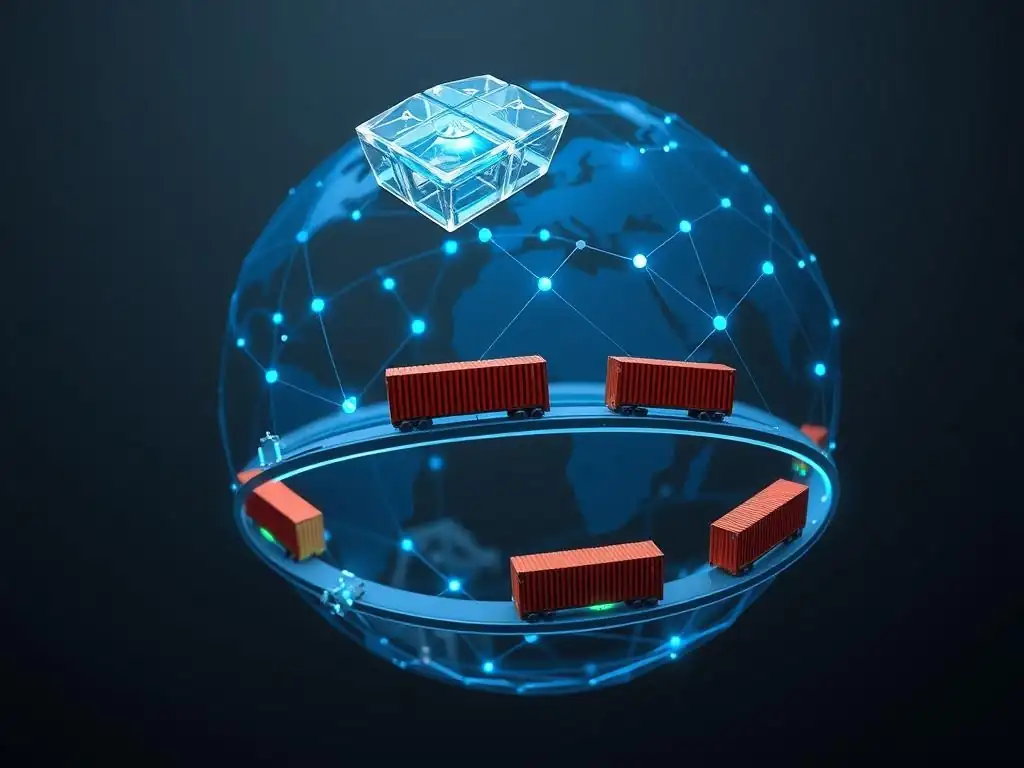
Welcome to Blockchain Trends, your gateway to understanding the revolutionary impact of blockchain technology!
Ever wondered how blockchain can transform industries beyond just cryptocurrencies? Dive into our exploration of DeFi, enterprise applications, and the future of decentralized systems. Today, we're unraveling the potential of blockchain supply chain tracking benefits, and how integrating it with IoT is creating smarter, more transparent, and efficient supply chains. Prepare to discover the advantages waiting to be unlocked.
The Smart Supply Chain: Integrating Blockchain with IoT for Enhanced Tracking and Monitoring
- Introduction: Revolutionizing Supply Chain Management with Blockchain and IoT
- Understanding the Core Technologies: Blockchain and IoT
- The Synergy: How Blockchain and IoT Work Together in Supply Chains
- Blockchain Supply Chain Tracking Benefits: Key Advantages
- Use Cases: Real-World Applications of Blockchain and IoT in Supply Chains
- Challenges and Considerations for Blockchain and IoT Implementation
- The Future of Smart Supply Chains: Trends and Predictions
- Conclusion: Embracing the Smart Supply Chain Revolution
-
Frequently Asked Questions
- What are the main benefits of using blockchain for supply chain tracking?
- How does blockchain integrate with IoT devices to improve supply chain management?
- What are some examples of enterprise applications of blockchain in supply chain?
- What regulations are impacting the adoption of blockchain for supply chain tracking?
- What is the future of decentralized systems in supply chain management?
- Final Reflection: Embracing Transparency in the Supply Chain
- Unlock the Future: Take Control of Your Supply Chain Today!
Introduction: Revolutionizing Supply Chain Management with Blockchain and IoT
The modern supply chain is a complex, interconnected network spanning continents and involving numerous stakeholders. From sourcing raw materials to delivering finished goods to the end consumer, visibility, efficiency, and trust are paramount. Traditional supply chain management systems often suffer from data silos, lack of transparency, and vulnerability to errors, fraud, and disruptions.
These challenges highlight the urgent need for innovative technological solutions that can provide real-time tracking, enhanced security, and immutable data records. The integration of blockchain technology with the Internet of Things (IoT) offers a powerful synergy poised to revolutionize supply chain operations, creating what is often referred to as the 'smart supply chain'.
This article explores the transformative potential of combining blockchain's distributed ledger capabilities with IoT's pervasive sensing and data collection power. We will delve into how these technologies function independently and how their integration creates a robust framework for enhanced tracking and monitoring across the entire supply chain lifecycle. By examining the core concepts, synergy, key benefits, real-world applications, and challenges, we aim to provide a comprehensive overview of how this integration is paving the way for more efficient, transparent, and resilient supply chains, unlocking significant blockchain supply chain tracking benefits for businesses worldwide.
Understanding the Core Technologies: Blockchain and IoT
What is Blockchain Technology?
Blockchain is a decentralized, distributed ledger technology that records transactions across many computers. Once a transaction is recorded, it is grouped into a 'block' with other transactions. Each block is cryptographically linked to the previous block, forming a chain. This structure makes it extremely difficult to alter past transactions without consensus from a majority of the network participants. The data on a blockchain is immutable and transparent to all network participants, depending on the type of blockchain (public, private, or consortium).
The core principles of blockchain—decentralization, immutability, and transparency—make it ideal for creating a shared, trustworthy record of events. In the context of supply chains, this means creating an indisputable history of a product's journey from origin to destination.
Unlike traditional centralized databases, which are susceptible to single points of failure or manipulation, a blockchain ensures that data integrity is maintained across the network. For instance, in a consortium blockchain used for supply chain, only approved parties can add data, but the record itself is tamper-evident and shared among participants, fostering trust among entities that may not otherwise fully trust each other.
The Internet of Things (IoT) in Supply Chains
The Internet of Things (IoT) refers to a network of physical objects—'things'—that are embedded with sensors, software, and other technologies to collect and exchange data. In supply chain environments, IoT devices include sensors attached to goods, vehicles, or infrastructure that can monitor conditions such as temperature, humidity, location, light exposure, and shock. These devices generate vast amounts of real-time data about the status and environment of products as they move through the supply chain.
IoT devices provide the eyes and ears of the smart supply chain, capturing granular data at various points. For example, temperature sensors on a refrigerated container can continuously log temperature fluctuations, while GPS trackers provide precise location data. This real-time data is crucial for monitoring product conditions, identifying potential issues quickly (like a temperature excursion for perishable goods), and optimizing logistics routes. However, the sheer volume and distributed nature of IoT data raise significant challenges regarding data management, security, and trust, which is where blockchain integration becomes critical.
The Synergy: How Blockchain and IoT Work Together in Supply Chains
Enhancing Supply Chain Visibility with Blockchain-IoT Integration
The integration of blockchain and IoT creates a powerful synergy by combining real-time data capture with a secure, transparent, and immutable record-keeping system. IoT devices collect data points—such as location, temperature, and status—and these data points, or summaries/hashes of them, are recorded on a blockchain. This links the physical world data captured by sensors to a digital, trustable ledger accessible to authorized parties.
Consider the journey of a pharmaceutical shipment. IoT sensors in the packaging or container monitor temperature and humidity. These readings, along with timestamps and location data from GPS sensors, are periodically written to a blockchain ledger. Each entry forms part of an immutable history.
If a temperature deviation occurs, the sensor records it, and this event is logged on the blockchain. All authorized stakeholders—manufacturer, distributor, logistics provider, regulator—can see this event and its context on the shared ledger, providing unprecedented visibility into the shipment's condition and handling throughout its transit. This integrated approach significantly enhances supply chain transparency and helps realize the full blockchain supply chain tracking benefits.
Blockchain-Based IoT Security for Supply Chain Data
One of the major challenges with deploying IoT devices at scale is ensuring the security and integrity of the data they generate. IoT devices can be vulnerable to hacking or manipulation, potentially leading to false data being injected into the supply chain system. Blockchain technology provides a robust layer of security for IoT data by ensuring that once data is recorded on the ledger, it cannot be tampered with without detection.
When IoT data is recorded on a blockchain, each data point is timestamped and cryptographically linked. This creates a verifiable audit trail. If a sensor reading is compromised before being recorded, the blockchain doesn't prevent that, but if data on the blockchain itself were attempted to be altered later, the change would break the cryptographic link to the previous block, alerting the network to the manipulation.
Furthermore, blockchain can be used to manage the identities and permissions of IoT devices themselves, ensuring that only authorized and authenticated devices can submit data to the ledger. This enhances trust in the data's origin and integrity, providing a more secure foundation for blockchain supply chain tracking.
Blockchain Supply Chain Tracking Benefits: Key Advantages
Integrating blockchain and IoT offers numerous advantages for supply chain tracking, moving beyond simple location monitoring to provide comprehensive, verifiable product histories. These blockchain supply chain tracking benefits translate into tangible improvements for businesses.
Improved Traceability and Provenance
One of the most significant blockchain supply chain tracking benefits is the dramatic improvement in traceability and provenance tracking. By recording every step of a product's journey on an immutable ledger, combined with real-time data from IoT sensors, companies can achieve end-to-end visibility from origin to consumption. This level of detailed, verifiable history is crucial for industries dealing with high-value goods, sensitive products, or complex global networks.
For example, in the food industry, initiatives like IBM Food Trust, which uses blockchain, have demonstrated the ability to trace the origin of produce from farm to store in seconds, rather than days or weeks using traditional methods. Walmart reported reducing the time to trace mangoes from seven days to just 2.2 seconds using this system. This rapid traceability is vital for responding quickly and effectively to recalls, identifying the source of contamination, and ensuring food safety. Similarly, tracking components in electronics or automotive industries becomes far more efficient, helping to verify authenticity and manage warranties.
Enhanced Efficiency and Reduced Costs
The enhanced transparency and automation enabled by blockchain-IoT integration lead to significant improvements in operational efficiency and cost reduction. Manual data entry, reconciliation, and verification processes, which are time-consuming and prone to errors in traditional supply chains, can be largely automated. Smart contracts—self-executing contracts with the terms of the agreement directly written into code—can automate payments, triggers for shipments, or notifications based on specific conditions reported by IoT devices and recorded on the blockchain.
Consider the process of verifying the condition of goods upon arrival. Instead of manual checks and paperwork, a smart contract can automatically trigger payment release once IoT sensor data confirms the goods arrived within the required temperature range and within the specified timeframe, as recorded on the blockchain. This reduces administrative overhead, minimizes disputes, and speeds up transactions. Estimates suggest that blockchain implementation in supply chains could reduce administrative costs by 10-20% and speed up delivery times by up to 40% in some sectors, showcasing tangible blockchain supply chain tracking benefits.
Increased Transparency and Accountability
Blockchain's distributed and transparent nature inherently fosters greater transparency and accountability among all participants in the supply chain. Because all authorized parties share access to the same immutable ledger, there is a single, verifiable source of truth regarding product movements, conditions, and transactions. This eliminates data silos and reduces the potential for discrepancies or hidden information.
This increased transparency builds trust among stakeholders and makes it easier to identify exactly where issues occurred. If a shipment of goods is damaged, the blockchain record, enriched with IoT data, can pinpoint the exact time and location where the damage or mishandling likely happened. This makes participants more accountable for their actions (or inactions) within the chain.
For consumers, this means the potential to access verified information about the origin, handling, and ethical sourcing of the products they purchase, enhancing brand trust and loyalty. The accountability aspect is a key element of the blockchain supply chain tracking benefits suite.
Mitigating Risks and Improving Resilience
Supply chains are exposed to various risks, including counterfeiting, theft, fraud, delays, and disruptions from events like natural disasters or pandemics. Blockchain and IoT integration provides powerful tools to mitigate these risks and build more resilient supply chains. Immutable tracking data makes it incredibly difficult to introduce counterfeit goods into the supply chain, as their origin and history cannot be verified on the ledger. This is particularly critical for industries like pharmaceuticals and luxury goods, where counterfeiting poses significant risks to consumer safety and brand value.
Real-time monitoring via IoT allows for proactive identification of potential disruptions. For example, if sensors report a vehicle is unexpectedly stationary or deviating from its route, alerts can be triggered immediately. Furthermore, the transparent, shared ledger helps in quickly identifying the impact of a disruption and locating affected goods.
During the COVID-19 pandemic, the lack of visibility in many supply chains exacerbated shortages and delays. A blockchain-enabled smart supply chain, with its enhanced tracking and verifiable data, would allow for faster assessment of inventory locations, alternative routing possibilities, and more efficient allocation of scarce resources, demonstrating crucial blockchain supply chain tracking benefits in times of crisis.
Use Cases: Real-World Applications of Blockchain and IoT in Supply Chains
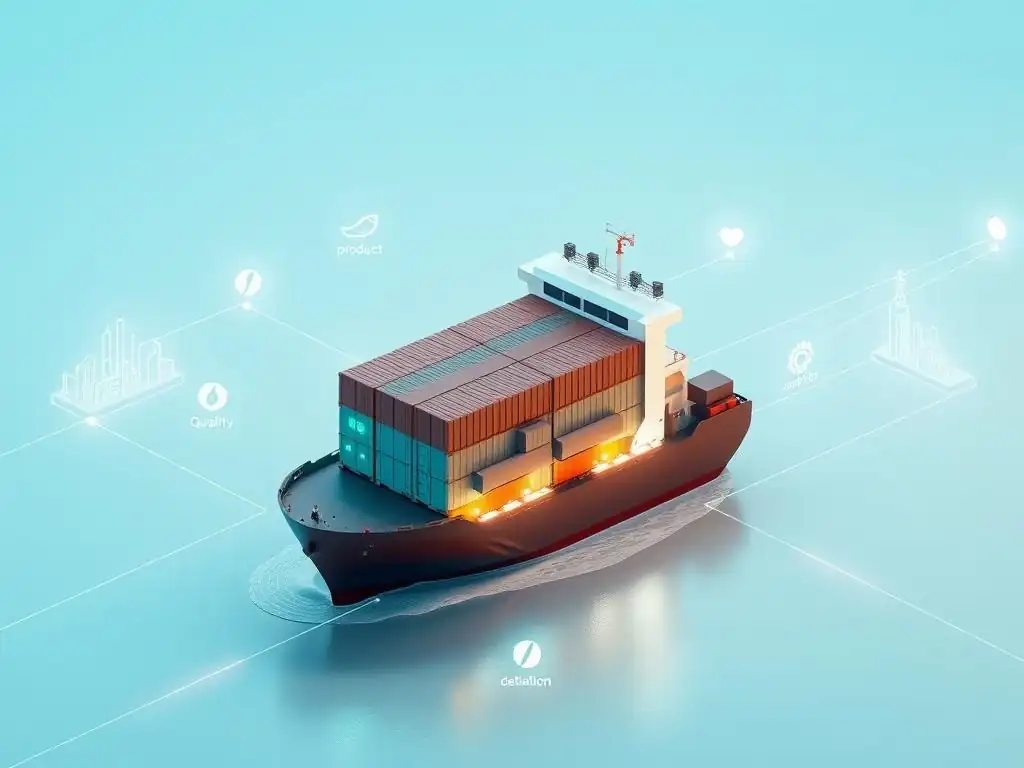
The integration of blockchain and IoT is moving beyond theoretical discussions and into practical applications across various industries, demonstrating concrete blockchain supply chain tracking benefits.
Tracking Food and Beverage Products
The food and beverage industry is a prime candidate for blockchain and IoT adoption due to concerns about safety, spoilage, and complex, often fragmented supply chains. Companies are using this technology to track products from farm to fork, ensuring freshness, verifying organic or ethical claims, and enabling rapid recalls.
For instance, sensors can monitor temperature and humidity for perishable goods, with data recorded on a blockchain. This provides an immutable record of the cold chain, crucial for maintaining food safety and reducing waste. Provenance tracking allows consumers to scan a QR code on packaging and see the history of the product, including where it was grown, processed, and transported.
This level of transparency builds consumer trust and helps differentiate products based on quality and origin. The ability to quickly trace contaminated items back to their source, as shown by Walmart's experience, saves lives and significantly reduces the financial impact of recalls, highlighting the substantial blockchain supply chain tracking benefits in this sector.
Pharmaceutical Supply Chain Management
Ensuring the integrity, authenticity, and safe handling of pharmaceuticals is critical. Counterfeiting, temperature excursions during transit, and complex regulatory requirements pose significant challenges. Blockchain and IoT offer a robust solution for managing the pharmaceutical supply chain.
Serialization data for individual drug packages can be recorded on a blockchain, creating a unique, verifiable digital identity for each item. IoT sensors in packaging or shipping containers monitor temperature, light, and shock—critical factors for maintaining drug efficacy. This data, logged on the blockchain, provides irrefutable proof of proper handling throughout the supply chain.
Regulators and healthcare providers can verify the authenticity and history of drugs, combating counterfeiting which is estimated to cost the global pharmaceutical industry billions annually and poses a severe public health risk. Systems like the U.S. Drug Supply Chain Security Act (DSCSA) are moving towards electronic, interoperable tracing, and blockchain is seen as a potential technology to meet these requirements, leveraging its inherent blockchain supply chain tracking benefits.
Streamlining Logistics and Transportation
Logistics and transportation networks are inherently complex, involving multiple carriers, intermediaries, and handoffs. Blockchain and IoT can streamline operations, improve asset utilization, and enhance security.
IoT sensors on vehicles and containers provide real-time location, speed, and status updates. This data, recorded on a blockchain, creates a shared, verifiable record of shipments in transit. Smart contracts can automate processes like handover verification between carriers or triggering payments upon delivery confirmation based on blockchain-recorded location data.
Companies like Maersk, through initiatives like TradeLens (a blockchain-based platform), have demonstrated how digitizing and sharing shipping documentation on a blockchain can reduce transit times and costs by cutting down on paperwork and manual processes. While TradeLens faced challenges and was eventually discontinued, the underlying principles and demonstrated efficiencies highlighted the potential blockchain supply chain tracking benefits for global freight. Other initiatives continue to explore this potential.
Challenges and Considerations for Blockchain and IoT Implementation
Despite the compelling benefits, implementing blockchain and IoT in supply chains is not without its challenges. Careful planning and consideration are required to overcome these hurdles.
Scalability and Interoperability
Scaling blockchain networks to handle the immense volume of data generated by potentially millions or billions of IoT devices in a global supply chain is a significant technical challenge. Traditional public blockchains can face throughput limitations. While private and consortium blockchains offer better performance, they still require careful design to ensure they can process and store data efficiently.
Furthermore, interoperability between different blockchain platforms and legacy supply chain systems is crucial. Supply chains involve diverse participants using various technologies. Ensuring that data can flow seamlessly and securely between different blockchain networks or between blockchain systems and existing ERP, WMS, or TMS systems requires standardized protocols and integration layers. Without robust solutions for scalability and interoperability, widespread adoption and the full realization of blockchain supply chain tracking benefits will be hampered.
Data Privacy and Security Concerns
While blockchain enhances data integrity and security on the ledger, concerns remain about data privacy, especially in consortium or private blockchains where participants may be competitors. Sharing commercially sensitive data, even in an aggregated or hashed form, requires careful consideration of access controls and permissions.
The security of the IoT devices themselves is also paramount. A compromised sensor could potentially feed false data into the system. Robust security measures for IoT deployments, including authentication, encryption, and regular security audits, are essential. Designing the system to determine which data is recorded on the blockchain (e.g., raw data, hashed data, or just state changes) and who has access to it is a critical privacy consideration. Balancing the need for transparency with the need for confidentiality is key to successful implementation.
Cost of Implementation and ROI
Implementing a blockchain and IoT-based supply chain solution requires significant upfront investment in technology infrastructure, software development, integration with existing systems, and potentially new IoT hardware. The complexity of integrating these technologies and onboarding multiple supply chain partners can lead to substantial costs.
Businesses need to carefully evaluate the potential return on investment (ROI). While the long-term blockchain supply chain tracking benefits—such as reduced costs, improved efficiency, risk mitigation, and enhanced customer trust—can be substantial, the initial investment and the time it takes to achieve widespread adoption across the supply chain network can be barriers. Pilot programs and phased rollouts can help manage costs and demonstrate value before committing to full-scale implementation. Clearly defining the desired blockchain supply chain tracking benefits and establishing metrics for success are crucial for justifying the investment.
The Future of Smart Supply Chains: Trends and Predictions
The integration of blockchain and IoT is still in its relatively early stages, but the trajectory points towards increasingly intelligent, autonomous, and resilient supply chains.
Emerging Technologies and Innovations
Future developments will likely involve the convergence of blockchain and IoT with other emerging technologies like Artificial Intelligence (AI) and Machine Learning (ML). AI/ML algorithms can analyze the vast datasets generated by IoT devices and recorded on the blockchain to identify patterns, predict potential disruptions before they occur, optimize routes, and automate decision-making processes within smart contracts.
For example, AI could analyze historical temperature data from IoT sensors on the blockchain to predict which routes or carriers are most likely to experience cold chain issues, allowing for preventative measures. Further advancements in blockchain technology itself, such as more scalable consensus mechanisms, improved interoperability protocols, and potentially quantum-resistant cryptography, will also enhance the capabilities and security of smart supply chains, amplifying the blockchain supply chain tracking benefits. Edge computing will also play a role, processing IoT data closer to the source before feeding relevant, verified information onto the blockchain.
The Impact on Global Trade and Logistics
The widespread adoption of smart supply chains powered by blockchain and IoT has the potential to fundamentally reshape global trade and logistics. Increased transparency and trust can facilitate smoother international transactions, potentially reducing trade finance complexities and customs clearance times. A standardized, verifiable record of goods movement and origin can simplify regulatory compliance across borders.
As more industries adopt these technologies, we may see the emergence of interconnected networks of smart supply chains, creating a global "Internet of Logistics." This could lead to unprecedented levels of efficiency, collaboration, and resilience in the movement of goods worldwide. The ability to track and verify product journeys across multiple jurisdictions with high confidence will reduce friction in international trade, unlocking new markets and opportunities while providing clear blockchain supply chain tracking benefits on a global scale.
Conclusion: Embracing the Smart Supply Chain Revolution
The integration of blockchain technology and the Internet of Things represents a significant leap forward in supply chain management. By combining IoT's capability for real-time data collection with blockchain's power of creating a secure, transparent, and immutable ledger, businesses can build smart supply chains that offer unparalleled visibility, efficiency, and trust. The blockchain supply chain tracking benefits—including improved traceability, reduced costs, increased transparency, enhanced accountability, and better risk mitigation—are compelling and transformative.
While challenges related to scalability, interoperability, data privacy, and implementation costs remain, ongoing technological advancements and successful pilot programs are paving the way for wider adoption. The future of supply chains lies in these interconnected, intelligent systems that can respond dynamically to disruptions, verify product integrity with certainty, and provide stakeholders with the reliable information they need. Embracing this smart supply chain revolution is becoming increasingly essential for businesses seeking to thrive in a complex, globalized marketplace, leveraging the full potential of blockchain supply chain tracking to gain a competitive edge.
Frequently Asked Questions
What are the main benefits of using blockchain for supply chain tracking?
Blockchain offers enhanced transparency and traceability in the supply chain. It also provides immutable records to reduce fraud and improve data security throughout the process.
How does blockchain integrate with IoT devices to improve supply chain management?
IoT sensors provide real-time data that is recorded on the blockchain. This creates a secure and verifiable chain of custody, ensuring accurate tracking and monitoring of goods.
What are some examples of enterprise applications of blockchain in supply chain?
Examples include tracking pharmaceuticals to ensure authenticity, verifying the origin of food products, and managing complex global supply chains for manufacturing.
What regulations are impacting the adoption of blockchain for supply chain tracking?
Data privacy regulations like GDPR and industry-specific regulations are key. Compliance with these legal frameworks is crucial for successful implementation.
What is the future of decentralized systems in supply chain management?
Decentralized systems promise greater efficiency and resilience in supply chains. This will lead to more transparent and trustworthy operations and improved collaboration between stakeholders.
Final Reflection: Embracing Transparency in the Supply Chain
The integration of blockchain and IoT, as explored throughout this article, isn't just a technological advancement; it represents a fundamental shift towards unprecedented transparency and accountability within global supply chains. The potential to mitigate fraud, enhance efficiency, and build consumer trust is no longer a futuristic concept, but a tangible reality being implemented across various industries today.
The impact of a secure and transparent supply chain extends far beyond mere cost savings. It fosters a sense of ethical responsibility and empowers consumers to make informed choices about the products they purchase. This shift towards conscious consumption, driven by readily available information, is profoundly shaping the future of commerce. The future of supply chains is not just about efficiency; it's about resilience, sustainability, and trust.
- Unknown
As we look ahead, the challenge lies in widespread adoption and overcoming the initial hurdles of implementation. Let us all, as consumers, businesses, and innovators, embrace the potential of blockchain and IoT to build a more ethical, efficient, and transparent world. Consider how you can champion these technologies within your own sphere of influence, contributing to a future where every product tells a story of integrity and responsibility.
Unlock the Future: Take Control of Your Supply Chain Today!
Thank you for exploring how blockchain and IoT are transforming supply chain management. With their potential to increase transparency and efficiency, it's time to turn that knowledge into action.
Here’s how you can get started:
- Identify a key area in your supply chain where implementing blockchain and IoT could lead to significant improvements. Begin researching pilot programs to initiate the process.
- Explore the latest solutions and case studies related to blockchain and IoT integration within your industry to discover innovative approaches used by your peers.
- Share this article with your colleagues and industry contacts to encourage discussion about the future of smart supply chains.
What steps will you take first to incorporate blockchain and IoT for better tracking and monitoring? Share your thoughts below!
Leave a Reply