
Transforming Customer Loyalty Programs with Blockchain Technology

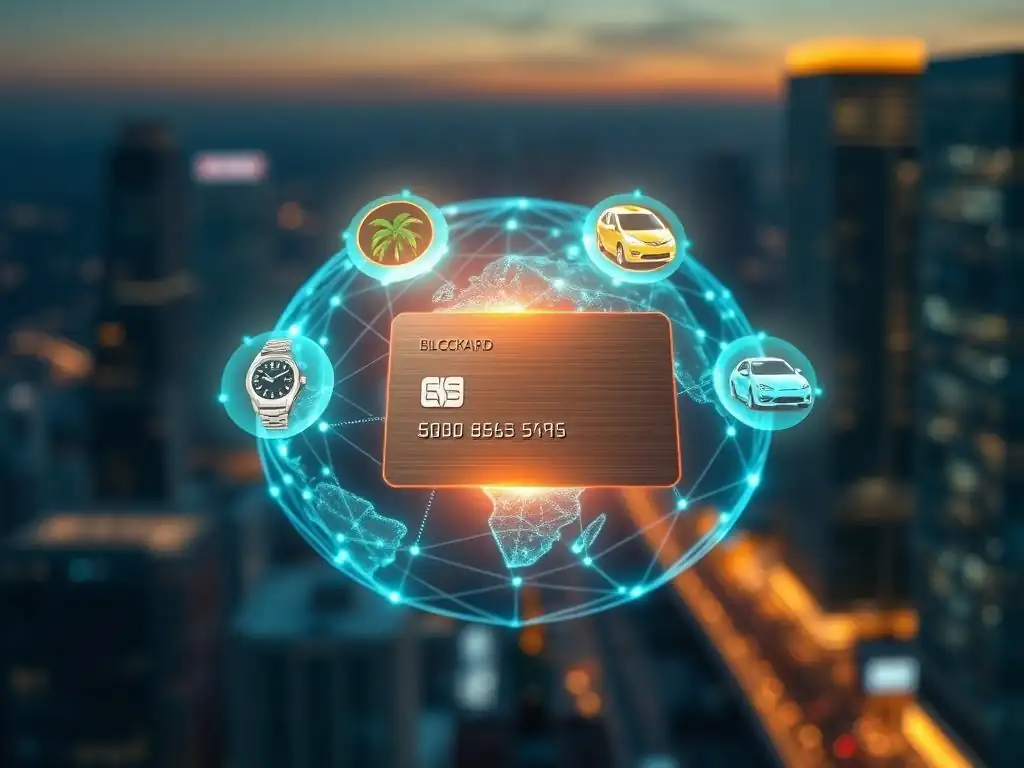
Welcome to Blockchain Trends, your gateway to understanding the revolutionary impact of blockchain technology beyond the hype. Dive into the world of decentralized finance, enterprise solutions, and the evolving regulatory landscape. Intrigued by how blockchain can truly disrupt industries? Then explore how blockchain loyalty programs are revolutionizing customer engagement and unlocking unprecedented benefits and rewards. Discover the transformative power of this technology and uncover the future of customer relationships.
Transforming Customer Loyalty Programs with Blockchain Technology
- Introduction: Revolutionizing Loyalty Rewards with Blockchain
- Understanding Blockchain-Based Loyalty Programs
- Blockchain Loyalty Programs Benefits: Unlocking New Value
- Use Cases: Blockchain Loyalty Programs in Action
- Implementing a Blockchain Loyalty Program: A Step-by-Step Guide
- Overcoming Challenges in Blockchain Loyalty Adoption
- The Future of Blockchain Loyalty: Trends and Predictions
- Conclusion: Embracing the Potential of Blockchain for Customer Loyalty
-
Frequently Asked Questions
- How can blockchain technology enhance traditional loyalty programs?
- What are the key benefits of using blockchain for loyalty rewards?
- What challenges might businesses face when implementing blockchain loyalty programs?
- How does blockchain enable decentralized loyalty rewards systems?
- What is the future of blockchain loyalty programs and rewards?
- Final Reflection: Unlocking Loyalty's Future
- Unleash the Power of Blockchain Loyalty!
Introduction: Revolutionizing Loyalty Rewards with Blockchain
Customer loyalty programs have long been a cornerstone of marketing strategies, designed to encourage repeat business and foster stronger relationships with customers. These programs offer rewards or benefits based on purchase history or engagement, aiming to increase customer lifetime value. Historically, these systems have evolved from simple punch cards to complex database-driven platforms managing points, tiers, and personalized offers. However, traditional loyalty programs, despite their ubiquity, are often plagued by inefficiencies, high costs, and a lack of transparency that can erode customer trust and limit their overall effectiveness.
The emergence of blockchain technology presents a compelling opportunity to overhaul the architecture and operation of customer loyalty programs. By leveraging blockchain's inherent characteristics – immutability, transparency, security, and the ability to create digital assets – businesses can build next-generation loyalty systems that address the shortcomings of legacy platforms. This transformation promises not only to streamline operations and reduce costs but also to significantly enhance the customer experience, making loyalty rewards more flexible, valuable, and engaging. Exploring blockchain loyalty programs benefits rewards reveals a path towards more dynamic and trustworthy customer relationships.
The Limitations of Traditional Customer Loyalty Programs
Traditional customer loyalty programs face several significant hurdles that limit their potential impact. One major issue is the fragmentation of points across different programs and brands. Customers often accumulate small balances in numerous programs, making it difficult to reach redemption thresholds, leading to unused points and decreased perceived value. Industry estimates suggest billions of dollars worth of loyalty points go unredeemed annually, representing a massive inefficiency and lost opportunity for both consumers and businesses. Furthermore, the redemption process itself can often be cumbersome and restrictive, limiting customer satisfaction.
Another substantial limitation is the high administrative cost and potential for fraud within centralized systems. Managing vast databases of customer points, processing redemptions, and handling customer service inquiries related to points requires significant investment in infrastructure and personnel. Centralized databases are also vulnerable to cyberattacks and data breaches, potentially compromising sensitive customer information. Fraudulent activities, such as point counterfeiting or unauthorized transfers, can also be difficult to detect and prevent, leading to financial losses for companies. The lack of transparency in how points are awarded or how program rules might change can also lead to customer distrust.
How Blockchain Technology Addresses Key Loyalty Program Challenges
Blockchain technology offers robust solutions to many of the inherent problems in traditional loyalty programs. By providing a decentralized, immutable ledger, blockchain can eliminate the need for a single, vulnerable database, significantly enhancing security and reducing the risk of fraud. Each transaction, whether awarding points (or tokens) or processing a redemption, is recorded on the blockchain, creating a transparent and verifiable history that is resistant to tampering. This inherent transparency builds trust with customers, as they can potentially track their rewards and understand the program mechanics more clearly.
Furthermore, blockchain enables the tokenization of loyalty points. Instead of abstract database entries, loyalty points can be represented as digital tokens on a blockchain. These tokens can be designed to be easily transferable, potentially exchangeable, and used in a wider ecosystem, dramatically increasing their utility and flexibility for the customer. This tokenization, combined with the automation capabilities of smart contracts, allows for seamless, real-time reward distribution and redemption, reducing administrative overhead and improving the overall efficiency of blockchain loyalty programs benefits rewards systems.
Understanding Blockchain-Based Loyalty Programs
Blockchain-based loyalty programs fundamentally differ from their traditional counterparts by leveraging distributed ledger technology to manage and track customer rewards. At their core, these programs replace centralized databases with a decentralized network where loyalty points are represented as digital tokens. This shift moves the ownership and control of the loyalty assets closer to the customer, fostering a more direct and transparent relationship. The architecture ensures that all transactions related to the loyalty tokens are recorded on an immutable ledger, accessible to relevant parties, thereby enhancing trust and accountability.
These programs are built upon blockchain platforms, which provide the underlying infrastructure for token creation, transaction processing, and the execution of program rules. The specific blockchain used can be public (like Ethereum or Polygon) or a permissioned enterprise blockchain (like Hyperledger Fabric), depending on the program's requirements for privacy, scalability, and control. Regardless of the underlying platform, the key principle remains the same: creating a secure, transparent, and efficient system for managing customer loyalty rewards, unlocking new possibilities for interaction and value creation within blockchain loyalty programs benefits rewards ecosystems.
Defining Blockchain Loyalty Programs: A Decentralized Approach
A blockchain loyalty program is a system where customer rewards, typically points or credits, are issued and managed as digital tokens on a blockchain. Unlike traditional programs where points reside in a company's central database, these tokens exist on a distributed ledger, meaning they are not controlled by a single entity. This decentralized nature makes the system more resilient to single points of failure and enhances security through cryptographic principles. Customers essentially hold their loyalty assets in a digital wallet, giving them greater control and visibility.
This approach transforms loyalty points from liabilities on a company's balance sheet into potentially valuable, transferable digital assets for the customer. The rules governing the issuance, transfer, and redemption of these tokens are often embedded within smart contracts – self-executing code on the blockchain – ensuring that program mechanics are applied automatically and transparently. This eliminates manual processes and reduces the possibility of errors or disputes, streamlining operations and providing a clear framework for blockchain loyalty programs benefits rewards distribution.
Key Features of Blockchain Loyalty Platforms
Blockchain loyalty platforms are characterized by several core features that distinguish them from traditional systems. These features leverage the unique capabilities of blockchain technology to create more secure, transparent, and flexible loyalty experiences.
- Enhanced Security and Transparency in Rewards Systems
- Tokenization of Loyalty Points for Increased Flexibility
- Smart Contracts for Automated Reward Distribution
Enhanced Security and Transparency in Rewards Systems
Security is a paramount feature of blockchain loyalty programs, stemming directly from the technology's distributed and cryptographic nature. Transactions recorded on a blockchain are immutable, meaning once a loyalty token is issued or transferred, that record cannot be altered or deleted. This makes it significantly harder for malicious actors to commit fraud, such as creating fake points or reversing legitimate transactions. The distributed ledger also removes the single point of failure associated with centralized databases, making the system more resistant to hacking attempts.
Transparency is another key benefit. Depending on whether a public or permissioned blockchain is used, transactions can be visible to participants, allowing customers to verify the points they've earned, track their redemption history, and understand the flow of rewards within the system. This level of visibility builds trust, as customers can be confident that the program is operating fairly and as advertised. For businesses, this transparency can also simplify auditing and reconciliation processes.
Tokenization of Loyalty Points for Increased Flexibility
Tokenization is perhaps the most transformative feature of blockchain loyalty programs. Loyalty points are converted into digital tokens, which are cryptographic assets residing on a blockchain. These tokens can be designed to be fungible (like currency, where each token is identical) or non-fungible (NFTs, where each token is unique, potentially used for tiered status or special rewards). This digital representation makes loyalty assets highly portable and programmable.
The flexibility offered by tokenization is immense. Loyalty tokens can potentially be traded on secondary markets (if the program allows), exchanged for other cryptocurrencies or fiat currency, or even used as a medium of exchange within a broader ecosystem of participating merchants. This dramatically increases the perceived and actual value of loyalty rewards for customers, moving beyond simple redemption for specific products or discounts. A customer might, for instance, exchange loyalty tokens from one airline for hotel points from another, provided the platforms are integrated, something highly complex with traditional systems.
Smart Contracts for Automated Reward Distribution
Smart contracts are self-executing agreements with the terms of the agreement directly written into code. In the context of blockchain loyalty programs, smart contracts automate the core logic of the program. This includes automatically issuing tokens when a customer makes a qualifying purchase, deducting tokens upon redemption, or triggering bonus rewards based on predefined criteria (e.g., reaching a spending threshold).
The automation provided by smart contracts ensures that program rules are enforced consistently and without manual intervention. This reduces administrative costs, minimizes the potential for human error, and ensures timely reward distribution. For example, a smart contract can instantly award bonus tokens when a customer's total spending hits a certain level within a month, providing immediate gratification and reinforcing positive behavior. This automated efficiency is a significant advantage of blockchain loyalty programs benefits rewards management.
Blockchain Loyalty Programs Benefits: Unlocking New Value
Adopting blockchain technology for loyalty programs offers a multitude of benefits that can significantly enhance their effectiveness and create new value for both businesses and customers. These advantages span from improved operational efficiency to enhanced customer engagement and trust.
Increased Customer Engagement and Retention
By tokenizing loyalty points and making them more flexible and valuable, blockchain loyalty programs can dramatically boost customer engagement. When customers can easily track, transfer, and potentially exchange their loyalty tokens, the perceived value of participating in the program increases. This enhanced utility encourages customers to actively manage and utilize their rewards, rather than letting them expire or remain unused in dormant accounts.
The potential for loyalty tokens to be used beyond simple redemptions – perhaps for staking, participating in governance decisions (in some models), or trading – creates deeper levels of interaction and investment in the brand ecosystem. For example, a program allowing customers to stake their loyalty tokens for additional rewards or exclusive access can foster a strong community and increase loyalty. This increased engagement naturally leads to higher customer retention rates, as customers are more invested in the program and the associated brand.
Reduced Fraud and Improved Data Security
Blockchain's inherent security features provide a powerful defense against fraud in loyalty programs. The immutable nature of the ledger makes it virtually impossible to counterfeit loyalty tokens or fraudulently alter transaction histories. Any attempt to tamper with records would be immediately visible across the network, making such actions impractical and easily detectable. This significantly reduces financial losses associated with fraudulent point accumulation or redemption.
Furthermore, while customer personal data is typically stored off-chain or encrypted, the integrity of the loyalty transaction data on the blockchain is highly secure. This distributed and cryptographically secured ledger minimizes the risk of a single data breach compromising the entire loyalty system's transaction history. Businesses can operate with greater confidence, and customers can trust that their earned rewards are safe and accurately recorded, reinforcing the core blockchain loyalty programs benefits rewards proposition.
Streamlined Operations and Lower Administrative Costs
The automation capabilities provided by smart contracts lead directly to streamlined operations and significant reductions in administrative costs. Manual tasks associated with point issuance, tracking, redemption, and reconciliation are automated, freeing up staff and reducing the likelihood of errors. This efficiency gain can be particularly impactful for large-scale loyalty programs managing millions of customer accounts and transactions.
Implementing a blockchain-based system can reduce the need for complex, expensive centralized databases and the associated maintenance and security costs. While initial setup might require investment, the long-term operational savings from automation, reduced fraud, and simplified reconciliation can be substantial. This allows businesses to allocate resources more effectively, potentially reinvesting savings into enhancing the loyalty program itself or other customer-facing initiatives.
Enhanced Transparency and Trust
Transparency is a cornerstone of blockchain technology and a key benefit for loyalty programs. Depending on the blockchain architecture (public or permissioned with appropriate access controls), the rules of the program and the transaction history can be made visible to participants. This open ledger approach allows customers to verify that they have received the correct number of points for their purchases and that redemptions are processed accurately.
This level of transparency builds significant trust between the brand and its customers. Customers are more likely to engage with a program they perceive as fair and transparent, where the rules are clear and the process is verifiable. This contrasts sharply with traditional systems where the internal workings are often opaque. The enhanced trust fostered by blockchain loyalty programs benefits rewards the relationship by creating a sense of fairness and reliability.
Use Cases: Blockchain Loyalty Programs in Action
Blockchain technology is beginning to make inroads across various industries looking to revitalize their customer loyalty strategies. From retail to travel and finance, businesses are exploring how tokenization and distributed ledgers can create more engaging and efficient loyalty experiences.
Retail: Personalized Rewards and Enhanced Customer Experience
In the retail sector, blockchain loyalty programs can move beyond generic discounts to offer highly personalized rewards. By securely tracking customer behavior and purchase history (often off-chain, with references on-chain), retailers can use this data to trigger specific smart contracts that issue tailored loyalty tokens or unique NFT rewards based on individual preferences or spending habits. For instance, a customer who frequently buys coffee might receive bonus tokens specifically redeemable for pastry items, increasing the relevance and appeal of the reward.
Tokenization also enhances the customer experience by making loyalty points more liquid. Instead of points only redeemable at the issuing store, customers could potentially exchange tokens for rewards at partner retailers within a shared blockchain ecosystem. This expands the utility of the loyalty rewards and encourages cross-brand engagement. A customer might accumulate tokens at a clothing store and redeem them for a discount at a bookstore participating in the same loyalty consortium, creating a more valuable and interconnected retail loyalty experience.
Travel: Streamlining Airline and Hotel Loyalty Programs
The travel industry is notorious for fragmented and complex loyalty programs. Customers often hold points with multiple airlines and hotel chains, making it difficult to pool rewards or redeem them flexibly. Blockchain can streamline this significantly by enabling interoperability between different travel loyalty programs. Using a common blockchain platform or cross-chain technology, airline miles could potentially be exchanged for hotel points or even converted into tokens usable for other travel services like car rentals.
Consider a traveler who flies frequently with one airline but stays at hotels belonging to a different alliance. With a blockchain-based system, the traveler could potentially convert a portion of their airline miles into hotel points seamlessly, increasing the utility of their earned rewards. This eliminates the friction and restrictions often associated with transferring points between different programs, making travel loyalty programs more attractive and easier to use. Blockchain loyalty programs benefits rewards travelers by providing unprecedented flexibility.
Finance: Blockchain-Based Banking Rewards Programs
Financial institutions can leverage blockchain to create more dynamic and transparent banking rewards programs. Instead of traditional points or cashback systems, banks could issue loyalty tokens for activities like using debit cards, opening new accounts, or maintaining certain balance levels. These tokens could be instantly issued via smart contracts upon completion of the qualifying action, providing real-time rewards.
These banking loyalty tokens could offer unique benefits beyond simple discounts. They might grant access to preferential interest rates, reduce service fees, or even provide fractional ownership in certain bank-managed assets. Furthermore, integrating these tokens with decentralized finance (DeFi) protocols could allow customers to potentially earn yield on their loyalty rewards by staking them, adding a new dimension of value. For instance, a bank might partner with a DeFi protocol to allow customers to stake their loyalty tokens and earn additional yield, making the banking relationship more rewarding.
Starbucks: Enhancing Rewards with Blockchain-Based Digital Collectibles
Starbucks has explored the potential of blockchain technology to enhance its loyalty program through its Starbucks Odyssey experience. While their core rewards program remains largely traditional, Odyssey integrates web3 technology, specifically NFTs (Non-Fungible Tokens), to create a new layer of engagement tied to loyalty. Members can earn "Journey Stamps" (digital collectibles) through interactive activities and purchases, which are essentially NFTs recorded on the Polygon blockchain.
These digital collectibles are tied to the Starbucks Rewards program and can unlock access to unique benefits and experiences, such as virtual events or exclusive merchandise. Members can also buy and sell these stamps on a marketplace within the Odyssey platform. This initiative demonstrates how blockchain, particularly through NFTs, can add a gamified and collectible dimension to traditional loyalty, creating a deeper connection with customers and offering new types of blockchain loyalty programs benefits rewards beyond standard points redemption. It showcases how a major brand is using blockchain to innovate within the loyalty space.
Implementing a Blockchain Loyalty Program: A Step-by-Step Guide

Implementing a blockchain-based loyalty program requires careful planning and execution, moving beyond the concepts of traditional systems. It involves several key steps, from defining clear objectives to integrating the new technology with existing infrastructure and ensuring regulatory compliance.
Defining Your Loyalty Program Objectives
The first critical step in building a blockchain loyalty program is clearly defining the business objectives. What specific problems are you trying to solve with blockchain? Are you aiming to increase customer retention, drive higher transaction volumes, reduce fraud, lower administrative costs, or create a new revenue stream? Understanding your goals will inform every subsequent decision, from choosing the right blockchain platform to designing the tokenomics and reward structure.
Consider your target audience and their preferences. Will they be comfortable interacting with digital wallets and tokens? How complex should the program be? Setting measurable key performance indicators (KPIs) related to engagement, redemption rates, cost savings, and customer satisfaction is essential for evaluating the program's success. For example, an objective might be to increase active loyalty program participation by 20% within the first year of launching the blockchain version.
Choosing the Right Blockchain Platform
Selecting the appropriate blockchain platform is a fundamental decision that impacts scalability, security, cost, and development complexity. Businesses must evaluate whether a public blockchain (like Ethereum layer 2 solutions such as Polygon, or alternatives like Solana) or a permissioned/private blockchain (like Hyperledger Fabric or R3 Corda) is best suited for their needs. Public blockchains offer high decentralization and transparency but can face issues with transaction fees and scalability under high load, although layer 2 solutions mitigate some of these.
Permissioned blockchains offer more control, privacy, and often higher transaction speeds, making them suitable for enterprise-level programs where consortiums of businesses might share a ledger. Factors to consider include transaction throughput requirements, latency, cost per transaction, ease of integration, the maturity of the platform's ecosystem, and the availability of developer talent. A retail consortium might opt for a permissioned chain for privacy, while a consumer-facing program prioritizing broad interoperability might lean towards a public chain solution.
Tokenizing Loyalty Points and Defining Reward Structures
Tokenization involves representing loyalty points as digital tokens on the chosen blockchain. This step requires designing the token's properties, including its total supply, divisibility, and whether it will be fungible or non-fungible. The rules for earning tokens must be defined – based on purchase value, frequency, specific product purchases, or engagement activities. This involves designing the smart contracts that will automate token issuance.
Equally important is defining the reward structure and redemption mechanisms. How can customers redeem their tokens? For discounts, free products, exclusive experiences, or partner offers? The smart contracts must also govern the redemption process, ensuring tokens are correctly debited and rewards are delivered. Consideration should be given to token utility beyond simple redemption, such as potential for trading or staking, to maximize blockchain loyalty programs benefits rewards value.
Integrating with Existing Systems
A critical, often challenging, step is integrating the new blockchain loyalty platform with existing enterprise systems. This includes CRM (Customer Relationship Management) systems, Point of Sale (POS) systems, e-commerce platforms, and potentially inventory management or accounting software. Data needs to flow seamlessly between these systems and the blockchain to accurately issue and redeem loyalty tokens based on customer transactions and activities.
This integration often requires developing APIs (Application Programming Interfaces) to connect the legacy systems with the blockchain layer. It's crucial to ensure data consistency and real-time or near real-time synchronization. For instance, a POS system needs to communicate with the blockchain platform to trigger the smart contract that issues loyalty tokens immediately after a purchase is completed. This integration complexity can be a significant hurdle and requires careful planning and testing.
Ensuring Compliance and Data Privacy
Implementing a blockchain loyalty program necessitates navigating complex regulatory landscapes and ensuring robust data privacy. Regulations around digital assets and tokens are still evolving in many jurisdictions, and businesses must ensure their loyalty token design and operation comply with relevant laws, including potential securities or consumer protection regulations. Legal counsel is essential to determine if the loyalty tokens could be classified as securities or require specific licenses.
Data privacy is also paramount, particularly under regulations like GDPR or CCPA. While transaction data might reside on the blockchain, sensitive personal identifiable information (PII) should typically be stored off-chain in secure, compliant databases. Mechanisms must be in place to link customer identities to their blockchain addresses in a privacy-preserving manner. Ensuring that the program adheres to data minimization principles and provides customers with control over their data is crucial for building trust and maintaining legal compliance.
Overcoming Challenges in Blockchain Loyalty Adoption
Despite the compelling benefits, the path to widespread adoption of blockchain loyalty programs is not without its challenges. Businesses must proactively address several key hurdles to successfully implement and scale these innovative systems.
Regulatory Uncertainty and Compliance Issues
The regulatory landscape surrounding blockchain and digital assets is still developing globally, creating uncertainty for businesses launching tokenized loyalty programs. The classification of loyalty tokens can vary by jurisdiction – are they simple utility tokens, or could they be deemed securities under certain circumstances (e.g., if they offer investment-like features)? Navigating this ambiguity requires careful legal analysis and potentially adapting program design based on regional regulations.
Ensuring compliance extends beyond token classification to include potential requirements around KYC (Know Your Customer) and AML (Anti-Money Laundering), particularly if tokens are exchangeable for fiat currency or other cryptocurrencies. Businesses must stay informed about evolving regulations and build compliance frameworks into their program architecture from the outset. This legal complexity can increase the initial cost and time required for implementation compared to traditional programs.
Scalability and Performance Concerns
While blockchain technology has advanced significantly, scalability remains a potential challenge for large-scale consumer loyalty programs processing millions of transactions daily. Public blockchains, depending on their architecture, can face limitations on transaction throughput and experience high fees (gas costs) during periods of network congestion. While Layer 2 solutions and newer, faster chains address some of these issues, performance under peak load needs careful consideration.
Permissioned blockchains generally offer higher transaction speeds and lower costs as they involve a limited number of known participants. However, choosing the right platform that can reliably handle the anticipated volume of loyalty token issuances, transfers, and redemptions without significant delays or costs is critical. Performance testing and selecting a platform with a proven ability to scale are essential steps before launching a program to a large customer base.
Integration with Legacy Systems
Integrating a modern blockchain platform with often decades-old legacy enterprise systems is a significant technical hurdle. Many businesses rely on monolithic, on-premise systems for CRM, POS, and inventory management that were not designed to interact with distributed ledger technology. Creating seamless, real-time data flow between these disparate systems requires substantial development effort, middleware, and APIs.
The complexity and cost of this integration can be prohibitive for some organizations. It requires deep technical expertise in both legacy systems and blockchain technology, as well as careful planning to avoid disrupting existing business operations. Ensuring data consistency and reliability across the integrated systems is paramount for the loyalty program to function correctly. This integration challenge is often cited as one of the most difficult aspects of enterprise blockchain adoption.
Educating Customers and Employees
Introducing a blockchain-based loyalty program requires educating both customers and employees about the new technology and how it works. Customers may be unfamiliar with concepts like digital wallets, private keys, or blockchain transactions. The user experience must be simple and intuitive, abstracting away the underlying technical complexity as much as possible. Clear communication is needed to explain the benefits and how to participate.
Similarly, employees, particularly those in customer service and marketing roles, need to understand the new system to assist customers effectively and promote the program's benefits. Training programs are necessary to ensure staff are knowledgeable about how tokens are earned, redeemed, and the unique advantages offered by the blockchain architecture. Overcoming the knowledge gap among both users and staff is crucial for driving adoption and maximizing the potential of blockchain loyalty programs benefits rewards.
The Future of Blockchain Loyalty: Trends and Predictions
The application of blockchain technology in customer loyalty is still in its early stages, but several exciting trends and predictions point towards a transformative future. As the technology matures and adoption grows, blockchain loyalty programs are expected to become more sophisticated, integrated, and valuable.
Integration with Decentralized Finance (DeFi)
A key trend is the increasing potential for integrating loyalty tokens with Decentralized Finance (DeFi) protocols. Imagine earning loyalty tokens from a retail store and then being able to stake those tokens in a DeFi lending protocol to earn passive income, or using them as collateral for a small loan. This integration could dramatically increase the financial utility and appeal of loyalty rewards, moving them beyond simple discounts or merchandise.
This convergence of loyalty and DeFi could create entirely new economic models for brands and customers. It allows customers to gain more value from their accumulated rewards, while brands could potentially benefit from increased token velocity and engagement within their ecosystem. This trend is particularly relevant for blockchain loyalty programs benefits rewards that are issued on public, interoperable networks.
Personalized and Data-Driven Loyalty Experiences
Leveraging the data potential of blockchain, combined with off-chain data sources, will enable highly personalized and data-driven loyalty experiences. While maintaining customer privacy through techniques like zero-knowledge proofs, businesses can gain deeper insights into customer behavior and preferences. This allows for the creation of hyper-tailored reward offers, personalized engagement strategies, and dynamic pricing or bonus structures based on individual customer profiles and actions.
For example, a blockchain loyalty program could automatically issue bonus tokens for purchasing items that align with a customer's past behavior or predicted future needs. The transparency of the blockchain (in a controlled manner) could also allow customers to understand why they received a specific offer, further building trust. This personalization moves beyond basic segmentation to offer truly unique loyalty journeys for each customer.
Cross-Platform and Interoperable Loyalty Programs
The vision of seamless interoperability between different loyalty programs from various brands is a significant future trend enabled by blockchain. Using common standards, blockchain bridges, or consortium chains, customers could potentially consolidate loyalty tokens from multiple businesses and use them interchangeably. This eliminates the fragmentation issue prevalent in traditional loyalty.
Imagine earning tokens from your favorite coffee shop, airline, and grocery store, and being able to combine them to redeem for a major reward, like a vacation package, offered by a partner in the ecosystem. This cross-platform utility makes loyalty participation much more valuable and convenient for the customer and encourages collaboration between businesses. Building such interoperable blockchain loyalty programs benefits rewards multiple participants.
Loyalty Program NFTs and Gamification
The use of Non-Fungible Tokens (NFTs) within loyalty programs is expected to grow, adding elements of gamification and unique value. NFTs can represent tiered status levels, exclusive access passes, digital collectibles tied to brand milestones or limited edition products, or unique experiential rewards. This taps into consumer interest in digital ownership and collecting.
Integrating NFTs can turn loyalty participation into a more engaging, game-like experience. Customers can strive to collect specific NFTs, achieve certain status levels represented by unique tokens, or trade rare loyalty NFTs on marketplaces. This adds an emotional and intrinsic layer of value to the program beyond just transactional rewards, fostering stronger brand affinity and creating unique blockchain loyalty programs benefits rewards.
Conclusion: Embracing the Potential of Blockchain for Customer Loyalty
Blockchain technology offers a compelling pathway for businesses to fundamentally transform their customer loyalty programs. By moving away from centralized, opaque systems to decentralized, transparent, and tokenized models, companies can unlock significant value for themselves and their customers. The inherent security, efficiency, and flexibility of blockchain address many of the long-standing limitations of traditional loyalty initiatives, paving the way for more engaging and trustworthy relationships.
The journey towards widespread blockchain loyalty adoption involves overcoming technical, regulatory, and educational challenges. However, the potential benefits – including increased customer engagement, reduced fraud, streamlined operations, and enhanced trust – are substantial. As the technology matures and innovative use cases emerge, blockchain loyalty programs benefits rewards brands by creating deeper connections and offering customers unprecedented control and utility over their earned rewards.
Blockchain Loyalty Programs: A Paradigm Shift in Customer Engagement
Blockchain loyalty programs represent more than just an technological upgrade; they signify a paradigm shift in how businesses approach customer engagement. By tokenizing loyalty points and placing them on a transparent, immutable ledger, brands empower customers with tangible digital assets that have real utility and potential value. This contrasts with traditional models where points often feel abstract and restricted.
This shift fosters a sense of ownership and participation among customers, moving them from passive recipients of rewards to active participants in a brand's ecosystem. The transparency builds trust, while the flexibility of tokens enhances the perceived value of loyalty. This transformation positions blockchain loyalty programs as powerful tools for building lasting, mutually beneficial relationships.
Key Takeaways and Future Opportunities
The key takeaways for businesses considering blockchain loyalty programs are the potential for enhanced security, transparency, flexibility through tokenization, and operational efficiency via smart contracts. While challenges exist regarding regulation, scalability, and integration, the long-term benefits in terms of customer engagement, trust, and cost savings are significant.
Looking ahead, the future opportunities for blockchain loyalty are vast, ranging from seamless integration with DeFi and cross-brand interoperability to highly personalized experiences and the innovative use of NFTs. Businesses that embrace these trends and invest in building robust, customer-centric blockchain loyalty programs will be well-positioned to thrive in an increasingly decentralized and digital economy, redefining the very meaning of customer loyalty and the value of blockchain loyalty programs benefits rewards.
Frequently Asked Questions
How can blockchain technology enhance traditional loyalty programs?
Blockchain offers enhanced security and transparency, making loyalty programs more trustworthy. It also enables direct interaction between businesses and customers, cutting out intermediaries. Finally, it allows for fractional ownership of rewards.
What are the key benefits of using blockchain for loyalty rewards?
Blockchain loyalty programs offer benefits like increased customer engagement, improved data security, and reduced fraud. They also facilitate cross-brand loyalty programs and more personalized rewards.
What challenges might businesses face when implementing blockchain loyalty programs?
Challenges include the complexity of blockchain technology, the need for regulatory compliance, and the potential for high initial implementation costs. Education and understanding are also crucial for success.
How does blockchain enable decentralized loyalty rewards systems?
Blockchain's decentralized nature eliminates the need for a central authority, giving customers greater control over their data and rewards. This promotes trust and reduces the risk of single points of failure.
What is the future of blockchain loyalty programs and rewards?
The future involves wider adoption, with seamless integration into existing systems, and the use of smart contracts for automated rewards distribution. More sophisticated personalization and cross-industry collaboration are also expected.
Final Reflection: Unlocking Loyalty's Future
The exploration of blockchain technology's potential to revolutionize customer loyalty programs reveals a compelling truth: the future of rewards lies in transparency, security, and genuine value for the consumer. No longer can loyalty be a one-sided transaction; blockchain empowers a new era where customers are active participants, directly benefiting from their engagement and contributions.
The shift towards decentralized loyalty systems is not merely a technological upgrade; it represents a fundamental change in how businesses value and interact with their customers. This transformation resonates deeply, as it promises to restore trust and create more meaningful relationships between brands and their audiences. The best marketing doesn't feel like marketing.
- Tom Fishburne. This quote encapsulates the essence of blockchain loyalty programs – they offer intrinsic value that transcends traditional marketing tactics, fostering genuine connection and lasting loyalty.
As we stand on the cusp of this technological revolution, let us embrace the opportunity to reimagine customer loyalty. Consider how you, as a consumer or a business leader, can champion the adoption of blockchain-based systems that prioritize transparency, security, and mutual benefit. The future of loyalty is not just about rewards; it's about building a more equitable and engaging ecosystem for everyone.
Okay, I'm ready to create a Call to Action (CTA) based on the provided title "Transforming Customer Loyalty Programs with Blockchain Technology," website name "Blockchain Trends," and domain "blockchaintrends.org." Here's a draft:
Unleash the Power of Blockchain Loyalty!
Thank you for diving into the future of customer loyalty with us! We hope you've gained valuable insights into how blockchain can revolutionize the way businesses engage with their customers. Now, it's time to put that knowledge into action.
Ready to elevate your loyalty program?
- Start planning your blockchain integration: Identify key areas where blockchain can improve your existing loyalty program, focusing on transparency and security. This is your primary action!
- Explore current blockchain loyalty platforms and analyze successful case studies to see how others are doing it.
- Share this article with your network and spark a conversation about the potential of blockchain in customer loyalty!
What's the first step you'll take to bring blockchain to your customer loyalty strategy?
Leave a Reply