
Transforming Supply Chain Management: The Disruptive Potential of Blockchain


Welcome to Blockchain Trends, your compass in the rapidly evolving world of decentralized technologies! Intrigued by how blockchain is revolutionizing industries beyond just cryptocurrencies? Dive in and discover its transformative power in DeFi, enterprise applications, and beyond. This week, we're unraveling the secrets to successful blockchain supply chain disruption strategies, exploring how this technology can reshape logistics, enhance transparency, and boost efficiency. Ready to unlock the future of supply chain management?
Transforming Supply Chain Management: The Disruptive Potential of Blockchain
- Introduction: Understanding Blockchain's Role in Supply Chain Transformation
- Blockchain Supply Chain Disruption Strategies: Key Applications
- Overcoming Challenges to Blockchain Adoption in Supply Chains
- Real-World Examples of Blockchain Supply Chain Success
- The Future of Blockchain in Supply Chain: Trends and Predictions
- Preparing for Blockchain-Driven Supply Chain Disruption: A Roadmap
- Conclusion: Embracing Blockchain for a More Efficient and Transparent Supply Chain
-
Frequently Asked Questions
- How can blockchain technology help mitigate supply chain disruptions?
- What are some specific use cases of blockchain in supply chain management beyond tracking goods?
- What are the main challenges in implementing blockchain for supply chain management?
- What role does decentralization play in reducing supply chain vulnerabilities?
- How does blockchain impact the relationship between suppliers, manufacturers, and distributors?
- Final Reflection: Embracing the Blockchain Revolution
- Unleash the Future: Start Building Your Blockchain Supply Chain!
Introduction: Understanding Blockchain's Role in Supply Chain Transformation
The Current State of Supply Chains: Challenges and Inefficiencies
Modern supply chains are complex, global networks often plagued by opacity, inefficiency, and lack of trust among participants. Businesses frequently struggle with fragmented data systems, making it difficult to track goods in real-time or verify their provenance. This lack of end-to-end visibility leads to significant challenges, including delays, increased costs, disputes over product authenticity, and difficulties in responding quickly to disruptions or recalls. Manual processes, paper-based documentation, and reliance on intermediaries further slow down operations and introduce opportunities for errors or fraud, potentially costing the global economy billions annually in lost productivity and waste.
Furthermore, the lack of a single, immutable source of truth makes it challenging to audit transactions, manage inventory accurately across multiple locations, and ensure compliance with increasingly stringent regulations. Counterfeiting remains a major problem in many industries, from pharmaceuticals to luxury goods, undermining consumer trust and brand value. The current state highlights a critical need for innovative solutions that can bring transparency, efficiency, and security to these intricate systems, laying the groundwork for effective blockchain supply chain disruption strategies.
Why Blockchain is a Game Changer for Supply Chain Management
Blockchain technology offers a fundamentally new approach to managing supply chain operations by providing a decentralized, distributed ledger that records transactions chronologically and immutably. Unlike traditional databases, this ledger is shared across a network of participants, and once a transaction is added to a block and verified, it cannot be altered or deleted without consensus from the network. This inherent trust layer eliminates the need for a central authority and fosters collaboration among parties who may not otherwise trust each other.
The core properties of blockchain – transparency (data is visible to authorized participants), immutability (records cannot be tampered with), security (cryptography protects transactions), and decentralization (no single point of failure) – directly address many of the long-standing challenges in supply chains. By creating a shared, tamper-proof record of a product's journey from origin to destination, blockchain enables unprecedented levels of traceability, improves data integrity, automates processes through smart contracts, and builds trust among stakeholders. These capabilities are the foundation for powerful blockchain supply chain disruption strategies that can redefine how goods move globally.
Blockchain Supply Chain Disruption Strategies: Key Applications
Enhancing Traceability and Transparency with Blockchain
One of the most immediate and impactful applications of blockchain in supply chains is its ability to provide enhanced traceability and transparency. By recording each step of a product's journey on a distributed ledger – from sourcing raw materials, through manufacturing, logistics, and distribution – businesses can create a complete, verifiable history. This immutable record is accessible to authorized parties, offering unparalleled visibility into the supply chain. This level of transparency helps pinpoint origins, verify authenticity, and quickly identify issues, making it a cornerstone of modern blockchain supply chain disruption strategies.
This enhanced visibility is crucial for ensuring ethical sourcing, verifying compliance with regulations, and responding effectively to recalls. Consumers are increasingly demanding transparency about the products they buy, including their origin and environmental impact. Blockchain provides the verifiable data needed to build consumer trust and meet these demands. For businesses, rapid traceability can significantly reduce the cost and scope of recalls; instead of recalling an entire batch or product line, companies can precisely identify affected items based on their blockchain-recorded journey.
Tracking Seafood from Ocean to Plate: A Blockchain-Enabled Solution
The seafood industry faces significant challenges related to illegal fishing, mislabeling, and ensuring freshness. A blockchain-enabled solution can track fish from the moment they are caught, recording details such as species, catch location (verified via GPS), vessel information, and time. As the fish moves through processing plants, distributors, and retailers, each transaction and handling event – like temperature data during transport or processing dates – is added to the blockchain.
This creates an immutable digital trail accessible to regulators, businesses, and even consumers (via a QR code on the packaging). For instance, pilots tracking tuna have demonstrated how blockchain can verify sustainability claims and combat fraud. This level of granular data ensures compliance with fishing quotas, verifies that the fish is indeed the species advertised, and confirms proper handling to maintain quality, protecting both consumers and legitimate businesses while implementing effective blockchain supply chain disruption strategies in the sector.
Reducing Counterfeiting of Pharmaceuticals using Blockchain Technology
Counterfeit pharmaceuticals pose a serious global health risk, potentially containing incorrect ingredients, wrong dosages, or harmful substances. Blockchain technology offers a robust defense against this by creating a secure, verifiable chain of custody for every drug package. Each unit can be tagged with a unique identifier (like a serial number or QR code) linked to a blockchain record at the point of manufacturing.
As the product moves through the supply chain – from manufacturer to wholesaler, distributor, pharmacy, and potentially the patient – each transfer of ownership and location update is recorded on the ledger. This allows any participant, including regulators or pharmacists, to scan the package and verify its authenticity and history against the immutable blockchain data. This system makes it extremely difficult to introduce counterfeit drugs into the legitimate supply chain without the discrepancy being flagged, significantly enhancing patient safety and protecting pharmaceutical companies' integrity through strategic blockchain supply chain disruption strategies.
Improving Efficiency and Reducing Costs Through Blockchain Implementation
Beyond traceability, blockchain implementation can dramatically improve operational efficiency and reduce costs within supply chains. By automating processes that previously required manual intervention or relied on paper documentation, businesses can speed up transactions and reduce administrative overhead. Smart contracts, self-executing agreements with the terms directly written into code on the blockchain, are key enablers of this efficiency. These contracts automatically trigger actions (like payments) when predefined conditions are met, eliminating delays and reducing the need for intermediaries.
Furthermore, a shared, accurate ledger reduces disputes and reconciliation efforts between parties. When all participants are working off the same verified data set, discrepancies in invoices, shipping manifests, or inventory levels are minimized. This streamlined data flow and automated execution translate into faster cycle times, lower transaction fees (especially in cross-border trade), reduced need for audits, and optimized resource allocation. These efficiencies are central to developing impactful blockchain supply chain disruption strategies.
Streamlining Customs Clearance with Smart Contracts
Customs clearance is often a bottleneck in international trade, involving extensive paperwork, multiple agencies, and potential delays. Blockchain, combined with smart contracts, can significantly streamline this process. When goods are shipped, relevant documentation (like bills of lading, customs declarations, and certificates of origin) can be tokenized or linked to records on a blockchain.
Smart contracts can be programmed to automatically submit necessary information to customs authorities and trigger clearance procedures once specific conditions are met, such as the arrival of the shipment at a port and the verification of accompanying documents on the blockchain. This reduces manual data entry, minimizes errors, and provides customs officials with real-time, verifiable information, potentially cutting clearance times from days to hours. Pilots have shown reductions in processing time by as much as 40-50% in some cases, directly impacting the cost and speed of global trade through targeted blockchain supply chain disruption strategies.
Automating Payments and Reducing Transaction Costs in Cross-Border Trade
Cross-border payments in supply chains traditionally involve multiple banks and intermediaries, leading to high transaction fees, unfavorable exchange rates, and lengthy settlement times, often taking several days. Blockchain and cryptocurrencies or stablecoins offer an alternative by enabling peer-to-peer value transfer directly on the ledger.
Smart contracts can automate payment execution based on events recorded on the blockchain, such as confirmation of goods received or successful customs clearance. For example, a smart contract could be set up to automatically release payment to a supplier as soon as a shipment's arrival at a warehouse is verified by an IoT sensor linked to the blockchain.
This bypasses traditional banking rails, potentially reducing transaction costs significantly (from percentages to fractions of a percent) and shortening settlement times to minutes or seconds, freeing up working capital and improving cash flow management within the supply chain ecosystem, a key outcome of effective blockchain supply chain disruption strategies.
Strengthening Security and Data Integrity in Supply Chains
Security and data integrity are paramount in supply chain management, where sensitive information about products, shipments, partners, and finances is constantly exchanged. Traditional systems are vulnerable to cyberattacks, data breaches, and internal manipulation, leading to financial losses, reputational damage, and operational disruption. Blockchain's architecture inherently provides a higher level of security and ensures the integrity of recorded data, offering a robust foundation for secure blockchain supply chain disruption strategies.
The cryptographic nature of blockchain means that each transaction is secured and linked to the previous one, forming a chain that is incredibly difficult to alter. Any attempt to tamper with a record would break the cryptographic link, immediately alerting network participants. Furthermore, the distributed nature means there is no single point of failure that an attacker can target to compromise the entire system. Data stored on a blockchain is highly resistant to unauthorized modification, ensuring that all parties are working with accurate and trustworthy information.
Immutable Records and Tamper-Proof Data: The Power of Blockchain
The immutability of blockchain records is a critical feature for supply chain security. Once data is added to the ledger and verified by the network's consensus mechanism, it is practically impossible to change or delete. This creates a permanent, auditable history of all transactions and events within the supply chain. For instance, every transfer of ownership, every quality check result, and every location update is timestamped and recorded in a way that cannot be retroactively altered.
This tamper-proof nature is invaluable for verifying compliance, resolving disputes, and conducting audits. If a discrepancy arises regarding a shipment's condition or origin, the blockchain provides an unassailable record of its journey and handling. This eliminates arguments based on conflicting paper records or easily alterable digital files, ensuring that all parties are accountable for their actions and that the data reflects the true state of the supply chain at any given time.
Enhancing Data Sharing and Collaboration Among Supply Chain Partners
Supply chains involve numerous disparate entities – manufacturers, suppliers, logistics providers, distributors, retailers, and regulators – often using different systems and lacking a common platform for secure data exchange. This siloed approach hinders collaboration and creates information asymmetry. Blockchain facilitates enhanced data sharing by providing a secure, shared ledger where authorized participants can access relevant, real-time information about goods as they move through the chain.
Rather than sending sensitive data back and forth via email or insecure portals, partners can record events and share data directly on the distributed ledger, with access controlled by permissions. This shared source of truth reduces the need for repeated data requests and reconciliations, improves coordination, and builds trust among network participants. For example, a logistics provider can update shipment status on the blockchain, instantly making that information available and verifiable to the manufacturer, distributor, and retailer, fostering a more collaborative and efficient ecosystem through strategic blockchain supply chain disruption strategies.
Overcoming Challenges to Blockchain Adoption in Supply Chains
Despite the compelling potential, the widespread adoption of blockchain in supply chains faces several significant challenges. These hurdles range from technical complexities and integration issues to concerns about data privacy and the need for industry-wide collaboration. Addressing these challenges is crucial for successfully implementing blockchain supply chain disruption strategies at scale.
Overcoming resistance to change within organizations and across the supply chain network is also a major factor. Implementing blockchain often requires redesigning existing processes and investing in new technology and skills. Furthermore, the lack of standardized protocols and the need for interoperability between different blockchain platforms can create complexities when integrating with existing legacy systems and connecting various participants in a global supply chain.
Addressing Data Privacy Concerns in Blockchain Supply Chain Solutions
While transparency is a core benefit of blockchain, it also raises concerns about data privacy, particularly for sensitive commercial information. In a supply chain, companies may be reluctant to share details about their suppliers, pricing, production volumes, or customer lists on a shared ledger, even if it's permissioned. Revealing too much information could compromise competitive advantage or violate confidentiality agreements.
Solutions to this challenge include using permissioned or private blockchains, where participation and data visibility are restricted to authorized parties. Techniques like zero-knowledge proofs can also be employed, allowing verification of data (e.g., that a shipment originated from a certified supplier) without revealing the underlying sensitive details (e.g., the specific identity of the supplier or the exact price paid). Careful design of the blockchain solution, including what data is stored on-chain versus off-chain (with only hashes on-chain), and robust access control mechanisms are essential for balancing transparency with privacy requirements in blockchain supply chain disruption strategies.
Ensuring Interoperability Between Different Blockchain Platforms
The blockchain landscape is fragmented, with various platforms (e.g., Hyperledger Fabric, Ethereum, Corda) and protocols emerging, each with its own strengths and weaknesses. A typical supply chain involves many different companies, each potentially adopting different blockchain solutions or needing to interact with multiple blockchain networks used by their various partners. Ensuring seamless interoperability between these disparate platforms is a major technical challenge.
Lack of interoperability creates data silos, hindering the ability to track goods across the entire end-to-end supply chain if different segments use incompatible systems. Developing standards and protocols for cross-chain communication and data exchange is critical. Middleware solutions, APIs, and industry-wide consortiums working on standardization are necessary steps to connect different blockchain networks and enable the free flow of verifiable data across the complex web of global supply chains, facilitating integrated blockchain supply chain disruption strategies.
The regulatory landscape for blockchain technology is still evolving globally, creating uncertainty for businesses implementing blockchain supply chain solutions. Issues surrounding data ownership, legal status of smart contracts, cross-border data transfer regulations (like GDPR), and the legal implications of decentralized governance models need to be addressed. Different jurisdictions may have conflicting laws regarding digital identities, electronic signatures, and the immutability of records.
Companies must carefully navigate this complex legal environment to ensure their blockchain applications comply with all relevant national and international laws. This involves understanding how existing regulations apply to blockchain transactions and data, and potentially engaging with policymakers to help shape future regulations. Legal frameworks need to evolve to recognize blockchain-based records and smart contracts as legally binding, which is a necessary step for the widespread adoption and effective implementation of blockchain supply chain disruption strategies.
Real-World Examples of Blockchain Supply Chain Success
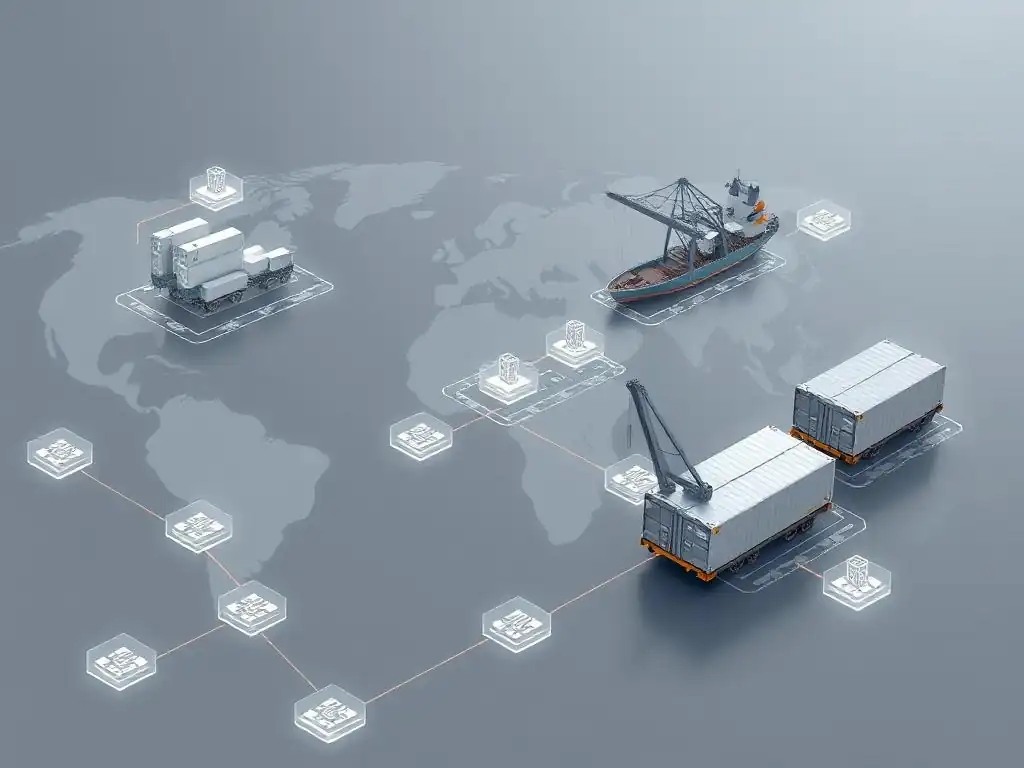
Numerous companies are moving beyond pilot projects and implementing blockchain solutions to address specific challenges and realize tangible benefits in their supply chains. These real-world examples demonstrate the practical application of blockchain technology and highlight the potential for significant transformation. They serve as powerful illustrations of successful blockchain supply chain disruption strategies already in action across various industries.
These early adopters are gaining competitive advantages by improving efficiency, enhancing trust with partners and consumers, and creating more resilient and transparent supply chain operations. Their experiences provide valuable insights into the implementation process, the challenges encountered, and the measurable outcomes achieved through leveraging distributed ledger technology.
Case Study 1: Walmart Leveraging Blockchain for Enhanced Food Safety and Traceability
Walmart, one of the world's largest retailers, faced the challenge of quickly and accurately tracing the origin of food products, especially in the event of a foodborne illness outbreak. Before blockchain, tracing a single product, like a package of sliced mangoes, back to its farm of origin could take days or even weeks, involving extensive manual record-keeping and phone calls across multiple intermediaries. This delay posed significant health risks and increased the cost and scope of recalls.
Walmart partnered with IBM to implement a blockchain-based traceability system using Hyperledger Fabric for specific food items, starting with leafy greens. Suppliers, processors, distributors, and retailers all record data points about the product's journey on the blockchain. This allows Walmart and other authorized parties to trace a product from store shelf back to the farm in seconds, not days. This dramatic reduction in traceability time significantly enhances food safety, minimizes the impact of recalls, and builds greater trust with consumers, showcasing a successful application of blockchain supply chain disruption strategies in the food industry.
Case Study 2: De Beers Implementing Blockchain to Track Diamonds and Prevent Conflict Sourcing
The diamond industry has long struggled with issues of provenance, counterfeiting, and the trade of "conflict diamonds," which fund civil wars. Ensuring that diamonds are ethically sourced and authentic is crucial for maintaining consumer trust and adhering to regulations like the Kimberley Process. De Beers, a leading diamond company, developed the Tracr platform, a blockchain-based system designed to track diamonds from mine to retailer.
Each rough diamond is registered on the Tracr platform, creating a unique digital identity. As the diamond is cut, polished, and traded, each significant event and transfer of ownership is recorded on the blockchain. This immutable record provides a tamper-proof history, verifying the diamond's origin, characteristics, and ownership at every step. The platform helps prevent conflict diamonds from entering the legitimate supply chain, reduces the risk of counterfeiting, and allows retailers and consumers to confidently verify a diamond's journey, demonstrating a powerful example of blockchain supply chain disruption strategies focused on transparency and ethical sourcing.
The Future of Blockchain in Supply Chain: Trends and Predictions
The adoption of blockchain in supply chains is still in its relatively early stages, but the trajectory suggests significant future growth and innovation. Several key trends are expected to shape the evolution of blockchain supply chain disruption strategies, leading to more integrated, intelligent, and decentralized networks. The technology is poised to move beyond niche applications to become a foundational layer for global trade and logistics.
Predictions point towards increased collaboration across industries to build shared infrastructure, greater integration with complementary technologies, and a more profound impact on supply chain finance. As the technology matures and regulatory clarity improves, blockchain's role will expand, driving further efficiency gains, enhancing resilience, and enabling new business models within the supply chain ecosystem.
The Rise of Decentralized Supply Chains
Current supply chains are often structured around central hubs and intermediaries. The future, enabled by blockchain, may see the rise of more decentralized supply chains. In this model, participants interact directly with each other via the blockchain network, reducing reliance on centralized platforms or brokers. This decentralization can lead to increased resilience, as there is no single point of control or failure that can disrupt the entire network.
Decentralized autonomous organizations (DAOs) could potentially manage aspects of supply chain governance, and asset tokenization could allow for fractional ownership and more fluid trading of goods or components. This shift towards decentralization aligns with the core principles of blockchain and could fundamentally alter the power dynamics and structure of global trade, representing a significant evolution in blockchain supply chain disruption strategies.
Integration of Blockchain with IoT and AI for Smart Supply Chains
The true power of blockchain in the future supply chain will likely be unlocked through its integration with other emerging technologies, particularly the Internet of Things (IoT) and Artificial Intelligence (AI). IoT sensors can provide real-time data on the physical state and location of goods (e.g., temperature, humidity, location, vibrations), which can be automatically recorded onto the blockchain via oracles. This combination creates a trustworthy bridge between the physical world and the digital ledger.
AI algorithms can then analyze this vast amount of immutable, real-time data from the blockchain and IoT sensors to optimize routes, predict potential disruptions, manage inventory more effectively, and automate decision-making. For example, AI could analyze blockchain-recorded transit data and IoT temperature logs to predict potential spoilage and automatically trigger alerts or reroute shipments via smart contracts. This synergy will create "smart supply chains" that are highly automated, predictive, and responsive, representing advanced blockchain supply chain disruption strategies.
The Impact of Blockchain on Supply Chain Finance and Trade
Blockchain is set to revolutionize supply chain finance by providing greater transparency and efficiency in funding and payment processes. The immutable record of transactions on a blockchain makes it easier for lenders to assess risk and offer financing against verifiable invoices or purchase orders recorded on the ledger. This can facilitate easier access to working capital for small and medium-sized enterprises (SMEs) within the supply chain, who often struggle to obtain traditional financing.
Tokenization of assets – such as goods, components, or even entire shipments – on a blockchain could enable new forms of trade finance and asset financing. Furthermore, smart contracts can automate payments triggered by verifiable events, reducing payment delays and disputes. Platforms are emerging that use blockchain to streamline trade finance processes, potentially unlocking billions in currently illiquid assets and making global trade finance more accessible and efficient, demonstrating a profound impact of blockchain supply chain disruption strategies on financial flows.
Preparing for Blockchain-Driven Supply Chain Disruption: A Roadmap
Organizations looking to leverage the potential of blockchain for supply chain transformation need a structured approach. Simply adopting the technology without a clear strategy and preparation is unlikely to yield desired results. A well-defined roadmap is essential for navigating the complexities of implementation and ensuring that investments deliver tangible value. Preparing for blockchain supply chain disruption strategies involves assessing current capabilities, planning the integration, and investing in the necessary resources.
This preparation is not just about technology; it also involves evaluating existing processes, engaging with supply chain partners, and building internal expertise. Successful adoption requires a holistic view, considering the impact on people, processes, and technology across the entire ecosystem.
Assessing Your Organization's Readiness for Blockchain Adoption
The first step in preparing for blockchain adoption is to conduct a thorough assessment of your organization's current supply chain operations, technology infrastructure, and overall readiness for change. This involves identifying existing pain points that blockchain could address (e.g., lack of traceability, high transaction costs, fraud risks). Evaluate your current data management practices and system interoperability.
Assess your internal capabilities, including technical expertise and understanding of blockchain technology among key personnel. Consider the readiness of your supply chain partners to participate in a blockchain network. Are they technologically capable? Are they willing to share data and collaborate? A realistic assessment helps identify gaps and determine the feasibility and scope of initial blockchain initiatives, forming the basis of effective blockchain supply chain disruption strategies.
Developing a Blockchain Strategy for Your Supply Chain
Based on the readiness assessment, the next step is to develop a clear and focused blockchain strategy. This involves defining the specific goals you aim to achieve with blockchain (e.g., improve traceability for a specific product line, reduce payment cycles, enhance data security). Identify the specific use cases that offer the most potential value and align with your business objectives.
Choose the appropriate type of blockchain network (e.g., public, private, permissioned) and platform based on your use case requirements, scalability needs, and privacy considerations. Outline the necessary technical architecture, including how the blockchain will integrate with existing ERP, WMS, or other legacy systems. Define the governance model for the blockchain network, including rules for participation, data access, and consensus mechanisms. A well-articulated strategy provides a clear direction for implementing blockchain supply chain disruption strategies.
Investing in Talent and Resources for Blockchain Implementation
Implementing and managing blockchain solutions requires specialized skills that may not currently exist within your organization. Investing in talent development and acquiring necessary resources is crucial for successful adoption. This includes hiring or training personnel with expertise in blockchain development, cryptography, distributed systems, and smart contract programming.
Beyond technical skills, your team will need individuals who understand the complexities of supply chain processes and can bridge the gap between business requirements and technical implementation. Allocate sufficient budget for technology infrastructure, platform costs, integration efforts, and ongoing maintenance. Consider partnering with blockchain technology providers or consulting firms that have experience in supply chain applications. Building a skilled team and securing adequate resources are foundational steps for executing robust blockchain supply chain disruption strategies.
Conclusion: Embracing Blockchain for a More Efficient and Transparent Supply Chain
Blockchain technology is not merely an incremental improvement but a transformative force capable of fundamentally reshaping how supply chains operate. Its core attributes of transparency, immutability, security, and efficiency directly address many of the deep-seated challenges that have long plagued global logistics and trade. By enabling a shared, trustworthy ledger for all transactions and events, blockchain fosters unprecedented collaboration and visibility among disparate supply chain partners.
Implementing effective blockchain supply chain disruption strategies allows businesses to enhance product traceability from end-to-end, significantly reduce the risk of counterfeiting and fraud, streamline complex processes through automation via smart contracts, and drastically cut down on administrative overhead and transaction costs. Real-world examples across industries, from food safety to luxury goods, demonstrate that the technology is moving beyond theoretical potential to deliver tangible, measurable benefits today.
The Long-Term Benefits of Blockchain Supply Chain Disruption Strategies
The long-term benefits of adopting blockchain supply chain disruption strategies extend far beyond immediate cost savings and efficiency gains. Over time, blockchain enables the creation of more resilient, agile, and responsive supply chains better equipped to handle disruptions and changing market demands. The enhanced trust and transparency build stronger relationships with suppliers, partners, and customers, leading to improved collaboration and potentially new business opportunities.
Furthermore, blockchain provides the verifiable data needed to support sustainability initiatives, ethical sourcing claims, and compliance with complex global regulations. It unlocks new possibilities in supply chain finance and asset management through tokenization and automated processes. Ultimately, embracing blockchain positions organizations to thrive in an increasingly complex global marketplace by building a supply chain that is not only more efficient and transparent but also more secure, trustworthy, and prepared for the future.
Blockchain: A Critical Enabler for the Future of Supply Chain Management
As supply chains continue to evolve, becoming more globalized, complex, and data-driven, blockchain technology will become an increasingly critical enabler for competitive advantage. Its ability to provide a single source of truth and automate processes in a trustless environment makes it uniquely suited to underpin the next generation of supply chain management systems. The integration of blockchain with IoT for real-time monitoring and AI for predictive analytics will create intelligent, self-optimizing networks.
Organizations that proactively explore and implement blockchain supply chain disruption strategies will be better positioned to navigate future challenges, seize new opportunities, and build supply chains that are not only highly efficient and transparent but also fundamentally more secure and reliable. The journey towards a blockchain-powered supply chain is underway, promising a future of global trade that is faster, cheaper, safer, and more trustworthy for everyone involved.
Frequently Asked Questions
How can blockchain technology help mitigate supply chain disruptions?
Blockchain offers improved transparency and traceability throughout the supply chain. This allows for faster identification and resolution of disruptions, reducing downtime and costs.
What are some specific use cases of blockchain in supply chain management beyond tracking goods?
Beyond tracking, blockchain can facilitate smart contracts for automated payments, secure data sharing between parties, and improved inventory management to prevent shortages or overstocking.
What are the main challenges in implementing blockchain for supply chain management?
Challenges include the need for industry-wide adoption, integration with existing legacy systems, and concerns about data privacy and security. Establishing common standards is also crucial.
What role does decentralization play in reducing supply chain vulnerabilities?
Decentralization reduces reliance on single points of failure, making the supply chain more resilient. Immutable records on the blockchain prevent tampering and ensure data integrity.
How does blockchain impact the relationship between suppliers, manufacturers, and distributors?
Blockchain fosters greater trust and collaboration by providing a shared, verifiable record of transactions. This leads to more efficient communication and reduced disputes amongst stakeholders.
Final Reflection: Embracing the Blockchain Revolution
The exploration of blockchain's transformative power within supply chain management reveals a landscape ripe with opportunity, yet also demanding careful navigation. The potential for increased transparency, security, and efficiency is undeniable, but realizing these benefits requires a strategic and thoughtful approach. The disruption is not merely technological; it's a fundamental shift in how we perceive and manage the flow of goods and information across the globe.
The impact of blockchain on supply chains extends far beyond simple cost reduction. It's about building trust, fostering collaboration, and creating a more resilient and responsive global network. Witnessing the early adopters reap the rewards of this technology underscores the urgency for businesses to understand and integrate blockchain strategies. The future of supply chain isn't about competing, it's about collaborating. Blockchain enables that collaboration in a way we've never seen before.
- Don Tapscott, Author of Blockchain Revolution. This quote encapsulates the paradigm shift we are experiencing, moving from siloed operations to interconnected ecosystems.
As we stand at the cusp of this blockchain revolution, I invite you to reflect on your own organization's readiness. Are you prepared to embrace the transparency and accountability that blockchain demands? Are you actively exploring the potential of this technology to optimize your supply chain and build a more sustainable future? The time to act is now. Let us collectively harness the power of blockchain to create supply chains that are not only efficient but also ethical, resilient, and ultimately, transformative.
Unleash the Future: Start Building Your Blockchain Supply Chain!
Thank you for diving into the world of blockchain and its transformative power for supply chain management! We hope this article has illuminated the possibilities and inspired you to consider the potential for your own organization. Now, it's time to take action and explore the next steps:
- Dive Deep: Begin researching blockchain solutions tailored for your specific industry and supply chain needs. Identify potential pain points that blockchain can address.:
- Join the Conversation: Share this article with your network and start a discussion about how blockchain could revolutionize supply chain practices.
- Experiment with Innovation: Consider participating in a small-scale blockchain pilot project to test the technology's feasibility and potential benefits in a controlled environment.
What are the biggest obstacles preventing your organization from adopting blockchain in its supply chain, and how can you overcome them?
Leave a Reply