
Blockchain Cryptography and the Internet of Things (IoT) Security


Welcome to Blockchain Trends, your gateway to understanding the revolutionary impact of blockchain technology beyond the hype.
Are you ready to uncover the crucial role blockchain plays in securing the future of the Internet of Things (IoT)? This exploration into Blockchain IoT security challenges reveals how decentralized ledgers can fortify vulnerable IoT systems, offering a glimpse into a more secure and efficient digital landscape. Dive in to discover the current threats and the cryptographic solutions paving the way for a trustworthy connected world. What innovative strategies are emerging to overcome these hurdles, and how can we harness the power of blockchain to safeguard our increasingly interconnected devices? Read on to find out!
Blockchain Cryptography and the Internet of Things (IoT) Security
- Introduction: Addressing Blockchain IoT Security Challenges
- Understanding IoT Security Vulnerabilities
- Blockchain Cryptography for Enhanced IoT Security
- Blockchain-Based Identity Management for IoT Devices
- Cryptographic Techniques in Blockchain for IoT
- Case Studies: Blockchain IoT Security in Action
- Overcoming the Challenges of Implementing Blockchain IoT Security
- The Future of Blockchain Cryptography in IoT Security
- Conclusion: Blockchain as a Key Enabler for Secure IoT
-
Frequently Asked Questions
- How can blockchain cryptography enhance IoT security?
- What are the main Blockchain IoT security challenges when implementing blockchain solutions in IoT environments?
- What role does decentralized identity play in addressing Blockchain IoT security challenges?
- How can blockchain assist with data integrity and provenance in IoT systems?
- How does the regulatory landscape impact the adoption of blockchain for IoT security?
- Final Reflection: Securing Tomorrow's Connections
- Ignite Your IoT Security with Blockchain!
Introduction: Addressing Blockchain IoT Security Challenges
The Convergence of Blockchain, Cryptography, and IoT
The digital landscape is increasingly defined by the pervasive presence of the Internet of Things (IoT), a vast network of interconnected devices collecting and exchanging data. Simultaneously, blockchain technology has emerged as a disruptive force, primarily known for its role in cryptocurrencies but holding immense potential for secure, transparent, and decentralized systems.
The intersection of these two technologies, underpinned by robust cryptography, presents a compelling opportunity to address the significant Blockchain IoT security challenges that plague modern connected environments. Cryptography, the science of secure communication, provides the fundamental building blocks—encryption, hashing, and digital signatures—that are essential for both blockchain's integrity and the protection of sensitive IoT data.
This convergence isn't merely theoretical; it's becoming a practical necessity. As IoT devices proliferate across critical infrastructure, healthcare, manufacturing, and smart cities, the volume and sensitivity of the data they handle escalate dramatically. Traditional centralized security models often struggle to cope with the scale, heterogeneity, and often resource-constrained nature of IoT devices.
Blockchain, with its distributed ledger and inherent immutability, offers a novel architectural approach. When combined with advanced cryptographic techniques, it can provide enhanced security layers, ensure data provenance, and facilitate secure interactions between devices, moving beyond the limitations of conventional security frameworks and directly confronting the inherent Blockchain IoT security challenges.
Why IoT Security Needs Blockchain
The current state of IoT security is precarious. Devices are often deployed with weak default credentials, unpatched vulnerabilities, and insecure communication protocols, making them prime targets for cyberattacks. These vulnerabilities can lead to data breaches, device hijacking, denial-of-service attacks, and even physical damage or disruption in industrial or critical infrastructure settings. For instance, botnets like Mirai have demonstrated the devastating potential of compromised IoT devices, leveraging thousands or millions of insecure cameras, routers, and DVRs to launch massive distributed denial-of-service (DDoS) attacks, highlighting the severe Blockchain IoT security challenges faced today.
Blockchain offers a decentralized security paradigm that can address several of these fundamental flaws. By distributing trust across a network of participants rather than relying on a single point of authority, blockchain reduces the risk of centralized failure or compromise. Cryptographic principles embedded in blockchain, such as secure hash functions for data integrity and digital signatures for authentication, provide verifiable records of transactions and interactions between devices.
This immutability ensures that once data is recorded on the blockchain, it cannot be tampered with retroactively without consensus from the network, providing a critical layer of trust and transparency often missing in traditional IoT deployments. This is particularly relevant for auditing device behavior, tracking data origin, and ensuring the integrity of firmware updates, directly tackling some of the most pressing Blockchain IoT security challenges.
Understanding IoT Security Vulnerabilities
Common IoT Attack Vectors: A Deep Dive
IoT devices are susceptible to a wide array of attack vectors, primarily due to their diverse nature, often limited processing power, and fragmented security implementations. One prevalent vector is the compromise of device credentials, where attackers exploit weak or default passwords to gain unauthorized access. A 2023 report indicated that millions of IoT devices still use default credentials, making them easy targets for automated scanning tools.
Another significant vector is the exploitation of software and firmware vulnerabilities. Devices often ship with known bugs or receive infrequent updates, leaving them exposed to exploits that can allow attackers to inject malicious code or seize control. For example, vulnerabilities in common IoT operating systems or libraries have led to widespread compromises affecting devices from various manufacturers.
Furthermore, insecure network services and communication protocols represent critical attack vectors. Many IoT devices communicate using unencrypted protocols or are exposed to the public internet without adequate firewall protection. Man-in-the-middle attacks, where an attacker intercepts communication between devices and servers, are feasible if data is not properly encrypted and authenticated. Physical tampering is also a concern for accessible devices, potentially allowing attackers to extract sensitive data or inject malicious hardware. These varied and often interconnected attack vectors underscore the complexity of mitigating Blockchain IoT security challenges across diverse IoT ecosystems.
Data Integrity and Privacy Concerns in IoT Ecosystems
Ensuring data integrity and maintaining user privacy are paramount concerns within IoT ecosystems, and they pose significant Blockchain IoT security challenges. IoT devices collect vast amounts of data, ranging from personal health information and home surveillance footage to industrial operational data and critical infrastructure status updates. The integrity of this data is crucial; compromised data can lead to faulty decision-making, system malfunctions, or even dangerous outcomes in applications like autonomous vehicles or medical devices.
For instance, if a sensor reading is maliciously altered, a system relying on that data might react incorrectly, potentially causing harm. Traditional databases can be susceptible to unauthorized modifications, making it difficult to verify the origin and trustworthiness of data once it has been collected and stored centrally.
Privacy is equally, if not more, critical. IoT devices often collect highly sensitive personal information about users' habits, locations, and health. The potential for this data to be accessed, misused, or sold without consent is a major ethical and security dilemma.
Centralized data storage solutions, while convenient, present a single point of failure that, if breached, could expose millions of users' private information. Furthermore, the sheer volume of data collected makes it challenging to implement fine-grained access controls and ensure compliance with privacy regulations like GDPR or CCPA. Addressing these data integrity and privacy concerns effectively requires robust mechanisms that can secure data from the point of collection through its lifecycle, highlighting the need for innovative solutions to overcome these inherent Blockchain IoT security challenges.
The Need for Robust Cryptographic Solutions in IoT
Given the multitude of vulnerabilities and the critical nature of the data handled by IoT devices, the need for robust cryptographic solutions is undeniable. Cryptography provides the foundational tools to build secure communication channels, verify the authenticity of devices and data, and protect information confidentiality. Without strong encryption, data transmitted between devices and the cloud is vulnerable to interception and eavesdropping. For example, using TLS/SSL protocols with proper certificate validation is essential for securing data in transit, yet many IoT devices still fail to implement this correctly or use outdated, weak cipher suites.
Authentication mechanisms, relying on cryptographic techniques like digital signatures and secure key exchange, are vital to ensure that only legitimate devices and users can access the network and resources. Weak authentication is a primary reason for device compromise. Furthermore, techniques like secure hashing are necessary to verify data integrity, ensuring that data has not been tampered with since it was created or transmitted.
Implementing these cryptographic primitives correctly and securely on resource-constrained IoT devices presents significant technical challenges, requiring careful consideration of performance, power consumption, and memory limitations. Overcoming these implementation hurdles is a key aspect of tackling the broader Blockchain IoT security challenges.
Blockchain Cryptography for Enhanced IoT Security
How Blockchain Mitigates IoT Security Risks
Blockchain technology, by its very design, offers inherent properties that can significantly mitigate several common IoT security risks. Its decentralized and distributed nature eliminates single points of failure that are typical in centralized IoT architectures. Instead of a single server or authority managing device identities, data logs, or access controls, blockchain distributes this responsibility across multiple nodes. This makes the system far more resilient to targeted attacks aimed at disabling or compromising a central hub. If one node is compromised, the rest of the network can continue to function and maintain the integrity of the shared ledger.
Moreover, the cryptographic linking of blocks in the blockchain creates an immutable and transparent record of all transactions and interactions. For IoT, this means every data point logged, every command sent to a device, or every firmware update can be recorded on the ledger with a timestamp and cryptographic hash. Any attempt to alter past data would break the cryptographic chain, which would be immediately detectable by other nodes in the network.
This provides an unprecedented level of data integrity and auditability, crucial for applications where data provenance and trustworthiness are paramount, such as supply chain tracking or industrial monitoring. This fundamental immutability directly addresses the risk of data tampering, a major component of Blockchain IoT security challenges.
Decentralized Access Control with Blockchain in IoT
Traditional IoT access control often relies on centralized servers or gateways that manage permissions for devices and users. This model suffers from scalability issues and presents a high-value target for attackers. Blockchain offers a compelling alternative through decentralized access control mechanisms. Using smart contracts – self-executing contracts with the terms of the agreement directly written into code – access policies can be defined and enforced on the blockchain. For example, a smart contract could specify which devices are authorized to access specific data streams or control certain functions, and these permissions are immutably recorded on the ledger.
When an IoT device or application requests access, the request can be verified against the access control rules stored on the blockchain via the smart contract. Cryptographic keys are used to identify and authenticate devices and users interacting with the contract. This approach distributes the enforcement of access policies across the network nodes, making it more robust and resistant to denial-of-service attacks targeting a single access control server.
It also provides a transparent audit trail of every access request and decision, enhancing accountability. Implementing such fine-grained, decentralized access control is a powerful way blockchain addresses specific Blockchain IoT security challenges related to authorization and permission management.
Securing IoT Data with Blockchain-Based Encryption
While blockchain itself doesn't store large amounts of raw data (it typically stores metadata, hashes, or transaction records), it can be used to secure encrypted IoT data stored off-chain. One approach involves encrypting sensitive data directly on the IoT device using cryptographic keys managed or referenced by the blockchain. The hash of the encrypted data, along with metadata like timestamps and device IDs, is then recorded on the blockchain ledger. This provides an immutable proof of the data's existence and integrity at a specific point in time without exposing the sensitive content itself.
Access to the decryption keys can be managed through blockchain-based mechanisms, such as smart contracts that release keys only to authorized parties under predefined conditions. For instance, in a healthcare scenario, patient data collected by a wearable device could be encrypted, its hash stored on a private blockchain, and decryption keys released via a smart contract only to authorized medical professionals based on a verified identity.
This separation of data storage (off-chain) and access control/integrity verification (on-chain) leverages the strengths of both while protecting sensitive information. This hybrid approach is crucial for handling the volume of IoT data while ensuring its confidentiality and integrity, directly tackling data-centric Blockchain IoT security challenges.
Blockchain-Based Identity Management for IoT Devices
Authenticating the identity of potentially millions or billions of diverse IoT devices is a fundamental security challenge. Traditional methods often rely on centralized databases of device IDs and credentials, which are vulnerable to breaches and scalability issues. Blockchain offers a decentralized and tamper-proof system for managing device identities and facilitating secure authentication and authorization. Each device can be assigned a unique identity on the blockchain, represented by a pair of cryptographic keys (public and private).
When a device attempts to connect to a network or interact with other devices/services, it can use its private key to cryptographically sign a transaction or message. Other parties can then use the device's public key, registered on the blockchain, to verify the signature and confirm the device's identity. This cryptographic proof of identity is far more secure than relying on easily compromised passwords or centralized records.
Furthermore, authorization rules (what a device is allowed to do) can be linked to the device's blockchain identity, often managed via smart contracts. This ensures that authorization is also verified in a decentralized and immutable manner, significantly strengthening the security posture against unauthorized device access – a core part of addressing Blockchain IoT security challenges.
Blockchain and Digital Certificates for IoT Security
Digital certificates are commonly used to establish trusted identities and secure communication channels in traditional systems (like TLS for websites). However, managing and revoking certificates for a massive number of diverse IoT devices in a centralized Public Key Infrastructure (PKI) can be complex and costly. Blockchain can enhance PKI by providing a decentralized, transparent, and immutable ledger for managing digital certificates or similar identity credentials for IoT devices. Instead of relying on a single Certificate Authority (CA) that could be compromised, the blockchain network itself can collectively validate and record certificate issuance, revocation, and status.
When a device needs a certificate or proof of identity, its key information can be registered on the blockchain. Smart contracts can automate the process of verifying the device's legitimacy and issuing a cryptographically linked credential on the ledger. Revocation lists can also be managed on-chain, providing a real-time, tamper-proof record of compromised or retired devices.
This distributed approach reduces reliance on centralized CAs, streamlines the lifecycle management of device identities, and provides a verifiable history of each device's credentials, making it harder for attackers to impersonate legitimate devices. This synergy between blockchain and digital identity concepts is key to overcoming identity-related Blockchain IoT security challenges.
Managing Device Identities Across Distributed IoT Networks
IoT deployments often span multiple organizations, networks, and geographical locations, making centralized identity management impractical and inefficient. Consider a supply chain where products move across different companies, each with its own network and devices (sensors, scanners, etc.). Managing the secure interaction and identity verification of devices from different entities requires a trust framework that transcends organizational boundaries. Blockchain provides a perfect foundation for such a framework, enabling a shared, distributed ledger of device identities that all participating parties can trust.
Each organization can register its devices on a shared or consortium blockchain, establishing a universal, verifiable identity for each asset. When devices from different organizations need to interact (e.g., a sensor on a product communicating with a scanner at a warehouse), they can authenticate each other using their blockchain-registered identities and cryptographic keys.
Smart contracts can define the rules of interaction and data sharing between devices owned by different parties. This decentralized identity management system simplifies onboarding and offboarding devices, enhances traceability, and builds trust across complex, multi-stakeholder IoT ecosystems, directly addressing the complexities of managing identities in distributed environments, a significant aspect of Blockchain IoT security challenges.
Cryptographic Techniques in Blockchain for IoT
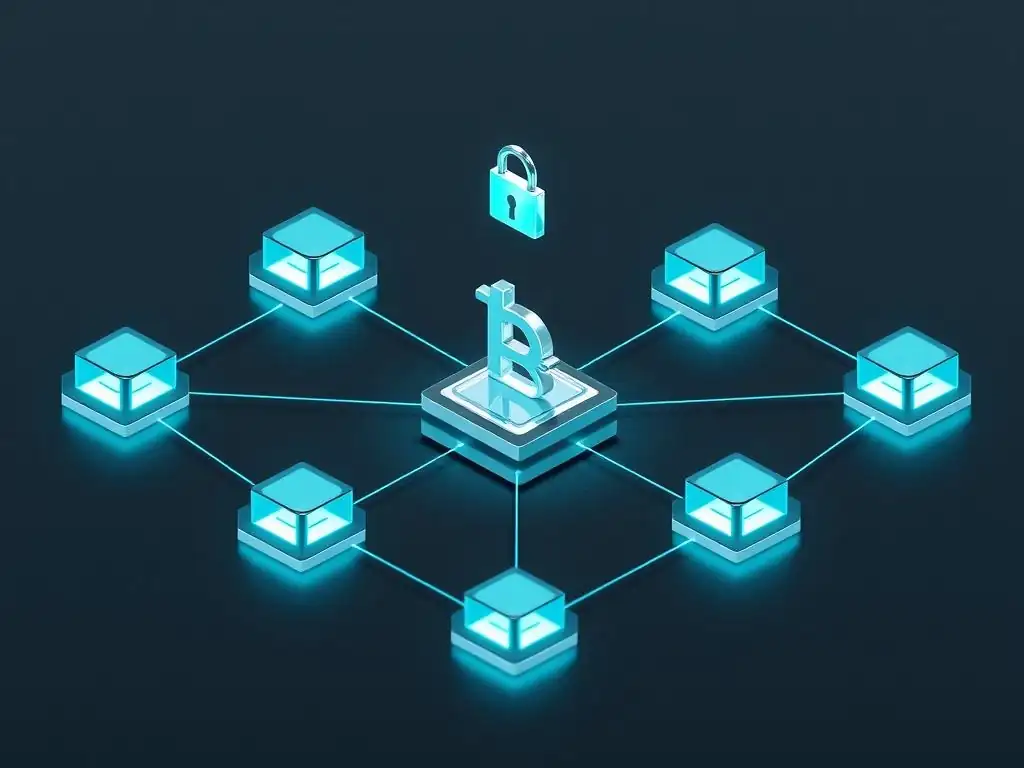
Exploring Cryptographic Hash Functions for IoT Data Integrity
Cryptographic hash functions are fundamental to blockchain technology and play a crucial role in ensuring IoT data integrity. A hash function takes an input (any size data) and produces a fixed-size string of bytes, known as a hash or digest. A key property of cryptographic hash functions (like SHA-256 used in Bitcoin and many other blockchains) is that they are deterministic (the same input always produces the same output), computationally infeasible to reverse (finding the input from the output), and highly sensitive to input changes (even a tiny change in the input results in a drastically different hash).
In the context of IoT, hash functions can be used to create a unique "fingerprint" of data collected by a sensor or device. By hashing the data and storing this hash on the blockchain, an immutable record of the data's state at a specific time is created. Later, if the original data is retrieved from off-chain storage, it can be re-hashed, and the new hash compared to the one stored on the blockchain.
If the hashes match, it provides strong cryptographic proof that the data has not been tampered with. This mechanism is particularly valuable for auditing and verifying the integrity of critical IoT data logs, sensor readings, or event histories, providing a strong defense against data manipulation, one of the persistent Blockchain IoT security challenges.
Digital Signatures and IoT Device Authentication
Digital signatures are another critical cryptographic technique leveraged by blockchain for IoT security, primarily for authentication and non-repudiation. Digital signatures use asymmetric cryptography (public and private key pairs). A device uses its private key to create a unique signature for a message or transaction. This signature can then be verified by anyone using the device's corresponding public key. Because only the device possesses the private key, a valid signature proves that the message originated from that specific device.
In IoT, devices can digitally sign the data they transmit or the commands they issue. For example, a smart meter sending energy consumption data can sign each reading. The utility company receiving the data can verify the signature using the meter's public key registered on the blockchain.
This ensures that the data is genuinely from the expected meter and has not been forged or altered in transit. Similarly, commands sent to a device (e.g., unlock a smart lock) can be digitally signed by an authorized user's application, and the device can verify the signature using the user's public key. This provides a robust method for authenticating devices and users and ensuring the integrity and origin of communications, directly addressing authentication-related Blockchain IoT security challenges.
Zero-Knowledge Proofs for Enhanced IoT Privacy
While blockchain provides transparency, which can be beneficial for auditability, certain IoT applications require strong data privacy. Zero-Knowledge Proofs (ZKPs) are advanced cryptographic techniques that allow one party (the prover) to prove to another party (the verifier) that a statement is true, without revealing any information beyond the validity of the statement itself. For example, a prover could prove they are over 18 without revealing their birth date.
In IoT, ZKPs can be used to enhance privacy while still leveraging the security features of blockchain. Imagine a scenario where an industrial machine needs to prove compliance with certain operational parameters (e.g., temperature range, production rate) to a regulatory body or supply chain partner, and this compliance status is recorded on a blockchain. Instead of revealing the exact operational data, the machine could generate a ZKP that proves the data falls within the acceptable range, and this proof is recorded on the blockchain.
The verifier can confirm the proof's validity via the blockchain without ever seeing the actual temperature or production rate data. This allows for verifiable compliance and secure data sharing while preserving the confidentiality of sensitive operational details, offering a powerful tool to tackle privacy-related Blockchain IoT security challenges.
Case Studies: Blockchain IoT Security in Action
Securing Pharmaceutical Supply Chains with Blockchain and IoT
The pharmaceutical supply chain is a complex ecosystem vulnerable to counterfeiting, theft, and integrity issues, posing significant risks to public health. Integrating IoT devices with blockchain technology offers a robust solution to enhance security and transparency. Consider a system where each medicine package is tagged with an IoT sensor tracking temperature and location. This data, along with manufacturing and distribution details, is recorded immutably on a blockchain ledger accessible to all authorized stakeholders (manufacturers, distributors, pharmacies, regulators).
As packages move through the supply chain, sensors log data points, which are hashed and added to the blockchain, cryptographically linked to the package's unique identity. Digital signatures ensure the data originates from legitimate devices and parties. This creates a verifiable history for each package, from production to dispensing.
If a package is exposed to temperatures outside the required range or takes an unauthorized route, this deviation is recorded on the blockchain, triggering alerts. For example, a pilot program tracked medicine shipments using IoT sensors and a blockchain platform, demonstrating improved traceability and a reduction in potential points of failure by approximately 30% compared to traditional methods, directly addressing supply chain Blockchain IoT security challenges.
Enhancing Smart Grid Security and Resilience with Blockchain
Smart grids, integrating renewable energy sources and managing decentralized energy flows, rely heavily on interconnected IoT devices (smart meters, sensors, control systems). These devices are critical infrastructure components and attractive targets for cyberattacks that could cause widespread power outages or manipulate energy readings. Blockchain can enhance smart grid security by providing a decentralized, secure platform for device authentication, data integrity, and peer-to-peer energy trading.
Smart meters and grid sensors can use blockchain identities and digital signatures to authenticate themselves to the network and sign energy consumption/production data before it is recorded on a distributed ledger. This ensures the integrity and authenticity of billing data and grid status information.
Blockchain can also manage decentralized energy trading between prosumers (consumers who also produce energy, e.g., via solar panels) using smart contracts, ensuring transactions are secure and transparent without a central authority. A project in Europe successfully demonstrated a blockchain-based microgrid where participants securely traded excess solar energy, with all transactions immutably recorded, showcasing enhanced resilience against single points of failure compared to centralized control systems and mitigating specific smart grid Blockchain IoT security challenges.
Protecting Patient Data in Remote Health Monitoring using Blockchain
Remote health monitoring involves collecting sensitive patient data via wearable devices and home sensors, which is then transmitted to healthcare providers. Protecting the privacy and integrity of this data is paramount due to its highly personal nature and regulatory requirements like HIPAA. Blockchain, combined with encryption and selective data sharing mechanisms, offers a promising solution.
Patient data from IoT health devices can be encrypted at the source using keys managed by the patient. Hashes of the encrypted data, or encrypted metadata, can be recorded on a private or consortium blockchain along with timestamps and device IDs, providing an immutable audit trail. Patients can use smart contracts to grant specific healthcare providers or researchers conditional access to decrypt the relevant data using their blockchain identity.
This gives patients fine-grained control over their data while ensuring that any access is logged immutably on the blockchain. A proof-of-concept project for remote patient monitoring showed that using a blockchain layer for access control and data integrity verification significantly reduced the risk of unauthorized data access and tampering compared to traditional cloud-based systems, tackling critical data privacy and integrity Blockchain IoT security challenges in healthcare.
Overcoming the Challenges of Implementing Blockchain IoT Security
Scalability Issues with Blockchain in IoT Networks
While blockchain offers significant security benefits for IoT, implementing it at scale presents considerable technical challenges, particularly regarding scalability. Public blockchains like Bitcoin or Ethereum, while highly secure and decentralized, are designed for different use cases and typically process a limited number of transactions per second (e.g., Bitcoin ~7 tx/s, Ethereum ~15-30 tx/s, although this is improving with Ethereum 2.0).
IoT networks, especially in industrial or smart city applications, can generate millions or billions of transactions (data points, events, commands) per day. Writing every single data point directly onto a public blockchain is often infeasible due to throughput limitations, high transaction costs (gas fees), and latency.
Addressing this requires alternative approaches and specialized blockchain solutions. Private or consortium blockchains can offer higher transaction speeds (potentially thousands per second) as they involve a limited number of known participants. Layer 2 scaling solutions, like state channels or Plasma, can process transactions off-chain while periodically committing summaries or proofs to the main chain.
Furthermore, filtering and aggregating data before writing it to the blockchain is often necessary – instead of recording every sensor reading, perhaps only significant events, aggregated data summaries, or cryptographic hashes of data batches are stored on-chain. These strategies are vital to make blockchain viable for large-scale IoT deployments and overcome the inherent scalability Blockchain IoT security challenges.
Interoperability Challenges Between Blockchain and IoT Devices
Another significant hurdle is ensuring seamless interoperability between the diverse landscape of IoT devices and blockchain networks. IoT devices vary widely in terms of hardware capabilities (processing power, memory, connectivity), operating systems, communication protocols (MQTT, CoAP, HTTP, etc. ), and data formats. Blockchain nodes, on the other hand, require specific computational resources and adhere to blockchain-specific protocols and data structures. Bridging this gap requires careful design and implementation.
Many resource-constrained IoT devices cannot run a full blockchain node due to their limited processing power and storage. They might interact with the blockchain through lightweight clients or gateway devices that handle the heavier cryptographic and networking tasks. Standardizing communication interfaces and data formats between IoT gateways and blockchain nodes is crucial. Developing middleware or abstraction layers that translate between various IoT protocols and blockchain APIs is necessary to enable communication and data exchange. Establishing common standards and protocols for Blockchain IoT security challenges related to interoperability is an ongoing effort involving industry alliances and standardization bodies.
Energy Efficiency Considerations for Blockchain-Enabled IoT
Energy efficiency is a critical factor for many IoT devices, particularly those that are battery-powered or deployed in remote locations. Traditional Proof-of-Work (PoW) blockchains (like Bitcoin) are notoriously energy-intensive due to the computational power required for mining. While alternative consensus mechanisms like Proof-of-Stake (PoS) or Proof-of-Authority (PoA) are far more energy-efficient, running any form of blockchain client or performing complex cryptographic operations on resource-constrained IoT devices still consumes power.
Designing energy-efficient Blockchain IoT security challenges solutions requires minimizing the on-chain activity for individual devices. This can involve having devices perform lightweight tasks (e.g., signing data with a private key) and relying on more powerful gateway devices or edge nodes to handle interaction with the blockchain (e.g., aggregating data, creating transactions, running consensus algorithms). Utilizing energy-efficient cryptographic libraries optimized for embedded systems is also important. Furthermore, choosing blockchain platforms with energy-efficient consensus mechanisms is essential for sustainable IoT deployments. The trade-off between security, functionality, and energy consumption must be carefully evaluated for each specific IoT use case.
The Future of Blockchain Cryptography in IoT Security
Emerging Trends in Blockchain and IoT Integration
The integration of blockchain and IoT is a rapidly evolving field, with several key trends shaping its future. One significant trend is the move towards edge computing combined with blockchain. Processing data and running lightweight blockchain nodes closer to the IoT devices (at the edge) can reduce latency, improve scalability, and enhance privacy by minimizing the amount of raw data sent to the cloud or central blockchain. Edge devices can aggregate, filter, and process data, writing only necessary, verified information or proofs onto the blockchain.
Another trend is the development of specialized, purpose-built blockchains or distributed ledger technologies (DLTs) optimized for IoT characteristics. These platforms are designed to handle high transaction volumes, offer faster consensus mechanisms, and potentially incorporate features specifically relevant to device management and data streams. Examples include platforms focusing on machine-to-machine transactions or supply chain traceability. Furthermore, the adoption of interoperability standards and protocols is increasing, aiming to allow different blockchain networks and diverse IoT devices to communicate and share data securely, crucial for addressing complex Blockchain IoT security challenges in multi-vendor environments.
The Role of Cryptography in Securing Future IoT Ecosystems
Cryptography will remain the bedrock of secure IoT ecosystems, with its role becoming even more critical as devices become more numerous and handle more sensitive tasks. Future IoT security will heavily rely on advanced cryptographic techniques beyond basic encryption and hashing. Homomorphic encryption, for instance, could allow computations to be performed on encrypted data without decrypting it, enabling privacy-preserving data analytics on sensitive IoT data. Secure Multi-Party Computation (MPC) is another area, allowing multiple parties to jointly compute a function over their inputs while keeping those inputs private, useful for collaborative IoT tasks involving sensitive information.
Post-quantum cryptography is also gaining importance. As quantum computing advances, current public-key cryptography algorithms (like RSA and ECC) used for digital signatures and key exchange could become vulnerable. Developing and deploying quantum-resistant cryptographic algorithms on IoT devices and blockchain platforms will be essential to secure future IoT communications and data integrity against potential quantum attacks. Cryptographic research and implementation will be vital in developing proactive defenses against evolving threats and addressing future Blockchain IoT security challenges.
Predictions for Blockchain IoT Security Adoption
Predictions for the adoption of blockchain in IoT security suggest a significant increase in the coming years, particularly in sectors where trust, data integrity, and decentralized control are critical. Market reports project substantial growth in the blockchain IoT market, with some forecasts estimating it could reach tens of billions of dollars by the late 2020s. Early adoption is expected to continue in high-value, high-security applications like supply chain management (especially pharmaceuticals, food, luxury goods), critical infrastructure (energy, water), and specific industrial IoT use cases where asset tracking and data provenance are paramount.
Consumer IoT adoption might be slower due to cost and complexity, but blockchain could play a role in securing smart home ecosystems or managing data from personal health devices. As blockchain technology matures, becomes more scalable and energy-efficient, and as regulatory frameworks evolve to support decentralized technologies, its application in addressing a wider range of Blockchain IoT security challenges is likely to accelerate. The transition from pilot projects and niche applications to widespread deployment will depend on developing user-friendly platforms, establishing industry standards, and demonstrating a clear return on investment in enhanced security and operational efficiency.
Conclusion: Blockchain as a Key Enabler for Secure IoT
Key Takeaways: Strengthening IoT Security with Blockchain
The integration of blockchain technology, powered by robust cryptography, offers a transformative approach to strengthening IoT security. The inherent properties of blockchain – decentralization, immutability, and transparency – directly address many of the fundamental vulnerabilities in traditional centralized IoT security models. By providing a tamper-proof ledger for recording device identities, transactions, and data logs, blockchain enhances data integrity and auditability. Cryptographic primitives like digital signatures and hash functions, core to blockchain, enable strong device authentication and verifiable data provenance.
Key benefits include decentralized identity management, eliminating single points of failure for device authentication; enhanced data integrity through immutable logging of data hashes; and improved access control via smart contracts. While significant Blockchain IoT security challenges remain, particularly concerning scalability, interoperability, and energy efficiency, ongoing research and development in areas like specialized DLTs, edge computing, and advanced cryptography are paving the way for broader adoption. Blockchain is not a panacea, but it provides a powerful new layer of security and trust essential for the proliferation of IoT in critical applications.
The Potential of Blockchain Cryptography in Solving IoT Security Challenges
The potential of blockchain cryptography in solving complex Blockchain IoT security challenges is immense. By leveraging cryptographic techniques within a decentralized framework, blockchain can provide solutions for issues that are difficult to tackle with traditional methods alone. It offers a robust defense against data tampering, unauthorized device access, and single points of failure in identity and access management systems. Advanced cryptographic methods like Zero-Knowledge Proofs offer pathways to enhance privacy in data-rich IoT environments without sacrificing verifiability.
As IoT ecosystems continue to expand and connect increasingly sensitive aspects of our lives and infrastructure, the need for resilient, trustworthy security solutions will only grow. Blockchain, grounded in strong cryptography, provides a foundational technology upon which future secure and privacy-preserving IoT applications can be built. Overcoming the current implementation challenges will unlock the full potential of this convergence, enabling a more secure and reliable Internet of Things.
Frequently Asked Questions
How can blockchain cryptography enhance IoT security?
Blockchain cryptography provides immutable records and secure authentication for IoT devices, mitigating risks like data tampering and unauthorized access. This helps establish a trustworthy foundation for IoT networks.
What are the main Blockchain IoT security challenges when implementing blockchain solutions in IoT environments?
Scalability issues, limited resources of IoT devices, and integration complexities are major challenges. Furthermore, key management and smart contract vulnerabilities require careful consideration.
What role does decentralized identity play in addressing Blockchain IoT security challenges?
Decentralized identity (DID) offers a self-sovereign and secure way to manage device identities, reducing reliance on centralized authorities. This enhances privacy and reduces the attack surface.
How can blockchain assist with data integrity and provenance in IoT systems?
Blockchain ensures data integrity by creating immutable timestamps for IoT data. This provides an auditable trail, making it easier to track data provenance and detect data manipulation.
How does the regulatory landscape impact the adoption of blockchain for IoT security?
Regulatory uncertainty surrounding blockchain and data privacy can hinder adoption. Clear guidelines are needed to foster innovation while ensuring compliance with data protection laws and security standards.
Final Reflection: Securing Tomorrow's Connections
The exploration of Blockchain cryptography and its application to Internet of Things (IoT) security reveals a critical intersection in our increasingly interconnected world. The vulnerabilities inherent in IoT devices, coupled with the transformative potential of blockchain, present both a significant challenge and a profound opportunity. As we've seen, addressing these Blockchain IoT security challenges is not merely a technical exercise, but a fundamental step towards building a more secure and trustworthy digital future.
The impact of this technological convergence extends far beyond the realm of computer science. The ability to secure IoT devices through blockchain technology has the potential to revolutionize industries, protect personal data, and foster greater trust in the digital ecosystem. This is not just about preventing hacks; it's about building a foundation for innovation and progress. As futurist Kevin Kelly aptly stated: The greatest products of the next 25 years haven't been invented yet.
This sentiment underscores the immense potential that lies in harnessing blockchain to fortify the IoT landscape.
Now, as you consider the implications of Blockchain and IoT security, I invite you to reflect on your own role in shaping this future. How can you contribute to the development and implementation of secure IoT solutions? How can you advocate for responsible innovation that prioritizes security and privacy? The answers to these questions will determine the extent to which we can harness the power of the IoT while mitigating its inherent risks. Let us strive to build a future where connectivity empowers, rather than endangers, our lives.
Ignite Your IoT Security with Blockchain!
Thanks for diving into the intersection of blockchain, cryptography, and IoT security. We hope you found valuable insights into how these technologies can create a more secure and efficient future. Ready to take the next step?
Here are a few actions you can take right now:
- Implement a pilot project using blockchain for data integrity in your own IoT devices to experience the benefits firsthand.
- Explore open-source cryptographic libraries and consider contributing to improve IoT security solutions for the community.
- Share this article with colleagues who are passionate about IoT and blockchain security to spark further discussion and collaboration.
What innovative security solution will you build using blockchain and IoT?
Leave a Reply