
Blockchain in Supply Chain: Revolutionizing Traceability and Transparency


Welcome to Blockchain Trends, your go-to source for understanding the transformative power of blockchain technology.
Are you ready to unlock the secrets to a more transparent and efficient future? Dive into our latest article and discover the blockchain supply chain traceability benefits that are revolutionizing industries worldwide. Learn how this groundbreaking technology is enhancing visibility, reducing fraud, and building trust in global supply networks. What if you could instantly verify the origin and journey of every product? Explore the possibilities now and see how blockchain is reshaping the landscape of traceability.
Blockchain in Supply Chain: Revolutionizing Traceability and Transparency
- Introduction to Blockchain Technology in Supply Chain Management
- Understanding Blockchain Supply Chain Traceability Benefits
-
Implementing Blockchain for Supply Chain Solutions: A Step-by-Step Guide
- Step 1: Identifying Key Pain Points in Your Existing Supply Chain
- Step 2: Selecting the Right Blockchain Platform: Permissioned vs. Public Blockchains
- Step 3: Integrating Blockchain with Existing Supply Chain Systems: ERP and IoT Integration
- Step 4: Defining Data Standards and Protocols for Blockchain-Based Supply Chain Tracking
- Step 5: Pilot Testing and Scaling Your Blockchain Supply Chain Solution
-
Use Cases: Real-World Applications of Blockchain in Supply Chain
- Blockchain for Food Supply Chain Traceability: Ensuring Food Safety and Origin
- Tracking Pharmaceuticals with Blockchain: Combating Counterfeit Drugs
- Utilizing Blockchain for Luxury Goods Authentication: Protecting Brand Integrity
- Enhancing Transparency in Conflict Minerals Supply Chains through Blockchain
- Overcoming Challenges in Blockchain Supply Chain Adoption
- The Future of Blockchain in Supply Chain: Trends and Predictions
- Conclusion: Embracing Blockchain for a More Transparent and Efficient Supply Chain
-
Frequently Asked Questions
- How does blockchain enhance supply chain traceability?
- What are the primary benefits of using blockchain for supply chain management?
- What role does decentralization play in blockchain-based supply chains?
- How does blockchain help in verifying the authenticity of products in the supply chain?
- What are some challenges to implementing blockchain in supply chain traceability?
- Final Reflection: Embracing the Transparent Future
- Unlock Supply Chain Transparency: Your Next Steps
Introduction to Blockchain Technology in Supply Chain Management
Defining Blockchain and its Core Principles for Supply Chains
Blockchain, at its heart, is a decentralized, distributed ledger technology that records transactions across many computers. Each transaction is grouped into a block, cryptographically linked to the previous block, forming a chain. This structure ensures that once data is added to the blockchain, it is extremely difficult, if not impossible, to alter or delete, creating an immutable record. For supply chains, these core principles translate into enhanced security, transparency, and efficiency by providing a single, shared source of truth accessible to all authorized participants.
The key principles of blockchain technology—decentralization, immutability, transparency (to authorized parties), and cryptography—are fundamentally aligned with addressing long-standing challenges in supply chain management. Instead of relying on fragmented, siloed databases held by individual companies, a blockchain network allows participants across the supply chain – from raw material suppliers and manufacturers to distributors, logistics providers, and retailers – to record and verify transactions in a shared, tamper-evident ledger. This shift from traditional, centralized systems to a distributed model reduces reliance on intermediaries and fosters a more collaborative environment.
The Urgent Need for Enhanced Traceability and Transparency in Modern Supply Chains
Modern supply chains are complex, global networks involving numerous parties and handoffs. This complexity often leads to significant challenges, including a lack of end-to-end visibility, difficulty in verifying the origin and authenticity of goods, susceptibility to fraud and counterfeiting, and inefficient dispute resolution. When issues arise, such as a product recall or a quality defect, tracing the item back to its source can be a lengthy, manual, and costly process, often taking days or even weeks.
The demand for greater traceability and transparency is increasing from consumers, regulators, and businesses alike. Consumers want to know where their products come from, how they were sourced, and their environmental impact. Regulators are imposing stricter requirements for product safety and origin verification. Businesses themselves require better visibility to optimize operations, reduce risks, and build trust with partners and customers. The existing patchwork of disparate systems, spreadsheets, and paper-based records is simply inadequate to meet these escalating demands, highlighting the urgent need for a more robust and reliable solution like blockchain technology.
Understanding Blockchain Supply Chain Traceability Benefits
Key Advantages of Blockchain for Supply Chain Visibility
One of the most significant blockchain supply chain traceability benefits is the unprecedented level of visibility it provides. By creating a shared, immutable record of every transaction and movement of goods along the supply chain, from the point of origin to the final destination, blockchain enables end-to-end tracking that was previously difficult or impossible. Participants can access real-time or near real-time information about a product's journey, including its location, ownership history, and condition data (if integrated with IoT sensors).
This enhanced visibility translates into several tangible advantages. It allows companies to pinpoint bottlenecks, identify inefficiencies, and optimize logistics routes. During disruptions or recalls, the ability to quickly trace the source and path of affected goods can drastically reduce response times and mitigate financial and reputational damage. For instance, pilot programs have shown that blockchain can reduce the time it takes to trace the origin of certain food items from several days to mere seconds, a dramatic improvement in blockchain supply chain traceability benefits.
How Blockchain Enhances Trust and Security in Supply Chain Operations
Blockchain's cryptographic security and distributed nature fundamentally enhance trust and security within supply chain operations. Each transaction is cryptographically signed and linked to the previous one, making it virtually impossible for any single party to tamper with the records without it being immediately obvious to others on the network. This immutability ensures the integrity of the data recorded on the ledger, providing a reliable history of a product's journey and transactions.
Furthermore, blockchain can facilitate the use of smart contracts – self-executing contracts with the terms of the agreement directly written into code. These contracts automatically execute predefined actions (like releasing payment) when specific conditions are met and verified on the blockchain (e.g., goods arriving at a certain location or quality checks being completed). This automation reduces the need for intermediaries, minimizes the risk of errors or disputes arising from manual processes, and builds trust among trading partners by ensuring that agreements are executed reliably and transparently based on verifiable data on the shared ledger.
Implementing Blockchain for Supply Chain Solutions: A Step-by-Step Guide
Step 1: Identifying Key Pain Points in Your Existing Supply Chain
The initial step in implementing a blockchain solution for your supply chain is a thorough assessment of your current operations to pinpoint the most critical pain points. This involves analyzing areas where there are significant inefficiencies, lack of visibility, high costs due to manual processes or errors, risks of fraud or counterfeiting, or difficulties in achieving compliance and traceability. Common pain points include opaque origin tracking, slow and costly recall processes, disputes over shipment details or quality, challenges in managing complex supplier networks, and difficulty in verifying ethical sourcing or sustainability claims.
Conducting workshops with different stakeholders across your supply chain – including procurement, logistics, warehousing, quality control, and IT – can help gather comprehensive insights into these challenges. Prioritize the pain points where enhanced blockchain supply chain traceability benefits and transparency can deliver the most significant return on investment, such as improving food safety traceability, combating counterfeit goods, or streamlining trade finance processes. A clear understanding of the problems you are trying to solve will guide the selection of the right blockchain platform and the design of the solution.
Step 2: Selecting the Right Blockchain Platform: Permissioned vs. Public Blockchains
Choosing the appropriate blockchain platform is crucial for a successful supply chain implementation. Generally, enterprise supply chain solutions lean towards permissioned (or private) blockchains rather than public ones. Public blockchains, like the main Ethereum network, are open to anyone, which might not be suitable for businesses needing to control who participates and access sensitive commercial data, despite offering high decentralization.
Permissioned blockchains, such as Hyperledger Fabric or R3 Corda, require participants to be vetted and granted access. They offer greater control over data privacy, higher transaction throughput, and lower transaction costs compared to public blockchains, making them better suited for consortium-based supply chain networks involving known business partners. The selection process should consider factors like scalability requirements (transactions per second), data privacy needs, consensus mechanisms, smart contract capabilities, ease of integration, and the existing technological landscape of your supply chain partners.
Step 3: Integrating Blockchain with Existing Supply Chain Systems: ERP and IoT Integration
For blockchain to provide comprehensive blockchain supply chain traceability benefits, it must seamlessly integrate with your existing enterprise systems, primarily Enterprise Resource Planning (ERP) systems and Internet of Things (IoT) devices. ERP systems typically hold master data about products, suppliers, customers, and transactions. Integrating the blockchain ledger with the ERP allows relevant data points (e.g., shipment initiation, receipt confirmation, quality check results) to be recorded on the blockchain, ensuring consistency between the systems and leveraging the ERP as a source of record while using the blockchain for shared, verifiable history.
IoT devices, such as sensors tracking temperature, humidity, location, or shock during transit, can provide valuable real-time data about the condition and environment of goods. Integrating these devices with the blockchain allows this data to be automatically recorded and linked to specific shipments or products on the ledger. This provides verifiable proof of conditions during transit, which is essential for quality control, compliance (e.g., cold chain monitoring), and triggering smart contract actions based on environmental factors. APIs and middleware are often used to facilitate this data exchange between disparate systems and the blockchain network.
Step 4: Defining Data Standards and Protocols for Blockchain-Based Supply Chain Tracking
Interoperability is key to unlocking the full blockchain supply chain traceability benefits, especially in networks involving multiple participants using different internal systems. Defining clear data standards and protocols is essential to ensure that information shared and recorded on the blockchain is consistent, understandable, and usable by all parties. This involves agreeing on common identifiers for products (e.g., using GS1 standards like GTINs or SSCCs), locations, and participants, as well as standard formats for recording transaction details, events (like shipping, receiving, manufacturing), and associated data (like temperature readings or quality certifications).
Establishing these standards often requires collaboration among the network participants. Industry consortia or working groups can play a vital role in defining these common data models and communication protocols. Without agreed-upon standards, integrating different participants onto the blockchain becomes significantly more complex, hindering network growth and limiting the potential for seamless, end-to-end traceability across diverse systems and organizations.
Step 5: Pilot Testing and Scaling Your Blockchain Supply Chain Solution
Before a full-scale deployment, it is crucial to conduct a pilot test of your blockchain supply chain solution. This involves implementing the technology on a smaller scale, perhaps with a specific product line, a limited set of trading partners, or within a defined geographic region. The pilot allows you to test the technical integration, validate the defined data standards, train users, identify potential workflow issues, and measure the actual blockchain supply chain traceability benefits and other outcomes against your initial objectives.
Based on the results of the pilot, you can refine the solution, address any challenges encountered, and develop a strategy for scaling the implementation across your entire supply chain network. Scaling requires onboarding more participants, integrating more systems, and ensuring the platform can handle increasing transaction volumes. A phased approach, expanding gradually based on successful pilot outcomes and lessons learned, is generally recommended to manage complexity and risk during the scaling process.
Use Cases: Real-World Applications of Blockchain in Supply Chain
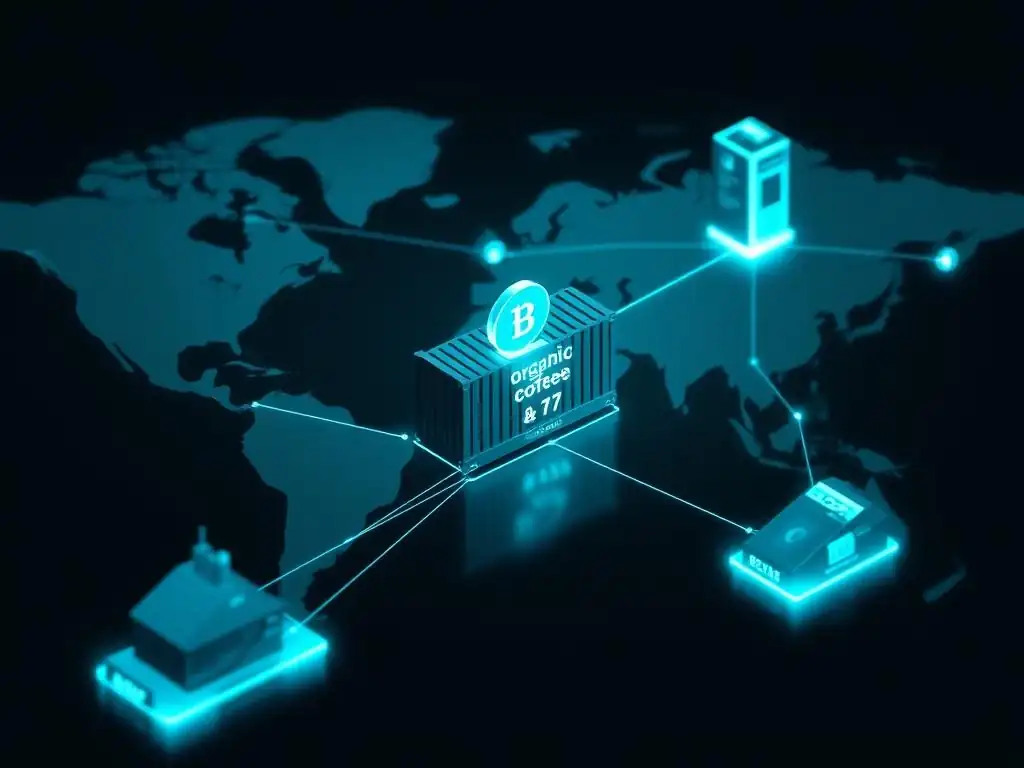
Blockchain for Food Supply Chain Traceability: Ensuring Food Safety and Origin
One of the most prominent use cases for blockchain in supply chain is enhancing traceability in the food industry. Food supply chains are notoriously complex, involving numerous intermediaries from farm to fork. This complexity makes it challenging to quickly identify the source of contamination during foodborne illness outbreaks or verify origin claims. Blockchain provides an immutable ledger that can track every step a food item takes, including details about farming, processing, packaging, transportation, and distribution.
Major retailers and food producers are exploring and implementing blockchain solutions. For example, the IBM Food Trust network, used by companies like Walmart, has demonstrated the ability to trace the origin of specific food items, such as a mango, from the store shelf back to the farm in a matter of seconds, compared to the days or weeks it might take with traditional methods. This rapid traceability is critical for ensuring food safety, minimizing the impact of recalls, and building consumer trust by providing verifiable information about food origin and handling.
Tracking Pharmaceuticals with Blockchain: Combating Counterfeit Drugs
The global pharmaceutical supply chain is a prime target for counterfeiters, posing significant health risks to consumers and causing substantial financial losses to the industry. The World Health Organization estimates that up to 10% of medical products in low- and middle-income countries are counterfeit. Blockchain offers a powerful tool to combat this by creating a secure, transparent, and immutable record of a drug's journey from manufacturer to pharmacy or patient.
Projects like the MediLedger Project in the US aim to meet regulatory requirements, such as those under the Drug Supply Chain Security Act (DSCSA), by enabling participants to verify the authenticity and ownership of pharmaceutical products at each step. By serializing individual drug packages and recording their movement on a blockchain, stakeholders can instantly verify if a drug is legitimate and track its chain of custody, significantly hindering the distribution of counterfeit or substandard medicines and enhancing patient safety.
Utilizing Blockchain for Luxury Goods Authentication: Protecting Brand Integrity
The market for luxury goods, including high-end watches, handbags, and apparel, is heavily impacted by counterfeiting, leading to billions of dollars in losses annually for brands and eroding consumer confidence. Blockchain technology provides a robust method for creating digital identities for luxury items and tracking their ownership history, thereby proving authenticity and protecting brand integrity.
Companies are using blockchain platforms to issue digital certificates of authenticity tied to specific physical products, often through unique identifiers like QR codes or NFC tags embedded in the item. This digital certificate, recorded on the blockchain, contains verifiable information about the product's origin, materials, manufacturing process, and subsequent ownership transfers. Consumers can scan the code to verify the item's authenticity and history, providing assurance that they are purchasing a genuine product and not a counterfeit. Examples include platforms used by brands to authenticate items and track their lifecycle, enhancing transparency and trust in the luxury market.
Enhancing Transparency in Conflict Minerals Supply Chains through Blockchain
Tracing the origin of raw materials, particularly conflict minerals (such as tin, tantalum, tungsten, and gold, often sourced from regions where their trade funds armed conflict), is a critical challenge for many industries, including electronics and automotive. Ensuring responsible sourcing requires end-to-end visibility and verification of the supply chain from the mine to the final product.
Blockchain can significantly enhance transparency in conflict minerals supply chains by creating an immutable record of the mineral's journey, including details about the mine of origin, intermediaries involved, and compliance with ethical sourcing standards. Companies like Circulor are using blockchain to track minerals like cobalt used in electric vehicle batteries, providing manufacturers with verifiable data about the source and ethical status of the materials they use.
This level of blockchain supply chain traceability benefits companies by helping them meet regulatory requirements (like the Dodd-Frank Act in the US or EU regulations) and demonstrate commitment to ethical and sustainable practices to consumers and stakeholders.
Overcoming Challenges in Blockchain Supply Chain Adoption
Addressing Scalability Issues in Blockchain Supply Chain Networks
One of the primary technical challenges facing widespread blockchain adoption in supply chains is scalability. Public blockchains, while highly decentralized, can have limited transaction throughput (e.g., early versions of Ethereum processed around 15 transactions per second), which is insufficient for the high volume of transactions generated by large, global supply chains. Even permissioned blockchains, designed for higher performance, can face scalability limits as the network grows and transaction volume increases.
Addressing scalability involves several approaches. Using permissioned blockchains specifically architected for enterprise use cases is a common strategy, as they can achieve hundreds or even thousands of transactions per second depending on the configuration. Layer 2 scaling solutions, which process transactions off-chain and record only the final state on the main chain, are also being explored. Sharding, a technique that partitions the network into smaller segments, can also increase throughput. Careful network design and platform selection based on anticipated transaction volume are critical to overcoming these scalability hurdles.
Ensuring Data Privacy and Security in Blockchain-Based Supply Chains
While transparency is a key blockchain supply chain traceability benefit, businesses often handle commercially sensitive data that cannot be publicly shared with all network participants. Balancing the need for shared, verifiable data with the requirement for data privacy is a significant challenge. Simply putting all supply chain data on a transparent ledger is not feasible for most companies.
Solutions to address data privacy include using permissioned blockchains where access to data can be restricted based on defined permissions for each participant. Techniques like hashing sensitive data off-chain and only storing the hash on the blockchain provide proof of data integrity without revealing the actual information.
Zero-knowledge proofs are advanced cryptographic methods that allow one party to prove that a statement is true to another party without revealing any information beyond the validity of the statement itself. Implementing robust access control mechanisms and data encryption are also crucial to ensure that sensitive information remains secure while leveraging the blockchain for verifiable transactions.
The legal and regulatory landscape surrounding blockchain technology is still evolving globally, creating uncertainty for businesses adopting blockchain solutions in supply chains. Issues such as data ownership, the legal standing of smart contracts, cross-border data flow regulations (like GDPR), and compliance with industry-specific regulations (e.g., pharmaceutical traceability laws) need careful consideration. The decentralized nature of blockchain can sometimes complicate determining jurisdiction and legal responsibility.
Businesses must work closely with legal and compliance experts to ensure their blockchain supply chain implementations adhere to existing laws and anticipate potential future regulations. Industry bodies and governments are working towards developing clearer frameworks, but inconsistencies across different regions remain a challenge. Smart contracts, while automating processes, need to be drafted with legal principles in mind to ensure enforceability and clarity in case of disputes.
The Importance of Collaboration and Standardization for Widespread Adoption
Blockchain's true power in supply chains is realized through network effects – the more participants join the network, the more valuable it becomes for everyone. However, convincing competing companies and disparate entities across a complex supply chain to collaborate on a shared platform requires significant effort. Establishing governance models for the network, defining roles and responsibilities, and building consensus among participants are essential but challenging tasks.
Furthermore, the lack of universal standards for blockchain technology and data formats can hinder interoperability between different blockchain networks or between blockchain and legacy systems. For blockchain supply chain traceability benefits to be fully realized across entire industries, widespread adoption requires collaboration on common data standards, communication protocols, and potentially shared network infrastructure. Industry consortia and pre-competitive collaboration are vital drivers for overcoming these hurdles and accelerating widespread adoption.
The Future of Blockchain in Supply Chain: Trends and Predictions
The Rise of Decentralized Supply Chain Finance (DeFi)
The integration of blockchain with financial processes is poised to revolutionize supply chain finance. Decentralized Finance (DeFi) concepts, applied to supply chains, can leverage the verifiable, real-time data on a blockchain ledger to automate and streamline financial transactions. This includes automating payments upon verifiable delivery or quality inspection via smart contracts, enabling faster invoice financing based on immutable shipment data, and facilitating tokenization of assets or invoices for easier transfer and financing.
Decentralized supply chain finance platforms built on blockchain can reduce reliance on traditional intermediaries, lower transaction costs, and increase access to capital for suppliers, particularly small and medium-sized enterprises (SMEs), by providing lenders with greater transparency and less risk based on verified supply chain activities. This evolution promises to make financial flows within supply chains more efficient, transparent, and accessible.
Integration of Blockchain with IoT and AI for Smart Supply Chains
The combination of blockchain, IoT, and Artificial Intelligence (AI) is paving the way for truly "smart" and autonomous supply chains. IoT devices collect vast amounts of real-time data about the location, condition, and status of goods. Recording this data on an immutable blockchain ledger provides a trusted, verifiable source of truth about the physical state of products.
AI algorithms can then analyze this blockchain-verified IoT data to gain deeper insights, perform predictive analytics (e.g., predicting potential delays or quality issues), and automate decision-making. For example, an AI could analyze temperature data from a refrigerated container on the blockchain and, if a critical threshold is breached, trigger a smart contract to automatically alert relevant parties, initiate an insurance claim, or reroute the shipment. This integration enhances visibility, enables proactive management, and facilitates automated processes, maximizing blockchain supply chain traceability benefits and overall efficiency.
The Impact of Blockchain on Sustainable and Ethical Supply Chain Practices
Increasingly, consumers and regulators demand transparency regarding the sustainability and ethical sourcing of products. Blockchain technology offers a powerful tool to provide verifiable proof of sustainable practices and ethical labor conditions throughout the supply chain. By tracking materials and products on an immutable ledger, companies can record and verify data related to carbon footprint, waste reduction, fair labor wages, and responsible resource extraction.
This allows businesses to back up their sustainability claims with auditable data, building trust with environmentally and socially conscious consumers. For instance, blockchain can track the journey of recycled materials, verify certifications for organic or fair trade products, or ensure compliance with regulations against deforestation. The enhanced transparency provided by blockchain supply chain traceability benefits not only operational efficiency but also supports corporate social responsibility goals and enables consumers to make informed choices based on verified ethical and environmental credentials.
Conclusion: Embracing Blockchain for a More Transparent and Efficient Supply Chain
Key Takeaways: The Transformative Power of Blockchain in Supply Chain Management
Blockchain technology offers a transformative solution to many of the inherent challenges in modern supply chains, particularly regarding traceability and transparency. Its core principles of decentralization, immutability, and cryptographic security provide a foundation for a shared, tamper-evident ledger that can track goods and transactions from origin to destination.
The key blockchain supply chain traceability benefits include enhanced end-to-end visibility, improved data accuracy, reduced risk of fraud and counterfeiting, faster recall processes, and the ability to build greater trust among supply chain partners. Real-world use cases in food safety, pharmaceuticals, luxury goods, and conflict minerals demonstrate the tangible value blockchain brings to these critical areas.
While challenges related to scalability, data privacy, regulation, and the need for industry-wide collaboration remain, the trajectory of blockchain adoption in supply chains is clearly upward. The fundamental shift towards a shared, verifiable record fundamentally changes how information flows and trust is established in complex networks.
The Path Forward: Building a More Resilient and Traceable Supply Chain with Blockchain
Building a more resilient, efficient, and traceable supply chain with blockchain requires a strategic approach. It begins with identifying specific pain points where blockchain can deliver significant value, selecting the right platform (often permissioned for enterprise use), and carefully planning integration with existing systems like ERP and IoT. Establishing data standards and protocols is crucial for interoperability, and a phased approach starting with pilot programs is essential for successful implementation and scaling.
As the technology matures and standards evolve, the integration of blockchain with complementary technologies like IoT, AI, and decentralized finance will unlock even greater potential for automation, predictive analytics, and financial efficiency. Ultimately, embracing blockchain is not just about implementing a new technology; it's about fostering collaboration, building a foundation of trust through shared, verifiable data, and creating a more transparent, secure, and efficient global supply chain ecosystem ready to meet the demands of the future.
Frequently Asked Questions
How does blockchain enhance supply chain traceability?
Blockchain provides a shared, immutable, and transparent ledger. This allows for tracking products from origin to consumer, creating a verifiable and trustworthy record of each step. This reduces fraud and improves accountability.
What are the primary benefits of using blockchain for supply chain management?
The main advantages include increased transparency, improved efficiency through automation, and enhanced security against counterfeiting. Furthermore, it strengthens consumer trust and enables faster recall processes.
What role does decentralization play in blockchain-based supply chains?
Decentralization eliminates a single point of failure and ensures data integrity. Each participant in the chain has a copy of the ledger, making it difficult to tamper with the information and fostering greater collaboration.
How does blockchain help in verifying the authenticity of products in the supply chain?
By recording each transaction and product attribute on the blockchain, it creates a unique digital identity for each item. This allows consumers and businesses to easily verify the authenticity and provenance of goods, combating counterfeiting.
What are some challenges to implementing blockchain in supply chain traceability?
Challenges include the initial investment costs, the need for standardization across different systems, and educating stakeholders about blockchain technology. Interoperability with existing systems is also a major concern.
Final Reflection: Embracing the Transparent Future
The exploration of blockchain's transformative power within supply chains reveals a profound shift towards unprecedented traceability and transparency, a necessity more critical now than ever in a world demanding ethical and sustainable practices. The benefits outlined throughout this article are not merely theoretical advantages; they represent a fundamental reshaping of how goods are sourced, tracked, and delivered, impacting businesses and consumers alike.
The ripple effects of enhanced supply chain visibility extend far beyond simple efficiency gains. They touch upon issues of fair labor, environmental responsibility, and consumer trust, fostering a more accountable and ethical global marketplace. As we've seen, blockchain offers a powerful tool to combat fraud, reduce waste, and empower stakeholders at every level. Transparency is the new accountability.
This quote perfectly encapsulates the paradigm shift we are witnessing, where consumers increasingly demand to know the origins and journey of the products they consume.
Now, consider the implications of this revolution for your own choices. How can you, as a consumer or a business leader, leverage the power of blockchain-enabled traceability to support ethical sourcing, promote sustainable practices, and demand greater transparency from the supply chains you interact with? The future of commerce hinges on our collective commitment to embracing these technologies and building a more responsible and trustworthy world.
Unlock Supply Chain Transparency: Your Next Steps
Thank you for exploring how blockchain is transforming supply chain management. We hope you've gained valuable insights into enhancing traceability and building trust. Now, it's time to turn that knowledge into action.
Consider taking the following steps toward a more transparent future:
- Audit a segment of your supply chain using blockchain-based tracking to improve transparency and accountability. This is one of the most impactful actions you can take.
- Share your insights with colleagues and industry peers to promote broader understanding and adoption of blockchain solutions.
- Investigate innovative applications of blockchain in unique supply chains, such as ethically sourced products or sustainable sourcing initiatives.
Are you ready to revolutionize your supply chain? What exciting blockchain application are you eager to explore next?
Leave a Reply