
Consortium Blockchains in Healthcare: Collaborative Data Sharing and Patient Privacy


Welcome to Blockchain Trends, your compass in the ever-evolving world of decentralized technologies!
Intrigued by how blockchain can revolutionize industries beyond cryptocurrency? Then you're in the right place. Today, we dive deep into the transformative potential of consortium blockchains, focusing specifically on how they're reshaping healthcare data privacy.
Discover how collaborative data sharing can coexist with robust patient protection. Ready to unlock the possibilities? Read on to explore the fundamentals of Healthcare blockchain consortium data privacy and its implications for the future of medicine.
Secure Healthcare Data Exchange: Blockchain Consortiums for Interoperability and Privacy
- Introduction to Blockchain Consortiums in Healthcare
- Benefits of Healthcare Blockchain Consortiums
- Healthcare Blockchain Consortium Use Cases
- Addressing Privacy and Compliance in Healthcare Blockchain
- Building a Healthcare Blockchain Consortium
- Examples of Functional Healthcare Blockchain Consortiums
- The Future of Healthcare Blockchain Consortiums
- Conclusion: Blockchain Consortiums - A Secure and Collaborative Future for Healthcare Data Exchange
-
Frequently Asked Questions
- What is a healthcare blockchain consortium, and why is it beneficial?
- How do consortium blockchains improve data privacy in healthcare?
- What are some potential applications of consortium blockchains in healthcare beyond data sharing?
- What are the key regulatory considerations when implementing a healthcare blockchain consortium?
- What are the main challenges to the widespread adoption of healthcare blockchain consortia?
- Final Reflection: Navigating Trust and Transparency in Healthcare Data
- Unleash the Power of Collaboration: Secure Healthcare's Future!
Introduction to Blockchain Consortiums in Healthcare
Understanding Permissioned Blockchain Networks
Permissioned blockchain networks represent a distinct category within the broader blockchain landscape, differing significantly from public, open networks like Bitcoin or Ethereum. In a permissioned network, participation is restricted; only approved entities can join, read, or write data to the ledger, depending on their designated permissions. These networks are particularly well-suited for industries requiring strict data control, privacy, and known participants, such as finance or, crucially, healthcare.
Unlike public blockchains where anonymity is possible and consensus is achieved through computationally intensive processes like Proof-of-Work, permissioned networks typically rely on consensus mechanisms that are faster and more energy-efficient, often involving designated validators. This structure allows for greater control over who can access sensitive information and ensures that all participants are identifiable and accountable. The inherent control and privacy features make permissioned blockchains a compelling architecture for building a healthcare blockchain consortium focused on secure data exchange and patient confidentiality.
The Critical Need for Secure Data Sharing in Healthcare
The healthcare industry grapples with a fundamental challenge: the need to share vast amounts of sensitive patient data securely among disparate systems and organizations while simultaneously protecting individual privacy. Electronic Health Records (EHRs) are often fragmented across different providers, hospitals, and labs, leading to significant interoperability issues. This lack of seamless data exchange hinders coordinated care, delays diagnoses, and increases administrative overhead.
Moreover, the frequency and cost of healthcare data breaches are staggering. According to recent reports, the healthcare sector consistently faces the highest average cost per data breach compared to other industries, estimated to be over $10 million per incident in 2023. Protecting sensitive information like medical history, diagnoses, and treatment plans is not just a regulatory requirement (like HIPAA in the U.S.) but a moral imperative to maintain patient trust and safety. The current reliance on fragmented, often vulnerable, traditional systems underscores the urgent need for more robust, secure, and interoperable solutions for healthcare data exchange.
Blockchain's Role in Addressing Healthcare Data Privacy
Blockchain technology offers a novel approach to tackling the dual challenges of data sharing and privacy in healthcare. Its core features – decentralization, immutability, transparency (to authorized parties), and cryptographic security – provide a foundation for building systems where data integrity is verifiable and access is strictly controlled. By creating a shared, tamper-evident ledger, blockchain can ensure that once patient data is recorded, it cannot be altered or deleted without detection.
While public blockchains might be too transparent for sensitive health information, permissioned networks, like those used in a healthcare blockchain consortium, allow organizations to share specific, authorized data points without exposing the entire dataset publicly. Cryptographic techniques, such as hashing and encryption, can further protect data privacy, ensuring that sensitive information is only accessible to parties with the appropriate decryption keys. This capability to facilitate selective, secure sharing among trusted entities addresses key concerns around healthcare data privacy while enabling necessary interoperability.
Benefits of Healthcare Blockchain Consortiums
Enhanced Data Security and Integrity
A primary benefit of a healthcare blockchain consortium is the significant enhancement of data security and integrity. The decentralized and distributed nature of the blockchain ledger means there is no single point of failure that an attacker can target to compromise the entire system. Data recorded on the blockchain is cryptographically linked in blocks, making it virtually impossible to alter past records without invalidating subsequent blocks and requiring consensus from the network participants.
This immutability is critical in healthcare, where the accuracy and reliability of patient data are paramount. For instance, medication histories or lab results recorded on a blockchain consortium are resistant to tampering, providing a high degree of confidence in their validity. While the sensitive patient data itself might not reside on the chain, hashes or pointers to the data can be stored, creating an immutable audit trail of access and modifications, thereby bolstering the overall security posture beyond traditional database systems.
Improved Interoperability and Data Exchange
Healthcare systems are notorious for their lack of interoperability, with different providers using incompatible EHR systems that cannot easily communicate. A healthcare blockchain consortium provides a potential solution by establishing a common, shared infrastructure for data exchange among participating organizations. By agreeing on standards and protocols for data representation and transaction, consortium members can overcome technical barriers that currently prevent seamless data flow.
Imagine a patient visiting multiple specialists who use different EHR vendors. Without interoperability, sharing relevant medical history is a manual, often delayed, process. A consortium blockchain can act as a secure backbone where authorized providers can access a patient's consolidated, yet privacy-protected, health history from various sources in near real-time. This improved data exchange facilitates better-informed clinical decisions, reduces redundant tests, and enhances the coordination of care across the healthcare ecosystem.
Streamlined Medical Records Management
Managing medical records involves complex processes, including collection, storage, access control, and auditing. A healthcare blockchain consortium can streamline these operations by providing a secure, transparent, and automated framework. The blockchain's ability to maintain an immutable ledger of all transactions—including when a record was accessed, by whom, and for what purpose—simplifies auditing and ensures accountability.
Furthermore, smart contracts, self-executing contracts with the terms of the agreement directly written into code, can automate routine tasks such as verifying patient consent for data sharing or triggering notifications when new relevant data becomes available. This automation reduces manual effort, minimizes the potential for human error, and accelerates administrative workflows. For example, a consortium could use smart contracts to manage data access requests based on predefined rules and patient permissions, significantly streamlining the process compared to current manual verification methods.
Reduced Administrative Costs Through Automation
Administrative costs represent a significant portion of healthcare expenditure. In the U.S., administrative costs are estimated to account for 15-30% of total healthcare spending. Many of these costs are associated with inefficient processes related to data exchange, claims processing, billing, and compliance reporting. A healthcare blockchain consortium, leveraging the power of automation through smart contracts and a shared, secure ledger, can help reduce these burdens.
Automating processes like verifying patient eligibility, processing insurance claims, or tracking supply chain movements through a consortium network can lead to substantial cost savings. For instance, the Synaptic Health Alliance, a consortium focused on healthcare data exchange, aims to reduce administrative costs related to provider data management, which can cost health plans billions annually. By creating a single, shared source of verified provider data on a blockchain, they eliminate redundant efforts across multiple organizations, illustrating the potential for significant administrative cost reduction within a healthcare blockchain consortium.
Empowering Patients with Data Control
A key aspect of enhancing healthcare data privacy involves giving patients greater control over their own health information. Traditional systems often leave patients with limited visibility into who accesses their data and little ability to dictate how it is shared. A healthcare blockchain consortium can fundamentally shift this dynamic by placing the patient at the center of their data ecosystem.
Through user-friendly interfaces built on top of the consortium blockchain, patients can potentially view an immutable log of all access attempts to their records. More importantly, they can use digital identities and consent mechanisms managed on the blockchain to grant or revoke permissions for healthcare providers, researchers, or even family members to access specific parts of their data. This model transforms patients from passive subjects of data management into active participants, giving them unprecedented transparency and control over how their sensitive health information is used within the healthcare blockchain consortium.
Healthcare Blockchain Consortium Use Cases
Secure Electronic Health Record (EHR) Exchange
One of the most compelling use cases for a healthcare blockchain consortium is facilitating the secure and efficient exchange of Electronic Health Records (EHRs) among different healthcare providers. Current EHR systems are often siloed, making it difficult for doctors to get a complete picture of a patient's medical history when they visit a new hospital or specialist. This lack of interoperability can lead to delayed diagnoses, redundant testing, and even medical errors.
A consortium blockchain can serve as a decentralized index or pointer system for EHRs. Patient data itself might remain stored securely within each provider's existing system, but cryptographic hashes and metadata are recorded on the shared ledger. When a patient consents, authorized providers within the consortium can use the blockchain to locate and securely request access to relevant parts of the patient's scattered records, creating a more unified, longitudinal view of patient health while maintaining strict control over data access and ensuring healthcare blockchain consortium data privacy.
Pharmaceutical Supply Chain Traceability
Ensuring the integrity and safety of the pharmaceutical supply chain is critical, with issues like counterfeiting and diversion posing significant risks. A healthcare blockchain consortium involving manufacturers, distributors, pharmacies, and regulators can create an immutable, transparent record of a drug's journey from production to patient. Each transfer of ownership or handling event can be recorded as a transaction on the blockchain.
This provides end-to-end traceability, making it easier to verify the authenticity of drugs and quickly identify the source of counterfeit or compromised products in the event of a recall. The U.S. Drug Supply Chain Security Act (DSCSA) mandates enhanced traceability, and blockchain consortiums offer a robust technological solution to meet these requirements. The MediLedger Network, for example, is a consortium specifically focused on leveraging blockchain for pharmaceutical supply chain integrity, demonstrating the real-world application of this use case.
Clinical Trial Data Integrity
Clinical trials generate vast amounts of sensitive data, and maintaining the integrity and transparency of this data is paramount for validating research findings and ensuring patient safety. Traditional methods of data management can be susceptible to errors or tampering, potentially undermining the credibility of trial results. A healthcare blockchain consortium can provide a secure and immutable platform for recording clinical trial data points, protocols, and consent forms.
By timestamping and hashing data entries on the blockchain, researchers can create an unalterable audit trail that proves when data was recorded and that it hasn't been changed subsequently. This enhances trust in the trial process for regulators, researchers, and the public. Furthermore, smart contracts can automate aspects of trial management, such as patient enrollment triggers or data submission milestones, improving efficiency and compliance while ensuring the integrity of clinical trial data within the consortium framework.
Genomic Data Sharing for Research
Genomic data holds immense potential for advancing personalized medicine and understanding diseases, but it is also among the most sensitive types of personal information. Sharing genomic data for research purposes requires robust privacy safeguards and clear consent mechanisms. A healthcare blockchain consortium can facilitate secure and controlled sharing of genomic data among research institutions, pharmaceutical companies, and clinical labs.
Patients could potentially grant granular consent for how their de-identified or pseudonymized genomic data is used within the consortium. The blockchain would record these consent permissions and track every instance of data access, providing transparency and accountability. This allows researchers to access larger, more diverse datasets necessary for groundbreaking discoveries while ensuring that individual privacy is protected and that data usage aligns with patient preferences within the healthcare blockchain consortium dedicated to genomic research.
Patient Identity Management and Verification
Accurate patient identification is fundamental to patient safety and efficient healthcare delivery. Misidentification can lead to medical errors, incorrect treatments, and billing issues. Managing patient identities across different healthcare providers and systems is a significant challenge. A healthcare blockchain consortium can establish a secure, decentralized system for managing and verifying patient identities.
Instead of relying on fragmented databases, a consortium could use cryptographic identifiers linked to verified patient attributes, stored securely off-chain. The blockchain would manage the keys and permissions allowing authorized entities to verify a patient's identity and access linked data. This approach reduces the risk of duplicate records, improves the accuracy of patient matching across systems, and provides a foundation for secure access to patient data, all while enhancing healthcare blockchain consortium data privacy and security.
Addressing Privacy and Compliance in Healthcare Blockchain
Achieving HIPAA Compliance on Blockchain
Achieving compliance with regulations like the Health Insurance Portability and Accountability Act (HIPAA) in the United States is non-negotiable for any healthcare technology handling Protected Health Information (PHI). While blockchain technology offers powerful features for security and integrity, deploying it in healthcare requires careful consideration to ensure full HIPAA compliance. Blockchain itself is not inherently HIPAA-compliant; rather, it is a tool that must be implemented within a broader framework that meets all regulatory requirements.
Key aspects of HIPAA include the Security Rule (protecting ePHI), the Privacy Rule (governing the use and disclosure of PHI), and the Breach Notification Rule. A healthcare blockchain consortium must design its architecture to address these. For instance, PHI should ideally not be stored directly on the immutable ledger, as this could violate a patient's right to amendment or deletion; instead, hashes or encrypted pointers can be stored on-chain, with the actual PHI stored securely off-chain in compliant systems. Access controls managed via the permissioned network and robust audit trails facilitate compliance with HIPAA's access and accountability requirements.
Data Encryption and Pseudonymization Techniques
To protect sensitive PHI within a healthcare blockchain consortium, robust data encryption and pseudonymization techniques are essential. Encryption ensures that even if data is intercepted or accessed without authorization, it remains unreadable. Data can be encrypted both in transit (when being transmitted between systems) and at rest (when stored). Various encryption standards, such as AES-256, can be applied to data stored off-chain but linked to the blockchain ledger.
Pseudonymization involves replacing direct identifiers (like names or addresses) with artificial identifiers or pseudonyms. This reduces the linkability of data to an individual while still allowing the data to be used for analysis or research. For example, clinical trial data shared on a consortium might be pseudonymized, with the link to the real patient identity held separately and securely, accessible only under strict conditions. Combining strong encryption with effective pseudonymization is crucial for maintaining healthcare blockchain consortium data privacy and enabling secure data utility.
Role-Based Access Control and Data Governance
Effective data governance and granular access control are fundamental to managing sensitive healthcare data within a consortium. Permissioned blockchains inherently support role-based access control (RBAC), allowing the consortium to define specific roles (e.g., physician, researcher, administrator, patient) and assign different levels of permission to each role. This ensures that individuals and organizations within the consortium can only access the data they are authorized to see and interact with.
Data governance policies, agreed upon by all consortium members, dictate how data is collected, stored, accessed, shared, and retained. These policies are often enforced through smart contracts on the blockchain. For instance, a smart contract could automatically enforce a policy that prevents a researcher from accessing patient-identifiable data unless explicit consent is recorded on the chain. Establishing clear governance structures and implementing fine-grained RBAC are vital steps in building trust and ensuring compliance within a healthcare blockchain consortium.
Audit Trails and Accountability Mechanisms
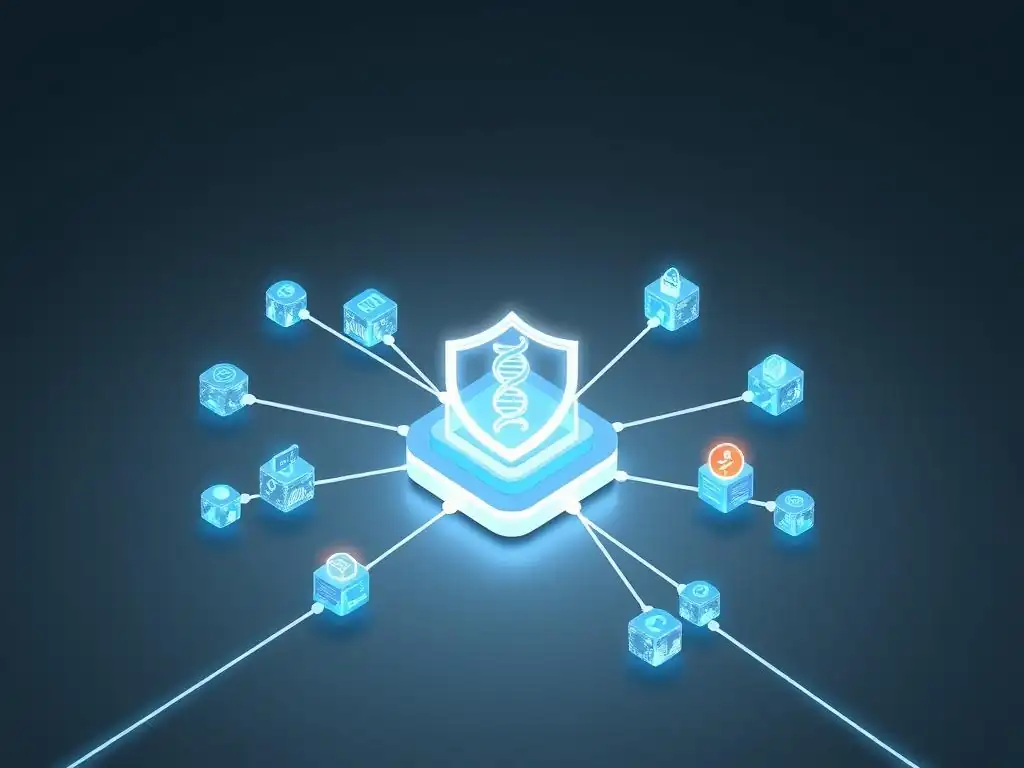
One of the inherent strengths of blockchain technology is its ability to create immutable and transparent audit trails of all transactions and activities on the network (for authorized participants). In a healthcare blockchain consortium, every data access request, record update (or pointer update), and consent change can be recorded on the ledger with a timestamp and the identity of the participant initiating the action.
This creates a comprehensive and tamper-evident history of how data is being used. In the event of a privacy breach or a dispute, this audit trail provides an irrefutable record for investigation and accountability. It allows consortium administrators and potentially patients themselves (via interfaces) to monitor data access patterns and identify any suspicious activity. Robust audit trails are not only crucial for security but also a key requirement for regulatory compliance, significantly enhancing accountability within the healthcare blockchain consortium framework.
Balancing Data Utility and Individual Privacy
A perpetual challenge in healthcare is balancing the need to use data for improving patient care, research, and public health with the imperative to protect individual privacy. Overly restrictive privacy measures can hinder valuable research and delay medical advancements. A healthcare blockchain consortium must strike a delicate balance, enabling necessary data utility while rigorously upholding individual privacy rights.
Techniques like differential privacy, secure multi-party computation, and homomorphic encryption, combined with blockchain's access control and consent management features, can help achieve this balance. These methods allow computations or analyses to be performed on encrypted or pseudonymized data without revealing the underlying sensitive information. By carefully designing the consortium's architecture and governance, it's possible to enable data sharing for legitimate purposes like population health analysis or drug discovery while ensuring that individual patient identities and sensitive details remain protected, thereby preserving healthcare blockchain consortium data privacy.
Building a Healthcare Blockchain Consortium
Defining Governance and Membership Agreements
Establishing a robust governance framework is the foundational step in building a successful healthcare blockchain consortium. Unlike public blockchains, which are often governed by decentralized consensus and open-source communities, consortiums require formal agreements among participating organizations. These agreements must clearly define the consortium's objectives, membership criteria, roles and responsibilities, decision-making processes (e.g., adding new members, upgrading the protocol), and rules for handling disputes.
Membership agreements should outline the obligations of each participant, including data sharing commitments, operational requirements (like running a node), and financial contributions if any. Defining clear policies around data ownership, access, and usage is paramount, ensuring that all members operate under a shared understanding and commitment to the consortium's goals and privacy standards. A well-defined governance model fosters trust and collaboration among diverse entities like hospitals, insurers, labs, and pharmacies within the healthcare blockchain consortium.
Selecting a Suitable Blockchain Platform
Choosing the right blockchain platform is a critical technical decision for a healthcare consortium. Not all blockchain platforms are created equal, and the specific requirements of healthcare—such as performance, scalability, security, privacy features, and regulatory compliance support—must guide the selection process. Permissioned platforms like Hyperledger Fabric, R3 Corda, or Quorum are often preferred over public blockchains due to their inherent access controls and suitability for enterprise use cases.
When evaluating platforms, factors such as transaction throughput (transactions per second), latency, consensus mechanism efficiency, smart contract capabilities, data privacy features (e.g., support for private channels or zero-knowledge proofs), ease of integration with existing systems, and the availability of developer tools and support are crucial. The chosen platform must be capable of handling the potential volume of healthcare data transactions and meet the stringent security and healthcare blockchain consortium data privacy requirements of the industry.
Establishing Data Sharing Standards and Protocols
Interoperability is a primary goal of many healthcare blockchain consortiums, and achieving it requires agreeing upon common data sharing standards and protocols. The healthcare industry already has established standards like HL7 (Health Level Seven) and FHIR (Fast Healthcare Interoperability Resources) for exchanging health information. A consortium should aim to leverage and integrate with these existing standards rather than creating entirely new ones.
Defining the format and structure of the data that will be shared or referenced on the blockchain is essential. This includes agreeing on how patient identities will be represented (e.g., using unique, privacy-preserving identifiers), how consent will be managed, and how different types of health data (EHRs, lab results, images) will be linked or referenced. Establishing clear protocols for data submission, validation, and access within the consortium ensures consistency, facilitates seamless data exchange, and upholds the integrity of the shared information on the healthcare blockchain consortium.
Integrating with Existing Healthcare Infrastructure
Healthcare organizations rely on complex legacy systems, including various EHR platforms, laboratory information systems (LIS), radiology information systems (RIS), and billing systems. A major challenge in implementing a healthcare blockchain consortium is integrating the new blockchain network with this existing, often siloed, infrastructure. The consortium's design must account for how data will flow from these legacy systems onto or be referenced by the blockchain.
This typically involves developing middleware or APIs (Application Programming Interfaces) to connect existing databases and applications to the blockchain network. Data needs to be extracted from source systems, transformed into the agreed-upon consortium standards, and then securely transmitted to the blockchain or associated off-chain data stores. Successful integration is crucial for ensuring that the blockchain solution is practical and usable by consortium members without requiring a complete overhaul of their current IT systems, facilitating the adoption of the healthcare blockchain consortium.
Operating a healthcare blockchain consortium involves navigating a complex landscape of legal and regulatory frameworks, including data privacy laws (like HIPAA, GDPR), industry-specific regulations (like DSCSA), and potentially state-level requirements. Compliance is not a one-time task but an ongoing process that requires careful planning and execution from the outset.
The consortium's governance model, data handling policies, and technical architecture must be designed with these regulations in mind. Legal counsel with expertise in both healthcare and blockchain technology is essential. Issues such as data residency (where data is stored), patient rights (access, amendment, deletion), and the legal implications of blockchain's immutability must be thoroughly addressed. Successfully navigating this regulatory environment is critical for the legitimacy and long-term viability of a healthcare blockchain consortium.
Examples of Functional Healthcare Blockchain Consortiums
Case Study 1: Synaptic Health Alliance - Claims Processing
The Synaptic Health Alliance is a prominent example of a healthcare blockchain consortium that has moved beyond pilot phases to address real-world administrative challenges. Founded by major health insurers like Aetna, Anthem, HCSC, PNC Bank, and Quest Diagnostics, the alliance focuses on improving the accuracy and accessibility of provider data. Inaccurate provider directories are a persistent problem, costing the healthcare industry billions annually and causing frustration for patients and providers alike.
The consortium utilizes a blockchain network to create a shared source of truth for provider information. Instead of each health plan independently verifying provider credentials and demographics, members contribute and validate data on the blockchain. This collaborative approach reduces redundant administrative work, improves data quality, and ensures that all participating organizations have access to the same, accurate provider information. Their work demonstrates how a healthcare blockchain consortium can tackle specific, costly administrative inefficiencies through shared data management.
Case Study 2: MediLedger Network - Pharmaceutical Supply Chain
The MediLedger Network is another functional healthcare blockchain consortium, specifically targeting the pharmaceutical supply chain. Participants include major pharmaceutical manufacturers, distributors, and technology providers. The network's primary goal is to meet the requirements of the U.S. Drug Supply Chain Security Act (DSCSA) by enabling secure and verifiable tracking of prescription drugs.
Using a permissioned blockchain, MediLedger allows participants to record and verify product identifiers, ownership transfers, and transaction histories as drugs move through the supply chain. This creates an immutable and verifiable record that significantly enhances the ability to detect counterfeit drugs and manage recalls efficiently. By providing a shared, trusted platform for supply chain data, the MediLedger Network illustrates how a healthcare blockchain consortium can improve safety and compliance in a critical sector of the healthcare industry.
Lessons Learned from Implemented Consortiums
Early healthcare blockchain consortiums like the Synaptic Health Alliance and MediLedger Network offer valuable lessons for future initiatives. One key lesson is the importance of focusing on a specific, well-defined problem with clear value proposition for all members, rather than attempting to solve all healthcare data challenges at once. Both examples targeted narrow but high-impact issues: provider data accuracy and supply chain traceability.
Another lesson is the necessity of strong governance and active participation from key industry players. Consortiums require collaboration, agreement on standards, and a willingness to invest resources. Technical implementation, particularly integration with legacy systems, is challenging and requires careful planning. Finally, navigating the complex regulatory environment is an ongoing effort that demands continuous attention. These implemented consortiums demonstrate that while challenges exist, a healthcare blockchain consortium can deliver tangible benefits when focused on specific problems and supported by robust collaboration and governance, while prioritizing healthcare blockchain consortium data privacy.
The Future of Healthcare Blockchain Consortiums
Emerging Technologies and Interoperability Standards
The future of healthcare blockchain consortiums will likely be shaped by the integration of emerging technologies and the evolution of interoperability standards. Technologies such as Zero-Knowledge Proofs (ZKPs) could play a significant role in enhancing privacy, allowing participants to verify information (e.g., a patient's eligibility) without revealing the underlying sensitive data itself. Secure Multi-Party Computation (MPC) could enable collaborative data analysis across consortium members without any single party seeing the raw data.
Furthermore, the ongoing development and adoption of healthcare interoperability standards like FHIR will be crucial. Future consortiums will need to seamlessly integrate with FHIR-based systems to ensure broad compatibility and ease of data exchange. Efforts towards creating industry-wide data models and APIs will further facilitate the scaling and effectiveness of healthcare blockchain consortiums, enabling more sophisticated use cases and broader data sharing capabilities while maintaining healthcare blockchain consortium data privacy.
Overcoming Adoption Barriers and Scaling Solutions
Despite the promising potential, healthcare blockchain consortiums face significant barriers to widespread adoption. These include the complexity of integrating with legacy systems, the need for substantial upfront investment in technology and governance, overcoming organizational inertia and skepticism, and ensuring regulatory clarity across different jurisdictions. Scaling these networks to accommodate a large number of participants and handle the immense volume of healthcare data is also a technical and logistical challenge.
Addressing these barriers will require collaborative efforts across the industry. Developing user-friendly interfaces and tools, creating clear implementation roadmaps, demonstrating tangible return on investment through successful pilot programs, and fostering a culture of trust and collaboration among potential members are essential steps. Technical solutions focusing on scalability, such as sharding or layer-2 protocols, may also become necessary as consortiums grow, ensuring the network can handle increasing transaction loads efficiently.
The Impact of Consortiums on Healthcare Data Management
Healthcare blockchain consortiums are poised to fundamentally transform how healthcare data is managed. By providing a secure, decentralized, and shared infrastructure, they can break down data silos that currently exist between providers, payers, and patients. This shift will enable more holistic views of patient health, streamline administrative processes, and create new opportunities for data-driven research and public health initiatives.
The move towards patient-centric data control, facilitated by blockchain's consent management capabilities, empowers individuals and aligns with evolving privacy expectations. While challenges remain, the long-term impact of successful healthcare blockchain consortiums will be a more interoperable, secure, efficient, and patient-empowering healthcare data ecosystem. This transition will require significant collaboration, technical innovation, and careful attention to maintaining healthcare blockchain consortium data privacy.
Projected Growth and Expansion of Blockchain Consortiums
The healthcare blockchain market is still relatively nascent, but it is projected for significant growth. Reports suggest the global healthcare blockchain market could reach several billion dollars in value over the next few years, driven by the increasing need for secure data exchange, regulatory pressures for interoperability, and the potential for cost savings. This growth is expected to fuel the expansion of existing consortiums and the formation of new ones targeting various healthcare segments.
Areas ripe for expansion include mental health records management, supply chain tracking for medical devices, and the secure sharing of public health data for disease surveillance. As the technology matures, implementation costs potentially decrease, and successful use cases become more prevalent, the rate of adoption for healthcare blockchain consortiums is likely to accelerate. This expansion will hinge on the ability of consortiums to demonstrate clear value, navigate regulatory hurdles, and effectively manage the complex technical and governance aspects of shared blockchain networks, all while prioritizing healthcare blockchain consortium data privacy.
Conclusion: Blockchain Consortiums - A Secure and Collaborative Future for Healthcare Data Exchange
Frequently Asked Questions
What is a healthcare blockchain consortium, and why is it beneficial?
A healthcare blockchain consortium is a private, permissioned blockchain network where multiple healthcare organizations collaborate. It's beneficial because it enables secure data sharing and improved interoperability while maintaining control.
How do consortium blockchains improve data privacy in healthcare?
Consortium blockchains enhance data privacy through permissioned access, meaning only authorized participants can view specific data. They also leverage cryptographic techniques and access controls to protect sensitive patient information.
What are some potential applications of consortium blockchains in healthcare beyond data sharing?
Beyond data sharing, consortium blockchains can be used for supply chain management of pharmaceuticals, verifying medical credentials, and streamlining insurance claims processing.
What are the key regulatory considerations when implementing a healthcare blockchain consortium?
Key regulatory considerations include adhering to HIPAA privacy rules, complying with data governance policies, and ensuring patient consent for data sharing within the consortium.
What are the main challenges to the widespread adoption of healthcare blockchain consortia?
Challenges include establishing trust and governance among participants, addressing interoperability issues with existing systems, and overcoming concerns about scalability and performance.
The exploration of consortium blockchains in healthcare reveals a powerful potential for collaborative data sharing, yet the path forward hinges on a delicate balance. The promise of enhanced data interoperability and improved patient outcomes must be carefully weighed against the critical imperative of safeguarding patient privacy. This tension is not merely theoretical; it's a practical challenge demanding innovative solutions and unwavering ethical considerations in today's rapidly evolving digital landscape.
The impact of healthcare blockchain consortia extends far beyond technological advancements; it touches the very core of trust within the healthcare system. The ability to securely and transparently share data, while maintaining patient control, has the potential to revolutionize research, treatment, and overall patient experience. This is not just about efficiency; it's about empowering individuals with ownership over their health information. Data is the new oil, but in healthcare, it's also the lifeblood. We must ensure it flows freely and securely, benefiting both patients and the advancement of medical knowledge.
As we stand at the cusp of this transformative era, let us not lose sight of the human element. Reflect on the role you can play in shaping a future where healthcare data is used responsibly and ethically. Consider how you can advocate for patient-centric solutions, promote transparency in data governance, and contribute to a healthcare system built on trust and collaboration. The future of healthcare data privacy is not just a technological challenge; it's a collective responsibility.
Unleash the Power of Collaboration: Secure Healthcare's Future!
Thank you for exploring how consortium blockchain technology can transform healthcare data sharing while ensuring patient privacy. We hope this article has highlighted the opportunities for a more collaborative and secure future. Now, it's time to turn this knowledge into action!
You can contribute to this important shift by:
- Advocating for the adoption of consortium blockchain solutions within your healthcare network to prioritize data privacy.
- Exploring practical use cases relevant to your organization and identifying where blockchain can help overcome existing challenges.
- Sharing this article with colleagues to spark discussions about the benefits of secure, collaborative data sharing in healthcare.
What specific challenges in your organization could be addressed through implementing a consortium blockchain? Share your thoughts in the comments below!
Leave a Reply