
The Energy Consumption Debate: Comparing the Environmental Impact of Consensus Mechanisms

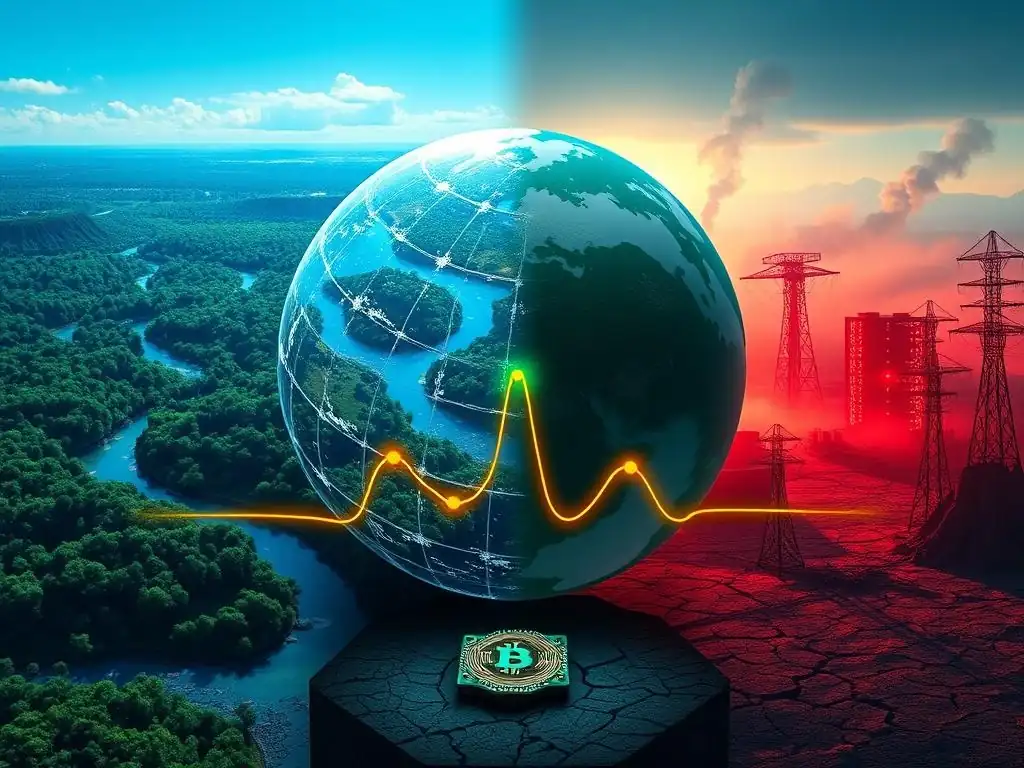
Welcome to Blockchain Trends, your guide to navigating the revolutionary world of decentralized technology. Dive into our latest exploration of the Fundamentals of Blockchain as we unpack a critical question shaping the industry's future: the Blockchain energy consumption debate impact. Is the environmental cost justified by the potential benefits? Uncover the data, weigh the arguments, and join us as we examine the environmental impact of various consensus mechanisms, sparking a crucial conversation about sustainability and innovation. Keep reading to understand the facts and form your own informed opinion!
- Introduction: Understanding the Blockchain Energy Consumption Debate
-
Frequently Asked Questions
- What is the central argument in the Blockchain Energy Consumption Debate?
- How does Proof-of-Work (PoW) contribute to the Blockchain Energy Consumption Debate?
- What are some alternative consensus mechanisms being explored to address the Blockchain Energy Consumption Debate Impact?
- How might regulations impact the Blockchain Energy Consumption Debate Impact and the adoption of different consensus mechanisms?
- Beyond environmental concerns, what other factors are influencing the Blockchain Energy Consumption Debate Impact?
- Final Reflection: Navigating the Blockchain Energy Consumption Debate
- Ignite Change: Champion Sustainable Blockchain!
Introduction: Understanding the Blockchain Energy Consumption Debate

The Growing Concern Over Blockchain's Environmental Footprint
The rapid proliferation and adoption of blockchain technology, particularly cryptocurrencies, have brought to the forefront a significant concern: its environmental footprint. The energy required to power some of the largest and most established blockchain networks has drawn considerable scrutiny from environmentalists, policymakers, and the general public.
This growing concern is fueled by data suggesting that the energy consumption of certain blockchains rivals that of entire countries. For instance, estimates regarding Bitcoin's energy usage have varied, but some analyses, like those from the Cambridge Centre for Alternative Finance (CCAF), have at times placed its annualized consumption in the range of 100-150 TWh (Terawatt-hours).
To put this in perspective, this level of energy consumption is comparable to that of medium-sized nations such as Argentina or Norway. The core of the Blockchain energy consumption debate impact lies in understanding the scale of this energy use and its associated carbon emissions, especially when a significant portion of the electricity generation still relies on fossil fuels.
This substantial energy demand contributes directly to greenhouse gas emissions, exacerbating climate change concerns. While proponents argue that mining operations are increasingly powered by renewable energy sources, the overall impact remains a subject of intense debate. The concentration of mining in regions with access to cheap, often fossil-fuel-based, electricity has historically contributed to a higher carbon intensity.
The impact of the blockchain energy consumption debate extends beyond just Bitcoin, though it is often the primary example cited due to its size and reliance on Proof-of-Work. As blockchain technology finds applications in various sectors, from supply chains to decentralized finance (DeFi), the potential for a cumulative environmental burden necessitates a thorough examination of its energy efficiency. This global discussion highlights the urgent need for more sustainable blockchain practices and technologies.
Why Consensus Mechanisms are Key to Energy Efficiency in Blockchain
At the heart of any blockchain network lies its consensus mechanism – the protocol by which all participants agree on the true state of the distributed ledger. This mechanism is fundamental to maintaining security, integrity, and decentralization without a central authority. Crucially, the design of the consensus mechanism dictates how this agreement is reached and, consequently, the amount of energy required to achieve it. The profound difference in energy consumption between various blockchain networks stems almost entirely from their chosen consensus algorithm.
Understanding this link is vital to appreciating the nuances of the Blockchain energy consumption debate impact. Mechanisms like Proof-of-Work (PoW) require participants (miners) to expend significant computational resources solving complex mathematical puzzles to validate blocks and add them to the chain. This intentional energy expenditure is a security feature, making it economically infeasible for malicious actors to gain control of the network.
In stark contrast, alternative consensus mechanisms, such as Proof-of-Stake (PoS), achieve consensus through different means that do not rely on brute-force computational power. In PoS systems, participants (validators) are chosen to create new blocks and validate transactions based on the amount of cryptocurrency they "stake" or lock up as collateral. This process replaces energy-intensive computations with economic incentives and penalties.
The validation process in PoS is orders of magnitude more energy-efficient than the competitive mining required in PoW. Therefore, evaluating the impact of blockchain energy consumption necessitates a deep dive into these underlying consensus protocols, as they are the primary determinant of a blockchain's environmental footprint. The move towards more energy-efficient mechanisms is a central theme in the ongoing effort to make blockchain technology sustainable.
Frequently Asked Questions
What is the central argument in the Blockchain Energy Consumption Debate?
The central argument revolves around the environmental impact of different blockchain consensus mechanisms, particularly Proof-of-Work (PoW), due to its high energy demand. Alternatives like Proof-of-Stake (PoS) aim to be more sustainable.
How does Proof-of-Work (PoW) contribute to the Blockchain Energy Consumption Debate?
PoW, used by Bitcoin, requires significant computational power to validate transactions and secure the network. This high energy consumption has led to criticism and fueled the Blockchain Energy Consumption Debate.
What are some alternative consensus mechanisms being explored to address the Blockchain Energy Consumption Debate Impact?
Alternatives like Proof-of-Stake (PoS), Delegated Proof-of-Stake (DPoS), and Proof-of-Authority (PoA) are explored. These aim to achieve consensus with significantly lower energy footprints than PoW.
How might regulations impact the Blockchain Energy Consumption Debate Impact and the adoption of different consensus mechanisms?
Regulations could favor blockchains with lower energy consumption, potentially incentivizing the adoption of more sustainable consensus mechanisms and discouraging energy-intensive ones.
Beyond environmental concerns, what other factors are influencing the Blockchain Energy Consumption Debate Impact?
Factors include the scalability and security of different consensus mechanisms, as well as their decentralization levels, all of which are weighed against their energy consumption.
The blockchain revolution, while promising decentralization and innovation, has ignited a crucial debate surrounding its environmental impact. The energy consumption of various consensus mechanisms is no longer a theoretical concern, but a pressing reality demanding immediate attention and sustainable solutions. The comparisons we've explored highlight the urgent need for a shift towards more eco-friendly blockchain technologies if we are to truly harness its potential without compromising the planet's future.
This debate has profoundly influenced the cultural and social landscape, forcing a re-evaluation of our technological priorities. The ongoing discussion underscores the importance of ethical innovation and responsible development within the blockchain space. We must acknowledge the environmental cost and actively seek solutions that align with sustainable practices. We are the first generation to feel the effect of climate change and the last generation who can do something about it.
- Barack Obama. This quote serves as a stark reminder that the time for decisive action is now.
As we move forward, let us not shy away from the complexities of the blockchain energy consumption debate. Instead, let us embrace the challenge of creating a more sustainable and equitable future. Consider how your own choices, whether as a developer, investor, or simply an informed citizen, can contribute to a greener blockchain ecosystem. The power to shape a more responsible technological landscape lies within each of us.
Ignite Change: Champion Sustainable Blockchain!
Thank you for exploring the energy consumption debate and understanding the environmental impact of different blockchain consensus mechanisms. You now have the knowledge to advocate for a greener future. Ready to put that knowledge into action?
Here's how you can make a difference:
- Research and support blockchain projects that prioritize eco-friendly consensus mechanisms, such as Proof-of-Stake or other sustainable models. Your involvement can help foster a more environmentally conscious digital landscape.
- Share this article with your network to raise awareness and promote informed discussions about energy-efficient blockchain technologies.
- Engage with your peers to explore the best ways to incentivize developers to create and adopt greener solutions.
Which eco-friendly blockchain project excites you the most, and why? Let’s continue the conversation in the comments below!
Leave a Reply