
ProofofStake Variations: Exploring Liquid ProofofStake, Bonded ProofofStake, and More


Welcome to Blockchain Trends, your compass in the rapidly evolving world of decentralized technology. Dive deep into the transformative potential of blockchain, far beyond the familiar realm of cryptocurrencies. Ever heard of Liquid Proof of Stake? This article, falling under the Fundamentals of Blockchain, unpacks this fascinating consensus mechanism, alongside its siblings like Bonded Proof of Stake, and explores the innovations shaping the future of secure and scalable decentralized systems. Intrigued? Let's unlock the secrets of these cutting-edge technologies together.
Proof-of-Stake Variations: Exploring Liquid Proof-of-Stake, Bonded Proof-of-Stake, and More
- Understanding Proof-of-Stake (PoS) Consensus Mechanisms
- Liquid Proof-of-Stake (LPoS): Unlocking Liquidity in Staking
- Bonded Proof-of-Stake (BPoS): Security Through Bonding
- Comparing Liquid Proof-of-Stake vs. Bonded Proof-of-Stake
- Other Notable Proof-of-Stake Variations
- The Future of Proof-of-Stake and Blockchain Consensus
- Liquid Proof of Stake Keywords: Optimizing Your Staking Strategy
-
Frequently Asked Questions
- What is Liquid Proof of Stake (LPoS) and how does it differ from traditional Proof of Stake (PoS)?
- How does delegating stake in LPoS networks benefit token holders?
- What are the potential risks associated with participating in LPoS?
- How does LPoS contribute to the decentralization of blockchain networks?
- What are some real-world examples of blockchain networks utilizing Liquid Proof of Stake?
- Final Reflection: Embracing the Evolving Landscape of Proof-of-Stake
- Deepen Your Understanding: Unlock Your Staking Potential!
Understanding Proof-of-Stake (PoS) Consensus Mechanisms
Proof-of-Stake (PoS) represents a fundamental shift in how decentralized networks achieve consensus compared to earlier mechanisms like Proof-of-Work (PoW). Instead of relying on computational power and energy-intensive mining, PoS protocols select validators based on the amount of cryptocurrency they "stake" or hold in the network. This staked amount acts as collateral, incentivizing validators to act honestly and maintain the integrity of the blockchain.
Validators in a PoS system are responsible for proposing and validating new blocks. When a validator is chosen to create a block, they typically earn network fees and potentially newly minted tokens as a reward. Conversely, if a validator attempts to validate fraudulent transactions or goes offline, a portion of their staked assets can be "slashed" or confiscated by the protocol, creating a strong economic disincentive for malicious behavior. This economic security model forms the bedrock of PoS consensus.
The Core Principles of Proof-of-Stake
At its heart, Proof-of-Stake operates on the principle that participants with a greater stake in the network have a stronger incentive to see it succeed and remain secure. Validators, often called stakers or block producers depending on the specific protocol, commit their tokens to support network operations. The probability of being selected to validate a block is generally proportional to the amount of stake a participant controls relative to the total staked amount in the network. This mechanism replaces the energy-intensive race of solving complex cryptographic puzzles found in Proof-of-Work.
Validators perform crucial roles: they propose new blocks containing transactions, vote on the validity of proposed blocks, and participate in the consensus process to finalize blocks and add them to the chain. Successful validation earns them rewards, which can include transaction fees from the blocks they validate and potentially protocol-issued tokens as inflation rewards. The system is designed so that coordinating a 51% attack would require acquiring over half of the staked tokens, which would be prohibitively expensive and self-defeating, as the value of their acquired stake would plummet if the network's security was compromised.
Advantages of PoS over Proof-of-Work (PoW)
One of the most significant advantages of Proof-of-Stake over Proof-of-Work is energy efficiency. PoS networks consume dramatically less electricity because they eliminate the need for vast amounts of computational power dedicated solely to solving cryptographic puzzles. For instance, estimates suggest that Ethereum's transition from PoW to PoS reduced its energy consumption by over 99.9%, moving from energy use comparable to a medium-sized country to that of a small town. This makes PoS a far more sustainable option for blockchain technology moving forward.
Beyond energy savings, PoS often offers improved scalability and lower transaction costs. Without the need for miners to compete using computational power, block times can potentially be faster and block production more predictable. Furthermore, the economic security model based on staking and slashing can theoretically provide stronger security guarantees against certain types of attacks, especially compared to the increasing centralization risks observed in some large-scale PoW mining operations. The lower barrier to entry for participation (staking vs. purchasing expensive mining hardware) can also lead to greater decentralization among validators, although stake concentration remains a consideration.
Liquid Proof-of-Stake (LPoS): Unlocking Liquidity in Staking
Liquid Proof-of-Stake (LPoS), often referred to simply as liquid staking, is an innovation within the PoS landscape designed to address the illiquidity often associated with traditional staking. In many PoS protocols, staked assets are locked up and cannot be easily traded or used in other decentralized finance (DeFi) applications. Liquid staking protocols issue a tokenized representation of the staked asset, allowing users to gain staking rewards while retaining the ability to use their underlying capital.
This mechanism creates a derivative token that represents the staked principal plus accrued staking rewards. For example, staking Ether (ETH) through a liquid staking protocol might yield stETH (staked ETH). The user holds stETH in their wallet, which can be traded on decentralized exchanges (DEXs), used as collateral in lending protocols, or participate in yield farming, while the underlying ETH remains locked and staked by the protocol's validators. This unlocks significant capital efficiency for stakers.
Key Features of Liquid Proof-of-Stake
A primary feature of Liquid Proof-of-Stake is the creation of synthetic or derivative tokens. These tokens are pegged, often 1:1 initially, to the value of the underlying staked asset and its accumulating rewards. For instance, Lido Finance, a major liquid staking protocol, issues stETH for staked ETH on Ethereum. Rocket Pool, another protocol, issues rETH. These liquid tokens allow users to bypass the typical lock-up or unbonding periods associated with native staking mechanisms, providing immediate access to value.
Another crucial feature is the delegation of staking responsibilities. Users deposit their assets into a liquid staking protocol, which then delegates these assets to a network of professional validators. This abstracts away the technical complexity of running a validator node for individual users. The protocol handles the validator selection, staking, reward distribution, and slashing risks (often through insurance or diversification), while the user simply holds and manages the liquid staking token in their own wallet. This accessibility lowers the technical barrier to entry for staking participation.
How Liquid Staking Works: Tokenization and Trading of Staked Assets
The core process of liquid staking begins when a user deposits their native PoS tokens (e.g., ETH, SOL, DOT) into a liquid staking protocol's smart contract. Upon deposit, the protocol issues a corresponding amount of a liquid staking derivative token to the user's wallet. This derivative token represents the user's claim on the staked assets plus any accrued staking rewards, minus protocol fees. For example, depositing 1 ETH might yield approximately 1 stETH (though the exchange rate can fluctuate slightly over time to reflect rewards or penalties).
Once the user holds the liquid staking token (like stETH), they are free to use it within the broader DeFi ecosystem. They can trade stETH for ETH or other cryptocurrencies on DEXs like Uniswap or Curve, deposit it into lending protocols like Aave to borrow other assets, or use it in various yield farming strategies. Meanwhile, the original ETH deposited by the user is locked by the liquid staking protocol and used to participate in the Ethereum network's consensus as staked ETH, earning rewards. This effectively separates the act of staking from the liquidity of the staked asset.
Benefits of LPoS: Increased Flexibility and Accessibility
Liquid Proof-of-Stake offers significant advantages in terms of capital flexibility. Users no longer have to choose between earning staking rewards and having access to their capital for other investment opportunities. By holding liquid staking tokens, they can simultaneously earn staking yield and utilize the token in DeFi protocols, potentially compounding their returns. This ability to "double dip" on yield streams is a major driver of LPoS adoption.
Furthermore, liquid staking enhances accessibility to staking for smaller token holders. Many PoS networks have minimum staking requirements to run a validator node (e.g., 32 ETH for Ethereum). Liquid staking protocols pool assets from many users, allowing individuals to participate in staking and earn rewards with much smaller amounts than would otherwise be possible. This lowers the barrier to entry, potentially leading to broader participation in network security and greater decentralization among stakers, though it also introduces points of centralization at the protocol level. Understanding Liquid Proof of Stake Keywords is key to exploring these benefits.
Potential Risks and Considerations for Liquid Proof-of-Stake
Despite its benefits, Liquid Proof-of-Stake introduces several potential risks. Smart contract risk is paramount; if the liquid staking protocol's smart contracts contain bugs or vulnerabilities, deposited assets could be lost or become inaccessible. Prominent protocols undergo extensive audits, but this risk can never be entirely eliminated. Additionally, the peg between the liquid staking token and the underlying asset can break, especially during periods of high market volatility or stress on the protocol, leading to the liquid token trading at a discount.
Another significant consideration is centralization risk. While liquid staking makes participation easier for individuals, a large concentration of staked assets within a few dominant liquid staking protocols could pose a systemic risk to the underlying blockchain network.
If a single protocol controls a significant portion of the total staked supply (e.g., over 33% or 51%), it could potentially influence consensus or become a single point of failure. Users must also be aware of potential slashing risks borne by the protocol's validators, which could indirectly impact the value of the liquid staking token, although protocols often have mechanisms to mitigate or mutualize this risk.
Bonded Proof-of-Stake (BPoS): Security Through Bonding
Bonded Proof-of-Stake (BPoS) is a variant of PoS where validators (or nominators/delegators, depending on the specific implementation) explicitly "bond" or lock up their tokens for a specific period to participate in the consensus process. Unlike some simpler PoS models where tokens just need to be held in a wallet, BPoS requires an active commitment of capital for a defined duration. This bonding period is a critical security feature, as it ensures that participants have skin in the game and face a penalty (slashing) if they act maliciously or fail to perform their duties.
The concept of bonding creates a stronger link between participation and accountability. Participants cannot immediately withdraw their stake; they must signal their intent to unbond and then wait for a predefined "unbonding period" to pass before their tokens become liquid again. This delay makes it difficult for validators to attack the network and quickly exit with their funds, providing a window for the network to detect and penalize malicious behavior through slashing.
Defining Bonded Proof-of-Stake and its Purpose
Bonded Proof-of-Stake defines a mechanism where participants must actively lock their tokens for a set period to become eligible to validate transactions or delegate their stake to validators. The primary purpose of this bonding requirement is to enhance network security and integrity. By requiring participants to commit capital that is subject to slashing, the protocol creates a powerful economic deterrent against dishonest actions such as double-signing blocks, validating invalid transactions, or going offline when required.
This model is used in various blockchain networks, including Polkadot and Cosmos. In these systems, validators bond a certain amount of their native token, and their likelihood of being selected to produce blocks is proportional to their bonded stake (and potentially delegated stake in nominated/delegated BPoS variants). The bonded amount serves as collateral, which can be partially or entirely confiscated if the validator violates the protocol's rules. This makes attacking the network economically irrational if the potential loss from slashing exceeds the potential gain from a successful attack.
The Bonding Process: Validators Locking Tokens as Collateral
The bonding process in Bonded Proof-of-Stake involves participants locking their tokens in a designated smart contract or protocol module. Validators typically need to meet a minimum bonding requirement to be considered for the active validator set. For example, on Polkadot, validators and nominators bond DOT tokens. The total stake bonded to a validator determines their weight in the consensus protocol and their potential earnings. This bonded stake acts as the primary collateral against which slashing penalties can be applied.
Once tokens are bonded, they are illiquid for the duration they are committed to supporting a validator or the network. If a validator decides to stop participating or a nominator wishes to withdraw their support and stake, they must initiate an unbonding process.
This process involves a waiting period, known as the unbonding period, during which the tokens remain locked and subject to potential slashing for any misbehavior that occurred while they were bonded. This unbonding period can vary significantly between protocols; for instance, Polkadot has an unbonding period of 28 days for DOT, while Cosmos's ATOM has a 21-day unbonding period.
Penalties for Malicious Behavior in BPoS Systems
A cornerstone of Bonded Proof-of-Stake security is the slashing mechanism. Slashing refers to the confiscation of a portion or all of a validator's (and sometimes their delegators'/nominators') bonded stake as a penalty for detected malicious or negligent behavior. Common causes for slashing include double-signing (proposing or voting on two conflicting blocks at the same height), extended periods of downtime or unresponsiveness, or signing invalid state transitions.
The severity of the slashing penalty can vary depending on the protocol and the nature of the offense. Minor offenses might result in a small percentage of the stake being slashed, while severe offenses like double-signing, which can compromise the integrity of the chain, can lead to a significant portion or even 100% of the bonded stake being lost. This economic penalty directly impacts the validator and anyone who bonded tokens behind them, creating a strong incentive for validators to maintain secure and reliable infrastructure and for nominators/delegators to choose reputable validators.
Advantages of BPoS: Enhanced Security and Accountability
Bonded Proof-of-Stake provides a robust security model due to the explicit locking and slashing of staked assets. The requirement for validators and stakers to bond their tokens for a specific duration ensures they have a significant financial commitment tied to their honest participation. This "skin in the game" is directly exposed to potential loss through slashing, making malicious actions economically punitive and thus less likely. The unbonding period further deters attacks by preventing quick exits after misbehavior.
This mechanism fosters greater accountability among network participants. Validators are directly responsible for maintaining uptime and adhering to protocol rules, knowing that their bonded capital is at risk. Similarly, in systems with delegation, delegators/nominators are incentivized to research and select reliable validators, as their own stake bonded to a misbehaving validator can also be slashed. This shared risk model encourages active participation in maintaining network health and security.
Disadvantages of BPoS: Reduced Liquidity for Validators
The primary disadvantage of Bonded Proof-of-Stake is the reduced liquidity for participants. Validators and stakers must lock their assets for the duration of their participation and then wait through an unbonding period to regain access to their capital. This illiquidity can be a significant opportunity cost, as the locked tokens cannot be used for trading, lending, or participating in other DeFi activities during this time. For validators running significant operations, having large amounts of capital tied up can be a constraint.
The unbonding period, while a security feature, also presents a challenge for participants who need quick access to their funds. If market conditions change rapidly, or if a participant needs to react to unforeseen circumstances, they must endure the waiting period before they can sell or move their staked assets. This lack of flexibility contrasts sharply with the liquidity offered by mechanisms like Liquid Proof-of-Stake and is a key point of differentiation when exploring Liquid Proof of Stake Keywords and their implications.
Comparing Liquid Proof-of-Stake vs. Bonded Proof-of-Stake
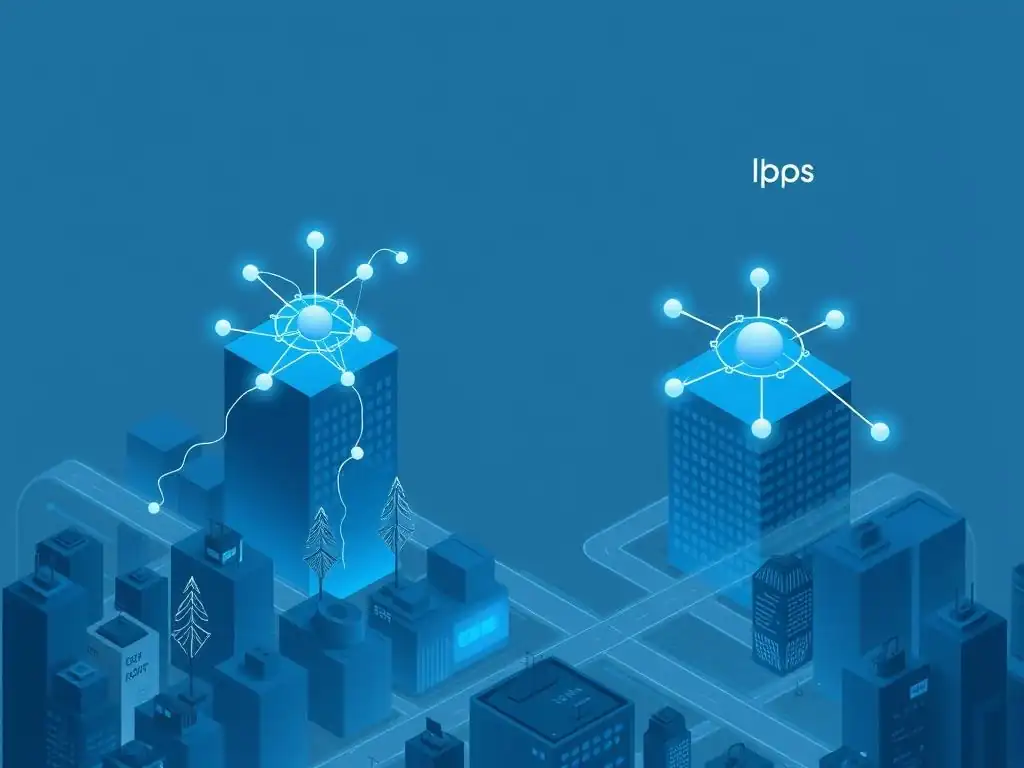
Comparing Liquid Proof-of-Stake (LPoS) and Bonded Proof-of-Stake (BPoS) highlights different approaches to balancing security, participation, and asset liquidity within the PoS framework. Both aim to secure the network through economic incentives tied to staked assets, but they differ significantly in how they manage the accessibility and usability of those assets while they are contributing to consensus. Understanding these differences is crucial for participants deciding how to engage with various PoS networks.
LPoS prioritizes liquidity and capital efficiency for the end user by tokenizing staked positions, whereas BPoS prioritizes security through explicit asset locking and time-based unbonding periods. This fundamental difference impacts everything from user experience and participation models to potential risks and the overall economic dynamics of the network. The choice between implementing an LPoS or BPoS mechanism, or a hybrid, depends heavily on a blockchain protocol's specific goals and priorities regarding decentralization, security guarantees, and user flexibility.
Liquidity and Flexibility: LPoS vs. BPoS
The most pronounced difference between LPoS and BPoS lies in how they handle asset liquidity. LPoS is designed specifically to provide liquidity to staked assets by issuing tradable, derivative tokens. This means users can earn staking rewards while simultaneously deploying their capital in other DeFi applications, offering maximum flexibility and capital efficiency. The staked assets are effectively 'unlocked' for use via their tokenized representation.
In contrast, BPoS inherently involves locking up staked tokens for the duration of participation and through a subsequent unbonding period. This makes the staked capital illiquid and unavailable for other uses during this time. While this illiquidity is a deliberate security feature, it represents a significant opportunity cost for participants. Users must weigh the potential staking rewards against the loss of flexibility and access to their funds for potentially weeks or even months depending on the protocol's unbonding period.
Security Considerations: A Comparative Analysis
Both LPoS and BPoS rely on slashing for security, but the mechanisms and potential risks differ. BPoS provides a direct and transparent link between bonded stake and slashing risk, with the unbonding period acting as a critical buffer against quick exits after an attack. The security is directly enforced at the protocol level through the required lock-up. This model offers strong security guarantees rooted in the explicit illiquidity of staked capital.
LPoS introduces additional layers of abstraction and potential points of failure. While the underlying staked assets in the protocol are subject to BPoS-like slashing, the security of the liquid staking token relies heavily on the smart contract security of the liquid staking protocol itself and the reliability of the validators it delegates to.
A bug in the protocol or poor validator management could impact the peg and value of the liquid token. Furthermore, the composability of liquid tokens within DeFi introduces systemic risk; a failure in one DeFi protocol using the liquid token as collateral could potentially impact the stability of the liquid staking token's peg.
Validator Roles and Responsibilities in Each Model
In a pure BPoS system, validators are typically individuals or entities running nodes and bonding their own stake (and often attracting stake from nominators/delegators). They are directly responsible for their node's performance, security, and adherence to protocol rules, as their bonded stake is directly subject to slashing by the network protocol. The relationship is often direct between the staker (nominator/delegator) and the validator.
In the context of LPoS, the liquid staking protocol acts as an intermediary between the end user and the actual validators on the network. The end user delegates to the protocol, which then manages a pool of validators. The protocol takes on the responsibility of selecting, managing, and monitoring these validators, and often implements strategies to mitigate or mutualize slashing risk across its user base.
Validators in an LPoS setup are often professional staking service providers who meet the protocol's criteria. The end user's primary interaction is with the liquid staking token and the protocol's smart contracts, not directly with individual validators.
Reward Mechanisms: Examining the Differences
In Bonded Proof-of-Stake, staking rewards are typically distributed directly by the protocol to the validators based on their performance (proposing/attesting blocks) and their total staked amount (bonded + delegated/nominated stake). Nominators or delegators who bonded their stake to a validator receive a proportional share of the validator's rewards, minus any commission the validator charges. These rewards are often automatically compounded or distributed directly to the participants' accounts.
Liquid Proof-of-Stake protocols receive the native staking rewards from the underlying network on behalf of their users. These rewards are then typically reflected in the value or quantity of the liquid staking token held by the user.
Some protocols, like Lido, update the balance of the liquid staking token daily in the user's wallet (rebase model), while others, like Rocket Pool, increase the exchange rate of the liquid token relative to the underlying asset over time (accrual model). The liquid staking protocol usually takes a small fee from the total rewards before distributing them to token holders to cover operational costs and potentially contribute to an insurance fund.
Other Notable Proof-of-Stake Variations
The landscape of Proof-of-Stake is diverse, with protocols developing variants tailored to their specific needs and design philosophies. Beyond Liquid and Bonded PoS, several other notable variations exist, each introducing unique mechanisms for validator selection, consensus, and governance. These variations demonstrate the flexibility and ongoing evolution of the PoS paradigm, seeking to optimize for factors like decentralization, scalability, security, and efficiency in different contexts.
Exploring these diverse models is essential for a comprehensive understanding of PoS. They showcase how the core principle of stake-based security can be implemented with different levels of complexity and different roles assigned to network participants. From systems relying on delegated voting power to those based on reputation, the innovation in PoS continues to drive the development of more efficient and robust decentralized networks.
Delegated Proof-of-Stake (DPoS): Community Governance and Delegation
Delegated Proof-of-Stake (DPoS) is a PoS variant where token holders elect a fixed number of delegates (also called witnesses or block producers) to validate transactions and produce blocks on their behalf. Instead of every staker potentially participating in consensus, DPoS creates a representative democracy model. Token holders vote with their stake to elect a limited set of highly trusted and performant delegates, typically numbering from 20 to 100, depending on the network.
These elected delegates are responsible for maintaining the network and reaching consensus. They operate validator nodes and perform the block production duties. Delegates who successfully produce blocks and secure the network earn rewards, which they may share with the token holders who voted for them.
If a delegate acts maliciously or fails to perform their duties, they can be voted out by the community and replaced. Examples of networks using DPoS include EOS, Tron, and Lisk. This model can offer faster transaction speeds and higher throughput due to the smaller, fixed validator set, but it also introduces a degree of centralization around the elected delegates.
Nominated Proof-of-Stake (NPoS): Optimizing Validator Selection
Nominated Proof-of-Stake (NPoS) is a sophisticated PoS system used by networks like Polkadot and Kusama. In NPoS, there are two main roles: validators and nominators. Validators are the entities that run nodes and participate in the consensus mechanism (BABE and GRANDPA in Polkadot). Nominators are token holders who "nominate" up to 16 validators they trust by bonding their stake to them. Nominators signal their support for validators they believe will act honestly and reliably.
The protocol's election mechanism then selects a set of validators from the pool of candidates based on the total amount of stake nominated to them, using an algorithm designed to distribute stake evenly among elected validators. Both validators and nominators share in the staking rewards, and both are subject to slashing if the nominated validator misbehaves. NPoS aims to maximize security by allowing a large number of nominators to signal collective trust and distribute their stake across multiple validators, promoting decentralization and robust validator selection.
Proof-of-Authority (PoA) is a consensus mechanism where blocks are validated by a limited set of approved accounts, known as validators or authorities. Unlike PoW or PoS, PoA does not rely on computational power or staked tokens but rather on the identity and reputation of the validators. These validators are pre-selected and explicitly given the authority to create new blocks. They are typically known entities, and their reputation is their stake.
PoA is often used in private or consortium blockchains where trust among participants is already established, or in public blockchains where transaction speed and scalability are paramount and a degree of centralization is acceptable. Examples include some enterprise blockchain solutions and specific public chains like Binance Smart Chain (using a variant called Proof-of-Staked-Authority, PoSA, which combines elements of PoS and PoA). PoA can offer very high transaction throughput and low costs but sacrifices decentralization compared to PoW or more distributed PoS models.
The Future of Proof-of-Stake and Blockchain Consensus
The evolution of Proof-of-Stake is far from complete. Researchers and developers are continuously innovating to improve PoS mechanisms, addressing challenges related to scalability, decentralization, security, and accessibility. The success of major networks transitioning to or launching with PoS has solidified its position as a dominant consensus paradigm for the future of blockchain technology. Future developments are likely to focus on refining existing models and exploring hybrid approaches that combine the strengths of different consensus mechanisms.
Areas of active research include improving validator selection algorithms to prevent stake centralization, developing more sophisticated slashing conditions and enforcement mechanisms, and enhancing the efficiency of block production and finality. Innovations in zero-knowledge proofs and other cryptographic techniques may also play a role in enhancing privacy and verifiability within PoS systems. The focus remains on building consensus mechanisms that are secure, scalable, energy-efficient, and resilient to various forms of attack, paving the way for broader blockchain adoption across various industries.
Innovations and Trends in PoS Development
Current trends in PoS development are heavily focused on improving scalability and user experience. Layer 2 scaling solutions, such as sharding and optimistic/ZK rollups, are being integrated with PoS base layers to dramatically increase transaction throughput. For instance, Ethereum's roadmap includes sharding built upon its PoS consensus. Another trend is the increasing sophistication of liquid staking protocols and the expansion of liquid staking tokens into the broader DeFi ecosystem, highlighting the importance of Liquid Proof of Stake Keywords for users exploring these opportunities.
Further innovations include advancements in validator economics, such as mechanisms to ensure fair reward distribution and prevent unfair advantages. Research into decentralized validator set management and identity solutions is ongoing to enhance censorship resistance and prevent collusion. Hybrid consensus models that combine elements of PoS with other mechanisms, or use different mechanisms for different layers of the blockchain (e.g., PoS for base layer security, PoA for a permissioned execution layer), are also being explored to leverage the benefits of multiple approaches.
Impact of PoS on Blockchain Scalability and Sustainability
Proof-of-Stake mechanisms have a profound impact on both blockchain scalability and sustainability compared to Proof-of-Work. By removing the need for energy-intensive mining, PoS drastically reduces the environmental footprint of blockchain networks, aligning them better with global sustainability goals. This energy efficiency is a key factor driving institutional and public acceptance of blockchain technology.
Regarding scalability, PoS inherently enables faster block times and more predictable block production than PoW, where block times can fluctuate based on mining difficulty and luck. Furthermore, the economic nature of PoS security lends itself better to integration with scaling solutions like sharding. With validators responsible for specific shards based on their stake, PoS can facilitate parallel processing of transactions across multiple segments of the network, significantly increasing overall transaction capacity without compromising security.
Choosing the Right PoS Variation for Different Blockchain Applications
The optimal Proof-of-Stake variation depends heavily on the specific requirements and goals of a blockchain application or network. For a public, general-purpose blockchain aiming for maximum decentralization and security with a large, diverse user base, a model like NPoS (Polkadot) or a sophisticated BPoS (Ethereum's Beacon Chain) might be suitable due to their robust security mechanisms and broad participation models. Users interested in maximizing capital efficiency while staking would search using Liquid Proof of Stake Keywords to find relevant protocols.
For enterprise consortia or permissioned networks where trust is high and throughput is critical, a PoA or a hybrid PoS/PoA (PoSA) model might be preferred for its speed and efficiency, albeit at the cost of decentralization. DPoS can be suitable for applications requiring relatively high throughput and fast transaction finality, provided the community is engaged enough to ensure effective delegate selection and oversight. The choice involves trade-offs between decentralization, security, scalability, and ease of participation, requiring careful consideration of the application's intended use case and target audience.
Liquid Proof of Stake Keywords: Optimizing Your Staking Strategy
For individuals and institutions looking to participate in the staking economy, understanding the terminology and concepts is crucial for optimizing their strategy. Searching using Liquid Proof of Stake Keywords is a common way to find information on protocols and platforms that offer tokenized staking solutions. These keywords help users discover opportunities to earn staking yield without sacrificing the ability to use their assets in the vibrant decentralized finance ecosystem.
Key terms associated with liquid staking include "liquid staking tokens" (LSTs), "staked derivatives," "tokenized staking," and specific protocol names like "stETH," "rETH," or "cbETH." When exploring options, users should research the underlying protocol's security audits, the reputation and performance of its validators, the liquidity of the liquid staking token on exchanges, and the potential risks involved, such as smart contract risk and peg deviation risk. Utilizing relevant Liquid Proof of Stake Keywords in searches and research can unlock valuable insights and help users make informed decisions about participating in this evolving sector of the blockchain space.
Note: Data points such as specific TVL figures, unbonding periods, or minimum stake requirements are subject to change rapidly based on network conditions and protocol updates. Figures mentioned serve as approximate examples reflective of typical or historical states.
Frequently Asked Questions
What is Liquid Proof of Stake (LPoS) and how does it differ from traditional Proof of Stake (PoS)?
LPoS allows token holders to delegate their stake to validators without locking their tokens. This provides greater liquidity compared to traditional PoS, where tokens are often locked up for a specific period.
How does delegating stake in LPoS networks benefit token holders?
By delegating, token holders can earn staking rewards without actively participating in the validation process. They retain control over their tokens and can typically withdraw them at any time (subject to unbonding periods).
What are the potential risks associated with participating in LPoS?
Risks can include validator slashing due to misbehavior, leading to a loss of delegated tokens. There may also be unbonding periods before delegated tokens can be accessed.
How does LPoS contribute to the decentralization of blockchain networks?
LPoS can promote decentralization by lowering the barrier to entry for validators and allowing more token holders to participate in securing the network. This can lead to a more distributed and resilient system.
What are some real-world examples of blockchain networks utilizing Liquid Proof of Stake?
Networks like Tezos and Cosmos are prominent examples. These networks have successfully implemented LPoS to achieve high levels of participation and network security.
Final Reflection: Embracing the Evolving Landscape of Proof-of-Stake
The exploration of Proof-of-Stake variations, particularly Liquid Proof-of-Stake (LPoS), underscores the dynamic nature of blockchain technology and its constant striving for efficiency and accessibility. What began as a theoretical alternative to Proof-of-Work has blossomed into a diverse ecosystem of consensus mechanisms, each with its own strengths and trade-offs. The ongoing development and refinement of LPoS and its counterparts demonstrate a commitment to creating more inclusive and sustainable decentralized networks.
The evolution of Proof-of-Stake has profoundly influenced the crypto landscape, shifting the focus from energy-intensive mining to more environmentally conscious staking. This shift represents a significant step towards mainstream adoption, making blockchain technology more palatable to a wider audience and fostering a more sustainable future. The future of finance is decentralized, and Proof-of-Stake is a key ingredient in making that future a reality.
This sentiment reflects the growing belief that Proof-of-Stake, in its various forms, will play a pivotal role in shaping the next generation of financial systems.
As we navigate this ever-evolving technological landscape, let us embrace the spirit of innovation and exploration. Consider how these advancements in Proof-of-Stake, particularly the flexibility offered by Liquid Proof-of-Stake, can empower you to participate in the decentralized future. Reflect on the potential impact of these technologies on your own financial journey and how you can contribute to building a more inclusive and sustainable blockchain ecosystem.
Deepen Your Understanding: Unlock Your Staking Potential!
Thanks for exploring the fascinating world of Proof-of-Stake variations with us! We hope this article has illuminated the diverse opportunities and nuances within the staking landscape. Now, it's time to take your knowledge to the next level and put it into action.
Here are a few ways you can continue your staking journey:
- Dive Deeper: Research different blockchain platforms and identify which Proof-of-Stake variation best aligns with your investment goals and risk tolerance. This is your primary action.
- Share Your Insights: Contribute to the blockchain community by sharing this article with fellow crypto enthusiasts and sparking discussions on your favorite staking methods.
- Unexpected Action: Explore creating a visual representation of the different PoS variations, such as an infographic, to help simplify the concepts for others.
What unique factor will you consider when choosing a Proof-of-Stake consensus mechanism to invest in? Share your thoughts in the comments below!
Leave a Reply