
Blockchain and Supply Chain Transparency: Researcher K on RealWorld Case Studies and Impact

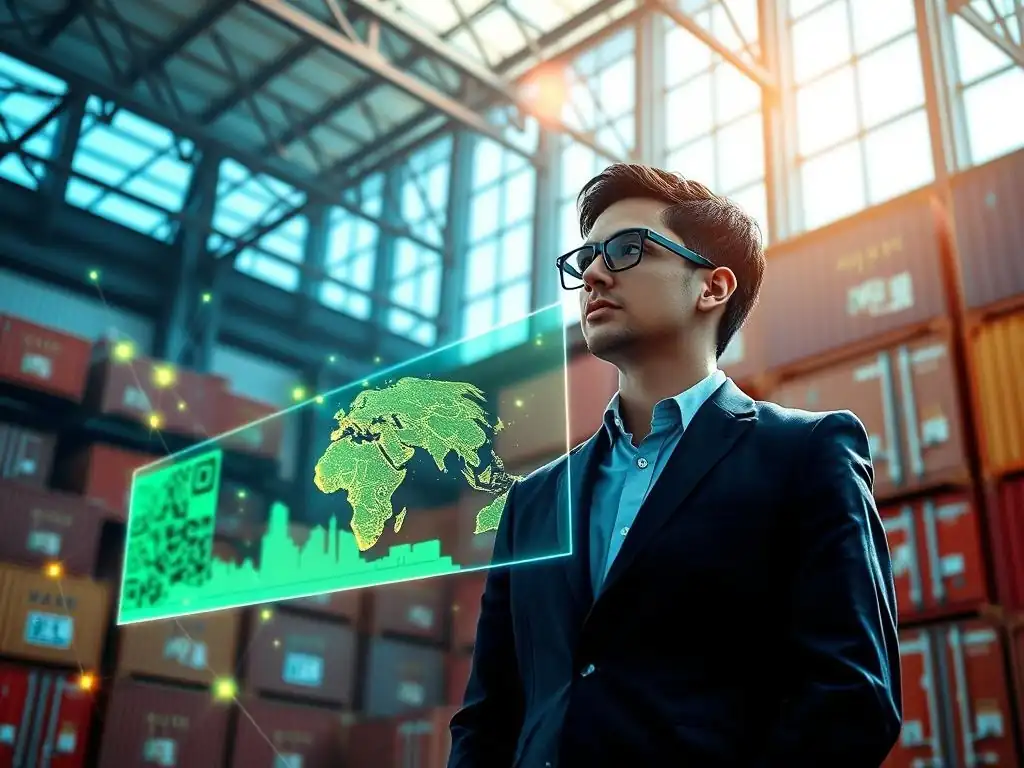
Welcome to Blockchain Trends, your go-to source for understanding the real-world impact of decentralized technologies. Are you ready to look beyond the hype and discover how blockchain is revolutionizing industries?
In this interview, we delve into a critical area: blockchain supply chain transparency benefits. Join us as we explore researcher K's insights into real-world case studies and uncover how this technology is forging a new era of trust and efficiency. What are the hidden advantages waiting to be unlocked? Read on to find out...
- Real-World Blockchain Supply Chain Case Studies: Insights from Researcher K
-
Frequently Asked Questions
- What are the key benefits of using blockchain for supply chain transparency, as highlighted by Researcher K?
- How does blockchain technology specifically address the issue of counterfeit goods in supply chains?
- Beyond cryptocurrencies, what are some real-world applications of blockchain in supply chain management that Researcher K has studied?
- What are some of the regulatory challenges that need to be addressed to fully realize the benefits of blockchain in supply chains?
- How does blockchain contribute to building more resilient and sustainable supply chains, according to Researcher K?
- Final Reflection: Embracing Trust Through Transparency
- Unlock Supply Chain Insights: Become a Transparency Trailblazer!
Real-World Blockchain Supply Chain Case Studies: Insights from Researcher K
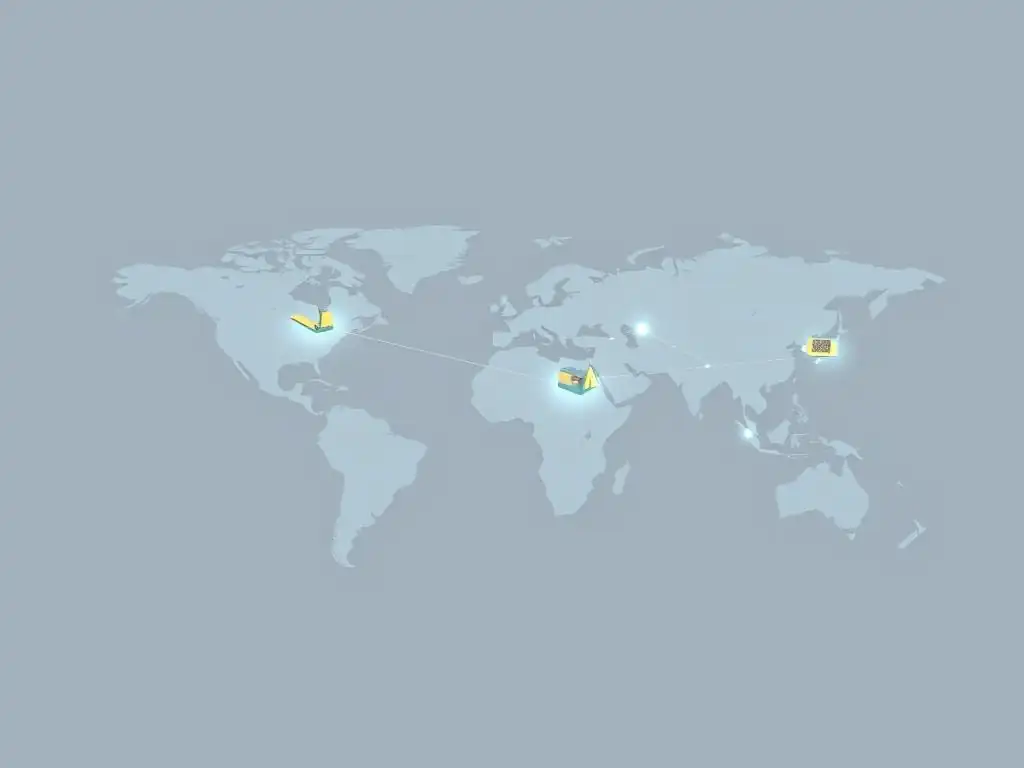
Case Study 1: Seafood Traceability with Blockchain in the Fishing Industry
Challenges Addressed by Blockchain in Seafood Supply Chains
The global seafood supply chain is notoriously complex and opaque, facing significant challenges related to traceability and authenticity. Issues such as illegal, unreported, and unregulated (IUU) fishing contribute to an estimated annual loss of tens of billions of dollars globally, undermining marine ecosystems and fair competition. Furthermore, seafood fraud, including species substitution and mislabeling of origin, is rampant.
Reports suggest that a significant percentage of seafood sold worldwide is mislabeled, sometimes exceeding 20% in certain markets, leaving consumers uncertain about what they are purchasing and potentially exposing them to health risks from incorrectly identified species. The lack of a unified, verifiable record system from catch to plate makes it incredibly difficult to track the journey of fish and verify claims about origin, sustainability, or ethical sourcing, creating an environment ripe for exploitation and deceit.
This opacity hinders not only consumer confidence but also the ability of regulators and industry participants to ensure compliance with fishing quotas, labor laws, and food safety standards. Traditional paper-based or fragmented digital tracking systems are easily manipulated, lost, or incomplete, breaking the chain of custody and validation.
For instance, proving that fish was caught sustainably or ethically is nearly impossible without an immutable record linking specific catch events to processing, distribution, and retail. This systemic lack of blockchain supply chain transparency benefits the bad actors and penalizes those operating legitimately, highlighting the urgent need for a more robust and trustworthy system.
Results and Impact of Blockchain Implementation on Traceability and Safety
Implementing blockchain technology in the seafood supply chain has demonstrated tangible improvements in traceability and safety. By creating an immutable, shared ledger that records data points at every stage—from the fishing vessel docking its catch, through processing, shipping, and retail—companies can provide verifiable proof of origin and handling.
For example, initiatives piloting blockchain in the Pacific Islands fishing industry have shown the ability to track tuna from catch to can, recording data like catch location, vessel ID, processing facility, and export details. This level of detail, previously fragmented or non-existent, allows for rapid validation of sustainability claims and detection of discrepancies that might indicate illegal activity or mislabeling.
The impact extends beyond simple tracking; it enhances food safety by enabling faster and more targeted recalls. If a safety issue is identified with a specific batch of seafood, the blockchain record allows for precise identification of affected products and their distribution path, significantly reducing the scope and cost of recalls compared to traditional methods.
Furthermore, providing consumers with access to this verified data, often via QR codes on packaging, builds trust. Projects have reported increased consumer engagement and willingness to pay a premium for seafood with verifiable provenance and sustainability credentials, directly linking blockchain supply chain transparency benefits to market advantages and improved brand reputation.
Case Study 2: Pharmaceutical Supply Chain Integrity and Blockchain
Addressing Counterfeiting and Ensuring Authenticity in Pharmaceuticals
The global pharmaceutical supply chain faces a critical threat from counterfeit drugs, a problem with devastating public health and economic consequences. The World Health Organization (WHO) estimates that 10% of medical products in low- and middle-income countries are substandard or falsified, though the problem exists worldwide. These counterfeit drugs can contain incorrect ingredients, wrong dosages, or toxic substances, leading to treatment failure, worsening health conditions, and even death. The complex, multi-tiered nature of the pharmaceutical supply chain, involving manufacturers, wholesalers, distributors, pharmacies, and healthcare providers across different countries, provides numerous points where counterfeit products can be introduced without detection.
Traditional serialization and tracking systems often operate in silos, making it difficult to share information seamlessly and securely across the entire network. This fragmentation means that while a package might be serialized at the manufacturer, verifying its authenticity later in the chain, especially after it has passed through multiple intermediaries, is challenging.
The lack of an interoperable, tamper-evident record of a drug's journey from production to patient leaves the door open for sophisticated criminal networks to infiltrate the supply chain. Ensuring the integrity and authenticity of life-saving medications requires a system that provides an unassailable record of ownership and handling, something that blockchain is uniquely positioned to offer.
Quantifiable Benefits of Blockchain Adoption in the Pharmaceutical Industry
Blockchain adoption in the pharmaceutical sector offers significant, quantifiable benefits, primarily centered around enhancing supply chain integrity and reducing the incidence of counterfeit drugs. By creating a shared, immutable ledger of drug transactions and movements, blockchain platforms allow all authorized participants to verify the authenticity and chain of custody of a product at any point.
Pilots under initiatives like the US Drug Supply Chain Security Act (DSCSA) have explored blockchain's potential, demonstrating the ability to significantly reduce the time it takes to verify product legitimacy from hours or days to mere seconds. This speed is crucial for preventing counterfeit drugs from reaching patients.
Beyond combating counterfeiting, blockchain streamlines processes like chargebacks and recalls. Manual chargeback processes, often prone to disputes and errors, can be automated and verified against the blockchain record, potentially saving pharmaceutical companies millions annually in administrative costs and lost revenue. Faster, more accurate recalls based on precise tracking data minimize the distribution of affected products and reduce associated liabilities.
While specific global figures on counterfeit reduction directly attributable to blockchain are still emerging as adoption scales, the potential impact is enormous, given that the global market for counterfeit drugs is estimated to be worth hundreds of billions of dollars annually. The blockchain supply chain transparency benefits in this sector translate directly into improved patient safety and significant cost efficiencies.
Case Study 3: Apparel and Ethical Sourcing Through Blockchain Technology
Improving Visibility into Labor Practices and Material Origins in the Apparel Industry
The apparel industry supply chain is one of the most geographically dispersed and complex globally, involving raw material producers (cotton farmers, livestock handlers), spinners, weavers, dyers, cut-and-sew factories, distributors, and retailers often spread across multiple continents. This complexity makes it extremely challenging to gain visibility into the entire production process, particularly concerning labor practices and the origin of materials.
Incidents like factory collapses highlighting unsafe working conditions or reports of forced labor in raw material production areas underscore the urgent need for greater accountability. Brands often rely on third-party audits, which provide snapshots but struggle to offer continuous, verifiable data across every tier of the supply chain.
Verifying claims about sustainable materials, such as organic cotton or recycled polyester, is equally difficult. The path from farm or recycling plant to finished garment involves numerous intermediaries, each adding layers of complexity where materials can be substituted or claims falsified. Consumers are increasingly demanding to know the story behind their clothes – who made them, under what conditions, and where the materials came from.
However, brands have historically lacked the tools to provide this information reliably and transparently. The inherent opacity makes it hard for companies to manage risks related to ethical and environmental compliance and for consumers to make informed purchasing decisions aligned with their values.
Building Consumer Trust Through Blockchain-Enabled Transparency in Fashion
Blockchain technology is providing apparel brands with a powerful tool to build consumer trust by offering verifiable transparency into their supply chains. By creating a digital thread that follows a garment's journey from raw material to retail, brands can record key data points on an immutable ledger.
This includes information about the origin of fibers, certifications of organic or recycled materials, details about manufacturing facilities, labor conditions (e.g., fair wage verification), and even the environmental impact at different stages. Companies are beginning to use blockchain to track specific product lines or materials, allowing them to stand behind their ethical and sustainability claims with verifiable data.
Providing consumers with access to this data, often through QR codes on garment tags that link to a public or permissioned blockchain explorer, allows them to trace the product's history themselves. This level of access moves beyond marketing claims and offers concrete evidence of responsible sourcing and production. Studies and brand reports indicate that consumers are more likely to trust brands that provide verifiable transparency and are often willing to pay a premium for products with ethical and sustainable credentials backed by data.
For instance, some brands using blockchain for traceability have reported increased customer engagement rates with product information pages and positive feedback regarding the enhanced visibility. The blockchain supply chain transparency benefits in the apparel sector directly contribute to brand loyalty, market differentiation, and the ability to attract conscious consumers, driving a shift towards more ethical and sustainable practices industry-wide.
Frequently Asked Questions
What are the key benefits of using blockchain for supply chain transparency, as highlighted by Researcher K?
Researcher K emphasizes that blockchain enhances transparency by creating an immutable record of transactions. This leads to improved traceability and increased trust among participants.
How does blockchain technology specifically address the issue of counterfeit goods in supply chains?
Blockchain helps to combat counterfeiting by providing a verifiable history of a product's journey. This allows consumers and businesses to confirm authenticity and identify potentially fraudulent items.
Beyond cryptocurrencies, what are some real-world applications of blockchain in supply chain management that Researcher K has studied?
Researcher K has examined applications such as tracking food origins, verifying the ethical sourcing of materials, and improving the efficiency of logistics processes.
What are some of the regulatory challenges that need to be addressed to fully realize the benefits of blockchain in supply chains?
Regulation needs to clarify issues like data ownership, cross-border data transfer, and the legal status of smart contracts within the supply chain context.
How does blockchain contribute to building more resilient and sustainable supply chains, according to Researcher K?
Blockchain enables better visibility into supply chain operations, allowing businesses to identify and mitigate risks more effectively. This promotes more sustainable practices and improves overall resilience.
Final Reflection: Embracing Trust Through Transparency
The insights shared by Researcher K, illuminated through real-world case studies, underscore the profound and immediate relevance of blockchain technology in revolutionizing supply chain transparency. What was once a theoretical promise is now a tangible reality, offering businesses and consumers alike unprecedented visibility into the journey of goods from origin to consumption. The benefits, as detailed, are not just incremental improvements; they represent a fundamental shift towards a more accountable and trustworthy global marketplace.
This movement towards transparency is not merely a technological advancement; it's a cultural shift. The ability to trace the provenance of products, to ensure ethical sourcing and authentic production, resonates deeply with our growing desire for conscious consumption. It empowers us to make informed choices and hold businesses accountable for their practices. Transparency is not about exposing everything, but about creating a space where trust can flourish.
This quote perfectly encapsulates the essence of blockchain's potential to foster a more ethical and sustainable future for global trade.
As we conclude this exploration of blockchain's impact on supply chain transparency, I invite you to consider your own role in this evolving landscape. How can you, as a consumer, a business leader, or simply an informed citizen, champion the adoption of these technologies? Let us embrace the power of transparency to build a world where trust is not just an aspiration, but a foundational principle of commerce and connection.
Unlock Supply Chain Insights: Become a Transparency Trailblazer!
Thank you for exploring the impact of blockchain in supply chains with us. We hope you've gained valuable insights from real-world case studies. Now, it's your turn to put these learnings into action!
Here are a few steps you can take to deepen your understanding and contribute to a more transparent future:
- Initiate a Proof-of-Concept: Identify a specific area in your supply chain—or a hypothetical one—where blockchain-based transparency could make a significant difference. Outline a small-scale pilot project to test its feasibility. This is your chance to explore practical applications!
- Delve Deeper: Research additional blockchain solutions highlighted by industry experts or discover alternative blockchain platforms suited for supply chain management.
- Share Your Thoughts: Engage with fellow readers by sharing your key takeaways from this discussion and how you envision blockchain impacting the future of supply chains.
What's one small, actionable step you'll take this week to explore blockchain's potential in creating a more transparent and trustworthy supply chain? Share your ideas in the comments below!
Leave a Reply