
Supply Chain Blockchain Market: Investment Opportunities in Transparency

Welcome to Blockchain Trends, your gateway to understanding the revolutionary impact of blockchain technology. Are you ready to unlock the hidden potential beyond cryptocurrencies? Dive in and explore how blockchain is reshaping industries, from decentralized finance (DeFi) to enterprise solutions. Intrigued by the Blockchain supply chain investment opportunities discussed in our main article? Discover how transparency and efficiency are driving the next wave of investment in this rapidly evolving market, and what it means for the future of global commerce. Let's delve into the details and uncover the secrets of blockchain's transformative power.
- Understanding the Blockchain Landscape in Seafood
-
Frequently Asked Questions
- What are the key benefits of using blockchain in supply chain management, and why should investors consider it?
- What are some potential "Blockchain supply chain investment opportunities" mentioned in the article, besides investing directly in cryptocurrencies?
- How is the regulatory landscape impacting "Blockchain supply chain investment opportunities," and what should investors be aware of?
- Beyond cost reduction, what are some less obvious advantages that blockchain brings to the supply chain that might attract investment?
- What is the future outlook for "Blockchain supply chain investment opportunities," and what are some key trends to watch for?
- Final Reflection: Embracing the Transparent Future
- Unlock the Potential: Invest in a Transparent Future!
Understanding the Blockchain Landscape in Seafood
How Blockchain Improves Seafood Traceability and Provenance
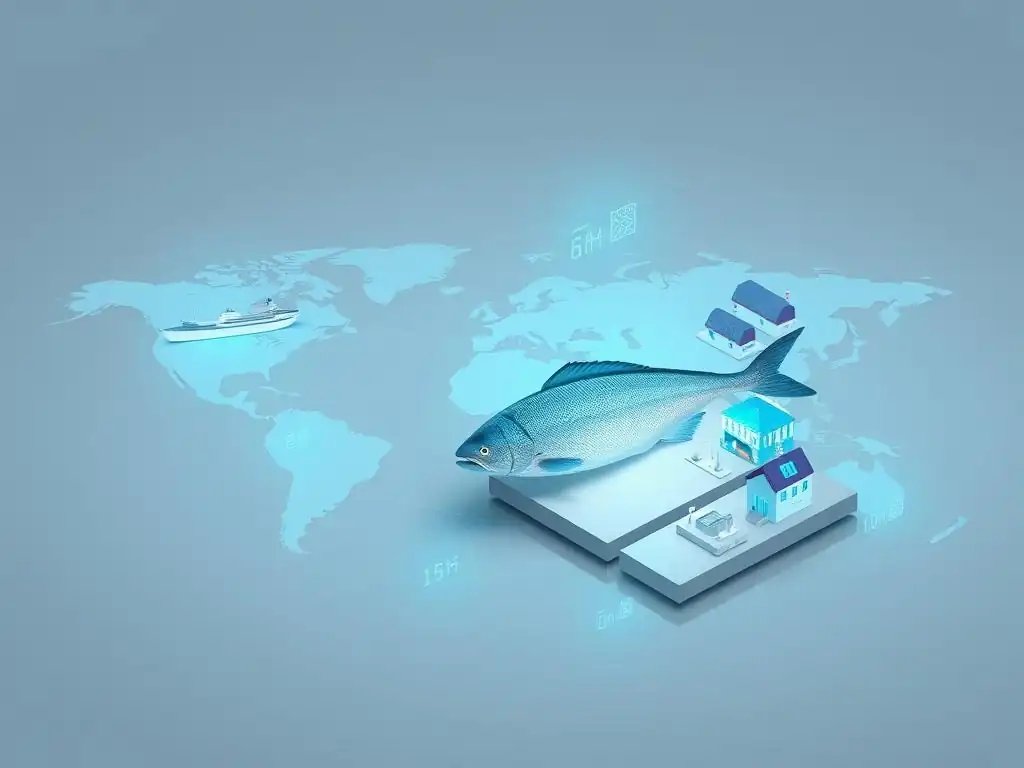
Blockchain technology offers a robust solution for enhancing traceability and provenance within complex seafood supply chains. At its core, a blockchain is a distributed, immutable ledger that records transactions in a secure and transparent manner. In the context of seafood, this means that every step a product takes, from the moment it is caught (or farmed) to when it reaches the consumer, can be recorded as a transaction on the blockchain.
This creates a permanent and verifiable history. Data points such as catch location, date, vessel information, processing facility, transportation details, and even sustainability certifications can be added to the ledger. Once recorded, this data is extremely difficult to alter, providing an unprecedented level of data integrity compared to traditional paper-based or centralized digital systems which are susceptible to manipulation or loss.
The process typically begins at the point of origin, where initial data about the catch or harvest is entered onto the blockchain, often linked to a unique identifier like a QR code or RFID tag on the product or batch. As the seafood moves through processors, distributors, wholesalers, and retailers, each handler adds their specific information to the same ledger entry. This chaining of data points across the supply chain creates a comprehensive, digital thread.
For investors exploring blockchain supply chain investment opportunities, understanding this fundamental mechanism is crucial. It's not just about storing data; it's about linking data points in a way that proves the journey and authenticity of the seafood, offering a foundational layer of trust that was previously unattainable.
Key Benefits of Blockchain Implementation in Seafood Supply Chains
Implementing blockchain technology in seafood supply chains unlocks a multitude of benefits that address long-standing industry challenges. These advantages range from improving operational efficiencies to building consumer confidence and mitigating risks associated with fraud and illegal activities. The immutable and transparent nature of blockchain provides a single source of truth for all participants in the supply chain, reducing disputes and increasing accountability. This holistic improvement in data management and accessibility lays the groundwork for significant positive impacts across the entire value chain, from harvesters to end consumers.
Furthermore, the integration of blockchain facilitates better data sharing and collaboration among disparate entities within the seafood industry. Traditionally, information silos have hindered effective tracking and verification. Blockchain breaks down these silos by providing a shared, secure platform where authorized parties can access relevant data. This enhanced data flow supports quicker identification of issues, such as contamination outbreaks or supply chain disruptions, and enables faster, more targeted recalls if necessary. For those considering blockchain supply chain investment opportunities, these operational and risk management benefits represent tangible value creation potential.
Enhanced Traceability from Catch to Consumer
Blockchain provides unparalleled end-to-end traceability, allowing every stakeholder, and potentially the consumer, to trace a piece of seafood back to its origin. This contrasts sharply with traditional methods where traceability often breaks down at various handoff points between different supply chain participants. With blockchain, data points recorded at the point of catch, such as species, weight, vessel ID, and fishing area (often linked to GPS coordinates), are linked to subsequent handling steps – processing, packaging, shipping, and retail.
This continuous chain of custody, recorded on an immutable ledger, means that if a consumer scans a QR code on a package of fish, they could potentially see exactly where and when it was caught, by which boat, how it was processed, and its journey to their local store. For instance, a pilot program tracked tuna from Fiji using blockchain, enabling participants to view details like the vessel name and fishing dates, providing a level of detail previously unavailable to most consumers. This granular, verifiable traceability is a key driver for blockchain supply chain investment opportunities in the sector.
Improved Transparency and Consumer Trust
The enhanced traceability directly translates into improved transparency for consumers and businesses alike. By providing access to verifiable information about a product's origin and journey, blockchain builds trust. Consumers are increasingly demanding to know more about the food they eat – its safety, sustainability, and ethical sourcing. A transparent blockchain record can directly address these concerns.
When a company can demonstrate, through an immutable ledger, that their seafood was sourced legally, handled properly, and meets specific sustainability standards (like MSC certification, recorded on the blockchain), it significantly boosts consumer confidence. This transparency can become a powerful differentiator in the market, potentially leading to increased sales and brand loyalty. The opportunity to invest in platforms that facilitate this trust-building transparency is a significant aspect of blockchain supply chain investment opportunities in seafood.
Reduced Seafood Fraud and Illegal Fishing
Seafood fraud, including species substitution, mislabeling weight, and falsely claiming origin, is a pervasive issue globally, estimated to cost the industry billions annually. Illegal, Unreported, and Unregulated (IUU) fishing is another major problem, depleting fish stocks and undermining conservation efforts. Blockchain's immutable ledger provides a powerful tool to combat both.
By creating a verifiable record of the seafood's journey and characteristics from the point of harvest, it becomes much harder to substitute species, misrepresent weight, or claim fish came from a legal source when it didn't. For example, if a batch of high-value wild salmon is recorded on the blockchain at catch, any attempt to later label farmed fish as wild salmon from that batch would be easily detectable by comparing the physical product to the blockchain record.
This ability to verify authenticity and legal sourcing makes blockchain a critical weapon against fraud and IUU fishing, presenting compelling blockchain supply chain investment opportunities focused on integrity.
Streamlined Compliance with Regulations
The seafood industry is subject to numerous complex regulations regarding traceability, food safety, and import/export requirements across different jurisdictions. Manually managing the documentation required for compliance can be cumbersome, time-consuming, and prone to errors. Blockchain can significantly streamline this process.
By recording required data points directly onto the blockchain as transactions occur, a comprehensive, easily auditable digital trail is automatically created. This makes demonstrating compliance to regulatory bodies much simpler and faster compared to sifting through piles of paper or disparate digital files. For instance, regulations like the EU's Catch Documentation Scheme or the US Seafood Import Monitoring Program (SIMP) require detailed data. A blockchain system can consolidate and present this data efficiently for audits. Investing in platforms that automate and simplify regulatory compliance through blockchain represents a valuable subset of blockchain supply chain investment opportunities.
Frequently Asked Questions
What are the key benefits of using blockchain in supply chain management, and why should investors consider it?
Blockchain provides enhanced transparency and traceability throughout the supply chain, reducing fraud and improving efficiency. Investors should consider it because these improvements lead to cost savings and increased trust, making businesses more competitive.
What are some potential "Blockchain supply chain investment opportunities" mentioned in the article, besides investing directly in cryptocurrencies?
The article highlights investments in companies developing blockchain-based supply chain solutions, such as platforms for tracking goods, verifying authenticity, and managing logistics. It also suggests opportunities in consulting services specializing in blockchain implementation.
How is the regulatory landscape impacting "Blockchain supply chain investment opportunities," and what should investors be aware of?
Regulatory uncertainty can pose a risk, particularly regarding data privacy and cross-border transactions. Investors need to be aware of evolving regulations and prioritize companies with strong compliance strategies.
Beyond cost reduction, what are some less obvious advantages that blockchain brings to the supply chain that might attract investment?
Beyond cost, blockchain fosters greater trust among participants and enables faster dispute resolution. It also allows for improved inventory management and reduction in counterfeiting, creating a more resilient supply chain.
What is the future outlook for "Blockchain supply chain investment opportunities," and what are some key trends to watch for?
The future looks promising, with increased adoption driven by the need for supply chain resilience and transparency. Key trends include the integration of blockchain with IoT devices and AI, creating even more sophisticated solutions.
Final Reflection: Embracing the Transparent Future
The exploration of blockchain's transformative power within supply chains culminates in a crucial understanding: transparency is no longer a luxury, but a necessity for resilient and ethical business practices. As we've seen, the potential for blockchain to revolutionize supply chain management is immense, offering unparalleled visibility and security in an increasingly complex global landscape. The investment opportunities highlighted throughout this article represent not just financial gains, but a commitment to building a more trustworthy and sustainable future.
The integration of blockchain technology is not merely a technological upgrade; it's a fundamental shift in how we perceive and interact with the products we consume. This shift towards greater accountability resonates deeply with a growing consumer demand for ethical sourcing and transparent business practices. The best way to predict the future is to create it.
- Peter Drucker. This quote encapsulates the proactive role we must take in shaping the future of supply chains, leveraging blockchain to build a system that prioritizes integrity and sustainability.
Now, consider the implications of this information for your own actions. How can you, as an investor, a consumer, or a business leader, contribute to the adoption of blockchain in supply chains? Reflect on the potential for positive change and the responsibility we all share in fostering a more transparent and equitable global economy. The future of supply chains is being built today; let's ensure it's a future we can all be proud of.
Unlock the Potential: Invest in a Transparent Future!
Thank you for exploring the investment opportunities within the supply chain blockchain market. You've now gained valuable insights into the future of transparency and efficiency. Ready to take the next step?
Here are a few ways you can leverage this knowledge:
- Dive Deeper: Identify and research three promising blockchain projects that are revolutionizing supply chain management. Focus on those relevant to your industry of interest.
- Share the Knowledge: Disseminate this article on your preferred social media channels to engage others and promote informed discussions about enhancing supply chain transparency.
- Connect and Explore: Join our growing community. Register to receive exclusive market analyses and updates.
What innovative blockchain solutions in supply chain are you most excited to see disrupt the market in the coming years? Share your thoughts in the comments below!
Leave a Reply