
Tokenomics and Investment: Understanding the Value Drivers of Blockchain Projects


Welcome to Blockchain Trends, your compass in the rapidly evolving world of decentralized technologies! Are you ready to look beyond the headlines and delve into the real potential of blockchain?
This week, we're unraveling the complexities of blockchain project investment strategies. But how do you separate promising ventures from fleeting fads? What key factors truly drive value in a decentralized ecosystem? Get ready to discover the insights you need to make informed decisions and navigate the exciting, yet often unpredictable, landscape of blockchain investment. Let's explore the future, together.
Tokenomics and Investment: Understanding the Value Drivers of Blockchain Projects
- Introduction: Navigating the Blockchain Investment Landscape
- What is Tokenomics? A Deep Dive
- Analyzing Tokenomics for Investment Potential: A Framework
- Key Tokenomic Models and Their Impact on Value
- Red Flags in Tokenomics: Avoiding Common Pitfalls
- Case Studies: Successful and Unsuccessful Tokenomic Models
- Blockchain Project Investment Strategies: Integrating Tokenomics Analysis
- The Future of Tokenomics: Trends and Innovations
- Conclusion: Making Informed Blockchain Project Investment Decisions
-
Frequently Asked Questions
- How crucial is tokenomics in evaluating a blockchain project for investment?
- What are the main value drivers investors should focus on when analyzing a blockchain project?
- Beyond the whitepaper, what are some practical steps to assess the viability of a blockchain project before investing?
- How do regulatory uncertainties impact investment decisions in blockchain projects?
- What are some common mistakes to avoid when developing Blockchain project investment strategies?
- Final Reflection: Navigating the Future of Blockchain Investment
- Unlock Your Crypto Potential: Take Action Now!
Why Tokenomics Matters for Blockchain Project Investment Strategies
In the rapidly evolving world of blockchain technology, simply understanding the underlying tech or the project's whitepaper is no longer sufficient for making informed investment decisions. A critical, often overlooked, component that dictates a project's long-term viability and potential value is its tokenomics. Tokenomics, a portmanteau of "token" and "economics," refers to the economic model governing a cryptocurrency token or digital asset within a blockchain ecosystem.
It encompasses everything from how a token is created and distributed to how it is used, incentivized, and eventually removed from circulation. Grasping these mechanics is fundamental for developing robust blockchain project investment strategies.
Analyzing tokenomics provides deep insights into the incentives driving network participants – developers, users, validators, and investors alike. A well-designed tokenomic model aligns the interests of these diverse groups, fostering a sustainable and growing ecosystem. Conversely, poor tokenomics can lead to inflation issues, centralization risks, lack of user adoption, and ultimately, project failure.
Therefore, incorporating a thorough tokenomics analysis into your blockchain project investment strategies is not just advisable; it is essential for identifying projects with genuine potential and avoiding those built on shaky foundations. It allows investors to move beyond speculative hype and focus on the intrinsic value drivers of a decentralized network.
Blockchain Trends' Focus: Investing in the Future of Decentralized Systems
Blockchain Trends is dedicated to exploring the transformative potential of blockchain technology beyond its initial application in cryptocurrencies. Our focus extends to decentralized finance (DeFi), enterprise blockchain solutions, regulatory impacts, and the broader landscape of decentralized systems. Within this context, understanding how to effectively execute blockchain project investment strategies becomes paramount. We believe that future innovation and value creation will increasingly occur within these decentralized ecosystems, powered by unique token designs.
Our approach to investing in blockchain projects emphasizes due diligence that goes beyond market capitalization and trading volume. We prioritize analyzing the core technology, the team, the market opportunity, and crucially, the tokenomics. By dissecting the economic incentives and mechanisms embedded within a project's token, we aim to identify projects that are not only technologically sound but also possess a sustainable economic model capable of driving long-term adoption and value. This commitment to a holistic analysis, with a strong emphasis on tokenomics, forms the bedrock of our guidance on effective blockchain project investment strategies.
What is Tokenomics? A Deep Dive
Defining Tokenomics: The Economics of Blockchain Tokens
Tokenomics is the study and design of the economic factors that govern the creation, distribution, and use of digital tokens within a blockchain network or decentralized application. It's essentially the monetary and incentive policy of a crypto project. A project's tokenomics dictates how value is captured, transferred, and shared among participants, and how the system maintains its functionality and security. It's a complex interplay of supply and demand dynamics, incentive structures, governance mechanisms, and utility functions designed to encourage desired behaviors and sustain the ecosystem's growth.
A well-designed tokenomic model is crucial for aligning the incentives of all stakeholders. For instance, validators in a Proof-of-Stake network are incentivized to secure the network through staking rewards, while users might be incentivized to use a decentralized application through utility tokens or fee discounts. Investors, in turn, are interested in how these mechanisms contribute to the token's potential value appreciation. Understanding the intricacies of a project's tokenomics is therefore a non-negotiable step in forming effective blockchain project investment strategies, as it reveals the underlying economic engine driving the project.
Key Components of a Tokenomic Model
Understanding the core components of a tokenomic model is essential for any investor developing blockchain project investment strategies. These elements collectively determine the economic behavior and potential value trajectory of a digital asset. Analyzing each component provides a clearer picture of the project's design philosophy and its potential for long-term sustainability and growth.
Here are some of the key components:
Token Supply: Understanding Scarcity and Inflation
Token supply refers to the total number of tokens that will ever exist (maximum supply) and the number currently in circulation (circulating supply). Like traditional economics, scarcity can drive value. Bitcoin, for example, has a fixed maximum supply of 21 million BTC, which is a core part of its value proposition as a scarce digital asset. Inflationary models, where supply increases over time, must be carefully managed; high inflation can dilute token value significantly unless demand grows at a proportional or faster rate.
Projects may employ various supply mechanisms, including fixed supply (like Bitcoin), capped supply with planned inflation (like Ethereum post-Merge with issuance covering validator rewards), or even deflationary mechanisms where tokens are burned or removed from circulation over time, potentially increasing scarcity. Analyzing the supply schedule, including vesting periods for founders and early investors, is crucial for understanding potential selling pressure and its impact on blockchain project investment strategies.
Distribution Mechanisms: Fair Launches vs. Airdrops
How tokens are initially distributed significantly impacts the decentralization and fairness of a project. A "fair launch" typically involves distributing tokens through mechanisms like mining or yield farming from the outset, giving everyone an equal opportunity to acquire tokens based on participation or contribution (e.g., Bitcoin's initial mining distribution). This can lead to a more decentralized ownership structure.
Other mechanisms include Initial Coin Offerings (ICOs), Initial Exchange Offerings (IEOs), private sales, and airdrops. While these can raise capital and bootstrap a network, they can also lead to a significant concentration of tokens in the hands of founders, venture capitalists, or early large buyers. Analyzing the initial distribution is vital for assessing potential centralization risks and understanding who holds the majority of the token's supply, which can influence governance and market dynamics when developing blockchain project investment strategies.
Utility and Governance: The Role of the Token in the Ecosystem
A token's utility refers to its functional use within the ecosystem. Does it grant access to a service? Is it used for paying transaction fees? Can it be staked to earn rewards? Does it serve as collateral? The more compelling and integrated the utility, the higher the organic demand for the token is likely to be. Tokens without strong utility are often purely speculative assets, making them riskier investments.
Governance tokens grant holders the right to vote on proposals related to the project's development, upgrades, and treasury management. This decentralizes decision-making power, giving the community a voice. The extent of governance rights and the participation levels of token holders are important indicators of a project's commitment to decentralization and community engagement, factors that should weigh heavily in blockchain project investment strategies.
Analyzing Tokenomics for Investment Potential: A Framework
Assessing Token Utility: Identifying Real-World Applications
The primary driver of long-term token value, beyond speculative hype, is its utility within its ecosystem. When analyzing a token for investment potential as part of your blockchain project investment strategies, you must ask: What can this token actually do? Does it power a decentralized application (dApp) by being used for fees or access?
Is it required for staking to participate in network consensus or earn rewards? Does it serve as a medium of exchange within a specific platform or marketplace? Projects with tokens that have clear, integrated, and necessary functions within a growing ecosystem tend to have more sustainable demand profiles.
Consider a token used for paying transaction fees on a busy network, like ETH on Ethereum. As network usage grows, the demand for ETH to cover gas costs increases, creating organic buying pressure. Similarly, a token required for accessing premium features on a popular dApp or for participating in a lucrative yield farming protocol has direct, measurable utility that drives its value. Evaluating the depth and breadth of a token's utility requires understanding the project's technology and target market, and is a cornerstone of effective blockchain project investment strategies.
Evaluating Token Distribution: Identifying Potential Risks
The initial and ongoing distribution of a token significantly impacts its decentralization, potential for market manipulation, and long-term stability. Analyzing who holds the tokens, how many they hold, and when they received them (especially for early investors and the team with vesting schedules) is crucial. A highly concentrated distribution, where a small number of wallets hold a large percentage of the supply, poses a risk. These large holders could potentially dump their tokens on the market, causing significant price drops, or exert undue influence over governance decisions.
Furthermore, understanding the vesting schedules for the team and early investors is vital. Vesting schedules gradually release tokens over time, preventing large sell-offs immediately after launch. A project with a long, well-structured vesting period indicates confidence in the project's future and reduces immediate selling pressure. Conversely, short or non-existent vesting should be seen as a major red flag. Thoroughly evaluating token distribution is a critical step in mitigating risk when formulating blockchain project investment strategies.
Understanding Token Governance: The Power of Community
For many decentralized projects, token holders possess governance rights, allowing them to propose and vote on changes to the protocol, use of community treasury funds, and other important decisions. The design of the governance mechanism and the level of community participation are strong indicators of a project's commitment to decentralization and its ability to adapt and evolve over time. A robust and active governance system can lead to better decision-making and a more resilient project.
When assessing governance as part of your blockchain project investment strategies, look at how voting power is distributed (is it proportional to token holdings, or is there a different model? ), the typical voter turnout on proposals, and the quality of discussions and proposals being put forward. Projects with engaged communities and effective governance structures are often better positioned to navigate challenges and capitalize on opportunities, contributing to their long-term success and potential value appreciation.
Key Tokenomic Models and Their Impact on Value
Proof-of-Stake (PoS) Tokenomics: Earning Rewards Through Staking
Proof-of-Stake (PoS) is a consensus mechanism where participants "stake" their tokens to validate transactions and secure the network. The tokenomics of a PoS system revolve heavily around staking rewards. Validators who stake tokens and perform their duties correctly earn newly minted tokens or a portion of transaction fees. This incentivizes holding and staking the token, reducing circulating supply and creating buying pressure from those wishing to become validators or delegators.
The inflation rate from staking rewards and the percentage of the supply being staked are key metrics. High staking rewards can attract more stakers, increasing network security and potentially reducing liquid supply, but also lead to higher inflation which could dilute value if not balanced by demand. Analyzing these dynamics is crucial for understanding the potential value drivers and inflationary pressures within a PoS project's tokenomics when developing blockchain project investment strategies. Ethereum's transition to PoS, for instance, significantly altered its tokenomics by reducing ETH issuance compared to the previous Proof-of-Work model.
Decentralized Finance (DeFi) Tokenomics: Yield Farming and Liquidity Pools
DeFi tokenomics are often characterized by complex incentive structures designed to bootstrap liquidity and encourage participation in decentralized protocols like lending platforms, decentralized exchanges (DEXs), and yield aggregators. A common mechanism is "yield farming," where users deposit or stake crypto assets to earn rewards, often in the form of the protocol's native token. Providing liquidity to DEX trading pairs can also earn a share of trading fees and/or liquidity mining rewards in the native token.
These tokenomics models are designed to attract capital and users quickly, but they can also lead to high inflation if tokens are continuously emitted as rewards without sufficient organic demand or utility to absorb the supply. The value of DeFi tokens often depends on the continued success and usage of the underlying protocol, the demand for its services, and the sustainability of its yield mechanisms. Evaluating the long-term viability of these incentives is critical when considering DeFi projects for your blockchain project investment strategies.
Governance Tokenomics: Voting Rights and Project Direction
Governance tokens grant holders the power to participate in the decision-making process of a decentralized protocol or DAO (Decentralized Autonomous Organization). While they often have other utilities (like staking or fee discounts), their primary function is to represent voting power. The tokenomics around governance tokens focus on how voting power is allocated (typically proportional to tokens held), how proposals are submitted and voted on, and how the treasury controlled by the DAO is managed.
The value of a governance token is often tied to the perceived value of the underlying protocol and the potential impact of governance decisions on its future success. An active and engaged community making sound decisions can increase confidence in the project, potentially boosting the token's value. Conversely, apathy, voter low turnout, or controversial decisions can erode confidence. Analyzing the governance structure and community engagement is a key part of evaluating a project's long-term health and potential when formulating blockchain project investment strategies.
Red Flags in Tokenomics: Avoiding Common Pitfalls
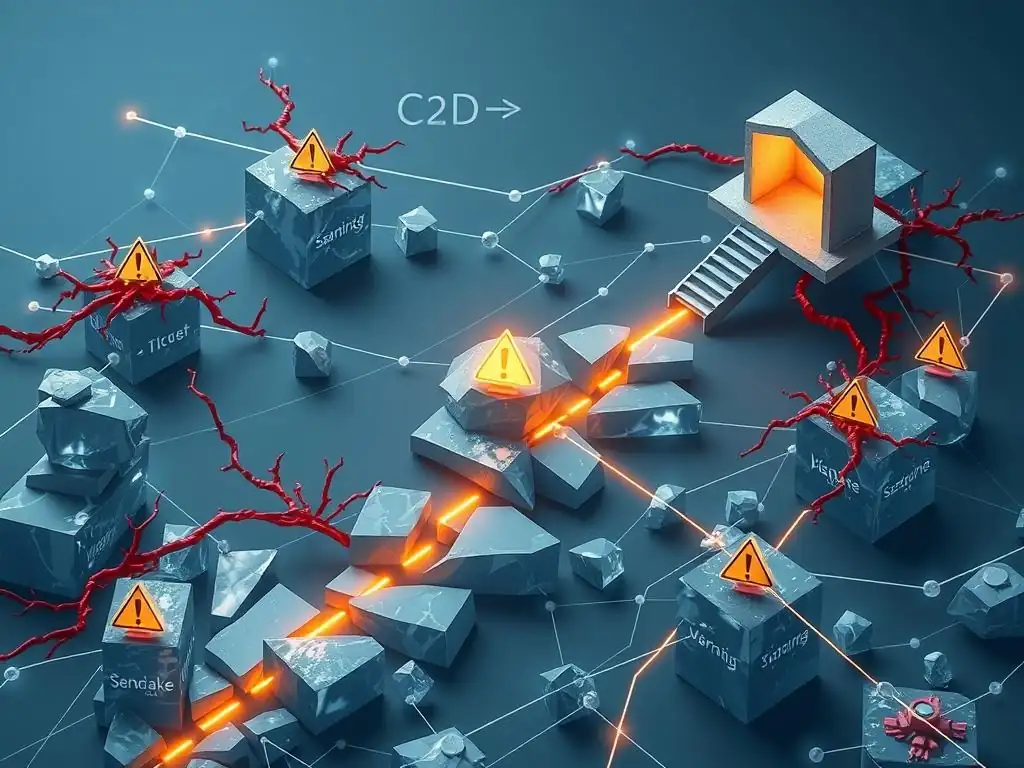
Inflated Token Supply: The Danger of Hyperinflation
A significant red flag in tokenomics is an excessive or uncontrolled inflationary supply model, particularly when coupled with limited utility or demand. If a project continuously mints new tokens at a high rate without a corresponding increase in demand or a mechanism to absorb supply (like burning), the value of each individual token is likely to decrease over time due to dilution. This is akin to hyperinflation in traditional fiat currencies, which erodes purchasing power.
While some inflation is necessary in certain models (like PoS rewards), the key is sustainability. Investors must scrutinize the token issuance schedule, understand why new tokens are being created, and assess whether the project's growth trajectory and utility can outpace the inflationary pressure. Projects with vague or overly aggressive emission schedules should be approached with extreme caution as part of your blockchain project investment strategies.
Uneven Token Distribution: Risks of Centralized Control
A highly centralized token distribution, where a large percentage of tokens are held by a small group (team, advisors, early investors), presents significant risks. This concentration of power can manifest in several ways: potential large-scale selling pressure if these holders decide to exit, and the ability to dominate governance votes, potentially leading to decisions that benefit insiders over the broader community.
Analyzing the initial token allocation and the current distribution among top holders is critical. While some concentration is expected initially, a healthy project shows signs of increasing distribution over time as more users and investors acquire the token. Tools that track token distribution across wallets can be invaluable here. Identifying projects with excessively centralized distributions is a crucial step in risk mitigation within blockchain project investment strategies.
Lack of Utility: Tokens Without Purpose
Perhaps the most fundamental red flag is a token that lacks genuine, integrated utility within its ecosystem. If the token's primary function is simply to be traded on exchanges or used for speculative purposes, its value is based purely on market sentiment and hype, not underlying demand driven by practical use. Such tokens are highly susceptible to volatility and pump-and-dump schemes.
A project whitepaper or website might describe potential future utility, but investors should focus on current or clearly defined near-term utility. Can you use the token now? Is it necessary to interact with the core product or service? Projects where the token feels like an afterthought or a way to simply capitalize on market trends, rather than an essential component of the system's design, should be viewed skeptically. Prioritizing utility is a core tenet of sound blockchain project investment strategies.
Case Studies: Successful and Unsuccessful Tokenomic Models
Bitcoin (BTC) - Examining the Key Factors
Bitcoin's tokenomics, designed by Satoshi Nakamoto, are remarkably simple yet effective, forming the bedrock of its success as a store of value. Its key tokenomic features include a fixed maximum supply of 21 million BTC, a predictable issuance schedule that halves approximately every four years (the halving event), and the requirement to use BTC to pay transaction fees on the network. These elements create scarcity and predictable supply inflation that decreases over time.
The fixed supply and decreasing inflation rate are fundamental to Bitcoin's narrative as "digital gold." The halving events, while often leading to short-term volatility, reinforce the long-term deflationary supply characteristic relative to its increasing adoption and use cases. The requirement for transaction fees (though relatively small compared to value transferred) provides a base level of utility. Bitcoin's tokenomics, while not designed for complex dApps or governance, have proven incredibly robust for its intended purpose as a decentralized, scarce digital asset, making understanding them key for anyone considering Bitcoin within their blockchain project investment strategies.
Terra Luna (LUNA) - Learning from Mistakes
The collapse of the Terra ecosystem in May 2022 serves as a stark lesson in the potential catastrophic failures of poorly designed tokenomics, particularly concerning algorithmic stablecoins. Terra's tokenomics centered around LUNA and the algorithmic stablecoin UST. LUNA was designed to absorb the volatility of UST through a mint-and-burn mechanism: when UST traded above $1, LUNA could be burned to mint new UST; when UST traded below $1, UST could be burned to mint new LUNA. This was intended to maintain UST's peg.
However, this model created a death spiral during a period of significant selling pressure on UST. As UST lost its peg, users burned UST to mint LUNA, hoping to profit from arbitrage. This flooded the market with newly minted LUNA, causing hyperinflation of the LUNA supply (from around 340 million to billions in days) and a rapid collapse in LUNA's price.
The increasing LUNA supply simultaneously made the arbitrage mechanism less effective and destroyed confidence. The Terra/LUNA collapse highlights the dangers of complex, brittle algorithmic tokenomics that rely heavily on continuous growth and lack robust circuit breakers or sufficient decentralized collateral, offering a critical case study for refining blockchain project investment strategies.
Blockchain Project Investment Strategies: Integrating Tokenomics Analysis
Due Diligence Checklist: Tokenomics and Investment Decisions
Integrating tokenomics analysis into your blockchain project investment strategies requires a structured approach. Develop a due diligence checklist specifically focused on the token's economic design. Key questions to include are: What is the maximum token supply? What is the current circulating supply and future emission schedule? How were tokens initially distributed (team, advisors, public sale, airdrop, mining)? Are there vesting schedules, and what are their terms? What is the token's primary utility within the ecosystem? Is there demand for this utility? Does the token have governance rights, and how is governance structured?
Furthermore, evaluate the project's stated token burn mechanisms, staking rewards, and other value-accrual methods. Compare the project's tokenomics to similar projects in the same sector. Look for transparency in the tokenomics documentation. A comprehensive checklist ensures that you systematically assess the economic viability and potential risks associated with the token before committing capital, strengthening your blockchain project investment strategies.
Understanding tokenomics allows investors to identify and mitigate specific risks. High inflation is a risk; diversify across projects with different supply models or invest in projects with strong demand drivers that can absorb inflation. Centralized distribution is a risk; avoid projects where a few wallets hold the majority of the supply, or size your position accordingly if you choose to invest despite this risk, acknowledging the potential for sudden dumps. Lack of utility is a risk; prioritize projects with tokens essential for using a growing, valuable product or service.
Vesting cliffs (periods where large amounts of tokens unlock simultaneously) present potential selling pressure; be aware of these dates and consider reducing exposure beforehand. Algorithmic stablecoins or complex DeFi yield structures carry unique risks, as demonstrated by Terra/LUNA; thoroughly understand the underlying mechanisms and their potential failure points. Incorporating these considerations into your overall risk management framework is crucial for protecting your portfolio when executing blockchain project investment strategies.
Long-Term Value Creation: Focusing on Sustainable Tokenomics
Sustainable tokenomics are those that promote long-term growth and value creation for all participants, not just short-term speculation. This involves designing incentives that encourage productive behavior (like providing liquidity, validating transactions, or using the dApp) and aligning the interests of users, developers, and investors. Sustainable models often feature balanced inflation/deflation, clear utility, fair distribution, and effective governance.
Projects focused on long-term value creation prioritize building a real product or service with organic demand, rather than relying solely on token incentives to attract users. Their tokenomics are designed to capture a portion of the value generated by the ecosystem and accrue it back to the token holders through mechanisms like fee sharing, staking rewards, or token burns fueled by usage. Identifying projects with such sustainable tokenomics is a key component of successful long-term blockchain project investment strategies.
The Future of Tokenomics: Trends and Innovations
Dynamic Tokenomics: Adapting to Changing Market Conditions
Traditional tokenomic models often have fixed parameters like supply schedules and reward rates set at launch. However, the blockchain space is constantly evolving, and rigid tokenomics can struggle to adapt. A growing trend is towards dynamic tokenomics, where certain parameters can be adjusted over time based on predefined rules or governance decisions, often in response to network conditions, market demand, or development milestones.
Examples include protocols where staking reward rates adjust based on the percentage of tokens staked, or where transaction fee burn rates change based on network congestion. This allows projects to better manage inflation, incentivize desired behaviors under varying circumstances, and respond to unforeseen challenges. While adding complexity, dynamic tokenomics, when implemented transparently and governed effectively, can lead to more resilient and sustainable ecosystems, influencing future blockchain project investment strategies.
The regulatory landscape for cryptocurrencies and tokens is still developing globally, and future regulations will undoubtedly impact tokenomics design. Regulators are increasingly scrutinizing tokens to determine if they constitute securities, which has significant implications for issuance, trading, and compliance. Projects are already designing tokenomics with potential regulatory frameworks in mind, focusing on utility and decentralization to potentially avoid being classified as securities.
Future tokenomics may need to incorporate features that ensure compliance with KYC/AML regulations, investor accreditation rules, or specific operational requirements depending on the token's function and jurisdiction. The interplay between evolving regulations and tokenomics design will be a critical area to watch, influencing how projects structure their tokens and how investors approach blockchain project investment strategies in the coming years.
The Evolution of Token Utility: Beyond Financial Incentives
While financial incentives like staking rewards and yield farming have dominated early tokenomics, the future will likely see an evolution towards more diverse and integrated forms of token utility. Tokens are increasingly being used for access to exclusive content or communities (social tokens), representing ownership of digital or physical assets (NFTs and fractionalized NFTs), powering decentralized identity systems, or enabling new forms of digital rights management.
This expansion of utility beyond purely financial speculation or governance broadens the potential use cases and organic demand for tokens. As blockchain technology matures and integrates into more aspects of the digital and physical world, tokenomics will need to evolve to support these new applications, creating novel ways for tokens to accrue value and offering new avenues for blockchain project investment strategies.
Conclusion: Making Informed Blockchain Project Investment Decisions
The Importance of Understanding Tokenomics for Investment Success
Tokenomics is the fundamental economic engine of any blockchain project. It dictates incentives, manages supply, governs distribution, and defines utility – all critical factors influencing a token's potential long-term value and the project's sustainability. Relying solely on technical analysis, market hype, or superficial project descriptions without a deep dive into tokenomics is a recipe for uninformed decisions and potential losses in the volatile crypto market.
A thorough understanding of tokenomics empowers investors to look beyond short-term price movements and assess the intrinsic value drivers of a project. It helps identify well-designed, sustainable ecosystems versus those built on speculative bubbles or flawed economic models. For anyone serious about navigating the blockchain investment landscape and developing effective blockchain project investment strategies, mastering tokenomics analysis is not optional; it is absolutely essential for making informed decisions and increasing the probability of investment success.
Blockchain Trends' Commitment to Providing Expert Investment Insights
At Blockchain Trends, we are committed to providing our readers with the knowledge and tools necessary to navigate the complexities of the decentralized world. Our analysis consistently incorporates a detailed examination of tokenomics as a core component of evaluating blockchain projects. We believe that by focusing on the underlying economic structures and incentives, investors can make more rational, long-term-oriented decisions.
We will continue to explore and explain the nuances of tokenomics, highlight best practices and red flags, and provide frameworks for analyzing token value drivers. Our goal is to equip you with the expertise needed to develop robust blockchain project investment strategies that are grounded in fundamental analysis, helping you identify promising opportunities and build a resilient portfolio in this exciting and rapidly evolving technological frontier.
Frequently Asked Questions
How crucial is tokenomics in evaluating a blockchain project for investment?
Tokenomics is extremely important. It directly impacts the long-term sustainability and value accrual of a blockchain project. A well-designed tokenomics model can attract and retain users and investors.
What are the main value drivers investors should focus on when analyzing a blockchain project?
Investors should focus on utility, scarcity, and distribution of the token. Examining the governance model and incentive mechanisms is also crucial for assessing long-term value.
Beyond the whitepaper, what are some practical steps to assess the viability of a blockchain project before investing?
Look into the team's experience and track record. Analyze the community engagement and developer activity on platforms like GitHub.
How do regulatory uncertainties impact investment decisions in blockchain projects?
Regulatory uncertainties create significant risk. Investors need to understand the potential impact of regulations on the project's legality and market access in different jurisdictions.
What are some common mistakes to avoid when developing Blockchain project investment strategies?
Ignoring token distribution models or failing to understand the project's underlying technology are common pitfalls. Investing based solely on hype without proper due diligence is also a significant mistake.
The exploration of tokenomics and its impact on blockchain project investment strategies reveals a landscape ripe with opportunity, yet fraught with complexity. Understanding the fundamental value drivers is no longer a luxury, but a necessity for navigating the evolving digital economy. The insights shared within this article serve as a crucial compass, guiding investors through the intricate web of token supply, utility, and community engagement that ultimately determines a project's long-term success.
The power of tokenomics extends far beyond mere financial speculation; it shapes the very fabric of decentralized ecosystems. Witnessing the rise and fall of projects based on sound (or unsound) tokenomic principles underscores the profound influence this field wields. The best way to predict the future is to create it,
a quote often attributed to Peter Drucker, resonates deeply here. By understanding and applying effective tokenomic strategies, we can actively participate in shaping a more equitable and sustainable future for blockchain technology.
Now, armed with a deeper understanding of blockchain project investment strategies, I invite you to reflect on your own approach. How can you leverage these insights to make more informed decisions, support projects with genuine potential, and contribute to the growth of a vibrant and responsible blockchain ecosystem? The future of decentralized finance is being written now, and your informed participation will help shape its narrative.
Unlock Your Crypto Potential: Take Action Now!
Thank you for exploring the intricate world of tokenomics with us! You've gained valuable insights into how token design influences the value of blockchain projects. Now, it's time to put that knowledge into practice.
You can take several steps to deepen your understanding and refine your investment approach:
- Analyze at least three different blockchain projects using the tokenomics frameworks discussed. This hands-on experience will reinforce your knowledge and help you spot promising opportunities.
- Join the community forum and share your analysis of a project you find interesting. Receive feedback from other investors and learn from their perspectives.
- Consider exploring alternative token models, such as burning mechanisms, staking rewards, or governance tokens. Research how these strategies impact project value and long-term sustainability.
Which project's tokenomics most piques your interest, and what key value drivers have you identified? Share your thoughts in the comments below!
Leave a Reply