
Beyond JPEG NFTs: Exploring Dynamic and Interactive Digital Assets


Welcome to Blockchain Trends, your guide to the evolving world of decentralized technology!
Delve into the transformative potential of blockchain beyond cryptocurrencies. Are you ready to look beyond static JPEGs and unlock the future of digital ownership? Our exploration of dynamic digital asset evolution begins now. Discover how interactive NFTs and innovative blockchain applications are reshaping industries and creating entirely new possibilities in the realms of DeFi, enterprise solutions, and more. Prepare to be amazed by the possibilities that lie ahead!
- Introduction to Dynamic Digital Asset Evolution
- What Are Dynamic Digital Assets?
- The Evolution of NFTs: From Static to Dynamic
- Benefits of Dynamic Digital Assets
- Dynamic Digital Assets in Different Sectors
- How to Invest in Dynamic Digital Assets
- Risks and Challenges in Dynamic Digital Asset Investment
- Future Trends in Dynamic Digital Asset Evolution
- Conclusion: Embracing the Future of Dynamic Digital Assets
-
Frequently Asked Questions
- What are dynamic digital assets, and how are they different from traditional NFTs?
- How does blockchain technology enable the creation and management of dynamic digital assets?
- What are some potential use cases for dynamic digital assets beyond digital art and collectibles?
- What are the regulatory considerations surrounding dynamic digital assets, especially concerning their evolving nature?
- How does the concept of "Dynamic digital asset evolution." contribute to the future of decentralized systems?
- Final Reflection: Embracing the Dynamic Digital Asset Evolution
- Reimagine Your Digital Ownership: Unlock the Power of Dynamic NFTs!
Introduction to Dynamic Digital Asset Evolution
Blockchain technology initially gained widespread attention through cryptocurrencies like Bitcoin and Ethereum, demonstrating the power of decentralized ledgers for value transfer. However, its potential extends far beyond fungible tokens. The advent of Non-Fungible Tokens (NFTs) unlocked new possibilities for representing unique digital and physical assets on the blockchain, leading to a significant shift in how we perceive ownership and value in the digital realm.
While early NFTs were often static images or collectibles, the field is rapidly evolving towards dynamic and interactive digital assets, marking a significant phase in dynamic digital asset evolution. This transition is redefining digital ownership, enabling assets that can change, react, and interact based on various inputs, offering richer experiences and enhanced utility.
The movement towards dynamic and interactive digital assets represents a maturation of the NFT concept. It moves beyond simple digital scarcity to complex, evolving digital entities that can respond to external data, user actions, or even time. This dynamic capability opens up a wealth of applications across numerous industries, from gaming and art to finance and supply chain management. Understanding this shift is crucial for anyone involved in the blockchain space, whether as a creator, investor, or developer, as it highlights the significant potential for future innovation and value creation within the broader landscape of dynamic digital asset evolution.
Understanding NFTs Beyond JPEGs
Initial public understanding of NFTs was largely shaped by high-profile sales of digital art, often static images or videos, frequently referred to as "JPEGs" in shorthand. While these static assets demonstrated the core concept of unique digital ownership, they only scratched the surface of what NFTs could become. Projects like CryptoPunks and the Bored Ape Yacht Club, while iconic, represent the first wave – digital collectibles with fixed attributes recorded on the blockchain. Their value was primarily derived from verifiable scarcity, provenance, and community status.
Moving beyond this initial phase involves recognizing that an NFT is fundamentally a token on a blockchain that represents ownership of a unique item, digital or physical. The data associated with this token, the metadata, can be designed to be mutable rather than fixed. This mutability, combined with smart contract logic, allows the represented asset to change over time.
For example, a digital character asset could gain experience points, change appearance, or unlock new abilities based on how it's used in a game. This capability transforms the asset from a static collectible into a dynamic entity with evolving characteristics and potential utility, driving dynamic digital asset evolution.
The Role of Blockchain in Digital Asset Transformation
Blockchain technology is the foundational layer enabling the transformation of digital assets from static to dynamic. Its immutable and transparent ledger provides a secure and verifiable way to track ownership and the history of changes to an asset's metadata. Smart contracts, self-executing contracts with the terms directly written into code, are particularly crucial. They can be programmed to automatically update an NFT's attributes based on predefined conditions, such as elapsed time, external data feeds (like weather or stock prices), or interactions within a decentralized application (dApp).
Furthermore, blockchain ensures that these dynamic changes and the asset's ownership remain decentralized and resistant to single points of failure or censorship. Unlike traditional databases where an entity can alter records unilaterally, changes to an NFT's state via a smart contract are transparently recorded on the public ledger. This verifiable history builds trust and enables complex interactions. For instance, a dynamic digital asset designed for a game could have its stats updated based on gameplay outcomes, with the integrity of these updates guaranteed by the blockchain's inherent security features, fostering the next stage of dynamic digital asset evolution.
What Are Dynamic Digital Assets?
Dynamic digital assets represent a significant evolution from their static counterparts, characterized by their ability to change or interact based on external data, user actions, or programmed conditions. Unlike a traditional NFT representing a fixed piece of art or a static collectible, a dynamic digital asset possesses mutable metadata that can be updated via smart contracts. This allows the asset itself to evolve over time, reflecting real-world events, user progression, or complex programmatic logic. They are not merely passive tokens of ownership but active participants within decentralized ecosystems, embodying the core principle of dynamic digital asset evolution.
The key distinction lies in the mutability and responsiveness. A static NFT's metadata points to a fixed file (like a JPEG or MP4) and its attributes are set at minting. A dynamic digital asset, however, has metadata that can be altered post-minting, often referencing data sources that are themselves updated. This could involve pulling data from oracles (services that provide external data to smart contracts), reacting to transactions, or changing based on game states. This inherent flexibility makes dynamic assets far more versatile and capable of representing complex, evolving concepts or items.
Defining Dynamic Digital Assets in the Blockchain Ecosystem
In the blockchain ecosystem, dynamic digital assets are NFTs whose associated metadata and/or underlying characteristics are designed to change over time, controlled by smart contracts and potentially influenced by external factors. They are distinct from static NFTs where the attributes are fixed upon creation. The definition centers on the asset's capacity for transformation and interaction. For example, a dynamic digital asset might represent a digital plant that "grows" based on how often its owner interacts with it or a piece of digital art that changes color based on the current price of Ethereum.
This definition implies a higher level of complexity in design and implementation compared to static NFTs. It requires robust smart contract logic to manage the state changes and often involves integrating with external data sources securely via oracles. The value of a dynamic digital asset is not solely tied to its initial appearance or rarity but also to its potential for evolution, its utility within an application, and its responsiveness. This capacity for change and interaction is a defining feature of dynamic digital asset evolution, enabling new forms of digital expression and utility.
Key Features of Dynamic and Interactive Digital Assets
Dynamic and interactive digital assets possess several defining features that differentiate them from static NFTs:
- Mutable Metadata: The core characteristic is the ability for the NFT's metadata (attributes, appearance, description) to be updated after minting. This is typically controlled by the smart contract governing the NFT.
- Responsiveness to External Data: Many dynamic assets are programmed to react to data from external sources, such as time, weather feeds, financial market data, or real-world events, often facilitated by blockchain oracles.
- Interaction-Driven Changes: Assets can change based on user actions, such as participation in a game, completing a task, or interacting with other assets or smart contracts. This allows for personalized and evolving digital items.
- Algorithmic Evolution: The changes can be governed by complex algorithms embedded in the smart contract, allowing for unpredictable or emergent properties to develop over time based on programmed rules.
- Statefulness: Dynamic assets often have a "state" that changes, representing progress, condition, or evolution. For instance, a digital character NFT might have states like 'novice', 'intermediate', and 'expert', changing based on gameplay.
- Enhanced Utility: Beyond collectible value, dynamic assets often have active utility within specific applications, with their evolving nature impacting their function or performance.
These features enable a new paradigm for digital ownership, where assets are not just possessions but potentially living, evolving entities within decentralized environments, fueling the dynamic digital asset evolution.
The Evolution of NFTs: From Static to Dynamic
The journey of NFTs reflects the broader maturation of blockchain technology and its application beyond simple value transfer. The initial wave demonstrated the technical feasibility of representing unique digital items on a distributed ledger, establishing the fundamental concept of digital scarcity and verifiable ownership. This laid the groundwork but highlighted limitations in representing assets that needed to change or react. The subsequent move towards dynamic capabilities was a natural progression driven by the need to create more complex, engaging, and useful digital assets, pushing the boundaries of dynamic digital asset evolution.
This evolution wasn't a sudden leap but a gradual development, building upon the foundational ERC-721 standard and exploring extensions and new approaches to metadata management and smart contract interaction. Early experiments with mutable attributes in games or collectibles paved the way for more sophisticated systems where the asset's state is not just updated but can trigger effects or change its behavior within an application. This shift from static representation to dynamic functionality is key to unlocking the full potential of NFTs in various sectors.
Historical Context: The Birth of NFT Technology
The concept of unique digital items on a blockchain can be traced back earlier, but the modern era of NFTs largely began with projects on the Ethereum blockchain. Colored Coins on Bitcoin in 2012-2013 were early attempts to represent and track real-world assets on a blockchain, but they lacked the flexibility and programmability needed for complex digital assets. Counterparty, built on Bitcoin, saw projects like Rare Pepes in 2016, demonstrating early digital collectibles. However, the true breakthrough came with the development of the ERC-721 standard on Ethereum in 2017.
CryptoKitties, launched in late 2017, was one of the first major applications to use the ERC-721 standard extensively. It allowed users to collect, breed, and trade unique digital cats. Each cat was an NFT with distinct attributes ("cattributes") determined at creation, but these attributes were largely fixed. While breeding introduced new combinations, the individual cat's attributes didn't change over time based on external factors or user interaction beyond the breeding mechanic itself. CryptoKitties demonstrated market demand and technical feasibility but represented the static phase of NFT technology, setting the stage for the need for dynamic digital asset evolution.
The Shift from JPEGs to Interactive Assets
The transition from static "JPEG" NFTs to interactive and dynamic assets is powered by advancements in smart contract design and metadata handling. While ERC-721 defines a standard for non-fungibility, it doesn't mandate static metadata. Developers realized they could design smart contracts where the tokenURI (which points to the metadata) or the metadata itself could be altered by specific functions within the contract. This allows the associated digital asset to change its appearance, properties, or behavior.
This shift is evident in projects where NFTs represent items that level up in games, art pieces that react to real-time data feeds (like stock prices or weather), or digital identities that gain traits based on online activity. For example, a gaming NFT might represent a sword that starts with basic stats but gains power or changes appearance as the player achieves milestones within the game, with these changes recorded on the blockchain.
This interactivity fundamentally changes the nature of the digital asset, making it a participant rather than just a passive object, driving the dynamic digital asset evolution forward.
Benefits of Dynamic Digital Assets
Dynamic digital assets offer significant advantages over their static counterparts, creating richer experiences and unlocking new economic models. Their ability to change and react makes them inherently more engaging and potentially more valuable within specific contexts. These benefits accrue to creators, investors, and users alike, fostering a more vibrant and functional digital asset ecosystem and accelerating dynamic digital asset evolution.
The utility and potential for growth embedded within dynamic assets differentiate them from purely collectible static items. They can serve active roles in decentralized applications, reflect progress or achievement, and even react to the real world, blurring the lines between digital and physical realities. This versatility is a key driver of their increasing adoption and innovation.
Enhanced User Engagement Through Interactivity
One of the primary benefits of dynamic digital assets is their capacity to dramatically enhance user engagement. Static assets, while valuable as collectibles, offer limited ongoing interaction beyond trading. Dynamic assets, however, can be designed to respond to user actions, participation in events, or external stimuli, creating a more immersive and personalized experience. For instance, a dynamic avatar NFT could change its clothing or accessories based on the user's activity in a decentralized social platform or virtual world.
This interactivity fosters a deeper connection between the user and the digital asset. In play-to-earn games, dynamic character or item NFTs that level up or gain new abilities based on gameplay provide tangible rewards for engagement, directly linking effort to the asset's evolution and potential value. This creates compelling feedback loops that keep users invested and active within the ecosystem, showcasing the power of dynamic digital asset evolution in driving engagement.
Increased Value Proposition for Investors and Creators
For both investors and creators, dynamic digital assets present an increased value proposition compared to static assets. Creators can build more complex and evolving digital experiences, offering assets that gain value not just from initial scarcity but from ongoing utility, performance, or aesthetic changes. This can lead to sustained interest and secondary market activity tied to the asset's evolution. For example, an artist could create a dynamic art piece that changes based on global environmental data, offering collectors a piece that is not fixed but a living representation of real-world conditions.
Investors benefit from the potential appreciation in value tied to the asset's utility and evolution within its ecosystem. An asset that levels up, unlocks new features, or reflects positive real-world data might become more desirable and valuable over time. This shifts investment focus from purely speculative collecting to evaluating the potential for an asset's functional growth and integration into successful applications, highlighting the economic upside in dynamic digital asset evolution.
Monetization Opportunities for Dynamic Digital Assets
Dynamic digital assets open up new and innovative monetization opportunities. Beyond initial sales and secondary market royalties, creators can monetize the evolution or interaction with the asset. This could involve charging for upgrades or modifications, offering services that influence the asset's dynamic properties, or creating ecosystems where the asset's utility generates revenue. For instance, a game developer could monetize not just the initial sale of a dynamic item NFT but also services or consumables needed to help it level up faster.
Furthermore, the enhanced utility of dynamic assets can drive value within decentralized applications, creating internal economies where these assets are essential for participation or advancement. This utility-driven demand provides a more sustainable basis for value compared to purely speculative demand. Creators can also explore subscription models tied to accessing the dynamic features or ongoing updates of the asset, adding recurring revenue streams facilitated by dynamic digital asset evolution.
Dynamic Digital Assets in Different Sectors
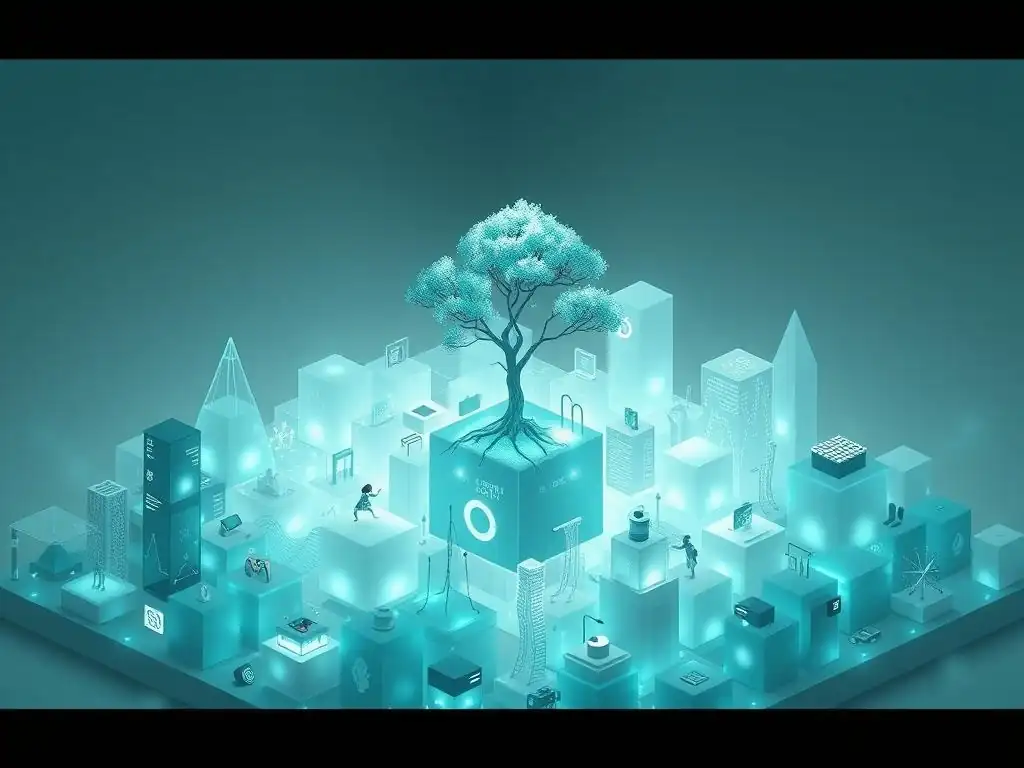
The application of dynamic digital assets spans a wide range of industries, demonstrating their versatility and potential to disrupt traditional models. Their ability to change and interact makes them suitable for representing assets that evolve, react, or have complex states, moving beyond simple ownership records to functional components within digital and physical systems. Exploring these sector-specific applications illustrates the broad impact of dynamic digital asset evolution.
From enhancing user experience in virtual worlds to creating novel financial instruments, dynamic assets are proving to be a powerful tool for innovation. Their integration into various sectors is accelerating, driven by the unique capabilities they offer compared to static digital representations.
Gaming: The Future of Interactive Game Assets
Gaming is arguably the most immediate and impactful sector for dynamic digital assets. In traditional games, in-game items are controlled by the game publisher's central database. With dynamic NFT assets, players can truly own items that live on the blockchain and can evolve based on gameplay. Imagine a digital sword NFT that gains enchantment levels the more enemies a player defeats, or a character skin NFT that changes appearance based on the player's rank or achievements in a game season.
Such dynamic assets fundamentally change the player experience. They add layers of depth, personalization, and tangible progression. Players are more invested in assets that reflect their effort and skill. This also fuels play-to-earn models, where the time and effort invested in evolving an asset within a game can translate into increased value on secondary markets. Companies like Axie Infinity, while primarily using static or semi-dynamic NFTs initially, have paved the way for more complex dynamic item systems, illustrating the potential for dynamic digital asset evolution in gaming.
Art: Revolutionizing the Art Market with Dynamic NFTs
Dynamic NFTs are transforming the digital art market by allowing artists to create pieces that are not fixed but change over time or in response to external factors. An artist could create a piece of digital art that pulls real-time weather data from a city, causing the artwork's colors or composition to shift throughout the day. Another example could be art that changes based on the viewer's interaction or the passage of time, revealing new elements or evolving narratives.
This adds a new dimension to digital art, making it a living, breathing entity rather than a static image. It challenges traditional notions of completion and permanence in art. Collectors acquire not just a final piece but a constantly evolving experience. This offers artists new avenues for creative expression and provides collectors with assets that offer ongoing engagement and surprise, pushing the boundaries of artistic expression through dynamic digital asset evolution.
Real Estate: Virtual Property Ownership and Dynamic Assets
While blockchain is used for fractionalizing physical real estate, dynamic assets find a compelling use case in virtual real estate within metaverses and virtual worlds. A dynamic virtual property NFT could change its appearance or features based on the amount of traffic it receives, events hosted on the property, or upgrades made by the owner. For example, a virtual store could have its exterior lighting or signage change dynamically based on sales performance or promotional events.
Furthermore, dynamic elements could be tied to access rights or utility within the virtual space, evolving based on membership status or achievements. This makes virtual properties more than just static plots of land; they become interactive spaces that can grow and change, offering enhanced utility and potential for value appreciation tied to their dynamic features. This application highlights the role of dynamic digital asset evolution in building persistent, interactive virtual environments.
Decentralized Finance (DeFi): Integrating Dynamic Assets for Enhanced Utility
Dynamic digital assets are beginning to find applications within Decentralized Finance (DeFi), often representing complex financial instruments or collateral that can change state. For example, an NFT could represent a tokenized loan position whose value or characteristics change as the loan is repaid or if collateralization ratios shift. Another use case is NFTs representing yield-bearing assets whose visual representation or metadata updates to reflect accumulated interest or staking rewards.
While still an emerging area, the integration of dynamic assets in DeFi could lead to more sophisticated and programmable financial products. An NFT could represent a bond that changes its yield display based on market conditions or a derivative whose properties evolve with the underlying asset price. This adds a layer of complexity and utility, potentially making DeFi protocols more intuitive and engaging by representing financial positions as interactive, evolving assets, contributing to the dynamic digital asset evolution within finance.
How to Invest in Dynamic Digital Assets
Investing in dynamic digital assets requires a different perspective than investing in static collectibles or fungible cryptocurrencies. The potential for change and interaction introduces new layers of complexity and factors to consider. While static NFTs' value is often tied to rarity, provenance, and cultural significance, dynamic assets' value is also heavily influenced by their utility within an ecosystem, the reliability of their data sources, and the long-term vision of the project behind them. Understanding these nuances is crucial for navigating the landscape of dynamic digital asset evolution investment.
Approach dynamic asset investment with diligence, focusing on the underlying technology, the team, the use case, and the sustainability of the ecosystem in which the asset operates. Speculative buying based solely on past price performance or hype is particularly risky with assets whose characteristics can change.
Key Factors to Consider When Investing
When evaluating dynamic digital assets for investment, several factors are paramount:
- Utility and Ecosystem: Does the asset have a clear and compelling use case within a specific dApp, game, or platform? An asset's dynamic properties are often tied to its utility, so understanding the health and potential growth of the ecosystem it belongs to is vital.
- Mechanism of Dynamism: How does the asset change? Is it based on reliable external data feeds (oracles)? Is it triggered by user actions? Is the logic transparent and audited? Understanding the how ensures the dynamism functions as intended and isn't prone to manipulation.
- Reliability of Data Sources: If the asset relies on external data (like weather, sports scores, or market prices), the reliability and security of the oracle or data feed are critical. Compromised data feeds can negatively impact the asset's intended behavior and value.
- Team and Project Vision: Evaluate the team behind the project. Do they have a solid track record? Is there a clear long-term vision for the asset and its ecosystem? Dynamic assets require ongoing development and maintenance.
- Community and Adoption: A strong and active community signals interest and potential for adoption. Look at the size and engagement of the community around the project and its assets.
- Tokenomics (if applicable): If the dynamic asset is part of a broader tokenized ecosystem, understand the project's tokenomics and how the dynamic asset fits into the overall economic model.
Considering these factors provides a more holistic view of a dynamic asset's potential compared to simply looking at its current appearance or trading volume, guiding investment in dynamic digital asset evolution.
Tips for Evaluating Dynamic Digital Assets
Evaluating dynamic digital assets requires due diligence beyond typical NFT checks:
- Read the Whitepaper and Documentation: Dive deep into the project's documentation. Understand the technical implementation of the dynamic features and the intended mechanics of how the asset evolves.
- Examine the Smart Contract: If possible, have the smart contract code reviewed (or rely on reputable audits). Understand how the metadata updates are triggered and controlled. Look for potential vulnerabilities or centralized control points.
- Test the Application (if live): If the dynamic asset is part of a live game or application, spend time using it. Does the dynamism work as advertised? Is the user experience compelling?
- Analyze the Market: Research the trading history and current market sentiment for the specific asset and similar dynamic assets. Look at the depth of liquidity on secondary markets.
- Assess Scalability: Consider if the underlying blockchain and the project's infrastructure can support the dynamic nature of the assets as user adoption grows. Frequent metadata updates can strain network resources.
- Look for Clear Use Cases: Prioritize assets with defined utility within a tangible application over those whose dynamism seems purely aesthetic or speculative. Utility often drives sustained value in dynamic digital asset evolution.
By following these tips, investors can make more informed decisions about the potential and risks associated with dynamic digital assets.
Risks and Challenges in Dynamic Digital Asset Investment
Investing in dynamic digital assets, while offering exciting potential, also comes with unique risks and challenges that investors must be aware of. The complexity introduced by mutable metadata, reliance on external data, and integration into potentially nascent ecosystems adds layers of uncertainty not typically found in static digital collectibles or established financial assets. Navigating these challenges is key to successful participation in dynamic digital asset evolution.
These risks range from market-wide volatility inherent in the crypto space to specific technical and regulatory hurdles posed by the dynamic nature of the assets themselves. Diligent risk assessment is paramount.
Understanding Market Volatility and Speculation Risks
Like all digital assets, dynamic NFTs are subject to significant market volatility. The broader cryptocurrency and NFT markets have experienced periods of rapid growth followed by sharp downturns, such as the market corrections seen in 2022. Dynamic assets are not immune to these fluctuations and can see their values plummet just as quickly as they rise. Furthermore, the value of a dynamic asset may be heavily tied to the success or failure of the specific application or ecosystem it belongs to.
Speculation is also a major risk. Hype cycles can drive asset prices to unsustainable levels, leading to significant losses for those who buy at the peak. With dynamic assets, speculation can be fueled by the potential for future evolution or utility, which may or may not materialize. Investors must discern between genuine utility and speculative hype, recognizing that the dynamic digital asset evolution is still in its early stages and highly susceptible to market sentiment shifts.
Legal and Regulatory Considerations for Dynamic Assets
The legal and regulatory landscape for digital assets, including dynamic NFTs, is still evolving and remains uncertain in many jurisdictions. The dynamic nature of these assets can complicate their classification. Are they collectibles, securities, or something else entirely? This ambiguity can lead to regulatory crackdowns or changes that negatively impact the market or specific projects. For instance, an asset whose dynamic properties are tied to financial performance might be viewed differently by regulators than one whose changes are purely cosmetic in a game.
Furthermore, using external data feeds (oracles) introduces potential legal liabilities if the data is inaccurate or manipulated. Smart contract complexity also increases the risk of unforeseen legal issues arising from how the asset behaves or changes. Investors should be aware that regulatory clarity is still lacking globally, posing a significant risk to the widespread adoption and stability of dynamic digital asset evolution.
Technological Challenges: Security and Scalability
Dynamic digital assets rely on complex smart contracts and often interact with external systems via oracles, introducing technological risks. Smart contract vulnerabilities can lead to assets being frozen, stolen, or altered in unintended ways. The more complex the logic governing the dynamic changes, the higher the potential for bugs or exploits. For example, a flaw in the code updating an asset's traits could render it worthless or manipulable.
Scalability is another challenge. Blockchains like Ethereum can face high transaction fees and network congestion, especially during peak times. If a dynamic asset requires frequent on-chain updates to its metadata (e.g., a game character leveling up every few minutes), the costs and delays associated with these transactions can become prohibitive for users and the project, hindering smooth dynamic digital asset evolution. While Layer 2 solutions and alternative blockchains aim to address this, it remains a significant technical hurdle for widespread, real-time dynamic asset interactions.
Future Trends in Dynamic Digital Asset Evolution
The field of dynamic digital assets is still in its nascent stages, with significant potential for future growth and innovation. Several emerging trends are poised to shape the landscape, pushing the boundaries of what these assets can represent and how they can interact with users and the environment. These trends highlight the ongoing acceleration of dynamic digital asset evolution.
The convergence of blockchain technology with other cutting-edge fields like artificial intelligence and the development of more sophisticated regulatory frameworks will likely play a crucial role in determining the future trajectory of dynamic assets.
Predictions for the Future of NFTs and Blockchain Technology
Looking ahead, we can anticipate several key developments in dynamic digital asset evolution:
- Increased Sophistication: Dynamic assets will become more complex, incorporating richer logic and interacting with a wider array of data sources. We may see assets that react to real-world sensor data, biometric inputs (with user permission), or even historical archives.
- Interoperability: Dynamic assets are likely to become more interoperable across different platforms and metaverses. An asset evolved in one game might retain some of its dynamic properties or history when used in another compatible environment.
- Representing Complex Financial/Legal Instruments: Dynamic NFTs could evolve to represent increasingly sophisticated financial derivatives, insurance policies, or legal contracts whose terms and status change based on verifiable on-chain or off-chain conditions.
- Phygital Assets: Expect to see more dynamic assets tied to physical items, where the digital twin evolves based on the physical item's usage, condition, or location, creating dynamic phygital experiences.
- Standardization: As dynamic assets become more common, industry standards may emerge to govern how metadata is updated and how assets interact, improving interoperability and development efficiency.
These predictions point towards a future where digital assets are not just owned but are active, evolving participants in our digital lives, driving dynamic digital asset evolution.
The Role of Artificial Intelligence in Dynamic Digital Assets
The integration of Artificial Intelligence (AI) with dynamic digital assets holds transformative potential. AI could be used to generate dynamic art pieces that evolve in unpredictable, algorithmically driven ways based on viewer interaction or external data. AI models could also manage the complex state changes of dynamic game assets, creating more nuanced and responsive characters or items.
Furthermore, AI could analyze user behavior to personalize the evolution of dynamic assets, tailoring their changes to individual preferences or actions. Imagine a digital companion NFT whose personality and appearance evolve based on your interactions with it, guided by an AI model. AI could also enhance the security and reliability of dynamic assets by monitoring smart contract interactions for anomalies or predicting potential issues with data feeds, pushing the frontier of dynamic digital asset evolution.
Potential Regulatory Changes Impacting Dynamic Digital Assets
The evolving nature of dynamic digital assets necessitates a response from regulators worldwide. As these assets blur the lines between collectibles, utility tokens, and potentially securities, governments are likely to introduce clearer guidelines and rules. This could involve:
- Classification Frameworks: Developing clear definitions to classify different types of dynamic assets based on their functionality and use case (e.g., utility NFT, financial NFT, collectible NFT).
- Consumer Protection: Implementing rules to protect consumers from misleading claims, pump-and-dump schemes, and technical risks associated with dynamic assets.
- Taxation: Clarifying how dynamic asset transactions, including state changes that might alter value, are taxed.
- Data Privacy: Addressing privacy concerns related to dynamic assets that incorporate personal data or track user behavior.
- Securities Laws: Determining when a dynamic asset might fall under existing securities regulations, particularly if its value is primarily derived from the efforts of others or if it represents an investment contract.
While increased regulation might initially introduce friction, clear rules could ultimately foster greater trust and adoption of dynamic digital asset evolution by providing legal certainty for creators, investors, and users.
Conclusion: Embracing the Future of Dynamic Digital Assets
The evolution of digital assets from static representations to dynamic and interactive entities marks a pivotal moment in the development of blockchain technology and the broader digital economy. Dynamic digital asset evolution is unlocking unprecedented possibilities across gaming, art, finance, and beyond, creating digital items that are not merely owned but actively participate in and respond to their environment and user interactions. This shift enhances user engagement, increases the potential value proposition for creators and investors, and opens up innovative monetization avenues.
While challenges related to market volatility, regulatory uncertainty, and technological complexity exist, the potential benefits of dynamic digital assets are significant. As the underlying technology matures, standards emerge, and integration with fields like AI deepens, dynamic assets are poised to become increasingly sophisticated and integrated into our digital and potentially physical lives.
Summary of Key Points on Dynamic Digital Asset Evolution
- Dynamic digital assets are NFTs with mutable metadata that can change based on smart contract logic, external data, or user interaction.
- They represent a significant evolution from static NFTs, offering enhanced utility and engagement.
- Blockchain technology, particularly smart contracts and oracles, enables the dynamic capabilities.
- Benefits include increased user engagement, higher value potential, and new monetization models.
- Dynamic assets have promising applications in gaming, art, virtual real estate, and DeFi.
- Investing requires careful consideration of the asset's utility, the project team, the mechanism of dynamism, and the ecosystem.
- Risks include market volatility, regulatory uncertainty, and technological challenges like smart contract security and scalability.
- Future trends point towards greater sophistication, interoperability, integration with AI, phygital applications, and evolving regulatory frameworks.
Call to Action: Exploring Dynamic Digital Assets Today
The landscape of digital ownership is undergoing a fundamental transformation driven by dynamic digital asset evolution. For creators, this is an opportunity to build more engaging and valuable digital experiences. For developers, it's a call to innovate on the technical infrastructure and smart contract design. For investors, it requires moving beyond speculative collecting to understanding the utility and potential for growth embedded within these evolving assets.
Exploring dynamic digital assets today means engaging with the platforms and projects pushing the boundaries of this technology. It involves understanding the mechanics behind their dynamism, evaluating their real-world or digital-world utility, and participating in the communities building these future ecosystems. While the path forward involves navigating risks, embracing the potential of dynamic digital asset evolution is essential for anyone looking to stay at the forefront of digital innovation and investment.
Frequently Asked Questions
What are dynamic digital assets, and how are they different from traditional NFTs?
Dynamic digital assets are digital assets that can change or evolve based on external data, user interactions, or pre-defined conditions. Unlike traditional NFTs, which are typically static representations, dynamic assets offer interactive and evolving experiences.
How does blockchain technology enable the creation and management of dynamic digital assets?
Blockchain provides the immutable and transparent infrastructure necessary for tracking changes and ownership of dynamic assets. Smart contracts automate the logic that governs how these assets evolve or react to external events, ensuring fairness and security.
What are some potential use cases for dynamic digital assets beyond digital art and collectibles?
Beyond art, dynamic assets can be used in supply chain management (tracking product conditions), gaming (evolving characters and items), and real estate (smart contracts adapting to market conditions). This showcases the possibilities of dynamic digital asset evolution.
What are the regulatory considerations surrounding dynamic digital assets, especially concerning their evolving nature?
Regulation is still developing, but key concerns include securities laws, data privacy, and consumer protection. The evolving nature of dynamic assets creates challenges in determining appropriate regulatory frameworks.
How does the concept of "Dynamic digital asset evolution." contribute to the future of decentralized systems?
Dynamic assets contribute by adding utility and interactivity to blockchain-based systems, fostering greater adoption and engagement. Their ability to adapt and react to real-world events makes decentralized systems more responsive and relevant.
Final Reflection: Embracing the Dynamic Digital Asset Evolution
The journey from static JPEG NFTs to dynamic digital assets marks a pivotal shift in how we perceive and interact with digital ownership. What began as a novel concept has rapidly evolved into a landscape brimming with potential, offering experiences that transcend mere collection and venture into the realms of utility, interaction, and continuous evolution. This evolution is not just a technological advancement; it's a fundamental reimagining of digital ownership and its possibilities.
The ongoing influence of dynamic digital assets is undeniable, shaping the future of art, gaming, and even decentralized finance. Witnessing this transformation firsthand has been both exciting and humbling, highlighting the power of innovation to redefine established norms. The only constant is change,
as Heraclitus famously said, and this holds especially true in the rapidly evolving world of digital assets. The ability for assets to adapt, react, and even learn opens up entirely new avenues for creativity and engagement, fostering a deeper connection between creators and collectors.
As we stand on the cusp of this dynamic digital asset evolution, I invite you to reflect on the possibilities that lie ahead. Consider how you can leverage these advancements to create, collect, and interact with digital assets in ways that were previously unimaginable. Embrace the change, explore the potential, and become an active participant in shaping the future of digital ownership. The power to redefine the digital landscape is in your hands.
Reimagine Your Digital Ownership: Unlock the Power of Dynamic NFTs!
Thanks for diving into the world of dynamic and interactive NFTs! You've now got a glimpse of how digital ownership is evolving beyond static images. Ready to take the next step?
Here's how you can get involved:
- Launch your own dynamic NFT! Think about a project you're passionate about and how you could bring it to life with evolving digital assets. This is your chance to be a pioneer.
- Follow Blockchain Trends on our social channels for the latest developments in the NFT space and engage in community discussions.
- Share this article with fellow creators and collectors to spread the word about the future of NFTs.
What groundbreaking use case will you pioneer with dynamic NFTs?
Leave a Reply