
Bitcoin Investment and Blockchain Technology: Understanding the Connection


Welcome to Blockchain Trends, your compass in the rapidly evolving world of decentralized technologies! Dive in to uncover the transformative power of blockchain beyond just cryptocurrencies. This week, we're exploring the lucrative landscape of " Blockchain technology investment opportunities future," examining how forward-thinking investors can capitalize on the next wave of innovation. Curious about the connection between Bitcoin investments and the broader blockchain ecosystem? Let's unlock that potential together...
- Bitcoin and Blockchain: Foundations and Investment Landscape
- Blockchain's Impact Across Industries
- Investing in Bitcoin
- Investment Avenues in the Blockchain Ecosystem
- Navigating Risks in Blockchain Investments
- Real-World Blockchain Implementations
- Conclusion: The Evolving Landscape of Blockchain Investment
-
Frequently Asked Questions
- How is Bitcoin related to broader blockchain technology?
- What are some potential blockchain technology investment opportunities future besides Bitcoin?
- How does regulation affect blockchain technology investment opportunities future?
- What are some key enterprise applications of blockchain technology?
- What is the long-term future of blockchain technology and what investment opportunities might arise?
- Final Reflection: Embracing the Blockchain Revolution
- Unlock Your Crypto Potential: Start Your Blockchain Journey!
Bitcoin and Blockchain: Foundations and Investment Landscape
Understanding the intertwined nature of Bitcoin and the underlying blockchain technology is fundamental for anyone exploring the landscape of digital asset investments. While often discussed together, they represent distinct but inseparable components of a revolutionary technological paradigm. Grasping these core concepts is the first step in identifying Blockchain technology investment opportunities future trends.
Core Concepts of Blockchain and Its Investment Relevance
Blockchain is a decentralized, distributed ledger technology that records transactions across many computers. This structure makes the data highly secure, transparent, and resistant to modification. Each block in the chain contains a cryptographic hash of the previous block, a timestamp, and transaction data. This chain of blocks forms an immutable record, a key feature that underpins trust in the system without relying on a central authority. The investment relevance stems from this inherent trust and efficiency; blockchain can disintermediate processes, reduce costs, and create entirely new markets.
The distributed nature means there's no single point of failure, enhancing resilience compared to traditional centralized databases. Consensus mechanisms, like Proof-of-Work or Proof-of-Stake, ensure that all participants agree on the state of the ledger before new transactions are added. This technological foundation enables a wide array of applications beyond just cryptocurrencies, paving the way for diverse Blockchain technology investment opportunities future, from decentralized finance platforms to enterprise supply chain solutions and tokenized assets.
Bitcoin's Genesis and Reliance on Blockchain
Bitcoin was introduced in 2008 by an anonymous entity known as Satoshi Nakamoto as the first successful application of blockchain technology. Its primary goal was to create a peer-to-peer electronic cash system that removed the need for intermediaries like banks. The Bitcoin blockchain records every Bitcoin transaction ever made, providing a transparent and verifiable history of ownership. This ledger is maintained by a network of miners (using Proof-of-Work) who validate transactions and add new blocks to the chain, earning newly minted Bitcoin as a reward.
Bitcoin's existence and functionality are entirely dependent on its underlying blockchain. The blockchain provides the security, immutability, and decentralization that define Bitcoin. Without the distributed ledger technology, Bitcoin could not function as a censorship-resistant, borderless digital currency. Its success demonstrated the viability of blockchain, spurring the development of thousands of other cryptocurrencies and blockchain applications, thus highlighting the foundational role of the technology in the broader digital asset space and opening up various Blockchain technology investment opportunities future across different sectors.
Blockchain's Impact Across Industries
Blockchain technology is rapidly extending its influence far beyond its origins in digital currencies. Its unique properties—transparency, security, immutability, and decentralization—make it applicable to a multitude of sectors, promising efficiency gains, reduced costs, and new business models. This expansion is creating a diverse range of Blockchain technology investment opportunities future.
Applications Beyond Digital Currencies
While Bitcoin and other cryptocurrencies remain prominent examples, the true potential of blockchain lies in its broader applications. Industries such as supply chain management, healthcare, finance, real estate, and voting systems are exploring or actively implementing blockchain solutions. For instance, in healthcare, blockchain can securely manage patient records, ensuring data integrity and privacy while allowing authorized access. In voting, it could potentially provide a more secure and transparent electoral process.
The versatility of blockchain stems from its ability to create tamper-proof records and facilitate trust between parties who may not otherwise trust each other. This capability is invaluable in processes requiring high levels of security, transparency, and auditability. The proliferation of these non-currency applications significantly broadens the scope of Blockchain technology investment opportunities future, moving beyond simply holding digital coins to investing in the infrastructure and services built on blockchain networks.
Decentralized Finance (DeFi) and Its Impact on Investments
Decentralized Finance, or DeFi, is a rapidly growing ecosystem built on blockchain technology, primarily Ethereum, that aims to recreate traditional financial services in a decentralized manner. This includes lending, borrowing, trading, insurance, and asset management, all operating without central intermediaries like banks or brokers. DeFi protocols use smart contracts—self-executing contracts with the terms of the agreement directly written into code—to automate transactions and agreements. This automation reduces costs and increases efficiency.
DeFi has had a profound impact on the investment landscape by offering new avenues and higher potential returns compared to traditional finance, albeit with increased risk. Investors can earn yield by lending their crypto assets (e.g., through platforms like Aave or Compound), participate in decentralized exchanges (DEXs) like Uniswap or SushiSwap, or engage in yield farming and liquidity provision. The total value locked (TVL) in DeFi protocols has grown significantly, reaching tens of billions of dollars, indicating substantial investor interest and highlighting a major area for Blockchain technology investment opportunities future.
Enterprise Applications of Blockchain Technology
Large enterprises are increasingly recognizing the value of blockchain for improving existing processes and creating new business models. Supply chain management is a leading area of adoption, where blockchain can provide end-to-end transparency, tracking goods from origin to destination. This helps in verifying authenticity, reducing fraud, and streamlining logistics. Companies like Walmart, Nestle, and Pfizer have explored or implemented blockchain solutions for supply chain traceability.
Beyond supply chains, enterprises are leveraging blockchain for secure data sharing, digital identity management, and creating tokenized assets. For example, some companies are using blockchain to manage digital rights for media content or to streamline cross-border payments. The enterprise sector's increasing embrace of blockchain represents a significant area for Blockchain technology investment opportunities future, often involving investments in private or permissioned blockchains, or services built on public blockchains tailored for business use cases.
Regulatory Landscape: How It Affects Blockchain Investment Opportunities
The regulatory environment surrounding blockchain technology and digital assets is complex and constantly evolving across different jurisdictions. Governments and regulatory bodies worldwide are grappling with how to classify, oversee, and manage this nascent technology. Regulations can impact everything from how digital assets are taxed to how exchanges operate and how new blockchain projects can raise funds (e.g., through security token offerings).
Uncertainty in regulation can introduce risks for investors, but clarity can also legitimize the space and encourage broader adoption. For instance, regulatory clarity around security tokens could unlock significant Blockchain technology investment opportunities future by enabling the tokenization of traditional assets like real estate or stocks. Conversely, restrictive regulations could stifle innovation and investment. Staying informed about the regulatory landscape is crucial for navigating Blockchain technology investment opportunities future.
Investing in Bitcoin
Bitcoin, as the first and largest cryptocurrency by market capitalization, often serves as the gateway for many investors into the digital asset space. Its performance and market sentiment significantly influence the broader crypto market. Understanding its investment appeal requires looking at both its unique characteristics and its reliance on blockchain technology.
Bitcoin's Investment Appeal
Bitcoin's appeal as an investment asset stems from several factors. Firstly, its decentralized nature means it is not controlled by any single government or financial institution, offering an alternative to traditional fiat currencies and banking systems. Secondly, it has a capped supply of 21 million coins, making it a scarce asset, often compared to digital gold. This scarcity, combined with increasing demand, can potentially drive its value upwards over the long term.
Historically, Bitcoin has demonstrated periods of significant price appreciation, attracting investors seeking high returns. However, it is also known for its extreme volatility, experiencing sharp price swings that can lead to substantial losses. Investors are drawn to its potential as a hedge against inflation, a store of value, and a speculative asset. The growing infrastructure around Bitcoin, including regulated exchanges, custodial services, and investment products like ETFs in some regions, is making it more accessible to both retail and institutional investors, further shaping Blockchain technology investment opportunities future.
Blockchain as Bitcoin's Foundation
As discussed earlier, Bitcoin's entire operational framework is built upon its specific blockchain. This blockchain ensures the integrity and transparency of every Bitcoin transaction. When an investor buys, sells, or holds Bitcoin, they are interacting with this distributed ledger. The security provided by the network's consensus mechanism (Proof-of-Work) is paramount to protecting Bitcoin holdings.
The performance and security of the Bitcoin blockchain directly impact the confidence investors have in holding Bitcoin. Any perceived vulnerability or failure in the underlying technology could severely impact Bitcoin's value. Therefore, understanding the fundamentals of how the Bitcoin blockchain works – including mining, transaction processing, and network security – is essential for any serious investor considering Bitcoin as part of their Blockchain technology investment opportunities future portfolio.
Investment Avenues in the Blockchain Ecosystem
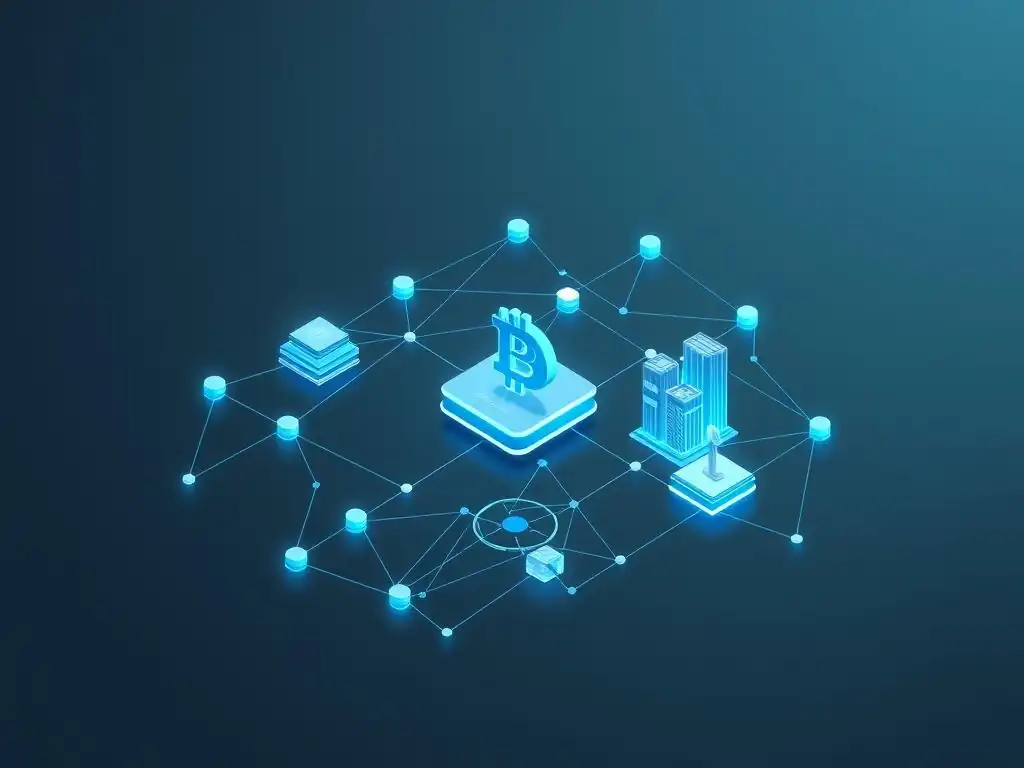
Investing in the blockchain ecosystem extends far beyond simply buying Bitcoin or other cryptocurrencies. The growth of the technology has spawned a variety of investment avenues, ranging from direct asset ownership to investing in companies building blockchain infrastructure or applications. Exploring these diverse options is key to capitalizing on Blockchain technology investment opportunities future.
Emerging Trends in Blockchain Investment
The blockchain space is dynamic, with new trends and applications constantly emerging. Staying abreast of these developments is crucial for identifying promising investment opportunities. Recent years have seen significant growth in areas like Decentralized Finance (DeFi), Non-Fungible Tokens (NFTs), Web3 infrastructure, and enterprise blockchain solutions. These trends reflect the expanding utility and adoption of the technology across various sectors.
Investing in these emerging trends often involves higher risk but also potentially higher reward. It requires a deeper understanding of specific protocols, platforms, and use cases compared to simply investing in established assets like Bitcoin. The evolution of these trends will significantly shape the landscape of Blockchain technology investment opportunities future.
The Rise of Smart Contracts and Their Investment Potential
Smart contracts are self-executing contracts where the terms of the agreement are directly written into lines of code. They run on a blockchain, automatically executing actions when specified conditions are met. Pioneered by platforms like Ethereum, smart contracts enable the automation of complex processes, from financial agreements to supply chain logistics, without the need for intermediaries. They are the foundational technology for much of the DeFi ecosystem and many enterprise blockchain applications.
The investment potential related to smart contracts is vast. Investors can invest in the native cryptocurrencies of blockchain platforms that support smart contracts (e.g., Ether on Ethereum, BNB on Binance Smart Chain, ADA on Cardano). They can also invest in projects or protocols built using smart contracts, such as lending platforms, decentralized exchanges, or prediction markets. Furthermore, companies specializing in developing and auditing smart contracts represent potential Blockchain technology investment opportunities future in the infrastructure layer.
Tokenization of Assets: New Avenues for Investors
Asset tokenization involves representing ownership of real-world or digital assets on a blockchain as digital tokens. This can include anything from real estate and art to stocks, bonds, and commodities. Tokenization offers several advantages: increased liquidity for illiquid assets, fractional ownership, reduced transaction costs, and enhanced transparency and auditability. For example, a large property could be tokenized, allowing multiple investors to buy fractional shares.
This trend is opening up entirely new Blockchain technology investment opportunities future. Investors can purchase tokens representing ownership in a wide range of assets that were previously inaccessible or difficult to trade. This includes security tokens (representing ownership in an underlying asset like stock or real estate) and utility tokens (providing access to a specific product or service). The potential for tokenization to revolutionize capital markets and ownership structures is significant, creating a new class of digital assets for investors to consider.
Outlook for Blockchain and Digital Assets
The long-term outlook for blockchain technology and digital assets appears promising, driven by increasing adoption, technological advancements, and growing institutional interest. While challenges remain, including regulatory uncertainty and scalability issues for some networks, the underlying potential of distributed ledger technology to transform various industries is widely recognized.
Predictions about the future trajectory vary, but there is a general consensus that blockchain will play an increasingly important role in the global economy. The maturation of the technology and the development of more user-friendly applications are expected to drive mainstream adoption. This anticipated growth underpins the potential for Blockchain technology investment opportunities future.
Predictions for Blockchain Adoption in Various Sectors
Experts predict continued and accelerated adoption of blockchain technology across numerous sectors. In finance, beyond DeFi, blockchain is expected to streamline cross-border payments, trade finance, and securities settlement. The World Economic Forum predicted that by 2027, 10% of global GDP could be stored on blockchain technology. While this is an ambitious prediction, it highlights the perceived transformative potential.
In supply chain, blockchain is expected to become standard practice for ensuring transparency and traceability. In healthcare, its use for secure data management and interoperability is likely to grow. Governments are exploring blockchain for digital identity, land registries, and voting. Each area of adoption represents potential Blockchain technology investment opportunities future, whether through investing in specific industry-focused blockchain companies or the underlying protocols they use.
The Role of Institutional Investors in the Future of Bitcoin
Institutional investor participation is increasingly seen as a key driver for the future growth and legitimization of Bitcoin and the broader digital asset market. In recent years, major financial institutions, corporations, and asset managers have shown growing interest and, in some cases, made significant investments in Bitcoin. Companies like MicroStrategy and Tesla have added Bitcoin to their balance sheets, while investment firms like Grayscale and Fidelity offer crypto investment products.
Increased institutional involvement can bring greater market liquidity, stability, and credibility to the asset class. Their participation signals a shift from viewing Bitcoin solely as a fringe asset to considering it a legitimate, albeit volatile, component of a diversified investment portfolio. The continued influx of institutional capital is expected to be a major factor influencing the price and market structure of Bitcoin, further shaping Blockchain technology investment opportunities future.
While the potential rewards of investing in blockchain technology and digital assets are significant, it is crucial for investors to be aware of and understand the inherent risks. Like any investment class, the blockchain space presents unique challenges that can impact investment outcomes. Acknowledging and strategizing around these risks is vital when exploring Blockchain technology investment opportunities future.
Understanding Market Volatility in Bitcoin Investments
Bitcoin and other digital assets are notorious for their extreme price volatility. Prices can fluctuate dramatically within short periods, driven by factors such as market sentiment, regulatory news, macroeconomic events, technological developments, and large investor movements. For example, Bitcoin experienced a price drop of over 50% from its peak in early 2021 within just a few months, followed by subsequent rallies and declines.
This volatility presents both opportunity and risk. While it allows for significant gains, it also means investors can incur substantial losses quickly. Understanding market cycles, conducting thorough research, and adopting a long-term perspective or employing risk management strategies like dollar-cost averaging are essential for navigating the volatile nature of Bitcoin and related Blockchain technology investment opportunities future.
Regulatory Challenges and Their Impact on Blockchain Investment Strategies
The evolving and often uncertain regulatory landscape poses a significant risk to blockchain investments. Different countries and regions have varying approaches to regulating digital assets, ranging from supportive to highly restrictive. Changes in regulations can impact the legality of certain blockchain activities, the operation of exchanges, tax obligations, and the classification of digital assets (e.g., as securities).
For investors, regulatory shifts can lead to market instability, affect the accessibility of certain assets or platforms, and create legal compliance burdens. For example, a crackdown on decentralized finance protocols in a major jurisdiction could significantly impact the value of related tokens. Investors exploring Blockchain technology investment opportunities future must stay informed about regulatory developments in relevant markets and consider how potential regulatory changes could impact their investment strategies.
Real-World Blockchain Implementations
Moving beyond theoretical potential, blockchain technology is already being implemented in various real-world scenarios, demonstrating its practical utility and creating tangible value. Examining these implementations provides concrete examples of how blockchain is being used today and highlights areas with current and future investment relevance. These cases offer insights into Blockchain technology investment opportunities future based on proven use cases.
Case Study: Supply Chain Transparency with IBM Food Trust
One of the most well-known real-world implementations of blockchain is IBM Food Trust, a network built on IBM Blockchain Platform (based on Hyperledger Fabric) designed to improve food supply chain transparency and traceability. Participants in the supply chain, including farmers, processors, distributors, and retailers, can securely share data about food products on the blockchain. This creates an immutable record of a food item's journey from farm to table.
Before Food Trust, tracing a food item back to its origin could take days or even weeks, making it difficult to respond quickly during foodborne illness outbreaks. With blockchain, tracing can be reduced to seconds. Walmart, a key user, reported significantly faster traceback times for food products using the platform. This implementation demonstrates blockchain's ability to enhance efficiency, safety, and trust in complex supply chains, illustrating a successful area for Blockchain technology investment opportunities future in enterprise solutions.
Case Study: Decentralized Lending Protocols (e.g., Aave, Compound)
Decentralized lending protocols like Aave and Compound are prime examples of blockchain technology's application in finance, specifically within the DeFi space. These platforms allow users to lend out their cryptocurrency holdings to earn interest or borrow cryptocurrency by providing collateral, all without needing a traditional bank or financial institution. The process is automated and governed by smart contracts running on blockchains like Ethereum.
Users deposit crypto into liquidity pools, which borrowers can then access by locking up collateral (typically more value than the amount borrowed to mitigate risk). Interest rates are often determined algorithmically based on supply and demand within the protocol. Aave and Compound have processed billions of dollars in transactions, demonstrating the viability and demand for decentralized financial services. Their success highlights the potential for Blockchain technology investment opportunities future within the DeFi sector, either through investing in the native tokens of these protocols (e.g., AAVE, COMP) or by participating directly as a lender or borrower.
Conclusion: The Evolving Landscape of Blockchain Investment
The journey from Bitcoin's inception to the current diverse blockchain ecosystem highlights a rapid evolution. What began as a single application of decentralized ledger technology has blossomed into a wide array of potential use cases and investment avenues. Navigating this landscape requires a blend of technological understanding, market awareness, and strategic planning. The potential for Blockchain technology investment opportunities future continues to expand as the technology matures and finds new applications.
Key Insights for Investors
Several key insights are crucial for investors considering the blockchain space. First, Bitcoin and blockchain are distinct; investing in Bitcoin is investing in a specific application built on blockchain, while investing in blockchain technology can involve a much broader set of opportunities. Second, the space is highly volatile and carries significant risks, including market fluctuations and regulatory uncertainty. Third, the real-world applications of blockchain beyond cryptocurrency, particularly in DeFi and enterprise solutions, are driving innovation and creating new investment possibilities.
- Understand the difference between Bitcoin and blockchain technology.
- Acknowledge and prepare for significant market volatility.
- Research specific use cases and projects beyond just major cryptocurrencies.
- Stay informed about regulatory developments globally.
- Consider the long-term potential versus short-term speculation.
Strategic Considerations for the Future
Looking ahead, strategic considerations for investors in the blockchain space should focus on diversification and long-term trends. Rather than concentrating solely on Bitcoin, exploring a variety of Blockchain technology investment opportunities future across different sectors—such as platforms enabling smart contracts, companies building enterprise solutions, or protocols within the DeFi ecosystem—can help mitigate risk and capture growth from different facets of the technology.
Furthermore, the increasing involvement of institutional investors suggests a potential shift towards greater market maturity, though volatility is likely to remain a feature. As the technology continues to evolve, with improvements in scalability, interoperability, and user-friendliness, its integration into mainstream finance and industry is expected to deepen. Investors who conduct thorough due diligence, understand the underlying technology, and adopt a strategic, informed approach are best positioned to navigate and potentially benefit from the evolving landscape of blockchain investment.
Frequently Asked Questions
Bitcoin was the first major application of blockchain. The technology underlying Bitcoin, the blockchain, is now being used for many other purposes beyond just cryptocurrency, forming the basis for decentralized applications (dApps) and other innovations.
What are some potential blockchain technology investment opportunities future besides Bitcoin?
Beyond Bitcoin, consider investing in companies developing DeFi (Decentralized Finance) platforms, enterprise blockchain solutions for supply chain management, or blockchain-based identity verification systems. These areas show significant growth potential.
How does regulation affect blockchain technology investment opportunities future?
Regulation significantly impacts the viability and growth of blockchain projects. Clear regulatory frameworks can foster innovation and attract investment, while uncertainty can hinder development and increase risk.
What are some key enterprise applications of blockchain technology?
Enterprise applications include supply chain tracking, secure data sharing, and streamlined payment processing. These applications aim to improve efficiency, transparency, and security within organizations.
What is the long-term future of blockchain technology and what investment opportunities might arise?
The future likely involves wider adoption across various industries, the development of more scalable and interoperable blockchain networks, and increased focus on decentralized governance. This will create new investment opportunities in infrastructure, applications, and consulting services.
Final Reflection: Embracing the Blockchain Revolution
The insights explored throughout this article underscore a crucial point: the convergence of Bitcoin investment and blockchain technology is not merely a fleeting trend, but a foundational shift in how we perceive and interact with value, security, and trust. The potential for blockchain technology to revolutionize industries far beyond finance is now undeniable, presenting unprecedented investment opportunities for those willing to understand its intricacies.
The transformative power of blockchain continues to reshape the cultural and social landscape, fostering a new era of transparency and decentralization. Witnessing this evolution firsthand, I'm struck by the profound impact blockchain is having on everything from supply chain management to digital identity. The blockchain is to Bitcoin what the internet is to email. A big electronic system, on top of which you can build applications. Currency is just one.
- Gideon Greenspan. This quote perfectly encapsulates the vast potential that lies beyond the cryptocurrency headlines, hinting at a future where blockchain underpins countless aspects of our daily lives.
As we stand on the cusp of this blockchain revolution, I invite you to reflect on the knowledge gained and consider how you can actively participate in shaping this future. Explore the diverse blockchain technology investment opportunities, understand the underlying principles, and contribute to a more transparent, secure, and equitable world. The future is being built on blockchain, and your understanding and engagement can make a significant difference.
Unlock Your Crypto Potential: Start Your Blockchain Journey!
Thank you for exploring the connection between Bitcoin and blockchain technology! You've gained valuable insights into how these two forces are shaping the future of finance. Now, it's time to put that knowledge into action and dive deeper into the world of cryptocurrency.
Here's how you can take your understanding to the next level:
- Begin with a small investment: Use a reputable crypto exchange platform to purchase a modest amount of Bitcoin and experience the trading process firsthand. This practical step will help you better understand market movements and trading principles.
- Explore further: Read the original whitepaper on blockchain technology to gain a deeper understanding of its core architecture and design principles.
- Share your knowledge: Talk with friends or colleagues about what you've learned about Bitcoin and blockchain, and encourage them to explore this exciting space.
What new blockchain concept are you most eager to learn about, and why? Share your thoughts in the comments below!
Leave a Reply