
NFTs and the Creator Economy: Supporting Artists and Earning Potential

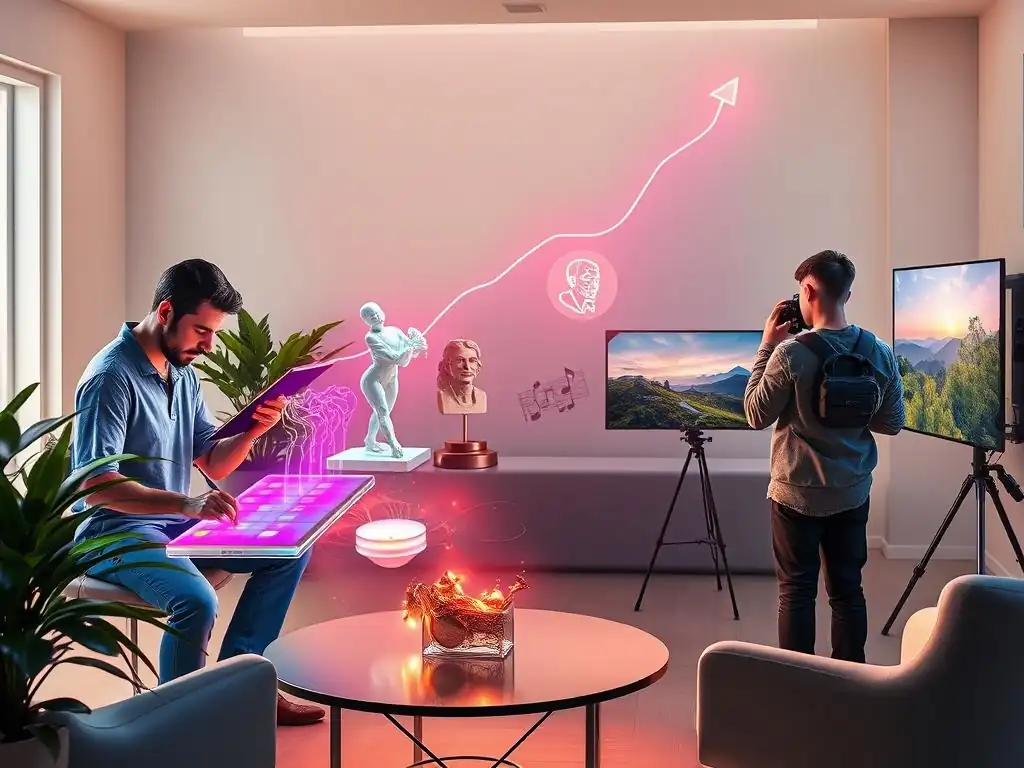
Welcome to Blockchain Trends, your go-to resource for navigating the revolutionary world beyond Bitcoin. Ever wondered how blockchain is transforming industries beyond just cryptocurrencies?
This week, we delve into the fascinating intersection of NFTs and the Creator Economy, exploring how these unique digital assets are empowering artists and unlocking new income streams. Discover how NFTs supporting artist income is becoming a game-changer, and what the future holds for creators embracing this decentralized revolution. Ready to explore how NFTs are changing the game? Let's dive in!
- NFTs Supporting Artist Income: An Overview of the Creator Economy
- The Monetization Potential of NFTs
- Benefits of Using NFTs for Artists
- Challenges and Considerations in the NFT Market
- Future Trends: The Evolution of NFTs and Artist Income
- Conclusion: Embracing NFTs for Sustainable Artist Income
-
Frequently Asked Questions
- How can NFTs help artists increase their income?
- What role do NFT marketplaces play in supporting artist income?
- Are there specific types of NFTs that are more effective for supporting artist income?
- What are the potential downsides or challenges for artists using NFTs?
- How are regulators approaching the use of NFTs in the creator economy?
- Final Reflection: Empowering Artists Through Digital Ownership
- Unleash Your Creative Power with NFTs!
NFTs Supporting Artist Income: An Overview of the Creator Economy
Understanding NFTs and Their Role in the Creator Economy
Non-Fungible Tokens, or NFTs, represent unique digital assets recorded on a blockchain. Unlike cryptocurrencies such as Bitcoin or Ethereum, which are fungible (meaning each unit is interchangeable with another identical unit), each NFT possesses distinct characteristics and value. This inherent uniqueness makes NFTs ideal for representing ownership of digital items like art, music, videos, collectibles, and even virtual real estate. The underlying technology, typically smart contracts on a blockchain like Ethereum (using standards such as ERC-721 or ERC-1155), guarantees provenance, authenticity, and ownership in a transparent and immutable way.
The creator economy is a rapidly growing sector where independent content creators, artists, musicians, writers, and others can monetize their skills and creations directly to their audience, often bypassing traditional intermediaries. Before NFTs, digital creations were notoriously difficult to monetize effectively due to easy duplication. NFTs fundamentally change this by creating scarcity and verifiable ownership for digital goods. This allows creators to sell unique digital pieces, build direct relationships with their patrons, and unlock new revenue streams, significantly impacting how NFTs supporting artist income functions within this evolving landscape.
How NFTs Support Artist Income
NFTs provide artists with multiple direct and indirect avenues to generate income. The primary method involves selling their digital creations directly to collectors on NFT marketplaces.
When an artist mints a piece of digital art as an NFT, they can list it for sale, often setting a fixed price or hosting an auction. This direct sale mechanism eliminates the need for galleries or traditional art dealers, allowing artists to retain a much larger percentage of the sale price, often close to 100% minus platform fees and gas costs, compared to the significant cuts taken by intermediaries in the traditional art world.
Beyond initial sales, one of the most significant innovations NFTs offer for NFTs supporting artist income is the concept of programmable royalties. Smart contracts underpinning NFTs can be coded to automatically pay the original artist a percentage of the price every time their NFT is resold on the secondary market. Typical royalty rates range from 5% to 10% of the resale value, though artists can often set these rates.
This means that an artist can continue to earn passive income from a piece long after its initial sale, creating a sustainable revenue stream that did not exist for digital art before NFTs. This feature is a game-changer for artists looking for ongoing support for their work.
The Monetization Potential of NFTs
Selling Digital Art as NFTs
Selling digital art as NFTs involves several steps, starting with creating the digital artwork itself. This can range from illustrations and paintings to animations, generative art, or even interactive pieces. Once the artwork is ready, the artist needs to "mint" it as an NFT on a blockchain.
This process involves uploading the digital file to an NFT marketplace or minting platform and creating a unique token on the blockchain that links to the digital asset's metadata and file (often stored off-chain via services like IPFS). The artist then pays a fee (known as "gas") to process this transaction on the blockchain, though some platforms offer gas-free minting options.
After minting, the artist lists the NFT for sale on a marketplace. They can choose different sales formats: a fixed-price sale, a timed auction, or a declining price auction. The price is typically denominated in cryptocurrency, most commonly Ether (ETH).
Successful sales directly contribute to NFTs supporting artist income, often representing substantial payouts, especially for popular artists or highly sought-after pieces. For example, Beeple's "Everydays: The First 5000 Days" sold for a staggering $69 million in 2021, demonstrating the immense potential value, though this was an exceptional case. However, even less prominent artists have reported earning thousands or tens of thousands of dollars from NFT sales, creating viable careers outside traditional structures.
Affiliate Programs in the NFT Space
While not a primary method for artists to sell their own art, affiliate programs within the broader NFT ecosystem offer indirect avenues for NFTs supporting artist income or related ventures. Some NFT marketplaces or platforms providing services to NFT creators (like analytics tools, marketing services, or specialized minting platforms) may offer affiliate programs.
Artists or influencers within the NFT space can promote these platforms or services to their audience and earn a commission on fees generated by new users they refer. This can be a supplementary income stream for artists who have built a significant following and are active in the NFT community.
Furthermore, collaborative projects or artist collectives leveraging NFTs can implement revenue-sharing models that resemble internal "affiliate" or partnership structures. For instance, a group of artists might collaborate on a large-scale generative art project where each contributing artist receives a percentage of the primary and secondary sales of the resulting NFTs. This model allows artists to pool resources, cross-promote each other's work, and benefit from the collective success of a project, effectively creating shared revenue streams that enhance their overall income potential facilitated by NFTs.
Benefits of Using NFTs for Artists
Increased Visibility and Reach
One of the significant advantages of using NFTs for artists is the potential for increased global visibility and reach. Traditional art markets are often geographically limited and controlled by a relatively small number of galleries and institutions. NFT marketplaces, however, are accessible to anyone with an internet connection and cryptocurrency wallet, creating a global audience of potential collectors. Artists from anywhere in the world can showcase their work alongside established names and reach collectors in different continents without needing physical representation.
This expanded reach can lead to unprecedented exposure. Artists who gain traction on major NFT platforms can quickly build a global following. Social media platforms, particularly Twitter and Discord, play a crucial role in promoting NFT drops and building communities around artists, further amplifying their visibility. This direct access to a global market and the ability to engage directly with a worldwide audience of collectors are powerful tools for NFTs supporting artist income by expanding potential customer bases far beyond local or national boundaries.
Creative Freedom and Innovation
NFTs empower artists with a high degree of creative freedom and encourage innovation in digital art forms. Artists are no longer constrained by the physical limitations of traditional mediums or the curatorial preferences of galleries. They can experiment with diverse digital formats, including interactive pieces, programmable art that changes over time, or art integrated with virtual reality environments. This freedom allows artists to explore new artistic expressions that were previously difficult or impossible to monetize effectively.
Moreover, the technical nature of NFTs encourages artists to think innovatively about how their art can function and interact with collectors. Features like unlocking exclusive content for NFT holders, integrating utility within games or metaverses, or creating layered art where different NFTs combine to form a new piece are all possibilities enabled by the technology. This pushes the boundaries of what art can be and how it can be experienced and owned, providing artists with novel ways to engage their audience and enhance the value proposition of their work, contributing significantly to NFTs supporting artist income through unique offerings.
Challenges and Considerations in the NFT Market
The Environmental Impact of NFTs
A significant concern surrounding NFTs, particularly in their early days, was their environmental impact, largely due to the energy consumption of proof-of-work (PoW) blockchains like the original Ethereum network. Minting and transacting NFTs on such networks required significant computational power, leading to high energy use and carbon emissions. This raised ethical questions for environmentally conscious artists and collectors. Estimates varied widely, but some transactions were reported to have carbon footprints comparable to significant household energy use over several days or weeks.
However, it's crucial to note that the landscape has evolved. The Ethereum network, where a large percentage of NFTs are minted and traded, successfully transitioned from Proof-of-Work to Proof-of-Stake (PoS) in September 2022. This transition drastically reduced Ethereum's energy consumption – by over 99.9%. Many newer blockchains designed for NFTs, such as Flow, Tezos, Solana, and Polygon, were built using more energy-efficient consensus mechanisms like Proof-of-Stake from the outset. Artists concerned about the environmental impact can now choose to mint their NFTs on these eco-friendly blockchains, mitigating this challenge and making NFTs supporting artist income a more sustainable option.
Despite the clear ownership recorded on the blockchain, navigating legal and copyright issues in the NFT space can be complex. When someone buys an NFT of a digital artwork, they are typically buying ownership of the unique token linked to the artwork, not necessarily the underlying copyright of the artwork itself. Unless explicitly stated otherwise in the smart contract or terms of sale, the artist usually retains the copyright, including the right to reproduce, distribute, and create derivative works. This distinction is often misunderstood by buyers and can lead to disputes.
Artists must be clear in their terms of sale regarding what rights are transferred to the NFT owner. Do they get commercial rights? Can they display it publicly? Can they create merchandise? Furthermore, artists face challenges with copyright infringement, where their work is minted and sold as an NFT by someone else without their permission. Proving ownership and getting infringing NFTs removed from marketplaces can be difficult and time-consuming. Artists need to be vigilant and potentially seek legal advice to protect their intellectual property rights while leveraging NFTs for NFTs supporting artist income.
Future Trends: The Evolution of NFTs and Artist Income
Predictions for the NFT Market in the Coming Years
The NFT market is dynamic and rapidly evolving. While the speculative frenzy of 2021-2022 has cooled, experts predict continued growth and maturation. Future trends include increased adoption by mainstream brands and traditional institutions, bringing more users and liquidity to the market. We are also likely to see NFTs integrated into more aspects of digital life, including gaming, virtual worlds (metaverse), ticketing, and digital identity. This expansion beyond just static digital art will create new use cases and demand.
Furthermore, technological advancements will likely improve user experience, reduce costs (e.g., lower gas fees on efficient chains), and enhance the functionality of NFTs. Cross-chain compatibility may become more common, allowing NFTs to be moved between different blockchains. Fractional ownership of high-value NFTs could become more accessible, allowing multiple individuals to own a piece of a valuable asset. These developments are poised to make the NFT market more accessible, stable, and diverse, expanding the opportunities for NFTs supporting artist income through various channels.
The Role of Community and Fan Engagement
Community building and fan engagement are becoming increasingly vital components of success for artists in the NFT space. Beyond simply selling digital assets, artists are leveraging NFTs to build direct, strong relationships with their collectors and fans. Owning an artist's NFT can provide access to exclusive communities (e.g., via Discord servers), early access to future drops, behind-the-scenes content, or even input into future creative projects.
This direct engagement fosters loyalty and creates a sense of belonging among collectors, turning passive buyers into active supporters and advocates for the artist's work. Artists can use NFTs as membership tokens, granting holders special privileges and utility. This model shifts the relationship from a one-time transaction to an ongoing connection, creating a sustainable ecosystem around the artist. This focus on community enhances the artist's brand and directly contributes to NFTs supporting artist income by cultivating a dedicated base willing to support future endeavors and participate in secondary market activity.
Conclusion: Embracing NFTs for Sustainable Artist Income
NFTs have undeniably introduced transformative potential for artists seeking to monetize their digital creations and build sustainable careers in the creator economy. By enabling verifiable ownership and scarcity for digital assets, NFTs allow artists to sell their work directly to a global audience, retain a larger share of the revenue, and earn passive income through programmable royalties on secondary sales. This fundamental shift provides artists with greater financial independence and control over their distribution channels, directly addressing the challenge of NFTs supporting artist income in the digital age.
While challenges such as environmental concerns (largely mitigated by the shift to Proof-of-Stake blockchains) and legal complexities exist, the evolving landscape offers solutions and increasing clarity. The future of NFTs points towards greater integration into various digital sectors, enhanced user experience, and a continued emphasis on building strong communities around artists and their work.
For artists willing to navigate this new frontier, embracing NFTs represents a powerful opportunity to unlock new revenue streams, gain unprecedented visibility, exercise creative freedom, and establish a more direct and potentially more lucrative connection with their audience, ultimately strengthening the pathways for NFTs supporting artist income.
Frequently Asked Questions
How can NFTs help artists increase their income?
NFTs allow artists to directly sell their work to collectors, bypassing traditional intermediaries. This can lead to higher profit margins and greater control over pricing. Furthermore, artists can build in royalty clauses to earn a percentage of future sales.
What role do NFT marketplaces play in supporting artist income?
NFT marketplaces provide a platform for artists to showcase and sell their work to a global audience. They offer tools for minting NFTs and managing sales. Many marketplaces also implement features designed to benefit creators directly.
Are there specific types of NFTs that are more effective for supporting artist income?
While any NFT can potentially support artist income, unique, high-quality digital art often performs best. Generative art projects and NFTs with embedded utility (e.g., access to exclusive content) can also be particularly successful.
What are the potential downsides or challenges for artists using NFTs?
The NFT market can be volatile and competitive. Artists need to market their work effectively to stand out. There are also concerns about the environmental impact of some blockchain technologies, though eco-friendly alternatives are emerging.
How are regulators approaching the use of NFTs in the creator economy?
Regulatory frameworks surrounding NFTs are still developing. Governments are exploring how to classify NFTs and address issues such as intellectual property rights and taxation. Clarity in these areas is crucial for the long-term sustainability of the NFT-based creator economy.
Okay, here's a final reflection crafted to fit your article's theme, structure, and keyword focus:
Final Reflection: Empowering Artists Through Digital Ownership
The exploration of NFTs and their impact on the creator economy reveals a powerful truth: artists are reclaiming control over their work and their financial futures. No longer solely reliant on traditional gatekeepers, creators are leveraging blockchain technology to connect directly with their audiences, fostering a new era of artistic independence and sustainable income streams. This shift is not just a trend; it's a fundamental reimagining of how value is assigned and exchanged within the art world.
The rise of NFTs has profoundly influenced the cultural landscape, offering a tangible solution to the challenges of digital ownership and artistic compensation. Witnessing artists thrive by directly monetizing their creations through NFTs is not only inspiring but also underscores the importance of embracing innovation in support of creative expression. The future of art is not just about creating; it's about owning and controlling your narrative.
This sentiment encapsulates the transformative potential of NFTs in empowering artists to build sustainable careers on their own terms.
As we look ahead, let us consider how we can further support this revolution. Embrace the potential of NFTs, not just as collectors or investors, but as active participants in a community that values artistic integrity and fair compensation. Consider the artists whose work resonates with you and explore how you can directly contribute to their success. The future of the creator economy is in our hands; let's build a future where artists are truly empowered to thrive.
Unleash Your Creative Power with NFTs!
Thank you for exploring the exciting world of NFTs and their potential to revolutionize the creator economy. Now that you've gained insights into how NFTs empower artists and unlock new earning opportunities, it's time to take action and become part of this transformative movement.
Here are a few ways you can get started:
- Create your first NFT showcasing your art, music, or unique skill. Experiment with different platforms and learn the nuances of minting and selling.
- Discover NFT marketplaces, explore artists you admire, and support their work by purchasing an NFT to add a distinctive piece to your collection.
- Join the Blockchain Trends community forum to share your experiences, ask questions, and collaborate with other creators and collectors.
Are you ready to mint your masterpiece or discover your next favorite artist?
Leave a Reply