
The Role of International Organizations in Harmonizing Global Blockchain Regulation

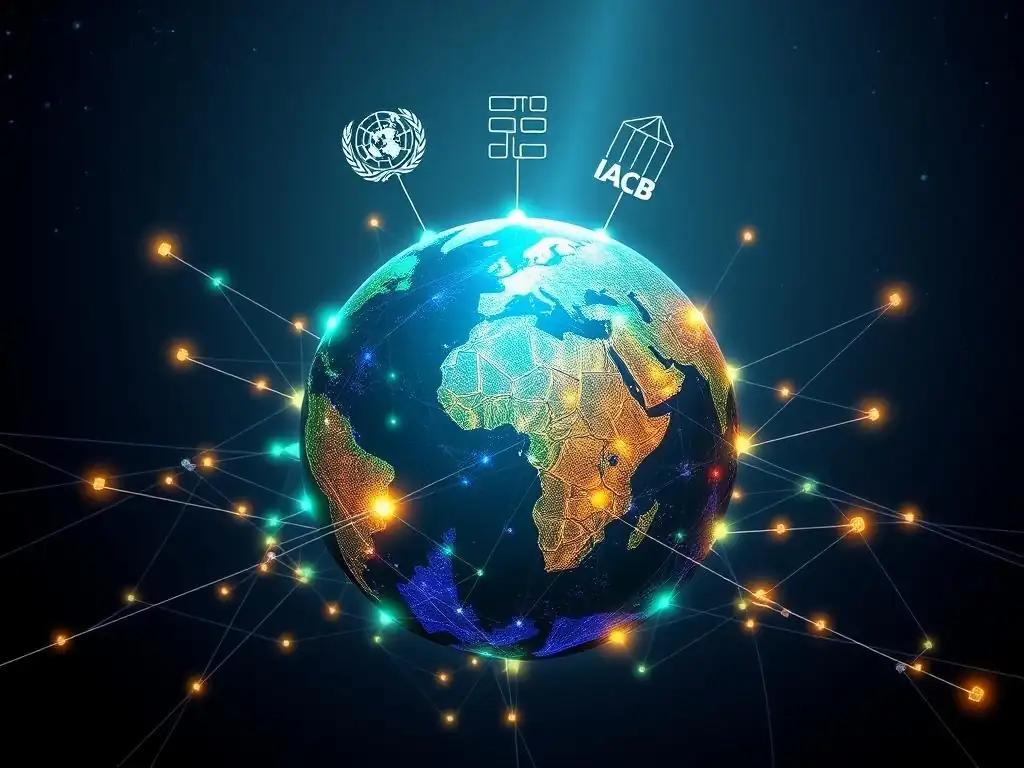
Welcome to Blockchain Trends, your go-to source for understanding the revolutionary impact of blockchain beyond the hype.
Ever wondered how international organizations are navigating the complex landscape of global blockchain regulation? Delve into our latest article, "The Role of International Organizations in Harmonizing Global Blockchain Regulation," to uncover the crucial steps being taken towards blockchain regulation international harmonization and discover the potential benefits for businesses and individuals alike. Explore the challenges, the opportunities, and the future of decentralized systems within a globally coordinated framework. Read on to find out more!
The Role of International Organizations in Harmonizing Global Blockchain Regulation
- Introduction: The Need for Blockchain Regulation International Harmonization
- Understanding the Current Landscape of Blockchain Regulation
-
International Organizations Driving Blockchain Regulatory Convergence
- The Role of the United Nations (UN) in Fostering Blockchain Standards
- The Financial Stability Board (FSB) and its Recommendations for Crypto-Assets Regulation
- The International Organization for Standardization (ISO) and Blockchain Standards Development
- The OECD's Work on Taxation and Digital Assets, Including Blockchain
- How International Organizations Promote Blockchain Regulation Harmonization
- Case Studies: International Organizations in Action
- Challenges to Blockchain Regulatory International Harmonization
- The Future of Blockchain Regulation: A Path Towards Greater Harmonization
- Conclusion: Towards a Globally Coordinated Blockchain Ecosystem
-
Frequently Asked Questions
- What are the primary challenges in achieving blockchain regulation international harmonization?
- Why is blockchain regulation international harmonization important for the growth of the blockchain industry?
- Which international organizations are currently involved in promoting blockchain regulation international harmonization?
- How can governments and regulatory bodies balance innovation with the need for blockchain regulation international harmonization?
- What are the potential long-term benefits of successful blockchain regulation international harmonization for global economies?
- Final Reflection: Navigating the Blockchain Frontier
- Shape the Future: Advocate for Responsible Blockchain!
Introduction: The Need for Blockchain Regulation International Harmonization
Blockchain's Borderless Nature and Regulatory Challenges
Blockchain technology, by its very design, operates across geographical boundaries, facilitating peer-to-peer transactions and data sharing globally without relying on central intermediaries. This inherent borderlessness presents significant challenges for traditional regulatory frameworks, which are typically confined within national or regional jurisdictions.
As blockchain applications expand beyond cryptocurrencies into areas like supply chain management, digital identity, and decentralized finance (DeFi), the lack of a unified regulatory approach creates uncertainty and potential conflicts of law. For instance, a single blockchain transaction or smart contract could involve participants, servers, and assets located in multiple countries, each with differing rules on data privacy, consumer protection, and financial oversight.
The fragmented regulatory landscape poses risks for both innovators and users. Businesses developing blockchain solutions face the daunting task of navigating a complex web of disparate national laws, increasing compliance costs and potentially stifling innovation. A startup operating a decentralized application (dApp) might comply with regulations in its home country only to find its service deemed illegal or non-compliant in another jurisdiction where users reside. This regulatory uncertainty hinders the widespread adoption of blockchain technology and limits its potential to drive global economic growth and efficiency. Achieving Blockchain regulation international harmonization is therefore crucial to unlock blockchain's full potential.
The Importance of Harmonized Blockchain Regulation for Global Adoption
Harmonized Blockchain regulation international harmonization is essential for fostering trust, reducing compliance burdens, and facilitating the mainstream adoption of blockchain technology across various sectors. When regulatory requirements are aligned or mutually recognized across different countries, businesses can operate more efficiently, scale internationally with greater ease, and attract investment. This predictability encourages innovation by providing a clearer path to market and reducing the legal risks associated with deploying novel blockchain solutions.
Furthermore, regulatory harmonization helps protect consumers and investors by establishing consistent standards for security, transparency, and accountability, regardless of where a transaction originates or where participants are located. It minimizes the risk of regulatory arbitrage, where entities might seek out jurisdictions with lax rules to engage in illicit activities. A coordinated global approach ensures that the benefits of blockchain can be harnessed responsibly while mitigating potential risks, paving the way for greater interoperability between different blockchain networks and traditional financial systems, and ultimately accelerating global adoption.
Understanding the Current Landscape of Blockchain Regulation
A Patchwork of National Approaches to Blockchain Governance
The current state of blockchain regulation is characterized by a diverse and often conflicting set of national approaches. Countries have adopted vastly different stances, ranging from embracing blockchain innovation with supportive legal frameworks to imposing strict bans or heavy restrictions. Some nations have focused on regulating specific applications like cryptocurrencies, often classifying them differently (e.g., as commodities, securities, or property), while others are attempting to develop comprehensive frameworks for the underlying distributed ledger technology (DLT) itself. This results in a complex global mosaic where regulatory requirements can vary significantly from one border to the next.
For example, while the European Union is working towards a unified approach through initiatives like the Markets in Crypto-Assets (MiCA) regulation, individual member states still retain discretion on certain aspects, and approaches outside the EU differ markedly. The United States has a multi-regulator system (SEC, CFTC, FinCEN, state-level regulators) leading to a complex and sometimes overlapping set of rules. China has taken a much more restrictive stance on crypto trading while heavily investing in state-backed blockchain infrastructure. This fragmentation makes achieving Blockchain regulation international harmonization a significant challenge.
Key Regulatory Differences Across Jurisdictions: Data Privacy, Securities Laws, and Tax Treatment
Significant divergences exist across jurisdictions regarding crucial aspects of blockchain regulation. Data privacy is a major area of conflict; blockchain's immutable and distributed nature can clash with regulations like Europe's GDPR, which grants individuals the "right to be forgotten." Determining who is the data controller or processor in a decentralized network, and how personal data stored on a blockchain can be erased or modified, presents complex legal and technical hurdles.
Classifying blockchain-based assets under existing securities laws is another area of divergence. What might be considered a utility token exempt from securities registration in one country could be deemed an investment contract requiring stringent disclosure requirements in another, based on differing interpretations of tests like the Howey Test in the US or similar frameworks elsewhere. Tax treatment also varies widely, from capital gains tax on crypto profits to VAT on certain blockchain services, creating confusion and compliance burdens for individuals and businesses operating internationally. These fundamental differences highlight the urgent need for Blockchain regulation international harmonization.
Implications of Regulatory Fragmentation for Blockchain Businesses
The fragmented global regulatory environment imposes substantial costs and complexities on blockchain businesses. Navigating diverse legal requirements across different markets requires significant investment in legal counsel and compliance infrastructure. This burden disproportionately affects smaller startups, potentially stifling innovation and preventing them from competing on a global scale. A report by the Cambridge Centre for Alternative Finance in 2020 noted that regulatory uncertainty was one of the primary challenges faced by crypto asset businesses globally.
Furthermore, regulatory fragmentation can lead to market inefficiency and reduced liquidity. Different rules on issues like Know Your Customer (KYC) and Anti-Money Laundering (AML) procedures, or restrictions on certain types of blockchain activities, can segment markets and hinder cross-border transactions. This lack of interoperability and legal clarity creates friction for users and businesses alike, limiting the network effects that are crucial for the growth and widespread adoption of decentralized technologies. Achieving Blockchain regulation international harmonization would significantly lower these barriers.
International Organizations Driving Blockchain Regulatory Convergence
The Role of the United Nations (UN) in Fostering Blockchain Standards
The United Nations and its various agencies play a crucial role in exploring and promoting the use of blockchain technology, particularly in the context of sustainable development and humanitarian efforts. While not a direct regulator in the traditional sense, the UN facilitates global dialogue, sets norms, and encourages collaboration among member states.
Agencies like the UN Development Programme (UNDP) and UNICEF have piloted blockchain projects for supply chain transparency, digital identity, and aid distribution. This practical engagement provides valuable insights into the operational aspects of blockchain and highlights areas where international standards and coordinated regulatory approaches could be beneficial, particularly concerning ethical use, data sovereignty, and cross-border data flow.
The UN's work often involves bringing together governments, civil society, and the private sector to discuss the implications of emerging technologies. Through reports, forums, and working groups, the UN contributes to building consensus on the potential risks and benefits of blockchain, thereby indirectly influencing national policy discussions. By focusing on blockchain's application for global challenges like climate action or financial inclusion, the UN underscores the need for responsible innovation and encourages international cooperation on issues that transcend national borders, laying groundwork for Blockchain regulation international harmonization aligned with global goals.
The Financial Stability Board (FSB) and its Recommendations for Crypto-Assets Regulation
The Financial Stability Board (FSB), an international body that monitors and makes recommendations about the global financial system, has been actively involved in assessing the financial stability implications of crypto-assets. Composed of authorities from G20 countries, the FSB has published several reports and recommendations aimed at promoting consistent and comprehensive regulation, supervision, and oversight of crypto-asset activities and markets. In October 2022, the FSB delivered a set of high-level recommendations to the G20 on regulating, supervising, and overseeing crypto-asset activities and markets, as well as global stablecoin arrangements.
These recommendations cover areas such as achieving regulatory clarity, enhancing cross-border cooperation, and addressing risks related to financial stability, market integrity, and consumer protection. For instance, the FSB's work on stablecoins highlighted the potential for these assets to scale rapidly and the need for robust regulatory frameworks to address risks related to redemption, governance, and operational resilience. By providing a common set of principles and recommendations agreed upon by major global economies, the FSB significantly contributes to laying the groundwork for Blockchain regulation international harmonization within the financial sector, encouraging national authorities to adopt similar approaches.
The International Organization for Standardization (ISO) and Blockchain Standards Development
The International Organization for Standardization (ISO) is a non-governmental international body that develops and publishes standards across various industries. While not involved in regulation itself, ISO's work on developing international standards for blockchain and distributed ledger technologies (DLT) is highly relevant to Blockchain regulation international harmonization. Technical Committee ISO/TC 307 is specifically dedicated to blockchain and DLT standards, covering terminology, reference architecture, security and privacy, identity management, and governance.
These technical standards provide a common language and framework for understanding and implementing blockchain technology. For example, ISO 22739:2020 provides foundational concepts and terminology for blockchain and DLT. While compliance with ISO standards is voluntary, they are often adopted by industry and can inform regulatory approaches. By establishing common technical specifications and best practices, ISO standards can help ensure interoperability between different systems and provide regulators with a clearer understanding of the technology they seek to govern, indirectly supporting efforts towards Blockchain regulation international harmonization by providing a technical baseline.
The OECD's Work on Taxation and Digital Assets, Including Blockchain
The Organisation for Economic Co-operation and Development (OECD) is an intergovernmental economic organisation with 38 member countries, founded in 1961 to stimulate economic progress and world trade. The OECD has been actively examining the tax challenges arising from digitalization, which includes the implications of blockchain technology and crypto-assets. Through initiatives like the Base Erosion and Profit Shifting (BEPS) project, the OECD has sought to update international tax rules for the digital age. Their work specifically addresses the difficulty of taxing activities and assets that are borderless and sometimes pseudonymous, as is often the case with blockchain.
The OECD has published reports and frameworks discussing the tax implications of crypto-assets, including guidance on how existing tax principles might apply and considerations for potential new approaches. Their Crypto-Asset Reporting Framework (CARF), for instance, aims to provide for the automatic exchange of tax information on crypto-assets between jurisdictions, similar to the Common Reporting Standard (CRS) for traditional financial assets.
By developing common international standards and reporting frameworks for taxing digital assets, the OECD directly contributes to achieving greater Blockchain regulation international harmonization in the critical area of taxation, making it harder for individuals and entities to evade taxes by moving assets across borders.
How International Organizations Promote Blockchain Regulation Harmonization
Facilitating Dialogue and Collaboration Among National Regulators
International organizations serve as vital platforms for national regulators to share information, discuss challenges, and coordinate policy approaches regarding blockchain technology. Bodies like the FSB, BIS (Bank for International Settlements), and IOSCO (International Organization of Securities Commissions) regularly convene meetings, workshops, and conferences where regulators from different countries can exchange views on emerging risks and regulatory strategies. This ongoing dialogue helps build mutual understanding of diverse national perspectives and identifies common areas of concern, such as market integrity, consumer protection, and financial stability.
These forums also enable regulators to learn from each other's experiences, including pilot programs, enforcement actions, and legislative initiatives. By fostering open communication and collaboration, international organizations help to avoid regulatory silos and promote a more coherent global response to the challenges posed by blockchain. This collaborative environment is fundamental to advancing Blockchain regulation international harmonization by aligning regulatory thinking and identifying potential pathways for convergence or mutual recognition of national rules.
Developing Model Laws and Guidelines for Blockchain Regulation
Some international organizations contribute to harmonization by developing non-binding model laws, guidelines, or principles that national jurisdictions can adapt and implement. While not legally binding in themselves, these frameworks provide a template or common reference point for countries developing their own legislation. The UN Commission on International Trade Law (UNCITRAL), for example, has a history of developing model laws for digital transactions, which could potentially be extended or adapted to aspects of blockchain law.
Similarly, recommendations from bodies like the FSB or guidelines from the FATF (Financial Action Task Force) on virtual assets and virtual asset service providers (VASPs) provide a baseline for AML/CFT (Anti-Money Laundering/Combating the Financing of Terrorism) regulations that many countries adopt. By offering these standardized frameworks, international organizations reduce the need for each country to start from scratch and help ensure that national regulations, while tailored to local contexts, are built upon similar foundational principles, thereby facilitating Blockchain regulation international harmonization.
Promoting Best Practices for Blockchain Technology Adoption and Oversight
Beyond regulation, international organizations also play a role in promoting best practices related to the technological and operational aspects of blockchain. ISO standards, as mentioned earlier, provide technical best practices for blockchain development and deployment. Other organizations, like the World Bank or the IMF, explore the potential of blockchain for specific applications such as cross-border payments or digital currencies, and in doing so, identify operational best practices and risk management frameworks.
These efforts help build a common understanding of how blockchain technology works, its capabilities, and its limitations. By disseminating knowledge and promoting sound technical and operational practices, international organizations help bridge the gap between technical innovation and regulatory understanding. This shared knowledge base is crucial for developing effective and proportionate regulations and contributes to Blockchain regulation international harmonization by ensuring regulators and policymakers are working from a common understanding of the underlying technology.
Addressing Cross-Border Issues in Blockchain Regulation
Blockchain's inherent cross-border nature means that many regulatory challenges, such as enforcement, data sharing, and consumer protection, require international cooperation. International organizations facilitate agreements and mechanisms for cross-border collaboration among regulatory authorities. For instance, Memoranda of Understanding (MoUs) between national regulators, often facilitated or encouraged by international bodies, can enable the sharing of information and coordination of enforcement actions against illicit activities involving blockchain across borders.
The FATF's guidance on virtual assets, for example, emphasizes the need for countries to cooperate on AML/CFT supervision and enforcement for VASPs operating across multiple jurisdictions. Similarly, discussions within the OECD on tax information exchange for crypto-assets address the cross-border challenges of tracking and taxing digital assets. By providing platforms and frameworks for addressing these complex cross-border issues, international organizations are directly working towards achieving functional Blockchain regulation international harmonization even where national laws differ.
Case Studies: International Organizations in Action

Various UN agencies have launched initiatives exploring how blockchain can support the achievement of the Sustainable Development Goals (SDGs). The World Food Programme (WFP) implemented "Building Blocks," a blockchain-based system to manage cash transfers to refugees in Jordan, reaching over a million refugees and handling transactions worth hundreds of millions of dollars annually without the need for traditional banks, demonstrating blockchain's potential for financial inclusion and efficiency in humanitarian aid. UNICEF has explored using blockchain for transparent fund collection and distribution, and the UNDP has piloted projects for land registry in developing countries to enhance transparency and security.
These initiatives, while focused on social impact, highlight practical regulatory considerations such as data privacy for vulnerable populations, the legal status of blockchain-based identities or land records, and the need for clear guidelines on the use of decentralized technologies in sensitive sectors. The UN's role here is not regulatory enforcement, but rather demonstrating potential use cases, identifying inherent challenges (including regulatory ones), and convening stakeholders to discuss responsible deployment, thereby contributing to a global understanding that can inform future Blockchain regulation international harmonization efforts focused on social good.
FSB's Recommendations on Stablecoins and National Implementation Efforts
Following concerns about the potential systemic risks posed by large-scale stablecoin arrangements, the Financial Stability Board (FSB) issued high-level recommendations in October 2020, updated in 2022. These recommendations called for comprehensive regulation and oversight of stablecoins, emphasizing that if stablecoins are used as a means of payment and have the potential to become widely adopted, they should be subject to stringent regulation akin to traditional payment systems. The FSB stressed the principle of "same activity, same risk, same regulation."
These recommendations have significantly influenced national regulators. Jurisdictions like the European Union (through MiCA) and the United Kingdom have proposed or enacted legislation specifically addressing stablecoins, often aligning with FSB principles regarding reserve requirements, redemption rights, and governance. While implementation details vary, the FSB's global recommendations provided a common framework that spurred coordinated regulatory action across major economies, serving as a clear example of how an international body can drive Blockchain regulation international harmonization in a specific, high-priority area of crypto-assets.
ISO Standards for Blockchain and Distributed Ledger Technologies (DLT)
The International Organization for Standardization (ISO) has made tangible progress in developing technical standards for blockchain and DLT. ISO 22739:2020, published in 2020, established core terminology and concepts. Subsequent standards cover aspects like security, privacy, and identity. For instance, ISO 23247, currently under development, focuses on the use of DLT for manufacturing data exchange. By late 2023, ISO/TC 307 had published several standards and had others under development or review, demonstrating ongoing progress in standardizing the technology's foundation.
These technical standards provide a neutral, internationally agreed-upon basis for understanding and implementing blockchain systems. While not regulations, they inform regulators by providing a common technical blueprint. For example, a standard on blockchain security can guide regulators on what technical safeguards to expect from compliant systems. This technical harmonization facilitates regulatory convergence by ensuring that national rules, wherever possible, refer to or are compatible with globally recognized technical specifications, supporting broader Blockchain regulation international harmonization.
Challenges to Blockchain Regulatory International Harmonization
Divergent National Interests and Priorities
A primary challenge to achieving Blockchain regulation international harmonization is the fundamental divergence in national interests and policy priorities. Countries have different economic structures, levels of technological adoption, and regulatory philosophies. Some nations may prioritize fostering innovation and attracting blockchain businesses, potentially opting for lighter regulatory touches or regulatory sandboxes. Others may prioritize financial stability, consumer protection, or control over capital flows, leading to more stringent requirements or outright bans on certain activities.
These differing priorities often reflect unique domestic concerns, political considerations, and existing legal frameworks. For example, a country with a large unbanked population might prioritize blockchain for financial inclusion, while a major financial hub might focus on preventing money laundering and terrorist financing. Reconciling these varied national objectives to create a single, globally harmonized regulatory framework is exceptionally difficult, requiring significant political will and compromise.
Technological Complexity and Rapid Innovation in Blockchain
The complex and rapidly evolving nature of blockchain technology itself presents a significant hurdle for regulatory harmonization. The technology is constantly innovating, with new protocols, consensus mechanisms, and applications emerging frequently. Decentralized finance (DeFi), non-fungible tokens (NFTs), and decentralized autonomous organizations (DAOs) are relatively recent developments that challenge existing legal and regulatory concepts.
Regulators often struggle to keep pace with this rapid innovation, and developing coherent national regulations is challenging enough, let alone achieving international consensus. A regulation crafted based on the understanding of one generation of blockchain technology might quickly become outdated as the technology evolves. This constant state of flux makes it difficult for international bodies to develop stable, forward-looking frameworks that can remain relevant across different technological iterations, complicating efforts towards Blockchain regulation international harmonization.
Concerns about Data Privacy and Security
Blockchain's characteristics, particularly its immutability and transparency, raise complex questions regarding data privacy and security that are interpreted differently across jurisdictions. As noted earlier, the "right to be forgotten" under GDPR clashes with the permanent nature of data on many public blockchains. Determining jurisdiction when data is distributed across nodes in multiple countries is also legally challenging.
Furthermore, while blockchain can enhance security in some ways, it also introduces new security risks, such as vulnerabilities in smart contracts or the potential for large-scale data breaches if private keys are compromised. Different countries have varying standards and legal requirements for data protection and cybersecurity, and reaching international agreement on how these apply to decentralized, cross-border systems is difficult. Harmonizing regulations while respecting diverse national approaches to fundamental rights like privacy is a delicate balancing act crucial for effective Blockchain regulation international harmonization.
Resistance to International Regulatory Intervention
Some countries may be resistant to adopting international recommendations or ceding any perceived regulatory sovereignty to international bodies. Nations often prefer to maintain control over their financial systems and legal frameworks, viewing regulation as a matter of national interest and public policy. There can be concerns that international standards might not be suitable for their specific domestic context, could stifle local innovation, or could be influenced by the interests of larger or more technologically advanced nations.
This resistance can manifest as a reluctance to implement internationally agreed-upon guidelines, delays in adopting recommendations, or the development of national rules that deviate significantly from global norms. Overcoming this reluctance requires building trust, demonstrating the benefits of harmonization (such as increased trade and investment), and ensuring that international frameworks are developed through inclusive processes that consider the perspectives of diverse nations. Addressing this political dimension is vital for achieving meaningful Blockchain regulation international harmonization.
The Future of Blockchain Regulation: A Path Towards Greater Harmonization
Emerging Trends in Global Blockchain Governance
Several trends indicate a potential path towards greater Blockchain regulation international harmonization. There is a growing recognition among policymakers globally that a coordinated approach is necessary. International bodies are increasingly focused on practical, risk-based approaches, targeting specific activities or assets (like stablecoins or VASPs) rather than attempting to regulate the technology holistically. This pragmatic approach allows for focused harmonization efforts in areas posing the most immediate risks or offering the clearest benefits from coordination.
Furthermore, there is a trend towards greater regulatory clarity at the national level, which provides a more stable foundation for international discussions. As more countries enact specific blockchain legislation, the areas of convergence and divergence become clearer, facilitating targeted harmonization efforts. The increasing dialogue between public and private sectors is also shaping future governance models, with industry input helping to inform feasible and effective regulatory approaches.
The Potential of Regulatory Sandboxes and Innovation Hubs
Regulatory sandboxes and innovation hubs, increasingly adopted by national regulators, offer a mechanism that can indirectly support Blockchain regulation international harmonization. These initiatives allow businesses to test innovative blockchain products and services in a controlled environment under regulatory supervision, providing regulators with practical insights into how the technology operates and the risks it poses.
While sandboxes are national initiatives, they can become valuable sources of information for international dialogue. Regulators participating in international forums can share their experiences and findings from these sandboxes, highlighting which approaches to oversight are effective and which challenges are most persistent. This shared learning process contributes to a common understanding of the technology and its regulatory implications, potentially leading to the convergence of best practices and regulatory approaches across different jurisdictions.
The Role of Public-Private Partnerships in Shaping Blockchain Regulation
Effective Blockchain regulation international harmonization requires close collaboration between regulators, policymakers, and the private sector developing and deploying the technology. Public-private partnerships (PPPs) are becoming increasingly important in shaping future regulatory frameworks. Industry associations, technology companies, and standards bodies possess deep technical knowledge and practical experience that are essential for developing regulations that are both effective in mitigating risks and conducive to innovation.
International organizations often facilitate these PPPs by convening stakeholders from different sectors and geographies. Discussions within these partnerships can help bridge the knowledge gap between regulators and technologists, identify practical challenges in implementing regulations, and explore innovative compliance solutions. For example, industry input on proposed regulations for stablecoins or DeFi can help ensure that the final rules are technically feasible and do not unduly stifle beneficial innovation, contributing to more practical and harmonized outcomes.
The Importance of Ongoing Dialogue and Collaboration
Given the dynamic nature of blockchain technology and the evolving global landscape, continuous dialogue and collaboration among international organizations, national regulators, and the private sector are paramount. Harmonization is not a one-time event but an ongoing process that requires flexibility and adaptation. International forums must continue to serve as platforms for sharing information, discussing emerging risks, and coordinating responses to new developments in the blockchain space.
This ongoing engagement helps build trust, facilitates mutual understanding, and enables the proactive identification of potential regulatory gaps or conflicts. By fostering a culture of continuous learning and cooperation, international organizations can help navigate the complexities of blockchain regulation and steer the global ecosystem towards greater coherence and predictability, which is fundamental for achieving meaningful Blockchain regulation international harmonization over time.
Conclusion: Towards a Globally Coordinated Blockchain Ecosystem
The Benefits of Harmonized Blockchain Regulation for Innovation and Growth
Achieving Blockchain regulation international harmonization is not merely a regulatory goal; it is a prerequisite for unlocking the full potential of blockchain technology for global innovation and economic growth. A harmonized environment reduces legal uncertainty, lowers compliance costs, and facilitates cross-border operations for blockchain businesses. This enables startups and established companies alike to scale their solutions globally with greater ease, attracting investment and fostering a more competitive and dynamic market.
Predictable and consistent regulations build trust among users and institutions, encouraging broader adoption of blockchain in sectors like finance, supply chain, healthcare, and government services. It allows for greater interoperability between different blockchain networks and with traditional systems, creating more efficient and integrated global ecosystems. Ultimately, Blockchain regulation international harmonization creates a fertile ground for innovation by providing the clarity and stability necessary for the technology to mature and deliver its promised benefits on a global scale.
The Continued Importance of International Organizations in Shaping the Future of Blockchain
International organizations have been, and will continue to be, indispensable in the journey towards a globally coordinated blockchain ecosystem. Through facilitating dialogue, developing standards and guidelines, and addressing cross-border issues, they provide the necessary infrastructure for national regulators to move towards greater harmonization. While national interests and technological complexity remain significant challenges, the work of bodies like the UN, FSB, ISO, and OECD is laying crucial groundwork.
As blockchain technology continues to evolve and its applications become more integrated into the global economy, the need for international cooperation on regulation will only increase. The future of blockchain regulation will likely involve a combination of national implementation guided by international principles, sector-specific harmonization efforts (e.g., for financial services), and ongoing adaptation to technological change. The sustained efforts of international organizations are vital to navigate this complex landscape and ensure that the future of blockchain is built on a foundation of responsible innovation and global regulatory coherence.
Frequently Asked Questions
What are the primary challenges in achieving blockchain regulation international harmonization?
The main hurdles include differing national laws, varying levels of technological understanding among regulators, and the need for cross-border cooperation to effectively oversee decentralized systems.
Why is blockchain regulation international harmonization important for the growth of the blockchain industry?
Harmonized regulations can foster innovation by creating a more predictable and stable legal environment, reducing regulatory arbitrage, and encouraging wider adoption of blockchain technologies.
Which international organizations are currently involved in promoting blockchain regulation international harmonization?
Organizations like the Financial Action Task Force (FATF), the International Organization for Standardization (ISO), and various UN bodies are actively working on standards and guidelines for blockchain regulation.
How can governments and regulatory bodies balance innovation with the need for blockchain regulation international harmonization?
A sandbox approach, allowing experimentation with blockchain applications under controlled conditions, can foster innovation while regulators develop comprehensive and harmonized frameworks based on evidence.
What are the potential long-term benefits of successful blockchain regulation international harmonization for global economies?
Harmonization can unlock new economic opportunities, reduce risks associated with illicit activities, and promote greater trust and confidence in blockchain-based systems worldwide.
The preceding analysis underscores the critical role international organizations play in shaping a cohesive global framework for blockchain regulation. In a world increasingly reliant on decentralized technologies, the absence of harmonized standards risks stifling innovation, hindering cross-border transactions, and ultimately, preventing blockchain from reaching its full potential. The need for collaborative governance is not just a theoretical ideal; it's a pragmatic necessity for a future where blockchain permeates every facet of our lives.
This journey towards regulatory harmonization is far from over, and its impact on the cultural and social landscape is only beginning to unfold. The potential for blockchain to foster transparency, efficiency, and trust in various sectors, from supply chain management to digital identity, is immense, but it hinges on establishing clear and consistent rules of the road. The future is already here – it's just not evenly distributed.
- William Gibson. This quote resonates deeply as we consider the uneven adoption and understanding of blockchain across different nations, highlighting the urgent need for international collaboration to bridge the gap and ensure equitable access to its benefits.
As we stand at the cusp of this technological revolution, let us not be passive observers. Consider how you can contribute to fostering a more informed and collaborative dialogue around blockchain regulation. Whether it's through engaging in discussions, supporting organizations working towards harmonization, or simply educating yourself and others about the potential and challenges of this transformative technology, your participation is vital. Embrace the opportunity to shape a future where blockchain empowers individuals and strengthens global communities, guided by principles of fairness, transparency, and innovation.
Shape the Future: Advocate for Responsible Blockchain!
Thank you for exploring the complex world of international blockchain regulation. Now that you’re informed, you can take action to promote responsible blockchain innovation.
Here are some ways you can get involved:
- Reach out to your local policymakers and support efforts for international collaboration on blockchain standards. This is the most impactful step you can take right now.
- Share this article on social media using hashtags like #GlobalBlockchain and #Regulation, and tag organizations such as the United Nations or World Trade Organization to encourage dialogue.
- Explore open-source blockchain projects focused on regulatory compliance. Consider contributing your skills or ideas to help develop practical solutions.
What do you think is the most important regulatory challenge international organizations should address first to promote blockchain adoption? Share your thoughts in the comments below!
Leave a Reply