
The Future of Food Safety: Smart Contracts in Agricultural Supply Chains

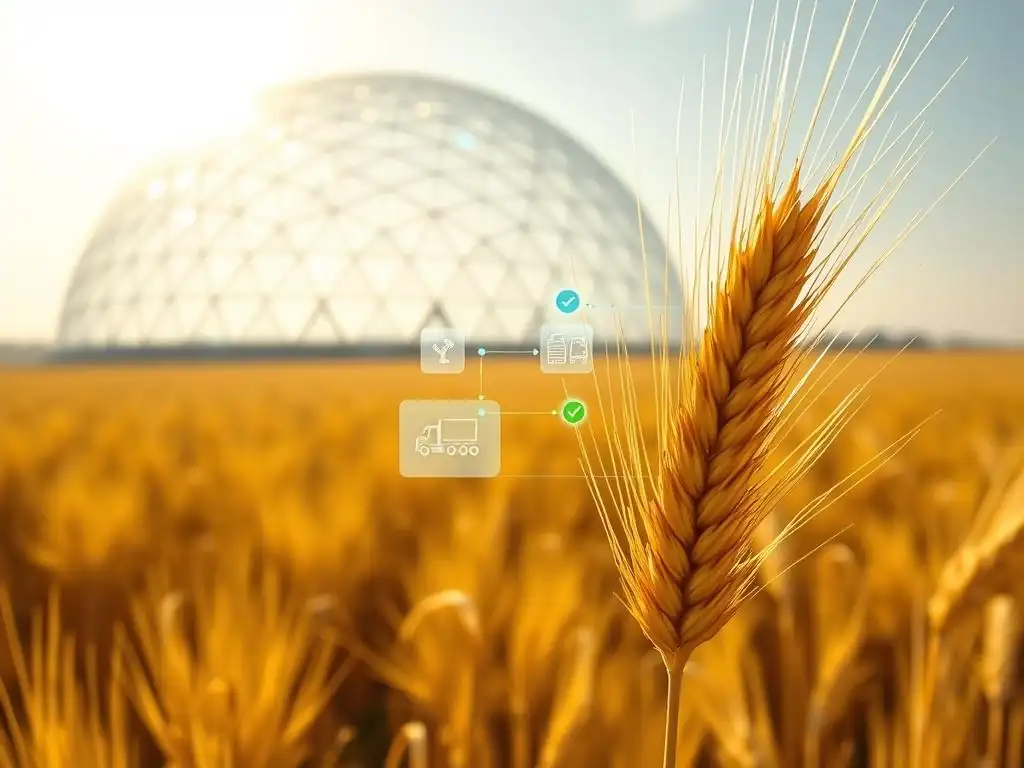
Welcome to Blockchain Trends, your compass in the rapidly evolving world of decentralized technology!
Ever wondered how blockchain can revolutionize industries beyond just digital currencies? Dive in with us as we explore its transformative potential, from DeFi to enterprise solutions and the regulatory landscape shaping its future. Today, we're focusing on a particularly compelling application: how blockchain can guarantee the safety and integrity of our food supply. Discover how blockchain food safety contracts are poised to reshape agricultural supply chains, creating unprecedented transparency and accountability. Intrigued? Let's explore how smart contracts are building a safer, more trustworthy future, one bite at a time.
- The Future of Food Safety: Blockchain Food Safety Contracts in Agricultural Supply Chains
- Understanding the Current Challenges in Food Safety
- Smart Contracts: The Key to Enhanced Food Safety
- Implementing Blockchain Food Safety Contracts in Agriculture
- Use Cases of Blockchain Food Safety Contracts
- Advantages of Blockchain Food Safety Contracts
- Challenges and Considerations for Adoption
- The Future of Blockchain Food Safety Contracts
- Conclusion: Embracing Blockchain Food Safety Contracts for a Safer Food System
-
Frequently Asked Questions
- What are Blockchain food safety contracts, and how do they improve the food supply chain?
- How can blockchain technology help with tracking and tracing food products?
- What are the key benefits of using smart contracts for food safety compliance?
- What are some of the challenges in implementing blockchain food safety contracts?
- How will Blockchain food safety contracts shape the future of the agricultural industry?
- Final Reflection: Cultivating Trust with Blockchain
- Reimagine Your Plate: Embrace Food Safety Innovation!
The Future of Food Safety: Blockchain Food Safety Contracts in Agricultural Supply Chains
The Growing Need for Enhanced Food Safety Measures
Ensuring the safety of the global food supply is a monumental and increasingly complex challenge. Foodborne illnesses affect millions worldwide annually, leading to significant health and economic burdens. According to the World Health Organization (WHO), an estimated 600 million people fall ill and 420,000 die every year after eating contaminated food.
Children under 5 years of age carry 40% of the foodborne disease burden, with 125,000 deaths annually in this age group. These statistics underscore the critical necessity for more robust, efficient, and reliable food safety systems that can prevent contamination, quickly identify sources of outbreaks, and minimize harm. The complexity of modern supply chains, often spanning multiple countries and intermediaries, exacerbates the difficulty of pinpointing the origin of contamination swiftly.
Furthermore, the economic impact of unsafe food is substantial. The World Bank estimates that the productivity losses associated with foodborne illness in low- and middle-income countries alone amount to US$ 95.2 billion per year, and the cost of treating these illnesses is estimated at US$ 15 billion.
Beyond direct health costs and lost productivity, food safety incidents can severely damage brand reputation, lead to costly recalls, and result in legal liabilities for businesses involved in the supply chain. The traditional paper-based or siloed digital systems currently used for tracking food products are often slow, prone to errors, and lack the transparency needed to build consumer trust and effectively manage risks in a timely manner.
How Blockchain and Smart Contracts Can Transform Food Traceability
Blockchain technology, with its inherent characteristics of immutability, transparency, and distributed ledger capabilities, offers a powerful solution to the challenges plaguing traditional food safety systems. By creating a shared, tamper-proof record of every transaction and movement of a food product from its origin to the consumer, blockchain enables end-to-end traceability.
This distributed ledger technology can store crucial data points such as origin farm, processing dates, storage temperatures, transportation routes, and quality certifications, making this information accessible to authorized parties across the supply chain. This level of granular, verified data is a significant improvement over disparate systems that often lack real-time updates and comprehensive historical records.
Integrating smart contracts with blockchain further enhances this transformative potential, specifically for establishing robust blockchain food safety contracts. Smart contracts are self-executing contracts with the terms of the agreement directly written into code. They automatically trigger actions when predefined conditions are met, such as verifying compliance with safety standards, confirming delivery milestones, or automating payments based on successful quality checks.
These programmatic agreements can enforce safety protocols without manual intervention, ensuring that critical steps, like temperature monitoring during transit or verification of organic certification, are adhered to. This automation reduces human error, increases efficiency, and builds a foundation for trustless interactions among supply chain participants, paving the way for more reliable and verifiable food safety outcomes.
Understanding the Current Challenges in Food Safety
Inefficiencies in Traditional Food Supply Chains
Traditional food supply chains are notoriously complex and often fragmented, involving numerous intermediaries such as farmers, processors, distributors, wholesalers, and retailers. Information flow within these chains is frequently manual, paper-based, or stored in disparate, incompatible digital systems. This lack of a unified, real-time data platform leads to significant inefficiencies.
Tracing a product back to its origin during a food safety incident can take days or even weeks, as investigators must piece together records from multiple parties, each potentially using different formats and systems. This delay not only prolongs the exposure of consumers to potentially contaminated food but also increases the scope and cost of recalls.
Moreover, the lack of standardized data protocols and the reliance on manual data entry introduce opportunities for errors, delays, and even deliberate manipulation. For instance, verifying certifications (like organic or fair trade) or ensuring compliance with specific handling requirements (such as refrigeration) often depends on physical inspections and paper trails that can be easily falsified or misplaced.
This opacity makes it difficult for participants to trust the information received from other links in the chain and hinders proactive risk management. The inherent opaqueness and inefficiency of these systems highlight the urgent need for a more integrated, transparent, and reliable approach to managing food data and ensuring safety.
The Problem of Foodborne Illnesses and Recalls
Foodborne illnesses are a persistent global health issue, causing widespread sickness and mortality. As mentioned earlier, the numbers are staggering, with hundreds of thousands dying annually. These illnesses often stem from contamination by bacteria (like Salmonella, E. coli), viruses, parasites, or chemical substances at various points in the supply chain, from farm to fork. When an outbreak occurs, identifying the source quickly is paramount to containing it and preventing further spread. However, the inefficiencies in traditional traceability systems make this rapid identification challenging.
Consequently, food recalls become necessary to remove potentially contaminated products from the market. Recalls, while essential for public safety, are costly and disruptive. They involve identifying affected batches, notifying distributors and consumers, and managing the return and disposal of products.
The longer it takes to pinpoint the exact source and affected products, the larger the recall scope tends to be, leading to greater financial losses for businesses and increased food waste. For example, a major E. coli outbreak linked to romaine lettuce in 2018 involved multiple recalls over several months and across different states, costing the industry millions and eroding consumer confidence in a popular product. The inability to isolate the contaminated product quickly and precisely meant that vast quantities of safe produce were also removed from shelves as a precautionary measure.
Lack of Transparency and Accountability
A significant challenge in traditional food supply chains is the pervasive lack of transparency and clear accountability. Information about a food product's journey – where it came from, how it was grown, processed, handled, and transported – is often siloed within individual companies. Consumers typically only see limited information on packaging, and even supply chain participants may not have full visibility into the processes of their upstream or downstream partners.
This opacity makes it difficult to verify claims about origin, quality, or safety standards. For example, is the "organic" label truly backed by verified practices throughout the chain? Was the cold chain maintained consistently during transportation?
This lack of transparency also creates an accountability gap. When a safety issue arises, it can be challenging to definitively determine where and when the contamination occurred and who is responsible. Finger-pointing among supply chain members is common, delaying corrective actions and resolution.
Without a shared, verifiable record of events and responsibilities, enforcing compliance with safety regulations and contractual obligations becomes difficult. This environment of limited visibility and diffused accountability undermines trust among supply chain partners and erodes consumer confidence in the safety and integrity of the food they purchase. Establishing clear, verifiable records via blockchain food safety contracts is essential to overcoming this trust deficit.
Smart Contracts: The Key to Enhanced Food Safety
What are Smart Contracts and How Do They Work?
Smart contracts are self-executing contracts with the terms of the agreement directly written into lines of code. This code and the agreements contained therein exist across a distributed, decentralized blockchain network. They function on an "if-then" premise: if a specific condition is met (verified by data on the blockchain or from external sources via oracles), then a predetermined action is automatically executed. Unlike traditional contracts that rely on legal frameworks and human intermediaries for enforcement, smart contracts are enforced by the code itself, running on the secure and immutable ledger of the blockchain.
The process begins when parties agree on the terms and conditions, which are then translated into code. This code is deployed onto a blockchain network. Once deployed, the smart contract waits for the specified conditions to be met.
For instance, a smart contract for a food shipment might require verification that the temperature remained below 4°C during transit. When data from an IoT sensor confirms this condition (via an oracle), the smart contract automatically triggers the next action, such as releasing payment to the carrier or updating the product's status on the blockchain. This automation eliminates the need for manual verification and reduces the potential for disputes or delays, making operations, including those governed by blockchain food safety contracts, significantly more efficient and reliable.
Smart Contracts for Automated Food Safety Compliance
The application of smart contracts in food safety offers a powerful mechanism for automating and enforcing compliance with stringent regulations and quality standards. Instead of relying on periodic inspections and manual checks, critical safety parameters can be programmed directly into smart contracts.
For example, a smart contract could be designed to verify that a batch of produce was harvested on a specific date range, processed in a certified facility, and transported under specific temperature and humidity conditions. Data from IoT sensors, laboratory test results, and digital certifications can be fed into the blockchain via secure oracles, triggering the smart contract's logic.
If all conditions are met, the smart contract might automatically update the product's status as "compliant" on the blockchain, allow the shipment to proceed to the next stage, or even initiate payment to the supplier. Conversely, if a condition is violated – such as a temperature excursion during transit – the smart contract could automatically flag the shipment as non-compliant, trigger an alert to relevant parties, initiate a hold on payment, or even start a predefined recall protocol.
This automated enforcement ensures that safety standards are consistently applied throughout the supply chain, reducing the risk of contaminated products reaching consumers and providing verifiable proof of compliance for regulatory purposes. These automated checks form the core functionality of effective blockchain food safety contracts.
Benefits of Using Blockchain Food Safety Contracts
Implementing blockchain food safety contracts yields multiple significant benefits for all stakeholders in the agricultural supply chain. Firstly, they dramatically enhance traceability and transparency. Every step of a product's journey, along with associated safety data and compliance checks, is recorded on an immutable ledger accessible to authorized parties. This provides unprecedented visibility from farm to fork, enabling rapid identification of the source of contamination during outbreaks – potentially reducing trace times from weeks to mere seconds or minutes.
Secondly, blockchain food safety contracts help reduce food fraud and counterfeiting. The transparent and tamper-proof nature of the blockchain makes it extremely difficult to introduce counterfeit products or falsify data regarding origin, quality, or certifications. Smart contracts can verify the authenticity of products and documentation automatically. Thirdly, they streamline compliance with food safety regulations by automating checks and providing an auditable, immutable record of adherence.
This not only simplifies regulatory reporting but also provides robust evidence during audits. Finally, and perhaps most importantly, these systems build enhanced consumer trust and confidence. Consumers can potentially access verified information about the food they buy, understanding its origin and journey, which strengthens brand loyalty and assures them of the product's safety and integrity.
Implementing Blockchain Food Safety Contracts in Agriculture
Tracking Food Products from Farm to Table
Implementing blockchain food safety contracts begins by establishing a system to track food products from their point of origin – typically the farm – through every subsequent stage of the supply chain until they reach the final consumer. This involves creating a unique digital identity (often represented by a QR code or barcode linked to the blockchain) for batches or even individual items of food.
At each handoff or transformation point in the supply chain – from farmer harvesting to initial processing, packaging, transportation, distribution, and retail – relevant data is recorded on the blockchain. This data could include batch numbers, harvest dates, location data (GPS coordinates), inputs used (fertilizers, pesticides, if applicable), processing facility details, packaging information, and timestamps.
The key is to ensure that data is captured accurately and promptly at each node. This might involve integrating with existing enterprise resource planning (ERP) systems, using mobile applications for data entry at the source, or deploying automated scanning systems at processing and distribution centers. Each entry on the blockchain creates an immutable link in the product's history.
Smart contracts are then layered on top of this data stream. For example, a smart contract could verify that a product batch originated from a registered farm, or that processing occurred within a specified timeframe after harvest. This creates a verifiable, end-to-end chain of custody, crucial for effective blockchain food safety contracts.
Monitoring Temperature and Storage Conditions Using IoT and Smart Contracts
Maintaining appropriate temperature and storage conditions is critical for preserving the safety and quality of many food products, especially perishables like meat, dairy, and produce. Integrating Internet of Things (IoT) sensors with blockchain and smart contracts provides an automated and verifiable way to monitor these conditions throughout the supply chain. IoT sensors placed in storage facilities, shipping containers, or individual product packaging can continuously collect real-time data on temperature, humidity, and even light exposure or shock.
This sensor data is then securely transmitted to the blockchain, often via specialized oracles that bridge the gap between the physical world and the digital ledger. Smart contracts are programmed to monitor this incoming data against predefined thresholds specified in safety regulations or contractual agreements. For instance, a smart contract might require that a shipment of frozen seafood remain below -18°C during its entire journey.
If the IoT sensor data indicates that the temperature rose above this threshold for a specified duration, the smart contract automatically flags the shipment as potentially compromised, triggers alerts to relevant parties (e.g., the carrier, recipient, and quality control), and records the violation immutably on the blockchain. This automated monitoring and enforcement capability is a cornerstone of effective blockchain food safety contracts, providing continuous oversight that manual checks cannot match.
Automating Quality Control and Certification Processes
Smart contracts can also play a significant role in automating aspects of quality control and verifying certifications within the agricultural supply chain. Many food products require specific quality checks at various stages, such as testing for contaminants, verifying ripeness, or assessing physical condition. Similarly, certifications (like organic, non-GMO, or specific geographic origin) need to be verified to ensure product claims are accurate. Traditionally, these processes involve manual inspections, laboratory testing, and paper-based certificates, which are time-consuming and susceptible to fraud.
With blockchain food safety contracts, the results of laboratory tests or digital certifications issued by accredited bodies can be recorded on the blockchain. Smart contracts can then be programmed to automatically verify that these results meet the required standards or that necessary certifications are in place before a product is allowed to proceed to the next stage or before payment is released. For example, a smart contract might require verifiable proof on the blockchain that a batch of nuts tested negative for Salmonella before it can be cleared for packaging.
Or, it could check for a valid organic certification linked to the farm of origin. This automation streamlines quality control, reduces the potential for human error or fraud in reporting results, and provides an immutable audit trail of compliance, further strengthening the integrity of the food supply chain.
Use Cases of Blockchain Food Safety Contracts
Case Study 1: Tracking Mangoes from Farm to Export Using Blockchain
Problem Addressed
A significant challenge in exporting perishable goods like mangoes is ensuring their quality and safety throughout the lengthy and complex journey from farm to international markets. Issues include verifying origin, maintaining proper handling and storage temperatures, ensuring timely transit, and providing verifiable proof of compliance with importing country regulations. Traditional paper trails were slow, prone to errors, and made it difficult to quickly identify the source of issues like spoilage or pest contamination, leading to potential rejection of shipments and significant financial losses for farmers and exporters.
Solution Implemented
A pilot program implemented blockchain technology to track specific batches of mangoes from farms in India to export markets. Each crate of mangoes was tagged with a unique QR code linked to an entry on the blockchain. Data recorded at the farm included harvest date, location, and farmer ID.
As the mangoes moved through the supply chain – to packaging facilities, cold storage, and finally onto shipping containers – timestamps, location data, and temperature readings from IoT sensors within the containers were continuously uploaded to the blockchain. Smart contracts were used to monitor key conditions, such as ensuring the temperature remained within a specified range (e.g., 10-12°C) and verifying transit times against predefined schedules.
Results Achieved
The implementation resulted in significantly improved transparency and traceability. Supply chain participants, including regulators and importers, could access the immutable record of the mangoes' journey in near real-time simply by scanning the QR code. Traceability time for a specific crate was reduced from potentially days to a few seconds.
The automated monitoring via smart contracts immediately flagged any temperature excursions or delays, allowing for faster intervention and risk assessment. While specific figures vary by pilot, improvements in dispute resolution speed by over 50% and a reduction in rejected shipments due to lack of verifiable data were often reported. This demonstrated the practical application of blockchain food safety contracts in ensuring the integrity of perishable exports.
Case Study 2: Improving Seafood Traceability with Blockchain in the Tuna Industry
Problem Addressed
The global tuna industry faces significant challenges with traceability, combating illegal, unreported, and unregulated (IUU) fishing, and ensuring the authenticity and sustainability of seafood products. Consumers and regulators increasingly demand to know where their fish came from, how it was caught, and that it was handled safely. Traditional paper-based tracking systems were easily manipulated, making it hard to verify catch locations, vessel information, processing details, and cold chain maintenance, leading to concerns about food safety, sustainability claims, and potential fraud like species substitution.
Solution Implemented
A consortium involving major seafood companies implemented a blockchain solution to trace tuna from the point of catch to the consumer. Fishermen at sea used satellite-connected devices to record catch data (species, weight, location, vessel ID) on the blockchain. This data was linked to unique identifiers assigned to each batch of fish.
As the tuna moved through processing plants, cold storage, and distribution, details such as processing dates, facility certifications, temperature logs from IoT sensors, and shipping information were added to the same blockchain record. Smart contracts were employed to automatically verify compliance with regulatory requirements (like fishing quotas or exclusion zones) and contractual terms (like maintaining specific freezing temperatures below -18°C).
Results Achieved
This blockchain implementation provided end-to-end visibility for stakeholders. Regulators could instantly verify catch locations and vessel compliance, significantly aiding the fight against IUU fishing. Processors and distributors gained real-time insight into the provenance and handling history of the fish, improving quality control and risk management.
Consumers, using a public-facing application, could scan a QR code on the packaging to see verified data about the tuna's journey, including where and when it was caught and by which vessel. This increased transparency built consumer trust. Companies reported a significant reduction in the time needed to trace a specific product batch from days or hours down to minutes, and enhanced confidence in the integrity of their supply chain data, demonstrating the power of blockchain food safety contracts in complex global industries.
Advantages of Blockchain Food Safety Contracts
Improved Traceability and Transparency in the Food Supply Chain
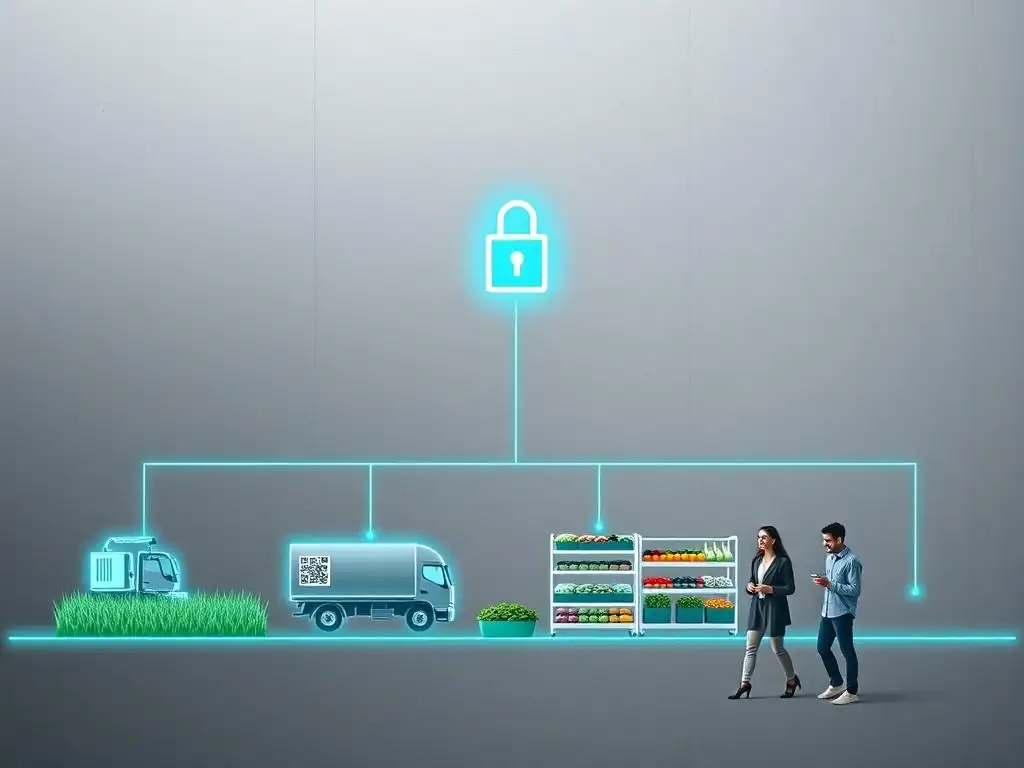
One of the most significant advantages of implementing blockchain food safety contracts is the dramatic improvement in traceability and transparency. Unlike traditional systems where data is fragmented and often inaccessible across different entities, a blockchain creates a single, shared, and immutable ledger accessible to authorized participants. Every transaction, movement, and data point related to a food product—from farm inputs and harvest details to processing, packaging, transportation logs, and retail display—is recorded sequentially.
This provides an unparalleled "farm-to-fork" view. During a food safety event, such as an outbreak of Listeria or Salmonella, investigators can use the blockchain record to trace the affected product back to its origin in minutes or seconds, compared to the days or weeks often required with manual or disparate digital systems.
This rapid traceability allows for quick identification of the source, limiting the scope of outbreaks and enabling targeted, efficient recalls. The transparency, while potentially permissioned to protect sensitive business data, allows necessary parties, including regulators and even consumers (for public data points), to verify the product's journey and handling history, fostering greater trust.
Reduced Food Fraud and Counterfeiting
Food fraud is a pervasive and costly issue, ranging from mislabeling origin or ingredients to substituting cheaper alternatives (like mixing different oils or selling farmed fish as wild-caught) and selling counterfeit products. The opaque nature of traditional supply chains makes it easier for malicious actors to introduce fraudulent items or falsify documentation without detection. The global cost of food fraud is estimated to be tens of billions of dollars annually, impacting both consumer wallets and, more critically, public health when undeclared allergens or unsafe substances are involved.
Blockchain food safety contracts significantly reduce the opportunities for food fraud and counterfeiting. Because the blockchain is immutable and distributed, it is extremely difficult to alter records once they are added. Any attempt to introduce false data or substitute products without updating the blockchain record would break the verifiable chain of custody.
Smart contracts can be programmed to verify the authenticity of data inputs, cross-reference information from different sources (like matching harvest data with processing volumes), and require digital signatures or credentials from verified participants at each stage. This provides a robust defense against tampering and makes it much harder to pass off fraudulent products as legitimate, thereby protecting consumers and the integrity of the supply chain.
Faster and More Efficient Food Recalls
When a food safety issue necessitates a recall, speed and efficiency are paramount to minimizing consumer exposure and financial losses. Traditional recall processes are often cumbersome and slow, requiring companies to manually identify affected batches based on limited records, notify distributors, and track down products across complex distribution networks. This can lead to delays, incomplete recalls, and unnecessary removal of safe products.
Blockchain food safety contracts dramatically accelerate and streamline the recall process. Because the entire journey of each product batch is immutably recorded on the blockchain with granular detail (including specific processing lines, shipment containers, and retail destinations), companies can instantly identify precisely which products, from which origins, were part of the affected batch and where they were distributed.
Smart contracts can even be triggered automatically by a recall event declared on the blockchain, sending instant notifications to relevant parties downstream and initiating recall procedures programmatically. This ability to conduct highly targeted and rapid recalls saves time, reduces waste by limiting the recall scope to only affected products, and minimizes the potential for consumers to consume contaminated food, showcasing a critical benefit of implementing blockchain food safety contracts.
Enhanced Consumer Trust and Confidence
Consumer trust in the food system has been eroded by past safety incidents, fraud scandals, and a general lack of transparency regarding where food comes from and how it is handled. Consumers are increasingly demanding more information about their food, including its origin, production methods, and safety certifications. Providing verifiable, accessible information is key to rebuilding this trust.
Blockchain food safety contracts offer a powerful way to enhance consumer confidence. By making relevant, non-sensitive data about a product's journey accessible (e.g., via a QR code on packaging linked to a blockchain explorer), consumers can verify claims about origin, organic status, or handling practices. They can see the immutable record of temperature logs during transit or confirm that the product came from a certified farm.
This level of transparency empowers consumers and assures them that the product has followed a verified path and met safety standards. Knowing that the entire supply chain is recorded on a tamper-proof ledger provides a level of assurance that traditional labeling and marketing efforts alone cannot achieve, fundamentally strengthening the relationship between food producers and consumers.
Streamlined Compliance with Food Safety Regulations
Compliance with food safety regulations is a complex and constantly evolving challenge for businesses in the agricultural supply chain. Regulations vary significantly between countries and regions, covering everything from farming practices and permissible inputs to processing standards, labeling requirements, and transportation conditions. Demonstrating compliance traditionally involves extensive record-keeping, manual audits, and providing physical documentation, which is burdensome and prone to administrative errors.
Blockchain food safety contracts streamline compliance by automatically recording and verifying adherence to regulatory requirements. Specific rules, such as maximum allowable temperatures, required certifications, or mandatory inspection points, can be coded into smart contracts. As data is added to the blockchain (e.g., IoT temperature readings, digital inspection reports), the smart contract automatically checks for compliance.
The blockchain then serves as an immutable, easily auditable record of every compliance check and data point throughout the product's journey. Regulators can be granted permissioned access to the ledger to conduct audits far more efficiently, verifying compliance without needing to sift through stacks of paper documents. This automated verification and transparent record-keeping significantly reduces the administrative burden of compliance and provides robust, verifiable evidence of adherence to safety standards.
Challenges and Considerations for Adoption
Scalability of Blockchain Solutions for Large Agricultural Supply Chains
One of the significant challenges in adopting blockchain food safety contracts for large-scale agricultural supply chains is scalability. The food industry involves vast volumes of transactions and data points daily, from individual produce items to bulk shipments. Public blockchains, while decentralized, can sometimes face limitations in transaction throughput and speed, which might be a bottleneck for tracking billions of individual items or recording frequent sensor data from numerous sources in real-time.
While advancements in blockchain technology, such as layer-2 scaling solutions, sharding, and the development of permissioned or enterprise-focused blockchains, are addressing these issues, designing a system that can handle the sheer volume and velocity of data generated by a massive global supply chain remains complex. Private or consortium blockchains, where participation is restricted to known entities, often offer higher transaction speeds and scalability compared to public networks, making them potentially more suitable for enterprise food traceability.
However, careful architectural design and testing are required to ensure the chosen blockchain platform can efficiently manage the data load without incurring excessive costs or delays.
Interoperability with Existing Systems and Technologies
Agricultural and food businesses already rely on a wide array of existing legacy systems for managing operations, inventory, logistics, and accounting. These include ERP systems, warehouse management systems (WMS), transportation management systems (TMS), and various databases. A major hurdle in implementing blockchain food safety contracts is ensuring seamless interoperability between the new blockchain platform and these established systems. Data needs to flow accurately and efficiently between the blockchain and existing databases without requiring a complete overhaul of current infrastructure.
Integrating IoT devices, which are crucial for capturing real-time data like temperature and humidity, also requires careful planning. Secure and reliable methods for feeding sensor data into the blockchain via oracles are necessary, ensuring data integrity and preventing manipulation. Achieving this level of integration requires robust APIs, middleware solutions, and potentially significant development effort. The challenge lies in creating a unified data ecosystem where the blockchain acts as the trusted layer for verifiable safety and traceability data without disrupting essential existing business processes.
Data Privacy and Security Concerns
While blockchain is inherently secure due to its cryptographic nature and immutability, implementing blockchain food safety contracts raises important data privacy and security considerations. Food supply chain data can be highly sensitive, containing proprietary information about sourcing, processing techniques, pricing, and business relationships. Sharing this data on a transparent ledger, even a permissioned one, requires careful management of access controls to ensure that only authorized parties can view specific information.
Furthermore, while the data on the blockchain is immutable, the data fed into the blockchain must be trustworthy. Ensuring the security of data inputs from various sources, preventing tampering with IoT sensors, and verifying the integrity of data from third-party systems are critical security challenges. Designing a system with appropriate cryptographic controls, identity management, and robust data validation mechanisms is essential to maintain the integrity and privacy of sensitive supply chain information while still leveraging the transparency benefits for safety-critical data points required by blockchain food safety contracts.
Cost of Implementation and Maintenance
Implementing a blockchain solution for food safety is a significant investment. Costs include developing or licensing the blockchain platform, integrating it with existing systems and IoT devices, training personnel, and ongoing operational expenses. For small and medium-sized enterprises (SMEs) within the agricultural supply chain, particularly farmers or small processors, the initial capital outlay and technical expertise required can be prohibitive.
While the long-term benefits, such as reduced recall costs, improved efficiency, and enhanced brand value, can outweigh the initial investment, the upfront cost remains a barrier to widespread adoption, especially in less developed agricultural regions. The cost of maintaining the network, managing data storage, and ensuring system updates also needs to be factored in. Exploring cost-effective implementation strategies, potentially leveraging consortium models where costs are shared among participants, or utilizing Blockchain-as-a-Service (BaaS) offerings, can help mitigate some of these financial challenges and make blockchain food safety contracts more accessible.
Regulatory Landscape and Standardization
The regulatory landscape surrounding blockchain technology is still evolving in many jurisdictions. While regulators are increasingly interested in the potential of blockchain for improving food safety and traceability, clear guidelines and legal frameworks specifically addressing the use of blockchain food safety contracts are still developing. Questions regarding data ownership, legal standing of smart contracts in case of disputes, and compliance with existing data protection regulations (like GDPR) need to be clarified.
Furthermore, achieving widespread adoption requires standardization. Different blockchain platforms, data models, and smart contract protocols could emerge, leading to interoperability issues between different supply chains or regions. The lack of universal standards for how food safety data should be structured and recorded on a blockchain could hinder seamless data exchange and create silos, undermining the goal of end-to-end traceability. Industry-wide collaboration and engagement with regulatory bodies are crucial to develop common standards and legal clarity that will facilitate the widespread and effective implementation of blockchain food safety contracts globally.
The Future of Blockchain Food Safety Contracts
Emerging Trends and Innovations in Blockchain for Food
The future of blockchain food safety contracts is being shaped by several exciting emerging trends and innovations. One key trend is the increased focus on building permissioned or hybrid blockchain networks specifically designed for enterprise use cases. These networks offer better scalability, privacy controls, and regulatory compliance features compared to public blockchains, making them highly suitable for complex supply chains. Innovations in consensus mechanisms are also leading to faster transaction processing with lower energy consumption.
Another significant development is the integration of decentralized identity solutions with blockchain. This allows for robust verification of participants (farmers, processors, transporters) and their credentials or certifications on the network, further enhancing trust and accountability. Furthermore, the use of zero-knowledge proofs (ZKPs) is gaining traction.
ZKPs allow parties to prove that a specific condition is met (e.g., a product came from a certified organic farm) without revealing the underlying sensitive data, addressing privacy concerns while maintaining verifiable compliance within blockchain food safety contracts. These technological advancements are making blockchain solutions more practical, scalable, and secure for the diverse needs of the food industry.
The Role of AI and Machine Learning in Enhancing Food Safety Contracts
Artificial intelligence (AI) and machine learning (ML) are poised to play a crucial role in enhancing the effectiveness of blockchain food safety contracts. While blockchain provides a secure and immutable record of data, AI and ML can analyze this vast dataset to identify patterns, predict potential risks, and automate decision-making processes beyond simple 'if-then' smart contract logic.
For example, ML algorithms can analyze historical data on the blockchain, including sensor readings, inspection results, and recall events, to predict which batches or routes are statistically more likely to experience safety issues. This predictive analytics can trigger proactive alerts or inspections. AI can also be used to analyze complex data from multiple sources (e.g., weather patterns, harvest conditions, processing parameters) to identify subtle correlations that might impact safety.
Furthermore, AI can help refine smart contract logic, making them more intelligent and responsive to dynamic conditions. By combining the verifiable data integrity of blockchain with the analytical power of AI/ML, the industry can move towards predictive and preventative food safety systems, rather than solely reactive ones, significantly strengthening the value of blockchain food safety contracts.
Potential for Global Adoption and Standardization
The potential for global adoption and standardization of blockchain food safety contracts is significant. As the benefits of enhanced traceability, reduced fraud, and faster recalls become more evident through successful pilot programs and early implementations, more companies and regulatory bodies are likely to embrace the technology. International collaboration is key to developing universal standards for data formatting, interoperability between different blockchain networks, and regulatory frameworks that are consistent across borders.
Industry consortiums, involving major players from farming, processing, logistics, and retail sectors, are forming to develop shared platforms and standards. Regulatory bodies like the FDA in the US and the EFSA in Europe are exploring how blockchain can be integrated into existing food safety oversight mechanisms.
As these efforts mature, the friction associated with cross-border trade of food products can be reduced, and a truly global, transparent, and accountable food system can emerge. The drive towards greater supply chain visibility for sustainability and ethical sourcing will also accelerate the adoption of blockchain technology, further bolstering the implementation of robust blockchain food safety contracts on a global scale.
Conclusion: Embracing Blockchain Food Safety Contracts for a Safer Food System
The Transformative Power of Blockchain in Agriculture
Blockchain technology holds immense transformative power for the agricultural sector, extending far beyond its origins in cryptocurrencies. Its core attributes—decentralization, immutability, transparency, and security—provide a robust foundation for addressing some of the most persistent and critical challenges in food production and distribution. By creating a verifiable, shared ledger of information, blockchain enables unprecedented visibility into the entire food supply chain, from the initial seed or animal to the final product on a consumer's plate.
This transparency fosters trust among supply chain participants and, crucially, with consumers. It provides a single source of truth regarding a product's origin, handling history, and safety compliance. Furthermore, when combined with IoT and smart contracts, blockchain allows for automated monitoring and enforcement of critical safety protocols, reducing reliance on manual processes prone to error and manipulation. The implementation of blockchain food safety contracts represents a paradigm shift, moving from reactive problem-solving after an incident occurs to proactive risk management and verifiable assurance of safety throughout the product journey.
Moving Towards a More Transparent and Accountable Food Supply Chain
The current trajectory of the food industry, driven by consumer demand for transparency and the need for enhanced safety measures, points clearly towards the widespread adoption of technologies like blockchain. Embracing blockchain food safety contracts is not merely about adopting a new technology; it is about fundamentally restructuring how information flows and how trust is established within the food supply chain.
By making data immutable and accessible to authorized parties, blockchain creates an environment of shared accountability. Each participant's actions are recorded on the ledger, making it clear who did what and when. This inherent accountability incentivizes best practices and compliance with safety standards.
As the technology matures, becomes more scalable, and standards are established, we can anticipate a global food system that is not only safer and more resilient to disruptions but also one where consumers can have genuine confidence in the integrity and provenance of the food they consume. The journey towards a fully transparent and accountable food supply chain, powered by blockchain and smart contracts, is well underway.
Frequently Asked Questions
What are Blockchain food safety contracts, and how do they improve the food supply chain?
Blockchain food safety contracts are smart contracts on a blockchain used to automatically enforce agreements related to food safety compliance. They enhance supply chain traceability and transparency, making it easier to identify and address food safety issues.
How can blockchain technology help with tracking and tracing food products?
Blockchain's immutable ledger allows for a permanent record of each step in the food supply chain, from farm to consumer. This enables quick and accurate identification of contaminated sources and faster recalls.
What are the key benefits of using smart contracts for food safety compliance?
Smart contracts automate compliance checks, reduce the potential for human error, and ensure that all parties adhere to agreed-upon food safety standards. This results in increased consumer trust and reduced risks of foodborne illnesses.
What are some of the challenges in implementing blockchain food safety contracts?
Challenges include the lack of standardized data formats, integration with existing systems, and the need for education and adoption among all stakeholders in the supply chain.
How will Blockchain food safety contracts shape the future of the agricultural industry?
They will foster greater accountability and transparency throughout the food supply chain, leading to more efficient and safer food production practices and improved consumer confidence.
Final Reflection: Cultivating Trust with Blockchain
The journey through the potential of smart contracts in agricultural supply chains reveals a profound truth: food safety is inextricably linked to trust and transparency. While technological advancements offer innovative solutions, the core issue remains the need for verifiable and immutable data to ensure the integrity of our food systems. The promise of blockchain food safety contracts isn't just about efficiency; it's about rebuilding consumer confidence and fostering a more ethical and sustainable food future.
This exploration has highlighted how technology can reshape our relationship with food, moving from opaque systems to transparent networks. The ability to trace a product's journey from farm to table, with each step recorded and verified, is not just a technological feat but a fundamental shift in accountability. The future of food is not just about what we eat, but how we know what we're eating.
This sentiment underscores the importance of empowering consumers with the knowledge they need to make informed choices and hold producers accountable for the quality and safety of their products.
As we stand at the cusp of this technological revolution, let us consider the role we each play in shaping the future of food safety. Embrace the potential of blockchain food safety contracts, not just as a technological solution, but as a catalyst for a more just and sustainable food system. Ask yourself: How can you contribute to a future where food is not only safe but also ethically sourced and transparently produced? The answer lies in our collective commitment to demanding better and supporting innovations that prioritize the health and well-being of all.
Reimagine Your Plate: Embrace Food Safety Innovation!
Thank you for exploring the transformative potential of smart contracts in enhancing food safety. We hope you've gained valuable insights into how blockchain technology can revolutionize agricultural supply chains. Now, it's time to take action and help build a safer, more transparent food system.
Here are some ways you can make a difference:
- Investigate blockchain-based food traceability platforms currently used in your area or for the products you purchase. Understanding real-world applications is the first step toward supporting this important shift.
- Join online discussions or local meetups focused on blockchain technology and food security. Sharing ideas and networking can accelerate innovation.
- Support companies and organizations that prioritize transparent, blockchain-verified supply chains through your consumer choices or advocacy.
What small change will you commit to this week to contribute to a future where our food is safer and more traceable? Share your ideas in the comments below!
Leave a Reply