
Smart Contracts for Automated Dispute Resolution: Faster and Fairer Justice


Welcome to Blockchain Trends, your trusted source for in-depth analysis of blockchain's evolution beyond digital currencies. Ever imagined a world where disputes are resolved swiftly and impartially, without lengthy legal battles? Dive into our latest article where we unravel the potential of blockchain dispute resolution contracts to revolutionize justice. Discover how smart contracts are paving the way for automated dispute resolution, offering a glimpse into a future where fairness and efficiency converge. Intrigued? Let's explore this groundbreaking application of blockchain technology together...
Smart Contracts for Automated Dispute Resolution: Faster and Fairer Justice
- Introduction: The Need for Efficient Dispute Resolution
- Understanding Blockchain Dispute Resolution Contracts
- Benefits of Using Smart Contracts for Dispute Resolution
-
Use Cases of Blockchain Dispute Resolution Contracts
- E-commerce Disputes: Streamlining Online Transaction Resolution
- Supply Chain Management: Resolving Conflicts in Global Trade
- Intellectual Property Rights: Protecting Digital Assets with Smart Contracts
- Insurance Claims: Automating Payouts and Dispute Management
- Real Estate: Streamlining Property Transactions and Resolving Disputes
-
Implementing Blockchain Dispute Resolution: Practical Considerations
- Choosing the Right Blockchain Platform for Dispute Resolution
- Designing Smart Contracts for Effective Dispute Resolution
- Integrating Blockchain Dispute Resolution with Existing Legal Frameworks
- Oracle Integration: Connecting Smart Contracts to Real-World Data
- Data Standardization: Ensuring Interoperability of Dispute Resolution Systems
- Challenges and Limitations of Blockchain Dispute Resolution
-
The Future of Smart Contracts in Dispute Resolution
- The Evolution of Blockchain-Based Arbitration
- The Role of AI in Enhancing Smart Contract Dispute Resolution
- The Potential for Global Adoption of Decentralized Justice Systems
- Decentralized Autonomous Organizations (DAOs): Managing Disputes within DAOs
- Cross-Chain Interoperability: Resolving Disputes Across Different Blockchains
- Conclusion: Blockchain Dispute Resolution – A Promising Future
-
Frequently Asked Questions
- What are smart contracts and how do they relate to dispute resolution?
- How can blockchain dispute resolution contracts make justice faster and fairer?
- What are some examples of enterprise applications of blockchain-based dispute resolution?
- What are some of the regulatory challenges surrounding the use of smart contracts for dispute resolution?
- How does DeFi (Decentralized Finance) benefit from the use of blockchain dispute resolution?
- Final Reflection: Embracing Trustless Justice
- Embrace the Future: Revolutionize Your Conflict Resolution Skills!
Introduction: The Need for Efficient Dispute Resolution
Traditional Dispute Resolution: Challenges and Inefficiencies
Traditional methods for resolving disputes, such as litigation and arbitration, often suffer from significant drawbacks that hinder timely and cost-effective justice. Legal processes can be notoriously slow, with cases sometimes taking months or even years to reach a conclusion. This protracted timeline incurs substantial costs, not only in legal fees but also in lost business opportunities and operational disruptions.
A report from the World Bank highlighted that enforcing contracts can take an average of over 500 days globally, with costs averaging around 30% of the claim value in many jurisdictions. The complexity of navigating legal systems, coupled with geographical barriers in international disputes, further exacerbates these inefficiencies, making access to justice a costly and cumbersome endeavor for individuals and businesses alike.
Furthermore, the traditional dispute resolution landscape can sometimes lack transparency. Court proceedings, while public in many cases, involve numerous intermediaries and paper-based processes that can obscure the flow of information. Arbitration, often chosen for its privacy, can still lack the inherent transparency that modern digital systems can offer.
The reliance on human judgment, while essential, also introduces the potential for subjective bias or inconsistencies in rulings. These factors contribute to a system that, while foundational to society, is ripe for innovation to improve speed, reduce cost, and enhance fairness, paving the way for new approaches like blockchain dispute resolution contracts.
Blockchain Technology: A Paradigm Shift in Dispute Management
Blockchain technology introduces a fundamentally new approach to managing transactions and agreements, offering properties that are highly relevant to dispute resolution. Its core characteristics – decentralization, immutability, transparency, and cryptographic security – provide a robust foundation for building systems that can address the inefficiencies of traditional methods. Unlike centralized databases, a blockchain distributes ledger copies across a network, making it virtually impossible to tamper with records without consensus from a majority of participants. This inherent immutability ensures that once transaction data or contractual terms are recorded, they cannot be altered retrospectively, providing a reliable and verifiable audit trail.
This distributed and transparent nature allows for a shared, single source of truth regarding the state of a contract or transaction. All parties involved, and potentially the public, can view the history of interactions recorded on the blockchain, reducing information asymmetry and fostering trust.
When applied to disputes, this means that evidence, contractual terms defined within smart contracts, and even the outcomes of automated decisions can be recorded transparently and immutably. This paradigm shift moves away from reliance on intermediaries and opaque processes towards a system where agreements and their execution are verifiable by code and network consensus, setting the stage for the development of blockchain dispute resolution contracts that can automate parts of the process.
Understanding Blockchain Dispute Resolution Contracts
What are Smart Contracts for Dispute Resolution?
Smart contracts are self-executing contracts with the terms of the agreement directly written into lines of code. They run on a blockchain network, automatically executing predefined actions when specific conditions are met. Smart contracts designed for dispute resolution extend this concept by incorporating mechanisms to handle disagreements that may arise during the execution of the primary contract. Instead of relying solely on external legal systems from the outset, these specialized smart contracts include logic to detect potential breaches, trigger dispute protocols, and facilitate resolution processes directly within the decentralized environment.
These blockchain dispute resolution contracts can range from simple escrow mechanisms that release funds only upon mutual agreement or a predefined event, to complex systems involving decentralized oracles, predefined arbitration clauses, and even integration with decentralized justice protocols. The goal is to automate as much of the dispute process as possible based on objective data or predefined logic, minimizing the need for human intervention unless absolutely necessary. This allows for faster processing and enforcement of outcomes, directly tied to the underlying agreement executed on the blockchain.
How Blockchain Dispute Resolution Works: A Step-by-Step Explanation
The operation of blockchain dispute resolution contracts typically follows a sequence of steps, initiated when a potential conflict arises.
- Triggering the Dispute: The process begins when one party identifies a discrepancy or believes the other party has failed to meet a contractual obligation defined within the smart contract code. This could be triggered automatically by the smart contract itself if certain conditions are not met (e.g., payment not received by a deadline, service not confirmed complete) or manually initiated by a party through a function call on the contract.
- Evidence Submission: Once a dispute is triggered, the blockchain dispute resolution contract may enter a phase where parties are required to submit evidence supporting their claims. This evidence could be data points recorded on the blockchain, off-chain data fed by trusted oracles, or references to external documents or events.
- Resolution Mechanism Activation: Depending on the complexity of the smart contract, the resolution mechanism is activated. This could be:
- Automated Resolution: If the dispute can be resolved based on verifiable, on-chain data or oracle feeds (e.g., did a shipment arrive based on GPS data? ), the smart contract executes the predetermined outcome (e.g., releasing payment, refunding funds) without external input.
- Decentralized Arbitration: For more complex disputes requiring subjective judgment, the contract can route the case to a decentralized network of jurors or arbitrators (like those in Kleros or Aragon Court). These jurors review the evidence and vote on an outcome, with the smart contract enforcing the majority decision.
- Escalation to Traditional Systems: In some designs, if the decentralized process fails or is unsuitable, the contract may include an option to escalate the dispute to a predefined traditional arbitration body or court system, though the goal of blockchain-based systems is often to avoid this.
- Enforcement: Once a resolution is reached, either automatically or through a decentralized consensus mechanism, the smart contract automatically enforces the outcome. This might involve transferring funds, releasing escrowed assets, or updating the state of the agreement on the blockchain. This automated enforcement is a key advantage of using blockchain dispute resolution contracts, removing the need for separate enforcement actions often required in traditional systems.
Key Features of Automated Dispute Resolution Systems
Automated dispute resolution systems built on blockchain technology incorporate several key features that distinguish them from conventional methods and enhance the efficiency and fairness of resolving conflicts. A primary feature is the immutability of records, ensuring that all data related to the contract, transactions, and the dispute process itself is permanently and transparently stored on the blockchain, preventing tampering.
This provides an indisputable audit trail for all parties involved. Another crucial feature is automation, where the smart contract code handles the triggering, processing, and enforcement of disputes based on predefined rules and verifiable data inputs, significantly reducing manual effort and potential delays.
Furthermore, these systems often feature decentralization, relying on distributed networks of nodes and potentially decentralized juror pools rather than a single central authority for dispute resolution. This distributed nature enhances censorship resistance and impartiality.
Integration with oracles is also a vital feature, allowing smart contracts to securely access and verify real-world data (like delivery status, market prices, or event outcomes) that is necessary for resolving disputes based on external conditions. Finally, transparency is inherent, as the logic of the smart contract and the history of its execution and dispute resolution process are typically publicly auditable on the blockchain, fostering trust and accountability among participants utilizing blockchain dispute resolution contracts.
Benefits of Using Smart Contracts for Dispute Resolution
Enhanced Transparency and Immutability in Legal Processes
One of the most significant advantages of employing blockchain dispute resolution contracts is the unparalleled transparency and immutability they bring to legal and contractual processes. Every interaction with a smart contract, from its deployment to the execution of its functions, including dispute resolution triggers and outcomes, is recorded on the blockchain.
This ledger is distributed across a network of participants, making it incredibly difficult for any single party to alter or delete past records without detection. For instance, in a supply chain dispute over delivery times, the timestamped record of goods being received (verified by an oracle and recorded on-chain) provides an immutable piece of evidence that all parties can trust, eliminating potential disagreements over documentation authenticity.
This inherent transparency means that the logic governing the dispute resolution process within the smart contract is open to scrutiny (assuming public blockchains or permissioned chains with shared access). Parties understand exactly how a dispute will be handled based on the code, reducing ambiguity and potential for unfair surprises.
The immutability ensures that once an event is recorded or a decision is finalized and written to the chain, it becomes a permanent part of the transaction history. This level of verifiable truth is a stark contrast to traditional paper-based systems or centralized digital databases, where records can potentially be lost, altered, or subject to manipulation, thereby strengthening the integrity of blockchain dispute resolution contracts.
Reduced Costs and Time in Resolving Conflicts
Blockchain dispute resolution contracts offer the potential for substantial reductions in both the cost and time associated with resolving conflicts compared to traditional legal avenues. By automating key steps of the dispute process and leveraging decentralized networks, these systems can bypass many of the expensive and time-consuming elements of litigation or arbitration.
Legal fees, court costs, and administrative expenses associated with traditional processes can be significantly minimized or even eliminated. For example, resolving a simple e-commerce dispute through a smart contract and a decentralized oracle might cost mere cents in transaction fees and take minutes or hours, a fraction of the cost and time involved in filing a small claims court case which could cost hundreds or thousands of dollars and take months.
Furthermore, the speed at which smart contracts can process information and execute predefined actions drastically shortens the resolution timeline. While complex cases escalated to decentralized arbitration might still take days, this is often considerably faster than traditional court backlogs. Early blockchain dispute resolution platforms have demonstrated the capability to resolve certain types of disputes within 24-48 hours.
This efficiency gain is particularly valuable in fast-paced industries like e-commerce or digital content, where prompt resolution is critical to maintaining business operations and customer satisfaction. The streamlined nature of blockchain dispute resolution contracts directly translates into operational savings and faster access to locked capital or assets.
Increased Efficiency and Automation in Contract Enforcement
The automated nature of smart contracts fundamentally changes the landscape of contract enforcement, bringing unprecedented levels of efficiency. Unlike traditional contracts, where enforcement often requires separate legal action after a judgment is made, smart contracts automatically execute the agreed-upon consequences when conditions are met or a dispute is resolved according to the contract's code.
If a blockchain dispute resolution contract determines that Party A owes Party B a certain amount based on verifiable data, the contract can automatically initiate the transfer of cryptocurrency or digital assets held in escrow. This eliminates the often lengthy and uncertain process of obtaining and enforcing a court order or arbitral award.
This level of automation ensures that the outcome of the dispute resolution process is immediately and reliably implemented, reducing the risk of non-compliance. For instance, in a decentralized finance (DeFi) lending protocol, if a borrower fails to repay a loan under conditions defined in a smart contract, the contract can automatically liquidate collateral without needing a court's intervention.
When a dispute mechanism is integrated into such a contract, the automated enforcement extends to the resolution outcome itself. This makes blockchain dispute resolution contracts particularly powerful for agreements involving digital assets or actions that can be controlled on-chain, providing a high degree of certainty that the resolution will be carried out as determined.
Improved Fairness and Impartiality through Decentralization
Decentralization, a core principle of blockchain technology, contributes significantly to improving fairness and impartiality in dispute resolution. Traditional systems, while striving for impartiality, are often perceived as susceptible to influence, bias, or simply the limitations of human judgment within a centralized structure. Blockchain-based systems, particularly those utilizing decentralized arbitration mechanisms, distribute the decision-making power across a network of independent participants, often selected randomly and incentivized to be honest. This distribution reduces the power of any single entity to sway the outcome and mitigates the risk of corruption or systemic bias that can sometimes affect centralized systems.
Platforms like Kleros or Aragon Court leverage crypto-economic incentives to encourage jurors to rule consistently and fairly based on the evidence and predefined rules. Jurors who vote with the majority (presumably the correct or rational outcome) are rewarded, while those who vote inconsistently are penalized. This mechanism aligns the incentives of the jurors with the goal of reaching an impartial and accurate resolution.
While not entirely eliminating human judgment, this decentralized and incentivized approach aims to aggregate collective intelligence and reduce the impact of individual biases. By relying on a distributed consensus mechanism, blockchain dispute resolution contracts strive to provide a more neutral and trust-minimized environment for resolving disagreements, enhancing the perceived and actual fairness of the process.
Use Cases of Blockchain Dispute Resolution Contracts
E-commerce Disputes: Streamlining Online Transaction Resolution
E-commerce platforms are fertile ground for blockchain dispute resolution contracts, given the high volume of transactions and the frequent occurrence of disputes related to product quality, delivery, or returns. Currently, resolving these disputes often involves lengthy communication chains, manual reviews by platform support staff, or chargebacks through payment processors, which can be time-consuming and costly for both merchants and customers.
A blockchain-based system can integrate smart contracts into the transaction flow. For example, payment could be held in escrow by a smart contract until both buyer and seller confirm satisfaction or a predefined delivery condition is met via an oracle feed.
If a dispute arises (e.g., buyer claims item not received), the smart contract can trigger a dispute resolution process. This might involve automated checks based on tracking data fed by an oracle or routing the case to a decentralized jury pool. The smart contract's code contains the rules for evaluating evidence and determining the outcome (e.g., refunding the buyer, releasing funds to the seller).
Platforms like OpenBazaar previously explored aspects of decentralized marketplaces with built-in dispute resolution. Implementing blockchain dispute resolution contracts in e-commerce could drastically reduce the time taken to resolve issues from days or weeks to potentially hours, lower administrative overhead, and build greater trust between parties through transparent and automated processes.
Supply Chain Management: Resolving Conflicts in Global Trade
Global supply chains involve complex networks of parties, contracts, and transactions across different jurisdictions, making dispute resolution particularly challenging. Delays, damaged goods, payment discrepancies, and contractual breaches are common, and resolving them traditionally requires navigating multiple legal systems and lengthy arbitration processes. Blockchain technology offers the ability to create a shared, immutable ledger of supply chain events – from origin and shipping to customs clearance and delivery – verified by multiple participants and potentially fed by IoT devices acting as oracles. Smart contracts can govern the relationships and transactions between parties in this chain.
When a discrepancy occurs – for example, a sensor reports that goods were exposed to temperatures outside the agreed-upon range, or a confirmed delivery event doesn't match the payment schedule – the smart contract can automatically flag the issue and initiate a blockchain dispute resolution process. This process could reference the immutable on-chain record of events and potentially trigger automated compensation based on predefined contractual clauses within the smart contract.
For disputes requiring more nuanced assessment, the case could be presented to a decentralized network of supply chain experts acting as jurors. This application of blockchain dispute resolution contracts can significantly expedite the resolution of complex, multi-party disputes, reduce litigation risk, and improve efficiency in global trade by providing a transparent and automated mechanism for handling disagreements.
Intellectual Property Rights: Protecting Digital Assets with Smart Contracts
Protecting intellectual property (IP), especially digital assets like music, art, or software code, is a growing challenge in the digital age. Proving ownership, licensing terms, and tracking usage can be difficult, leading to disputes over copyright infringement or royalty payments. Blockchain technology provides a means to create immutable records of IP ownership and licensing agreements via smart contracts. Digital assets can be tokenized, with the blockchain serving as a public or permissioned registry of ownership and transaction history.
Smart contracts can embed licensing terms, specifying usage rights, duration, and royalty payment structures. If a dispute arises regarding unauthorized use or non-payment of royalties, the blockchain dispute resolution contract associated with the IP token and license can be triggered. Evidence of usage (potentially tracked on-chain or verified by oracles) can be automatically checked against the license terms embedded in the smart contract.
For subjective disputes (e.g., fair use claims), a decentralized network of IP experts could serve as jurors. The smart contract could then automatically enforce the outcome, such as triggering royalty payments, locking access to the digital asset, or recording the infringement on-chain. This application of blockchain dispute resolution contracts offers a more transparent, automated, and potentially faster way to manage and protect digital IP rights compared to traditional litigation, which can be prohibitively expensive and slow for many creators.
Insurance Claims: Automating Payouts and Dispute Management
The insurance industry is characterized by complex claims processing, which can be slow, costly, and sometimes contentious, leading to disputes between insurers and policyholders. Smart contracts have the potential to automate significant parts of the insurance process, from policy issuance to claims processing. Parametric insurance, for example, uses smart contracts that automatically pay out claims based on predefined, verifiable external data (e.g., weather data triggering crop insurance payouts after a drought).
When a claim is not straightforward or involves subjective assessment (e.g., assessing damage in a property claim), blockchain dispute resolution contracts can be integrated into the process. If an automated payout is disputed or if the claim falls outside simple parametric triggers, the smart contract can route the claim to a decentralized claims assessment process. This could involve a network of adjusters or community members reviewing submitted evidence (photos, reports, oracle data) and voting on the validity and value of the claim.
The smart contract would then automatically execute the payout based on the consensus decision. This approach using blockchain dispute resolution contracts can significantly speed up claim resolution, reduce administrative costs for insurers, and provide policyholders with a transparent and potentially fairer mechanism for settling disputes over payouts compared to traditional, often opaque, internal claims review processes.
Real Estate: Streamlining Property Transactions and Resolving Disputes
Real estate transactions are notoriously complex, involving multiple parties, extensive paperwork, and significant legal fees. Disputes can arise at various stages, from contract terms and financing to property condition and title issues. Blockchain technology offers the possibility of tokenizing real estate assets and managing property rights and transactions on a distributed ledger, increasing transparency and efficiency. Smart contracts can automate steps in the transaction process, such as escrow payments contingent on title verification or property inspections.
When disputes occur, for example, regarding a contractual contingency not being met or a disagreement over property boundaries (if verifiable data is available), blockchain dispute resolution contracts can provide a structured way to handle them. A smart contract governing the transaction could include clauses that, upon dispute, trigger a process for submitting evidence (e.g., inspection reports, survey data via oracles) to a decentralized group of real estate professionals or legal experts acting as jurors.
The smart contract would then enforce the outcome decided by the consensus, such as releasing funds from escrow, returning funds, or triggering penalties as defined in the contract. While full tokenization and on-chain dispute resolution for real estate face significant legal and regulatory hurdles, the potential for blockchain dispute resolution contracts to streamline processes and provide a more efficient mechanism for handling disagreements in property transactions is substantial.
Implementing Blockchain Dispute Resolution: Practical Considerations
Choosing the Right Blockchain Platform for Dispute Resolution
Selecting the appropriate blockchain platform is a critical first step when implementing blockchain dispute resolution contracts. Different platforms offer varying levels of scalability, security, cost (gas fees), and smart contract capabilities, which are all crucial for a functional dispute resolution system.
Public blockchains like Ethereum, while offering high decentralization and a large developer community, can face scalability issues and high transaction costs, which might be prohibitive for handling a high volume of low-value disputes. Ethereum's Layer 2 solutions or alternative public chains like Polygon, Solana, or Binance Smart Chain offer higher throughput and lower fees, making them potentially more suitable for certain applications.
For enterprise-specific or industry-consortium use cases, permissioned blockchains such as Hyperledger Fabric or R3 Corda might be preferred. These platforms offer greater control over network participants, enhanced privacy for sensitive data, and often higher transaction speeds and lower fixed costs compared to public chains, albeit with less decentralization.
The choice depends heavily on the specific requirements of the dispute resolution system: the need for public verifiability versus privacy, the expected volume of disputes, the value of assets involved, and the required level of decentralization. Thorough evaluation of each platform's consensus mechanism, smart contract language support (e.g., Solidity, Chaincode), and ecosystem support is necessary to ensure the chosen platform can reliably host the blockchain dispute resolution contracts.
Designing Smart Contracts for Effective Dispute Resolution
Designing effective smart contracts for dispute resolution requires careful consideration of logic, potential edge cases, and integration points. The smart contract must precisely define the conditions that trigger a dispute, the process for submitting evidence, the mechanism for reaching a decision (automated or human-assisted), and the actions to be taken upon resolution. Clarity and precision in the code are paramount, as bugs or ambiguities can lead to unintended outcomes or create new vectors for disputes. Best practices include modular design, rigorous testing (unit tests, integration tests), and potentially formal verification for critical components.
Furthermore, the smart contract should anticipate potential issues like oracle failures, network congestion, or participant non-responsiveness. Mechanisms for handling these scenarios, such as timeouts, fallback options, or alternative dispute paths, need to be coded into the contract logic. For systems involving decentralized jurors, the contract must handle juror selection, evidence presentation, voting mechanisms, and reward/penalty distribution based on consensus.
The design of blockchain dispute resolution contracts must balance automation with the need for human judgment in complex or subjective matters, ensuring a seamless transition between automated and manual (or decentralized-manual) resolution steps. This often involves designing the smart contract to interact with external dispute resolution protocols or interfaces.
Integrating Blockchain Dispute Resolution with Existing Legal Frameworks
A significant practical consideration for implementing blockchain dispute resolution contracts is their integration with existing legal frameworks. While smart contracts can automate enforcement for on-chain assets, disputes involving off-chain assets, physical goods, or actions that cannot be controlled by the smart contract still require interaction with traditional legal systems. The legal status of smart contracts and decentralized arbitration outcomes varies significantly across jurisdictions, creating uncertainty. For instance, will a court recognize a smart contract as a legally binding agreement, and will it enforce the outcome of a decentralized arbitration process?
To bridge this gap, implementations may need to incorporate clauses within the smart contract or associated legal wrapper documents that stipulate how on-chain resolutions relate to off-chain legal enforceability. This might involve agreeing in advance to submit to the jurisdiction of a specific court for enforcement of the smart contract's outcome or agreeing that the decentralized arbitration process serves as the binding arbitration mechanism recognized by law.
Lawyers specializing in blockchain law are increasingly working on frameworks to ensure that agreements executed via blockchain dispute resolution contracts have legal standing and that their outcomes can be enforced in the traditional legal system when necessary, particularly for disputes that cross the digital-physical divide.
Oracle Integration: Connecting Smart Contracts to Real-World Data
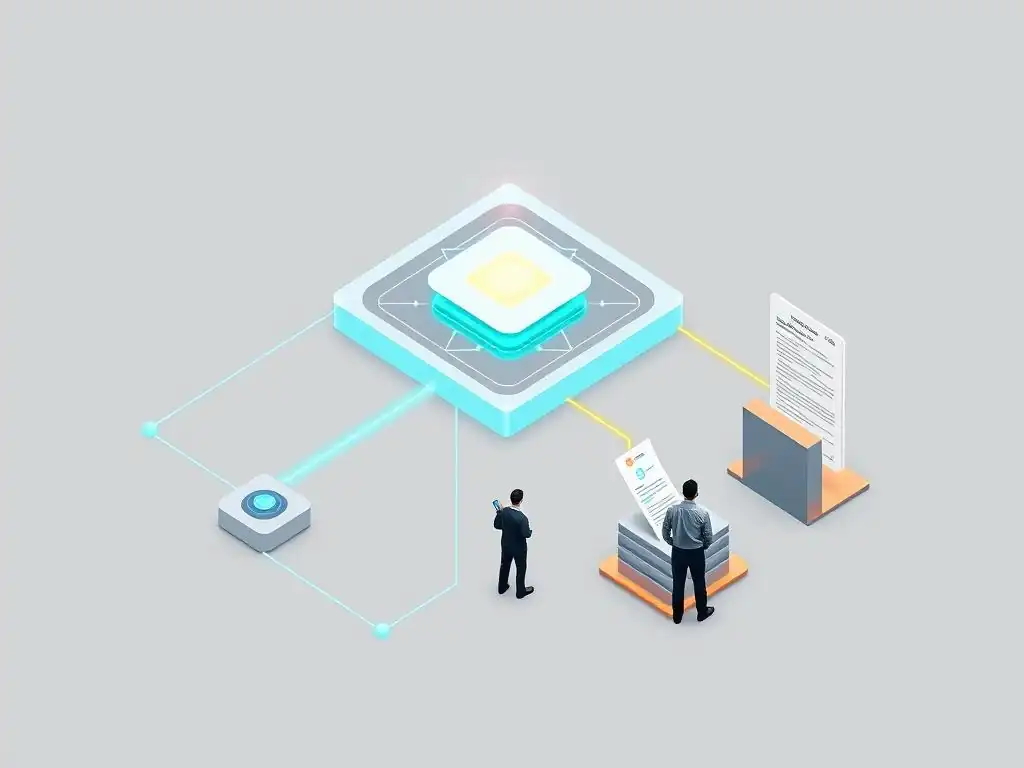
For smart contracts to resolve disputes based on real-world events or data not native to the blockchain (e.g., whether a package was delivered, the temperature of goods, market prices), they require reliable and secure connections to external information sources. This is where oracles play a crucial role. Oracles are services that fetch, verify, and relay external data to smart contracts. However, oracles introduce a potential point of failure or manipulation; a compromised oracle could feed false data, leading the smart contract to execute an incorrect outcome in a dispute.
Implementing blockchain dispute resolution contracts that rely on external data necessitates robust oracle solutions. This often involves using decentralized oracle networks (like Chainlink or Band Protocol) that source data from multiple independent nodes and aggregate it to provide a more reliable and tamper-resistant data feed.
The smart contract should be designed to handle potential oracle failures or conflicting data inputs, perhaps by pausing the process, seeking data from alternative sources, or escalating to a manual review if data uncertainty persists. The security and reliability of the oracle solution directly impact the trustworthiness and effectiveness of the blockchain dispute resolution system, making careful selection and integration paramount.
Data Standardization: Ensuring Interoperability of Dispute Resolution Systems
Effective blockchain dispute resolution, especially across different platforms or industries, relies on the standardization of data formats and protocols. Disputes often involve data from various sources – supply chain tracking, IoT sensors, financial records, identity verification systems – which may use disparate formats. For this data to be fed to smart contracts via oracles and interpreted correctly by decentralized jurors or automated logic, it needs to be standardized. Lack of standardization creates friction, increases the complexity of oracle integration, and hinders interoperability between different blockchain-based systems or with traditional data sources.
Efforts towards defining common data schemas for specific types of transactions or assets (e.g., shipping data standards, digital identity verification formats) are crucial for the widespread adoption of blockchain dispute resolution contracts. Industry-specific working groups and standards bodies are beginning to address this.
Standardized data formats facilitate the creation of reusable oracle solutions and make it easier to build dispute resolution logic into smart contracts that can reliably process information regardless of its origin. Achieving a high degree of data standardization is essential for realizing the vision of seamless, automated dispute resolution across diverse applications and ecosystems built on blockchain technology.
Challenges and Limitations of Blockchain Dispute Resolution
Scalability Issues in Decentralized Dispute Systems
One significant challenge facing blockchain dispute resolution contracts, particularly those operating on public blockchains, is scalability. Processing a high volume of transactions and executing complex smart contract logic can strain blockchain networks, leading to slower processing times and increased transaction costs (gas fees), especially during periods of high network activity. Decentralized dispute resolution systems that involve multiple jurors reviewing evidence and submitting votes can be particularly resource-intensive, requiring numerous on-chain transactions.
While Layer 2 scaling solutions (like rollups or sidechains) and alternative high-throughput blockchains offer potential improvements, they introduce their own complexities and potential trade-offs regarding decentralization and security. For blockchain dispute resolution contracts to handle the volume of disputes currently managed by traditional systems, significant advancements in blockchain scalability are needed. Systems must be designed to efficiently process a large number of disputes without becoming prohibitively expensive or slow, ensuring that the benefits of automation and speed are not negated by network limitations.
Smart Contract Vulnerabilities and Security Risks
The security of smart contracts is paramount, and vulnerabilities pose a significant risk to blockchain dispute resolution systems. Bugs, logical errors, or exploits in the smart contract code can lead to unintended execution, loss of funds, or incorrect dispute outcomes. Unlike traditional contracts, which can be interpreted and adjusted by human judgment or legal precedent, smart contracts execute code precisely as written, making errors potentially catastrophic and irreversible due to the immutability of the blockchain. High-profile smart contract hacks, such as the DAO hack on Ethereum, highlight the potential for vulnerabilities to be exploited, leading to substantial financial losses.
Developing secure blockchain dispute resolution contracts requires rigorous auditing, formal verification, and adherence to secure coding practices. Even with these precautions, the complexity of dispute resolution logic increases the attack surface. Furthermore, interactions with external oracles or other smart contracts introduce additional security considerations. Ensuring the integrity and security of the smart contracts underpinning dispute resolution is a continuous challenge that requires ongoing vigilance, expert development, and robust security frameworks to build trust in these automated systems.
Legal and Regulatory Uncertainties Surrounding Smart Contracts
The legal and regulatory landscape surrounding smart contracts and blockchain dispute resolution contracts remains uncertain in many jurisdictions. While some countries are beginning to recognize smart contracts as legally binding agreements, their interpretation and enforceability in court are still developing. Questions arise regarding jurisdiction, applicable law, and how automated outcomes from a decentralized process will be treated when disputes need to be escalated or enforced in traditional legal systems, particularly across borders.
The lack of clear legal precedents and regulatory frameworks creates ambiguity for businesses and individuals looking to adopt blockchain dispute resolution contracts. This uncertainty can hinder widespread adoption, as parties may be hesitant to rely solely on a system whose legal standing is unclear. Resolving this challenge requires ongoing dialogue between legal professionals, regulators, and the blockchain community to develop clear guidelines, standards, and potentially new legal frameworks that accommodate the unique nature of smart contracts and decentralized dispute resolution mechanisms, providing the necessary legal certainty for adoption.
Dispute Complexity: Handling Subjectivity and Nuance
While smart contracts excel at automating processes based on predefined, objective conditions and verifiable data, handling complex disputes that involve subjective interpretation, nuanced circumstances, or require human judgment remains a significant challenge. Many disputes in areas like contractual intent, quality of service, or force majeure events cannot be easily resolved by simply checking immutable on-chain data or oracle feeds. These cases require careful consideration of context, intent, and potentially subjective assessment of facts and circumstances, which is difficult to encode into deterministic smart contract logic.
While decentralized arbitration systems using human jurors aim to address this, they introduce their own complexities, such as ensuring juror competence, preventing collusion, and managing the presentation and evaluation of complex evidence within a decentralized framework. Designing blockchain dispute resolution contracts that can effectively handle a spectrum of dispute complexity – from simple, automated resolutions to complex cases requiring nuanced human input – is a key area of ongoing development. Finding the right balance between automation and human oversight is crucial for building robust and fair blockchain-based dispute resolution systems.
User Adoption: Overcoming Resistance to New Technologies
Despite the potential benefits, user adoption of blockchain dispute resolution contracts faces significant hurdles, primarily stemming from resistance to adopting new and complex technologies. Many potential users, including legal professionals, businesses, and individuals, are unfamiliar with blockchain, smart contracts, and decentralized systems. There may be concerns about the complexity of implementation, the security of the technology, and the lack of established trust compared to traditional, albeit imperfect, legal systems that have been in place for centuries.
Educating potential users about how blockchain dispute resolution contracts work, their benefits, and the safeguards in place is essential for driving adoption. This includes demonstrating ease of use through user-friendly interfaces, providing clear documentation, and building successful case studies. Overcoming inertia and skepticism towards new technologies requires demonstrating tangible value, reliability, and trust. Widespread adoption will likely be a gradual process, starting with specific use cases where the benefits are most pronounced and trust can be built incrementally through successful implementations.
The Future of Smart Contracts in Dispute Resolution
The Evolution of Blockchain-Based Arbitration
The field of blockchain-based arbitration is still in its early stages but is poised for significant evolution. Current platforms like Kleros and Aragon Court represent pioneering efforts in creating decentralized juror systems. The future will likely see these platforms become more sophisticated, improving juror selection mechanisms, enhancing evidence presentation interfaces, and developing more robust incentive structures to ensure fair and efficient rulings. We can expect to see specialized arbitration systems emerge for specific industries (e.g., supply chain, insurance, intellectual property), leveraging domain-specific expertise within their juror pools.
Furthermore, the integration of blockchain-based arbitration with traditional legal frameworks will likely deepen. This could involve standardized protocols for escalating disputes from smart contracts to recognized arbitration bodies or courts, or the development of hybrid systems that combine the efficiency of automated smart contract execution with the legal certainty and procedural safeguards of established arbitration rules. The evolution of blockchain dispute resolution contracts will see them move from experimental use cases to more widely accepted and legally integrated mechanisms for resolving a diverse range of disputes.
The Role of AI in Enhancing Smart Contract Dispute Resolution
Artificial intelligence (AI) holds immense potential to enhance the capabilities of smart contracts in dispute resolution. AI algorithms could be used to analyze large volumes of data related to a dispute, identify relevant evidence, and even predict potential outcomes based on past rulings or contractual interpretations. For automated dispute resolution, AI could help smart contracts interpret complex real-world data feeds from oracles more accurately and make more nuanced automated decisions than simple IF-THEN logic allows.
In decentralized arbitration systems, AI could assist human jurors by summarizing evidence, highlighting key points, or even acting as a screening layer to filter out frivolous disputes. Machine learning models could analyze juror voting patterns to identify potential biases or improve juror selection. While AI will not replace human judgment entirely in complex subjective disputes, its integration can significantly improve the efficiency, accuracy, and fairness of blockchain dispute resolution contracts by providing advanced analytical capabilities and potentially automating more complex decision-making processes based on learned patterns and data analysis.
The Potential for Global Adoption of Decentralized Justice Systems
The inherent borderless nature of blockchain technology gives blockchain dispute resolution contracts the potential for global adoption, offering a truly international system for resolving disputes. Traditional legal systems are bound by geographical borders and national laws, making international disputes complex and costly. A decentralized justice system built on blockchain can provide a neutral forum accessible from anywhere in the world, operating under transparent rules embedded in code.
As legal and regulatory clarity improves and technology matures, we could see decentralized dispute resolution systems becoming a preferred method for resolving cross-border commercial disputes, online consumer issues, and disagreements within decentralized autonomous organizations (DAOs). The vision is a future where accessing fair and efficient dispute resolution is not limited by geography or the cost of navigating foreign legal systems, but is available globally through standardized blockchain dispute resolution contracts and decentralized networks, democratizing access to justice for international transactions and digital interactions.
Decentralized Autonomous Organizations (DAOs): Managing Disputes within DAOs
Decentralized Autonomous Organizations (DAOs), which are governed by rules encoded as smart contracts and operate autonomously, inherently require decentralized mechanisms for managing internal disputes. Disagreements within DAOs can arise over proposal outcomes, fund allocation, or interpretation of the organization's governance rules. Since there is no central authority to adjudicate these conflicts, blockchain dispute resolution contracts are essential for the functioning and stability of DAOs.
DAO-specific dispute resolution mechanisms, often built directly into the DAO's governance smart contracts, leverage token holders or designated jurors from within the community to resolve disagreements. These systems utilize voting, staking, and slashing mechanisms to incentivize participation and honest rulings, similar to broader decentralized arbitration platforms. As DAOs become more prevalent for managing everything from investment funds to online communities, the development and refinement of robust blockchain dispute resolution contracts tailored for internal DAO governance and conflict resolution will be crucial for their success and scalability.
Cross-Chain Interoperability: Resolving Disputes Across Different Blockchains
Currently, most smart contracts and dispute resolution systems operate within a single blockchain ecosystem. However, as the blockchain space matures, increasing interaction and transactions occur across different blockchains (cross-chain). This raises the need for blockchain dispute resolution contracts that can handle disputes arising from interactions between assets or protocols residing on separate chains. For example, a dispute might involve a token on Ethereum being swapped for an asset on Binance Smart Chain via a cross-chain bridge.
Resolving such disputes requires interoperability solutions that allow dispute resolution contracts on one chain to securely access information or trigger actions on another chain. Technologies like cross-chain bridges, inter-blockchain communication protocols (like IBC), and specialized oracle networks that can verify events across multiple chains are critical for enabling cross-chain dispute resolution. The future of blockchain dispute resolution will involve the development of protocols and standards that allow disputes to be resolved seamlessly, regardless of which blockchain the underlying assets or transactions reside on, creating a more interconnected and robust decentralized legal infrastructure.
Conclusion: Blockchain Dispute Resolution – A Promising Future
The Transformative Potential of Blockchain in Legal Systems
Blockchain technology, and specifically the development of blockchain dispute resolution contracts, holds immense transformative potential for legal systems worldwide. By offering unparalleled transparency, immutability, and automation, these technologies can address many of the inefficiencies and limitations inherent in traditional dispute resolution methods. The ability to embed contractual terms and resolution logic directly into self-executing code running on a decentralized ledger promises faster, cheaper, and more reliable ways to resolve conflicts, particularly in digital environments and for transactions involving digital assets.
While challenges remain, including scalability, legal clarity, and the handling of subjective disputes, the foundational benefits of blockchain – trust minimization, transparency, and automation – provide a compelling basis for innovation in the legal sector. Early implementations and platforms have demonstrated the feasibility and advantages of leveraging blockchain for various dispute types, from e-commerce to supply chain management. The ongoing evolution of smart contract capabilities, oracle networks, and decentralized governance models continues to expand the possibilities for automated and decentralized dispute resolution.
Embracing Innovation for Fairer and More Efficient Justice
Embracing innovation in the form of blockchain dispute resolution contracts is key to building fairer and more efficient justice systems for the digital age. As more transactions and agreements move online and onto decentralized networks, the need for dispute resolution mechanisms that are native to these environments becomes increasingly critical. Blockchain offers a path towards systems that are not only faster and less expensive but also potentially more impartial and accessible globally.
The journey towards widespread adoption of blockchain dispute resolution contracts requires continued collaboration between technologists, legal professionals, businesses, and regulators. Developing clear standards, refining smart contract security, building user-friendly interfaces, and establishing supportive legal frameworks are essential steps. By leveraging the power of blockchain technology, we can move towards a future where resolving disputes is a streamlined, transparent, and automated process, ultimately contributing to a more just and efficient global society.
Frequently Asked Questions
What are smart contracts and how do they relate to dispute resolution?
Smart contracts are self-executing contracts written in code and stored on a blockchain. They can automate dispute resolution by pre-defining rules and conditions for resolving conflicts, leading to faster and more efficient outcomes.
How can blockchain dispute resolution contracts make justice faster and fairer?
They can eliminate human bias and reduce the need for lengthy legal proceedings. This is because the rules are pre-programmed and transparently executed, ensuring consistent application and potentially lower costs.
What are some examples of enterprise applications of blockchain-based dispute resolution?
Supply chain management is a key example, where smart contracts can automatically resolve disputes related to delivery delays or product quality. Insurance claims processing can also be automated for faster payouts and reduced fraud.
What are some of the regulatory challenges surrounding the use of smart contracts for dispute resolution?
The lack of clear legal frameworks and the need for international standardization pose significant challenges. Determining jurisdiction and enforcing smart contract outcomes across borders are also complex issues.
How does DeFi (Decentralized Finance) benefit from the use of blockchain dispute resolution?
DeFi platforms can utilize smart contracts to resolve disputes related to loan defaults or protocol governance. This provides a more transparent and efficient alternative to traditional financial dispute resolution methods.
Final Reflection: Embracing Trustless Justice
The exploration of smart contracts for automated dispute resolution reveals a powerful potential to reshape our understanding of justice in the digital age. This is not merely a technological advancement; it's a paradigm shift towards more accessible, efficient, and transparent dispute resolution mechanisms. As we increasingly rely on decentralized systems, the need for trustless and impartial conflict resolution becomes paramount, and blockchain dispute resolution contracts offer a compelling solution.
The impact of this technology extends far beyond the legal realm, influencing how we perceive fairness and accountability in all aspects of our lives. The promise of unbiased, code-driven judgments resonates deeply with a growing desire for systems that are less susceptible to human bias and manipulation. Justice delayed is justice denied,
a sentiment that smart contracts directly address by streamlining processes and reducing resolution times. This shift towards automated dispute resolution has the potential to foster greater trust in digital interactions and unlock new possibilities for collaboration and innovation.
As we stand at the cusp of this technological revolution, I invite you to consider the implications of blockchain dispute resolution contracts for your own life and community. How can we leverage this technology to build a more equitable and just future? Let us embrace the potential of smart contracts to create a world where justice is not only faster and fairer but also more accessible to all.
Embrace the Future: Revolutionize Your Conflict Resolution Skills!
Thank you for exploring the potential of smart contracts in transforming dispute resolution. You now understand how these innovative tools can make the justice process more efficient and fair. Are you ready to take the next step and be part of this transformative movement?
Here are some ways you can get involved today:
- Learn more: Investigate existing smart contract dispute resolution platforms and consider how you might contribute, whether through development, testing, or feedback. Your involvement can help shape the future of automated justice.
- Reflect on ethical issues: Join online discussions about the responsible deployment of automated justice systems to ensure they serve everyone fairly.
- Share this article: Spread the word among legal professionals, technologists, and interested readers to raise awareness of blockchain's potential in dispute resolution.
Which type of dispute do you think could benefit the most from smart contract automation, and why? Share your insights in the comments below!
Leave a Reply