
Dynamic Sharding: Adapting Scalability to Network Demand


Welcome to Blockchain Trends, your compass in the rapidly evolving world of decentralized technology!
Are you ready to unlock the true potential of blockchain, moving beyond the hype and into real-world applications? This week, we delve deep into Blockchain scalability solutions benefits and how they are paving the way for a future where blockchain can handle anything. Discover how innovative approaches like dynamic sharding are revolutionizing network capacity and opening doors to unprecedented levels of efficiency. What if blockchain could adapt to any demand? Read on to find out!
Dynamic Sharding: Adapting Scalability to Network Demand
- Introduction to Blockchain Scalability Challenges and Dynamic Sharding
- Understanding Dynamic Sharding: A Deeper Dive
- Key Components and Mechanisms of Dynamic Sharding
- Benefits of Dynamic Sharding for Blockchain Networks
- Use Cases and Applications of Dynamic Sharding
- Implementing Dynamic Sharding: Technical Considerations
- Dynamic Sharding vs. Other Blockchain Scalability Solutions
- The Future of Dynamic Sharding in Blockchain Technology
- Conclusion: Dynamic Sharding as a Key Enabler for Scalable Blockchains
-
Frequently Asked Questions
- What is dynamic sharding and how does it relate to blockchain scalability solutions benefits?
- How does dynamic sharding differ from static sharding?
- What are the primary benefits of using dynamic sharding as a blockchain scalability solution?
- What are some potential challenges associated with implementing dynamic sharding on a blockchain?
- How does dynamic sharding impact the decentralization and security of a blockchain network?
- Final Reflection: Embracing Adaptability in the Blockchain Era
- Unlock the Power of Scalable Blockchains!
Introduction to Blockchain Scalability Challenges and Dynamic Sharding
The Growing Need for Blockchain Scalability Solutions
The rapid adoption of blockchain technology across various sectors, from finance and supply chain to gaming and digital identity, has highlighted a critical limitation: scalability. Early blockchain designs, like Bitcoin and Ethereum (prior to significant upgrades), were built with security and decentralization as primary concerns, often at the expense of transaction throughput. As network activity increases – with more users, transactions, and complex smart contracts – these networks face congestion, leading to slow transaction confirmations and prohibitively high fees.
For instance, during periods of peak demand, Ethereum's gas fees have soared, making simple transactions economically unviable for many users and applications. This bottleneck severely hinders the potential for mass adoption and the development of high-volume decentralized applications.
Addressing these limitations requires robust blockchain scalability solutions benefits. Without the ability to handle a significantly higher volume of operations concurrently, blockchain networks struggle to compete with traditional centralized systems that can process thousands of transactions per second. The need for solutions that can linearly or super-linearly increase throughput while maintaining decentralization and security is paramount for blockchain technology to move beyond niche applications and become a foundational layer for the future digital economy. Exploring different approaches to scaling blockchain networks is essential to unlock their full potential and deliver on the promise of a decentralized future.
What is Sharding in Blockchain? A Foundational Overview
Sharding, in the context of databases, is a technique used to partition large databases into smaller, more manageable pieces called shards. In blockchain, sharding adapts this concept to distribute the processing and storage workload across multiple nodes in the network. Instead of every single node processing every single transaction and storing the entire state of the blockchain, nodes are assigned to specific shards, each responsible for handling a subset of transactions and maintaining a portion of the blockchain's state. This parallel processing significantly increases the overall transaction throughput of the network.
The fundamental idea behind blockchain sharding is to break down the monolithic task of processing all network activity into smaller, parallel tasks performed by different groups of nodes. For example, if a network is divided into 100 shards, each shard might only need to process 1% of the total transactions.
This allows the network to process transactions concurrently across all shards, dramatically increasing the total number of transactions per second (TPS) the network can handle. This approach is a key strategy among proposed blockchain scalability solutions benefits, aiming to overcome the limitations of traditional architectures where throughput is capped by the capacity of a single node.
The Limitations of Static Sharding Approaches
Traditional or static sharding approaches divide the blockchain network into a fixed number of shards from the outset. While this initial partitioning provides a significant boost in scalability compared to non-sharded chains, it introduces several limitations. Firstly, the shard structure is predetermined and does not easily adapt to fluctuating network demand. If one shard becomes overloaded with activity while others are underutilized, the overall network throughput is still limited by the bottlenecked shard. This lack of flexibility means the network cannot dynamically allocate resources to where they are needed most, potentially leaving significant capacity unused in less active shards.
Furthermore, static sharding can present challenges related to network security and the "shard vulnerability problem." If a shard contains a relatively small number of nodes or a disproportionate amount of the network's total stake, it could potentially become easier for a malicious actor to compromise that specific shard (e.g., gain control of a majority of its nodes or stake) compared to attacking the entire network.
This risk is amplified if node assignment to shards is static and predictable. While static sharding provides a foundational step towards improving blockchain scalability solutions benefits, its rigidity and potential security considerations under varying load conditions highlight the need for more adaptive and resilient designs.
Understanding Dynamic Sharding: A Deeper Dive
Defining Dynamic Sharding and its Core Principles
Dynamic sharding is an advanced form of blockchain sharding where the number and composition of shards can change over time in response to network conditions, particularly transaction volume and congestion. Unlike static sharding, which operates with a fixed structure, dynamic sharding systems are designed to be flexible and responsive. When network activity surges, the system can automatically increase the number of shards or reallocate nodes and resources to existing shards to handle the increased load. Conversely, during periods of low activity, the number of shards might decrease to conserve resources and potentially enhance security by consolidating validator power.
The core principles of dynamic sharding revolve around adaptability, resource optimization, and responsiveness to demand. The system continuously monitors network metrics such as transaction queue length, shard workload, and node availability. Based on this monitoring, algorithms determine whether to split existing shards, merge shards, or reassign nodes to balance the load and maximize throughput. This dynamic allocation mechanism is a key differentiator, aiming to provide blockchain scalability solutions benefits that can truly match the fluctuating demands of real-world decentralized applications and user activity.
How Dynamic Sharding Differs from Traditional Sharding
The primary difference between dynamic sharding and traditional (static) sharding lies in the flexibility of the shard structure. In static sharding, the network is divided into a set number of shards, and this division largely remains constant regardless of network load. Nodes are typically assigned to shards for extended periods. While this simplifies design, it creates bottlenecks when specific shards experience high traffic.
Dynamic sharding, conversely, treats the shard structure as fluid. The number of shards can increase or decrease, and nodes can be reassigned between shards. For example, a dynamic system might start with 10 shards during low traffic but automatically scale up to 50 or 100 shards when transaction volume spikes. This allows the network to allocate processing power precisely where it is needed, preventing single-shard bottlenecks and significantly increasing overall network capacity under varying conditions. This adaptive capability is central to delivering effective blockchain scalability solutions benefits that can handle unpredictable growth.
The Advantages of Dynamic Sharding for Blockchain Scalability
Dynamic sharding offers several significant advantages for improving blockchain scalability. Firstly, its inherent flexibility allows the network to scale its throughput capacity up or down based on real-time demand. This means the network can handle sudden spikes in transaction volume without becoming congested, maintaining low transaction fees and fast confirmation times even during peak periods. This is crucial for applications requiring consistent performance, such as decentralized exchanges or high-frequency payment systems.
Secondly, dynamic sharding can lead to more efficient utilization of network resources. By dynamically adjusting the number of shards and distributing the workload evenly, the system prevents resources in underutilized shards from sitting idle while others are overwhelmed. This optimization contributes to the overall efficiency and sustainability of the network. Projects exploring dynamic sharding aim to provide blockchain scalability solutions benefits that are not only high-performance but also resource-aware, making them more viable for widespread adoption.
Key Components and Mechanisms of Dynamic Sharding
Node Assignment and Re-Sharding Strategies
In dynamic sharding, the process of assigning nodes (validators or miners) to specific shards is crucial and often involves sophisticated algorithms. Unlike static assignments, nodes in a dynamic system may be reassigned periodically or triggered by specific events (like a shard becoming overloaded). Randomness is often incorporated into the assignment process to prevent malicious actors from colluding within a single shard.
For instance, a system might use a verifiable random function (VRF) or a similar mechanism to pseudo-randomly select nodes for shards in each epoch or re-sharding cycle. This randomization enhances security by making it difficult for attackers to predict which nodes will be responsible for validating transactions in a particular shard.
Re-sharding strategies determine when and how the shard structure changes. These strategies are typically triggered by network metrics such as average transaction latency, shard queue size, or CPU utilization within shards. When a threshold is crossed, the network initiates a re-sharding event.
This might involve splitting a busy shard into two or more new shards, merging underutilized shards, or simply rebalancing the node distribution across existing shards. The algorithms governing these processes are complex, needing to minimize disruption to ongoing transactions while effectively adjusting the network's capacity. Successfully implementing these strategies is vital for realizing the full blockchain scalability solutions benefits promised by dynamic sharding.
Cross-Shard Communication and Transaction Processing
A major technical challenge in sharded blockchains, particularly dynamic ones, is enabling seamless communication and transaction processing across different shards. Since the state and transactions are partitioned, a transaction involving assets or smart contracts residing in different shards requires interaction between those shards. This is often referred to as "cross-shard communication." Naively handling cross-shard transactions can be slow and complex, potentially undermining the scalability gains from sharding.
Solutions for cross-shard communication often involve asynchronous messaging or sophisticated protocols like atomic commits. For example, a transaction transferring tokens from Shard A to Shard B might involve initiating the transaction in Shard A, creating a "receipt" or proof, and then having Shard B process that receipt to credit the tokens. Ensuring atomicity – that either both parts of the transaction succeed or neither does – is critical.
This is often achieved through mechanisms like "two-phase commit" or specialized cross-shard transaction protocols. Efficient and secure cross-shard communication is paramount for decentralized applications that involve interactions between different parts of the network, enabling the full range of blockchain scalability solutions benefits.
Consensus Mechanisms in Dynamic Sharding Environments
Consensus mechanisms in dynamic sharding must adapt to the partitioned and changing nature of the network. While a global consensus mechanism is needed to finalize the overall state of the blockchain (often involving a central "beacon chain" or relay chain), individual shards typically run their own, faster consensus processes to validate within-shard transactions. These shard-level consensus mechanisms are often variations of Proof-of-Stake (PoS), where validators assigned to a specific shard propose and vote on blocks for that shard.
The global consensus layer is then responsible for coordinating between shards, processing cross-shard communications, and finalizing the state of all shards. This layer ensures consistency and security across the entire network. Validators may be shuffled between shards over time, adding another layer of complexity and security. The design must prevent attacks like "state availability attacks" where validators in a shard might withhold the shard's state. The interplay between shard-level and global consensus, coupled with dynamic node assignment, is critical for maintaining security and liveness in a dynamically sharded network, contributing significantly to its blockchain scalability solutions benefits.
Benefits of Dynamic Sharding for Blockchain Networks
Enhanced Scalability and Throughput with Dynamic Allocation
One of the most significant blockchain scalability solutions benefits offered by dynamic sharding is its ability to dramatically increase transaction throughput. By partitioning the network load across multiple shards, the total number of operations the network can process concurrently is multiplied. Furthermore, the dynamic nature allows the system to adjust the number of shards and resource allocation based on actual network demand. When usage is high, more shards can be spun up or resources shifted to handle the load, preventing bottlenecks.
Consider a network that can process 100 TPS per shard. If static sharding limits the network to 10 shards, the maximum throughput is 1000 TPS. With dynamic sharding, if demand surges, the network could potentially scale to 50 shards, pushing the maximum theoretical throughput to 5000 TPS or even higher, depending on the implementation and underlying hardware. This elasticity ensures that the network can handle significant fluctuations in usage, providing a more stable and predictable user experience compared to systems that become congested under load. This adaptive capacity is a key advantage for high-growth decentralized applications.
Improved Network Security and Fault Tolerance
While sharding introduces potential security challenges (like the shard vulnerability problem), dynamic sharding includes mechanisms designed to mitigate these risks and potentially improve overall network security and fault tolerance compared to simpler static designs. The dynamic reassignment of nodes to shards, often utilizing randomness, makes it significantly harder for attackers to predict which nodes will be validating a specific shard at any given time. This increases the cost and complexity of launching a targeted attack on a single shard.
Furthermore, if a shard experiences issues, such as a large number of nodes going offline or exhibiting malicious behavior, a dynamic system can potentially isolate the problem to that shard while the rest of the network continues to operate. The re-sharding mechanism can also be used to recover from such events, perhaps by merging the compromised shard with others or redistributing its workload. By distributing the risk and having adaptive recovery mechanisms, dynamic sharding can contribute to a more resilient and fault-tolerant network architecture, adding another layer to its blockchain scalability solutions benefits.
Increased Efficiency in Resource Utilization
Dynamic sharding contributes to increased efficiency in resource utilization across the blockchain network. In non-sharded or statically sharded systems, resources (like processing power, memory, and storage) on nodes might be underutilized during periods of low network activity or in shards with less traffic. Dynamic sharding addresses this by allowing the network to adjust its structure based on demand.
When network activity is low, the system can operate with fewer shards, consolidating the workload and allowing some nodes to potentially use fewer resources or participate in other network activities. During peak times, resources are dynamically allocated to create more shards and distribute the load, ensuring that available processing power is effectively used to maximize throughput. This adaptive resource management leads to a more cost-effective and energy-efficient network operation overall, enhancing the blockchain scalability solutions benefits beyond just raw speed.
Addressing the Blockchain Trilemma with Dynamic Sharding
The "blockchain trilemma" posits that decentralized systems must compromise on one of three core properties: decentralization, security, and scalability. Traditionally, achieving high scalability often meant sacrificing either decentralization (e.g., fewer, more powerful nodes) or security (e.g., simpler consensus). Dynamic sharding is one of the key architectural approaches aiming to provide blockchain scalability solutions benefits without making significant compromises on the other two pillars.
By partitioning the network into shards, the system can process transactions in parallel (scalability). While each shard processes only a portion of the total transactions, the overall security is maintained by a robust global consensus layer and dynamic, random node assignment across shards, making it difficult to compromise a significant portion of the network's validation power (security). Furthermore, the network can still support a large number of nodes participating in different shards, maintaining a high degree of decentralization. Dynamic sharding attempts to balance these three properties, pushing the boundaries of what is possible in decentralized network design.
Use Cases and Applications of Dynamic Sharding
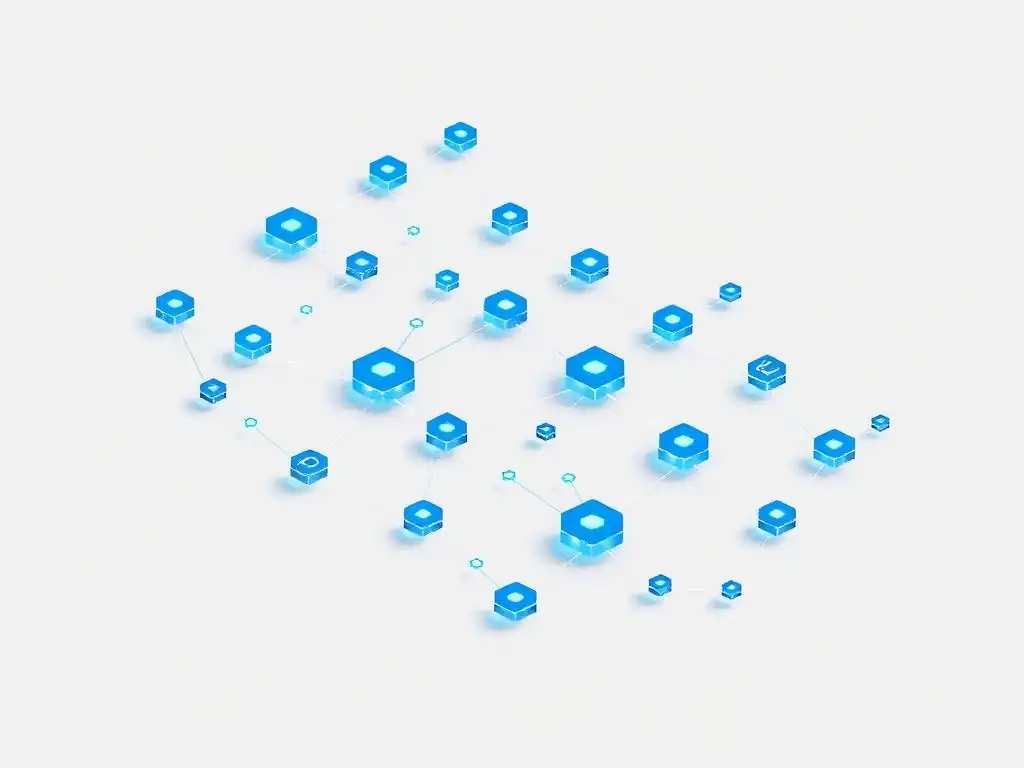
Dynamic Sharding in Decentralized Finance (DeFi) Platforms
Decentralized Finance (DeFi) applications, such as decentralized exchanges (DEXs), lending protocols, and yield farming platforms, are prime candidates for leveraging dynamic sharding. DeFi activity often involves complex interactions between multiple smart contracts and experiences highly volatile transaction volumes, with surges occurring during market events or protocol launches. Existing non-sharded or statically sharded blockchains can become prohibitively expensive and slow during these peak times, hindering the user experience and limiting the growth of DeFi.
Dynamic sharding can provide the necessary infrastructure to support high-throughput, low-latency DeFi operations. A DEX, for instance, could benefit from shards dedicated to specific trading pairs or liquidity pools, with the network dynamically scaling these shards as trading volume increases. Cross-shard communication protocols would enable seamless asset transfers and smart contract calls between different parts of the DeFi ecosystem residing in different shards.
This adaptive capacity ensures that transaction costs remain low and execution times fast, even during periods of intense activity, making DeFi more accessible and efficient for a wider range of users and complex strategies. This is a direct application of blockchain scalability solutions benefits to a rapidly growing sector.
Enterprise Blockchain Solutions Leveraging Dynamic Sharding
While many current enterprise blockchain solutions (like permissioned ledgers) prioritize controlled environments and different scaling methods, public or consortium-based enterprise applications requiring high transaction volume and broader participation can significantly benefit from dynamic sharding. Use cases like supply chain tracking, digital identity management for large populations, or inter-company clearing and settlement require processing millions of transactions daily or even hourly. Static blockchain architectures often fall short of these requirements.
A dynamically sharded enterprise blockchain could allocate dedicated shards for specific business units, partners, or asset types, scaling the capacity of each shard based on the operational needs of that particular segment. For example, a global supply chain platform could have shards for different regions or product categories, with the network automatically adding capacity to shards experiencing high shipping or verification activity. The ability to dynamically adapt processing power ensures that the enterprise solution remains performant and cost-effective even as the scale of operations grows, showcasing the potential blockchain scalability solutions benefits for large-scale business needs.
Optimizing Supply Chain Management with Dynamic Sharding
Supply chain management is an area where blockchain offers significant potential for transparency, traceability, and efficiency. However, tracking millions of individual items, shipments, and transactions across complex, multi-party supply chains generates a massive volume of data and requires high transaction throughput. A non-sharded blockchain would quickly become a bottleneck.
Dynamic sharding can optimize supply chain management by partitioning the data and transaction load. Shards could be created for specific supply chain routes, product lines, or participating companies. As goods move through the supply chain, triggering numerous update transactions (e.g., location changes, customs clearance, ownership transfer), the shards handling these specific activities could dynamically scale up to accommodate the increased transaction volume.
This ensures that updates are processed quickly and efficiently, providing near real-time visibility across the supply chain. The cross-shard communication would handle transfers between different segments of the supply chain residing in different shards. This application highlights how dynamic sharding can provide critical blockchain scalability solutions benefits for data-intensive, distributed processes.
Implementing Dynamic Sharding: Technical Considerations
Challenges in Designing and Deploying Dynamic Sharding
Designing and deploying dynamic sharding presents significant technical challenges. Managing a constantly changing network topology is inherently complex. Algorithms for dynamic re-sharding must be robust, fair, and minimize disruption to ongoing transactions. Deciding when and how to re-shard involves balancing factors like network load, security considerations (preventing attacks during re-sharding), and the overhead associated with reorganizing the network. A poorly executed re-sharding event could lead to temporary halts, transaction failures, or even security vulnerabilities.
Another major challenge is the complexity of cross-shard communication and transaction processing in a dynamic environment. As shards split, merge, or change node composition, maintaining the integrity and atomicity of transactions that span multiple shards becomes incredibly difficult. Protocols must be designed to handle potential delays, failures, and the changing addresses or identifiers of shards and nodes. Ensuring data consistency across shards, especially when the shard structure is fluid, requires sophisticated state management and consensus mechanisms. These complexities represent significant hurdles in realizing the full blockchain scalability solutions benefits of dynamic sharding.
Security Implications and Mitigation Strategies
Dynamic sharding introduces unique security considerations beyond those of static sharding. The dynamic nature, while beneficial for scalability, can potentially create new attack vectors if not carefully managed. For example, an attacker might try to predict or influence node assignments to concentrate malicious actors within a newly formed or re-sharded shard. The "shard vulnerability problem," where a single shard might be easier to attack than the entire network, persists, although dynamic node shuffling helps mitigate it.
Mitigation strategies include employing highly robust and unpredictable randomness for node assignment to shards in each epoch. Techniques like Verifiable Random Functions (VRFs) generated by the consensus process itself are crucial. Monitoring the behavior of nodes within shards and having mechanisms to quickly detect and penalize malicious activity are also essential.
Furthermore, the global consensus layer plays a vital role in providing overarching security and finalizing the state across all shards, preventing attacks that attempt to manipulate the state of a single shard without affecting others. Careful cryptographic design and economic incentives are necessary to secure a dynamically sharded network and deliver reliable blockchain scalability solutions benefits.
NEAR Protocol's Nightshade: A Dynamic Sharding Implementation
NEAR Protocol's Nightshade is a notable example of a dynamic sharding implementation. Nightshade treats the blockchain as a single chain conceptually, where each block contains chunks from all shards. Validators are randomly assigned to validate transactions within a specific shard's chunk for a given block. The key innovation is that the state is sharded, but the block production process integrates data from all shards into what appears structurally as a single chain. This simplifies cross-shard communication, as transactions can reference data from other shards within the same block structure.
Nightshade employs a dynamic re-sharding mechanism that can split or merge shards based on network load. The number of shards can theoretically scale significantly as the number of validators increases, allowing the network's throughput to grow with its usage and decentralization. Validators are constantly rotated between shards using a random selection process, enhancing security. While technically complex, NEAR's approach demonstrates a practical implementation of dynamic sharding principles aimed at providing significant blockchain scalability solutions benefits while maintaining a relatively unified view of the chain state.
Dynamic Sharding vs. Other Blockchain Scalability Solutions
Comparison with Layer-2 Scaling Solutions (e.g., Rollups, Channels)
Dynamic sharding is primarily a Layer-1 (base layer) scaling solution, meaning it modifies the core architecture of the blockchain itself. Layer-2 scaling solutions, such as optimistic rollups, zero-knowledge rollups (ZK-rollups), and payment channels (like the Lightning Network), operate on top of an existing Layer-1 blockchain. They bundle transactions off-chain or in separate layers and periodically commit a summary or proof of these transactions back to the Layer-1 chain.
The key difference lies in where the scaling happens. Sharding increases the Layer-1's native capacity by parallelizing processing. Layer-2 solutions offload processing from the Layer-1. Both approaches offer blockchain scalability solutions benefits, but they address the problem differently.
Layer-2s can often achieve very high transaction speeds and low costs for specific types of interactions (like payments or certain smart contract executions) without requiring changes to the underlying chain. However, they can introduce complexity in user experience (e.g., needing to move funds to/from Layer-2) and fragment liquidity. Dynamic sharding aims for a unified, high-capacity base layer suitable for a wide range of applications.
Contrasting Dynamic Sharding with Sidechains
Sidechains are independent blockchain networks that are connected to a main blockchain (often called the "parent chain" or "mainnet") via a two-way peg mechanism. This peg allows assets to be transferred between the mainchain and the sidechain. Sidechains can have their own consensus mechanisms, block sizes, and structures, allowing them to operate with higher throughput or different features than the mainchain.
Unlike dynamic sharding, which partitions the main blockchain itself, a sidechain is a completely separate chain. While sidechains provide blockchain scalability solutions benefits by offloading transactions from the mainnet, they rely on their own security model. The security of a sidechain is typically dependent on its own set of validators or miners, which may be smaller or less decentralized than the mainnet's. This means assets on a sidechain might be exposed to different security risks. Dynamic sharding, conversely, aims to scale the security of the main network across all shards, maintaining the high security guarantees of the base layer.
When is Dynamic Sharding the Right Choice for Blockchain Scalability?
Dynamic sharding is particularly well-suited for blockchain networks that aim to provide a single, highly scalable Layer-1 foundation for a diverse ecosystem of decentralized applications. It is a strong choice when the goal is to increase the native transaction throughput and processing power of the base layer itself, supporting a wide variety of smart contract interactions and asset types without relying solely on off-chain solutions. Networks anticipating massive, unpredictable growth in transaction volume across many different applications can benefit significantly from the adaptive capacity of dynamic sharding.
Furthermore, dynamic sharding is suitable for projects prioritizing a relatively seamless developer and user experience on the base layer, where the complexity of scaling is handled by the protocol itself rather than requiring applications or users to navigate different Layer-2 systems. While technically challenging to implement, dynamic sharding offers the potential for a unified, high-performance network that can serve as a robust foundation for the future of decentralized systems, delivering core blockchain scalability solutions benefits directly at Layer-1.
The Future of Dynamic Sharding in Blockchain Technology
Emerging Trends and Research Directions
The field of dynamic sharding is continuously evolving with ongoing research and development. Emerging trends include more sophisticated algorithms for dynamic shard management that minimize latency during re-sharding events and optimize resource allocation with greater granularity. Research is also focusing on improving cross-shard communication protocols to make them faster, more secure, and easier for developers to build upon. This includes exploring novel cryptographic techniques and consensus mechanisms that can better coordinate activity across a changing shard structure.
Another area of focus is integrating dynamic sharding with other scaling approaches. For example, researchers are looking into how Layer-2 solutions like rollups can be effectively deployed on top of individual shards or across a sharded network, potentially creating a multi-layered scaling architecture.
The goal is to combine the base Layer-1 scalability provided by dynamic sharding with the specialized throughput of Layer-2s for specific use cases, further pushing the boundaries of blockchain scalability solutions benefits. The development of more robust simulation environments to test dynamic sharding algorithms under various load and attack conditions is also a critical area of progress.
The Role of Dynamic Sharding in the Evolution of Decentralized Systems
Dynamic sharding is poised to play a crucial role in the evolution of decentralized systems. As blockchain technology matures and seeks broader adoption, the ability to handle high transaction volumes reliably and cost-effectively is non-negotiable. Dynamic sharding provides an architectural blueprint for building Layer-1 blockchains that can scale their capacity in tandem with network growth and demand.
This capability is essential for supporting the next generation of decentralized applications, from global payment networks and high-frequency trading platforms to large-scale metaverse environments and decentralized social networks. By providing a scalable foundation, dynamic sharding enables developers to build more complex and resource-intensive applications directly on the blockchain, accelerating innovation in the decentralized space. Its success will be a key factor in whether blockchain can move from niche technology to a fundamental piece of digital infrastructure, unlocking significant blockchain scalability solutions benefits for users and developers alike.
Scalability Limits and Potential Solutions for Dynamic Sharding
While dynamic sharding offers significant scalability improvements, it is not without its own theoretical and practical limits. The number of shards a network can support is ultimately constrained by factors such as the overhead of managing the dynamic structure, the complexity of cross-shard communication, and the requirements placed on the global consensus layer to coordinate all shards. As the number of shards increases, the inter-shard communication complexity can grow quadratically in the worst case, potentially becoming a bottleneck itself.
Potential solutions and ongoing research aim to address these limits. Hierarchical sharding, where shards are further sharded or organized in layers, is one approach to manage complexity. Improving cross-shard communication through optimized protocols and potentially hardware acceleration is another. Research into entirely new consensus mechanisms and network topologies that are inherently more amenable to massive parallelization is also ongoing. Overcoming these limits is crucial for dynamic sharding to deliver on its promise of near-limitless blockchain scalability solutions benefits as decentralized networks continue to grow.
Conclusion: Dynamic Sharding as a Key Enabler for Scalable Blockchains
Recap of Blockchain Scalability Through Dynamic Sharding
Blockchain technology's promise of decentralization and security has been tempered by its inherent scalability challenges. Dynamic sharding emerges as a sophisticated Layer-1 solution designed to overcome these limitations by adaptively partitioning the network's processing and storage workload. Unlike static methods, dynamic sharding adjusts the number and composition of shards based on real-time network demand, ensuring efficient resource utilization and high throughput even during peak activity.
This flexibility, combined with mechanisms for secure node assignment and cross-shard communication, positions dynamic sharding as a leading approach for building high-performance blockchain networks. It directly addresses the need for improved blockchain scalability solutions benefits necessary for widespread adoption.
The Impact of Dynamic Sharding on the Future of Blockchain
The successful implementation and refinement of dynamic sharding will have a profound impact on the future of blockchain technology. By enabling networks to handle vastly higher transaction volumes and more complex applications without sacrificing decentralization or security, dynamic sharding paves the way for blockchain to become a foundational technology across numerous industries.
It can support the growth of demanding sectors like DeFi, enterprise solutions, and global supply chains, making decentralized applications practical and accessible for millions of users. As research continues to push the boundaries of its capabilities and address its complexities, dynamic sharding stands out as a critical enabler for unlocking the full potential of scalable blockchains and realizing the long-term vision of decentralized systems.
Frequently Asked Questions
What is dynamic sharding and how does it relate to blockchain scalability solutions benefits?
Dynamic sharding is a technique that divides a blockchain into smaller, manageable pieces (shards) which process transactions in parallel. This improves scalability by allowing the network to handle more transactions, leading to increased throughput and reduced congestion.
How does dynamic sharding differ from static sharding?
Unlike static sharding, where shards are fixed, dynamic sharding allows shards to be created or merged based on network demand. This provides a more adaptive and efficient approach to scalability, ensuring optimal resource allocation.
What are the primary benefits of using dynamic sharding as a blockchain scalability solution?
The main benefits include improved transaction processing speed, greater network efficiency, and the ability to handle fluctuating workloads. This allows blockchains to support a wider range of applications, further enhancing their adoption and utility.
What are some potential challenges associated with implementing dynamic sharding on a blockchain?
Implementing dynamic sharding can be complex, requiring careful consideration of data consistency, cross-shard communication, and security vulnerabilities. Addressing these challenges is crucial for successful deployment.
How does dynamic sharding impact the decentralization and security of a blockchain network?
When implemented correctly, dynamic sharding can enhance scalability without compromising decentralization. However, poorly designed systems can introduce new security risks, so careful design and auditing are essential to ensure network integrity.
Final Reflection: Embracing Adaptability in the Blockchain Era
The exploration of dynamic sharding as a blockchain scalability solution underscores a critical truth: static solutions are insufficient in the face of ever-evolving network demands. The benefits, as we've discussed, are significant, from enhanced transaction throughput to improved resource utilization. However, the true value lies in the inherent adaptability that dynamic sharding offers, allowing blockchains to proactively respond to fluctuating user activity and maintain optimal performance.
The impact of blockchain scalability solutions extends far beyond mere technological advancement; it shapes the very future of decentralized systems. The ability to seamlessly scale without compromising security or decentralization is paramount to realizing the full potential of blockchain technology. This isn't just about faster transactions; it's about fostering wider adoption, enabling innovative applications, and ultimately, empowering individuals through secure and efficient decentralized platforms. The key to our future is flexibility, and the key to flexibility is adaptability.
- Linda Fisher Thornton
As we conclude this exploration of dynamic sharding, I invite you to consider its implications beyond the technical realm. How can we, as individuals and as a community, embrace adaptability in our own approaches to problem-solving? How can we foster a mindset that prioritizes proactive solutions over reactive measures? The lessons learned from dynamic sharding – its emphasis on flexibility, responsiveness, and continuous optimization – are not limited to blockchain technology. They are principles that can guide us in navigating the complexities of an increasingly dynamic world, empowering us to build a more resilient and adaptable future for all.
Okay, I'm ready to craft a Call to Action (CTA) for the end of a web article titled "Dynamic Sharding: Adapting Scalability to Network Demand" for the website "Blockchain Trends" with the domain "blockchaintrends.org." Here's my attempt:
Unlock the Power of Scalable Blockchains!
Thanks for exploring the potential of dynamic sharding with us! You've now got a solid grasp of how it can revolutionize blockchain scalability and meet the demands of growing networks. Now it's time to put that knowledge into action!
Here are a few ways you can deepen your understanding and contribute to the future of blockchain technology:
- Dive deeper by experimenting with dynamic sharding models in a sandbox environment. Consider using simulated data to observe performance impacts.
- Share this article with your network and spark a discussion about the benefits and challenges of dynamic sharding in real-world applications.
- Research emerging consensus mechanisms that complement dynamic sharding, such as Proof of Stake (PoS) variants. Explore their compatibility and synergies.
What specific challenges do you foresee in implementing dynamic sharding across diverse blockchain ecosystems, and how would you address them?
Leave a Reply