
The Future of NFTs: Beyond Collectibles to Utility and Experiences


Welcome to Blockchain Trends, your compass navigating the ever-evolving landscape of decentralized technology. Forget fleeting hype – we delve into the real transformative power of blockchain, exploring its impact beyond cryptocurrencies. Intrigued by the future of NFTs utility decentralized experiences future? Discover how these digital assets are poised to revolutionize more than just collectibles, unlocking unprecedented utility and immersive experiences. Dive in and unlock the potential of tomorrow's decentralized world.
The Future of NFTs: Beyond Collectibles to Utility and Experiences
- Introduction: The Evolution of NFTs and the Shift Towards Utility
- Understanding NFT Utility: Defining Use Cases Beyond Collectibles
-
Exploring Diverse NFT Utility Applications
- NFTs in Gaming: In-Game Assets and Play-to-Earn Mechanics
- NFTs in Real Estate: Tokenized Ownership and Fractional Investments
- NFTs in Supply Chain Management: Enhancing Transparency and Traceability
- NFTs in Identity Management: Secure and Decentralized Digital Identities
- NFTs in Ticketing and Events: Preventing Scalping and Enhancing Experiences
- Decentralized Experiences Powered by NFTs
- The Future of NFTs: Predictions and Emerging Trends
- Challenges and Considerations for the Future of NFTs
- Case Studies: Examples of Successful NFT Utility Projects
- Conclusion: Embracing the Potential of NFTs for Decentralized Experiences and Beyond
- Frequently Asked Questions
- Final Reflection: Embracing the Decentralized Future of NFTs
- Ignite Your NFT Future: Explore, Create, and Connect!
Introduction: The Evolution of NFTs and the Shift Towards Utility
NFTs: From Digital Art to Functional Assets
Initially, Non-Fungible Tokens (NFTs) captured mainstream attention primarily as digital collectibles and unique pieces of art. High-profile sales, such as Beeple's "Everydays: The First 5000 Days" fetching over \$69 million in 2021, solidified this perception. Early use cases largely revolved around proving ownership of digital creations, ranging from artwork and music to virtual trading cards and memes.
While this phase demonstrated the underlying technology's capability to assign unique ownership on a blockchain, it only scratched the surface of the transformative potential inherent in NFTs. The focus was heavily on scarcity, provenance, and speculative value within the digital art and collectibles space.
This initial wave, while driving awareness, also led to criticisms regarding environmental impact, market volatility, and a perceived lack of intrinsic value beyond speculative trading. However, beneath the hype, developers and innovators were already exploring how the core properties of NFTs—uniqueness, verifiability, and programmability—could be applied to more functional and utility-driven applications. The shift began as projects started embedding specific rights, access, or functionality within the token itself, laying the groundwork for the next evolution of NFTs beyond static digital artifacts into dynamic, functional assets capable of powering a new generation of decentralized applications and experiences.
The Rise of NFT Utility: A New Paradigm for Blockchain Applications
The concept of NFT utility represents a significant evolution, moving beyond simple digital ownership to tokens that grant specific benefits, access, or rights to the holder. This paradigm shift is unlocking new possibilities across various sectors, demonstrating that NFTs can be powerful building blocks for complex decentralized systems.
Instead of merely representing a digital painting, an NFT can now function as a season pass for virtual events, a deed for virtual or even physical property, a license for software, or a credential for identity verification. This integration of utility transforms NFTs from static assets into dynamic components within decentralized applications (dApps) and blockchain-based ecosystems.
This emerging focus on NFT utility is fundamentally changing how value is represented and exchanged in digital and hybrid environments. It enables novel business models, fosters deeper engagement between creators and communities, and facilitates the creation of truly decentralized experiences. For instance, in gaming, NFTs represent in-game items that players actually own and can trade or use across different platforms.
In real estate, tokenized property allows for fractional ownership and streamlined transactions. This expansion of functionality is pushing the boundaries of what blockchain technology can achieve, positioning NFTs as a crucial element in the future of NFTs and the broader decentralized web.
Understanding NFT Utility: Defining Use Cases Beyond Collectibles
What Does "NFT Utility" Really Mean?
At its core, NFT utility refers to the functional benefits, rights, or access that an NFT grants to its owner, extending beyond its value as a collectible or speculative asset. While the collectible aspect focuses on uniqueness and scarcity, utility centers on what the NFT does or enables.
This can manifest in numerous ways: providing access to exclusive online communities or events, serving as a license for digital content or software, representing ownership of virtual or physical assets, or functioning as a key within a decentralized application to unlock specific features or earn rewards. The utility is embedded within the smart contract code of the NFT, making these functions verifiable and executable on the blockchain.
Understanding NFT utility is crucial for grasping the long-term potential of this technology. It's the difference between owning a unique digital image and owning a unique digital token that allows you to enter a private online forum, receive future airdrops from a project, or even participate in governance decisions.
This functional aspect is what drives the integration of NFTs into real-world applications and complex digital ecosystems, moving them beyond the realm of speculative art and into the domain of practical tools for building decentralized experiences. The value of a utility NFT is intrinsically linked to the benefits it provides, creating more sustainable and use-case-driven markets compared to purely speculative ones.
Key Features Driving the Utility of NFTs
Several inherent features of NFTs are fundamental to their utility-driven applications. Firstly, their non-fungibility ensures that each token is unique and distinguishable, allowing it to represent a specific, distinct item, right, or access point. This is critical for representing individual assets like a specific piece of land in a metaverse or a unique membership credential. Secondly, the fact that NFTs exist on a blockchain provides verifiable ownership and provenance. Holders can definitively prove they own the asset or right represented by the NFT, and the history of the token is transparently recorded, reducing fraud and increasing trust.
Thirdly, the programmability of NFTs through smart contracts is perhaps the most powerful feature enabling utility. Smart contracts allow developers to embed rules, conditions, and functions directly into the NFT.
This means an NFT can be programmed to unlock content when a certain condition is met, automatically distribute royalties to creators upon resale, grant voting rights in a decentralized autonomous organization (DAO), or evolve based on external data or interactions. These programmable features are what allow NFTs to serve diverse functions, from providing access to gated content to facilitating complex interactions within decentralized experiences, driving the evolution and future of NFTs significantly beyond simple collectibles.
Exploring Diverse NFT Utility Applications
NFTs in Gaming: In-Game Assets and Play-to-Earn Mechanics
The gaming industry is one of the most fertile grounds for NFT utility, revolutionizing the relationship between players and their digital assets. Historically, in-game items were controlled by game developers, existing only within the confines of a single game's servers. With NFTs, players can now truly own their in-game items, such as virtual land, weapons, character skins, or unique collectibles.
These assets are stored on the blockchain, giving players verifiable ownership and the freedom to trade, sell, or even use them in other compatible games or platforms, creating a persistent digital inventory. This ownership model empowers players and unlocks new economic opportunities.
A key innovation driven by NFTs in gaming is the emergence of play-to-earn (P2E) mechanics. Games like Axie Infinity, for example, integrate NFTs representing creatures ("Axies") that players use to battle and breed. By participating in the game, players can earn cryptocurrency tokens (like SLP and AXS) and new NFT assets, which hold real-world value and can be traded on open marketplaces.
This transforms gaming from a pure consumption activity into a potential source of income, creating vibrant in-game economies. While early P2E models faced challenges with sustainability and tokenomics, the core concept of using NFT utility to reward player engagement and grant digital asset ownership is a fundamental shift shaping the future of NFTs in entertainment.
NFTs in Real Estate: Tokenized Ownership and Fractional Investments
The real estate sector is beginning to explore NFT utility as a means to streamline transactions, increase liquidity, and enable fractional ownership of properties. Tokenization involves representing ownership rights of a physical or virtual property as an NFT on a blockchain. This digital representation can encapsulate legal documents, deeds, and ownership percentages, making the transfer of property rights potentially faster and more transparent than traditional processes which involve extensive paperwork and intermediaries. Platforms like Propy have pioneered this by facilitating the sale of real-world properties using NFTs, demonstrating the feasibility of blockchain-based real estate transactions.
One of the most compelling applications of NFT utility in real estate is fractional ownership. By issuing multiple NFTs (or fungible tokens linked to an NFT representing the whole property), the ownership of a high-value asset like a building can be divided among many investors. Each investor holds tokens representing a percentage of the property, allowing individuals to invest smaller amounts than typically required for direct real estate investment.
This democratizes access to real estate markets and increases liquidity, as fractional tokens can be traded more easily than entire properties. While regulatory hurdles remain significant, the use of NFTs to represent and manage property rights offers a glimpse into a potentially more accessible and efficient future of NFTs in asset management.
NFTs in Supply Chain Management: Enhancing Transparency and Traceability
Supply chain management is another area where NFT utility can provide significant value, primarily by enhancing transparency, traceability, and proof of authenticity. By assigning a unique NFT to individual products or batches of goods, companies can create a digital twin on the blockchain that tracks the item's journey from origin to destination.
Each transfer of ownership, quality check, or location update can be recorded on the NFT's metadata or linked to the token, creating an immutable and transparent history accessible to authorized parties. This is particularly valuable for tracking high-value items, luxury goods, pharmaceuticals, or food products where provenance and authenticity are critical.
Projects like VeChain have implemented blockchain solutions, often incorporating token standards similar to NFTs (or using NFTs directly for unique items), to improve supply chain visibility. For instance, tracking luxury handbags or fine wines with unique identifiers linked to a blockchain record helps combat counterfeiting and provides consumers with verifiable proof of authenticity and origin.
This NFT utility application reduces fraud, improves efficiency by providing real-time tracking data, and builds consumer trust by offering unprecedented transparency into a product's lifecycle. The ability to link a physical item to a unique, verifiable digital token on a decentralized ledger is poised to reshape how goods are tracked and verified in global supply chains, representing a practical and impactful future of NFTs.
NFTs in Identity Management: Secure and Decentralized Digital Identities
NFTs hold promise for creating secure and decentralized digital identities, moving beyond traditional siloed identity systems controlled by centralized entities. A unique NFT can represent a person's digital identity, encompassing various credentials, achievements, and attributes verified by trusted parties. Unlike traditional usernames and passwords, or even centralized digital IDs, an NFT-based identity could be self-sovereign, meaning the individual has control over their data and chooses what information to share and with whom. This approach leverages the immutability and verifiability of the blockchain to create a tamper-proof record of identity elements.
This NFT utility could manifest in various forms, such as verifiable credentials for educational degrees, professional certifications, medical records, or even proof of participation in events or communities. For example, a university could issue an NFT representing a degree, which the holder can then present digitally for verification without relying on the university's centralized database. This enhances privacy and security while streamlining verification processes.
The development of soulbound tokens (SBTs), a type of non-transferable NFT, is specifically aimed at building this kind of persistent, non-transferable identity and reputation system on the blockchain. These tokens, tied directly to an individual's digital wallet, could form the building blocks of a decentralized experiences framework where identity and reputation are portable and controlled by the user, pointing towards a significant future of NFTs in personal data management.
NFTs in Ticketing and Events: Preventing Scalping and Enhancing Experiences
The ticketing industry is plagued by issues like counterfeiting and scalping, which often result in inflated prices and fraudulent tickets. NFT utility offers a robust solution by transforming event tickets into unique, verifiable digital assets on a blockchain. Each ticket is an NFT with a unique identifier, making it impossible to counterfeit. The blockchain provides a transparent record of ownership transfers, preventing unauthorized resale above a certain price or enforcing rules set by the event organizer, such as limits on transfers or revenue sharing with artists on resales.
Beyond combating fraud, NFT utility in ticketing can significantly enhance the event experience. An NFT ticket can serve as more than just entry; it can grant access to exclusive content, merchandise discounts, backstage passes, or even future events. For instance, owning an NFT ticket from a music festival could provide early access to tickets for the next year's event or unlock special content from the performing artists.
This transforms a disposable ticket into a valuable digital collectible with ongoing benefits, fostering a deeper connection between attendees and organizers or artists. This application of NFTs creates more secure, transparent, and engaging decentralized experiences for fans and event-goers, illustrating a practical and immediate future of NFTs in entertainment and events.
Decentralized Experiences Powered by NFTs
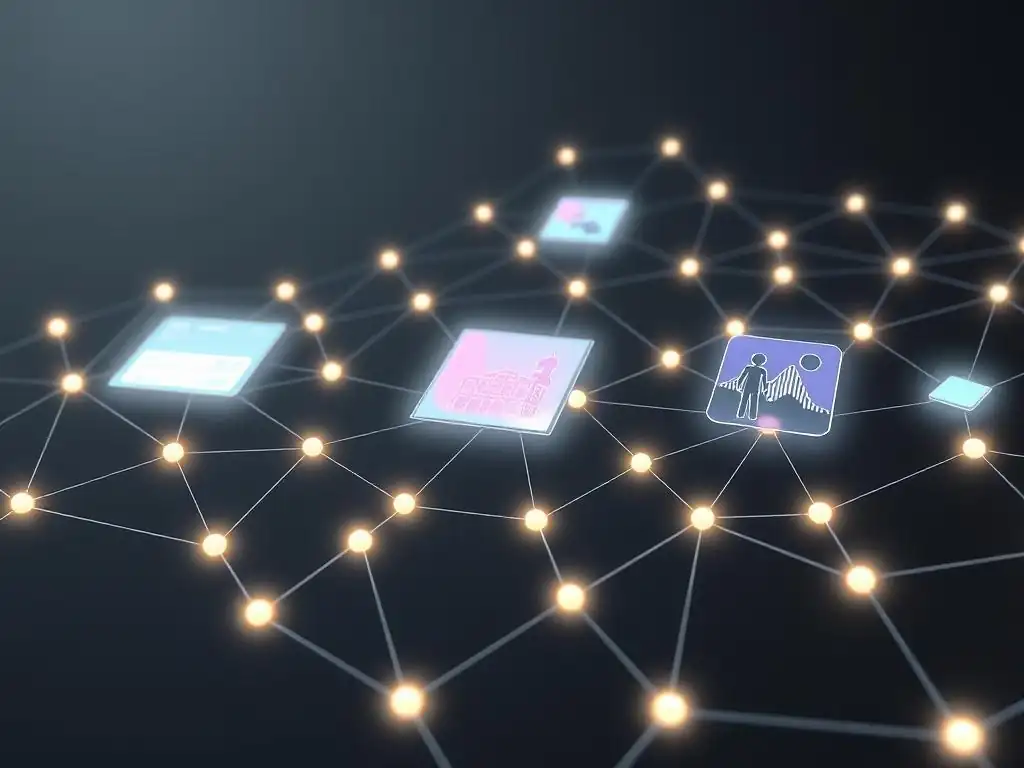
Creating Immersive and Interactive Experiences with NFTs
NFTs are pivotal in creating truly immersive and interactive decentralized experiences, particularly within virtual worlds and the burgeoning metaverse. Unlike traditional digital content where users are passive consumers, NFTs enable active participation and ownership. In virtual environments, NFTs can represent land parcels, buildings, avatars, clothing, and interactive objects that users own and can freely use, trade, or build upon. This ownership model fosters a sense of persistence and value within the digital realm, making these experiences more engaging and meaningful.
The utility embedded within these NFTs dictates how users can interact with the digital world. An NFT representing a piece of virtual land might grant the owner the right to build structures on it, host events, or monetize it. An NFT avatar skin might unlock special abilities or access to exclusive areas.
This level of ownership and interaction, facilitated by NFT utility, goes beyond static digital consumption. It empowers users to become creators and stakeholders within the experience, building economies and communities around their owned digital assets. This is a cornerstone of the vision for decentralized experiences, where users are not just visitors but active participants and owners, driven by the unique capabilities of NFTs.
NFTs as Access Keys to Exclusive Content and Communities
A straightforward yet powerful application of NFT utility is using NFTs as digital access keys. Owning a specific NFT can grant the holder exclusive access to premium content, private online communities (like Discord servers or forums), limited-edition merchandise drops, or real-world events. This model is being adopted by creators, artists, and brands to build loyal communities and offer tiered access based on NFT ownership. For example, a musical artist might release an NFT collection where owning a rare NFT grants access to private Q&A sessions or unreleased tracks.
This use of NFTs creates value beyond the intrinsic artistic or aesthetic appeal of the token itself. The NFT utility lies in the exclusive access and membership it confers. This fosters a sense of belonging and exclusivity among holders, strengthening community ties.
Furthermore, it provides creators with a direct way to engage their most dedicated fans and monetize their content and community building efforts in novel ways. This mechanism for gating access based on verifiable blockchain ownership is a key component in building exclusive, community-driven decentralized experiences, showcasing a clear and present future of NFTs in creator-fan relationships and digital membership models.
Building Decentralized Autonomous Organizations (DAOs) Around NFT Projects
NFT projects are increasingly leveraging NFT utility to empower their communities and move towards decentralized governance structures, often forming Decentralized Autonomous Organizations (DAOs). In this model, ownership of certain NFTs within a collection can grant holders voting rights or proposal power within the project's DAO. This allows the community to collectively make decisions regarding the project's development, treasury management, future initiatives, or the use of intellectual property associated with the NFTs.
This integration of NFT utility with DAO governance creates a powerful feedback loop between the project and its community. NFT holders become stakeholders with a direct voice in the project's direction, aligning incentives and fostering a sense of shared ownership and responsibility. Projects like the Bored Ape Yacht Club (BAYC) have explored this model, granting commercial rights to the owners of their NFTs and establishing a DAO for community-led initiatives.
This approach to governance is a significant step towards building truly decentralized experiences where users are not just consumers but active participants in the ecosystem's evolution. The combination of NFT utility for access/ownership and DAO structures for governance represents a compelling vision for the future of NFTs as tools for community empowerment and decentralized organization.
The Future of NFTs: Predictions and Emerging Trends
The Convergence of NFTs with the Metaverse
The future of NFTs is inextricably linked with the development of the metaverse, a persistent, interconnected set of virtual worlds. NFTs are poised to be the core building blocks of the metaverse economy and identity layer. Within these virtual spaces, everything from avatars and their clothing to virtual real estate, artwork, and interactive objects can be represented as NFTs. This allows users to own, trade, and transfer assets seamlessly across different metaverse environments, fostering interoperability and true digital ownership.
This convergence is driving the demand for NFT utility that functions within these immersive environments. An NFT might grant access to a specific concert venue in a virtual world, represent ownership of a virtual store where users can sell digital goods, or function as a key to unlock private experiences.
As metaverse platforms mature and become more interconnected, the ability to carry one's digital identity, assets, and experiences across different virtual spaces, all secured and verified by NFTs, will be fundamental. This vision positions NFTs not just as collectibles but as essential components for building and navigating the rich, interactive decentralized experiences promised by the metaverse.
The Role of NFTs in the Creator Economy
NFTs are fundamentally reshaping the creator economy, providing artists, musicians, writers, and other creators with new tools for monetization, distribution, and direct engagement with their audience. By tokenizing their work as NFTs, creators can sell directly to fans, eliminating intermediaries and retaining a larger share of the revenue. Furthermore, programmable royalties embedded in NFT smart contracts ensure that creators receive a percentage of future sales whenever their work is resold on secondary markets, creating a passive income stream that was previously difficult to achieve.
Beyond direct sales and royalties, NFT utility is enabling creators to build deeper relationships with their communities. Exclusive NFT drops can serve as fan club memberships, granting access to behind-the-scenes content, early releases, or personal interactions. This fosters a sense of ownership and loyalty among fans.
The ability to fractionalize ownership of creative works through NFTs also opens up new avenues for funding and investment in creative projects. As the creator economy continues to grow, NFTs are set to play an increasingly vital role in empowering creators and facilitating innovative models for content distribution and community building, cementing their place in the future of NFTs.
The Impact of Regulation on the NFT Market
As the NFT market matures and NFT utility expands into areas with real-world implications, regulatory scrutiny is increasing globally. Governments and financial bodies are examining how NFTs should be classified – as collectibles, securities, or something else entirely. The regulatory landscape is currently fragmented and uncertain, which poses challenges for projects and investors. For instance, an NFT that grants voting rights in a DAO or represents a share in a fractionalized asset could potentially be classified as a security in some jurisdictions, subjecting it to strict regulations.
The development of clear and consistent regulatory frameworks will be crucial for the sustainable growth and widespread adoption of NFT utility. While regulation can introduce compliance costs and complexity, it can also provide clarity, investor protection, and legitimacy to the market, potentially attracting more institutional participation. The future of NFTs will heavily depend on how regulators address issues like consumer protection, anti-money laundering (AML), and taxation. Navigating this evolving landscape will require careful consideration from projects leveraging NFTs for utility and decentralized experiences.
Advancements in Layer-2 Scaling Solutions for Enhanced NFT Utility
The widespread adoption of NFT utility and the vision for complex decentralized experiences powered by NFTs face significant challenges related to blockchain scalability. High transaction volumes required for activities like frequent in-game trading, real-time updates for virtual land ownership, or mass issuance of tickets can overload base layer blockchains like Ethereum, leading to high gas fees and slow transaction times. This makes utility-driven applications economically unfeasible for many users.
Advancements in Layer-2 (L2) scaling solutions are critical for overcoming these limitations and enabling the mass adoption of NFT utility. Technologies such as rollups (Optimistic and Zero-Knowledge), sidechains, and state channels process transactions off the main blockchain, bundling them or verifying them more efficiently before settling on the base layer.
Platforms like Polygon, Immutable X, and Arbitrum are already facilitating faster, cheaper NFT transactions, making utility-focused applications like play-to-earn games and large-scale digital asset marketplaces viable. The continued development and adoption of these L2 solutions are essential for unlocking the full potential of NFT utility and building scalable, affordable decentralized experiences for a global audience, fundamentally shaping the future of NFTs.
Challenges and Considerations for the Future of NFTs
Scalability and Transaction Fees
One of the most pressing challenges hindering the widespread adoption of NFT utility is the issue of blockchain scalability and associated transaction fees (gas fees). Many utility-rich applications, such as immersive gaming or dynamic digital identity systems, require frequent, low-cost transactions.
However, popular blockchains like Ethereum, where a significant portion of NFTs currently reside, can become congested, leading to exorbitant fees that make micro-transactions or frequent interactions with utility NFTs prohibitively expensive for the average user. While Layer-2 solutions offer promising avenues for improvement, their adoption is still ongoing, and the complexity of cross-chain or multi-layer interactions remains a technical hurdle.
Addressing scalability is paramount for realizing the vision of decentralized experiences powered by NFTs for a mass audience. High fees not only exclude users but also stifle innovation in utility-focused applications that rely on seamless and affordable on-chain interactions. The future of NFTs depends on the successful implementation and widespread adoption of scalable blockchain infrastructure capable of handling millions or billions of daily transactions at minimal cost. This requires continued research and development into existing and new scaling technologies, as well as efforts to make these solutions accessible and user-friendly for both developers and end-users.
Security and Smart Contract Vulnerabilities
The security of NFTs and the smart contracts that govern their NFT utility is a critical concern. NFTs, and the assets or rights they represent, can be high-value targets for malicious actors. Vulnerabilities in the smart contract code underlying an NFT collection or utility feature can be exploited, leading to loss of assets, unauthorized access, or disruption of the intended utility. Rug pulls, where project creators abandon a project after selling NFTs, and phishing attacks targeting users' wallets are also significant risks.
Ensuring the security of NFT projects requires rigorous smart contract auditing, secure coding practices, and robust security measures for platforms and marketplaces. Users also need to be educated about best practices for securing their private keys and identifying fraudulent schemes. As NFT utility expands to represent increasingly valuable assets and critical functions within decentralized experiences, the potential impact of security breaches grows. Building trust in the future of NFTs necessitates a strong emphasis on security at every level of the ecosystem, from the underlying blockchain to the individual user's wallet.
Environmental Concerns and Sustainable NFT Solutions
The energy consumption associated with proof-of-work (PoW) blockchains, particularly Ethereum before its transition, raised significant environmental concerns regarding NFTs. Minting and transacting NFTs on these blockchains required substantial computational power, leading to a high carbon footprint. While Ethereum's transition to proof-of-stake (PoS) has dramatically reduced its energy consumption (estimated reduction of over 99%), other blockchains and historical perceptions still contribute to this narrative.
Addressing environmental concerns is vital for the long-term viability and public perception of NFT utility. The shift towards more energy-efficient consensus mechanisms like PoS, along with the development of Layer-2 solutions that reduce the load on the mainnet, are crucial steps. Projects focused on NFT utility are increasingly choosing or migrating to eco-friendly blockchains. Furthermore, initiatives exploring carbon offsetting and sustainable practices within the NFT ecosystem are gaining traction. The future of NFTs must be built on sustainable infrastructure to gain widespread acceptance and contribute positively to the development of responsible decentralized experiences.
Accessibility and User Experience
Despite the growth of the NFT market, significant barriers to entry remain for the average user, impacting the potential for mass adoption of NFT utility and decentralized experiences. Setting up a cryptocurrency wallet, understanding blockchain concepts, managing private keys, and navigating decentralized marketplaces can be complex and intimidating for newcomers. The user interfaces of many dApps and NFT platforms are not yet as intuitive or user-friendly as traditional web applications.
Improving accessibility and user experience is essential for unlocking the full potential of NFT utility. This includes developing simpler wallet solutions, creating more intuitive platform designs, providing better educational resources, and abstracting away some of the underlying blockchain complexity. As the future of NFTs involves integrating them into everyday applications and experiences, seamless onboarding and ease of use will be critical factors determining their success and widespread adoption beyond early adopters and crypto enthusiasts.
Case Studies: Examples of Successful NFT Utility Projects
Case Study 1: Axie Infinity - A Gaming NFT Project with Play-to-Earn Utility
Axie Infinity stands as a pioneering example of a project successfully leveraging NFT utility in the gaming space to create a robust play-to-earn ecosystem. Launched by Sky Mavis, the game allows players to collect, breed, battle, and trade digital creatures called Axies, which are unique NFTs. Each Axie possesses distinct attributes and abilities, giving it specific utility within the game's mechanics. Players engage in battles to earn Smooth Love Potion (SLP), a fungible token, and can breed new Axies (NFTs) to sell or use, earning Axis Infinity Shards (AXS), the governance token.
The NFT utility of Axies is multifaceted: they are required to play the game, their traits influence battle performance, and they can be used for breeding, which yields new potentially valuable NFTs. This created a vibrant economy, particularly in countries like the Philippines, where it provided a source of income for many during economic hardship.
At its peak in late 2021, Axie Infinity boasted millions of daily active users and generated substantial revenue from breeding and marketplace fees, demonstrating the significant economic potential unlocked by integrating NFT utility with gaming and fostering decentralized experiences where players are owners and earners. While facing challenges related to tokenomics sustainability, its impact on popularizing P2E and showcasing gaming NFT utility is undeniable for the future of NFTs.
Case Study 2: Propy - An NFT Project Revolutionizing Real Estate Investment
Propy is a real estate technology company that has been at the forefront of applying NFT utility to property transactions and ownership. Propy facilitates the tokenization of real estate assets, representing ownership rights of physical properties as NFTs on a blockchain. This process aims to streamline the complex and lengthy procedures involved in traditional real estate transfers by putting the deed and associated legal documents on an immutable ledger, enabling faster and more transparent transactions.
Propy has conducted several notable pilot transactions, including the sale of a physical apartment in Kyiv, Ukraine, via an NFT in 2021 for a reported \$93,000, and a property in Florida for \$653,000 via an NFT in 2022. These examples showcase the practical NFT utility in transferring real-world assets.
While still facing regulatory hurdles and requiring integration with existing legal frameworks, Propy demonstrates how NFTs can serve as verifiable digital deeds, potentially enabling fractional ownership and increasing liquidity in the real estate market. This application highlights the potential for NFT utility to intersect with traditional asset classes, pointing towards a transformative future of NFTs in asset management and investment.
Case Study 3: VeChain - An NFT Project Enhancing Supply Chain Transparency
VeChain is a public blockchain platform designed to enhance supply chain management and business processes. While VeChain uses its own token standards, similar principles to NFT utility are applied to uniquely identify and track products. By assigning unique digital identities, often linked to physical items via QR codes, NFC tags, or RFID, VeChain creates a verifiable record of a product's journey through the supply chain on the blockchain.
This system leverages the concept of unique identification (akin to an NFT for each item or batch) to provide unparalleled transparency and traceability. For example, luxury goods brands like Louis Vuitton have reportedly explored using VeChain's technology to authenticate products and track their provenance, combating counterfeiting which costs the global economy hundreds of billions annually.
The NFT utility in this context is the unique, verifiable digital identity of a physical product, providing consumers and businesses with trust and data about origin, handling, and authenticity. VeChain's implementation demonstrates a powerful, enterprise-level application of the core principles behind NFT utility for improving efficiency and combating fraud in global supply chains, offering a clear view of a practical future of NFTs in enterprise solutions.
Conclusion: Embracing the Potential of NFTs for Decentralized Experiences and Beyond
NFTs as a Catalyst for Innovation in the Blockchain Space
Non-Fungible Tokens have rapidly evolved from niche digital collectibles to powerful tools driving innovation across the blockchain space. Their core properties—uniqueness, verifiability, and programmability—make them ideal for representing a vast array of digital and physical assets, rights, and access points. This exploration of NFT utility beyond static art is unlocking new possibilities in gaming, real estate, supply chain, identity management, and beyond. NFTs are not just assets; they are programmable building blocks for creating dynamic, interactive, and ownership-driven digital environments.
The integration of NFT utility is accelerating the development of decentralized applications and complex blockchain-based ecosystems. They enable novel economic models like play-to-earn, facilitate fractional ownership of valuable assets, provide verifiable proof of authenticity and provenance, and serve as keys for accessing exclusive content and communities. As the technology matures and infrastructure improves, the potential for NFTs to reshape industries and empower individuals through verifiable digital ownership and utility continues to grow, positioning them as a significant catalyst for the next wave of innovation in the decentralized web.
The Long-Term Vision for NFTs and Decentralized Systems
The long-term vision for NFTs sees them deeply integrated into the fabric of decentralized experiences and digital life. In this future, NFTs will serve as the primary means of representing digital identity, owning virtual and fractionalized physical assets, participating in decentralized governance, and interacting with a wide range of services and applications. They will be the bridge between users and the decentralized web, enabling seamless, secure, and permissionless interactions based on verifiable ownership and programmed utility.
Achieving this vision requires overcoming current challenges related to scalability, security, user experience, and regulation. However, ongoing advancements in Layer-2 solutions, smart contract security practices, and user-friendly interface design, coupled with the growing recognition of NFT utility by developers and businesses, paint a promising picture. The future of NFTs is one where they are fundamental components of a more open, equitable, and decentralized digital economy, empowering creators, users, and communities to build and own their online experiences and assets in ways previously unimaginable. Embracing the potential of NFT utility is key to realizing this decentralized future.
Frequently Asked Questions
What are NFTs beyond just collectibles?
NFTs are evolving to offer real-world utility beyond simple digital ownership. They can grant access to exclusive events, unlock content, or represent ownership of physical assets, moving beyond purely speculative value.
How are NFTs being used to create decentralized experiences?
NFTs are enabling decentralized communities and experiences by providing verifiable ownership and control. This allows for new models of governance, access control, and content creation, all managed on a blockchain.
What role does utility play in the future success of NFTs?
Utility is crucial for the long-term viability of NFTs. By providing tangible benefits and real-world applications, NFTs can attract a wider audience and maintain value beyond speculative trading, driving sustainable growth.
How are NFTs shaping the future of digital ownership?
NFTs are revolutionizing digital ownership by providing a verifiable and transparent way to own digital assets. This allows for new forms of creative expression, digital identity, and decentralized marketplaces.
What are some potential future applications of NFTs beyond their current use cases?
Future applications include using NFTs for digital identity verification, supply chain management, and representing fractional ownership of real-world assets. This will lead to deeper integration with various industries.
Final Reflection: Embracing the Decentralized Future of NFTs
The journey of NFTs, initially perceived as mere digital collectibles, has undeniably evolved, and the shift towards utility and decentralized experiences is no longer a prediction, but a tangible reality. The foundations are laid, the potential is immense, and the future hinges on our collective ability to build meaningful applications that transcend the hype and deliver genuine value.
This evolution has profoundly impacted how we perceive ownership, community, and digital interaction. The ability to own a piece of the internet, to participate in decentralized governance, and to unlock exclusive experiences through NFTs is reshaping the cultural landscape in ways we are only beginning to understand. The best way to predict the future is to create it.
- Peter Drucker. This quote resonates deeply, as the future of NFTs is not predetermined; it is being actively shaped by the creators, developers, and users who are embracing its potential.
As we stand at the cusp of this decentralized revolution, I invite you to reflect on the possibilities that NFTs unlock. Consider how you can leverage this technology to create, connect, and contribute to a more equitable and engaging digital world. The future of NFTs is not just about technology; it's about empowering individuals and building communities. Let us embrace this opportunity and shape a future where NFTs truly serve as a catalyst for innovation and positive change.
Ignite Your NFT Future: Explore, Create, and Connect!
Thank you for exploring the exciting evolution of NFTs. You’ve seen how they are expanding beyond simple collectibles to offer meaningful utility and immersive experiences. Are you ready to join this revolution?
Here are a few ways to get involved:
- Dive Deeper: Start researching innovative NFT projects that are pioneering new uses and experiences. Look beyond the price—consider their applications, community engagement, and long-term goals.
- Share the Knowledge: Initiate a discussion about NFTs with friends or on social media. Help others understand the potential that extends beyond collecting.
- Brainstorm: Think about unique real-world experiences or services that could be enhanced through NFT integration.
What groundbreaking NFT utility or experience are you most excited to see come to life? Share your thoughts in the comments below!
Leave a Reply