
The Impact of Blockchain on Global Supply Chains: Efficiency, Resilience, and Sustainability


Welcome to Blockchain Trends, your compass in the rapidly evolving world of decentralized technologies. Beyond the hype, lies a revolution. Are you ready to uncover the real-world impact of blockchain? Dive in to explore how this technology is reshaping industries, starting with a deep dive into the blockchain supply chain efficiency benefits that are transforming global logistics. Discover the potential for increased transparency, resilience, and sustainability. What if your supply chain could be truly traceable and secure? Let's explore the possibilities...
The Impact of Blockchain on Global Supply Chains: Efficiency, Resilience, and Sustainability
- Introduction: Blockchain's Transformative Power in Supply Chain Management
- Enhancing Supply Chain Efficiency with Blockchain Technology
- Building Resilient Supply Chains Through Blockchain
- Promoting Supply Chain Sustainability with Blockchain
- Blockchain Supply Chain Efficiency Benefits: A Detailed Analysis
- Real-World Examples: Blockchain in Action Across Industries
- Overcoming Challenges to Blockchain Adoption in Supply Chains
- The Future of Blockchain in Supply Chain Management: Trends and Predictions
- Conclusion: Blockchain as a Catalyst for a More Efficient, Resilient, and Sustainable Global Supply Chain
-
Frequently Asked Questions
- How does blockchain technology improve supply chain efficiency?
- What are some of the key resilience benefits of using blockchain in supply chains?
- In what ways can blockchain contribute to supply chain sustainability?
- What are some of the regulatory challenges associated with implementing blockchain in global supply chains?
- Beyond efficiency, resilience, and sustainability, what is the future potential of blockchain in supply chain management?
- Final Reflection: Embracing Transparency in a Connected World
- Revolutionize Your Supply Chain: Embrace the Blockchain Advantage!
Introduction: Blockchain's Transformative Power in Supply Chain Management
Understanding the Core Concepts: Blockchain and Supply Chains
At its heart, blockchain is a distributed, immutable ledger technology that records transactions across many computers. This decentralized structure means no single entity controls the data, and once a transaction is recorded, it's incredibly difficult to alter. In the context of supply chains, which involve complex networks of suppliers, manufacturers, distributors, and customers, this technology provides a single, shared source of truth about the movement and status of goods, funds, and information. It moves beyond traditional centralized databases, which are often siloed, prone to errors, and vulnerable to manipulation.
Supply chains are the intricate systems that move products and services from origin to consumption. They encompass everything from sourcing raw materials and manufacturing to logistics, distribution, and final delivery. A typical global supply chain involves numerous participants across different geographical locations and legal jurisdictions, each using their own disparate systems.
The core challenge is coordinating these activities efficiently, ensuring transparency, building trust among parties who may not know each other, and maintaining data integrity across transitions. Blockchain offers a novel way to address these fundamental challenges by providing a secure, transparent, and shared record of every step in the process.
Why Traditional Supply Chains Need Blockchain
Traditional supply chains are plagued by inefficiencies stemming from a lack of transparency, fragmented data, manual processes, and a reliance on intermediaries. Information is often siloed within individual companies, leading to delays, disputes, and a lack of visibility into the end-to-end flow. Paper-based documentation is still prevalent in many sectors, increasing the risk of errors, loss, and fraud. Furthermore, tracking the origin and journey of goods, especially across borders, can be incredibly difficult, hindering efforts related to compliance, ethical sourcing, and quality control.
The inherent lack of trust between different parties in a supply chain necessitates time-consuming verification processes and reliance on expensive intermediaries like banks and auditors. This adds significant costs and slows down operations. When disruptions occur, such as natural disasters or geopolitical events, the lack of real-time visibility makes it hard to quickly assess the impact and reroute goods. These vulnerabilities highlight the need for a more robust, transparent, and efficient system – one that blockchain technology is uniquely positioned to provide, offering significant blockchain supply chain efficiency benefits.
Enhancing Supply Chain Efficiency with Blockchain Technology
Streamlining Processes: How Blockchain Improves Efficiency
Blockchain technology significantly streamlines various supply chain processes by replacing manual, paper-based systems and disparate databases with a single, shared, and immutable ledger. This includes simplifying documentation handling, automating verification steps, and providing a common platform for all participants to access relevant transaction data in real-time. For instance, instead of multiple parties maintaining separate records of a shipment's journey and contents, a blockchain allows all authorized participants to see the same, verified information simultaneously.
This shared visibility drastically reduces the time and effort spent on reconciliation, audits, and dispute resolution. It minimizes the need for intermediaries to verify transactions, as the distributed nature of the blockchain ledger provides inherent trust. By automating the flow of information and reducing manual data entry, businesses can cut down on administrative overhead and accelerate the pace of operations, directly contributing to improved blockchain supply chain efficiency benefits. Industry estimates often suggest potential administrative cost reductions ranging from 10% to 25% through the adoption of blockchain for documentation and verification.
Real-time Tracking and Traceability: Reducing Delays and Errors
One of the most compelling blockchain supply chain efficiency benefits is the ability to achieve granular, real-time tracking and traceability of goods from origin to destination. By recording every transaction – such as a product changing hands, a quality check being performed, or a shipment arriving at a port – on the blockchain, a complete and verifiable history is created. This digital trail is accessible to authorized parties, providing unprecedented visibility into the status and location of goods at any given moment.
This enhanced traceability helps identify bottlenecks, predict potential delays, and quickly pinpoint the source of issues like product contamination or damage. For example, if a foodborne illness outbreak occurs, a blockchain-based traceability system could potentially reduce the time to trace the contaminated product back to its origin from weeks or days down to mere seconds or minutes, compared to traditional methods. This rapid identification and response capability not only improves safety but also minimizes the scope and cost of recalls, significantly boosting overall supply chain efficiency.
Automating Supply Chain Operations with Smart Contracts
Smart contracts are self-executing contracts with the terms of the agreement directly written into lines of code. These contracts reside on the blockchain and automatically trigger actions when predefined conditions are met. In supply chain management, smart contracts can automate a wide range of processes, such as payments, customs declarations, and inventory updates. For instance, a smart contract could be programmed to automatically release payment to a supplier as soon as the blockchain confirms that the goods have arrived at a specified location and passed a quality inspection.
This automation eliminates the need for manual intervention and reduces processing times and potential errors associated with human handling. It ensures that payments are made promptly upon fulfillment of conditions, improving cash flow for suppliers and reducing administrative costs for buyers. Automating trade finance processes through smart contracts, for example, has the potential to unlock billions of dollars in working capital currently tied up in lengthy and complex transaction workflows. The ability to automate trust-based transactions is a key driver of blockchain supply chain efficiency benefits.
Building Resilient Supply Chains Through Blockchain
Increased Transparency and Visibility: Mitigating Risks
Blockchain's inherent transparency provides a shared, immutable record of all transactions and events within the supply chain, visible to all authorized participants. This increased visibility is crucial for identifying and mitigating risks before they escalate. By having a clear view of the entire journey of a product, companies can better understand potential points of failure, such as dependencies on single suppliers or exposure to unstable regions. They can also quickly detect anomalies or deviations from the planned path.
For example, during a disruption like a port closure or a natural disaster, real-time data on shipments' locations and status on the blockchain allows companies to quickly assess which goods are affected and develop alternative plans. This proactive approach, enabled by comprehensive visibility, enhances the supply chain's ability to withstand shocks and recover faster, improving overall resilience. Studies indicate that companies with higher supply chain visibility are significantly better equipped to handle disruptions, potentially reducing the financial impact by a notable percentage.
Enhanced Security and Data Integrity: Preventing Fraud and Counterfeiting
The cryptographic nature of blockchain technology ensures that data recorded on the ledger is highly secure and tamper-proof. Each block of transactions is linked to the previous one using cryptographic hashes, making it virtually impossible to alter past records without invalidating the entire chain. This immutability guarantees the integrity of the data, providing a reliable audit trail for every product or shipment.
This enhanced security is particularly valuable in combating fraud and counterfeiting, which cost the global economy billions annually. By recording the origin, movement, and ownership of goods on a blockchain, companies can create a verifiable digital identity for products. Consumers or businesses can then scan a QR code or tag linked to the blockchain record to verify the authenticity and provenance of an item. Luxury goods, pharmaceuticals, and electronics industries, among others, are exploring or implementing blockchain solutions specifically to enhance security and prevent the infiltration of counterfeit products into their supply chains.
Decentralized Data Management: Improving Collaboration and Trust
Unlike traditional systems where data is often stored in siloed databases controlled by individual companies, blockchain enables a decentralized approach to data management. Data is replicated and shared across multiple nodes in the network, meaning no single point of failure exists. This distributed ledger fosters collaboration and builds trust among supply chain partners, as they all rely on the same, verified source of information.
This shared, trusted ledger reduces the need for extensive manual verification and reconciliation between parties, which are common sources of delays and disputes in traditional supply chains. When all participants can trust the data on the ledger, it facilitates smoother interactions, faster transactions, and more effective problem-solving. This collaborative environment, built on decentralized trust, is fundamental to building more resilient supply chains capable of adapting quickly to changing conditions.
Promoting Supply Chain Sustainability with Blockchain
Traceability of Ethical Sourcing and Fair Trade Practices
Blockchain's ability to create an immutable record of a product's journey makes it an invaluable tool for verifying ethical sourcing and fair trade practices. Companies can record data points related to the origin of raw materials, labor conditions at different stages of production, and fair compensation paid to workers or farmers on the blockchain. This provides a transparent and verifiable history that can be shared with consumers and stakeholders.
For instance, in the coffee or cocoa industries, blockchain can track beans from the farm to the final product, recording details about farmer payments, working conditions, and certifications like Fair Trade or Organic. This level of transparency helps combat issues like child labor, unfair wages, and environmental damage in source regions. Consumers are increasingly demanding ethically sourced products, and blockchain provides the verifiable proof that companies need to build trust and demonstrate their commitment to sustainable practices.
Reducing Waste and Environmental Impact Through Transparency
Increased transparency and traceability enabled by blockchain can also help reduce waste and minimize the environmental impact of supply chains. By having a clear view of inventory levels, shipment locations, and product lifecycles, companies can optimize logistics, reduce unnecessary transportation, and minimize spoilage, particularly for perishable goods. Knowing exactly where goods are and their condition helps prevent over-ordering or misrouting.
Furthermore, blockchain can track the disposal or recycling of products at the end of their lifecycle, supporting circular economy initiatives. Recording the handling of waste materials or the recycling process on the blockchain provides accountability and ensures that materials are managed responsibly. This transparency around waste streams helps identify areas for improvement and provides data to measure progress towards sustainability goals.
Verifying Sustainable Practices and Certifications
Blockchain provides a secure and verifiable way to track and authenticate sustainability certifications (e.g., FSC for timber, ISO 14001 for environmental management). Instead of relying solely on paper certificates that can be forged or misplaced, certification data can be recorded on the blockchain, linked to specific products or shipments. This allows any authorized party, including regulators, auditors, and consumers, to easily verify that a product meets certain environmental or social standards.
This immutable record of certifications builds confidence in sustainability claims and reduces the risk of greenwashing. It simplifies the audit process and provides a higher level of assurance that sustainable practices are being followed throughout the supply chain. For companies investing in sustainability, blockchain offers a powerful tool to transparently demonstrate their efforts and gain a competitive advantage in a market that increasingly values environmental and social responsibility.
Blockchain Supply Chain Efficiency Benefits: A Detailed Analysis
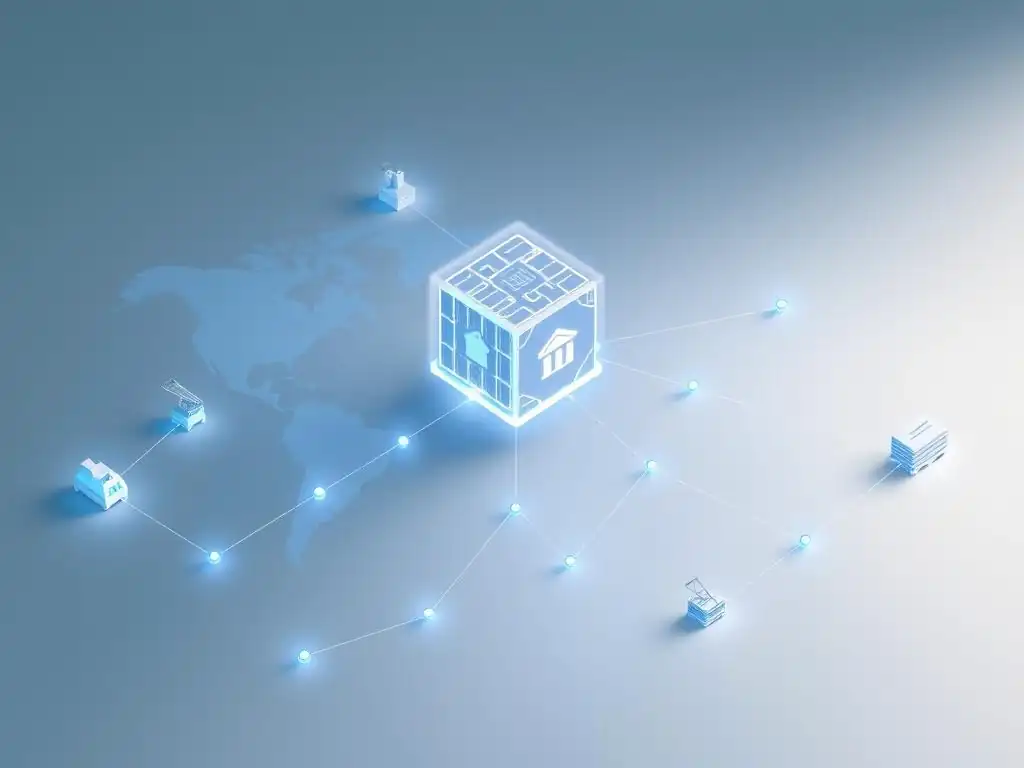
Cost Reduction in Supply Chain Operations
One of the most significant blockchain supply chain efficiency benefits is the potential for substantial cost reduction across various operational areas. By automating manual processes like data entry, verification, and documentation handling, businesses can reduce administrative overhead. The elimination of intermediaries required for verification and trust-building also cuts down on fees and commissions. Furthermore, the reduced need for extensive audits and reconciliation processes due to the shared, immutable ledger contributes to lower operational costs.
Specific examples of cost savings include reduced expenses associated with paper documentation, faxing, emailing, and manual data re-entry – tasks that are often redundant across multiple supply chain partners. Some pilots have demonstrated reductions in documentation handling costs by 10-30%. Additionally, faster dispute resolution, enabled by a single source of truth on the blockchain, minimizes legal and administrative costs associated with disagreements over shipment status, quality, or payment terms.
Improved Speed and Agility in Logistics
Blockchain technology dramatically improves the speed and agility of logistics by accelerating information flow and automating transaction execution. The real-time visibility provided by a shared ledger means that all parties have access to the latest information simultaneously, eliminating delays caused by waiting for updates or verifying data from different sources. This allows for faster decision-making and quicker responses to changes or disruptions.
Automating payments and customs processes through smart contracts can reduce transit times and speed up the release of goods at ports or borders. For example, processing trade documentation traditionally takes days or even weeks; blockchain solutions like TradeLens have shown the potential to reduce this significantly, potentially cutting down processing time by 50% or more in some cases. This increased speed translates directly into faster delivery times, reduced inventory holding costs, and greater responsiveness to market demand – key blockchain supply chain efficiency benefits.
Enhanced Data Accuracy and Reduced Reconciliation Efforts
Maintaining accurate data across complex supply chains is a major challenge. Disparate systems, manual data entry, and delayed updates often lead to inconsistencies and errors, requiring time-consuming and costly reconciliation processes between partners. Blockchain fundamentally addresses this by providing a single, shared, and immutable ledger where data is recorded only once by the relevant party and is instantly visible and verifiable by others.
This shared source of truth drastically improves data accuracy and eliminates the need for extensive reconciliation efforts. When all parties trust the data on the blockchain, disputes over quantities, quality, or shipment status become less frequent and easier to resolve. Reducing the time and resources spent on reconciling discrepancies frees up staff to focus on more value-added activities, further enhancing blockchain supply chain efficiency benefits. Companies using blockchain for tracking have reported significant reductions in data errors and reconciliation time, sometimes by as much as 70-80%.
Real-World Examples: Blockchain in Action Across Industries
De Beers: Blockchain for Diamond Provenance
De Beers, the world's leading diamond company, launched its Tracr platform, a blockchain-based solution designed to track diamonds from mine to retailer. The platform records immutable data points for each diamond, including its weight, color, clarity, cut, and unique identification number, as well as its journey through the value chain. This creates a secure digital trail that verifies the diamond's origin and authenticity.
The primary goal of Tracr is to enhance consumer trust by providing verifiable proof that a diamond is natural, conflict-free, and has been handled responsibly at every stage. It also streamlines the process for industry participants by providing a single, secure platform for recording and verifying diamond data, improving efficiency and transparency in a traditionally opaque market. By 2020, Tracr had already tracked over a quarter of De Beers' production by value, demonstrating the scalability and practical application of blockchain for high-value goods traceability.
IBM Food Trust: Enhancing Food Safety and Traceability
IBM Food Trust is a blockchain-based network designed to improve food traceability, safety, and supply chain efficiency. Developed in collaboration with retailers, suppliers, growers, and other food system participants, the platform allows members to securely share food origin and journey data. This enables rapid tracing of contaminated products back to their source in the event of a foodborne illness outbreak.
Walmart, a key early adopter, reported that using the IBM Food Trust network reduced the time it takes to trace a package of sliced mangoes from farm to store from seven days to just two seconds. This dramatic reduction in tracing time is critical for minimizing the impact of recalls, protecting public health, and reducing financial losses for businesses. The platform also helps streamline audits and improve overall visibility within the complex food supply chain, highlighting significant blockchain supply chain efficiency benefits.
Maersk and IBM: TradeLens for Global Trade Digitization
TradeLens, a blockchain platform developed by Maersk and IBM, focuses on digitizing and streamlining global container shipping and supply chains. The platform aims to improve transparency and efficiency by bringing together multiple parties involved in international trade – including carriers, ports and terminals, customs authorities, freight forwarders, and logistics providers – onto a single, shared ledger.
The platform captures and shares real-time data on shipments, such as container movements, customs releases, and documentation. By providing a single, trusted view of the data, TradeLens reduces the need for paper documents and manual processes, accelerates customs clearance, and improves predictability in cargo movements. While facing adoption challenges, the platform has demonstrated the potential to reduce the time and cost associated with processing trade documentation, offering substantial blockchain supply chain efficiency benefits for the complex world of global logistics.
Overcoming Challenges to Blockchain Adoption in Supply Chains
Scalability and Interoperability Issues
One of the primary challenges hindering widespread blockchain adoption in supply chains is scalability. Public blockchains like Bitcoin or Ethereum, while highly decentralized, can process a limited number of transactions per second, which may not be sufficient for the massive volume of transactions typical of large global supply chains. Private or permissioned blockchains offer better scalability, but they require careful consideration regarding governance and the degree of decentralization.
Interoperability is another significant hurdle. Different supply chain participants may adopt different blockchain platforms or use different standards for recording data. Ensuring that these disparate systems can communicate and exchange information seamlessly is critical for achieving end-to-end visibility and efficiency. Developing industry-wide standards and creating bridges between different blockchain networks are ongoing efforts necessary to unlock the full potential of blockchain supply chain efficiency benefits.
Regulatory and Legal Considerations
The regulatory landscape surrounding blockchain technology is still evolving in many parts of the world. Uncertainty about how existing laws apply to blockchain transactions, smart contracts, and the ownership of data recorded on a distributed ledger can create hesitation among businesses. Issues such as data privacy (e.g., GDPR compliance), the legal standing of smart contracts across different jurisdictions, and potential liability in case of errors on an immutable ledger need to be addressed.
Furthermore, integrating blockchain with existing legacy systems and legal frameworks requires careful planning and often involves navigating complex compliance requirements. As governments and international bodies develop clearer guidelines and regulations for blockchain use, it will pave the way for broader adoption and provide the necessary legal certainty for businesses to invest confidently in blockchain-based supply chain solutions.
The Need for Collaboration and Standardization
Successfully implementing blockchain in a supply chain requires the collaboration and agreement of multiple, often competing, parties. For a blockchain network to be effective, a critical mass of participants – suppliers, manufacturers, distributors, logistics providers, and even customers – needs to join and agree on the rules, data standards, and governance model for the network. This requires overcoming competitive barriers and fostering a spirit of cooperation.
Developing and adopting common data standards is crucial for ensuring interoperability and enabling seamless information exchange across the network. Without agreed-upon standards for how product information, shipment details, or transaction data are recorded, different participants' systems may not be able to understand each other. Industry consortia and collaborative initiatives are playing a vital role in driving the necessary standardization and encouraging the collective adoption needed to realize widespread blockchain supply chain efficiency benefits.
The Future of Blockchain in Supply Chain Management: Trends and Predictions
Integration with IoT and AI for Enhanced Automation
The future of blockchain in supply chains is likely to involve deep integration with other emerging technologies, particularly the Internet of Things (IoT) and Artificial Intelligence (AI). IoT devices, such as sensors on containers or products, can automatically collect real-time data on location, temperature, humidity, and other conditions. This data can then be recorded on the blockchain, providing a highly accurate and automated log of a product's journey and state.
AI algorithms can analyze the vast amounts of data collected via IoT and stored on the blockchain to identify patterns, predict potential disruptions, optimize routes, and automate complex decision-making processes. For example, AI could analyze blockchain data to predict demand fluctuations and automatically trigger smart contracts for replenishment orders. This convergence of blockchain for trust and transparency, IoT for data collection, and AI for analysis and automation promises to unlock unprecedented levels of efficiency and intelligence in supply chain management.
Expansion of Blockchain-Based Supply Chain Finance Solutions
Blockchain is poised to revolutionize supply chain finance by increasing transparency, reducing risk, and accelerating transactions. Traditional supply chain finance often involves complex, paper-intensive processes for invoice financing, factoring, and other forms of working capital solutions. The lack of trust and visibility among parties makes these processes slow and expensive.
Blockchain platforms can provide a shared, immutable record of invoices and trade assets, making them easier to verify and finance. Smart contracts can automate payment triggers based on confirmed delivery or quality checks recorded on the blockchain. This increased transparency and automation can unlock liquidity for suppliers, particularly small and medium-sized enterprises (SMEs), by enabling faster access to financing at potentially lower costs. The expansion of blockchain into areas like trade finance and invoice tokenization is expected to deliver significant blockchain supply chain efficiency benefits related to cash flow and financial operations.
The Rise of Decentralized Supply Chain Networks
While many current blockchain applications in supply chains are built on permissioned networks managed by a consortium or a lead company, the trend is moving towards more decentralized models. Future supply chain networks may operate on public or semi-private blockchains, allowing for greater participation, resilience, and innovation. These decentralized networks would enable peer-to-peer interactions and value exchange without relying on a central authority.
Decentralized autonomous organizations (DAOs) could potentially manage aspects of future supply chains, with rules and governance encoded in smart contracts. This could lead to more democratic and flexible supply chain ecosystems where participants have a direct say in the network's evolution. The rise of truly decentralized supply chain networks, while presenting significant technical and governance challenges, holds the promise of creating more resilient, efficient, and equitable global trade systems, further amplifying the blockchain supply chain efficiency benefits available to all participants.
Conclusion: Blockchain as a Catalyst for a More Efficient, Resilient, and Sustainable Global Supply Chain
Blockchain technology offers a profound opportunity to transform global supply chains, moving them from opaque, inefficient, and vulnerable systems to those characterized by transparency, resilience, and sustainability. By providing a shared, immutable ledger, blockchain builds trust among disparate parties, streamlines processes, and enables unprecedented traceability from origin to consumption. The inherent blockchain supply chain efficiency benefits are clear: reduced costs through automation and less reconciliation, improved speed and agility in logistics, and enhanced data accuracy leading to fewer errors and disputes.
Beyond efficiency, blockchain significantly enhances supply chain resilience by providing real-time visibility to mitigate risks and bolstering security to prevent fraud. It also serves as a powerful tool for promoting sustainability, enabling verifiable ethical sourcing, reducing waste through transparency, and authenticating sustainable practices.
While challenges related to scalability, interoperability, regulation, and collaboration remain, the ongoing development and adoption of blockchain technology, often integrated with IoT and AI, point towards a future of more intelligent, automated, and trustworthy supply chain ecosystems. Blockchain is not just an incremental improvement; it is a catalyst for fundamental change, promising a more efficient, resilient, and sustainable global economy.
Frequently Asked Questions
How does blockchain technology improve supply chain efficiency?
Blockchain offers enhanced traceability and transparency, reducing delays and errors in the supply chain. This allows for faster verification and improved coordination among all involved parties.
What are some of the key resilience benefits of using blockchain in supply chains?
Blockchain creates a more secure and tamper-proof record of transactions, making supply chains less vulnerable to disruptions. Decentralized ledgers also reduce reliance on any single point of failure.
In what ways can blockchain contribute to supply chain sustainability?
Blockchain can track the origin and journey of products, enabling better monitoring of ethical and environmental practices. This also allows consumers to make more informed purchasing decisions.
What are some of the regulatory challenges associated with implementing blockchain in global supply chains?
The lack of standardized regulations across different jurisdictions can create complexities for businesses. Data privacy laws and cross-border data transfer restrictions are also important considerations.
Beyond efficiency, resilience, and sustainability, what is the future potential of blockchain in supply chain management?
Future applications include using blockchain for automated contract execution (smart contracts) and creating more decentralized and autonomous supply chain networks. These advancements can lead to greater operational efficiency.
Final Reflection: Embracing Transparency in a Connected World
The exploration of blockchain's impact on global supply chains reveals a profound shift towards unprecedented transparency and accountability. No longer are we confined to opaque systems riddled with inefficiencies; blockchain offers a tangible pathway to streamline operations, enhance resilience, and foster sustainable practices across the entire supply chain ecosystem. The potential for positive change is not just theoretical; it's actively reshaping how goods are produced, distributed, and consumed worldwide.
This technological revolution isn't just about faster transactions or reduced costs; it's about building trust and fostering ethical practices. The ability to trace a product's journey from origin to consumer, with verifiable data at every step, empowers both businesses and individuals to make informed choices. It challenges us to reconsider our roles in the global economy and to demand greater responsibility from the companies we support. Supply chains are the backbone of the global economy, and blockchain has the potential to revolutionize them by creating more transparent, secure, and efficient systems.
- Don Tapscott, Author of Blockchain Revolution.
As we stand at the cusp of this transformative era, let us embrace the opportunities that blockchain presents. Reflect on how you, as a consumer, a business leader, or a policymaker, can contribute to building more resilient, sustainable, and ethically sound supply chains. The future of global trade hinges on our collective commitment to leveraging technology for the greater good. Let us strive to create a world where transparency empowers progress and where every product tells a story of integrity and responsibility.
Revolutionize Your Supply Chain: Embrace the Blockchain Advantage!
Thank you for exploring how blockchain is transforming global supply chains. Now that you've discovered its potential to improve efficiency, resilience, and sustainability, it's time to take the next step. Here's how you can begin to harness the power of blockchain:
- Dive Deeper: Research blockchain platforms suited to your industry—understanding your options is essential for making informed decisions.
- Analyze: Implement a pilot project using blockchain technology in a small part of your supply chain to measure improvements in cost, speed, and traceability.
- Share and Discuss: Share this article with your network and initiate conversations about blockchain’s transformative role in global supply chains. Innovation thrives on collaboration!
What specific supply chain challenge do you believe blockchain can address most effectively within your organization?
Leave a Reply