
Manufacturing 4.0: Blockchain's Role in Smart Factories and Industrial Automation Efficiency

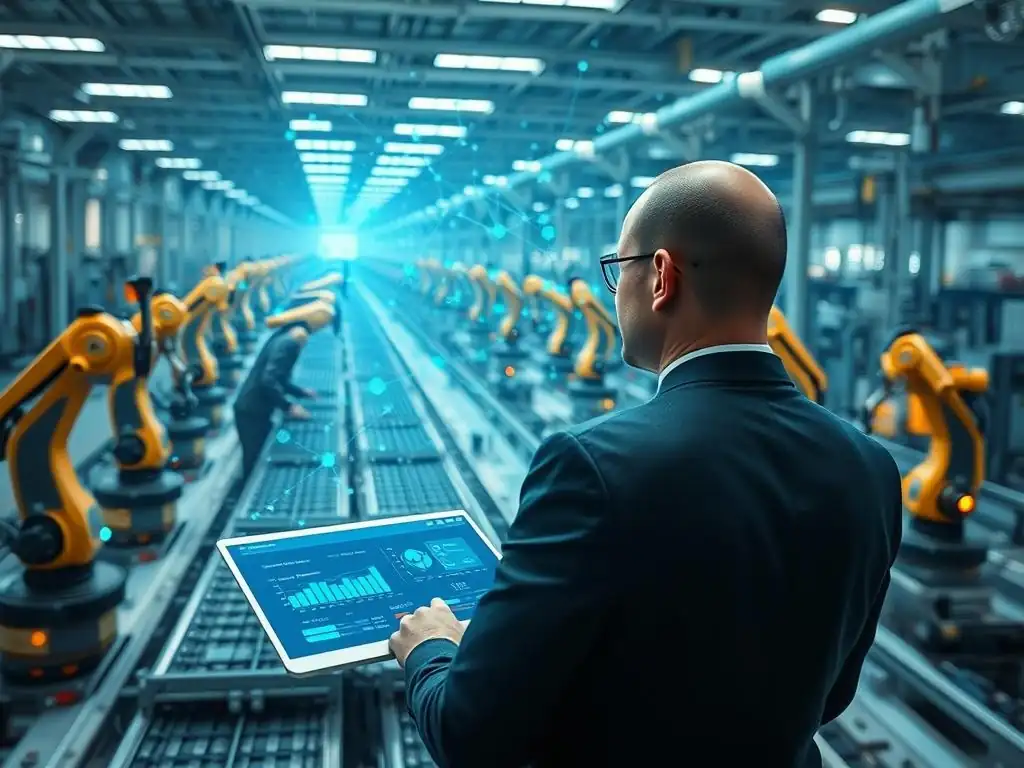
Welcome to Blockchain Trends, your compass in the rapidly evolving world of decentralized technologies. Beyond the hype, we delve into the real-world applications shaping industries. Intrigued by how blockchain can revolutionize operations? Our latest exploration dives deep into blockchain supply chain management efficiency, examining how it's powering Manufacturing 4.0 and redefining smart factories. Discover the potential, explore the challenges, and uncover the future. Ready to unlock the next level of industrial automation?
Manufacturing 4.0: Blockchain's Role in Smart Factories and Industrial Automation Efficiency
- Introduction: The Convergence of Manufacturing 4.0 and Blockchain Technology
- Understanding the Current Challenges in Manufacturing and Supply Chains
- Blockchain Solutions for Enhanced Manufacturing Efficiency
- Real-World Applications of Blockchain in Manufacturing 4.0
- Blockchain Supply Chain Management Efficiency: Key Benefits and Advantages
- Overcoming Challenges and Implementation Considerations
- The Future of Blockchain in Manufacturing: Trends and Predictions
- Conclusion: Blockchain as a Catalyst for Manufacturing 4.0 Transformation
-
Frequently Asked Questions
- How can blockchain enhance supply chain visibility in Manufacturing 4.0?
- What are the key benefits of using blockchain for traceability in smart factories?
- How does blockchain improve data security in industrial automation systems?
- Can blockchain help improve efficiency in managing vendor relationships within a smart factory ecosystem?
- What role does blockchain play in ensuring regulatory compliance within the manufacturing sector?
- Final Reflection: Embracing Blockchain for a Smarter Future
- Unlock the Future: Revolutionize Your Manufacturing Process with Blockchain!
Introduction: The Convergence of Manufacturing 4.0 and Blockchain Technology
Defining Manufacturing 4.0: The Smart Factory Revolution
Manufacturing 4.0 represents the fourth industrial revolution, characterized by the integration of digital technologies into manufacturing and industrial processes. This transformation involves the creation of "smart factories" where systems are interconnected, data is exchanged in real-time, and decisions are increasingly automated. Key components include the Internet of Things (IoT), artificial intelligence (AI), cloud computing, additive manufacturing, and cybersecurity. The goal is to create highly flexible, efficient, and responsive production systems capable of adapting to changing market demands and producing customized products at scale.
This paradigm shift moves beyond traditional automation to foster truly intelligent and self-optimizing operations. Data analytics plays a crucial role, enabling predictive maintenance, optimizing resource allocation, and improving overall equipment effectiveness (OEE). The interconnected nature of Manufacturing 4.0, however, also introduces complexities related to data management, security, and trust among diverse stakeholders in the value chain.
Blockchain's Potential in Transforming Industrial Processes
Blockchain technology, widely known for its role in cryptocurrencies, offers a decentralized and immutable ledger system that can record transactions securely and transparently across a network of participants. Its inherent characteristics—immutability, transparency (to authorized parties), and distributed nature—make it a powerful tool for addressing some of the fundamental challenges in modern industrial processes. Beyond finance, blockchain can facilitate secure data sharing, verify the authenticity of goods, automate contractual agreements via smart contracts, and build trust in complex, multi-party environments like global supply chains.
Applying blockchain within the manufacturing context means creating a trusted layer for interactions between machines, systems, and organizations. It can serve as a single source of truth for critical data points, from raw material origin to final product delivery. This capability is particularly relevant for enhancing traceability, ensuring data integrity, and enabling secure collaboration among suppliers, manufacturers, distributors, and even end consumers. The potential extends to areas like intellectual property protection, automated compliance checks, and efficient asset management.
The Synergistic Relationship: How Blockchain Enhances Manufacturing 4.0
The convergence of Manufacturing 4.0 and blockchain technology creates a powerful synergy. While Manufacturing 4.0 provides the framework for smart, connected factories and automated processes, blockchain provides the underlying trust and data integrity layer necessary for these complex systems to function reliably and securely across organizational boundaries. Manufacturing 4.0 generates vast amounts of data from connected devices and systems; blockchain can provide a secure, tamper-proof way to record, share, and verify this data, ensuring its trustworthiness for analytics and automated decision-making.
For instance, IoT sensors in a smart factory generate data about machine performance, production output, and product quality. Recording this data on a blockchain can provide an immutable history that is accessible and verifiable by relevant parties, enhancing transparency and accountability. Smart contracts, triggered by IoT data recorded on the blockchain, can automate actions like payments upon delivery or quality checks, streamlining operations and reducing manual intervention. This combination is key to unlocking the full potential of Manufacturing 4.0, especially in achieving robust blockchain supply chain management efficiency.
Understanding the Current Challenges in Manufacturing and Supply Chains
Inefficiencies and Bottlenecks in Traditional Supply Chains
Traditional manufacturing supply chains often suffer from significant inefficiencies stemming from manual processes, siloed data systems, and a lack of real-time visibility. Information flow is frequently fragmented, leading to delays, errors in orders, and difficulty in accurately forecasting demand. A report by Deloitte in 2020 highlighted that supply chain disruptions could cost companies up to 45% of a year's profits. Common bottlenecks include slow customs clearance, inaccurate inventory tracking, and complex, paper-based documentation that hinders rapid transit and verification.
Furthermore, the complexity of global supply networks, involving numerous intermediaries, increases the risk of miscommunication and operational friction. Managing relationships and transactions across disparate systems used by different partners adds layers of cost and time. This fragmented landscape makes it challenging to achieve optimal blockchain supply chain management efficiency without a unifying, trusted data layer.
Lack of Transparency and Traceability in Manufacturing Processes
A critical challenge in modern manufacturing and supply chains is the pervasive lack of end-to-end transparency and traceability. Companies often have limited visibility beyond their immediate Tier 1 suppliers, making it difficult to verify the origin of raw materials, track components throughout the production process, or pinpoint the source of a defect or contamination quickly. This opacity poses significant risks related to quality control, regulatory compliance, and ethical sourcing. For example, verifying that raw materials are ethically sourced or that components meet specific quality standards becomes a complex, often manual, and time-consuming task.
The inability to trace a product's journey from origin to customer also fuels issues like counterfeiting and makes recalls incredibly difficult and costly. A study by the International Chamber of Commerce (ICC) estimated that global trade in counterfeit goods could reach $4.2 trillion by 2022. Without a reliable, immutable record of every step in the product lifecycle, ensuring authenticity and building consumer trust remains a major hurdle. Enhancing transparency is a fundamental requirement for improving blockchain supply chain management efficiency.
Cybersecurity Risks and Data Integrity Concerns in Industrial Automation
As manufacturing systems become increasingly connected through IoT and automation, they also become more vulnerable to cybersecurity threats. Industrial control systems (ICS) and operational technology (OT) networks, which manage physical processes, are often targeted by cyberattacks, leading to production downtime, data theft, or even physical damage.
The World Economic Forum's 2022 Global Cybersecurity Outlook report indicated that 92% of cyber leaders agree that the cyber threat is increasing. Protecting the integrity of the vast amounts of data generated by smart factories is paramount, as corrupted or manipulated data can lead to faulty production, incorrect quality assessments, or misguided operational decisions.
Ensuring data integrity is not just about preventing external attacks; it's also about maintaining trust in data shared among multiple internal departments and external partners. Discrepancies in data between different systems (e.g., ERP, MES, WMS) can cause significant operational issues. Establishing a secure, immutable record of data transactions and process events is crucial for maintaining operational reliability and trust in the highly interconnected environment of Manufacturing 4.0.
Blockchain Solutions for Enhanced Manufacturing Efficiency
Blockchain for Supply Chain Traceability and Transparency
Blockchain technology offers a robust solution to the pervasive lack of transparency and traceability in manufacturing supply chains. By creating a shared, distributed ledger, it can record every transaction and movement of goods or components as they pass through the supply chain, from the source of raw materials to the point of sale. Each entry on the blockchain is timestamped and cryptographically linked to the previous one, forming an immutable chain that provides a complete and verifiable history. This means that all authorized participants in the network can access the same, up-to-date information, creating a single source of truth.
This enhanced visibility allows manufacturers and consumers alike to trace the provenance of products with unprecedented detail. For example, tracking a specific batch of components used in a final product becomes straightforward, enabling rapid identification of affected items in case of a defect or recall. This level of detailed, verifiable history significantly boosts blockchain supply chain management efficiency.
Improving Product Provenance and Authenticity with Blockchain
Verifying the origin and authenticity of products is a critical application of blockchain in manufacturing. By assigning unique digital identities to products or batches—often linked to physical identifiers like QR codes or RFID tags—and recording their journey on a blockchain, companies can create a verifiable digital twin of the physical supply chain. Every transfer of ownership, change in location, or quality check can be recorded on the ledger.
This immutable record makes it extremely difficult to introduce counterfeit goods into the supply chain without detection. Consumers can potentially scan a product's code to view its history, confirming its legitimacy and origin directly from the manufacturer or authorized distributors. This capability is particularly valuable for high-value goods, sensitive materials like pharmaceuticals, or products where ethical sourcing and sustainability claims need rigorous verification.
Reducing Counterfeiting and Ensuring Quality Control
Counterfeiting costs industries billions annually and poses serious risks in sectors like pharmaceuticals and automotive parts. Blockchain's transparent and immutable ledger directly combats this by making it nearly impossible to forge product histories or introduce fake items into a blockchain-tracked supply chain without the discrepancy being immediately visible to network participants. The verifiable trail ensures that only authentic products with documented journeys reach the market.
Furthermore, quality control processes can be significantly enhanced. As products move through manufacturing stages, quality checks and certifications can be recorded on the blockchain. If a quality issue arises with a specific batch of raw material or a manufacturing step, the blockchain record allows for precise identification of all affected downstream products. This targeted approach to quality management and recalls saves significant time and cost compared to broad, untargeted actions, directly contributing to blockchain supply chain management efficiency.
Blockchain-Enabled Smart Contracts for Automated Processes
Smart contracts are self-executing contracts with the terms of the agreement directly written into code. This code runs on a blockchain, meaning the contract is stored on a decentralized, immutable ledger and automatically executes when predefined conditions are met. In manufacturing, smart contracts can automate various processes that currently require manual intervention, paperwork, and verification steps involving multiple parties. This automation reduces administrative overhead, minimizes delays, and lowers the risk of errors associated with human processing.
By automating the execution of agreements based on verifiable data recorded on the blockchain (e.g., delivery confirmation, successful quality inspection, sensor readings), smart contracts can streamline complex workflows. This leads to faster transaction settlements, improved operational flow, and ultimately, greater blockchain supply chain management efficiency throughout the manufacturing ecosystem.
Streamlining Procurement and Payments with Smart Contracts
Procurement processes in manufacturing can be complex, involving purchase orders, invoices, goods receipts, and payment approvals across multiple parties. Smart contracts can automate significant portions of this workflow. For example, a smart contract can be programmed to release payment to a supplier automatically once the delivery of goods is confirmed via IoT sensors at the receiving dock and the quality check is verified on the blockchain.
This eliminates the need for manual invoice matching and payment approvals, reducing payment cycles from weeks to potentially days or hours. It also increases trust between buyers and suppliers, as payment terms are transparently enforced by code. This automation frees up resources, reduces administrative costs, and accelerates cash flow, significantly boosting operational efficiency.
Automating Quality Assurance and Compliance
Quality assurance and regulatory compliance involve numerous checks, certifications, and documentation requirements. Smart contracts can automate the verification of these steps based on data recorded on the blockchain. For instance, a smart contract can be set up to trigger the next stage of production only after a quality inspection report is uploaded and verified on the blockchain, or after a necessary regulatory certification is confirmed.
For industries with strict compliance needs, like pharmaceuticals or aerospace, smart contracts can ensure that every product meets all required standards and regulations throughout its lifecycle. If a product or batch fails a quality check recorded on the blockchain, a smart contract could automatically initiate a hold or alert relevant parties, preventing non-compliant goods from proceeding further. This automated enforcement of standards enhances quality, reduces risk, and streamlines compliance processes, improving blockchain supply chain management efficiency.
Enhancing Data Security and Integrity with Blockchain's Immutable Ledger
Blockchain's fundamental design, utilizing cryptographic hashing and a distributed consensus mechanism, makes it inherently secure and resistant to data tampering. Once data is recorded on the blockchain, it is extremely difficult and computationally expensive to alter or delete it without being detected by the network participants. This creates an immutable ledger, providing a high level of data integrity that is critical for the reliable operation of smart factories and interconnected supply chains.
In an environment where sensitive manufacturing data is generated and shared across potentially vulnerable networks and systems, blockchain offers a robust layer of security. It provides a tamper-evident audit trail for all data transactions, making it possible to verify who accessed or added data and when, thereby enhancing accountability and trust in the information used for decision-making and automation.
Protecting Sensitive Manufacturing Data from Cyber Threats
While blockchain itself is not a complete cybersecurity solution, it significantly enhances data protection by providing a secure and immutable record of data transactions and system events. Instead of storing all sensitive data directly on the blockchain (which might be impractical due to storage limitations and privacy concerns), a common approach is to store hashes or references to the data on the blockchain, while the actual data resides elsewhere in more traditional databases or decentralized storage systems. This creates a secure index and audit trail on the blockchain.
Any attempt to tamper with the original data would break the cryptographic link to the hash on the blockchain, immediately signaling that the data's integrity has been compromised. This makes it much harder for attackers to subtly alter production parameters, quality records, or supply chain data without detection. The distributed nature of the ledger also means there is no single point of failure for the critical data record.
Ensuring Data Integrity and Accountability in Industrial Automation
In industrial automation systems, data integrity is paramount. Faulty sensor readings, incorrect configuration data, or malicious manipulation of operational parameters can lead to significant production errors, equipment damage, or safety hazards. By recording critical automation data and system logs on a blockchain, manufacturers can create a trusted and verifiable history of operations.
This immutable record ensures that the data used by control systems, analytics platforms, and smart contracts is accurate and has not been tampered with. It also provides a clear audit trail, enhancing accountability by showing which system or user initiated specific actions or recorded particular data points. For instance, maintenance logs, calibration records, or program changes recorded on a blockchain provide a reliable history for auditing and troubleshooting, directly supporting the reliability and efficiency of industrial automation processes. This data integrity is foundational for effective blockchain supply chain management efficiency.
Real-World Applications of Blockchain in Manufacturing 4.0
Case Study 1: Automotive Parts Tracking with Blockchain
The automotive industry, with its complex global supply chains and critical safety requirements, has been an early adopter of blockchain for traceability. Companies like Ford, BMW, and General Motors have explored or piloted blockchain solutions for tracking parts and raw materials. One notable example involves tracking cobalt, a critical material for electric vehicle batteries, from mines in Africa to the final vehicle assembly plant. A consortium including major automotive players and material suppliers used a blockchain platform to record each step of the material's journey, including mining, refining, transportation, and processing.
This blockchain implementation allowed participating companies to verify the origin and ethical sourcing of the cobalt, address concerns about conflict minerals and labor practices, and improve the overall transparency of a previously opaque segment of the supply chain. The system recorded key data points such as location, time, weight, and custody changes at each transfer point.
Results and Benefits Achieved
The pilot projects in automotive parts tracking demonstrated significant benefits. Participants reported improved visibility into the supply chain, extending far beyond their direct suppliers. The immutable record on the blockchain provided a trusted source of truth for provenance data, reducing the risk of relying on potentially falsified documentation. While specific percentage improvements vary by pilot, the ability to quickly trace materials reduced the time required for audits and compliance checks. Furthermore, the enhanced transparency built trust among consortium members and provided verifiable data to support sustainability and ethical sourcing claims, adding value beyond just operational efficiency.
Case Study 2: Pharmaceutical Supply Chain Integrity Using Blockchain
Ensuring the integrity and authenticity of pharmaceuticals is vital for patient safety and combating the massive problem of counterfeit drugs. The pharmaceutical industry has been actively exploring blockchain solutions to comply with regulations like the U.S. Drug Supply Chain Security Act (DSCSA), which mandates an electronic, interoperable system to identify and trace certain prescription drugs. Companies like Pfizer, Merck, and Novartis have participated in pilot programs using blockchain for drug serialization and tracking. One such pilot involved tracking prescription drug packages from manufacturer to dispenser using a blockchain network.
Each drug package was assigned a unique serial number, and every change in ownership or location along the supply chain was recorded as a transaction on the blockchain. This created a secure, verifiable, and shared history for each individual package. The system aimed to allow participants, including wholesalers, pharmacies, and potentially regulators, to verify the legitimacy of a drug package by querying its history on the blockchain.
Results and Benefits Achieved
Pilot programs in pharmaceutical tracking using blockchain have shown promising results in enhancing supply chain security and integrity. The immutable ledger provides a reliable method for verifying the identity and journey of drug packages, making it significantly harder for counterfeit products to infiltrate the legitimate supply chain undetected. The ability to quickly access and verify tracking data streamlines compliance with regulations like DSCSA.
While precise figures on counterfeit reduction from these pilots are often proprietary, the technology offers a fundamental improvement in traceability compared to traditional methods, which is crucial for patient safety and achieving robust blockchain supply chain management efficiency in this critical sector. The pilots also demonstrated the potential for faster and more accurate recalls by precisely identifying affected batches and their current locations.
Emerging Trends and Pilot Projects in Blockchain-Enabled Manufacturing
Beyond automotive and pharmaceuticals, blockchain is being piloted in various manufacturing sectors. In aerospace, companies are exploring its use for tracking maintenance logs and component histories to ensure airworthiness and streamline compliance. The food and beverage industry is using blockchain for "farm-to-fork" traceability, allowing consumers to verify the origin and journey of their food. Manufacturers of luxury goods are leveraging blockchain to provide verifiable authenticity certificates.
Furthermore, pilot projects are emerging focused on using blockchain for managing intellectual property in collaborative design processes, tracking emissions and waste for sustainability reporting, and enabling peer-to-peer energy trading within industrial microgrids. These diverse applications highlight the versatility of blockchain in addressing specific challenges across different manufacturing verticals, all contributing to improved transparency, efficiency, and trust.
Blockchain Supply Chain Management Efficiency: Key Benefits and Advantages

Implementing blockchain technology in manufacturing supply chains offers a range of significant benefits that directly contribute to improved efficiency, reduced costs, and enhanced reliability. These advantages stem from the core properties of blockchain – decentralization, immutability, transparency, and the capability for smart contracts. The impact is felt across various aspects of the manufacturing and supply chain lifecycle, leading to a more resilient and optimized operation.
The adoption of blockchain helps manufacturers move away from fragmented systems and manual processes towards a more integrated and automated environment. This shift is fundamental to achieving the goals of Manufacturing 4.0 and unlocking new levels of performance. The focus on verifiable data and automated execution streamlines operations and reduces the friction inherent in traditional multi-party transactions.
Increased Transparency and Accountability Across the Supply Chain
One of the most immediate and impactful benefits of blockchain in manufacturing is the dramatic increase in transparency. By creating a shared, immutable ledger accessible to authorized participants, blockchain provides a single source of truth for all transactions and events within the supply chain. This eliminates information silos and provides real-time visibility into the movement and status of goods, components, and materials.
This enhanced transparency fosters greater accountability among all stakeholders. Every participant's actions recorded on the blockchain are verifiable, making it easier to identify delays, errors, or non-compliance. For instance, if a shipment is delayed, the blockchain record can show where the delay occurred and which party was responsible. This clear line of accountability encourages better performance and smoother operations, significantly boosting blockchain supply chain management efficiency.
Reduced Costs and Improved Efficiency in Manufacturing Processes
Blockchain contributes to cost reduction and efficiency improvements in several ways. Automating processes through smart contracts eliminates the need for manual paperwork, verification, and reconciliation, reducing administrative costs and processing times. For example, automating invoice payments based on verified delivery can cut payment cycles from weeks to days. Reducing errors and disputes through transparent and verifiable data also saves time and resources.
Improved traceability minimizes the impact of issues like counterfeiting or quality defects, reducing losses associated with fraudulent goods or extensive, untargeted recalls. Better inventory management through real-time, accurate tracking can reduce holding costs and minimize stockouts. Overall, the streamlining of operations, reduction of manual tasks, and improved data accuracy inherent in blockchain solutions directly translate into a more cost-effective and efficient manufacturing operation, enhancing blockchain supply chain management efficiency.
Enhanced Security and Data Integrity for Industrial Automation Systems
The immutable and cryptographically secured nature of blockchain provides a robust defense against data tampering and unauthorized alterations. By recording critical data from industrial automation systems and manufacturing processes on a blockchain, companies create a secure, tamper-evident audit trail. This ensures that the data used for monitoring, analysis, and automated decision-making is trustworthy.
This enhanced data integrity is crucial for the reliability and safety of smart factories. It protects against malicious attacks aimed at manipulating operational data or system logs. The distributed nature of the blockchain also adds resilience, as data is not stored in a single, vulnerable location. This layer of security builds confidence in the data powering Manufacturing 4.0 systems, from predictive maintenance algorithms to automated quality checks.
Improved Collaboration and Trust Among Stakeholders
Supply chains involve numerous independent entities—suppliers, manufacturers, logistics providers, distributors, regulators, and customers. Trust among these parties is essential but often difficult to establish and maintain, leading to cautious interactions, verification delays, and contractual disputes. Blockchain, by providing a shared, transparent, and immutable ledger, creates a foundation of trust based on verifiable data rather than relying solely on inter-organizational relationships or centralized authorities.
All authorized participants can access the same real-time information regarding transactions and product status, fostering greater collaboration. Disputes over facts (like delivery times or quantity received) are significantly reduced because the data is agreed upon and recorded immutably on the blockchain. This improved trust and collaboration streamline interactions, accelerate processes, and reduce the friction that often impedes efficient supply chain operations, contributing significantly to blockchain supply chain management efficiency.
Overcoming Challenges and Implementation Considerations
Implementing blockchain in the complex environment of Manufacturing 4.0 and global supply chains is not without its challenges. While the potential benefits are significant, organizations must carefully consider technical, regulatory, and organizational hurdles to ensure successful adoption and realize the full potential of blockchain supply chain management efficiency. Careful planning and phased implementation are often required.
These challenges range from integrating new technology with legacy systems to ensuring that all participants in a supply chain are willing and able to adopt the new platform. Addressing these considerations proactively is key to unlocking the transformative power of blockchain in manufacturing.
Scalability and Interoperability Issues with Blockchain Technology
One of the primary technical challenges for enterprise-level blockchain adoption is scalability. Public blockchains like Bitcoin or Ethereum, while highly secure, can process a limited number of transactions per second, which might not be sufficient for the high volume of data generated in large-scale manufacturing and global supply chains. While private and consortium blockchains offer higher transaction speeds (often thousands per second), scaling to accommodate millions of devices and transactions across a vast network remains a consideration.
Interoperability is another significant hurdle. Different companies or consortia might adopt different blockchain platforms, creating isolated networks. For true end-to-end supply chain visibility, these disparate ledgers need to be able to communicate and share information securely, requiring standards and protocols for cross-chain interoperability, which are still under development.
Regulatory Compliance and Legal Considerations
Navigating the evolving landscape of regulations and legal frameworks surrounding blockchain technology is crucial. Questions arise concerning data privacy (e.g., GDPR compliance when sensitive data is hashed or referenced on a distributed ledger), the legal standing of smart contracts in different jurisdictions, and who is liable if an automated smart contract execution leads to an unintended outcome.
Furthermore, industry-specific regulations (like those in pharmaceuticals or food safety) need to be carefully integrated into blockchain solutions to ensure compliance. Organizations must work closely with legal and compliance experts to design blockchain systems that meet current and future regulatory requirements, adding complexity to implementation.
Integration with Existing Manufacturing Systems and Infrastructure
Modern manufacturing operations rely on a complex ecosystem of existing IT and OT systems, including ERP (Enterprise Resource Planning), MES (Manufacturing Execution Systems), WMS (Warehouse Management Systems), and various industrial control systems (ICS). Integrating a new blockchain layer with these legacy systems can be technically challenging and costly. Data needs to flow accurately and reliably between operational systems and the blockchain ledger.
Developing APIs and middleware to ensure seamless data exchange without disrupting existing workflows is a significant undertaking. Manufacturers need to assess their current infrastructure and plan for the necessary integrations to ensure that the blockchain solution complements, rather than conflicts with, existing operational technologies.
The Importance of Data Governance and Standardization
Effective blockchain implementation in manufacturing requires robust data governance policies and industry-wide data standardization. Determining what data should be recorded on the blockchain, who has permission to access and add data, and how data quality is maintained across the network are critical governance issues. Without clear rules, the 'single source of truth' can become unreliable if participants input inconsistent or inaccurate data.
Achieving data standardization across a diverse supply chain, where different companies use different formats and definitions for product information, location data, and transaction types, is also a major challenge. Industry consortia and standards bodies play a vital role in developing common data models and protocols necessary for seamless information exchange and effective blockchain supply chain management efficiency across the ecosystem.
The Future of Blockchain in Manufacturing: Trends and Predictions
The trajectory for blockchain in manufacturing points towards deeper integration and broader application beyond initial use cases like traceability. As the technology matures and challenges like scalability and interoperability are addressed, blockchain is set to become a foundational technology enabling more advanced forms of Manufacturing 4.0 and industrial automation. The future will likely see blockchain playing a key role in decentralized models, enhanced connectivity with other technologies, and driving sustainable practices.
Predictions suggest that blockchain's impact will extend from optimizing existing processes to fundamentally changing how manufacturing value chains are structured and operated. The focus will shift towards creating truly autonomous and collaborative manufacturing ecosystems powered by trusted, shared data.
The Rise of Decentralized Manufacturing and Autonomous Factories
Blockchain's decentralized nature lends itself well to the concept of decentralized manufacturing networks. In the future, we could see networks of smaller, geographically distributed manufacturing facilities collaborating on production using blockchain to manage shared resources, coordinate production schedules, and track goods seamlessly. This could enable greater resilience and agility in response to disruptions.
Autonomous factories, where decisions are made automatically based on real-time data and predefined rules, will increasingly rely on blockchain to ensure the integrity and trustworthiness of the data driving those decisions. Smart contracts on a blockchain could manage interactions between autonomous systems, such as ordering raw materials when inventory levels recorded on the ledger fall below a threshold, or triggering maintenance based on verified machine performance data.
Integration of Blockchain with IoT and AI for Enhanced Automation
The synergy between blockchain, IoT, and AI is expected to deepen significantly. IoT devices in smart factories will continue to generate vast amounts of data. Blockchain will provide the secure, immutable layer for recording critical IoT data streams, ensuring their integrity for AI-powered analytics and automated control systems. AI algorithms can analyze this trusted blockchain data to optimize production processes, predict maintenance needs, and improve quality control with higher confidence.
Smart contracts, triggered by AI analysis of blockchain-verified IoT data, could automate complex actions like dynamic pricing based on real-time supply and demand data, or adjusting production parameters automatically in response to quality deviations detected by AI, with the rationale for the change recorded on the blockchain for auditability. This integration will drive more sophisticated and reliable industrial automation.
The Potential for Blockchain to Drive Innovation and Sustainability in Manufacturing
Blockchain holds significant potential to foster innovation by enabling new business models, such as peer-to-peer manufacturing exchanges or fractional ownership of high-cost manufacturing assets managed via tokens on a blockchain. Its ability to securely track and verify processes also supports innovation in areas like additive manufacturing (3D printing), ensuring the integrity of digital designs and tracking the production of unique parts.
Furthermore, blockchain can play a crucial role in driving sustainability initiatives. By providing an immutable record of material origins, energy consumption, waste generation, and recycling efforts throughout the supply chain, blockchain enables verifiable reporting on environmental impact. Smart contracts can incentivize sustainable practices by automating payments or rewards upon verification of environmentally friendly actions recorded on the blockchain. This transparency helps manufacturers and consumers make informed choices and supports green manufacturing initiatives.
The Role of Blockchain in Promoting Ethical and Responsible Manufacturing Practices
Beyond environmental sustainability, blockchain can significantly enhance ethical and responsible manufacturing. It provides the transparency needed to verify fair labor practices, safe working conditions, and ethical sourcing of raw materials. By tracking goods from origin, companies can provide verifiable proof that their products are not linked to issues like child labor or conflict zones.
Consumer demand for ethically produced and sustainable goods is growing. Blockchain provides a powerful tool for manufacturers to credibly demonstrate their commitment to these principles, building trust and brand loyalty. The immutable record serves as an auditable trail for compliance with social and ethical standards, moving beyond simple claims to verifiable facts recorded on a trusted ledger, enhancing blockchain supply chain management efficiency in ethical sourcing.
Conclusion: Blockchain as a Catalyst for Manufacturing 4.0 Transformation
Recap of Blockchain's Key Contributions to Smart Factories
Blockchain technology is emerging as a critical catalyst for realizing the full potential of Manufacturing 4.0 and the smart factory vision. Its core attributes—decentralization, immutability, transparency, and the power of smart contracts—directly address fundamental challenges in traditional manufacturing and supply chain operations. We have seen how blockchain enhances traceability and transparency from raw material to finished product, combats counterfeiting, and streamlines processes through automated smart contracts. Furthermore, it significantly bolsters data security and integrity in interconnected industrial automation systems, providing a necessary layer of trust in a complex digital environment.
Blockchain provides the secure, shared data infrastructure required for the seamless interaction between IoT devices, AI systems, and various organizational silos within the manufacturing ecosystem. It shifts the paradigm from fragmented, opaque processes to integrated, transparent, and verifiable workflows, laying the groundwork for more resilient and responsive manufacturing operations.
The Long-Term Impact of Blockchain on Industrial Automation Efficiency
The long-term impact of blockchain on industrial automation efficiency is profound. By ensuring the integrity and trustworthiness of the data that feeds automated systems, blockchain enables higher levels of automation confidence and reliability. Automated decisions based on blockchain-verified data—whether for production scheduling, quality control, or predictive maintenance—are less prone to errors caused by inaccurate or manipulated information. Smart contracts automate complex inter-party transactions, reducing delays and costs associated with manual processing and disputes.
Over time, this leads to optimized resource utilization, reduced downtime, lower operational costs, and faster time-to-market. The enhanced blockchain supply chain management efficiency allows manufacturers to react more quickly to disruptions, adapt production lines more flexibly, and ultimately achieve a more agile and competitive position in the global market. The shift from reactive to predictive and automated operations, underpinned by trusted blockchain data, is a key outcome.
Embracing Blockchain for a More Transparent, Secure, and Efficient Manufacturing Future
Embracing blockchain technology is essential for manufacturers looking to navigate the complexities of the Manufacturing 4.0 era and build a future that is more transparent, secure, and efficient. While challenges related to scalability, interoperability, and integration exist, ongoing developments in blockchain technology and increasing industry collaboration are steadily addressing these hurdles.
The benefits—from improved supply chain visibility and reduced counterfeiting to automated processes and enhanced data integrity—offer a compelling case for adoption. By strategically implementing blockchain solutions, manufacturers can not only overcome existing inefficiencies but also unlock new opportunities for innovation, sustainability, and building stronger, trust-based relationships with their partners and customers. The journey towards achieving optimal blockchain supply chain management efficiency is central to the future success of smart manufacturing.
Frequently Asked Questions
How can blockchain enhance supply chain visibility in Manufacturing 4.0?
Blockchain provides an immutable and transparent ledger, allowing all participants in the supply chain to track goods in real-time, from origin to the factory floor. This increased visibility reduces fraud and improves accountability.
What are the key benefits of using blockchain for traceability in smart factories?
Blockchain enables end-to-end traceability of components and products. This enhanced traceability helps identify counterfeit parts, facilitates faster recalls, and improves product quality control.
How does blockchain improve data security in industrial automation systems?
Blockchain's decentralized and encrypted nature makes it difficult for hackers to tamper with data. This enhanced security protects sensitive manufacturing data and prevents unauthorized access to critical systems.
Can blockchain help improve efficiency in managing vendor relationships within a smart factory ecosystem?
Yes, blockchain facilitates transparent and automated contract management, streamlining vendor payments and reducing disputes. This improved efficiency leads to stronger vendor relationships and cost savings.
What role does blockchain play in ensuring regulatory compliance within the manufacturing sector?
Blockchain provides an audit trail of all transactions, making it easier to demonstrate compliance with industry regulations. This enhanced compliance reduces the risk of fines and penalties and builds customer trust.
Final Reflection: Embracing Blockchain for a Smarter Future
The integration of blockchain technology into manufacturing is not just a trend; it is a transformative force that enhances supply chain management efficiency and drives the evolution of smart factories. As we stand on the brink of a new industrial revolution, the implications of this technology are profound, reshaping how we perceive and manage production processes. The convergence of blockchain and manufacturing is not merely about efficiency; it is about fostering transparency, trust, and innovation in an increasingly complex global market.
Culturally and socially, the impact of blockchain in manufacturing extends beyond operational improvements; it is redefining our expectations of accountability and sustainability. The ability to trace products through every stage of the supply chain empowers consumers and businesses alike, fostering a culture of responsibility. As we navigate this new landscape, we are reminded of the words of Peter Drucker: What gets measured gets managed.
This sentiment resonates deeply in the context of blockchain, as it enables us to measure and manage our supply chains with unprecedented accuracy and integrity.
As we reflect on the insights shared in this article, I invite you to consider how you can leverage the principles of blockchain in your own endeavors. Think about the ways you can contribute to a more efficient and transparent future, whether in your professional role or personal choices.
The journey toward embracing Blockchain 4.0 is not just for industry leaders; it is a call to action for all of us to engage with technology that promises to redefine our world. Together, let us champion innovation and accountability, ensuring that the future of manufacturing is not only smarter but also more equitable and sustainable.
Okay, here's a CTA designed for the end of an article titled "Manufacturing 4.0: Blockchain's Role in Smart Factories and Industrial Automation Efficiency" on the website "Blockchain Trends" with the domain blockchaintrends.org:
Unlock the Future: Revolutionize Your Manufacturing Process with Blockchain!
Thanks for diving deep into the world of Manufacturing 4.0 and exploring how blockchain is reshaping industrial automation. We hope you've gained valuable insights into improving efficiency and security within smart factories. Now, let's take that knowledge and put it into action! Here's how you can start transforming your manufacturing processes today:
- Initiate a pilot project: Identify a specific area within your manufacturing process where blockchain can address a key challenge, such as supply chain tracking or data integrity. Start small and scale up. This is your primary action – make it count!
- Explore open-source blockchain frameworks designed for industrial applications. Dive into platforms like Hyperledger Fabric or Corda to understand their potential within your smart factory.
- Share this article with your colleagues and industry network! Help spread awareness about the transformative power of blockchain in Manufacturing 4.0.
What's the first, small step you'll take this week to explore blockchain's potential in your own manufacturing environment?
Leave a Reply