
NFTs in the Web3 Landscape: More Than Just Digital Collectibles

Welcome to Blockchain Trends, your compass in the rapidly evolving world of decentralized technology. Dive in and discover how blockchain is reshaping industries beyond the hype. In this article, we're unraveling the intricacies of NFTs Web3 investment strategies, going beyond the digital collectibles narrative to explore their true potential and the innovative investment opportunities they unlock within the Web3 landscape. Ready to uncover the future?
- NFT Use Cases: Beyond Art and Collectibles in Web3
-
Frequently Asked Questions
- How are NFTs evolving beyond simple digital collectibles in the Web3 landscape?
- What Web3 investment strategies should investors consider when dealing with NFTs?
- What role does regulation play in the future of NFTs and Web3 investments?
- How can NFTs be leveraged for enterprise applications beyond art and collectibles?
- What are the potential risks and rewards associated with investing in NFTs within the Web3 ecosystem?
- Final Reflection: Beyond the Hype, Building the Future
- Unlock Your Web3 Potential: Dive Deeper into NFTs!
NFT Use Cases: Beyond Art and Collectibles in Web3
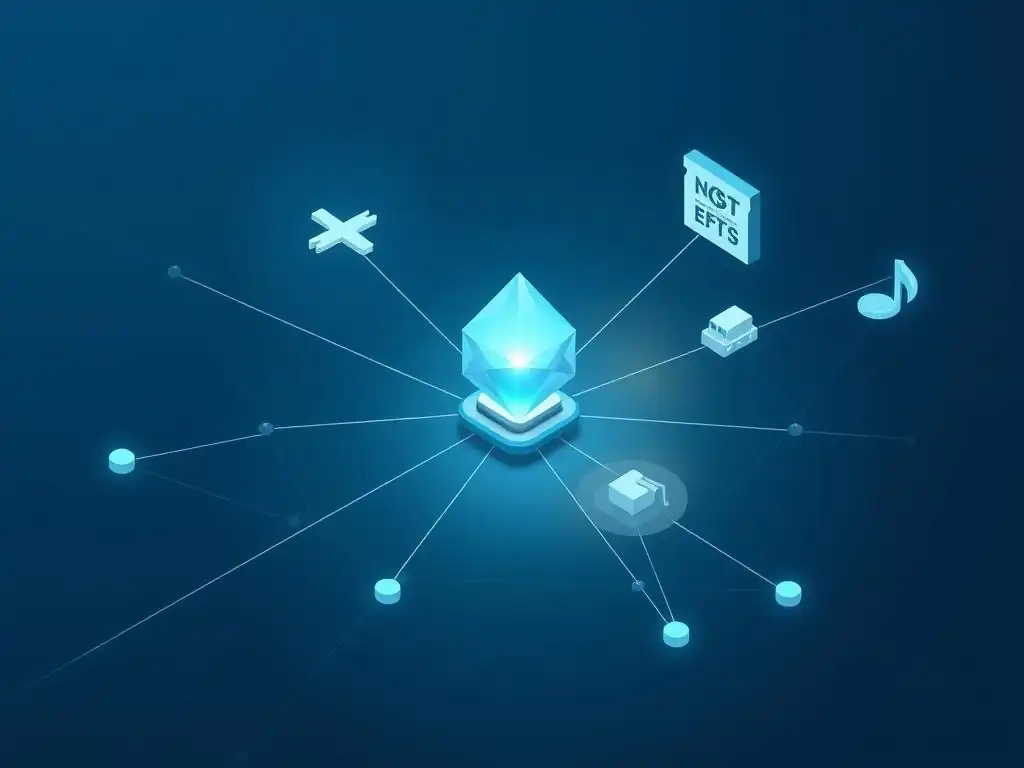
While the initial wave of publicity around NFTs centered heavily on digital art and collectibles, the true potential of NFTs in the Web3 landscape extends far beyond static images and trading cards. NFTs, or non-fungible tokens, represent unique digital assets whose ownership is recorded on a blockchain. This inherent uniqueness and verifiable ownership unlock a vast array of applications across various industries, forming critical building blocks for a decentralized internet and presenting diverse opportunities for those interested in NFTs Web3 investment strategies. Exploring these practical applications is key to understanding the enduring value proposition of NFTs beyond speculative trading.
The utility of NFTs is rapidly evolving, moving from proof of provenance for digital art to representing tangible and intangible assets in the digital realm. This shift highlights the growing maturity of the NFT ecosystem within Web3, signaling its transition from niche speculation to foundational technology. As developers and businesses explore the capabilities of smart contracts and blockchain technology, new use cases for NFTs emerge, promising to reshape how we interact with digital ownership, access, and identity in the decentralized future. Understanding these diverse applications provides a broader perspective on the potential of NFTs for Web3 investment strategies.
NFTs in Gaming: Play-to-Earn and Ownership in Web3 Games
NFTs are revolutionizing the gaming industry by enabling true digital asset ownership and facilitating innovative economic models like play-to-earn (P2E). In traditional gaming, players purchase licenses to play games and acquire in-game items, but they rarely own these assets outright; the ownership typically resides with the game publisher. Web3 games, powered by NFTs, change this paradigm by tokenizing in-game items such as characters, weapons, virtual land, and cosmetics as NFTs. Players can genuinely own these assets, trade them on marketplaces, or even transfer them between compatible games, creating a persistent digital inventory across different virtual worlds.
The play-to-earn model, popularized by games like Axie Infinity, allows players to earn tangible value through gameplay. By participating in battles, completing quests, or breeding digital creatures (Axies, which are NFTs), players can earn cryptocurrency or rare NFT items that can be sold or traded. At its peak in 2021, Axie Infinity reportedly generated billions in revenue and boasted millions of daily active users, demonstrating the significant economic activity possible within NFT-driven Web3 gaming ecosystems.
This model not only provides new revenue streams for players but also aligns their incentives with the success and growth of the game, fostering vibrant, community-driven economies. The growth of this sector is a key area to monitor when considering NFTs Web3 investment strategies focused on utility.
NFTs in the Metaverse: Virtual Land and Digital Assets
The metaverse, envisioned as a persistent, interconnected set of virtual spaces, relies heavily on NFTs to define ownership and identity within its digital boundaries. Virtual land within metaverse platforms like Decentraland and The Sandbox is tokenized as NFTs, allowing users to buy, sell, and develop virtual real estate. These parcels of land serve as canvases for creativity, hosting virtual stores, art galleries, event venues, and interactive experiences. The value of this virtual land is influenced by factors similar to real-world property, including location, traffic, and development potential.
Beyond land, virtually everything within the metaverse, from avatars and clothing to vehicles and furniture, can be represented as NFTs. This enables users to personalize their digital identities and environments with unique, verifiable assets.
High-profile sales of virtual land have reached significant figures, with some prime parcels in platforms like Decentraland and The Sandbox selling for hundreds of thousands or even millions of dollars, highlighting the perceived value and investment potential of these digital assets. The ability to own, build upon, and monetize assets in these emerging digital worlds makes NFTs a foundational technology for the metaverse and a focus for certain NFTs Web3 investment strategies.
NFTs in Supply Chain Management: Authenticity and Traceability on Web3
NFTs offer a powerful tool for enhancing transparency, authenticity, and traceability within supply chains, particularly for high-value goods or items where provenance is critical. By creating a unique NFT for each product or batch of products, companies can establish a verifiable digital twin on the blockchain. This NFT can store information about the item's origin, manufacturing process, transportation history, and ownership changes as it moves through the supply chain.
Consider the luxury goods market, plagued by counterfeiting. An NFT linked to a specific handbag or watch can prove its authenticity and track its journey from the manufacturer to the end consumer. Each transfer of ownership can be recorded on the blockchain via the NFT, creating an immutable history.
This not only builds trust between brands and consumers but also streamlines processes like warranty claims and resales. While widespread adoption is still developing, pilot programs in various sectors, including pharmaceuticals and fine art logistics, are exploring how NFTs can reduce fraud, improve efficiency, and provide consumers with unprecedented insight into the products they purchase. This application of NFTs in Web3 infrastructure offers unique perspectives for investment beyond consumer collectibles.
NFTs in Intellectual Property Rights Management for Web3 Creators
Managing intellectual property (IP) rights, especially in the digital age, is complex. NFTs provide creators with a novel mechanism to assert ownership, manage licensing, and monetize their digital works directly on the blockchain. Whether it's digital art, music, literature, or code, an NFT can serve as a verifiable certificate of authenticity and ownership, distinct from the underlying digital asset itself (which can still be copied).
Creators can issue NFTs representing unique editions of their work, grant specific usage rights through associated smart contracts, or even establish royalty streams that automatically pay the creator a percentage of future sales whenever the NFT is traded on a secondary market. For instance, musicians can tokenize albums or individual tracks, selling limited editions directly to fans and earning royalties on resales.
This empowers creators by disintermediating traditional gatekeepers (like record labels or publishers) and allowing them to connect more directly with their audience and control how their work is distributed and monetized within the Web3 ecosystem. This direct creator-to-fan model, enabled by NFTs, represents a significant shift in the creative economy and is an area of growing interest for NFTs Web3 investment strategies focused on the creator economy.
Frequently Asked Questions
How are NFTs evolving beyond simple digital collectibles in the Web3 landscape?
NFTs are expanding into areas like DeFi integration, access tokens, and digital identities. They're becoming more than just JPEGs, offering utility and functionality within the Web3 ecosystem. This shift is crucial for their long-term value.
What Web3 investment strategies should investors consider when dealing with NFTs?
Consider fractionalized NFTs for high-value assets, explore NFT staking and lending platforms, and research projects with strong community engagement and utility. Diversification is key to mitigating risk in this volatile market.
What role does regulation play in the future of NFTs and Web3 investments?
Regulation is still developing, but it will likely impact NFT trading platforms, custody solutions, and tax implications. Clearer guidelines could foster wider adoption but also increase compliance costs.
How can NFTs be leveraged for enterprise applications beyond art and collectibles?
Enterprises can use NFTs for supply chain tracking, digital rights management, and _verifiable credentials. This provides transparency, security, and efficiency in various business processes.
What are the potential risks and rewards associated with investing in NFTs within the Web3 ecosystem?
Rewards include high potential returns, access to exclusive communities, and ownership of unique digital assets. Risks involve market volatility, security vulnerabilities, and lack of liquidity.
Final Reflection: Beyond the Hype, Building the Future
The journey through the world of NFTs and their role in the Web3 landscape reveals a reality far more profound than fleeting digital trends. The true potential of NFTs lies not just in their collectibility, but in their capacity to revolutionize ownership, community, and investment in the digital age. This understanding is crucial now, as we navigate the evolving landscape and seek sustainable strategies for Web3 investment.
The impact of NFTs extends beyond the financial realm, shaping how we interact with art, music, and even our identities online. Witnessing this evolution firsthand has underscored the importance of responsible innovation and ethical considerations within the Web3 space. The future is already here – it's just not evenly distributed.
- William Gibson. This quote resonates deeply as we strive to democratize access to these transformative technologies and ensure that the benefits of Web3 are shared by all.
As you step forward, consider the insights shared in this exploration of NFTs and Web3 investment strategies. Let us move beyond the hype and focus on building a future where digital ownership empowers creators, fosters vibrant communities, and unlocks new avenues for innovation. Embrace the potential, approach with caution, and actively contribute to shaping a Web3 landscape that is both equitable and sustainable.
Unlock Your Web3 Potential: Dive Deeper into NFTs!
Thank you for exploring the exciting world of NFTs and their role within the Web3 landscape. We hope you’ve gained valuable insights into how these digital assets are transforming ownership and creativity. Now, it's time to put that knowledge into action!
Ready to take the next step? Here are a few ways to engage further:
- Explore an NFT marketplace and discover a creator or project that resonates with your values. Consider acquiring your first NFT!
- Delve into the technical aspects by researching different blockchain networks supporting NFTs and understanding the concept of smart contracts.
- Share this article with a friend or colleague who's curious about Web3 and NFTs – let's spark more conversations!
What innovative NFT use case are you most excited about seeing in the future of Web3? Share your thoughts in the comments below!
Leave a Reply