
Real World Assets (RWAs) on Blockchain: Bridging the Gap Between Physical and Digital

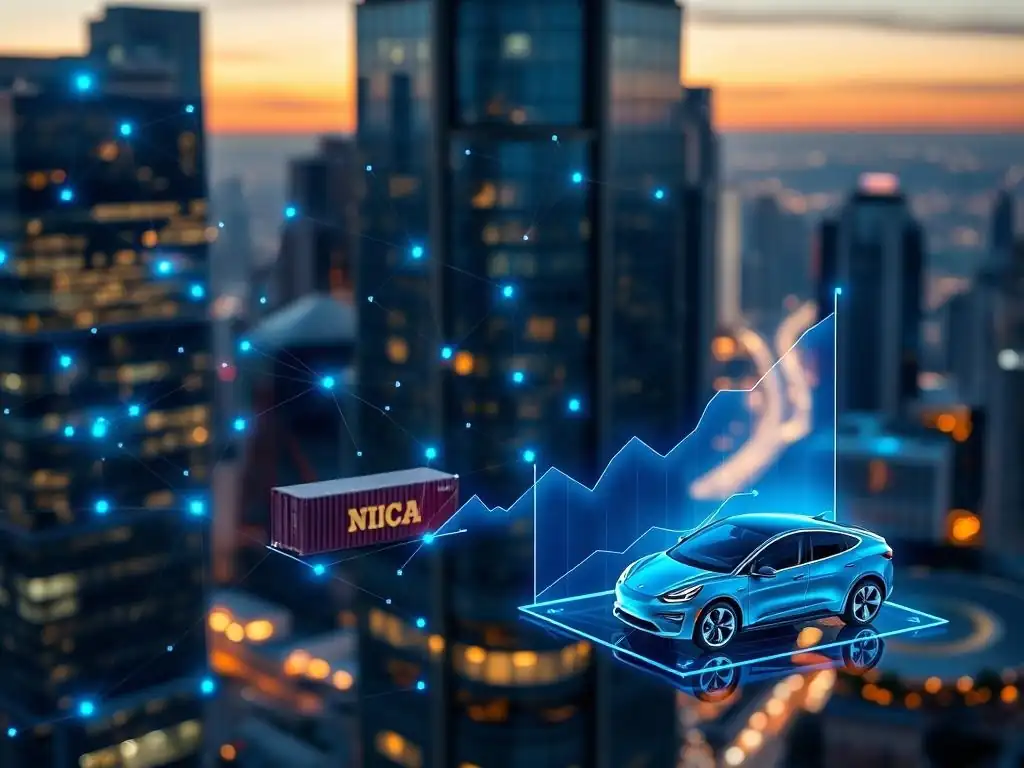
Welcome to Blockchain Trends, your compass in the rapidly evolving world of decentralized technology. Are you ready to unlock the transformative power of blockchain beyond the hype? This month, we delve deep into RWA blockchain investment strategies, exploring how real-world assets are being revolutionized by this innovative technology. Discover how blockchain is bridging the gap between the physical and digital realms, opening up exciting new opportunities. Intrigued? Read on to uncover the future of finance and beyond!
Understanding Real World Assets (RWAs) and Their Traditional Challenges
Real World Assets (RWAs) encompass tangible and intangible assets existing outside the digital realm of native cryptocurrencies. This broad category includes everything from real estate and infrastructure to fine art, commodities like gold, corporate debt, and even intellectual property. Traditionally, investing in or transacting with these assets has been characterized by significant friction. Processes often involve multiple intermediaries, extensive paperwork, high transaction costs, and considerable time delays. For instance, a typical real estate transaction can take weeks or months to complete, involving lawyers, brokers, title companies, and banks, each adding layers of complexity and expense.
Furthermore, many RWAs suffer from inherent illiquidity. Assets like a piece of land or a valuable painting are not easily divisible or transferable, making it difficult for owners to sell portions or for smaller investors to gain exposure. The high minimum investment thresholds often associated with commercial real estate or private equity funds effectively exclude a large portion of the potential investor base. These limitations create significant barriers to entry, restrict market access, and hinder efficient price discovery, ultimately limiting the overall potential and reach of these valuable asset classes in the traditional financial system.
The Promise of Blockchain for RWAs: Enhanced Efficiency and Transparency
Blockchain technology offers a compelling solution to many of the traditional challenges associated with Real World Assets by enabling their representation as digital tokens. This process, known as tokenization, has the potential to streamline ownership transfer, reduce transaction costs, and significantly decrease settlement times. By recording ownership and transaction history on a distributed, immutable ledger, blockchain eliminates the need for many intermediaries, automating processes through smart contracts. This can transform a multi-week property transfer into a transaction settled in hours or minutes, contingent on legal and regulatory frameworks adapting.
Beyond efficiency, blockchain inherently provides enhanced transparency and auditability. Every transaction involving a tokenized RWA is recorded on the public or permissioned ledger, creating a clear, verifiable, and tamper-proof history of ownership and movement. This level of transparency can build greater trust among participants and simplify due diligence processes for investors. The ability to track asset provenance, verify ownership instantly, and ensure the integrity of transaction data represents a fundamental shift from opaque, siloed traditional systems towards a more open and verifiable financial ecosystem.
What is Tokenization? Transforming Physical Assets into Digital Tokens
Tokenization is the process of issuing digital tokens on a blockchain that represent ownership or rights to an underlying Real World Asset. Essentially, it translates the value and attributes of a physical or intangible asset into a digital form that can be easily stored, managed, and transacted on a distributed ledger.
Each token represents a fractional or complete claim on the asset, governed by smart contracts that define the rules for ownership, transfer, dividends, or other associated rights. This digital representation allows assets that were once confined to physical space or traditional registries to become programmable and accessible within a digital environment.
The technical process involves creating a digital token on a chosen blockchain platform (like Ethereum, Polygon, or others) and linking it cryptographically to the specific RWA. This link is established through legal agreements that grant the token holder specific rights to the underlying asset. The token itself contains metadata describing the asset, such as its type, value, and unique identifiers. Smart contracts automate processes like dividend distribution from a tokenized rental property or royalty payments from tokenized intellectual property, ensuring transparency and reducing administrative overhead compared to manual traditional methods.
Benefits of RWA Tokenization: Liquidity, Accessibility, and Fractional Ownership
One of the most significant benefits of RWA tokenization is the dramatic increase in liquidity it can bring to historically illiquid assets. By dividing a high-value asset, like a commercial building worth $50 million, into millions of individual tokens, fractional ownership becomes possible. This allows investors to buy and sell small portions of the asset, much like trading shares in a stock, rather than needing to purchase the entire asset outright. This fractionalization lowers the barrier to entry for smaller investors who previously couldn't afford access to such asset classes.
This enhanced liquidity and accessibility open up new markets and expand the investor base for RWAs. An investor with $500 can potentially own a piece of a prime real estate property or a share in a valuable piece of art, diversifying their portfolio in ways previously impossible. Tokenization facilitates faster and cheaper trading compared to traditional asset markets, potentially leading to more efficient price discovery and potentially more dynamic RWA blockchain investment strategies. Furthermore, the global nature of blockchain allows investors from anywhere in the world to participate, removing geographical restrictions that often limit traditional asset markets.
Examples of Real World Assets Being Tokenized: Real Estate, Fine Art, Corporate Debt
Real estate is a prime example of an RWA undergoing significant tokenization efforts. Projects are tokenizing everything from individual residential properties and commercial buildings to large-scale developments and real estate funds. For instance, platforms have tokenized portions of properties in major cities, allowing investors to buy "tokens" representing equity or debt in those assets. While still nascent, some estimates suggest the tokenized real estate market could reach billions in value in the coming years as legal frameworks mature.
Fine art and collectibles are another area seeing traction. A painting by a renowned artist, previously only accessible to ultra-high-net-worth individuals or institutions, can be tokenized, allowing multiple investors to own fractional shares. This democratizes access to high-value art investment. Corporate debt and invoices are also being tokenized, providing businesses with new avenues for financing and investors with opportunities to earn yield by participating in private credit markets. Platforms like Centrifuge have facilitated the tokenization of assets like invoices and supply chain payments, enabling DeFi protocols to lend against these tokenized assets, demonstrating concrete use cases beyond speculative assets.
Exploring RWA Blockchain Investment Strategies: A Comprehensive Overview
Investing in tokenized Real World Assets presents a diverse range of opportunities, extending traditional asset classes into the digital domain. RWA blockchain investment strategies can mirror traditional approaches, such as direct ownership (buying tokens representing full or fractional ownership of an asset) or debt-based investments (buying tokens representing loans secured by RWAs). However, the blockchain layer introduces new possibilities, including participation in RWA-backed DeFi protocols for yield generation or investing in funds specifically designed to acquire and tokenize RWAs.
One common strategy involves identifying specific tokenized asset classes that align with an investor's risk tolerance and return objectives. This could range from potentially lower-risk investments in tokenized real estate debt to higher-risk, potentially higher-reward investments in early-stage tokenized startups or niche collectibles. Evaluating the underlying asset's fundamentals, the tokenization platform's credibility, and the legal structure linking the token to the RWA are critical components of any sound RWA blockchain investment strategy.
Diversification Through Tokenized Assets: Portfolio Optimization with RWAs
Tokenized Real World Assets offer compelling potential for portfolio diversification. Many traditional RWAs, such as real estate, infrastructure, or certain commodities, have low correlation with volatile crypto assets like Bitcoin or Ethereum. By adding tokenized versions of these assets to a portfolio, investors can potentially reduce overall portfolio risk while maintaining or even enhancing returns. This is particularly attractive for investors seeking exposure to the blockchain space but who are wary of the inherent volatility of native crypto assets.
Consider a portfolio heavily weighted towards cryptocurrencies. Adding tokenized real estate or tokenized corporate debt, which are influenced by different market forces (e.g., interest rates, economic growth, rental yields), can help smooth out portfolio performance. This diversification potential is a key driver for integrating RWAs into broader digital asset allocation strategies. Effective RWA blockchain investment strategies often involve a careful balance between exposure to native crypto assets and the more stable, yield-bearing characteristics of tokenized real-world assets.
Risk Management in RWA Blockchain Investments: Due Diligence and Regulatory Compliance
While promising, investing in tokenized RWAs is not without risks, and effective risk management is paramount for any RWA blockchain investment strategy. Unlike native digital assets, tokenized RWAs involve both the typical risks associated with the underlying asset (e.g., market value fluctuations for real estate, default risk for debt) and the technological and legal risks associated with tokenization. Due diligence must extend beyond analyzing the asset's fundamentals to scrutinizing the tokenization platform's security, the smart contract code, and the legal framework ensuring the token holder's rights to the underlying asset.
Regulatory compliance is another critical factor. The regulatory landscape for tokenized securities and other RWAs is still evolving globally. Investors must be aware of the potential for tokens to be classified as securities in various jurisdictions, which triggers specific legal obligations and risks. Understanding the Know Your Customer (KYC) and Anti-Money Laundering (AML) procedures required by platforms and ensuring the investment complies with local securities laws are essential steps. Prudent RWA blockchain investment strategies involve thorough research into both the asset and the regulatory environment surrounding its tokenized form.
Integrating Real World Assets into Decentralized Finance (DeFi) Protocols
The integration of Real World Assets into Decentralized Finance (DeFi) protocols represents a significant evolution for both sectors. DeFi protocols, traditionally focused on native crypto assets like ETH or stablecoins, can leverage tokenized RWAs as collateral, yield-generating assets, or trading instruments. This integration is crucial for scaling DeFi beyond its current crypto-native user base and connecting it to the vast value locked in traditional financial markets.
Protocols are developing innovative mechanisms to bridge this gap, often involving specialized platforms that originate, underwrite, and tokenize RWA-backed loans or assets, which are then made available to DeFi liquidity pools. This allows DeFi users to earn yield from sources uncorrelated with crypto market volatility, such as interest payments from tokenized invoices or real estate debt. The process typically involves robust legal frameworks and often off-chain servicing to manage the physical or legal aspects of the underlying asset.
Yield Generation Opportunities with RWAs in DeFi: Maple Finance, Goldfinch
Several DeFi protocols are pioneering the use of RWAs for yield generation. Maple Finance, for example, is a decentralized corporate credit market that allows institutional borrowers to access capital from DeFi lenders. It facilitates the tokenization of credit agreements, enabling DAOs and other DeFi participants to provide liquidity and earn yield from interest payments on real-world business loans. As of late 2023, Maple Finance had facilitated over $2.5 billion in loans, demonstrating significant real-world traction.
Goldfinch is another prominent protocol focused on bringing credit to emerging markets by leveraging a decentralized network of underwriters and investors. It allows borrowers (businesses in emerging markets) to access capital without needing crypto collateral, instead relying on the assessment of their real-world creditworthiness. DeFi investors provide liquidity to pools that fund these loans, earning yield from the interest paid by the borrowers. These examples illustrate how RWA integration provides DeFi users access to yields derived from economic activity outside the crypto sphere, offering potential diversification for yield-seeking RWA blockchain investment strategies.
The Role of Stablecoins in RWA-Based DeFi Ecosystems
Stablecoins play a crucial role in facilitating the seamless interaction between Real World Assets and DeFi. As tokens pegged to stable assets like the US dollar, stablecoins act as the primary medium of exchange and unit of account within DeFi protocols. When RWAs are tokenized, their value is often denominated in stablecoins or fiat currency equivalents. This allows for easier valuation, trading, and integration into DeFi lending, borrowing, and trading protocols that primarily operate using stable assets.
Furthermore, stablecoins provide the necessary stability for RWA-backed lending and borrowing. Lenders providing stablecoins to RWA-backed pools expect to receive yield also denominated in a stable unit of account, mitigating exchange rate risk. Borrowers receiving stablecoins can use them for real-world expenses or investments. The widespread adoption and liquidity of major stablecoins like USDC and USDT are fundamental to the growth and functionality of RWA-based DeFi ecosystems, providing a reliable bridge between the volatile world of crypto and the more stable valuation needs of traditional assets.
The regulatory landscape surrounding tokenized Real World Assets is perhaps the most significant hurdle to widespread adoption and a key consideration for RWA blockchain investment strategies. Tokenized assets can blur the lines between traditional securities, commodities, and novel digital assets, leading to uncertainty about which regulations apply and which governmental bodies have jurisdiction. Securities regulators globally are scrutinizing tokenization, particularly when tokens represent equity, debt, or other forms of investment contracts.
Different jurisdictions are taking varied approaches, creating a fragmented global environment. Some countries are developing specific frameworks for digital assets, including tokenized securities, while others are attempting to fit them into existing regulations. This lack of harmonization creates complexity for platforms operating internationally and for investors seeking to understand their legal obligations and protections. Navigating this complex web of regulations requires careful legal analysis and often necessitates platforms to adhere to strict compliance standards to operate legally.
Compliance Considerations for RWA Blockchain Investment Strategies: KYC/AML and Securities Laws
Investors pursuing RWA blockchain investment strategies must be acutely aware of compliance requirements. Platforms facilitating the issuance and trading of tokenized RWAs, particularly those resembling securities, are increasingly implementing Know Your Customer (KYC) and Anti-Money Laundering (AML) procedures. This means investors will likely need to verify their identity, similar to opening an account with a traditional brokerage. Failure to comply can result in restricted access or legal penalties.
Moreover, tokenized RWAs that meet the definition of a security in a given jurisdiction are subject to securities laws. This can involve requirements for registration, disclosure, and trading restrictions typically associated with traditional stocks or bonds. Investors need to understand whether the tokenized asset they are considering is classified as a security and what implications that has for their investment, including potential resale restrictions or investor accreditation requirements. Diligence in understanding the regulatory status of a tokenized asset is as crucial as evaluating the underlying asset itself.
The Future of RWA Regulation: Global Harmonization Efforts and Emerging Frameworks
The future of RWA regulation is likely to involve continued evolution and potentially greater global harmonization. Regulatory bodies are actively studying tokenization and its implications, working towards clearer guidelines. Initiatives by international bodies and cross-border collaborations aim to create more consistent rules for digital assets, including tokenized RWAs, to facilitate cross-border investment and reduce regulatory arbitrage.
Emerging frameworks are expected to provide more clarity on classification, issuance requirements, trading rules, and investor protection for tokenized assets. Some jurisdictions are exploring regulatory sandboxes or specific licenses for digital asset businesses dealing with RWAs. While the path to global consistency is long, the trend is towards recognizing tokenized assets within legal frameworks, which will provide greater certainty for platforms, issuers, and investors pursuing sophisticated RWA blockchain investment strategies, ultimately fostering market growth and stability.
Real Estate Tokenization: Revolutionizing Property Investment
Real estate tokenization is poised to revolutionize how individuals and institutions invest in property. By converting ownership rights of properties into digital tokens on a blockchain, it addresses key limitations of traditional real estate investment, such as high entry costs and illiquidity. Tokenization allows for fractional ownership, meaning an investor can buy tokens representing a small percentage of a multi-million dollar property, democratizing access to potentially lucrative real estate markets that were previously exclusive.
This approach also significantly improves liquidity. Unlike selling a physical property, which can take months, tokenized fractions can theoretically be traded on secondary markets within minutes or hours, subject to platform availability and regulatory compliance.
Platforms like Harbor (though pivoted) and security token platforms have demonstrated the technical feasibility of tokenizing real estate funds or individual properties, allowing investors to trade their stake more easily. While legal and regulatory structures are still adapting, the potential to unlock vast amounts of capital in real estate through tokenization is immense, offering new avenues for RWA blockchain investment strategies focused on tangible assets.
Supply Chain Finance: Improving Efficiency and Transparency with RWAs
Tokenization is also making significant inroads in supply chain finance. Traditionally, businesses, particularly small and medium-sized enterprises (SMEs), face long payment cycles and difficulty accessing affordable financing by leveraging their invoices or purchase orders. Tokenizing these financial instruments as RWAs on a blockchain can provide a more efficient and transparent way for businesses to get paid faster and for investors to finance these operations.
Platforms like Centrifuge enable businesses to tokenize invoices or other future revenue streams into Non-Fungible Tokens (NFTs) or other token standards. These tokens can then be used as collateral within DeFi protocols or sold to investors directly. This allows SMEs to receive financing much quicker than traditional factoring or supply chain finance methods, often at more competitive rates.
Investors, in turn, gain access to yield-bearing assets directly tied to real-world economic activity, adding a new dimension to RWA blockchain investment strategies focused on short-term, self-liquidating assets. The transparency of the blockchain also provides a clear audit trail for the underlying invoices.
Tokenized Commodities: Accessing Precious Metals and Other Raw Materials on Blockchain
Tokenizing commodities like gold, silver, oil, or agricultural products offers investors easier access to these markets and provides new ways to trade and manage commodity exposure. Traditionally, investing in physical commodities can involve storage costs, insurance, and logistical challenges. Investing in commodity futures or ETFs provides exposure but involves counterparty risk and specific market dynamics. Tokenization provides an alternative by creating digital tokens directly backed by physical reserves of the commodity.
Projects like Paxos Gold (PAXG) issue tokens where each token is backed by one fine troy ounce of London Good Delivery gold stored in secure vaults. Token holders have direct ownership rights to the underlying gold and can redeem their tokens for physical gold if they hold a sufficient amount. This model combines the security and tangibility of owning physical gold with the liquidity and ease of transfer of a digital asset on a blockchain. Such tokenized commodities offer a convenient way for investors to include hard assets in their portfolio as part of their RWA blockchain investment strategies.
Art and Collectibles: Creating New Markets for Digital Ownership
The art and collectibles market, known for its exclusivity and lack of transparency, is being transformed by tokenization, particularly through the use of NFTs (Non-Fungible Tokens). While many NFTs are native digital art, the concept extends to tokenizing physical art and collectibles, creating digital representations of unique physical items. This allows for fractional ownership of high-value pieces and opens these markets to a broader base of investors.
Platforms specialize in tokenizing individual artworks or entire collections, enabling multiple individuals to own a percentage of a piece. This not only lowers the entry barrier but also creates potential secondary markets for trading these fractional shares, improving liquidity in a market traditionally characterized by infrequent and often opaque transactions. Tokenization also provides an immutable record of ownership and provenance on the blockchain, adding a layer of transparency and authenticity verification previously difficult to achieve in the physical art world. This creates intriguing possibilities for specialized RWA blockchain investment strategies focused on tangible cultural assets.
Overcoming Barriers to RWA Adoption: Scalability, Security, and Interoperability
Despite the immense potential, several significant barriers must be overcome for widespread RWA adoption on blockchain. Scalability remains a challenge for some blockchain networks, particularly for handling the potentially high volume of transactions required for active trading of tokenized assets. While layer 2 solutions and more performant blockchains are addressing this, ensuring networks can handle the load is crucial. Security is paramount; given the high value of underlying assets, the smart contracts and platforms involved must be rigorously audited and secure against hacks and exploits.
Interoperability is another key hurdle. RWAs are being tokenized on various blockchain networks, and seamless transfer and interaction between these networks are essential for a truly liquid global market. Standards for tokenizing different asset classes are also needed to ensure consistency and ease of integration across platforms and protocols. Addressing these technical challenges is vital for building robust infrastructure capable of supporting diverse RWA blockchain investment strategies at scale.
The Future of RWA Blockchain Investment Strategies: Trends and Predictions
The future of RWA blockchain investment strategies is bright, with several key trends emerging. We can expect to see increasing institutional adoption as regulatory clarity improves and infrastructure matures. Large financial institutions are exploring and piloting tokenization for assets like bonds, equities, and funds, which could bring significant liquidity and legitimacy to the space. The integration of RWAs into regulated DeFi protocols is also likely to deepen, offering more sophisticated financial products and yield opportunities.
Predictions suggest a significant portion of global assets could be tokenized in the coming decade. Major consulting firms have estimated the market for tokenized assets could reach trillions of dollars by 2030. This growth will be driven by continued technological advancements, evolving regulatory frameworks, and increasing investor demand for diversified, accessible, and potentially higher-yielding investment opportunities outside traditional markets. Sophistication in RWA blockchain investment strategies will evolve, moving beyond simple token ownership to complex structured products and derivatives based on tokenized assets.
The Impact of RWAs on the Broader Blockchain Ecosystem
The integration of Real World Assets is profoundly impacting the broader blockchain ecosystem. It is driving innovation in blockchain architecture, smart contract development, and identity management solutions necessary to link digital tokens to real-world legal entities and assets. RWAs are bringing a new class of users and capital into the blockchain space, including traditional investors, financial institutions, and corporations, moving blockchain beyond its crypto-native roots.
This influx of real-world value and participants is also accelerating the development of necessary infrastructure, such as robust security token platforms, compliant issuance mechanisms, and secondary trading venues capable of handling regulated assets. Furthermore, RWAs are pushing the boundaries of DeFi, forcing protocols to become more sophisticated in credit risk assessment, legal enforcement mechanisms, and oracle solutions that provide reliable real-world data to the blockchain. The convergence fueled by RWAs is transforming blockchain from a niche technology into a foundational layer for a more efficient, transparent, and interconnected global financial system.
The Transformative Potential of RWAs: Democratizing Access to Investment Opportunities
The transformative potential of Real World Assets on blockchain lies primarily in their ability to democratize access to investment opportunities previously available only to a select few. By lowering minimum investment amounts through fractionalization and reducing transaction costs and complexities, tokenization allows a much broader range of investors to participate in asset classes like prime real estate, private equity, or fine art. This shift can empower individuals to build more diversified portfolios and potentially grow wealth in ways that were previously inaccessible due to high capital requirements or geographical limitations.
Consider the average investor who could never afford to buy a share of a commercial skyscraper or a piece of valuable infrastructure. Through tokenization, they can now potentially own a small, manageable stake in such assets, gaining exposure to their value appreciation or income streams. This democratization of finance is a core promise of blockchain technology, and RWAs are a critical component in realizing that promise by unlocking value from the traditional world and making it accessible to the digital economy.
The Role of Blockchain Trends in Shaping the RWA Landscape: Staying Ahead of the Curve
Current and future blockchain trends are actively shaping the RWA landscape and influencing the development of RWA blockchain investment strategies. Advancements in scalability solutions (like Layer 2s and new consensus mechanisms) are making networks faster and cheaper, facilitating more frequent trading and smaller transactions of tokenized assets. Developments in interoperability protocols are crucial for creating a more connected ecosystem where tokenized assets can move seamlessly across different blockchains.
Identity and privacy solutions on blockchain are also critical for handling sensitive RWA data while maintaining necessary compliance. Furthermore, the evolution of decentralized governance models within RWA protocols is important for managing the underlying assets and ensuring investor rights are protected. Staying informed about these broader blockchain trends is essential for anyone looking to participate effectively in the tokenized RWA market and develop robust RWA blockchain investment strategies that leverage the latest technological capabilities and navigate the evolving ecosystem.
- Understanding Real World Assets (RWAs) and Their Traditional Challenges
- The Promise of Blockchain for RWAs: Enhanced Efficiency and Transparency
- What is Tokenization? Transforming Physical Assets into Digital Tokens
- Benefits of RWA Tokenization: Liquidity, Accessibility, and Fractional Ownership
- Examples of Real World Assets Being Tokenized: Real Estate, Fine Art, Corporate Debt
- Exploring RWA Blockchain Investment Strategies: A Comprehensive Overview
- Diversification Through Tokenized Assets: Portfolio Optimization with RWAs
- Risk Management in RWA Blockchain Investments: Due Diligence and Regulatory Compliance
- Integrating Real World Assets into Decentralized Finance (DeFi) Protocols
- Yield Generation Opportunities with RWAs in DeFi: Maple Finance, Goldfinch
- The Role of Stablecoins in RWA-Based DeFi Ecosystems
- Navigating the Regulatory Challenges of Tokenized Real World Assets
- Compliance Considerations for RWA Blockchain Investment Strategies: KYC/AML and Securities Laws
- The Future of RWA Regulation: Global Harmonization Efforts and Emerging Frameworks
- Real Estate Tokenization: Revolutionizing Property Investment
- Supply Chain Finance: Improving Efficiency and Transparency with RWAs
- Tokenized Commodities: Accessing Precious Metals and Other Raw Materials on Blockchain
- Art and Collectibles: Creating New Markets for Digital Ownership
- Overcoming Barriers to RWA Adoption: Scalability, Security, and Interoperability
- The Future of RWA Blockchain Investment Strategies: Trends and Predictions
- The Impact of RWAs on the Broader Blockchain Ecosystem
- The Transformative Potential of RWAs: Democratizing Access to Investment Opportunities
- The Role of Blockchain Trends in Shaping the RWA Landscape: Staying Ahead of the Curve
- What are Real World Assets (RWAs) in the context of blockchain?
- How does blockchain technology facilitate RWA blockchain investment strategies?
- What are the potential benefits of investing in RWAs on the blockchain?
- What are some of the key challenges and risks associated with RWA blockchain investment strategies?
- Beyond cryptocurrencies, what other applications of blockchain technology are relevant to RWAs?
Frequently Asked Questions
What are Real World Assets (RWAs) in the context of blockchain?
RWAs are tangible or intangible assets from the physical world that are represented on a blockchain. This includes things like real estate, commodities, and even intellectual property.
How does blockchain technology facilitate RWA blockchain investment strategies?
Blockchain enables fractional ownership and increased liquidity for traditionally illiquid RWAs. It also provides transparency and security through its decentralized and immutable nature.
What are the potential benefits of investing in RWAs on the blockchain?
Investing in RWAs on the blockchain can offer diversification benefits, access to new asset classes, and reduced transaction costs. It can also lead to greater market efficiency.
What are some of the key challenges and risks associated with RWA blockchain investment strategies?
Challenges include regulatory uncertainty, valuation complexities, and the need for robust legal frameworks to govern RWA tokenization. Scalability and security vulnerabilities are also potential concerns.
Beyond cryptocurrencies, what other applications of blockchain technology are relevant to RWAs?
Blockchain can streamline supply chain management, improve data provenance, and create decentralized finance (DeFi) opportunities for RWAs. It also enhances transparency in asset tracking.
Final Reflection: Embracing the Tangible Future of Finance
The journey of understanding Real World Assets (RWAs) on the blockchain culminates in a powerful realization: the future of finance is inextricably linked to the tokenization of tangible assets. What was once a theoretical concept is rapidly becoming a practical reality, offering unprecedented opportunities for investment, accessibility, and transparency in markets previously reserved for a select few. This convergence of the physical and digital realms promises to reshape how we perceive and interact with value.
The impact of RWA blockchain investment strategies extends far beyond mere financial gain. It represents a democratization of investment, empowering individuals to participate in markets previously inaccessible. This shift is not just about technology; it's about reshaping the power dynamics within the financial ecosystem. The future of finance is decentralized, and tokenization is the key to unlocking its full potential.
This quote encapsulates the transformative power of RWAs, highlighting their ability to bridge the gap between traditional finance and the innovative world of blockchain.
As we stand on the cusp of this new era, I invite you to reflect on the implications of RWA blockchain investment strategies. Consider how you can leverage this technology to diversify your portfolio, support innovative projects, and contribute to a more equitable financial landscape. The future is being built now, brick by digital brick. Will you be a part of shaping it?
Unleash the Power of RWAs: Start Building Your Blockchain Future!
Thank you for exploring the exciting potential of Real World Assets on the blockchain. We hope you now have a clearer understanding of how this technology is transforming asset management and opening new opportunities. Are you ready to take the next step?
Here are some ways to deepen your understanding and start leveraging the power of RWAs:
- Begin by researching specific RWA projects. Explore initiatives tokenizing real estate, commodities, or intellectual property. Learning about their models will give you practical insights.
- Consider the regulatory landscape. Familiarize yourself with the legal and compliance requirements related to RWA tokenization in your region. Being informed will help you navigate potential challenges.
- Join the conversation! Engage with other enthusiasts and experts on platforms like Reddit or specialized forums dedicated to RWAs and blockchain technology to share your insights and learn from others.
Which RWA sector interests you the most, and what is one question you still have about bringing physical assets onto the blockchain? Share your thoughts in the comments below!
Leave a Reply