
Web3 and the Creator Economy: Empowering Individuals in the Digital Age

Welcome to Blockchain Trends, your guide to navigating the evolving landscape of blockchain technology.
Intrigued by how blockchain is reshaping industries beyond cryptocurrency? Delve into our analysis of Creator economy blockchain benefits and discover how Web3 is empowering individual creators, fostering innovation, and building a more equitable digital future. Get ready to explore the transformative potential that lies ahead and uncover the opportunities shaping the future of decentralized systems. Read on to learn more!
- Transforming the Creator Economy with Blockchain Benefits
-
Frequently Asked Questions
- What are the main creator economy blockchain benefits as described in the article?
- How does Web3, particularly using blockchain, empower creators more than Web2 platforms?
- Besides ownership, what other financial creator economy blockchain benefits exist?
- How might regulation impact the creator economy blockchain benefits and the adoption of Web3 technologies?
- How does blockchain contribute to building stronger communities around creators and their content in the creator economy?
- Final Reflection: Embracing Decentralized Creativity
- Embrace Your Creative Power: Start Building on Web3 Today!
Transforming the Creator Economy with Blockchain Benefits
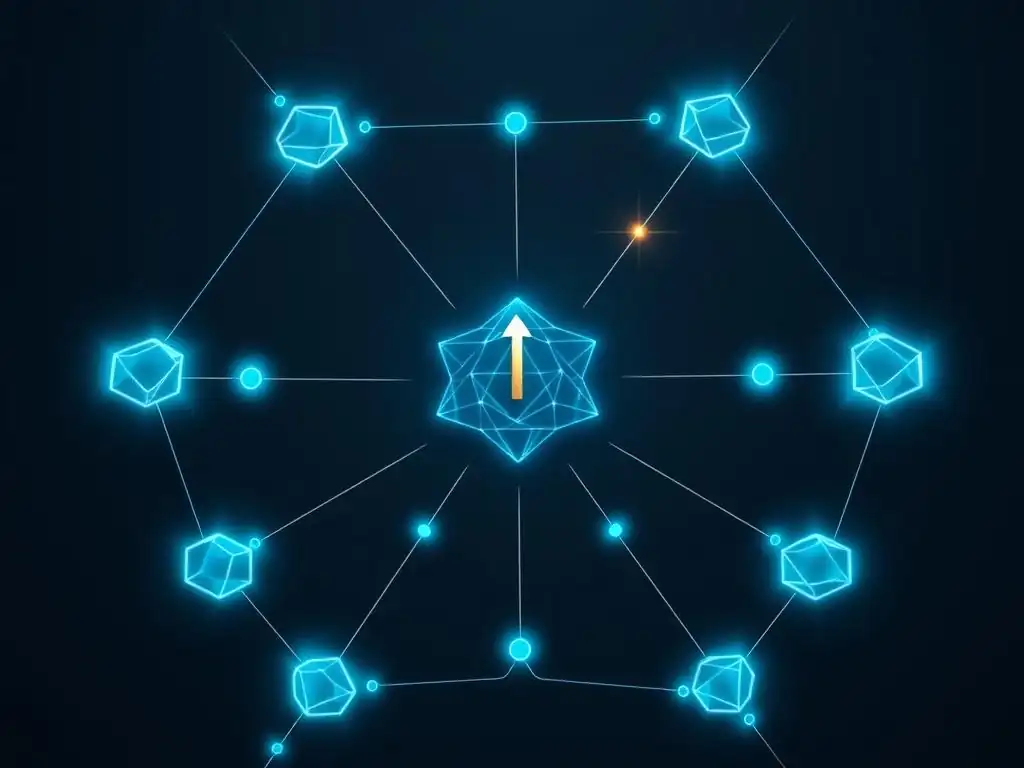
The integration of blockchain technology is poised to fundamentally reshape the creator economy, offering significant advantages over traditional centralized platforms. These creator economy blockchain benefits include enhanced ownership, direct monetization, transparency, and improved community engagement. By leveraging the decentralized nature of blockchain, creators can reclaim control over their digital assets and build more sustainable business models, moving away from dependency on intermediaries.
This shift represents a powerful paradigm change, empowering individual creators to capture more value from their work. Instead of platforms taking a large percentage of earnings or controlling distribution, blockchain enables peer-to-peer interactions and verifiable digital scarcity. The resulting benefits foster an environment where creators are not just contributors but true owners and stakeholders in their digital endeavors.
Enhanced Ownership and Control for Creators
One of the most significant creator economy blockchain benefits is the ability for creators to gain true ownership and control over their digital assets. In Web2, creators often license their work to platforms, which retain significant control over distribution, terms of service, and even the creator's account and data. This can lead to demonetization, content removal without recourse, or platform policy changes that negatively impact a creator's livelihood. Blockchain, particularly through technologies like non-fungible tokens (NFTs), allows creators to mint unique digital representations of their work directly on a decentralized ledger, establishing immutable proof of ownership.
This verifiable ownership is recorded on a public, distributed database, meaning it cannot be easily altered or revoked by a single entity. For instance, an artist selling an NFT of a digital painting retains ownership of the underlying intellectual property rights (unless explicitly transferred), while the buyer owns the specific, unique token linked to that digital file.
This contrasts sharply with simply uploading a file to a social media platform, where the platform often gains broad usage rights. The creator maintains control over the initial sale and can even program royalties into the smart contract, ensuring they receive a percentage of future secondary sales, a mechanism virtually non-existent or difficult to enforce in traditional digital markets.
Direct Monetization and Revenue Streams
Blockchain technology facilitates direct peer-to-peer transactions, significantly impacting how creators earn money. Traditional platforms often act as intermediaries, taking substantial cuts from creators' earnings. For example, some content platforms might take anywhere from 10% to 50% or more of subscription revenue or ad revenue share. E-commerce platforms also charge listing fees and transaction fees. Blockchain-based monetization models, however, allow creators to sell directly to their audience using cryptocurrencies or tokens, drastically reducing or eliminating intermediary fees.
This direct connection enables diverse and innovative revenue streams beyond traditional advertising or subscriptions. Creators can sell NFTs of their digital creations, offer token-gated access to exclusive content or communities, issue social tokens representing shares in their brand or future projects, and receive micro-payments instantly across borders.
A musical artist, for instance, could sell a limited series of NFTs for a new album, offering unique perks with each token, or use a social token to allow fans to invest in their career and gain access to private events. These methods empower creators to capture a larger share of the value they create, fostering a more equitable distribution of wealth within the creator economy.
Transparency and Fair Compensation
Transparency is a core feature of blockchain technology, offering a level of visibility in transactions and ownership that is largely absent in Web2 platforms. Every transaction recorded on a public blockchain is verifiable and timestamped, creating an immutable history. This transparency is a key creator economy blockchain benefit when it comes to fair compensation. Creators can track the sale of their NFTs, see the volume of secondary market activity, and verify that royalty payments are being automatically distributed according to the terms embedded in the smart contract.
Furthermore, smart contracts can automate complex payment structures, ensuring that collaborators, producers, or other rights holders automatically receive their agreed-upon share of revenue from a sale or royalty. This eliminates the need for manual accounting and trust in third-party platforms to distribute funds correctly. In traditional systems, tracking usage and ensuring fair payment for digital content can be notoriously difficult, leading to disputes and underpayment. Blockchain provides a clear, auditable ledger that makes the flow of value transparent, helping to ensure creators are compensated fairly for the use and sale of their work.
Building Stronger Communities Through Blockchain
Blockchain technology offers powerful tools for creators to build and engage with their communities in more meaningful and participatory ways. Tokenization allows creators to issue social tokens or utility tokens that represent membership, loyalty, or even partial ownership in a creator's brand or project. Fans holding these tokens can gain access to exclusive content, private channels (like Discord servers), early access to new releases, or voting rights on future creative decisions. This transforms passive consumption into active participation and investment in the creator's journey.
Non-fungible tokens (NFTs) also play a crucial role in community building, acting as digital collectibles, membership passes, or access tokens. Owning a specific NFT from a creator can grant holders special privileges, fostering a sense of belonging and exclusivity.
Decentralized Autonomous Organizations (DAOs) take community engagement a step further by allowing token holders to collectively govern a project, pool resources, and make decisions democratically. This shifts power from a single creator or entity to the community itself, enabling fans to become stakeholders and contribute directly to the growth and direction of the creator's ecosystem, thereby deepening loyalty and creating a more robust, engaged community around the creator's work.
Frequently Asked Questions
What are the main creator economy blockchain benefits as described in the article?
The article highlights enhanced ownership of content, direct monetization opportunities, and increased transparency in revenue distribution as key benefits.
How does Web3, particularly using blockchain, empower creators more than Web2 platforms?
Web3 empowers creators by giving them control over their data and content, bypassing traditional intermediaries, and enabling direct interaction with their audience through decentralized platforms.
Besides ownership, what other financial creator economy blockchain benefits exist?
Beyond ownership, blockchain offers creators direct access to revenue streams through NFTs and tokenized communities, eliminating platform fees and enabling innovative monetization models.
How might regulation impact the creator economy blockchain benefits and the adoption of Web3 technologies?
Regulation could both hinder and help. Clear guidelines could foster trust and adoption, while overly restrictive laws could stifle innovation and limit the potential growth of decentralized creator platforms.
How does blockchain contribute to building stronger communities around creators and their content in the creator economy?
Blockchain enables creators to build tokenized communities where fans can actively participate, receive rewards, and contribute to the creator's success, fostering a stronger sense of ownership and belonging.
Final Reflection: Embracing Decentralized Creativity
The journey through Web3 and its impact on the creator economy reveals a pivotal shift: power is returning to the individual. No longer beholden to centralized platforms and their often-opaque algorithms, creators are finding new avenues for monetization, ownership, and direct engagement with their audiences, fueled by the transformative potential of blockchain technology. This is more than just a technological upgrade; it's a fundamental restructuring of the digital landscape.
The rise of the creator economy, empowered by Web3, has profoundly influenced our social landscape, fostering a sense of community and ownership that was previously unattainable. Witnessing this evolution, I'm struck by the potential for artists and creators to finally control their destinies, free from the constraints of traditional gatekeepers. The future of work is creative, and the future of creativity is decentralized.
This quote encapsulates the spirit of this movement, highlighting the shift towards a more equitable and empowering digital ecosystem.
As we stand at the cusp of this new era, I invite you to reflect on your own role in the creator economy. Whether you're a creator, a consumer, or simply an observer, consider how you can contribute to a more decentralized, transparent, and empowering future. Embrace the opportunities that Web3 offers, support creators directly, and champion the values of ownership and community. The future of creativity is in our hands – let's build it together.
Embrace Your Creative Power: Start Building on Web3 Today!
Thank you for exploring how Web3 is transforming the creator economy and empowering individuals like you. You've learned about how creators can own their content, connect directly with their audiences, and develop new revenue streams. Now, it's time to take action and become part of this exciting movement.
Here are some ways you can begin making an impact in the Web3 creator space:
- Explore the world of digital collectibles: Create your first limited-edition digital asset or support a favorite creator by purchasing their work. This is a great way to experience the benefits of ownership on the blockchain.
- Join decentralized social platforms: Participate in platforms like Mirror or Lens Protocol to connect with other creators and grow your community on a blockchain-based network.
- Seek micro-grants: Many decentralized autonomous organizations (DAOs) offer small funding opportunities for emerging creators. Research available grants and apply to kickstart your Web3 project.
What small step will you take this week to explore Web3 and unlock your creative potential? Share your plans in the comments below!
Leave a Reply