
Web3 and the Transformation of Real Estate: Tokenization and Fractional Ownership


Welcome to Blockchain Trends, your go-to source for navigating the evolving landscape of decentralized technology. Beyond the buzz of cryptocurrencies, blockchain is quietly revolutionizing industries. Intrigued by how this innovation is reshaping tangible assets? Dive into our latest exploration of Web3 and the Transformation of Real Estate, where we uncover the game-changing blockchain real estate tokenization benefits and explore how fractional ownership is becoming a reality. Discover the potential and the pitfalls – the future is being built, one block at a time. Read on to unlock the possibilities...
-
Blockchain Real Estate Tokenization Benefits: Unlocking New Opportunities
- Enhanced Liquidity in Real Estate Markets Through Tokenization
- Lowering Barriers to Entry: Fractional Ownership and Accessibility
- Increased Transparency and Security in Real Estate Transactions
- Streamlined Processes and Reduced Costs with Blockchain
- Diversification Opportunities for Investors in Tokenized Assets
-
Frequently Asked Questions
- How does blockchain real estate tokenization facilitate fractional ownership?
- What are the key Blockchain real estate tokenization benefits for investors?
- What role does Web3 play in this Blockchain real estate tokenization process?
- What are some potential regulatory challenges associated with Blockchain real estate tokenization?
- Beyond fractional ownership, what other Blockchain real estate tokenization benefits exist for the real estate industry?
- Final Reflection: Embracing the Future of Real Estate through Blockchain
- Unleash the Future of Real Estate Ownership!
Blockchain Real Estate Tokenization Benefits: Unlocking New Opportunities
Blockchain real estate tokenization is poised to fundamentally alter how individuals invest in and interact with property. By converting tangible real estate assets into digital tokens on a blockchain, this innovative approach offers a suite of advantages that address many of the traditional market's long-standing inefficiencies and limitations. These blockchain real estate tokenization benefits extend from enhancing market dynamics like liquidity to democratizing access for a wider range of investors, ultimately creating a more efficient, transparent, and accessible real estate ecosystem.
The transformative potential lies in leveraging the inherent properties of blockchain technology – immutability, transparency, and programmability via smart contracts – to build a new infrastructure for real estate transactions and ownership. Exploring these benefits reveals why tokenization is gaining traction as a powerful tool for unlocking value and creating new opportunities in a market historically characterized by high barriers to entry, slow processes, and limited transparency. Understanding these advantages is crucial for anyone looking to navigate the future of real estate investment.
Enhanced Liquidity in Real Estate Markets Through Tokenization
One of the most significant blockchain real estate tokenization benefits is the potential to dramatically improve liquidity in a notoriously illiquid asset class. Traditional real estate transactions are slow, complex, and costly, often taking months to complete. This lengthy process makes it difficult for investors to quickly buy or sell property interests, tying up capital for extended periods. Tokenization breaks down large, indivisible assets like buildings into smaller, more manageable digital units (tokens), which can be traded much more easily and quickly on digital platforms.
By dividing property ownership into numerous tokens, investors can buy or sell smaller portions of an asset without needing to find a buyer for the entire property. This divisibility, combined with the speed of blockchain transactions (potentially minutes or hours compared to months), significantly reduces the friction associated with trading real estate interests.
While secondary markets for tokenized real estate are still developing, the underlying technology creates the infrastructure for near-instantaneous settlement and transfer of ownership, paving the way for liquidity levels closer to those seen in public equity markets. This enhanced liquidity makes real estate a more attractive and flexible investment option.
Lowering Barriers to Entry: Fractional Ownership and Accessibility
Another key advantage among the blockchain real estate tokenization benefits is the dramatic reduction in the barriers to entry for real estate investment. Traditionally, investing directly in commercial properties or high-value residential real estate requires substantial capital, often hundreds of thousands or even millions of dollars, placing it out of reach for most individuals. Tokenization enables fractional ownership, allowing investors to purchase tokens representing a small percentage of a property's value.
This fractionalization means that someone can invest in a portion of a multi-million dollar building for a minimum investment as low as a few hundred or thousand dollars, depending on the platform and property. This democratizes access to a market previously reserved for wealthy individuals and institutions.
It allows investors with smaller capital pools to participate in potentially lucrative real estate opportunities they couldn't access before, such as investing in a prime Manhattan office building or a luxury hotel, simply by buying a specific number of tokens. Platforms facilitating fractional tokenized ownership are emerging globally, making real estate investment more inclusive than ever before.
Increased Transparency and Security in Real Estate Transactions
Blockchain technology inherently provides enhanced transparency and security, which translates into significant blockchain real estate tokenization benefits. Every transaction involving tokens on a blockchain is recorded on a distributed ledger that is immutable and publicly verifiable (depending on the blockchain type). This creates a clear, tamper-proof history of ownership and transactions for the tokenized asset. Unlike traditional paper-based or centralized digital records, which can be prone to errors or fraud, the blockchain ledger provides a single source of truth that is transparent to all authorized participants.
Furthermore, the cryptographic nature of blockchain ensures the security of transactions and ownership records. Each transaction is secured by complex algorithms, making it extremely difficult for malicious actors to alter records or forge ownership. This increased transparency and security can help reduce instances of title fraud, simplify due diligence processes, and build greater trust among parties involved in real estate transactions. Investors can verify ownership and transaction history directly on the blockchain, adding an extra layer of security and confidence.
Streamlined Processes and Reduced Costs with Blockchain
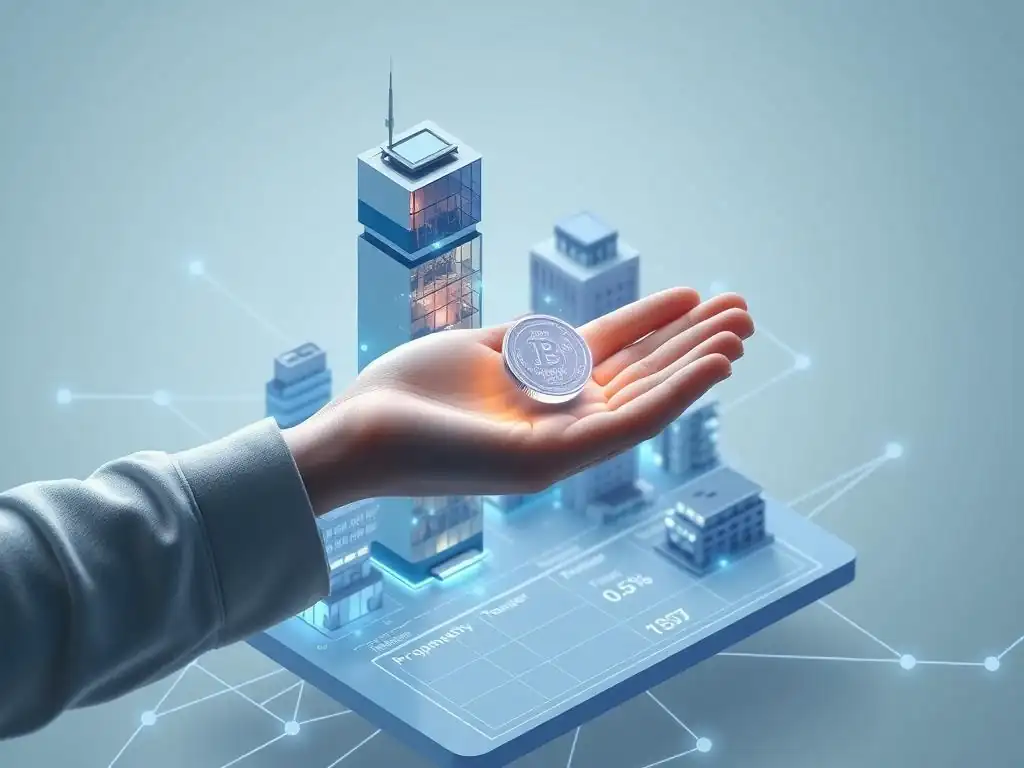
The automation capabilities offered by smart contracts are a major contributor to the blockchain real estate tokenization benefits, particularly in streamlining processes and reducing costs. Traditional real estate transactions involve numerous intermediaries, including agents, lawyers, escrow companies, and title insurers, each adding complexity, time, and fees to the process. Smart contracts are self-executing contracts with the terms of the agreement directly written into code, running on the blockchain.
These smart contracts can automate various steps in the real estate lifecycle, such as distributing rental income to token holders, managing voting rights for property decisions, or even executing the transfer of tokens upon fulfillment of specific conditions (like payment). By automating these functions and potentially reducing the reliance on multiple intermediaries, tokenization can significantly decrease transaction times and lower associated costs, such as legal fees, escrow fees, and commissions.
While the complete elimination of intermediaries is unlikely in the near term due to regulatory and legal complexities, the potential for substantial cost savings and efficiency gains is clear. Estimates suggest that blockchain could potentially reduce transaction costs in real estate by a notable percentage, although specific figures vary widely depending on the jurisdiction and type of property.
Diversification Opportunities for Investors in Tokenized Assets
The increased accessibility and liquidity offered by tokenization unlock significant diversification opportunities, another key advantage among the blockchain real estate tokenization benefits. Previously, achieving meaningful diversification in real estate required substantial capital to invest in multiple properties across different locations or asset classes (residential, commercial, industrial, etc.). The high cost and illiquidity made it challenging for most investors to build a truly diversified real estate portfolio.
With tokenization, investors can easily purchase small fractional interests in a wide variety of properties. An investor with a relatively modest amount of capital can now allocate funds across multiple tokenized properties located in different cities, countries, or even continents, and across various asset types. This ability to spread investment across a broader range of real estate assets reduces concentration risk, meaning the portfolio is less vulnerable to downturns affecting a single property or local market. This enhanced diversification potential allows investors to build more resilient and balanced investment portfolios.
Frequently Asked Questions
How does blockchain real estate tokenization facilitate fractional ownership?
Real estate tokenization divides a property into digital tokens, each representing a fraction of the ownership. This allows multiple investors to own a piece of the property, lowering the entry barrier and promoting increased liquidity.
What are the key Blockchain real estate tokenization benefits for investors?
Blockchain real estate tokenization benefits investors through enhanced liquidity, as tokens can be traded more easily than traditional real estate. It also provides greater accessibility to real estate investments, diversifying portfolios.
What role does Web3 play in this Blockchain real estate tokenization process?
Web3 provides the decentralized infrastructure for tokenizing assets and managing ownership records. Blockchain real estate tokenization utilizes Web3's security and transparency to ensure a trustless and efficient system.
What are some potential regulatory challenges associated with Blockchain real estate tokenization?
Navigating existing real estate and securities laws can be complex. Blockchain real estate tokenization needs to address issues like investor protection and compliance standards to ensure legitimacy and avoid legal issues.
Beyond fractional ownership, what other Blockchain real estate tokenization benefits exist for the real estate industry?
Blockchain real estate tokenization benefits the real estate industry by streamlining processes like property management and title transfer. It also enhances transparency and security, reducing fraud and administrative costs.
Final Reflection: Embracing the Future of Real Estate through Blockchain
The emergence of blockchain technology is reshaping the real estate landscape, making it more accessible and efficient than ever before. As we delve deeper into the benefits of blockchain real estate tokenization, it becomes clear that this transformation is not just a fleeting trend but a pivotal shift in how we perceive ownership and investment in property. The ability to tokenize real estate assets democratizes access, allowing a broader range of investors to participate in a market that has traditionally been exclusive and cumbersome.
The influence of blockchain on real estate is profound, fostering a new culture of transparency and inclusivity. As we witness the rise of fractional ownership, more individuals can now invest in high-value properties that were once out of reach. This shift not only empowers investors but also revitalizes communities by enabling diverse participation in real estate ventures. The future of real estate is not just about property; it's about people and their ability to invest in their dreams.
This quote encapsulates the essence of how blockchain technology is redefining our relationship with real estate, making it a more equitable space for all.
As we stand on the brink of this exciting new era, I invite you to reflect on how you can engage with these changes in your own life. Consider the possibilities that blockchain real estate tokenization offers—whether it’s exploring investment opportunities or advocating for more inclusive practices in the industry. The future is bright, and by embracing these innovations, we can all contribute to a more equitable and transparent real estate market. Let us not just be passive observers but active participants in this transformative journey.
Unleash the Future of Real Estate Ownership!
Thank you for exploring how Web3 is transforming real estate. You've seen how tokenization and fractional ownership can democratize access and create new investment opportunities. Are you ready to take the next step?
Here's how you can get started:
- Learn about Tokenization: Research platforms that facilitate the tokenization of real estate assets. Understand the regulatory environment and available investment options. This knowledge is your gateway to this innovative market.
- Explore Fractional Ownership Platforms: Investigate existing platforms offering fractional ownership of properties. Analyze their offerings, security measures, and potential returns.
- Share and Discuss: Share this article with your network and start a conversation about the future of real estate investment. Let's spread awareness about the transformative potential of Web3.
What type of real estate asset excites you most regarding tokenization and fractional ownership? Share your thoughts in the comments below!
Leave a Reply