
Adoption Barriers to Asset Tokenization: Educating the Market and Building Trust


Welcome to Blockchain Trends, your compass in the rapidly evolving world of decentralized technologies. Are you ready to unlock the true potential of blockchain, venturing beyond the hype and into tangible applications?
Today, we delve deep into a critical aspect of this revolution: the asset tokenization market. While the promise is immense, significant hurdles remain. Join us as we unravel the adoption barriers to asset tokenization, exploring what it takes to educate the market and build the crucial trust needed to usher in a new era of digital finance. Intrigued? The journey begins now...
- Adoption Barriers to Asset Tokenization: Educating the Market and Building Trust
-
Key Barriers to Widespread Asset Tokenization Adoption
- Lack of Regulatory Clarity: A Major Impediment to Tokenization
- Security Concerns and Cybersecurity Risks in Tokenized Assets
- Limited Interoperability Between Tokenization Platforms and Blockchains
- Scalability Challenges in Tokenizing Real-World Assets
- Absence of Industry Standards for Asset Tokenization
- Addressing the Education Gap in the Asset Tokenization Market
- Building Trust in the Tokenized Asset Ecosystem
- Overcoming Regulatory Hurdles for Tokenized Assets
- Case Studies: Success Stories and Lessons Learned in Asset Tokenization
- The Future of Asset Tokenization: Opportunities and Challenges
-
Frequently Asked Questions
- What are the main adoption barriers hindering the asset tokenization market?
- How does a lack of understanding impact the growth of the asset tokenization market?
- What role does regulation play in overcoming asset tokenization market adoption barriers?
- What types of assets are most likely to be tokenized in the near future, despite the adoption barriers?
- How can businesses effectively educate the market about the advantages of asset tokenization to overcome adoption barriers?
- Final Reflection: Bridging the Tokenization Trust Gap
- Unveil the Future: Your Role in Tokenization's Rise!
Adoption Barriers to Asset Tokenization: Educating the Market and Building Trust
What is Asset Tokenization? A Primer
Asset tokenization is the process of issuing a digital representation of a real-world asset, such as real estate, art, commodities, or securities, on a blockchain. This digital representation, or token, can represent full or fractional ownership of the underlying asset. By leveraging distributed ledger technology, tokenization aims to create a more efficient and accessible market for assets that have historically been illiquid or difficult to trade.
The technical foundation often involves creating smart contracts that define the rules and properties of the token, linking it to the legal ownership of the physical or digital asset it represents. Standards like ERC-20 or ERC-721 on Ethereum, or similar standards on other blockchains, are commonly used to ensure compatibility and functionality within the broader digital asset ecosystem. The process typically involves legal structuring to connect the token ownership to the underlying asset's rights, followed by the technical creation and distribution of the tokens.
Benefits of Tokenizing Assets: Unlocking Liquidity and Efficiency
Tokenizing assets offers several compelling advantages over traditional ownership and trading methods. One of the most significant benefits is enhanced liquidity. By converting illiquid assets like real estate or private equity into smaller, tradable digital units, tokenization allows for fractional ownership, making high-value assets accessible to a wider pool of investors and enabling faster, easier trading on secondary markets. This contrasts sharply with the lengthy and cumbersome processes often involved in transferring traditional asset ownership.
Furthermore, asset tokenization can dramatically increase efficiency and reduce costs. Blockchain technology automates many processes traditionally handled by intermediaries, such as brokers, custodians, and clearinghouses. This includes settlement, verification, and record-keeping, which can be executed programmatically via smart contracts. Estimates suggest that tokenization could reduce transaction costs for certain assets, like real estate, by potentially 1-3% of the asset value, saving both time and money for participants.
The Growing Tokenized Asset Market: Current Trends and Future Projections
The market for tokenized assets is experiencing significant growth, driven by increasing awareness of its potential benefits and technological advancements. While still nascent compared to traditional financial markets, the volume and variety of tokenized assets are expanding rapidly. Early applications have focused on real estate, fine art, and private equity, but the scope is broadening to include commodities, intellectual property, and even future revenue streams.
Industry projections vary, but many analysts forecast substantial growth in the coming years. Some reports estimate that the value of tokenized assets could reach tens of trillions of dollars globally within the next decade. For instance, a 2022 report by the Boston Consulting Group projected that asset tokenization could grow into a $16 trillion business by 2030. This growth is expected to be fueled by institutional adoption, regulatory clarity in key jurisdictions, and the development of more robust and scalable tokenization platforms, although overcoming the existing asset tokenization market adoption barriers is crucial.
Key Barriers to Widespread Asset Tokenization Adoption
Lack of Regulatory Clarity: A Major Impediment to Tokenization
One of the most significant asset tokenization market adoption barriers is the prevalent lack of clear and consistent regulatory frameworks across different jurisdictions. The classification of tokens remains ambiguous in many regions – are they securities, commodities, property, or something entirely new? This uncertainty creates significant legal and compliance challenges for issuers, platforms, and investors alike. Without clear rules, businesses are hesitant to fully commit to tokenization initiatives due to the risk of inadvertently violating securities laws or facing unexpected enforcement actions.
This regulatory ambiguity also impacts the ability to establish secondary markets for tokenized assets. Potential investors and trading platforms are wary of participating in markets where the legal status of the traded assets is unclear, potentially limiting liquidity – one of tokenization's key benefits. The absence of harmonized international standards further complicates cross-border transactions and investments, hindering the global potential of tokenized assets and reinforcing the asset tokenization market adoption barriers that exist today.
Security Concerns and Cybersecurity Risks in Tokenized Assets
Despite the inherent security features of blockchain technology, the tokenization ecosystem is not immune to security concerns and cybersecurity risks, posing another critical asset tokenization market adoption barrier. Smart contracts, which govern the behavior of tokens, can contain vulnerabilities if not rigorously audited, potentially leading to loss of funds or unauthorized manipulation of asset rights. Examples of smart contract exploits, while often associated with DeFi protocols, highlight the risks inherent in code-based asset management.
Furthermore, the platforms used for issuing, managing, and trading tokenized assets are potential targets for cyberattacks. Risks include hacking of exchange infrastructure, theft of private keys, and phishing attacks targeting investors. Ensuring the security of the underlying physical asset and its legal connection to the token is also paramount. A robust security posture, encompassing secure platform architecture, regular audits, and best practices for key management, is essential to build confidence and overcome these security-related asset tokenization market adoption barriers.
Limited Interoperability Between Tokenization Platforms and Blockchains
The current landscape of asset tokenization is fragmented, with various platforms and projects built on different blockchain protocols (e.g., Ethereum, Polygon, Solana, private blockchains). This limited interoperability presents a notable asset tokenization market adoption barrier. Tokenized assets issued on one blockchain or platform often cannot be easily transferred or traded on another without complex bridging solutions or intermediaries. This fragmentation hinders the development of a truly global and liquid market for tokenized assets.
Investors and institutions may be reluctant to commit to a specific platform or blockchain if their assets become siloed and difficult to move. Achieving seamless interoperability would allow tokenized assets to flow freely across different networks and trading venues, maximizing liquidity and market efficiency. Efforts are underway to develop cross-chain standards and protocols, but the lack of widespread adoption of such solutions continues to act as a friction point in the asset tokenization market adoption process.
Scalability Challenges in Tokenizing Real-World Assets
While some modern blockchains offer high transaction throughput, scalability remains a potential asset tokenization market adoption barrier, particularly for large-scale tokenization of frequently traded assets or assets requiring complex on-chain logic. Tokenizing assets like high-frequency trading instruments or managing millions of fractional ownership tokens on a single blockchain can strain network capacity, leading to increased transaction fees and slower processing times.
Scaling solutions, such as Layer 2 networks or alternative consensus mechanisms, are being developed and implemented to address these issues. However, the maturity and widespread adoption of these solutions vary. For the asset tokenization market to truly scale to encompass a significant portion of global assets, the underlying blockchain infrastructure must be capable of handling the required transaction volume and data management efficiently and cost-effectively.
Absence of Industry Standards for Asset Tokenization
The lack of universally accepted industry standards for asset tokenization is another significant asset tokenization market adoption barrier. Unlike traditional financial markets, which benefit from decades of established protocols for asset classes, data reporting, and legal documentation, the tokenization space is still developing these norms. This includes standards for token characteristics, metadata linking tokens to underlying assets, legal wrappers, and operational procedures for issuance and transfer.
Without common standards, each tokenization project or platform may implement slightly different approaches, leading to inconsistencies, integration difficulties, and increased complexity for participants. The absence of standards also makes it harder for regulators to understand and oversee the market effectively. Developing and adopting common standards, perhaps through collaborative industry efforts, is crucial for fostering trust, enabling seamless integration, and lowering the threshold for broader asset tokenization market adoption.
Addressing the Education Gap in the Asset Tokenization Market
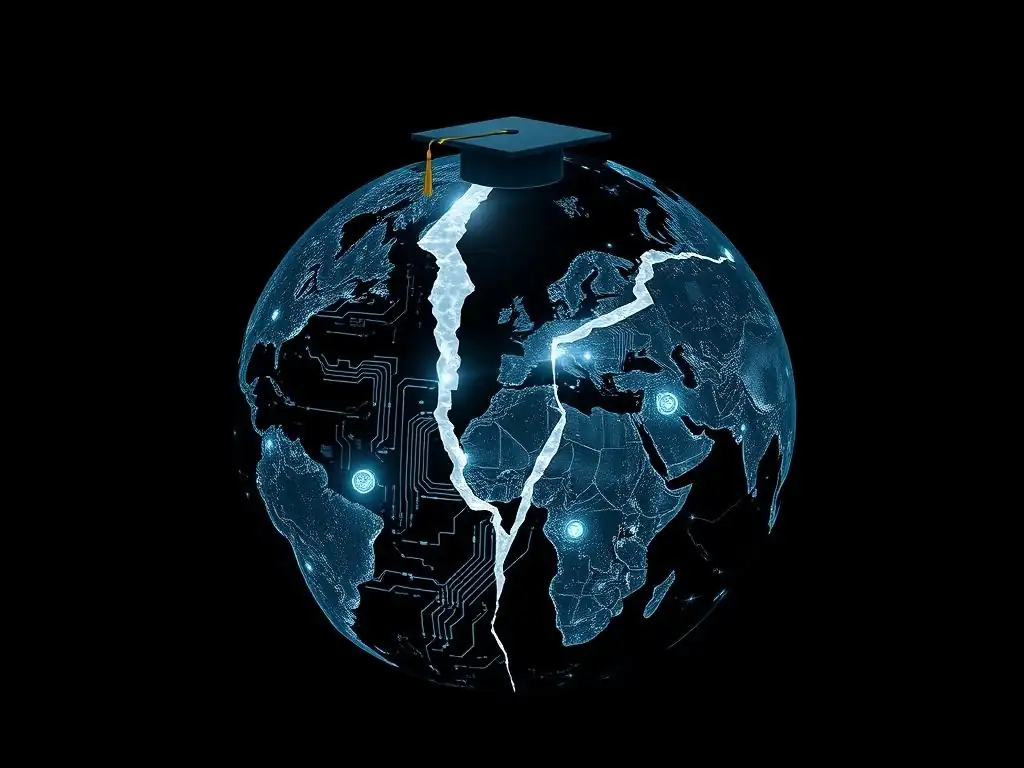
The Need for Enhanced Education and Awareness Campaigns
A significant asset tokenization market adoption barrier is the pervasive knowledge gap among potential participants. Many individuals and institutions remain unfamiliar with what asset tokenization entails, its underlying technology (blockchain), and its potential benefits and risks. Misconceptions, often linked to the volatility and speculative nature of cryptocurrencies, can overshadow the value proposition of stable, asset-backed tokens. This lack of understanding breeds skepticism and hesitation, slowing down adoption.
Effective education and awareness campaigns are vital to bridge this gap. These initiatives need to clearly articulate the mechanics of tokenization, the legal and technical safeguards involved, and how tokenized assets differ from speculative digital currencies. By demystifying the technology and processes, education can build confidence, clarify expectations, and empower potential investors, businesses, and regulators to make informed decisions about engaging with the tokenized asset market.
Target Audiences for Tokenization Education: Investors, Businesses, Regulators, Legal Professionals
Education efforts must be tailored to specific target audiences, as each group has unique needs and concerns regarding asset tokenization.
- Investors, both retail and institutional, need to understand the risks and opportunities, the nature of fractional ownership, and how to securely manage tokenized assets.
- Businesses (asset owners) require education on the process of tokenizing their assets, the costs and benefits, legal considerations, and platform options. They need to see clear pathways for execution and potential returns.
- Regulators and policymakers need comprehensive, unbiased information about the technology, its potential impact on financial stability and market integrity, and how it fits within existing legal frameworks to develop appropriate oversight.
- Legal professionals need to understand the complex interplay between traditional property law, securities law, and blockchain technology to advise clients effectively on structuring and participating in tokenization deals.
Effective Educational Strategies: Webinars, White Papers, Academic Research
A multi-faceted approach using various educational strategies is most effective in reaching diverse audiences and overcoming asset tokenization market adoption barriers related to knowledge.
- Webinars and Workshops: Interactive sessions can provide practical demonstrations and allow for direct Q&A, addressing specific concerns in real-time.
- White Papers and Reports: Detailed documents outlining the technical, legal, and economic aspects of tokenization can serve as authoritative resources for in-depth understanding.
- Academic Research and Publications: Rigorous research from academic institutions lends credibility and explores the long-term implications and potential of tokenized assets.
- Industry Conferences and Panels: Bringing together experts and practitioners facilitates knowledge sharing and highlights successful use cases.
- Clear and Accessible Online Content: Websites, blogs, and explainer videos can make complex topics understandable to a broader audience.
- Develop tailored educational content for each target audience.
- Collaborate with industry associations to disseminate information.
- Support independent research on the benefits and risks of tokenization.
Building Confidence Through Transparent Tokenization Processes
Transparency in the tokenization process is fundamental to building confidence and mitigating asset tokenization market adoption barriers. Potential participants need to understand exactly how an asset is tokenized, how the token is linked to the underlying asset's legal ownership, and how the process ensures compliance with relevant regulations. This includes clear documentation of the asset's provenance, valuation methodologies, and the legal structure underpinning the token offering.
Platforms and issuers should provide clear information about the smart contracts used, ideally making them available for public audit. Details about the issuance process, custody arrangements (if any), and mechanisms for exercising ownership rights or receiving income (like dividends or rent) should be readily accessible. A transparent process helps potential investors and regulators verify the legitimacy and structure of tokenized assets, fostering the trust necessary for market growth.
Building Trust in the Tokenized Asset Ecosystem
Importance of Audits and Verification in Tokenized Assets
Establishing trust in the tokenized asset market is paramount for overcoming asset tokenization market adoption barriers. A critical component of this is the rigorous auditing and verification of both the technical infrastructure and the underlying assets. Smart contracts governing tokenized assets must undergo thorough security audits by reputable third parties to identify and rectify vulnerabilities that could be exploited. These audits provide assurance that the code functions as intended and that the asset rights represented by the tokens are secure.
Equally important is the verification of the underlying real-world asset. This involves legal due diligence to confirm ownership, clear title, and any encumbrances. For assets like real estate or art, professional appraisals are necessary to establish value. Independent third-party verification adds a layer of credibility, ensuring that the tokens are genuinely backed by the claimed asset and that the information provided to investors is accurate. This dual layer of technical and asset verification is crucial for building investor confidence.
Implementing Robust Compliance Frameworks for Tokenized Securities
When tokenized assets represent securities, adherence to existing financial regulations is non-negotiable and vital for fostering trust. Implementing robust compliance frameworks tailored to the digital asset space is essential. This includes Know Your Customer (KYC) and Anti-Money Laundering (AML) procedures for participants, ensuring that investors are properly identified and screened. For tokenized securities offered to the public, compliance with securities registration requirements or applicable exemptions is mandatory.
Platforms and issuers must establish mechanisms for managing investor eligibility, particularly for offerings restricted to accredited investors. Ongoing compliance monitoring, including tracking token transfers to ensure they comply with any legal restrictions (e.g., lock-up periods, transfer restrictions based on investor status), is also necessary. Demonstrating a commitment to regulatory compliance signals legitimacy and significantly reduces the perceived risk for institutional investors and regulators, helping to dismantle asset tokenization market adoption barriers.
Leveraging Decentralized Governance to Enhance Trust and Transparency
While not applicable to all tokenization models, leveraging decentralized governance mechanisms can enhance trust and transparency in certain tokenized asset ecosystems, particularly those involving collective ownership or community management. Decentralized Autonomous Organizations (DAOs) or similar structures can allow token holders to participate in decisions related to the underlying asset or the platform itself. This could include voting on maintenance for a tokenized property, approving expenditures, or electing representatives to manage the asset.
Decentralized governance reduces reliance on a single centralized entity, distributing control and decision-making power. This can increase transparency by making decision processes public and auditable on the blockchain. While implementing effective decentralized governance has its own complexities, it offers a model for asset management that aligns with the decentralized ethos of blockchain and can foster a greater sense of ownership and trust among token holders.
Promoting Best Practices for Asset Tokenization Security
Beyond smart contract audits and platform security, promoting and adhering to industry best practices for asset tokenization security is fundamental to building trust and overcoming asset tokenization market adoption barriers. This includes secure coding standards for smart contracts, rigorous testing regimes, and formal verification where possible. It also encompasses operational security practices, such as multi-signature wallets for managing significant asset reserves or platform funds, and secure procedures for linking off-chain asset data to on-chain tokens.
Educating token holders on best practices for managing their private keys and being aware of phishing attempts is also crucial, as the end-user is often a point of vulnerability. Collaboration among industry participants to share threat intelligence and develop common security guidelines can elevate the security posture of the entire ecosystem. A collective commitment to security excellence instills confidence and protects the integrity of tokenized assets.
Overcoming Regulatory Hurdles for Tokenized Assets
Working with Regulators to Develop Clear and Supportive Frameworks
Overcoming the regulatory uncertainty that acts as a major asset tokenization market adoption barrier requires proactive engagement with regulators and policymakers. Industry participants, including issuers, platforms, and legal experts, must work collaboratively with government bodies to help them understand the technology and its unique characteristics. This involves providing clear explanations of how tokenization functions, the types of assets being tokenized, and the potential benefits for market efficiency and capital formation.
Dialogue should focus on developing frameworks that protect investors and maintain market integrity without stifling innovation. This might involve advocating for tailored regulations that recognize the distinct nature of tokenized assets compared to traditional securities or other asset classes. Constructive engagement can help shape future regulations, ensuring they are both effective and supportive of the responsible growth of the tokenized asset market.
Advocating for Legal Clarity on Tokenized Securities and Digital Assets
A key objective in overcoming regulatory hurdles is to advocate for clear legal definitions and classifications for tokenized assets. Ambiguity surrounding whether a token represents a security, a utility, or another asset type creates compliance challenges. Industry groups and individual companies should advocate for legislative and regulatory clarity that provides certainty for issuers and investors. This could involve proposing specific legal tests or definitions that are applicable to the unique characteristics of digital assets.
Advocacy efforts should highlight successful tokenization use cases and demonstrate how the technology can operate within a regulated environment. By showcasing compliant projects and explaining the mechanisms used to ensure investor protection and market integrity, the industry can build a stronger case for supportive legal frameworks, thereby reducing asset tokenization market adoption barriers stemming from legal uncertainty.
Demonstrating Compliance with Existing Securities Laws
While advocating for new or tailored regulations, it is equally important for participants in the tokenized asset market to demonstrate that tokenization can function compliantly within existing securities and financial laws. Many tokenization projects, particularly those involving assets that clearly fall under the definition of a security (e.g., fractional ownership in a revenue-generating property or a share in a company), are structured to comply with existing regulations, such as Regulation D or Regulation S in the U.S., or equivalent rules in other jurisdictions.
By successfully conducting tokenized security offerings that adhere to existing legal requirements for investor verification, disclosure, and transfer restrictions, companies can build a track record of compliance. This demonstrates to regulators and the broader market that tokenization is a viable technology that can be implemented responsibly and legally, helping to build trust and pave the way for broader asset tokenization market adoption.
Case Studies: Success Stories and Lessons Learned in Asset Tokenization
Case Study 1: Tokenization of Real Estate in Aspen, Colorado
One notable early example of real estate tokenization involved a partial ownership stake in the St. Regis Aspen Resort in Colorado. In 2018, a portion of the equity in the entity that owns the resort, valued at approximately $18 million, was tokenized on the Ethereum blockchain. This allowed investors to purchase fractional ownership interests represented by security tokens. The offering aimed to provide greater liquidity and access to an asset class traditionally difficult for smaller investors to enter directly.
The case demonstrated the technical feasibility of tokenizing real estate equity and highlighted the potential for broader investor participation. However, it also underscored the challenges related to regulatory compliance (as it involved security tokens), platform limitations, and the need for robust legal structures to connect the tokens to the underlying property rights. While not achieving massive scale immediately, it served as an important proof-of-concept for real estate asset tokenization market adoption.
Case Study 2: Tokenization of a Warhol Painting
The world of fine art has also seen successful tokenization initiatives. In 2018, a tokenized offering was conducted for Andy Warhol's painting '14 Small Electric Chairs'. The painting, valued at over $5 million, was tokenized into fractional shares, allowing investors to own a portion of the artwork. This initiative aimed to democratize access to high-value art, traditionally reserved for wealthy collectors, and potentially create a more liquid market for art investment.
This case study illustrated the application of tokenization to unique, high-value tangible assets. It highlighted the importance of professional art valuation, secure storage of the physical asset, and legal frameworks ensuring token holders' rights correspond to ownership of the artwork. While art tokenization faces challenges related to valuation subjectivity and market acceptance, this example showed the potential to unlock value and broaden participation in the art market, addressing specific asset tokenization market adoption barriers within this niche.
Case Study 3: Tokenization of Voluntary Carbon Offsets
A more recent and rapidly growing application of asset tokenization is in the realm of voluntary carbon offsets. Projects are tokenizing verified carbon credits on various blockchains, aiming to bring greater transparency, liquidity, and efficiency to the carbon market. By representing carbon credits as digital tokens, it becomes easier to track their provenance, prevent double-counting, and facilitate trading among individuals and corporations seeking to offset their emissions.
Tokenizing carbon offsets addresses specific market inefficiencies, such as fragmentation and lack of transparency. Initiatives like Toucan Protocol and KlimaDAO have tokenized millions of tonnes of carbon, creating pools of tokenized carbon credits on public blockchains. This case study demonstrates how tokenization can improve the integrity and accessibility of environmental assets, showcasing a successful path around some traditional asset tokenization market adoption barriers by focusing on a market segment ripe for disruption.
Analyzing Success Factors and Identifying Potential Pitfalls
Analyzing these case studies reveals common success factors and potential pitfalls in asset tokenization. Success often hinges on:
- Clear legal structuring that definitively links the token to the underlying asset.
- Robust technical implementation on a reliable blockchain.
- Effective marketing and investor education.
- Compliance with relevant regulations, even if challenging.
Potential pitfalls include:
- Regulatory uncertainty leading to project delays or cancellations.
- Lack of liquidity on secondary markets post-issuance.
- Technical risks, such as smart contract bugs.
- Challenges in managing the physical asset underlying the tokens.
- Difficulty in achieving widespread market acceptance and overcoming asset tokenization market adoption barriers related to trust and understanding.
Lessons learned emphasize the need for a holistic approach addressing legal, technical, and market-facing challenges concurrently.
The Future of Asset Tokenization: Opportunities and Challenges
Emerging Technologies and their Impact on Asset Tokenization
The future of asset tokenization will be shaped significantly by emerging technologies within the blockchain and broader tech landscape. Advancements in scalability solutions, such as optimistic and zero-knowledge rollups on Layer 2 networks, promise to reduce transaction costs and increase throughput, making high-volume tokenization more feasible. Improved interoperability protocols and cross-chain bridges are working to connect disparate blockchain networks, potentially dissolving the silos that currently limit liquidity and acting as asset tokenization market adoption barriers.
Furthermore, innovations in identity management and privacy-preserving technologies, such as Zero-Knowledge Proofs, could enable compliant tokenization of sensitive assets while protecting investor privacy. Technologies like Decentralized Identifiers (DIDs) could streamline KYC/AML processes in a privacy-preserving manner. These technological advancements hold the potential to make tokenization more efficient, secure, and compliant, broadening the scope of assets that can be realistically tokenized.
The Role of DeFi in the Growth of Tokenized Assets
Decentralized Finance (DeFi) is poised to play a significant role in the growth and adoption of tokenized assets. By bringing real-world assets onto the blockchain in a tokenized form, they can potentially be integrated into DeFi protocols. This could unlock vast amounts of value by allowing tokenized asset holders to use their tokens as collateral for decentralized loans, participate in liquidity pools, or engage in other DeFi activities without needing traditional financial intermediaries.
The integration of tokenized assets into DeFi could provide a powerful liquidity mechanism, addressing one of the key asset tokenization market adoption barriers. As DeFi protocols mature and gain wider acceptance, they offer a natural ecosystem for tokenized assets to be actively traded, financed, and utilized, creating new investment opportunities and increasing the overall appeal of tokenization. However, this integration also requires careful consideration of risks, including smart contract risk and the stability of asset valuations within volatile DeFi markets.
Predictions for the Future of the Asset Tokenization Market
Predictions for the future of the asset tokenization market are overwhelmingly positive, anticipating substantial growth and diversification. As regulatory clarity improves in major economies and institutional players become more comfortable with the technology, the pace of adoption is expected to accelerate. Experts predict that the market will expand beyond early use cases like real estate and art to encompass a much wider array of asset classes, including private equity, debt, intellectual property, and infrastructure.
The market size is projected to grow exponentially. While exact figures vary, some reports suggest the total value of tokenized assets could reach several trillion dollars within the next five to ten years. This growth will likely be driven by increasing institutional participation seeking enhanced liquidity and efficiency, as well as retail investors gaining easier access to previously inaccessible investment opportunities. Overcoming the standing asset tokenization market adoption barriers is key to realizing these ambitious predictions.
Navigating the future of asset tokenization requires a strategic approach that acknowledges both the opportunities and the challenges, particularly the persistent asset tokenization market adoption barriers. The opportunities for increased liquidity, efficiency, fractional ownership, and global access are immense, promising to reshape capital markets and investment landscapes. However, realizing this potential necessitates actively addressing the hurdles related to regulation, security, interoperability, scalability, and education.
Success will depend on continued collaboration between technologists, legal professionals, regulators, and market participants. Building robust, compliant, and user-friendly platforms, advocating for clear and supportive legal frameworks, and investing in comprehensive education are critical steps. As the ecosystem matures and these challenges are systematically addressed, the asset tokenization market is poised to unlock significant value and become a fundamental component of the future global financial system.
Frequently Asked Questions
What are the main adoption barriers hindering the asset tokenization market?
One key barrier is the lack of market education on the benefits of asset tokenization. Another significant hurdle is the need to build trust and confidence in the underlying technology and its regulatory framework.
How does a lack of understanding impact the growth of the asset tokenization market?
Insufficient understanding leads to hesitation from potential investors and businesses. This lack of knowledge also makes it difficult to assess the risks and rewards associated with tokenized assets.
What role does regulation play in overcoming asset tokenization market adoption barriers?
Clear and supportive regulations are crucial for fostering trust and legitimacy. They provide a framework that clarifies legal rights and responsibilities, encouraging wider adoption.
What types of assets are most likely to be tokenized in the near future, despite the adoption barriers?
Real estate and private equity are prime candidates due to their illiquidity and potential for fractional ownership. Tokenization can unlock greater access and efficiency in these markets.
How can businesses effectively educate the market about the advantages of asset tokenization to overcome adoption barriers?
Businesses can educate by offering clear and accessible resources explaining the benefits. They can also demonstrate real-world use cases and build partnerships with trusted institutions.
Final Reflection: Bridging the Tokenization Trust Gap
The exploration of asset tokenization market adoption barriers reveals a critical juncture in the evolution of finance. While the potential for increased liquidity, accessibility, and efficiency is undeniable, the path forward hinges on addressing the fundamental challenges of education and trust. The current landscape demands a proactive approach to demystifying the technology and fostering confidence among potential participants.
The impact of asset tokenization extends far beyond the financial realm, promising to democratize access to investment opportunities and reshape traditional ownership models. Witnessing this transformation unfold is both exciting and humbling, reminding us of the power of innovation to redefine established norms. Trust is the glue of life. It's the most essential ingredient in effective communication. It's the foundational principle that holds all relationships.
- Stephen Covey. This quote underscores the vital role trust plays in overcoming the barriers to adoption.
As we stand on the cusp of a tokenized future, let us commit to fostering a culture of transparency, education, and collaboration. Consider how you can contribute to building a more inclusive and accessible financial ecosystem, one token at a time. The future of finance is not just about technology; it's about building trust and empowering individuals.
Unveil the Future: Your Role in Tokenization's Rise!
Thank you for exploring the challenges and opportunities within asset tokenization. We hope you gained valuable insights into building trust and fostering education in this growing field. Now, it's time to turn knowledge into action!
Are you ready to be part of the tokenization revolution? Here are some ways you can contribute:
- Research and Identify: Focus on an industry where tokenization could have a significant impact and explore how it might transform that sector.
- Share Your Insights: Start a discussion within your professional network by sharing this article and your key takeaways on LinkedIn or Twitter using a dedicated hashtag.
- Join the Conversation: Participate in online forums or groups dedicated to blockchain technology and asset tokenization to learn from industry experts and connect with peers.
What is one small step you can take this week to deepen your understanding or promote the adoption of asset tokenization?
Leave a Reply