
Art on the Blockchain: How Tokenization is Reshaping the Art Market

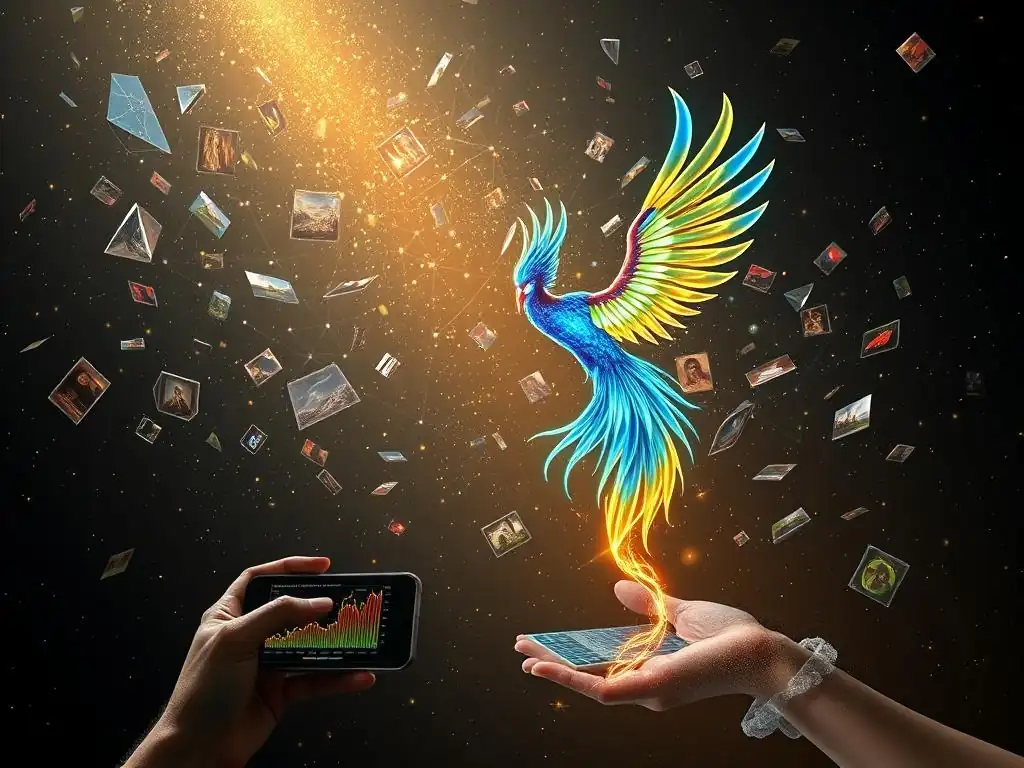
Welcome to Blockchain Trends, your guide to understanding the revolutionary impact of blockchain beyond the hype. Discover how this technology is reshaping industries and creating new possibilities. Intrigued by the blurring lines between art and technology? Dive into our analysis of the NFT art market trends and explore how tokenization is transforming the world of art ownership and investment. This is just the beginning – unlock the potential of decentralized systems and discover the future of art on the blockchain.
- Art on the Blockchain: Reshaping the Art Market with Tokenization
- The Rise of Digital Art: Exploring New Market Trends
- Tokenization and the Art World: A New Paradigm
- Digital Art Market Trends: Opportunities and Challenges
- Investing in Digital Art: A Guide
- The Impact of Tokenization on Traditional Art Galleries and Auction Houses
- The Future of Art and Blockchain: Beyond NFTs
- Addressing Concerns and Challenges in the Digital Art Market
- Conclusion: The Enduring Impact of Tokenization on the Art World and Digital Art Market Trends
-
Frequently Asked Questions
- What are the key NFT art market trends highlighted in the article?
- How is blockchain technology specifically used in the NFT art market?
- What are the potential benefits of NFT art for artists?
- What challenges or risks are associated with the NFT art market?
- How might regulation impact the future of the NFT art market?
- Final Reflection: The Enduring Canvas of Digital Ownership
- Unveil Your Inner Art Collector!
Art on the Blockchain: Reshaping the Art Market with Tokenization
The intersection of blockchain technology and the creative realm has sparked a revolution, fundamentally altering how art is created, owned, and traded. Tokenization, particularly through Non-Fungible Tokens (NFTs), has emerged as a powerful mechanism transforming the traditional art market landscape. This shift is not merely technological; it represents a paradigm change in value perception, accessibility, and the very definition of art ownership in the digital age. As we delve into the complexities of this evolving space, understanding the underlying principles of blockchain and tokenization becomes crucial for navigating the burgeoning NFT art market trends.
This transformation is impacting artists, collectors, galleries, and investors alike. Suddenly, digital creations, which were once infinitely replicable and difficult to authenticate, can possess unique digital identities and verifiable scarcity. This newfound ability to assign provable ownership to digital files has opened up entirely new avenues for artistic expression and commercialization, driving significant innovation and investment within the digital art market trends.
The Rise of Digital Art: Exploring New Market Trends
The digital art market has witnessed unprecedented growth and attention in recent years, fueled by technological advancements and changing consumer behaviors. What was once a niche area has rapidly expanded into a significant segment of the broader art world, capturing the interest of mainstream media, investors, and the public. This surge is intrinsically linked to the capabilities enabled by blockchain technology and the development of NFTs, which provide a framework for digital scarcity and ownership.
Examining the current NFT art market trends reveals a dynamic environment characterized by rapid evolution. While early focus was often on profile picture collections and speculative assets, the market is maturing to include diverse forms of digital art, generative works, and multimedia experiences. Understanding the forces driving this expansion is key to appreciating the long-term potential and challenges within this innovative space.
Understanding Digital Art and its Growing Popularity
Digital art encompasses a wide range of artistic practices that utilize digital technology as an essential part of the creative process or presentation. This includes computer-generated imagery, digital painting, interactive installations, video art, and more. Historically, the challenge for digital artists was the inherent reproducibility of their work; a digital file could be copied infinitely without loss of quality, making concepts of originality and scarcity difficult to establish in the traditional sense.
The integration of blockchain technology, specifically through NFTs, has provided a solution to this fundamental challenge. An NFT acts as a unique digital certificate of ownership for a specific digital asset, including digital art. This allows artists to create verifiable scarcity for their digital works, akin to how limited edition prints or unique physical paintings are valued in the traditional market. This technological innovation has significantly contributed to the growing popularity and commercial viability of digital art, directly influencing NFT art market trends by creating a mechanism for value exchange.
Key Drivers of the Digital Art Market Surge
Several factors have converged to propel the digital art market into the spotlight. One primary driver is the increasing digital fluency of the global population and the growing acceptance of digital assets as having real value. Younger generations, in particular, are often more comfortable with digital ownership and see digital art as a natural extension of their online lives and identities. The rise of virtual worlds and metaverses also creates new contexts and demand for digital art that can exist and be displayed in these environments.
Another significant driver is the accessibility that digital platforms and NFT marketplaces provide. Artists no longer need to rely solely on traditional galleries or auction houses to showcase and sell their work. They can connect directly with a global audience of collectors, retaining a larger share of the sale price and often embedding royalties into smart contracts for future resales.
This direct-to-collector model, facilitated by blockchain, has democratized access for both creators and buyers, significantly shaping current NFT art market trends. Furthermore, the media attention surrounding high-profile NFT sales, such as Beeple's "Everydays: The First 5000 Days" selling for over $69 million in 2021, generated massive public awareness and attracted significant investment into the space.
Tokenization and the Art World: A New Paradigm
Tokenization represents a revolutionary shift in how assets, including art, can be owned, managed, and traded. By converting rights to an asset into a digital token on a blockchain, tokenization unlocks new possibilities for liquidity, accessibility, and transparency. In the context of art, this means transforming traditional, often illiquid, assets into digital tokens that can be easily transferred and verified on a decentralized ledger. This process is fundamentally redefining the relationship between artists, collectors, and the artwork itself, creating a new paradigm for the art market.
This new paradigm is not limited to purely digital creations. Tokenization can also be applied to physical artworks, representing ownership or fractional ownership of tangible pieces. This hybrid approach bridges the gap between the physical and digital art worlds, offering innovative solutions for provenance tracking, investment, and global accessibility. Understanding how tokenization functions is crucial for comprehending the underlying mechanics driving the current NFT art market trends and their long-term implications.
How Tokenization Works in the Art Market
Tokenization in the art market typically involves creating a digital representation of an artwork on a blockchain, often in the form of an NFT. For digital art, this process, known as "minting," involves embedding unique metadata (such as the artist's name, title, creation date, and a link to the digital file) into a smart contract on a blockchain like Ethereum, Flow, or Tezos.
This smart contract then generates a unique token that is linked to that specific piece of art. The NFT serves as a verifiable certificate of authenticity and ownership on the blockchain ledger, which is immutable and transparent.
For physical art, tokenization can take a few forms. One common method involves creating an NFT or a set of fungible tokens that represent ownership or fractional ownership of the physical piece. This usually requires a legal framework linking the digital token to the physical asset, often involving secure storage and insurance of the artwork.
The token then allows for the digital transfer of ownership rights, potentially enabling fractional ownership where multiple individuals can own a percentage of a single artwork. This process requires careful consideration of legal and logistical aspects to ensure the token accurately reflects the underlying asset, adding complexity but also significant potential to the NFT art market trends by expanding what can be traded digitally.
Benefits of Tokenizing Art Assets
Tokenizing art assets offers a multitude of benefits that address long-standing challenges in the traditional art market. These advantages contribute significantly to the evolving NFT art market trends, making art more accessible, liquid, and transparent for a wider range of participants.
Increased Liquidity for Art Investments
Traditional art is often considered an illiquid asset; selling a physical artwork can be a lengthy and complex process involving galleries, auction houses, and private sales, often taking months or even years. Tokenization, especially through NFTs and fractional ownership tokens, can dramatically increase liquidity. Digital tokens representing ownership can be traded instantly on online marketplaces, similar to stocks or other digital assets. This ease of transfer makes art more appealing as an investment class, allowing owners to buy and sell fractions or whole pieces much more quickly and efficiently, thereby enhancing the dynamism of NFT art market trends.
Democratization of Art Ownership
Historically, investing in high-value art has been limited to wealthy individuals and institutions due to the high cost of individual pieces. Tokenization enables fractional ownership, where a single artwork can be divided into many tokens, each representing a small percentage of ownership. This allows individuals to invest in expensive artworks for a fraction of the cost, lowering the barrier to entry for art investment and collecting. This democratization broadens the pool of potential collectors and investors, fostering a more inclusive art market and influencing the demographics participating in NFT art market trends.
Enhanced Transparency and Provenance Tracking
Blockchain technology provides a transparent and immutable ledger of all transactions related to an NFT or tokenized artwork. Every transfer of ownership, from the artist's initial minting to subsequent sales, is recorded on the blockchain, creating a clear and verifiable history of provenance.
This significantly reduces the risk of fraud, counterfeiting, and disputed ownership, which are persistent issues in the traditional art market. The ability to easily track the origin and transaction history of an artwork builds trust and provides collectors with greater assurance regarding the authenticity and legitimacy of their acquisition, a crucial factor in the growth and stability of the NFT art market trends.
Digital Art Market Trends: Opportunities and Challenges
Analyzing the current digital art market trends reveals a landscape filled with both exciting opportunities and significant challenges. The rapid pace of innovation, coupled with speculative interest, has created a volatile yet potentially lucrative environment for artists, collectors, and investors. Understanding the dynamics at play is essential for navigating this nascent but impactful market.
The market has seen periods of explosive growth followed by corrections, illustrating its sensitivity to broader cryptocurrency market movements and shifts in public sentiment. Despite this volatility, the underlying technology and the potential for new forms of artistic creation and interaction continue to drive interest and development, shaping the long-term trajectory of NFT art market trends.
Current Digital Art Market Analysis and Future Projections
The digital art market, largely synonymous with the NFT art market, experienced exponential growth in 2020 and 2021, with total sales reaching billions of dollars. While the market saw a significant downturn in 2022 and 2023 from its peak highs, it has shown signs of stabilization and continued innovation. Major sales, though less frequent than during the peak, still occur, and established artists and institutions are increasingly exploring the space. Market analysis indicates a shift from pure speculation towards more emphasis on artistic value, utility, and community building around art projects.
Future projections for the digital art market suggest continued evolution. While the hyper-speculative phase may have passed, the fundamental utility of tokenization for provenance, ownership, and royalties remains compelling. Experts anticipate growth in curated platforms, institutional adoption, and the integration of digital art into broader cultural and digital experiences, such as the metaverse. The market is expected to mature, with greater regulatory clarity and more robust infrastructure, leading to more sustainable growth and refining future NFT art market trends.
Emerging Trends in Generative Art and AI-Created Art
Generative art, where algorithms or autonomous systems create artworks, has found a natural home within the NFT space. Artists write code that generates unique visual outputs, which are then minted as NFTs. This allows for the creation of large collections of programmatically generated, yet individually unique, pieces, such as the popular CryptoPunks and Art Blocks series. These projects often combine artistic vision with technological execution, pushing the boundaries of what art can be and how it is created.
More recently, AI-created art, generated using artificial intelligence models like DALL-E or Midjourney, is also entering the NFT market. Artists use AI tools to generate images based on text prompts or other inputs, and then curate, refine, and mint these outputs as NFTs. This raises fascinating questions about authorship, creativity, and the role of the artist in the age of AI. Both generative and AI art represent significant emerging trends within the NFT art market trends, challenging traditional notions of creativity and offering new avenues for artistic exploration and collection.
The Role of Blockchain in Verifying Art Authenticity
One of the most significant contributions of blockchain technology to the art world is its capacity to verify authenticity and track provenance. In the traditional market, verifying the authenticity of an artwork can be a complex process involving experts, documentation, and sometimes forensic analysis, and even then, disputes can arise. Counterfeiting is a persistent and costly problem.
With blockchain, the authenticity of an NFT is verifiable on the distributed ledger. The unique token linked to the artwork's metadata and origin is recorded immutably. Any subsequent transactions are also logged, creating a transparent and tamper-proof history from the moment of creation (minting). This inherent transparency and security provided by blockchain significantly reduces the risk of fraud and counterfeiting for tokenized art, offering a level of verifiable authenticity that is often more robust than traditional methods, a key factor influencing positive NFT art market trends related to trust.
Investing in Digital Art: A Guide
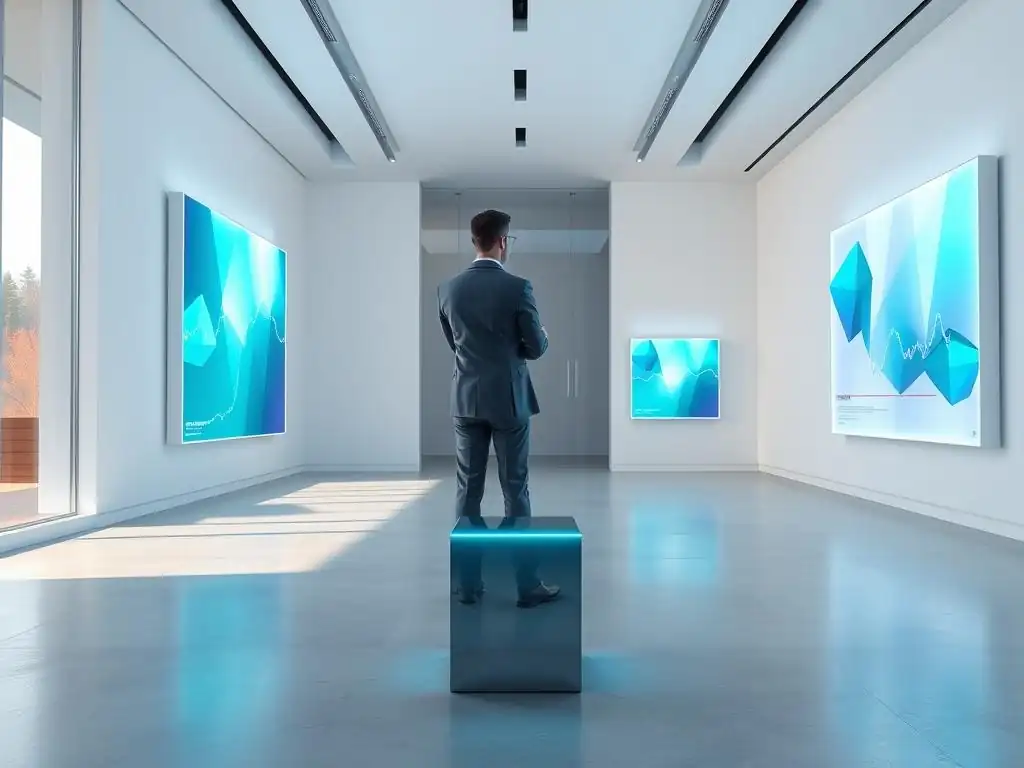
Investing in digital art, particularly NFTs, has become a notable, albeit complex, area within the broader art and blockchain investment landscape. Like any investment class, it presents unique opportunities alongside significant risks. Potential investors need to approach the digital art market with a clear understanding of its characteristics, volatility, and the specific factors that drive value in this new medium.
Navigating the NFT art market trends requires diligence, research, and a willingness to learn about blockchain technology, specific platforms, and the artists creating the work. It's not simply about buying digital images; it's about engaging with a new ecosystem with its own set of rules, communities, and value determinants.
Assessing Risk in the Digital Art Market
Investing in digital art carries inherent risks, including market volatility, illiquidity (despite the potential for increased liquidity compared to physical art, some NFTs may be difficult to resell), and the risk of investing in projects that do not retain value. The value of digital art can be highly speculative and influenced by factors like artist reputation, project hype, community strength, and overall market sentiment, which can change rapidly. Unlike traditional assets, the concept of intrinsic value can be less clear for some digital art pieces.
Furthermore, technological risks exist, such as smart contract vulnerabilities, platform security issues, and the long-term accessibility of the digital file the NFT points to (as the artwork itself is often stored off-chain). Investors must also be aware of potential regulatory changes and the risk of fraud or scams within the space. Diversification and investing only what one can afford to lose are crucial principles when engaging with the often-volatile NFT art market trends.
Choosing the Right Digital Art Platforms
The landscape of digital art platforms and NFT marketplaces is diverse, each offering different features, focusing on different blockchains, and catering to various types of art and collectors. Major platforms like OpenSea, Rarible, SuperRare, and Nifty Gateway have played significant roles in the market's development. Some platforms are curated, focusing on high-end or established artists, while others are open marketplaces allowing anyone to mint and sell NFTs.
When choosing a platform, investors should consider factors such as the blockchain used (transaction fees, environmental impact), the security measures in place, the types of art featured, the ease of use, the community around the platform, and the fees charged for buying and selling. Researching the platform's reputation, history, and the quality of the art it hosts is essential for making informed investment decisions aligning with specific NFT art market trends or investment goals.
Understanding Smart Contracts and Royalties in Digital Art
Smart contracts are the self-executing code agreements that underpin NFTs on the blockchain. They define the rules of the token, including ownership, transferability, and crucially for artists, the potential for embedded royalties. A significant innovation brought by NFTs is the ability for artists to automatically receive a percentage of the sale price every time their artwork is resold on a secondary market that respects the royalty structure embedded in the smart contract.
This feature offers artists a potential stream of passive income from their work long after the initial sale, a stark contrast to the traditional market where artists typically do not benefit from resales unless negotiated specifically. Investors need to understand that while royalties are often embedded, their enforcement depends on the platform where the resale occurs. Different platforms may have varying support for enforcing royalty percentages specified in the smart contract, impacting the artist's ability to collect them across all secondary market activity within the broader NFT art market trends.
The Impact of Tokenization on Traditional Art Galleries and Auction Houses
The advent of tokenization and the rise of the digital art market have presented both challenges and opportunities for traditional art galleries and auction houses. For centuries, these institutions have served as gatekeepers, authenticators, and primary marketplaces for art. The decentralized nature of the NFT market, allowing artists to sell directly to collectors, represents a significant disruption to their established business models and influence.
However, rather than being entirely supplanted, many traditional players are exploring ways to integrate tokenization into their operations. They bring centuries of expertise in curation, authentication, marketing, and client relationships, which can be valuable in the evolving digital landscape. Their adaptation strategies are key to understanding the long-term integration of digital art within the broader art ecosystem and its influence on overall NFT art market trends.
How Tokenization is Disrupting Traditional Art Market Models
Tokenization disrupts traditional models by decentralizing the marketplace and challenging the gatekeeper role of galleries and auction houses. Artists can mint and sell their work directly on global online platforms, bypassing the need for gallery representation or consignment to an auction. This direct-to-collector model can reduce costs for artists and potentially offer collectors more direct access to creators.
Furthermore, the transparency of blockchain challenges the often-opaque pricing and provenance tracking in the traditional market. While high-end sales at major auction houses still attract significant attention, the volume of transactions occurring on NFT marketplaces represents a parallel, rapidly growing ecosystem. This forces traditional institutions to reconsider their value proposition and explore new ways to engage with artists and collectors in the digital realm, influencing how they interact with and potentially shape NFT art market trends.
Adapting to the Digital Art Revolution: Strategies for Established Players
Established art galleries and auction houses are adopting various strategies to navigate the digital art revolution. Some are launching their own NFT platforms or partnering with existing ones. For instance, major auction houses like Christie's and Sotheby's have successfully held auctions for high-profile NFTs, generating significant sales and attracting new, digitally-savvy collectors. They leverage their brand reputation and marketing expertise to bring legitimacy and attention to the NFT space.
Galleries are experimenting with exhibiting digital art in physical spaces, creating hybrid experiences. They are also working with artists to produce and market NFT collections, offering curation and authentication services in the digital domain. By embracing tokenization and the digital art market, traditional players can expand their reach, tap into new revenue streams, and remain relevant in an increasingly digital art world, contributing their expertise to the development of stable NFT art market trends.
The Future of Art and Blockchain: Beyond NFTs
While NFTs have been the most visible application of blockchain in the art world thus far, the potential of this technology extends far beyond simple digital collectibles. Blockchain's core properties – decentralization, transparency, immutability, and the ability to execute smart contracts – offer a foundation for innovative applications that could further transform the creation, ownership, management, and appreciation of art in the future.
Exploring these possibilities reveals a future where blockchain technology is deeply integrated into the art ecosystem, enabling new forms of ownership, curation, and community engagement. These advancements are poised to build upon the foundation laid by current NFT art market trends and expand the scope of what is possible in the art world.
Exploring Fractional Ownership of Physical Art via Tokenization
One promising application is the widespread adoption of fractional ownership for high-value physical artworks through tokenization. Instead of selling an entire painting for millions to a single buyer, ownership can be divided into thousands or millions of tokens, each representing a small percentage. These tokens can then be sold to multiple investors, similar to shares in a company.
This model makes investing in blue-chip art accessible to a much broader audience, potentially unlocking significant liquidity for owners of expensive physical pieces. Platforms are emerging that facilitate this process, handling the legal structure, physical storage, and insurance of the artwork while allowing digital tokens to be traded on a secondary market. This could fundamentally alter the art investment landscape, creating new dynamics beyond current NFT art market trends focused primarily on digital-native works.
The Potential of Blockchain for Art Curation and Management
Blockchain can also enhance the processes of art curation and collection management. By creating a secure, decentralized database of artworks, their provenance, conservation history, and exhibition records can be immutably stored and easily accessed. This provides a level of transparency and reliability that traditional paper-based or centralized digital records often lack.
Smart contracts could potentially automate aspects of collection management, such as tracking loan agreements for exhibitions or managing rights and royalties. For curators, blockchain could offer new ways to organize and present digital exhibitions, ensuring the integrity and authenticity of the displayed works. This application moves beyond just sales and ownership, leveraging blockchain for the operational aspects of the art world.
DAOs and Community-Driven Art Initiatives
Decentralized Autonomous Organizations (DAOs) offer a novel structure for community-driven art initiatives. A DAO is governed by rules encoded as smart contracts, and decisions are made collectively by token holders. In the art world, DAOs are being formed to collectively acquire and manage significant art collections, both physical and digital.
Members of an art DAO can pool funds to purchase high-value pieces that would be inaccessible to individual collectors. Token holders can then vote on how the collection is managed, whether to buy new pieces, sell existing ones, or lend works for exhibitions. This model fosters a sense of community ownership and shared participation in collecting and appreciating art, representing an exciting frontier in how art is governed and shared, building upon the community aspect often seen in NFT art market trends.
Addressing Concerns and Challenges in the Digital Art Market
Despite the transformative potential, the digital art market, particularly concerning NFTs, faces significant concerns and challenges that need to be addressed for its sustainable growth and wider acceptance. These issues range from technological impacts to legal and ethical considerations, requiring careful attention from creators, platforms, collectors, and regulators.
Navigating these challenges is crucial for the long-term health of the market and for ensuring that the benefits of tokenization are realized responsibly. Addressing these concerns is an ongoing process that will shape the evolution of NFT art market trends and the integration of blockchain into the broader art world.
One of the most prominent concerns surrounding NFTs, particularly those minted on proof-of-work blockchains like Ethereum (prior to its transition to proof-of-stake), has been their environmental impact due to the high energy consumption of mining. While newer blockchains and Ethereum's shift to proof-of-stake significantly reduce this energy footprint, the legacy impact and the energy use of other chains remain a point of concern for environmentally conscious artists and collectors.
The industry is actively working towards more sustainable solutions, including the increased use of proof-of-stake blockchains, layer 2 scaling solutions, and carbon offsetting initiatives by platforms. Artists and collectors are also becoming more aware and are increasingly opting for eco-friendly chains and practices. Addressing the environmental footprint is vital for the mainstream acceptance and ethical standing of the digital art market within the broader discussion of NFT art market trends.
Combating Art Fraud and Copyright Infringement in the Digital Space
While blockchain enhances provenance tracking for tokenized art, it doesn't automatically prevent fraud or copyright infringement in the broader digital art space. Anyone can theoretically mint an NFT of digital art they don't own or have the rights to, essentially tokenizing a copy. This creates a challenge for marketplaces to verify the legitimacy of the art being tokenized and sold.
Platforms are implementing measures like verification processes for artists and projects, content moderation, and reporting mechanisms to combat this. However, the decentralized nature of some platforms makes enforcement difficult. Legal frameworks around digital ownership and copyright in the context of NFTs are still evolving, and artists need to be vigilant about protecting their work and using reputable platforms. Combating fraudulent activity is an ongoing challenge that impacts trust and perceived value within NFT art market trends.
Regulatory Considerations for Digital Art and Cryptocurrency
The regulatory landscape for digital art and NFTs is still developing globally. Questions surrounding their classification – are they commodities, securities, or something else? – have significant implications for taxation, consumer protection, and market oversight. Different jurisdictions are approaching this issue in varied ways, creating uncertainty for creators, platforms, and investors operating internationally.
Regulatory clarity is needed regarding issues such as anti-money laundering (AML) and know-your-customer (KYC) requirements for platforms, investor protection, and the legal rights associated with owning an NFT (which often represents ownership of the token itself, not necessarily the underlying copyright or intellectual property). As the market matures, increased regulatory attention is expected, which will likely bring both challenges and greater stability to NFT art market trends.
Conclusion: The Enduring Impact of Tokenization on the Art World and Digital Art Market Trends
Tokenization, powered by blockchain technology, has undeniably ushered in a transformative era for the art world. From enabling verifiable ownership and scarcity for digital creations via NFTs to offering new models for fractional ownership and provenance tracking for physical art, the impact is profound and far-reaching. While the market has experienced volatility and faces significant challenges, the fundamental capabilities that blockchain provides – enhanced liquidity, democratization of ownership, and increased transparency – offer compelling solutions to long-standing issues in the traditional art market.
The future of art is increasingly intertwined with decentralized technologies. As the digital art market trends continue to evolve, we can expect further innovation in how art is created, collected, managed, and experienced. Addressing environmental concerns, strengthening protections against fraud, and developing clear regulatory frameworks will be crucial for ensuring the sustainable growth and widespread adoption of tokenized art. Ultimately, tokenization is not just a fleeting trend but a foundational technology reshaping the art world, opening up new possibilities for artists, collectors, and the appreciation of creativity in the digital age.
Frequently Asked Questions
What are the key NFT art market trends highlighted in the article?
The article discusses how tokenization is reshaping the art market, with trends including fractional ownership, increased accessibility for artists and collectors, and the blurring lines between digital and physical art.
How is blockchain technology specifically used in the NFT art market?
Blockchain provides a secure and transparent ledger for verifying authenticity and ownership of digital art. It enables the creation of unique digital assets (NFTs) that represent artwork, ensuring scarcity and provenance.
What are the potential benefits of NFT art for artists?
NFTs allow artists to bypass traditional gatekeepers and directly connect with collectors. They also provide opportunities for recurring revenue through royalties on secondary sales, empowering artists financially.
What challenges or risks are associated with the NFT art market?
The volatility of cryptocurrency and the environmental impact of certain blockchain technologies are concerns. Issues of intellectual property and the potential for fraud also pose challenges.
How might regulation impact the future of the NFT art market?
Increased regulation could provide greater consumer protection and legitimacy to the NFT art market. However, overly restrictive regulations could stifle innovation and growth within the decentralized space.
Final Reflection: The Enduring Canvas of Digital Ownership
The exploration of NFT art market trends reveals more than just a shift in buying and selling; it signifies a fundamental reimagining of art ownership and accessibility. The blockchain, once a technological enigma, is now a vibrant gallery, democratizing access for artists and collectors alike. This transformation is not merely a fleeting trend, but a foundational shift in how we perceive and interact with art in the digital age.
The rise of tokenized art has profoundly influenced the cultural landscape, blurring the lines between the physical and digital realms. Witnessing this evolution firsthand has underscored the power of technology to empower artists and connect them directly with their audience. The purpose of art is washing the dust of daily life off our souls.
- Pablo Picasso. This quote resonates deeply as NFTs offer a new way to cleanse the traditional art market of its opacity, fostering transparency and direct engagement.
As we stand at the cusp of this digital renaissance, let us embrace the potential of NFTs to further democratize art and empower creators. Consider how you can engage with this evolving landscape, whether as an artist, a collector, or simply an appreciator of art. Explore the possibilities, support the creators, and contribute to shaping a future where art is truly accessible to all.
Unveil Your Inner Art Collector!
Thanks for diving deep into the fascinating world of art on the blockchain! We hope you now have a clearer picture of how tokenization is transforming the art market and empowering both artists and collectors. Ready to take the next step?
Here's how you can further explore this exciting trend:
- Start small: Research and invest in a fractionalized NFT of a digital artwork that resonates with you.: This is a great way to dip your toes into the art-backed NFT space without breaking the bank.
- Share this article with an artist friend! Help them understand the potential benefits of tokenizing their work.
- Join the Blockchain Trends community forums on blockchaintrends.org to discuss your favorite art NFTs and connect with other art enthusiasts!
What piece of art would you love to own as an NFT, and why? Share your thoughts in the comments below!
Leave a Reply