
Art Tokenization and Legal Rights: Navigating Copyright and Ownership

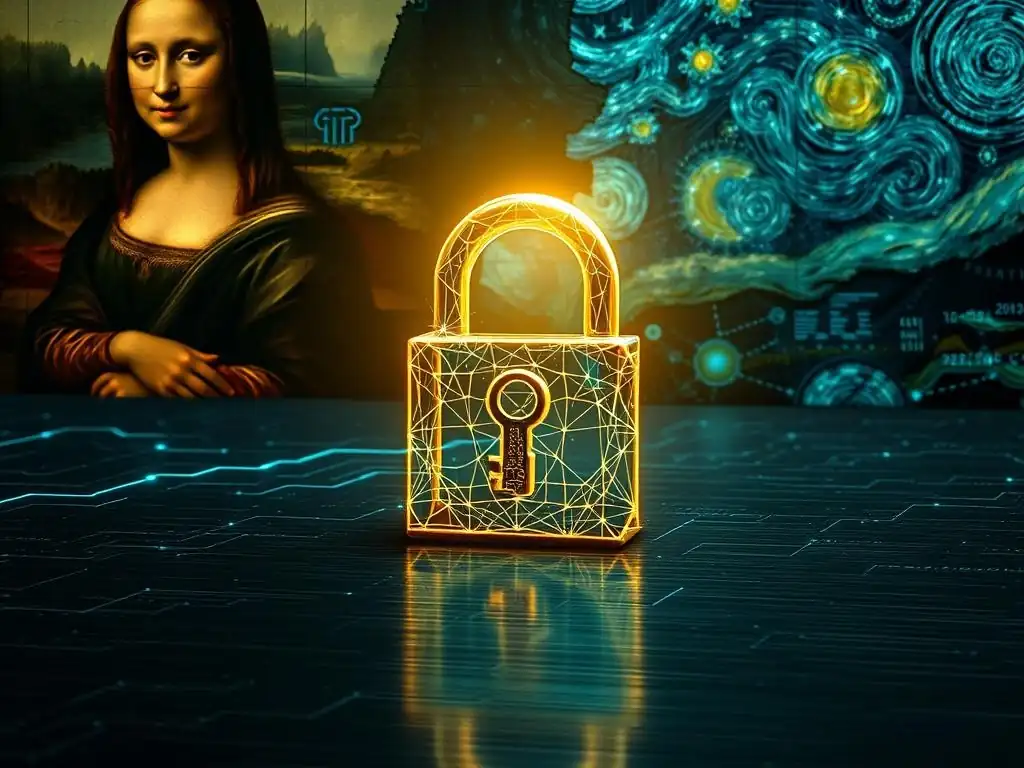
Welcome to Blockchain Trends, your go-to source for unraveling the multifaceted world of blockchain technology. Ever wondered how blockchain can revolutionize more than just finance? Today, we delve into a fascinating intersection: art, technology, and the law. Specifically, we're exploring the intricacies of blockchain art copyright ownership, examining how tokenization is reshaping the landscape for artists and collectors alike. Can blockchain truly guarantee ownership in the digital age? Read on to find out, and discover the legal minefields and exciting opportunities that await.
Legal Options for Copyright Holders in NFT Art
Copyright holders facing infringement of their digital art within the NFT space have several legal avenues to pursue, ranging from informal notices to formal litigation. A common initial step involves issuing a cease and desist letter to the infringing party, demanding that they stop distributing, displaying, or selling the unauthorized NFT.
This can be directed at the individual who minted the NFT or the platform hosting the marketplace where it is being traded. Many NFT marketplaces have implemented notice-and-takedown procedures similar to those found under the Digital Millennium Copyright Act (DMCA) in the United States.
By submitting a formal complaint with evidence of copyright ownership and infringement, copyright holders can request the platform delist the infringing NFT. While not a legal judgment, successful takedowns can effectively remove the infringing content from prominent marketplaces, disrupting its distribution and sale and addressing the immediate issue of blockchain art copyright ownership disputes on specific platforms.
Should informal methods or platform takedowns prove insufficient, copyright holders can pursue more formal legal actions. This typically involves filing a lawsuit in the appropriate jurisdiction against the alleged infringer. Legal remedies available include seeking an injunction to prevent further infringement, recovering monetary damages for losses incurred due to the infringement, and potentially recovering profits made by the infringer from the unauthorized NFT sales.
The complexity arises in identifying the infringer, as pseudonymity is common in the blockchain space, and determining the correct jurisdiction. Courts are still navigating how traditional copyright law applies to the unique characteristics of NFTs and blockchain art copyright ownership. Successfully pursuing litigation often requires tracing blockchain transactions, potentially subpoenaing marketplace or wallet service providers for identifying information, and presenting clear evidence of both copyright ownership and the act of infringement, such as the unauthorized minting or sale of a derivative work.
- How does art tokenization on the blockchain affect copyright ownership?
- What legal challenges arise when artwork is tokenized and sold as NFTs?
- What steps can artists take to protect their copyright when tokenizing their art?
- How do regulations surrounding blockchain technology impact art copyright ownership?
- What is the role of smart contracts in defining ownership rights for tokenized art?
Frequently Asked Questions
How does art tokenization on the blockchain affect copyright ownership?
Art tokenization doesn't automatically transfer copyright ownership. The creator typically retains the copyright unless explicitly transferred through a separate legal agreement. The token represents ownership of the digital asset, not the underlying copyright.
What legal challenges arise when artwork is tokenized and sold as NFTs?
Challenges include enforcing copyright infringement across borders, verifying the authenticity of the artwork, and determining the governing jurisdiction in case of disputes. Establishing clear terms of service and smart contract functionality is crucial.
What steps can artists take to protect their copyright when tokenizing their art?
Artists should explicitly state copyright ownership in the NFT's metadata and any associated sales contracts. They should also consider using digital watermarks and tracking mechanisms to monitor unauthorized reproductions.
How do regulations surrounding blockchain technology impact art copyright ownership?
Regulatory uncertainty surrounding blockchain and NFTs can complicate copyright enforcement. Clearer regulations are needed to define legal liabilities and establish a framework for resolving copyright disputes in the digital art space.
What is the role of smart contracts in defining ownership rights for tokenized art?
Smart contracts can automate the distribution of royalties and specify the terms of usage for the artwork. However, they cannot replace traditional copyright law. They can only supplement it by automating certain processes.
Final Reflection: Embracing the Future of Art Ownership
The exploration of art tokenization and its implications for copyright and ownership, as detailed in this article, reveals a critical juncture in the art world. The convergence of blockchain technology and artistic creation is not merely a trend, but a fundamental shift in how we define, protect, and trade art. The challenges surrounding blockchain art copyright ownership are complex, demanding a proactive and informed approach from artists, collectors, and legal professionals alike.
This evolving landscape profoundly impacts the cultural and social fabric of art. The democratization of art ownership, facilitated by tokenization, has the potential to empower artists and collectors in unprecedented ways. It allows for fractional ownership, opening doors for wider participation and investment in the arts. However, this also necessitates a re-evaluation of existing legal frameworks to ensure artists' rights are protected in this new digital realm. The future of art is not just about creation, but also about control and ownership. Blockchain offers a path to both, but only if we navigate the legal complexities with foresight and diligence.
As we stand at the precipice of this artistic revolution, let us not shy away from the challenges, but rather embrace the opportunity to shape a future where art is both accessible and protected. Consider how you can contribute to this evolving ecosystem, whether as an artist exploring new avenues for monetization, a collector supporting innovative creators, or a legal professional helping to define the boundaries of blockchain art copyright ownership. The future of art is in our hands; let us ensure it is a future that honors both creativity and justice.
Ignite Your Artistic Journey with NFTs!
Thanks for exploring the world of art tokenization and legal rights with us! Now that you're equipped with the knowledge to navigate copyright and ownership in the NFT space, let's put that understanding into action. Here's how you can dive deeper:
- Create your own NFT artwork: Transform your creative vision into a unique digital asset and list it on a reputable marketplace. It's time to share your art with the world!
- Explore existing NFT collections: Delve into platforms like OpenSea or Rarible to discover hidden gems and support independent artists.
- Join the conversation on Blockchain Trends' forum:Share your newfound insights or burning questions about art tokenization and copyright law.
Ready to launch your art into the blockchain revolution, or are you still sketching out your masterpiece? Share your artistic NFT plans or any questions about copyright issues in the comments below!
Leave a Reply