
Challenges and Risks of Asset Tokenization: Addressing Adoption Hurdles HeadOn


Welcome to Blockchain Trends, your guide to navigating the revolutionary landscape of blockchain technology.
Are you ready to unlock the potential of blockchain beyond cryptocurrencies? This exploration delves into the transformative power of decentralized systems, from DeFi to enterprise solutions. In this article, we confront the critical question of asset tokenization adoption challenges risks. What are the real obstacles hindering widespread adoption, and how can we mitigate the associated risks? Dive in to discover the insights shaping the future of tokenized assets and decentralized finance.
- Introduction to Asset Tokenization and Its Potential
-
Frequently Asked Questions
- How does asset tokenization work, and what are its primary benefits?
- What are the main adoption challenges hindering widespread asset tokenization?
- What are the primary risks associated with investing in tokenized assets?
- How can businesses overcome regulatory hurdles to successfully tokenize their assets?
- What role does technology play in mitigating the risks of asset tokenization?
- Final Reflection: Navigating the Tokenization Frontier
- Unlock Your Tokenization Potential!
Introduction to Asset Tokenization and Its Potential
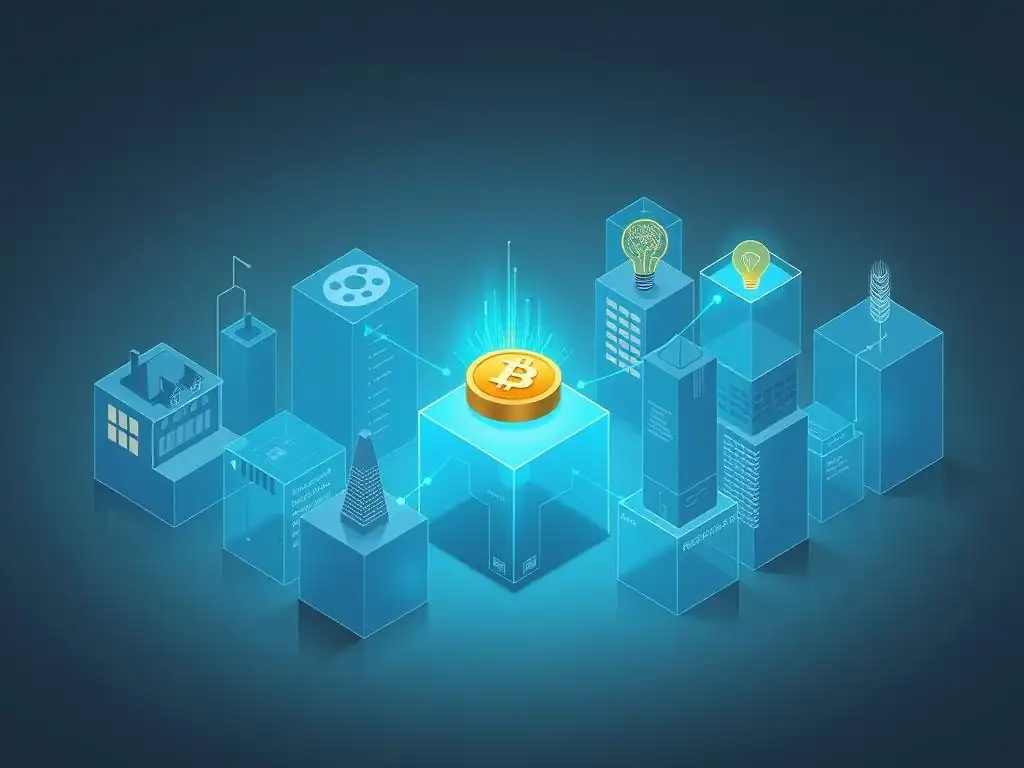
What is Asset Tokenization? A Deep Dive
Asset tokenization is the process of converting rights to an asset into a digital token on a blockchain. This digital representation can then be stored, transferred, and recorded on a distributed ledger, offering a new paradigm for ownership and transaction. Essentially, it breaks down ownership into smaller, programmable units that can represent a fraction of the underlying asset, whether it's real estate, fine art, commodities, or even intellectual property. This transformation moves illiquid, traditional assets onto a highly liquid and transparent digital infrastructure.
The underlying mechanism involves creating a token, often using standards like ERC-20 or ERC-721 on compatible blockchains, which legally represents a claim on a specific asset or a share of its value. Smart contracts automate various aspects of the asset's lifecycle, such as dividend distribution, voting rights, or transfer restrictions, based on pre-defined rules embedded in the code. This programmable nature is a key differentiator from traditional asset management, enabling greater efficiency and potential for innovation in how value is exchanged and managed globally. Understanding the fundamentals is crucial before exploring the asset tokenization adoption challenges and risks.
The Promise of Tokenized Assets: Benefits and Opportunities
The primary benefit of asset tokenization lies in unlocking liquidity for traditionally illiquid assets. By fractionalizing ownership, assets like a multi-million dollar building or a rare painting can be divided into thousands or millions of tokens, making them accessible to a broader base of investors who might only be able to afford a small stake. This dramatically lowers the barrier to entry for participating in markets previously reserved for high-net-worth individuals or institutional investors, potentially expanding the total addressable market significantly.
Beyond liquidity, tokenization offers enhanced transparency, efficiency, and reduced costs. Transactions are recorded on an immutable ledger, providing a clear audit trail for all participants. The use of smart contracts can automate processes that traditionally require intermediaries, such as brokers or escrow agents, thereby speeding up settlements and reducing associated fees.
For instance, settling a real estate transaction through tokenization could potentially reduce the process from weeks to days, or even hours, according to industry estimates, although this is heavily dependent on regulatory clarity and infrastructure maturity. These potential benefits highlight why overcoming the asset tokenization adoption challenges risks is a significant focus for the industry.
Why Tokenization Matters for Blockchain Trends Readers
For readers interested in the transformative potential of blockchain technology, asset tokenization represents one of the most significant real-world applications beyond cryptocurrencies. It bridges the gap between traditional finance (TradFi) and decentralized finance (DeFi), creating new opportunities for yield generation, collateralization, and trading using tokenized versions of tangible and intangible assets. Exploring the challenges facing asset tokenization adoption is essential for anyone tracking the evolution of decentralized systems and their impact on global markets.
Furthermore, asset tokenization is central to the future of enterprise blockchain applications. Companies are exploring tokenizing supply chain assets, intellectual property rights, and even equity to improve efficiency, transparency, and access to capital. Understanding the security risks of asset tokenization, the regulatory hurdles, and the technological limitations discussed later in this article is vital for professionals and enthusiasts looking to navigate and contribute to this rapidly evolving landscape. The success of tokenization will significantly influence the trajectory of blockchain adoption in mainstream finance and business operations.
Frequently Asked Questions
How does asset tokenization work, and what are its primary benefits?
Asset tokenization involves representing ownership of an asset (real or intangible) on a blockchain. This offers benefits like increased liquidity, fractional ownership, and simplified transfer processes.
What are the main adoption challenges hindering widespread asset tokenization?
Key challenges include the lack of clear regulatory frameworks, security concerns related to smart contracts, and the need for greater interoperability between different blockchain platforms.
What are the primary risks associated with investing in tokenized assets?
Risks include market volatility, regulatory uncertainty, and the potential for fraudulent schemes or poorly structured token offerings. Due diligence is crucial.
How can businesses overcome regulatory hurdles to successfully tokenize their assets?
Businesses should engage with legal experts to ensure compliance with existing and emerging regulations. Proactive communication with regulatory bodies and transparent disclosures are also vital.
What role does technology play in mitigating the risks of asset tokenization?
Advanced technologies like robust smart contract auditing and secure custody solutions are essential for minimizing risks. These technologies help ensure the integrity and security of tokenized assets.
The exploration of asset tokenization's challenges and risks, as outlined in this article, underscores a critical point: the future of finance is inextricably linked to the successful navigation of these hurdles. While the potential benefits of increased liquidity, fractional ownership, and democratized access to investment opportunities are undeniable, the path to widespread adoption remains fraught with complexities. Understanding and proactively addressing these challenges is not merely an academic exercise; it's a prerequisite for unlocking the transformative power of tokenization.
The ongoing evolution of asset tokenization is profoundly shaping the financial landscape, influencing everything from real estate investment to the creation of new digital art markets. My own fascination with this technology stems from its potential to empower individuals and small businesses, leveling the playing field in a way that traditional finance has often failed to do. The future of finance is decentralized, and tokenization is a key enabler of that future.
This quote encapsulates the core belief driving the innovation and investment in this space, highlighting the long-term vision that transcends the immediate challenges.
As we stand on the cusp of a tokenized future, I invite you to reflect on the role you can play in shaping its trajectory. Consider how you can contribute to fostering greater understanding, advocating for responsible regulation, and embracing the opportunities that asset tokenization presents. The journey towards widespread adoption requires a collective effort, and your engagement, however small, can help pave the way for a more inclusive and efficient financial ecosystem.
Unlock Your Tokenization Potential!
Thank you for exploring the complexities of asset tokenization with us. You now have valuable insights into the key challenges and risks shaping the future of this innovative technology. It's time to turn knowledge into action and help advance the development of decentralized finance.
Here are a few ways to take the next step:
- Dive Deeper: Choose a specific risk factor discussed in this article that interests or concerns you the most. Explore recent case studies and emerging solutions addressing that challenge.
- Engage the Community: Share this article with your network on social media and start a conversation about the future of asset tokenization. What potential do you see, and what hurdles might arise?
- Contribute Your Expertise: Are you working on innovative solutions in the tokenization space? Consider submitting a guest post to Blockchain Trends, sharing your insights and helping to overcome adoption challenges.
What regulation do you believe would most significantly accelerate or hinder the mainstream adoption of asset tokenization? Share your thoughts in the comments below!
Leave a Reply