
From Commodities to Collectibles: Tokenizing Diverse Assets for Modern Markets

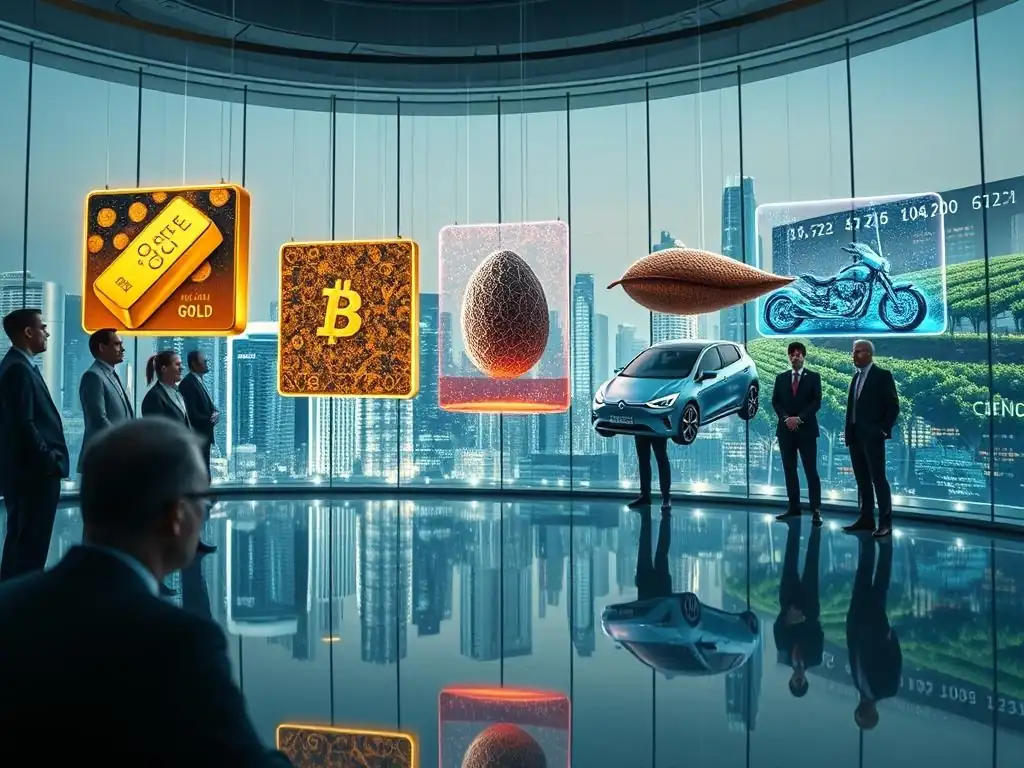
Welcome to Blockchain Trends, your compass in the rapidly evolving world of decentralized technologies. Ever wondered how everyday objects – from real estate to rare collectibles – can be revolutionized through blockchain? Prepare to delve into the fascinating world of tokenization, where we explore how tokenizing assets for modern markets is reshaping industries and creating unprecedented opportunities. Discover how this transformative process unlocks liquidity, enhances transparency, and opens doors to entirely new investment landscapes. Ready to explore the potential? Let's begin...
From Commodities to Collectibles: Tokenizing Diverse Assets for Modern Markets
- Introduction: Unlocking Liquidity and Access Through Asset Tokenization
- Understanding Asset Tokenization: A Deep Dive
-
Tokenizing Diverse Assets: Beyond Traditional Securities
- Tokenizing Fine Wine: Enhancing Provenance and Investment Opportunities
- Tokenizing Renewable Energy Credits: Fostering Sustainability and Investment
- Tokenizing Carbon Credits: Promoting Environmental Responsibility and Offset Programs
- Tokenizing Music Royalties: Empowering Artists and Streamlining Payments
- The Benefits of Tokenizing Assets for Modern Markets
- The Challenges and Considerations of Asset Tokenization
- Case Studies: Successful Examples of Asset Tokenization
- The Future of Asset Tokenization: Trends and Predictions
- Conclusion: Embracing the Tokenized Future of Asset Ownership
-
Frequently Asked Questions
- What exactly does "tokenizing assets" mean in the context of modern markets?
- What types of assets can be tokenized, according to the article?
- How does tokenization improve the liquidity of traditionally illiquid assets?
- What are some potential enterprise applications of asset tokenization?
- What role does regulation play in the future of asset tokenization?
- Final Reflection: Embracing the Tokenized Future
- Unlock the Future: Begin Your Tokenization Journey Today!
Introduction: Unlocking Liquidity and Access Through Asset Tokenization
The Evolution of Asset Ownership: From Traditional to Tokenized Forms
Asset ownership has evolved significantly throughout history, transitioning from purely physical possession to paper-based certificates representing claims on assets like stocks or land. This shift introduced concepts like fractional ownership and easier transferability compared to dealing with physical items directly. However, these traditional systems often remained centralized, geographically limited, and burdened by manual processes, leading to illiquidity and high transaction costs for many asset classes.
The advent of digital technologies brought about electronic records and databases, further streamlining some aspects of asset management. Yet, these systems often lacked interoperability and transparency. The latest evolution, driven by blockchain technology, introduces asset tokenization. This process represents ownership rights digitally on a decentralized ledger, enabling a new paradigm for how assets are owned, managed, and traded globally, fundamentally transforming the landscape for tokenizing assets for modern markets.
Why Tokenizing Assets is Transforming Modern Markets: Key Benefits
Tokenizing assets for modern markets offers a compelling suite of benefits that address the limitations of traditional systems. One of the most significant advantages is the dramatic increase in liquidity for traditionally illiquid assets such as real estate, fine art, and private equity. By converting these assets into divisible digital tokens, they can be traded more easily and frequently on secondary markets, attracting a broader pool of investors worldwide. This unlocks value that was previously locked up in static, hard-to-trade forms.
Furthermore, asset tokenization facilitates fractional ownership on an unprecedented scale. This allows investors to purchase small portions of high-value assets that would otherwise be prohibitively expensive, democratizing access to investment opportunities. Combined with enhanced transparency provided by the blockchain ledger and reduced transaction costs due to the elimination of intermediaries, tokenizing assets for modern markets is creating more efficient, accessible, and equitable investment environments across various asset classes.
Understanding Asset Tokenization: A Deep Dive
What is Asset Tokenization? Defining the Concept
Asset tokenization is the process of issuing a digital representation, or token, on a blockchain that signifies ownership or rights related to a specific underlying asset. This asset can be tangible, such as real estate, gold, or fine art, or intangible, like intellectual property, carbon credits, or royalties. Each token represents a unit of value or a fractional share of the asset, allowing for granular ownership and transfer.
These tokens are typically created using smart contracts on blockchain platforms like Ethereum, Polygon, or others designed for token issuance. The smart contract embeds the rules governing the token, including ownership verification, transferability, and any associated rights or revenue streams. By putting asset ownership on a blockchain, the system leverages the ledger's inherent properties of immutability, transparency, and security, laying the foundation for tokenizing assets for modern markets in a verifiable way.
The Process of Tokenizing Assets: A Step-by-Step Guide
The process of tokenizing assets generally begins with identifying the asset to be tokenized and establishing the legal framework surrounding its ownership and the rights to be represented by the tokens. This involves legal due diligence and structuring to ensure that the tokens issued are legally sound representations of the underlying asset's value and ownership. Regulatory compliance, including Know Your Customer (KYC) and Anti-Money Laundering (AML) checks for potential investors, is a critical early step, especially for security tokens.
Following the legal groundwork, the technical phase involves developing or configuring a smart contract on a chosen blockchain platform. This contract defines the token's parameters, such as the total supply, divisibility, and any specific functionalities (e.g., dividend distribution mechanisms for tokenized equity). The tokens are then issued and distributed to investors, often through a primary offering. A crucial final step involves listing the tokens on compliant secondary markets or exchanges, enabling investors to trade their tokenized assets, thereby achieving the goal of tokenizing assets for modern markets with enhanced liquidity.
Key Components of a Tokenized Asset Ecosystem
A functional ecosystem for tokenizing assets relies on several interconnected components. At its core is the underlying asset itself, which provides the intrinsic value that the tokens represent. This is paired with a robust blockchain platform capable of supporting the issuance and management of tokens, ensuring security, transparency, and immutability of ownership records. Popular choices include Ethereum for its smart contract capabilities, though others like Tezos, Algorand, or specialized platforms also exist.
Smart contracts are the programmatic backbone, automating rules and processes related to the tokens, such as transfers, dividend payouts, or voting rights. Issuance platforms facilitate the creation and primary distribution of tokens, often handling compliance requirements. Secondary trading platforms, or exchanges, are essential for providing liquidity, allowing investors to buy and sell tokenized assets after the initial offering. Finally, legal and regulatory frameworks are paramount, providing the necessary structure and investor protection for tokenizing assets for modern markets legitimately and at scale.
Tokenizing Diverse Assets: Beyond Traditional Securities
Tokenizing Fine Wine: Enhancing Provenance and Investment Opportunities
Verifying Authenticity and Storage Conditions on the Blockchain
Tokenizing fine wine allows for the creation of digital certificates on a blockchain that represent ownership of specific bottles or cases. A key benefit here is the ability to record the wine's entire journey from vineyard to cellaring in an immutable ledger. This includes details about its production, bottling, and every transfer of ownership. Furthermore, smart contracts can be linked to Internet of Things (IoT) sensors in professional storage facilities, continuously recording and verifying crucial environmental conditions like temperature and humidity, ensuring the wine is stored optimally and preserving its value.
This transparent and verifiable history significantly enhances trust and combats the pervasive issue of counterfeit fine wine, which is estimated to cost the industry billions of dollars annually. Investors can trace the wine's provenance with confidence, knowing that the data on the blockchain is tamper-proof. This level of assurance, combined with verified storage conditions, makes tokenizing assets for modern markets like fine wine particularly appealing to discerning investors and collectors who prioritize authenticity and proper care.
Creating Fractional Ownership in Premium Vintages
One of the most impactful applications of tokenization in the fine wine sector is enabling fractional ownership of extremely rare and expensive vintages. A single bottle or case of a top-tier Burgundy or Bordeaux can cost tens or hundreds of thousands of dollars, placing it out of reach for most individual investors. By tokenizing these assets, platforms can issue tokens representing small percentage ownerships, allowing investors to participate with much smaller capital outlays, perhaps starting from a few hundred or thousand dollars.
This democratization of access opens the fine wine investment market to a wider global audience. Investors can build diversified portfolios of rare wines without the logistical complexities and costs associated with physical storage and insurance. Platforms like Vinovest or others exploring blockchain integration demonstrate how tokenizing assets for modern markets can transform exclusive asset classes into more accessible investment opportunities, benefiting both collectors and those new to wine investment.
Tokenizing Renewable Energy Credits: Fostering Sustainability and Investment
Tracking and Trading Renewable Energy Certificates Transparently
Renewable Energy Certificates (RECs) or Guarantees of Origin (GOOs) represent the environmental attributes of one megawatt-hour of electricity generated from renewable sources. Tokenizing these certificates on a blockchain provides a transparent and immutable ledger for tracking their creation, ownership, and retirement. This process significantly reduces the risk of double-counting or fraudulent claims, which has been a challenge in traditional REC markets.
Each token uniquely represents a specific REC, linked to verifiable generation data. Platforms built on blockchains like Energy Web Chain or others dedicated to sustainability applications allow for the seamless issuance, transfer, and retirement of these tokenized credits. This enhanced transparency and efficiency in tracking and trading RECs helps companies and individuals verifiably support renewable energy generation and meet sustainability goals, demonstrating the power of tokenizing assets for modern markets for environmental impact.
Facilitating Investment in Green Energy Projects
Beyond tracking existing credits, asset tokenization can directly facilitate investment in new renewable energy projects. Developers of solar farms, wind parks, or other green infrastructure can issue tokens representing equity in the project, a share of future revenue streams, or even project-specific carbon offsets. This allows them to raise capital from a global pool of investors, bypassing traditional, often complex and expensive, project finance routes.
For investors, this creates opportunities to directly invest in sustainable development and potentially earn returns tied to the performance of specific green energy assets. Fractional ownership enables smaller investors to participate in large-scale infrastructure projects. This model not only provides a new funding mechanism for crucial sustainable initiatives but also aligns investor incentives with environmental goals, showcasing how tokenizing assets for modern markets can drive capital towards positive global impacts.
Tokenizing Carbon Credits: Promoting Environmental Responsibility and Offset Programs
Enabling Transparent Verification and Trading of Carbon Offsets
Tokenizing carbon credits, which represent a reduction or removal of one ton of carbon dioxide equivalent from the atmosphere, addresses significant issues in traditional carbon markets, such as opacity and the risk of invalid credits. By issuing carbon credits as tokens on a blockchain, typically linked to verified emission reduction projects, the entire lifecycle – from creation and verification to ownership transfer and retirement – is recorded on a transparent and immutable ledger.
This transparency ensures that each tokenized carbon credit is unique, verified, and corresponds to a real-world offset. It significantly reduces the possibility of double-spending credits or trading credits from non-existent or low-quality projects. Initiatives like Toucan Protocol and Moss Earth have successfully brought verified carbon credits onto public blockchains, making the market more accessible and trustworthy. This use case highlights the potential of tokenizing assets for modern markets to enhance the integrity of environmental markets.
Supporting Climate Change Mitigation Initiatives
Making carbon credit markets more transparent, efficient, and accessible through tokenization encourages broader participation from corporations, governments, and individuals seeking to offset their carbon footprint. Lower transaction costs and increased liquidity for tokenized carbon credits can stimulate demand, thereby channeling more funding towards projects that reduce or remove greenhouse gas emissions, such as reforestation, renewable energy deployment in developing regions, or methane capture.
Furthermore, tokenization can enable new models for funding climate action, such as issuing "future carbon credit" tokens to finance projects upfront, with tokens delivered as emissions reductions are verified. This provides project developers with necessary capital while offering investors a stake in environmental outcomes. The ability to easily purchase and retire tokenized carbon credits empowers individuals and organizations to take direct action against climate change, showcasing the environmental potential of tokenizing assets for modern markets.
Tokenizing Music Royalties: Empowering Artists and Streamlining Payments
Automating Royalty Distribution and Ensuring Fair Compensation
The traditional music royalty system is notoriously complex, opaque, and slow, often involving multiple intermediaries between streaming platforms or broadcasters and the actual rights holders (artists, songwriters, producers, labels). Tokenizing music royalties allows for the creation of smart contracts that automatically distribute earnings directly to all entitled parties based on predefined splits and rules whenever a song is streamed or played.
This automation eliminates delays and reduces administrative overhead. Crucially, it provides artists and creators with a transparent view of where their revenue is coming from and ensures they receive their fair share promptly, rather than waiting months or even years for statements and payments. Platforms are emerging that allow rights holders to register their works and automatically receive royalty payments in tokens or stablecoins, a significant improvement in efficiency and fairness through tokenizing assets for modern markets.
Creating New Revenue Streams for Musicians
Tokenization empowers musicians to create entirely new revenue streams and engage with their fans in innovative ways. Artists can tokenize a percentage of their future streaming royalties for a specific song, album, or their entire catalog, selling these tokens directly to fans or investors. This provides artists with upfront capital to fund new projects, tour, or cover living expenses, without relying solely on traditional label advances or loans.
Fans who purchase these tokens become fractional owners of the royalty streams, potentially earning passive income whenever the music is consumed. This model fosters a deeper connection between artists and their supporters, turning fans into stakeholders. Artists can also issue limited edition tokens (NFTs) representing unique digital collectibles, experiences, or even fractional ownership in master recordings, further diversifying their income in the evolving landscape of tokenizing assets for modern markets.
The Benefits of Tokenizing Assets for Modern Markets
Increased Liquidity and Accessibility for Investors
Traditionally illiquid assets, such as commercial real estate properties valued at millions, rare diamonds, or shares in private companies, can be difficult and time-consuming to buy or sell. Tokenizing these assets transforms them into digital tokens that can be traded on secondary markets potentially 24/7, globally. This dramatically increases their liquidity compared to traditional sales processes that can take months or even years and involve significant brokerage fees and paperwork.
This enhanced liquidity also makes these asset classes more accessible to a wider range of investors. Investors are no longer limited by geographical location or the need to find a specific buyer for a physical asset. They can trade tokens representing fractional ownership on regulated digital asset exchanges, opening up investment opportunities that were previously restricted to a small pool of wealthy individuals or institutional investors. This is a core promise of tokenizing assets for modern markets.
Enhanced Transparency and Traceability of Assets
Blockchain technology, the foundation for tokenization, provides an immutable and transparent ledger of all transactions. When an asset is tokenized, the ownership history, transfer details, and potentially other relevant data (like provenance for art or performance data for real estate) are recorded on the blockchain. This creates a verifiable audit trail that is accessible to relevant parties and resistant to tampering.
This transparency significantly reduces information asymmetry and builds trust among market participants. Investors can verify the chain of ownership and potentially the asset's history, reducing the risk of fraud or misrepresentation. For regulators and auditors, the transparent ledger simplifies oversight and compliance checks. This inherent traceability is a major advantage of tokenizing assets for modern markets over opaque traditional systems.
Reduced Costs and Increased Efficiency in Trading
Traditional asset trading often involves multiple intermediaries, including brokers, custodians, clearinghouses, and registrars, each adding layers of fees and complexity. Tokenization, powered by smart contracts, can automate many of these functions. Trades can be executed and settled near-instantly peer-to-peer or through automated market makers on decentralized exchanges, significantly reducing or eliminating the need for many manual processes and third parties.
This streamlining leads to lower transaction costs for both buyers and sellers. The operational efficiencies gained from automating settlement and record-keeping also reduce overhead for platforms and market operators. While initial setup costs for tokenization might exist, the long-term reduction in trading friction and operational expenses makes tokenizing assets for modern markets a more efficient alternative for many asset classes.
Democratized Access to Investment Opportunities
Historically, many lucrative investment opportunities, such as investing in prime real estate, venture capital funds, or rare collectibles, required significant capital, accreditation, or connections. Asset tokenization breaks down these barriers, particularly through fractional ownership. A single high-value asset can be divided into thousands or millions of tokens, each representing a small piece of ownership.
This allows individuals with relatively modest capital to invest in assets that were previously exclusive domains of the wealthy or institutional investors. For example, someone might invest $1,000 in a tokenized luxury apartment building or a fraction of a multi-million dollar painting. This democratization expands the pool of potential investors and allows individuals to diversify their portfolios across a wider range of asset classes, fulfilling a key promise of tokenizing assets for modern markets.
Improved Security and Reduced Risk of Fraud
Blockchain's cryptographic security mechanisms make tokenized assets inherently more secure against certain types of fraud compared to traditional paper-based or centralized digital systems. Ownership records on the blockchain are cryptographically secured and distributed across a network, making them extremely difficult to alter or forge. Smart contracts execute transactions automatically based on predefined rules, reducing the risk of human error or manipulation in the transfer process.
The transparency of the ledger also makes fraudulent activities like double-selling an asset much harder to conceal. While security risks related to private key management or smart contract vulnerabilities exist, the underlying blockchain technology provides a robust foundation for secure ownership representation and transfer. This enhanced security is a critical factor driving the adoption of tokenizing assets for modern markets.
The Challenges and Considerations of Asset Tokenization
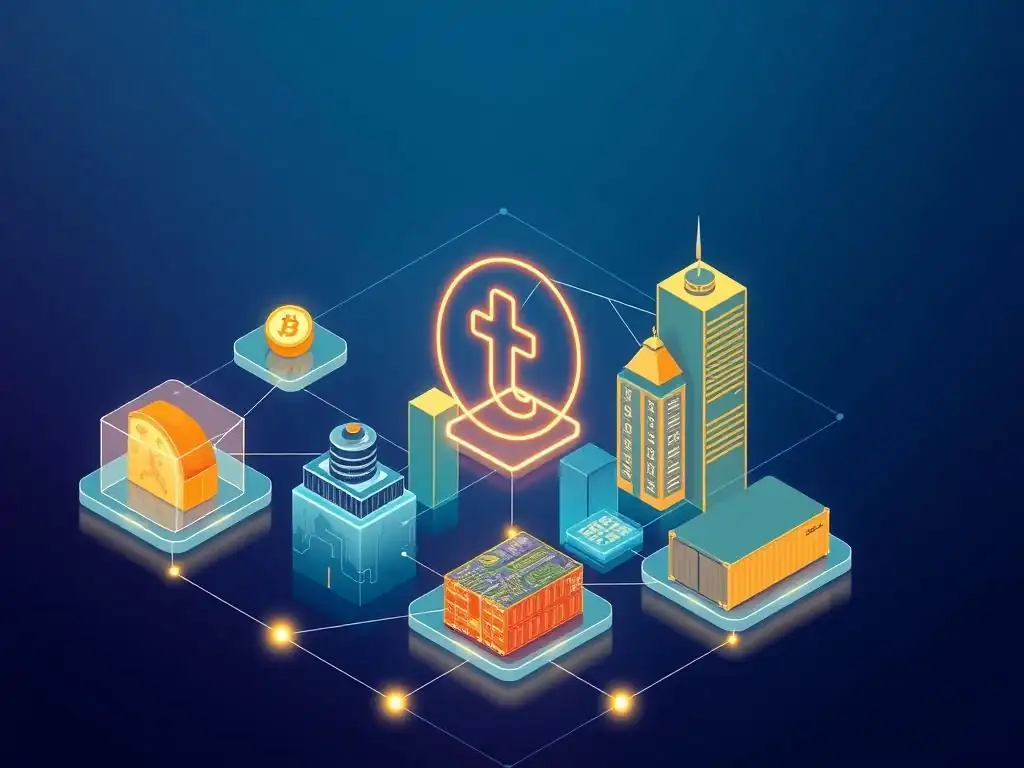
Regulatory Uncertainty and Compliance Requirements
One of the most significant hurdles for widespread asset tokenization is the lack of clear and consistent regulatory frameworks across different jurisdictions. The classification of tokens (e.g., as securities, commodities, or unique assets) varies widely, leading to uncertainty for issuers and platforms. Navigating complex securities laws, such as those enforced by the SEC in the United States or MiFID II in Europe, requires significant legal expertise and can be costly.
Ensuring compliance with Know Your Customer (KYC) and Anti-Money Laundering (AML) regulations is also crucial, especially for tokens representing regulated assets like securities or real estate. Platforms facilitating the trading of tokenized assets must implement robust compliance procedures, which can add complexity and cost. Regulatory clarity and harmonization are essential for scaling tokenizing assets for modern markets globally.
Technological Infrastructure and Scalability
While blockchain technology offers significant advantages, current infrastructure faces challenges related to scalability and performance when compared to traditional financial systems that process millions of transactions per second. High transaction fees (gas costs) on some popular blockchains, particularly during periods of high network congestion, can make frequent trading of low-value tokenized assets economically unfeasible.
Developing and maintaining the necessary technological infrastructure for issuing, managing, and trading tokenized assets requires specialized expertise. Ensuring interoperability between different blockchain platforms and existing financial systems is also an ongoing challenge. While layer 2 solutions and more scalable blockchain designs are being developed, the current technological limitations can impact the efficiency and cost-effectiveness of tokenizing assets for modern markets at a mass scale.
Security Risks and Vulnerabilities
Despite blockchain's inherent security features, the tokenized asset ecosystem is not immune to security risks. Smart contracts, while powerful, can contain bugs or vulnerabilities if not rigorously audited, potentially leading to loss of assets or unintended behavior. The security of private keys, which control access to tokenized assets, is paramount; loss or theft of keys can result in permanent loss of ownership.
Furthermore, platforms and exchanges listing tokenized assets can be targets for hacking and cyberattacks. While the blockchain ledger itself may be secure, centralized points of failure within the ecosystem, such as custodial wallets or trading platforms, pose risks. Ensuring robust cybersecurity practices, including regular audits and secure storage solutions, is critical when dealing with tokenizing assets for modern markets.
Valuation and Price Discovery of Tokenized Assets
Determining the fair market value of underlying assets, particularly unique or illiquid ones like art or specific real estate properties, can be subjective and challenging. When these assets are tokenized, establishing a reliable and transparent price discovery mechanism for the tokens on secondary markets can be difficult, especially if trading volume is low. Traditional valuation methods may need to be adapted for the tokenized context.
The absence of deep, active secondary markets for many tokenized asset classes means that finding buyers and sellers at a mutually agreeable price can be hard. This can lead to price volatility or significant bid-ask spreads. Developing standardized valuation methodologies and ensuring sufficient market depth are important considerations for the successful trading of tokenizing assets for modern markets.
Legal Frameworks and Ownership Rights
While tokens represent ownership or rights on a digital ledger, their legal standing and enforceability vary significantly depending on the jurisdiction and the nature of the underlying asset. It is crucial that the legal framework clearly recognizes the token holder's rights to the underlying physical or intangible asset. In some cases, this may require establishing specific legal structures, such as special purpose vehicles (SPVs), to hold the asset on behalf of the token holders.
Enforcing these rights in a decentralized system or across international borders can introduce legal complexities. Issues like dispute resolution, asset recovery in case of platform failure, or the legal implications of smart contract code need to be clearly defined and tested within existing legal systems. Establishing robust legal bridges between the digital token and the real-world asset is essential for the long-term viability of tokenizing assets for modern markets.
Case Studies: Successful Examples of Asset Tokenization
Case Study 1: Tokenizing Fine Art - Maecenas and Tokenized Masterpieces
Maecenas, a platform focused on democratizing access to fine art investment, demonstrated the potential of tokenizing assets for modern markets by offering fractional ownership in a $6.6 million Andy Warhol painting titled "14 Small Electric Chairs." Through their platform, they issued digital tokens representing ownership shares in the artwork, allowing investors to purchase portions of the painting.
This initiative aimed to lower the entry barrier for investing in blue-chip art, which is typically reserved for wealthy collectors and institutions. By tokenizing a significant artwork, Maecenas showcased how blockchain could bring liquidity and accessibility to the often-opaque and illiquid fine art market. While Maecenas faced subsequent challenges, the case study highlighted the technical feasibility and market interest in tokenizing assets for modern markets within the collectibles space.
Case Study 2: Tokenizing Real Estate - RealT and Fractional Property Ownership
RealT is a prominent example of successfully tokenizing real estate, allowing global investors to own fractional shares of income-generating U.S. properties. Each token issued by RealT represents a share in a specific Limited Liability Company (LLC) that owns a single physical property, primarily residential rental units. Investors can purchase tokens corresponding to properties in various cities, receiving rental income proportionate to their token ownership.
This model provides investors with passive income and potential appreciation from real estate without the burdens of property management, legal fees, or large capital requirements typically associated with direct property ownership. RealT has tokenized dozens of properties, representing millions of dollars in real estate value, demonstrating a tangible application of tokenizing assets for modern markets that bridges digital ownership with physical assets and recurring revenue streams.
Case Study 3: Tokenizing Carbon Credits - Moss Earth and Carbon Credit NFTs
Moss.Earth has become a significant player in the voluntary carbon market by tokenizing verified carbon credits from conservation projects, primarily in the Amazon rainforest. Their MCO2 token represents one verified carbon credit. By purchasing MCO2 tokens, individuals and corporations can easily and transparently offset their carbon emissions. The use of blockchain ensures that each credit is unique and retired upon use, preventing double-counting.
Moss.Earth has facilitated the purchase and retirement of millions of tons of carbon credits through its platform and token. This approach makes carbon offsetting more accessible, transparent, and efficient compared to traditional methods. The success of Moss.Earth illustrates how tokenizing assets for modern markets, specifically environmental commodities like carbon credits, can drive significant real-world impact and promote environmental responsibility on a global scale.
The Future of Asset Tokenization: Trends and Predictions
The Convergence of DeFi and Asset Tokenization
A major trend shaping the future of asset tokenization is its increasing convergence with Decentralized Finance (DeFi). By bringing real-world assets onto the blockchain as tokens, a vast pool of value can potentially be integrated into DeFi protocols. Tokenized real estate, equities, commodities, or art could be used as collateral for decentralized loans, traded on Automated Market Makers (AMMs), or utilized in yield farming strategies.
This integration promises to unlock significant liquidity and create new financial primitives within DeFi. It allows investors to earn yields on assets that were previously static and illiquid, while also providing DeFi users with access to more stable and less volatile asset classes compared to native cryptocurrencies. This synergy between real-world assets and decentralized protocols is poised to be a powerful driver for tokenizing assets for modern markets at scale.
The Role of Institutional Investors in the Tokenized Asset Market
While retail investors have been early adopters of tokenized assets, the future growth of the market will heavily depend on institutional participation. Major financial institutions, including banks, asset managers, and investment funds, are actively exploring and investing in the infrastructure required for tokenizing securities, real estate, and other large-scale assets. Their involvement brings significant capital, expertise, and credibility to the space.
Institutional adoption is crucial for building deep and liquid secondary markets for tokenized assets. Their requirements for regulatory compliance, robust security, and enterprise-grade technology are also driving the development of more sophisticated and compliant tokenization platforms and infrastructure. As regulatory clarity improves, the influx of institutional capital is expected to accelerate the pace of tokenizing assets for modern markets significantly.
The Impact of Regulation on the Growth of Asset Tokenization
The trajectory of asset tokenization will be heavily influenced by how regulators globally choose to approach this nascent technology. Clear, sensible, and harmonized regulatory frameworks could provide the legal certainty needed for institutional adoption and mainstream growth. Regulations that protect investors while fostering innovation are essential for building trust and encouraging participation in tokenized markets.
Conversely, overly restrictive or fragmented regulations across different jurisdictions could stifle innovation and hinder the global growth of asset tokenization. Regulators face the challenge of adapting existing laws, designed for traditional financial markets, to the unique characteristics of blockchain and digital tokens. The development of supportive legal and regulatory environments is arguably the most critical factor for the future success of tokenizing assets for modern markets.
The Evolution of Tokenization Platforms and Infrastructure
The underlying technology and platforms for asset tokenization are continuously evolving. We can expect to see more specialized blockchain networks optimized for specific types of tokenized assets, offering features like enhanced privacy, scalability, and regulatory compliance baked into the protocol. Interoperability solutions will become increasingly important, allowing tokenized assets to move seamlessly between different blockchains and traditional financial systems.
Furthermore, the platforms offering tokenization services will become more sophisticated, providing end-to-end solutions for issuance, management, compliance, and trading. User interfaces will improve, making the process of investing in and managing tokenized assets simpler for both retail and institutional investors. These technological advancements in infrastructure and platforms will be key enablers for the widespread adoption of tokenizing assets for modern markets.
Conclusion: Embracing the Tokenized Future of Asset Ownership
Tokenizing Assets: A Paradigm Shift in Modern Markets
Tokenizing assets represents a fundamental paradigm shift in how value is represented, owned, and exchanged in modern markets. By leveraging blockchain technology, assets that were once illiquid, inaccessible, and opaque are being transformed into digital tokens that are potentially more liquid, transparent, and divisible. This transformation is not limited to traditional financial securities but extends across a vast spectrum of asset classes, from real estate and art to commodities, intellectual property, and environmental credits.
The core benefits of increased liquidity, fractional ownership, reduced costs, and enhanced transparency are reshaping investment landscapes and creating new efficiencies. While challenges related to regulation, technology, and market infrastructure remain, the clear advantages offered by tokenization are driving its adoption across various industries. The movement towards tokenizing assets for modern markets is gaining momentum, promising to redefine asset ownership for the digital age.
The Potential of Blockchain to Unlock New Opportunities for Investors and Creators
Blockchain technology, through the process of asset tokenization, is unlocking significant new opportunities for a wide range of participants in the economy. For investors, it provides unprecedented access to a diverse array of asset classes, enabling portfolio diversification and potentially higher returns through fractional ownership and increased market liquidity. It democratizes investment, allowing individuals to participate in markets previously exclusive to the wealthy.
For asset owners, creators, and project developers, tokenization offers innovative ways to raise capital, monetize assets, and engage with audiences or investors directly. Artists can receive royalties more efficiently, real estate developers can fund projects more easily, and environmental projects can access capital markets directly. This powerful application of blockchain is fostering innovation and creating value across numerous sectors, solidifying the transformative potential of tokenizing assets for modern markets.
Frequently Asked Questions
What exactly does "tokenizing assets" mean in the context of modern markets?
Tokenizing assets involves representing real-world assets as digital tokens on a blockchain. This allows for fractional ownership, increased liquidity, and easier transferability.
What types of assets can be tokenized, according to the article?
The article highlights a diverse range of assets, including commodities, like gold and oil, and collectibles, such as art and rare items. It emphasizes the expanding possibilities beyond traditional financial instruments.
How does tokenization improve the liquidity of traditionally illiquid assets?
Tokenization breaks down large, indivisible assets into smaller, tradable units, making them more accessible to a wider range of investors. This increased accessibility directly improves liquidity in the market.
What are some potential enterprise applications of asset tokenization?
Enterprises can use tokenization to streamline supply chain management, improve transparency in financial transactions, and create new revenue streams through fractional ownership models.
What role does regulation play in the future of asset tokenization?
Clear and consistent regulations are crucial for building trust and fostering wider adoption of asset tokenization. Regulatory clarity can address concerns about security, compliance, and investor protection.
Final Reflection: Embracing the Tokenized Future
The journey from traditional commodities to tokenized assets represents more than just a technological shift; it signifies a fundamental reimagining of ownership and access. This transformation, driven by the potential of tokenization, is poised to democratize markets and unlock unprecedented value, impacting everything from real estate to art and beyond. The ability to fractionalize and trade previously illiquid assets is not just a theoretical possibility; it's a rapidly unfolding reality reshaping the financial landscape.
This evolution profoundly influences the cultural and social landscape, creating new avenues for investment and participation. The democratization of asset ownership through tokenization empowers individuals and communities in ways previously unimaginable, fostering a sense of shared prosperity and collective ownership. The future of finance is not just about technology; it's about empowering individuals and communities to participate in the global economy in a more equitable and transparent way.
This quote encapsulates the core promise of tokenization: a more inclusive and accessible financial future for all.
As we stand on the cusp of this tokenized future, I invite you to reflect on the possibilities that lie ahead. Consider how you can leverage the power of tokenization to unlock new opportunities, support innovative projects, and contribute to a more equitable and accessible financial ecosystem. The future of markets is being written now, and your participation can help shape a future where value is truly accessible to all.
Unlock the Future: Begin Your Tokenization Journey Today!
Thank you for exploring the world of asset tokenization with us. We hope you've gained valuable insights into how this innovative approach is transforming markets and creating new opportunities. Are you ready to apply this knowledge?
Here are some steps you can take right now:
- Consider which real-world assets could benefit from increased liquidity and accessibility through tokenization.
- Research different platforms and protocols that facilitate asset tokenization to find solutions suited to your interests and projects.
- Share this article with colleagues and peers to stimulate discussions about the future of tokenization and its potential impact across industries.
What unconventional asset do you believe is ready for tokenization, and why? Share your thoughts in the comments below!
Leave a Reply