
Expanding Access: Tokenization Opens New Investment Opportunities for Everyone

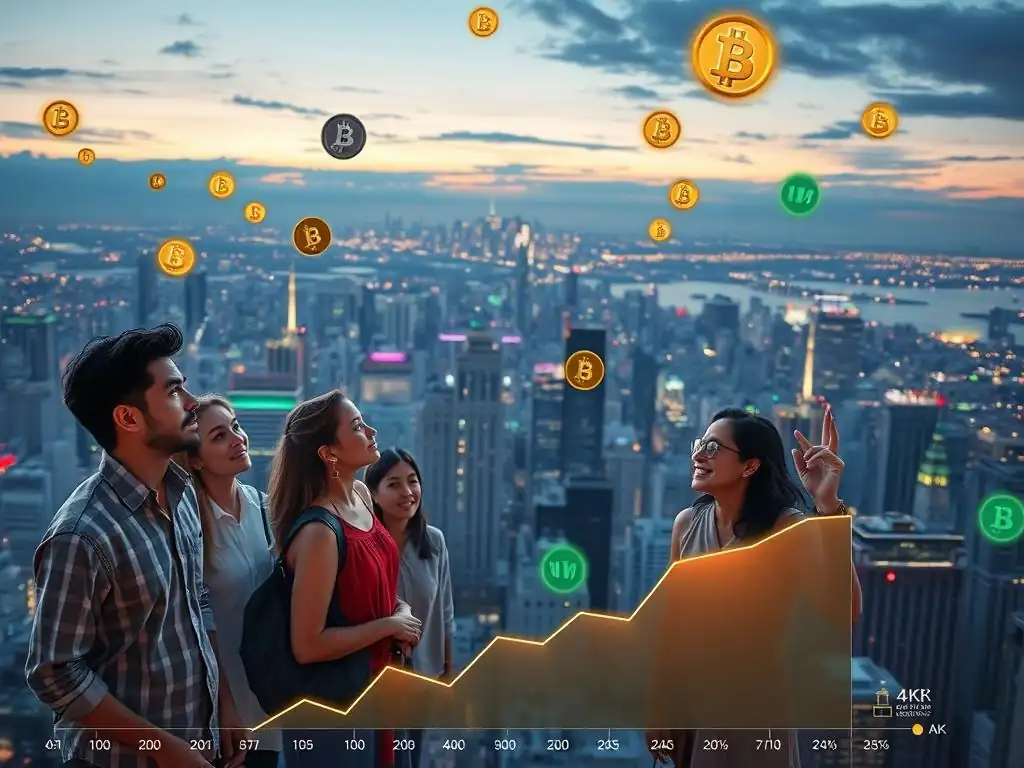
Welcome to Blockchain Trends, your guide to understanding the revolutionary impact of blockchain beyond the hype. This isn't just about Bitcoin; we're diving deep into DeFi, enterprise solutions, and the future of decentralized systems. Intrigued by the potential of democratized finance? Then you'll want to explore our latest article, "Expanding Access: Tokenization Opens New Investment Opportunities for Everyone," where we uncover the exciting world of tokenization investment opportunities for all.
Discover how this innovative technology is leveling the playing field and empowering investors like never before. What secrets does tokenization hold, and how can you capitalize on this emerging trend? Read on to find out!
- Tokenization: Democratizing Investment Landscapes
- Unlocking Investment Opportunities Through Tokenization
- Exploring the Benefits of Tokenized Assets
- Tokenizing Real-World Assets (RWAs): Examples and Use Cases
- Navigating the Tokenization Investment Landscape
- The Future of Tokenization: Expanding Investment Horizons
- Conclusion: Tokenization and the Future of Investment Accessibility
-
Frequently Asked Questions
- What is tokenization and how does it relate to investment opportunities?
- How does tokenization make investment opportunities more accessible?
- What types of assets can be tokenized?
- What are the key benefits of investing in tokenized assets?
- What are the potential risks associated with investing in tokenized assets?
- Final Reflection: Democratizing Investment Through Tokenization
- Unlock Your Financial Future: Explore Tokenization!
Tokenization: Democratizing Investment Landscapes
Understanding Asset Tokenization and its Potential
Asset tokenization is the process of converting rights to an asset into a digital token on a blockchain. This innovative use of distributed ledger technology allows for the representation of ownership, value, or rights associated with real-world or digital assets in a secure, transparent, and programmable manner.
Think of a token as a digital certificate of ownership or participation, recorded on an immutable ledger, making it significantly easier to manage, transfer, and divide the asset it represents. This process can be applied to a vast spectrum of assets, ranging from real estate and fine art to private equity stakes and even intellectual property rights.
The potential of asset tokenization lies in its ability to fractionalize ownership and streamline transactions. Traditionally, investing in assets like a skyscraper or a rare painting required substantial capital and involved complex, illiquid processes. Tokenization shatters these barriers by dividing the asset into smaller, more affordable units (tokens).
For example, a $10 million property could be represented by 10 million tokens, each worth $1. This fractionalization opens up tokenization investment opportunities for all, enabling individuals with smaller budgets to own a piece of assets previously accessible only to wealthy investors or institutions. This fundamental shift democratizes access to diverse asset classes and promises to unlock trillions of dollars in illiquid assets.
Blockchain Trends: Your Guide to Tokenized Assets
Blockchain Trends serves as a vital resource for understanding the evolving landscape of digital assets, with a particular focus on how blockchain technology is reshaping traditional financial markets through tokenization. The platform delves into the mechanics of creating and managing tokenized assets, explaining the underlying protocols like ERC-20 for fungible tokens or ERC-721 and ERC-1155 for non-fungible tokens (NFTs), which are foundational to representing asset ownership on blockchains like Ethereum or other compatible networks. It provides insights into the various types of assets being tokenized and the specific benefits and challenges associated with each.
Staying informed through resources like Blockchain Trends is crucial for navigating the nascent but rapidly expanding world of tokenized assets. The market for tokenized assets is projected for significant growth; estimates often cite figures reaching into the trillions of dollars within the next decade.
For instance, a report by BCG and ADDX in 2022 suggested that tokenizing global illiquid assets could unlock $16 trillion by 2030. Understanding the technological underpinnings, the regulatory environment, and the market dynamics discussed on platforms dedicated to blockchain trends is essential for anyone looking to explore the numerous tokenization investment opportunities for all that are emerging.
Unlocking Investment Opportunities Through Tokenization
Tokenization Investment Opportunities: A New Era
The advent of tokenization marks a new era in the investment world, fundamentally altering how assets are owned, traded, and managed. Historically, many lucrative investment avenues, such as private equity, venture capital, or high-value real estate, were largely confined to accredited investors or large institutions due to high entry costs, lack of liquidity, and complex legal structures. Tokenization breaks down these walls. By converting rights in these assets into digital tokens, it becomes possible for almost anyone with an internet connection and a digital wallet to participate, often with minimum investments significantly lower than traditional markets.
This expansion of access creates unprecedented tokenization investment opportunities for all. It allows individuals to diversify their portfolios beyond traditional stocks and bonds, including exposure to alternative assets that were previously out of reach.
For example, someone might invest $500 in a token representing a fractional share of a commercial building in a major city, or a few hundred dollars in a tokenized fund holding a portfolio of renewable energy projects. This democratization is not just about lowering minimums; it's also about creating marketplaces where these tokenized assets can be traded more easily than their physical counterparts, promising enhanced liquidity.
How Tokenization Reduces Barriers to Entry in Investment
One of the most significant impacts of tokenization is its effectiveness in reducing the traditional barriers to entry in various investment classes. These barriers typically include high capital requirements, geographical limitations, complex legal and administrative processes, and a general lack of transparency. Tokenization directly addresses several of these issues. By enabling fractional ownership, it drastically lowers the minimum investment needed for high-value assets. Instead of needing millions to buy a property, an investor might only need a few hundred or thousand dollars to buy tokens representing a share of that property.
Furthermore, blockchain technology automates many of the administrative and compliance tasks through smart contracts, reducing the legal fees and bureaucratic hurdles typically associated with traditional asset transfers and ownership structures. This streamlining makes the investment process faster and less expensive. Geographic barriers are also diminished, as trading tokenized assets can occur on global digital platforms 24/7, regardless of where the investor or the underlying asset is located. This combined effect of lower costs, reduced minimums, and increased accessibility truly opens up tokenization investment opportunities for all, fostering a more inclusive investment landscape.
Exploring the Benefits of Tokenized Assets
Enhanced Liquidity through Tokenization: Making Assets More Accessible
A primary benefit of tokenization is the potential for enhanced liquidity, especially for traditionally illiquid assets. Assets like real estate, private company equity, or rare art are notoriously difficult and time-consuming to sell. The process often involves lengthy negotiations, extensive paperwork, and significant transaction costs. Tokenization transforms these static assets into dynamic, tradable digital units. Once an asset is tokenized and listed on a secondary market platform designed for tokenized securities or assets, tokens representing ownership can theoretically be bought and sold much like shares on a stock exchange.
While the secondary markets for many tokenized assets are still developing, the underlying technology facilitates near-instantaneous transfer of ownership upon settlement on the blockchain, eliminating many delays inherent in traditional asset transfers. This improved liquidity makes tokenized assets more attractive to a wider range of investors, as they are not locked into long-term holdings without an exit strategy. The ability to buy and sell smaller fractions of an asset also contributes to liquidity, as it increases the pool of potential buyers and sellers. This enhanced tradability is a key factor in expanding tokenization investment opportunities for all.
Fractional Ownership: Investing in High-Value Assets
Fractional ownership, enabled by tokenization, is perhaps the most direct way this technology creates tokenization investment opportunities for all. It allows a single asset, regardless of its value, to be divided into a multitude of digital tokens, each representing a small, manageable share. Consider a multi-million dollar piece of art or a large-scale infrastructure project; these are typically far beyond the financial reach of individual investors. Through tokenization, these assets can be broken down into thousands or millions of tokens, lowering the entry price significantly.
For example, instead of needing $5 million to invest in a prime commercial property, an investor might purchase tokens representing a $500 share of that property. This means that individuals with modest capital can now participate in the appreciation and potential income streams (like rental yield from real estate or dividends from tokenized company equity) of assets that were previously exclusive. This democratizing effect is profound, allowing for greater portfolio diversification and access to potentially higher-yielding asset classes for a much broader population, truly realizing tokenization investment opportunities for all.
Increased Transparency and Security with Blockchain-Based Tokens
Blockchain technology inherently provides increased transparency and security, which are significant advantages for tokenized assets compared to traditional ownership records. Every transaction involving a tokenized asset – from its initial issuance to subsequent trades – is recorded on a distributed, immutable ledger. This means that the history of ownership and transfer is publicly verifiable (though the identity of participants can be pseudonymous), creating a level of transparency rarely seen in private asset markets. This transparency helps reduce the potential for fraud and disputes over ownership history.
Security is enhanced through the cryptographic nature of blockchain. Token ownership is secured by private keys, and transactions are validated by a decentralized network of computers, making it extremely difficult for any single party to alter records fraudulently. Smart contracts, which govern the rules of the tokenized asset (e.g., how revenue is distributed to token holders), execute automatically and immutably once conditions are met, removing the need for trust in intermediaries for certain functions. This combination of transparency and security builds confidence in the asset class and underpins the reliability of tokenization investment opportunities for all.
Tokenizing Real-World Assets (RWAs): Examples and Use Cases
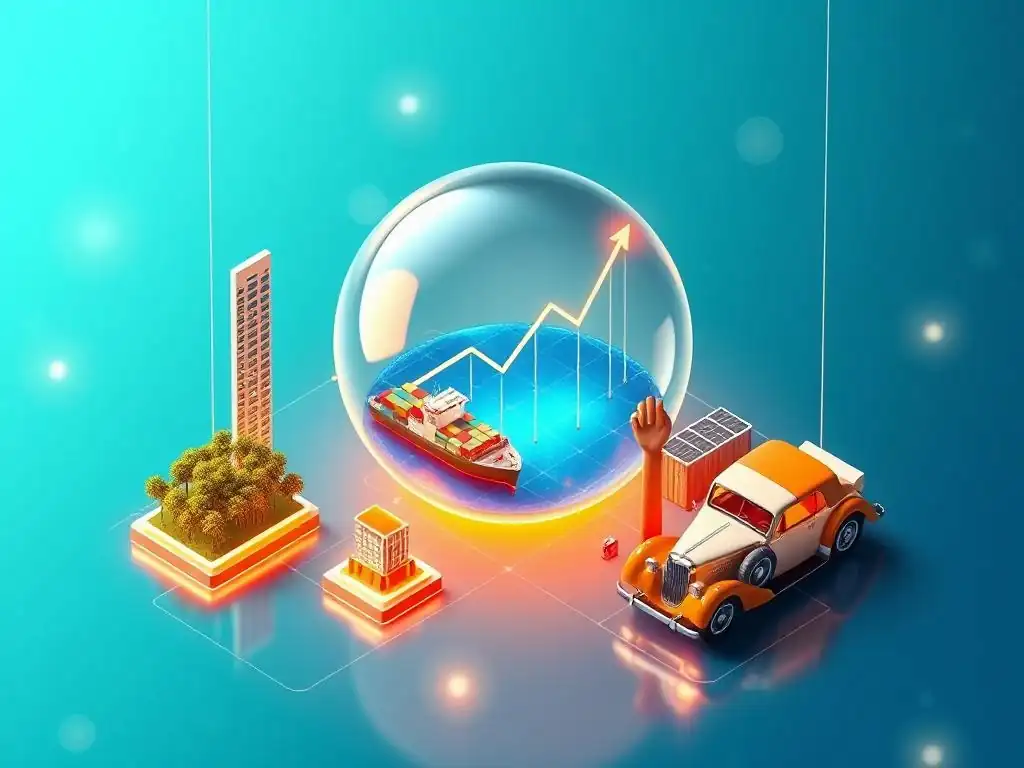
Tokenization of Real Estate: Democratizing Property Investment
The tokenization of real estate is one of the most prominent examples of how this technology is creating tokenization investment opportunities for all. Real estate is a massive global asset class, estimated to be worth hundreds of trillions of dollars, yet it suffers from high illiquidity, significant transaction costs (often 5-10% of property value), and substantial capital requirements. Tokenization addresses these issues head-on by allowing properties, or shares in property-holding entities, to be represented by digital tokens on a blockchain.
This enables fractional ownership, meaning investors can buy tokens representing a small percentage of a building or portfolio of properties for a relatively low entry price, perhaps starting from a few hundred or thousand dollars, compared to the hundreds of thousands or millions needed to buy a property outright. This not only makes real estate investment accessible to a wider range of investors but also allows existing property owners to unlock liquidity without selling the entire asset.
Platforms are emerging globally, facilitating the tokenization and trading of residential, commercial, and even development project real estate, significantly broadening tokenization investment opportunities for all within this asset class.
Tokenizing Art and Collectibles: Opening Doors to Niche Markets
Tokenization is also transforming the art and collectibles market, another sector traditionally characterized by high value, illiquidity, and exclusivity. Investing in blue-chip art, rare wines, or valuable antiques typically requires deep pockets, expert knowledge, and connections within specialized networks. By tokenizing these assets, ownership can be fractionalized and represented by digital tokens, making it possible for multiple individuals to jointly own a single piece.
For example, a painting valued at $1 million could be tokenized into 10,000 tokens, each priced at $100. This allows art enthusiasts or investors with limited capital to own a portion of a valuable artwork, potentially benefiting from its appreciation. Several platforms have successfully tokenized famous artworks, rare diamonds, and vintage cars, creating new avenues for participation in these niche markets. This application of tokenization effectively opens up tokenization investment opportunities for all who wish to gain exposure to the high-value world of art and collectibles without needing to purchase an entire piece.
Tokenizing Commodities: Streamlining Supply Chains and Investment
Tokenization is also finding applications in the commodities sector, offering potential benefits for both supply chain management and investment access. Commodities like gold, silver, oil, or agricultural products can be tokenized, with each token representing a specific unit or quantity of the underlying commodity. This can streamline tracking and transfer within supply chains, improving efficiency and transparency from production to delivery.
From an investment perspective, tokenizing commodities can make it easier and potentially cheaper for investors to gain exposure to commodity price movements without dealing with the complexities of physical storage, insurance, or traditional futures contracts. For instance, platforms exist where investors can buy tokens backed by physical gold stored in secure vaults. Each token represents a specific weight of gold, offering a more liquid and accessible way to invest in the precious metal compared to buying gold bars or coins. This application expands tokenization investment opportunities for all seeking direct exposure to commodity markets.
Due Diligence in Tokenized Assets: Assessing Risks and Opportunities
While tokenization offers exciting tokenization investment opportunities for all, it is crucial for investors to conduct thorough due diligence. Like any investment, tokenized assets carry risks that need careful assessment. These risks can include market volatility, regulatory uncertainty, technological risks (such as smart contract vulnerabilities or platform failures), and liquidity risk (especially for tokens on nascent platforms). Understanding the specific asset being tokenized is paramount – its value, market demand, and potential for appreciation or income generation.
Investors must also scrutinize the tokenization platform itself. This involves evaluating the platform's credibility, security measures, legal compliance, and the robustness of its technology. Understanding the underlying asset's legal structure is vital; are you buying direct ownership, shares in a holding company, or merely a right to revenue? Reading the white paper or offering memorandum is essential to understand the tokenomics, rights associated with the token, and the terms of the offering. Diligence is key to navigating this new market safely and effectively.
Understanding Tokenomics: Evaluating Token Value and Utility
Understanding tokenomics is fundamental when evaluating tokenization investment opportunities for all. Tokenomics refers to the economics of a token – the factors that influence its value and utility. For asset-backed tokens, tokenomics often relates directly to the underlying asset. For example, tokens representing real estate might derive value from the property's market price appreciation and rental income distribution. For tokens representing equity, value might be tied to company performance and dividends.
Key aspects of tokenomics to consider include the total supply of tokens, how tokens are distributed, any vesting schedules (periods during which tokens cannot be sold), and how the token's utility is defined. Does the token grant voting rights, entitle holders to a share of revenue, or provide access to specific services? A clear and sustainable tokenomic model, directly linked to the performance or rights of the underlying asset, is crucial for long-term value. Investors should analyze these factors to determine if the token's structure aligns with their investment goals and risk tolerance.
Regulatory Considerations for Tokenized Investments: The Case of Security Token Offerings (STOs) in the US
The regulatory landscape for tokenized investments is still evolving globally, and understanding the relevant regulations is critical, especially for offerings that represent traditional securities. In the United States, for example, tokens that represent ownership in an asset or a share of profits are often classified as securities by the Securities and Exchange Commission (SEC). When such tokens are offered for sale, they typically fall under the purview of securities law, leading to what is known as a Security Token Offering (STO).
STOs require compliance with existing securities regulations, which can involve registration requirements or qualifying for specific exemptions (like Regulation D for accredited investors or Regulation A+ for smaller public offerings). Compliance ensures investor protection but also adds complexity and cost compared to utility token offerings. Investors exploring tokenization investment opportunities for all must be aware of whether an offering is compliant with relevant securities laws in their jurisdiction. Regulatory clarity is gradually increasing, which is positive for market maturity and investor confidence, but navigating this space requires careful attention to legal frameworks.
The Future of Tokenization: Expanding Investment Horizons
Decentralized Finance (DeFi) and Tokenization Synergies
The synergy between Decentralized Finance (DeFi) and tokenization is poised to significantly expand tokenization investment opportunities for all. DeFi protocols operate on blockchains and aim to recreate traditional financial services – lending, borrowing, trading, insurance – in a decentralized, permissionless manner. Tokenization provides DeFi with a vast new pool of assets to work with: real-world assets (RWAs). By tokenizing assets like real estate, invoices, or even carbon credits, these illiquid assets can be brought onto the blockchain and utilized within DeFi protocols.
This integration allows tokenized RWA holders to potentially use their tokens as collateral for decentralized loans, earn yield by providing liquidity in RWA-backed pools, or trade these assets on decentralized exchanges. For example, a token representing a fractional share of a property could be used as collateral in a DeFi lending protocol. This convergence unlocks liquidity and utility for RWAs that was previously unimaginable, creating complex and potentially lucrative tokenization investment opportunities for all within the evolving DeFi ecosystem. The market cap of RWAs used in DeFi is still relatively small but is expected to grow substantially.
Tokenization and Institutional Adoption: A Growing Trend
Institutional adoption is a key driver for the maturation and expansion of tokenization investment opportunities for all. While early tokenization efforts were often grassroots or focused on retail investors, major financial institutions, banks, and asset managers are increasingly exploring and implementing tokenization strategies. Large banks are piloting the tokenization of bonds and other financial instruments, while asset management firms are looking at tokenizing private equity, real estate funds, and other alternative investments.
This trend is significant because institutional participation brings increased capital, regulatory expertise, and market infrastructure that can enhance liquidity and stability in tokenized markets. For instance, tokenized private equity funds could allow institutions to manage and transfer stakes more efficiently, and eventually, these tokenized shares could become accessible to a wider range of investors as markets mature. The involvement of reputable institutions lends credibility to the tokenized asset space and is a strong indicator of its long-term potential to create widespread tokenization investment opportunities for all.
Predictions for the Tokenized Asset Market: Growth in Real Estate and Private Equity Tokenization
Predictions for the tokenized asset market consistently point towards significant growth, with real estate and private equity often cited as key areas of expansion. Experts forecast that the total value of tokenized assets could reach trillions of dollars within the next five to ten years. For example, a 2023 report from McKinsey estimated that by 2030, a significant portion of global financial assets could be on the blockchain, with tokenized real estate projected to be a major component.
This growth will be driven by the continued realization of benefits like fractionalization, liquidity, and reduced costs. As regulatory clarity improves and institutional infrastructure develops, the barriers to entering the tokenized market will further decrease. Real estate is a natural fit due to its high value and illiquidity, while private equity tokenization can revolutionize fundraising and provide exit opportunities. These trends suggest a future where tokenization investment opportunities for all become increasingly diverse, accessible, and integrated into the mainstream financial system.
Conclusion: Tokenization and the Future of Investment Accessibility
Tokenization represents a powerful paradigm shift in the world of investment, leveraging blockchain technology to break down traditional barriers and create unprecedented tokenization investment opportunities for all. By enabling fractional ownership, enhancing liquidity for illiquid assets, increasing transparency, and reducing transaction costs, tokenization is democratizing access to asset classes previously reserved for the wealthy and well-connected.
From real estate and art to private equity and commodities, a diverse range of assets is being brought onto the blockchain, offering investors new ways to diversify their portfolios and participate in value creation. While the market is still maturing and navigating regulatory challenges, the trajectory points towards a future where tokenized assets play a significant role in the global financial landscape. As infrastructure develops and institutional adoption grows, the promise of truly widespread tokenization investment opportunities for all moves closer to becoming a reality, reshaping how we think about ownership and investment in the digital age.
Frequently Asked Questions
What is tokenization and how does it relate to investment opportunities?
Tokenization is the process of converting assets into digital tokens on a blockchain. This allows for fractional ownership and opens up investment opportunities to a wider range of people.
How does tokenization make investment opportunities more accessible?
By fractionalizing assets, tokenization reduces the minimum investment required. This allows individuals with smaller budgets to participate in markets that were previously only accessible to high-net-worth individuals.
What types of assets can be tokenized?
A wide range of assets can be tokenized, including real estate, artwork, commodities, and even intellectual property. The possibilities are vast and are constantly expanding.
What are the key benefits of investing in tokenized assets?
Key benefits include increased liquidity, reduced transaction costs, and greater accessibility. Tokenization also enhances transparency and security through the use of blockchain technology.
What are the potential risks associated with investing in tokenized assets?
Risks include regulatory uncertainty, market volatility, and the potential for fraud or scams. It's crucial to conduct thorough research and understand the risks before investing.
Final Reflection: Democratizing Investment Through Tokenization
The journey we've explored, detailing how tokenization is breaking down barriers to investment, culminates in a powerful realization: financial empowerment is no longer the exclusive domain of the wealthy. The potential for tokenization to reshape investment landscapes is not just a theoretical concept; it's a tangible force already at play, offering unprecedented access to opportunities previously out of reach for many.
The impact of this shift resonates deeply, influencing not only individual financial futures but also the broader societal landscape. Witnessing the democratization of investment firsthand is inspiring, knowing that more individuals can participate in and benefit from economic growth. The future of finance is not about exclusion, but about inclusion. Tokenization is a key that unlocks doors for those who have been locked out for too long.
This sentiment underscores the profound potential of tokenization to foster a more equitable and prosperous future for all.
As we conclude, consider the implications of this newfound access. How can you leverage the power of tokenization to build a more secure and fulfilling financial future for yourself and your community? The opportunities are vast and evolving. Embrace the potential, educate yourself, and actively participate in shaping a future where investment is truly accessible to everyone.
Okay, I'm ready to craft a compelling Call to Action (CTA) for the end of the "Expanding Access: Tokenization Opens New Investment Opportunities for Everyone" article, published on Blockchain Trends (blockchaintrends.org). Here it is:
Unlock Your Financial Future: Explore Tokenization!
Thank you for diving into the exciting world of tokenization and its potential to democratize investment. We hope you've gained valuable insights into how this technology is reshaping the financial landscape. Now, it's time to take action and explore the possibilities for yourself!
Here's how you can get started:
- Dive deep into researching specific tokenized assets – identify projects aligned with your investment goals and risk tolerance. This is your primary action!
- Join online communities focused on tokenization to connect with fellow investors, learn from experts, and stay updated on the latest trends.
- Explore resources on Blockchain Trends to discover more articles and educational material about blockchain technology and tokenization to expand your knowledge.
What tokenized asset intrigues you the most and why? Share your thoughts in the comments below!
Leave a Reply