
The Future of Creator Monetization: NFTs and Beyond in the Web3 Era

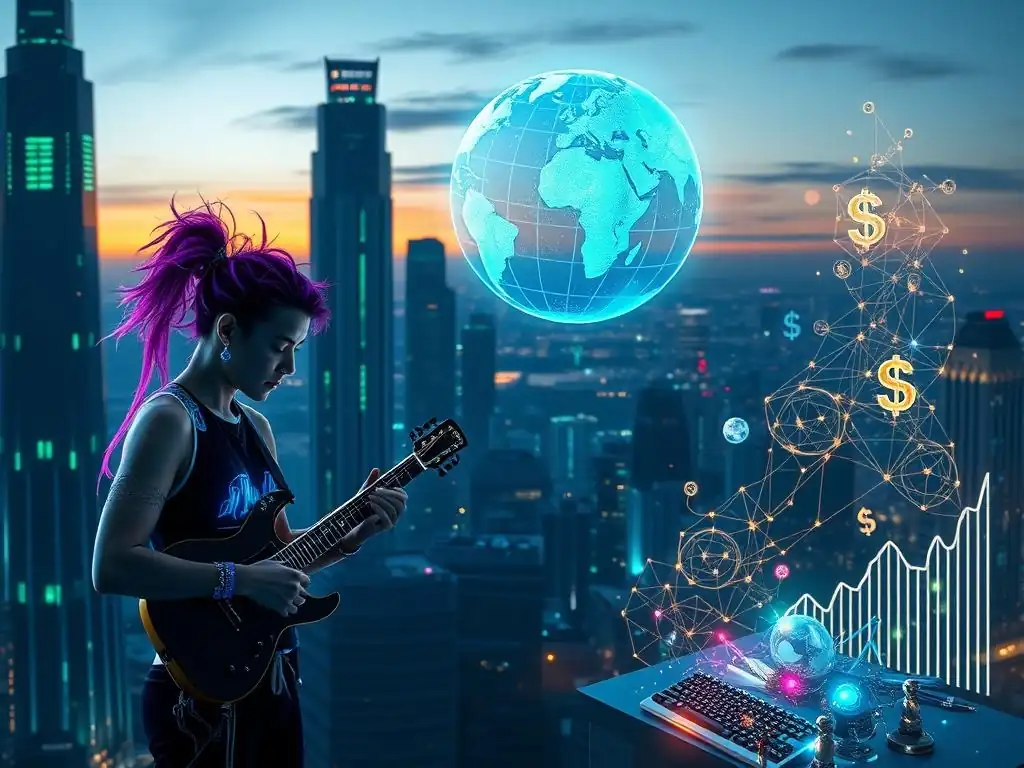
Welcome to Blockchain Trends, your premier source for understanding the profound impact of blockchain technology beyond the hype.
Are you ready to discover how NFTs are revolutionizing creator monetization and shaping the Web3 future? This article delves deep into the innovative strategies empowering artists, musicians, and creators of all kinds to reclaim control and unlock new revenue streams. Explore the evolution of tokenization and its pivotal role in building a more equitable and decentralized digital landscape. Keep reading to uncover the secrets of the NFTs creator monetization Web3 future and how you can be a part of it.
The Future of Creator Monetization: NFTs and Beyond in the Web3 Era
- Introduction: NFTs Revolutionize Creator Income in the Web3 Landscape
- NFTs: A Deep Dive into Monetization Mechanisms for Creators
- Beyond NFTs: Exploring Alternative Creator Monetization Strategies in Web3
- Use Cases: Real-World Examples of Successful Creator Monetization with NFTs
- Challenges and Opportunities in the NFT Creator Economy
- The Future of Creator Monetization: Trends and Predictions
- Conclusion: Empowering Creators with Web3 and Blockchain Technology
- Frequently Asked Questions
- Final Reflection: Embracing the Creator Economy's Evolution
- Unleash Your Creative Power: Monetize Your Passion Today!
Introduction: NFTs Revolutionize Creator Income in the Web3 Landscape
The Evolution of Creator Monetization Models
Over the past decade, the way creators generate revenue has transformed markedly. Early models relied heavily on centralized platforms—be it streaming services, ad-supported content, or sponsorships—leaving creators vulnerable to algorithm changes and platform fees. With the advent of blockchain, a decentralized framework is emerging that promises to realign the balance of power by enabling direct transactions between creators and their audiences.
Blockchain innovations have spurred the introduction of new monetization strategies that bypass traditional intermediaries. As a result, creators now have more control over their intellectual property and revenue streams. This shift is not just theoretical; it’s already reshaping industries such as music, visual arts, and digital content creation, setting the stage for an exponentially more equitable digital economy.
Web3: A New Paradigm for Creators and Fans
Web3 represents the third iteration of the internet—a decentralized version where users regain control over data and personal interactions. In this environment, creators and fans engage directly and transparently. This paradigm shift encourages a model of peer-to-peer transactions, ensuring both parties enjoy immediate and traceable value exchanges.
The Web3 era is also fostering innovative ecosystems that bridge the gap between digital and real-world assets. By incorporating blockchain technology into everyday interactions, creators are now seeing opportunities to build lasting communities that transcend geographical boundaries. This new model paves the way for a Web3 future that is not only more inclusive but also highly responsive to the needs of both creators and their audiences.
The Promise of NFTs for Sustainable Creator Economies
NFTs (Non-Fungible Tokens) have emerged as game-changing assets that empower creators through verifiable digital scarcity and unique ownership. Unlike traditional digital files, NFTs are secured on a blockchain ledger, ensuring authenticity and provenance. This technological guarantee builds trust among fans and collectors, ultimately boosting a creator's brand value.
The sustainable nature of NFT monetization lies in its ability to offer perpetual revenue. By incorporating smart contracts, NFTs can be programmed to automatically pay content creators a percentage of future sales. This feature encourages ongoing engagement and provides a stable income for creators, thus addressing long-standing issues with one-time sales and limited lifetime revenue in the creative industries.
NFTs: A Deep Dive into Monetization Mechanisms for Creators
NFT Sales: Direct Revenue Generation for Artists and Creators
NFT sales have revolutionized direct revenue generation for creators by eliminating the need for intermediaries. With the sale of a digital asset, creators receive immediate, verifiable income that is recorded on the blockchain. This transparency builds trust, as every transaction is immutable and publicly accessible.
Moreover, the ability to tokenize art, music, and digital content has opened up international markets previously hard to access. Artists like Beeple have seen record-breaking sales that not only validate their talent but also redefine how digital artistry is valued. This direct revenue mechanism empowers creators to price their work according to its inherent value, rather than being filtered through intermediaries and external market dynamics.
Royalties: Ensuring Continuous Income Streams for NFT Creators
One of the most revolutionary aspects of NFTs is the implementation of royalties. These automated payments ensure that creators receive a percentage of each future sale when an NFT is resold on secondary markets. This provides an ongoing revenue stream long after the original sale, fostering a more sustainable income model.
Through smart contracts, royalty distributions are handled transparently and efficiently, reducing the risk of errors and disputes. As the secondary market for NFTs expands, this continuous income model reinforces the financial stability of creators. It also encourages a symbiotic relationship between buyers and creators, wherein each resale benefits the original talent, further bolstering the ecosystem’s overall health.
Membership NFTs: Building Exclusive Communities and Recurring Revenue
Membership NFTs are transforming how creators engage with their most dedicated supporters. By issuing a unique token that doubles as a membership pass, creators can offer exclusive content, early access, and even private events. This tokenized approach creates a sense of exclusivity and belonging among community members.
This model not only generates one-off sales but also enables recurring revenue through subscription-like benefits. By integrating tiered membership levels, creators can cater to varying levels of fan engagement and financial commitment. Such a robust ecosystem not only fuels direct income but also solidifies the fan base, ensuring long-term sustainability and mutual growth.
Utility NFTs: Offering Real-World Benefits and Enhanced Fan Engagement
Utility NFTs extend beyond digital artistry by offering tangible, real-world benefits. They serve as a bridge between the digital and physical realms, where holding an NFT could grant access to limited-edition merchandise, exclusive events, or even personal interactions with the creator. This dual utility drives not only intrinsic value but also broadens market appeal.
With this approach, creators can offer enhanced experiences that resonate deeply with fans. For instance, some NFT projects provide behind-the-scenes content or interactive sessions, creating a multi-faceted revenue model that taps into both traditional and digital economies. This integration of practical benefits with digital tokens illustrates how utility NFTs can elevate both engagement and long-term monetization strategies.
Beyond NFTs: Exploring Alternative Creator Monetization Strategies in Web3
Decentralized Autonomous Organizations (DAOs) for Creator Funding and Governance
DAOs are emerging as powerful tools for creator monetization, allowing communities to collectively fund and govern creative projects. In these organizations, every participant holds voting power proportional to their stake, ensuring that decisions are made democratically. This decentralized governance mechanism empowers creators with the support and direction of their most loyal fans.
Real-world examples include artist collectives that operate as DAOs, where funding allocations and project decisions are made collectively. Such models not only secure continuous financial backing but also foster a sense of community ownership. DAOs have the potential to reshape traditional funding models in creative industries, making them more democratic, transparent, and resilient.
Social tokens represent a novel approach to monetization by transforming community engagement into a tokenized asset. These tokens serve as a means of incentivizing participation and rewarding loyalty. Creators can distribute these tokens to fans who actively engage in community activities, such as sharing content or participating in events.
By aligning the interests of creators and their communities, social tokens help build stronger, more engaged networks. Platforms that have successfully implemented this model have seen exponential growth in community participation, as token holders gain not just sentimental value but actual utility within the ecosystem. Through this innovative approach, the relationship between creators and fans becomes both dynamic and economically beneficial.
Micro-transactions and Pay-per-Use Content Models on Blockchain
Blockchain technology enables creators to implement micro-transaction models that allow fans to pay for individual pieces of content or specific experiences. This granular approach to monetization breaks away from traditional subscription or ad-based models, offering flexibility and precision in revenue generation.
Notable implementations of pay-per-use content models include platforms where fans purchase small crypto tokens to access premium content. This method offers an efficient way to monetize niche content, enabling creators to cater to diverse audience interests. Furthermore, micro-transactions reduce the financial barrier for fans, fostering a more inclusive and accessible marketplace for creative works.
DeFi Integration: Leveraging Yield Farming and Staking for Creator Income
DeFi (Decentralized Finance) integration opens up new horizons for creator monetization by incorporating elements such as staking and yield farming. Creators can leverage their NFT holdings or social tokens within DeFi protocols to earn additional passive income. This financial layer provides an opportunity to generate revenue without traditional sales.
In this innovative model, creators might stake tokens to participate in yield farming pools or provide liquidity to decentralized exchanges. These strategies can significantly boost a creator's income. For example, by staking a portion of their revenue in a reputable DeFi protocol, an artist can earn interest over time, adding an extra dimension to their monetization strategy and promoting financial stability in a volatile market.
Use Cases: Real-World Examples of Successful Creator Monetization with NFTs
Case Study 1: Kings of Leon's NFT Album Release
The renowned band Kings of Leon spearheaded the integration of NFTs with traditional music releases, creating a hybrid model that showcased the potential of digital assets in the music industry. Their NFT album release offered special edition tokens that granted holders access to exclusive content and VIP concert experiences. This innovative approach resulted in substantial direct revenue and redefined fan engagement.
This case illustrates how established artists can leverage blockchain technology to open new revenue streams. By combining physical concerts with digital collectibles, Kings of Leon demonstrated that integrating NFTs into existing markets can stimulate interest and loyalty among fans, paving the way for more diversified revenue models in the future.
Case Study 2: Beeple's Record-Breaking NFT Art Sale
Digital artist Beeple made headlines when one of his NFT artworks sold for an unprecedented sum at auction. This landmark sale not only underscored the potential of NFTs to transform the art world but also served as a blueprint for independent creators aiming to unlock new income sources. Beeple’s success has inspired countless emerging artists to explore NFTs as a viable means of monetizing their digital art.
Beeple's record-breaking sale highlights how blockchain technology can democratize access to high-value markets. It also exemplifies the direct monetization benefits that NFTs can provide, where the authenticity and scarcity of the digital asset are key components of its market value. His case is frequently cited in discussions about NFT creator monetization, emphasizing the importance of leveraging digital scarcity to drive economic success.
Case Study 3: Jenkins the Valet: A Community-Driven NFT Storytelling Project
Jenkins the Valet is an innovative NFT project that combines storytelling with community participation. Through the sale of NFTs, the project’s creators built a vibrant ecosystem where every token holder actively contributed to shaping the narrative. This approach not only provided immediate revenue but also established a dynamic, ongoing creative process fueled by community input.
This case study demonstrates the power of combining creative narrative with decentralization. By transforming a traditional storytelling model into an interactive, community-driven experience, Jenkins the Valet not only generated multiple revenue streams but also fostered a loyal and engaged audience. The project serves as an exemplary model for creators seeking sustainable monetization in the Web3 future.
Challenges and Opportunities in the NFT Creator Economy
Scalability and Transaction Fees on Ethereum and Other Blockchains
While blockchain technology opens up new monetization avenues, scalability remains a significant hurdle. Ethereum, the most widely used blockchain for NFTs, has often struggled with congestion, leading to high transaction fees. These fees can deter both creators and buyers from engaging in high-frequency, small-value transactions, potentially stifling the growth of the ecosystem.
Various layer-2 solutions and alternative blockchains are emerging as potential answers to these challenges. For instance, platforms like Polygon and Solana offer significantly reduced fees and faster transaction times. Although these alternatives present opportunities to alleviate scalability issues, transitioning established workflows requires careful planning. Effective solutions must balance the need for low-cost transactions with robust security and network decentralization.
Regulatory Uncertainty Surrounding NFTs and Digital Assets
The regulatory landscape for NFTs and digital assets is still in flux, raising concerns about compliance and long-term viability. Uncertainty regarding intellectual property, securities laws, and consumer protection standards can create challenges for creators and platforms alike. Governments around the world are in the process of debating and formulating these regulations, which could ultimately shape the trajectory of the NFT market.
While regulatory frameworks are under development, proactive measures are essential. Creators and organizations must remain informed about new legal developments and consider engaging legal counsel to navigate this evolving landscape. By taking a cautious yet innovative approach, the NFT ecosystem can not only comply with emerging regulations but also gain legitimacy in mainstream markets.
Intellectual Property Rights and Copyright Issues in the NFT Space
NFTs have disrupted traditional systems of intellectual property management by introducing new challenges around ownership and copyright. Questions about who holds the rights to a digital work—whether it remains with the creator or transfers to the buyer with the NFT—are intensifying debates within the industry. These issues require clear frameworks and robust legal standards to ensure that creators retain control over their intellectual property.
Real-world disputes over NFT ownership and copyright have already emerged, underscoring the need for comprehensive guidelines. As the market matures, stakeholders are working toward collaborative solutions that safeguard creators' rights while fostering innovation. Transparency in licensing agreements and the use of smart contracts can help mitigate these challenges, paving the way for sustainable growth in the digital art space.
Accessibility and User Experience for Mainstream Adoption
For the NFT creator economy to reach its full potential, accessibility and user experience must be significantly improved. Complex wallet setups, intricate transaction processes, and technical jargon often serve as barriers to entry for mainstream users. Simplifying these processes is critical to creating a more inclusive environment where all enthusiasts can engage without intimidation.
Efforts are being made to enhance user interfaces and develop more intuitive platforms that demystify blockchain interactions. By reducing friction points and offering clear guides, platforms are gradually making NFTs more accessible to a broader audience. These improvements are essential not only for scaling the ecosystem but also for ensuring that creators can easily monetize their content while fans can confidently invest in digital assets.
The Future of Creator Monetization: Trends and Predictions
The Rise of Personalized and Dynamic NFTs
The future of NFTs in creator monetization is leaning towards increased personalization and dynamism in digital assets. Personalized NFTs enable creators to offer bespoke tokens that capture the unique attributes of a fan’s interaction or a special moment in time. This customization can transform a standard digital asset into a cherished collectible with deep sentimental value.
Dynamic NFTs, on the other hand, possess the ability to evolve over time based on predetermined conditions or the owner’s interactions. For example, an NFT might update its appearance or unlock new features when certain milestones are reached. Both personalized and dynamic NFTs offer an engaging, evolving experience that not only enhances monetization efforts but also deepens fan loyalty by providing continuous, interactive value.
Integration of NFTs with Metaverse Experiences
The metaverse represents the next frontier for digital interaction, and its integration with NFTs promises to create immersive experiences that blend virtual and real-world dynamics. In virtual environments, NFTs can serve as access keys to exclusive events, custom avatars, or even virtual real estate. This synergy is poised to redefine how creators and fans interact, offering a fully integrated digital lifestyle that augments today’s social interactions.
For creators, the metaverse offers an expansive stage on which to showcase digital art, music, and interactive content. The blending of NFTs with metaverse platforms has already seen pioneering projects that offer virtual concert experiences, gallery exhibitions, and interactive storytelling. Such integrations are set to drive a more engaging and multifaceted approach to income generation, paving the way for a comprehensive Web3 future that redefines digital consumerism.
Increased Focus on Sustainability and Eco-Friendly NFT Solutions
Environmental sustainability is increasingly influencing the evolution of blockchain technologies. Concerns over the carbon footprint of Proof-of-Work blockchains like Ethereum have accelerated the development of eco-friendly alternatives. Many platforms are now adopting Proof-of-Stake or hybrid models that significantly reduce energy consumption, aligning with global sustainability goals.
This push for greener blockchain solutions not only benefits the environment but also attracts a new wave of environmentally conscious consumers and creators. As more NFT projects adopt sustainable practices, the creator economy is likely to see a reinvigorated interest that supports long-term monetization while addressing critical ecological concerns. The move toward sustainable NFT practices represents both an ethical imperative and a strategic advantage in a market increasingly scrutinized for its environmental impact.
The future of creator monetization is expected to be driven by a convergence of various Web3 innovations—NFTs, DeFi, and social tokens. This integrated approach creates comprehensive ecosystems where creators can diversify income streams. For example, a creator might mint an NFT that grants access to a decentralized finance platform where fans can stake tokens or earn yields, thereby intertwining multiple revenue models into one seamless experience.
Such convergence not only amplifies monetization opportunities but also builds resilient networks that are less vulnerable to market fluctuations. The fusion of these elements fosters stronger community bonds and facilitates innovative funding models that offer stability and growth. By embracing this holistic approach, the Web3 future of creator monetization promises to be dynamic, diversified, and resistant to the limitations of traditional financial systems.
Conclusion: Empowering Creators with Web3 and Blockchain Technology
NFTs as a Catalyst for a More Equitable Creator Economy
NFTs have transformed the manner and mechanics of creator monetization by offering verifiable digital ownership, automated royalties, and direct fan engagement. This transformative power not only democratizes income streams but also cultivates an environment where creativity is rightfully rewarded. The transparent nature of blockchain creates an economy where creators and fans benefit symbiotically, moving toward a more equitable digital future.
In this evolving landscape, NFTs stand as a cornerstone of innovation. By bypassing traditional intermediaries, these digital assets enable creators to capture and sustain value in ways previously unimaginable. As this technology continues to mature, it promises to pave the way for a more balanced and just creative economy.
The Long-Term Potential of Decentralized Monetization Models
Decentralized monetization models—spanning from NFT sales to DeFi integrations—offer creators unprecedented leverage over their own revenues. By eliminating intermediaries and embracing transparency, blockchain-based systems foster financial autonomy for creators. This empowerment not only strengthens individual financial stability but also revitalizes entire creative communities, ensuring long-term growth and innovation.
As the market matures, creative professionals will likely find that diversified income streams are not only more resilient to economic downturns but also stimulate collective progress within the industry. Through decentralized systems, the future of creator monetization is set to be robust, self-sustaining, and deeply integrated with the evolving Web3 landscape.
Embracing Innovation and Collaboration in the Web3 Creator Space
The Web3 era is driven by a culture of innovation and collaboration. By leveraging NFTs, social tokens, DAOs, and DeFi, creators can transcend traditional limitations and build dynamic ecosystems. This collaborative framework fosters shared success, where both creators and fans actively contribute to shaping an ecosystem that is fair, inclusive, and forward-thinking.
As we venture deeper into the Web3 future, it is imperative for creators to embrace these novel tools and methodologies. Building bridges between diverse technological innovations not only enhances monetization strategies but also reinforces the creative community’s resilience. Ultimately, empowering creators with blockchain technology paves the way for a vibrant, equitable, and sustainable digital economy that is set to redefine the very nature of creative work.
Frequently Asked Questions
What are NFTs and how do they relate to creator monetization?
NFTs, or Non-Fungible Tokens, provide a unique digital asset that allows creators to monetize their work directly. In the Web3 era, they enable ownership and authenticity, allowing artists to earn from their creations.
How can creators benefit from blockchain technology?
Blockchain technology offers transparency and security, allowing creators to establish direct relationships with their audience. This leads to better monetization opportunities through mechanisms like royalties and smart contracts.
What role does DeFi play in creator monetization?
Decentralized Finance (DeFi) provides creators with innovative financial tools to manage and grow their income. It enables tokenization of assets, allowing artists to access liquidity and funding without traditional intermediaries.
What future trends can we expect in the NFT space?
The future of NFTs is likely to include enhanced interactivity, improved utility, and broader adoption across industries. This evolution will further empower creators, making monetization more robust in the Web3 ecosystem.
How is regulation affecting NFTs and creator monetization?
Regulation in the NFT space is evolving, aiming to provide a framework for creators and buyers. This could enhance trust and legitimacy, ultimately fostering a more sustainable and secure environment for monetization in the Web3 future.
Final Reflection: Embracing the Creator Economy's Evolution
The journey through the evolving landscape of creator monetization, particularly within the realms of NFTs and Web3, reveals a profound shift in power dynamics. This transformation, fueled by decentralized technologies, is not just a trend but a fundamental restructuring of how creators connect with their audiences and derive value from their work. The potential for artists, writers, musicians, and all forms of creative individuals to directly engage with their communities, bypassing traditional gatekeepers, is now more tangible than ever.
The rise of NFTs and Web3 technologies has profoundly impacted the cultural and social landscape, offering a glimpse into a future where creativity is truly valued and rewarded. This paradigm shift resonates deeply, reminding us that the power to shape our digital world lies in the hands of those who dare to create and innovate. The future of work is creative work, and the future of creative work is decentralized.
This quote encapsulates the essence of the Web3 movement, highlighting its potential to empower creators and foster a more equitable and sustainable creative ecosystem.
As we stand on the cusp of this new era, let us embrace the opportunities that NFTs and Web3 offer for creator monetization. Reflect on how you can support the creators whose work inspires you, explore the potential of these technologies to empower your own creative endeavors, and actively participate in building a more vibrant and equitable future for the creator economy. The power to shape this future is in your hands; use it wisely and creatively.
Unleash Your Creative Power: Monetize Your Passion Today!
Thank you for exploring the world of creator monetization with us! We hope you've gained valuable insights into how blockchain technology and decentralized platforms are transforming the way creators connect with their audiences and earn income. Now, it’s time to put that knowledge into action!
Here are some steps you can take today to explore new opportunities:
- Create Your First Limited Edition Digital Asset: Start by designing a unique piece of digital content that represents your work. The process is simpler than you might think!
- Discover Decentralized Autonomous Organizations: Learn how these communities enable shared ownership and governance, empowering creators and fans alike. Find one that aligns with your creative interests and see how you can get involved.
- Share this article with fellow creators eager to embrace innovative monetization methods. Let’s work together to build a vibrant decentralized ecosystem!
What new digital monetization strategy are you most excited to try, and what obstacles do you expect to face? Share your thoughts in the comments below!
Leave a Reply