
The LongTerm Vision for NFTs in the Creator Economy: Sustainability and Growth

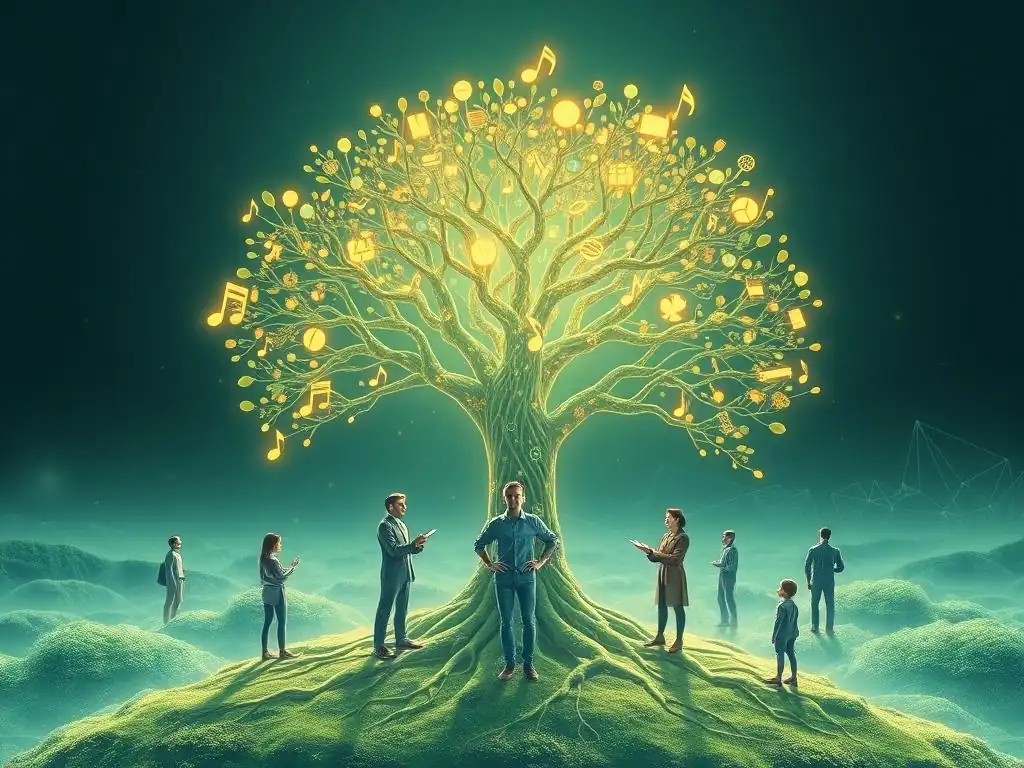
Welcome to Blockchain Trends, your source for unraveling the transformative power of blockchain!
Delve into the long-term vision for NFTs in the creator economy and discover how sustainability and growth are reshaping digital ownership. This article, under our Tokenization and Tokenomics category, explores how NFTs are evolving beyond simple collectibles to fuel a new era of decentralized creativity. But what does the future hold for NFTs, and how can creators leverage this technology for lasting success? Read on to uncover the answers and explore the exciting possibilities ahead!
The Long-Term Vision for NFTs in the Creator Economy: Sustainability and Growth
- Understanding the NFT Revolution and the Creator Landscape
- NFTs and the Creator Economy: A Symbiotic Relationship
- Addressing Sustainability Concerns in the NFT Space
- Strategies for Long-Term Growth in the NFT Creator Economy
- The Future of NFTs: Predictions for the Creator Economy
- Case Studies: Successful NFT Implementations in the Creator Economy
- Overcoming Challenges and Maximizing Opportunities for NFT Creator Growth
- Conclusion: NFTs as a Catalyst for a Sustainable and Thriving Creator Economy
-
Frequently Asked Questions
- What role does sustainability play in the long-term vision for NFTs within the creator economy?
- How can NFTs drive growth within the creator economy, beyond simple digital art sales?
- What are some examples of NFTs being used to support sustainability initiatives?
- How are NFTs reshaping the relationship between creators and their audience in the creator economy?
- What are some key challenges facing the NFTs creator economy sustainability growth, and how can they be overcome?
- Final Reflection: Cultivating a Sustainable Future for Creators with NFTs
- Unlock Your Creator Potential: Build a Sustainable NFT Future!
Understanding the NFT Revolution and the Creator Landscape
The Rise of NFTs: Empowering Creators
The advent of Non-Fungible Tokens (NFTs) has marked a significant shift in how digital assets are perceived, owned, and traded. Before NFTs, digital files like art, music, or videos could be endlessly copied without a clear mechanism for proving original ownership or scarcity. NFTs, built on blockchain technology, provide a unique digital signature that verifies authenticity and ownership, effectively enabling digital scarcity. This innovation directly empowers creators by allowing them to tokenize their work, transforming digital creations from freely reproducible files into unique, ownable assets.
This new paradigm has unlocked unprecedented opportunities for artists, musicians, writers, and other digital content creators. By tokenizing their work, creators can sell their creations directly to fans and collectors, bypassing traditional intermediaries like galleries, record labels, or publishers.
Furthermore, many NFTs are programmed with smart contracts that include royalties, ensuring creators receive a percentage of the sale price every time their NFT is resold on the secondary market. This perpetual revenue stream is a radical departure from traditional models and is central to the long-term vision for NFTs in the creator economy, fostering greater financial independence and sustainability for creative professionals.
Defining the Creator Economy and its Challenges
The creator economy is a rapidly expanding sector encompassing individuals who monetize their skills, content, and communities online. This includes YouTubers, Instagram influencers, Twitch streamers, Substack writers, digital artists, and more, who build direct relationships with their audience. While offering significant freedom and potential for direct engagement, the creator economy faces inherent challenges, including reliance on centralized platforms, unpredictable algorithm changes, difficulty in monetizing niche content, and the constant pressure to produce new content to maintain income streams.
One major hurdle is the often-unequal distribution of revenue, with platforms taking substantial cuts, sometimes 30% or more, of creators' earnings. Another challenge is the transient nature of platform engagement; a creator's audience and income can be severely impacted by changes outside their control. Building a truly sustainable career requires not just audience growth but also stable, diverse revenue streams and a degree of independence from single platforms. Addressing these challenges is crucial for fostering long-term growth and stability within the creator landscape.
The Role of Blockchain in Sustainable Creator Growth
Blockchain technology provides foundational elements necessary for building a more sustainable creator economy. By offering decentralization, transparency, and immutability, blockchain enables creators to own their digital assets and relationships directly, rather than renting space or relying solely on centralized platforms. This shifts power dynamics, giving creators more control over their work, distribution, and monetization strategies. The inherent transparency of public blockchains allows for verifiable transaction histories and smart contract execution, building trust between creators and their communities.
Specifically, blockchain underpins the functionality of NFTs, which are proving to be a powerful tool for creator sustainability. Beyond NFTs, blockchain enables token-gated communities, decentralized autonomous organizations (DAOs) for collective creator projects, and decentralized finance (DeFi) protocols for innovative funding mechanisms. These tools collectively contribute to a robust infrastructure where creators can build businesses that are less susceptible to the whims of intermediaries and more directly tied to the value they create and share with their audience, paving the way for meaningful NFTs creator economy sustainability growth.
NFTs and the Creator Economy: A Symbiotic Relationship
How NFTs Facilitate Direct Creator-Fan Engagement
NFTs forge a unique and direct connection between creators and their fans, moving beyond the transactional nature of traditional content consumption. When a fan purchases an NFT directly from a creator, they are not just acquiring a digital asset; they are often gaining membership in a community, access to exclusive content, or even a stake in the creator's future success.
This direct interaction bypasses layers of intermediaries, allowing creators to build deeper relationships and understand their audience better. For example, an artist might offer a limited series of NFTs that grant holders early access to new releases or private Q&A sessions.
This direct line of engagement is vital for building loyalty and fostering a dedicated community, which is a cornerstone of a sustainable creator career. Fans who own an NFT feel a sense of vested interest and connection to the creator's journey. Data from early NFT projects shows that communities built around token ownership often exhibit higher engagement rates and a stronger sense of belonging compared to traditional fan bases. This transformation from passive consumers to active participants and patrons is a key driver of NFTs creator economy sustainability growth.
Diversifying Revenue Streams for Creators with NFTs
One of the most significant benefits NFTs offer creators is the ability to diversify their income streams beyond traditional methods like advertising revenue, sponsorships, or merchandise sales. NFTs allow creators to monetize a wide range of digital content, including art, music, videos, tweets, articles, and even virtual real estate or in-game items. Each type of content can be tokenized and sold as a unique collectible or utility-bearing asset, opening up multiple avenues for income generation.
Moreover, the inclusion of royalty clauses in smart contracts ensures creators earn a percentage from every secondary sale of their NFT. This creates a passive income stream that can continue long after the initial sale, providing a level of financial stability previously difficult to achieve for many digital creators. For instance, a musician selling NFT albums could earn royalties every time that album NFT is resold. This diversification reduces reliance on any single platform or revenue source, significantly enhancing the sustainability and growth potential for creators leveraging NFTs.
Building Community Ownership and Loyalty Through NFTs
NFTs have proven to be powerful tools for cultivating community ownership and fostering deep loyalty among fans. By issuing NFTs, creators can effectively turn their most engaged fans into stakeholders who possess a tangible piece of the creator's work or brand. This sense of ownership goes beyond simple fandom, transforming fans into active participants who are incentivized to support the creator's success, as the value of their owned NFTs may appreciate alongside the creator's popularity.
Many creators use NFTs as membership tokens, granting holders access to exclusive Discord servers, private events, or voting rights on future projects (a concept often explored in creator DAOs). This creates tiered levels of engagement and rewards the most dedicated supporters. Projects like Gary Vaynerchuk's VeeFriends, which uses NFTs as access tokens to his conferences and community, exemplify how NFTs can build a loyal, engaged base with shared incentives. This model of building community through shared digital ownership is fundamental to achieving NFTs creator economy sustainability growth.
Addressing Sustainability Concerns in the NFT Space
Environmental Impact of NFTs: Exploring Eco-Friendly Solutions
A significant concern surrounding NFTs, particularly in their early days, has been their environmental impact due to the energy-intensive nature of proof-of-work (PoW) blockchains like early Ethereum. Minting and trading NFTs on these networks consumed substantial amounts of electricity, leading to valid criticism regarding their carbon footprint. Addressing this issue is paramount for the long-term sustainability and public acceptance of NFTs in the creator economy.
Fortunately, the blockchain space is rapidly evolving towards more energy-efficient consensus mechanisms. Ethereum, the dominant platform for many NFTs, successfully transitioned from PoW to proof-of-stake (PoS) in September 2022. This transition reduced Ethereum's energy consumption by an estimated 99.95%, drastically mitigating the environmental concerns associated with NFTs minted and traded on the network.
Other popular NFT platforms, like Flow and Polygon, were built on or utilize PoS or similar energy-efficient mechanisms from the outset. As the industry shifts predominantly to PoS and other sustainable solutions, the environmental argument against NFTs becomes significantly weaker, bolstering the vision for NFTs creator economy sustainability growth.
Economic Sustainability: Ensuring Long-Term Value for Creators and Collectors
Beyond environmental concerns, ensuring economic sustainability is crucial for the longevity of the NFTs creator economy. This involves creating models where creators can earn sustainable income and collectors can find long-term value in their NFT investments. The initial hype phase saw inflated prices for some NFTs, leading to market volatility and questions about intrinsic value. Sustainable growth requires moving beyond speculative trading towards utility-driven and community-focused NFTs.
Creators are increasingly focusing on providing ongoing value to NFT holders through exclusive content, access, experiences, or participation in governance. This shifts the focus from the initial sale price to the long-term benefits of holding the token. For collectors, this means acquiring assets that provide more than just digital bragging rights – they offer tangible utility or membership. Developing robust secondary markets with fair royalty structures and exploring innovative models like fractional ownership and NFT rentals are also key to building a more economically sustainable ecosystem for both creators and collectors, supporting the overall NFTs creator economy sustainability growth.
Combating Scams and Fraud in the NFT Creator Market
The rapid expansion of the NFT market has unfortunately attracted malicious actors, leading to instances of scams, fraud, and intellectual property theft. This includes phishing attempts, fake marketplaces, wash trading to manipulate prices, and the minting of NFTs using copyrighted or stolen artwork. These issues erode trust and pose a significant threat to the healthy growth and sustainability of the NFTs creator economy. Protecting both creators and collectors is essential.
Combating these issues requires a multi-pronged approach involving technological solutions, platform responsibility, and user education. Marketplaces are implementing stricter verification processes for creators and projects, developing AI tools to detect fraudulent activity, and improving reporting mechanisms. Blockchain analytics firms are helping track illicit funds and identify suspicious patterns. However, user vigilance remains critical; educating creators and collectors about common scams, secure wallet practices, and how to research projects is paramount. A concerted effort across the ecosystem is necessary to build a safer environment conducive to long-term NFTs creator economy sustainability growth.
Strategies for Long-Term Growth in the NFT Creator Economy
Fostering Innovation in NFT Use Cases for Creators
The long-term growth of the NFTs creator economy hinges on continuous innovation in how NFTs are used beyond simple digital collectibles. While PFP (Profile Picture) projects and digital art have dominated the initial wave, the potential applications of NFTs for creators are vast and largely untapped. Exploring new use cases will attract a wider range of creators and audiences, driving adoption and proving the technology's enduring value.
Innovative applications include using NFTs for ticketing events (virtual or physical), tokenizing creative outputs like music stems or book chapters, creating interactive or evolving digital art (generative art reacting to external data), and building decentralized crowdfunding mechanisms where supporters receive NFTs representing a stake or reward in a project. Artists are experimenting with unlocking high-resolution files or physical prints for NFT holders, while musicians are exploring fractional ownership of songs or albums via NFTs. Pushing these boundaries is crucial for sustained NFTs creator economy sustainability growth.
Building Robust NFT Marketplaces and Infrastructure
The infrastructure supporting the NFT market, particularly marketplaces, plays a critical role in enabling long-term growth for creators. These platforms are the primary venues where creators list their work and collectors discover and purchase NFTs. Building robust, user-friendly, secure, and transparent marketplaces is essential for reducing friction and increasing accessibility for a global audience.
Key areas for improvement include enhancing user experience (UI/UX) to make onboarding and trading simpler for those new to crypto, implementing stronger security measures to prevent hacks and scams, and developing better discovery tools for collectors to find relevant creators and art. Marketplaces also need to support a wider variety of blockchain networks and NFT standards to offer creators flexibility. Furthermore, integrating features like analytics, creator dashboards for managing royalties and communities, and educational resources will empower creators to build more sustainable businesses on these platforms, directly contributing to NFTs creator economy sustainability growth.
Education and Accessibility: Onboarding More Creators and Fans
One of the primary barriers to broader adoption of NFTs in the creator economy is the perceived complexity of blockchain technology and cryptocurrencies. Many potential creators and fans are intimidated by the technical jargon, wallet setup processes, and transaction fees. Increasing education and improving accessibility are fundamental strategies for unlocking the next phase of growth.
Efforts are needed to simplify the process of minting, buying, and selling NFTs. This includes developing more intuitive interfaces, providing clear step-by-step guides, and potentially abstracting away some of the underlying blockchain complexities for the end-user (e.g., gas fee management). Educational initiatives explaining the benefits, risks, and mechanics of NFTs in simple terms are also vital. As more user-friendly tools and comprehensive educational resources become available, the path for creators to leverage NFTs and for fans to support them becomes clearer, accelerating NFTs creator economy sustainability growth by expanding the participant base.
The Future of NFTs: Predictions for the Creator Economy

NFTs as a Cornerstone of Digital Ownership
Looking ahead, NFTs are poised to become a fundamental component of digital ownership across various domains, solidifying their role in the creator economy. As our lives become increasingly digital, the need for verifiable ownership of digital assets – whether art, collectibles, in-game items, or even digital identities – becomes more pronounced. NFTs provide the perfect mechanism for this, offering a universal standard for proving provenance and ownership on decentralized ledgers.
This evolution means that owning a digital artwork NFT will be akin to owning a physical painting, with a clear record of title. For creators, this translates into a future where they can confidently create and sell unique digital goods, knowing their ownership rights are secured by cryptography. This foundational shift towards verifiable digital ownership empowers creators to build entire businesses around digital assets, predicting a future where NFTs are not just a trend but an essential infrastructure layer for the digital realm, bolstering NFTs creator economy sustainability growth for years to come.
The Metaverse and the Evolution of NFT Creator Experiences
The burgeoning concept of the metaverse – persistent, interconnected virtual worlds – presents a massive opportunity for the evolution of NFT creator experiences. In these immersive digital environments, NFTs will likely serve as the primary means of representing ownership of virtual goods, real estate, avatars, wearables, and interactive experiences. This opens up entirely new frontiers for creators to build, monetize, and engage with audiences within virtual spaces.
Artists can create and sell digital sculptures or installations for virtual galleries; fashion designers can design and sell virtual clothing as NFT wearables for avatars; musicians can host concerts in virtual venues where tickets are sold as NFTs. The metaverse provides a context where the utility of digital assets is immediately apparent and highly valued. This integration of NFTs into virtual worlds will likely drive significant demand for creator-generated content, fueling unprecedented NFTs creator economy sustainability growth and innovation in how creators interact with their fans and monetize their creativity.
Regulatory Landscape and its Impact on NFT Sustainability and Growth
The long-term sustainability and growth of the NFTs creator economy will undoubtedly be shaped by the evolving regulatory landscape around the world. As NFTs gain mainstream traction, governments and financial authorities are beginning to examine how they fit into existing legal frameworks, particularly concerning securities law, intellectual property, taxation, and consumer protection. Clarity and thoughtful regulation could provide certainty and legitimacy, encouraging broader participation, while overly restrictive or unclear rules could stifle innovation.
Different jurisdictions are taking varied approaches. Some are providing guidance on how NFTs might be taxed or treated under existing property laws, while others are exploring whether certain types of NFTs could be classified as securities depending on their characteristics and how they are marketed. The industry is actively engaging with policymakers to help shape regulations that protect consumers and creators without hindering technological progress. A balanced regulatory environment that fosters innovation while addressing risks is crucial for ensuring the stable and sustainable growth of the NFTs creator economy.
Case Studies: Successful NFT Implementations in the Creator Economy
Kings of Leon: Leveraging NFTs for Album Sales and Fan Experiences
Kings of Leon became one of the first major music acts to release an album as an NFT, demonstrating a novel way for musicians to engage fans and generate revenue. Their "When You See Yourself" album NFT drop in March 2021 included three types of tokens: a standard album NFT, a token providing lifetime front-row seats at their concerts, and a token offering exclusive audio-visual art. The collection reportedly generated over $2 million in sales.
This case study illustrates how established creators can use NFTs to offer unique value propositions beyond the music itself. The lifetime ticket NFTs, for example, created a highly coveted asset that offered tangible, long-term utility to the holder while generating significant upfront revenue for the band. This approach diversification of offerings and creation of exclusive fan experiences is a key strategy for achieving NFTs creator economy sustainability growth in the music industry.
Beeple: Building a Community Through NFT Art Auctions
Mike Winkelmann, known as Beeple, is perhaps the most famous example of an artist achieving unprecedented success through NFTs. His digital collage "Everydays: The First 5000 Days" sold for a staggering $69 million at Christie's auction house in March 2021, bringing global attention to NFT art. While the headline sale was monumental, Beeple had been building a dedicated community around his daily digital art practice for years.
Beeple leveraged platforms like Nifty Gateway for initial drops, cultivating a collector base willing to pay significant amounts for his unique digital works. His success wasn't just about the high price tags; it demonstrated that digital art could be valued and collected like physical art, providing a viable path for digital artists to build sustainable careers. His trajectory inspired countless digital artists to explore NFTs, contributing significantly to the early momentum and perceived value within the NFTs creator economy sustainability growth narrative.
Mirror.xyz: Monetizing Writing with NFT-Based Crowdfunding
Mirror.xyz is a decentralized publishing platform that allows writers and creators to monetize their work and projects using blockchain technology, particularly NFTs. One of its core features is the ability for writers to crowdfund projects (like a book, a film, or a newsletter) by selling "Entry Point" NFTs. Contributors purchase these NFTs, effectively investing in the project, and receive a tokenized share of its success or other defined benefits.
This model empowers writers to bypass traditional publishing gatekeepers and directly fund their work through their audience. For example, a writer might sell 100 NFTs at 0.1 ETH each to fund research for a new book. NFT holders could receive a special edition of the book, access to drafts, or even a percentage of future book sales. Mirror demonstrates how NFTs can serve not just as collectibles but as innovative financial instruments for creators across different mediums, showcasing a unique facet of NFTs creator economy sustainability growth.
Overcoming Challenges and Maximizing Opportunities for NFT Creator Growth
Addressing Intellectual Property Concerns in the NFT Space
Intellectual property (IP) concerns remain a significant challenge in the NFT space. While an NFT represents ownership of a token on a blockchain, it typically does not automatically transfer the full copyright or IP rights of the underlying asset unless explicitly stated and legally binding outside the smart contract. This has led to confusion, unauthorized tokenization of copyrighted work, and uncertainty regarding creators' rights and collectors' permissions.
Addressing this requires clearer standards and potentially new legal frameworks that bridge the gap between digital ownership on the blockchain and existing IP law. Creators need to be educated on how to properly license or assign rights when selling NFTs, and marketplaces need robust systems for verifying authenticity and handling infringement claims. Establishing industry best practices and potentially integrating legal agreements more tightly with NFT metadata are crucial steps to protect creators and foster trust, which is essential for long-term NFTs creator economy sustainability growth.
The NFT market has experienced significant price volatility since its boom phase, with periods of intense speculation followed by sharp downturns in floor prices and trading volume for many collections. This volatility poses a challenge for creators relying on NFT sales for income and for collectors concerned about the value of their assets. Navigating these market cycles is key to building sustainable creator businesses.
Creators can mitigate volatility risks by focusing on building long-term value and utility for their NFTs beyond speculative trading. This includes cultivating strong communities, providing ongoing benefits to holders, and diversifying their monetization strategies (not solely relying on primary or secondary sales). For collectors, understanding the risks and focusing on projects with clear roadmaps and engaged communities, rather than purely speculative plays, is important. While market fluctuations are inherent in new asset classes, strategic approaches by both creators and collectors can help stabilize the NFTs creator economy sustainability growth trajectory over time.
The Importance of Community Building and Collaboration
At the heart of successful NFT projects, especially for individual creators, lies strong community building and collaboration. NFTs are not just digital assets; they often serve as keys to exclusive communities where fans and collectors can interact with the creator and each other. A vibrant, engaged community provides ongoing support, feedback, and demand, which is crucial for the long-term success and sustainability of a creator's NFT endeavors.
Creators who actively engage with their communities through platforms like Discord, Twitter Spaces, or token-gated forums tend to build more loyal fan bases. Collaboration with other creators, developers, or projects can also expand reach and create cross-promotional opportunities. Whether it's hosting exclusive AMAs for NFT holders, collaborating on a joint NFT collection, or involving the community in decision-making (via DAOs), fostering connection and shared purpose is fundamental. This focus on relationships and collective value creation is a cornerstone of NFTs creator economy sustainability growth.
Conclusion: NFTs as a Catalyst for a Sustainable and Thriving Creator Economy
Recap of Key Takeaways
This exploration into the long-term vision for NFTs in the creator economy highlights several critical points. NFTs have emerged as a powerful tool empowering creators by enabling direct ownership, diversifying revenue through initial sales and royalties, and fostering deep fan engagement and community loyalty. While challenges like environmental impact, market volatility, and fraud exist, the industry is actively evolving with more sustainable blockchain technologies and enhanced security measures.
Strategies for long-term growth emphasize innovation in NFT use cases, the development of robust and accessible infrastructure like marketplaces, and crucial education to onboard more participants. The future sees NFTs becoming fundamental to digital ownership, integral to metaverse economies, and shaped by regulatory developments. Successful case studies demonstrate the tangible potential for creators across different fields to leverage NFTs effectively.
The Potential for NFTs to Reshape the Future of Content Creation
NFTs possess the transformative potential to fundamentally reshape the future of content creation. By shifting power and ownership from centralized platforms back to individual creators and their communities, NFTs enable a more equitable and direct relationship between those who create and those who consume or collect. This paradigm allows creators to build independent, resilient businesses around their passion and talent, unburdened by traditional gatekeepers or opaque algorithms.
The ability to tokenize diverse forms of creative output, establish perpetual royalty streams, and build engaged, invested communities through digital ownership unlocks unprecedented opportunities for innovation and financial stability. As the technology matures, infrastructure improves, and understanding grows, NFTs are poised to become an indispensable tool for creators seeking autonomy, sustainability, and direct connection with their audience, driving significant NFTs creator economy sustainability growth.
Call to Action: Embracing the Opportunities of NFTs for Creator Empowerment
For creators looking to build sustainable careers in the digital age, exploring and embracing the opportunities presented by NFTs is becoming increasingly compelling. While the technology is still evolving and challenges remain, the benefits of direct monetization, community building, and owning your digital assets are significant. Start by researching how NFTs are being used in your specific creative field and understand the underlying technology and platforms.
Consider experimenting with tokenizing a small piece of your work or engaging with existing NFT communities. Focus on providing real value and utility to your collectors beyond just the speculative aspect. By strategically leveraging NFTs, creators can build more resilient income streams, cultivate deeper connections with their fans, and take greater control over their creative future, contributing actively to the vital NFTs creator economy sustainability growth.
Frequently Asked Questions
What role does sustainability play in the long-term vision for NFTs within the creator economy?
Sustainability is crucial because the environmental impact of some blockchains has been a major concern. Developing and adopting eco-friendly blockchain solutions is necessary for long-term growth and acceptance.
How can NFTs drive growth within the creator economy, beyond simple digital art sales?
NFTs can unlock new revenue streams for creators through royalties, fractional ownership, and community building. This fosters deeper engagement and allows creators to retain more control over their work and its distribution.
What are some examples of NFTs being used to support sustainability initiatives?
NFTs can be used to tokenize carbon credits, fund conservation projects, and track the provenance of sustainable products. This provides transparency and accountability in environmental efforts.
How are NFTs reshaping the relationship between creators and their audience in the creator economy?
NFTs allow creators to build direct relationships with their fans, bypassing traditional intermediaries. This fosters community ownership and allows creators to offer exclusive content, experiences, and governance rights.
What are some key challenges facing the NFTs creator economy sustainability growth, and how can they be overcome?
Challenges include scalability issues, regulatory uncertainty, and environmental concerns. Overcoming these requires technological innovation, clear legal frameworks, and a commitment to sustainable blockchain practices.
Final Reflection: Cultivating a Sustainable Future for Creators with NFTs
The exploration of NFTs within the creator economy reveals a landscape brimming with potential, yet also demanding careful cultivation. The promise of direct artist-to-consumer relationships and novel revenue streams hinges on establishing sustainable practices and fostering genuine growth. This is not merely a technological evolution; it's a paradigm shift in how creators are valued and compensated for their work, a shift that requires conscious effort and a long-term perspective.
The impact of NFTs extends far beyond digital collectibles; it's reshaping the very fabric of artistic ownership and community engagement. Witnessing this transformation firsthand underscores the importance of responsible innovation and ethical implementation. The potential for NFTs to empower creators is undeniable, but realizing that potential requires a commitment to accessibility, transparency, and environmental consciousness. The best way to predict the future is to create it.
- Peter Drucker. This quote resonates deeply as we navigate the uncharted waters of the NFT space, urging us to actively shape its trajectory towards a more equitable and sustainable future.
As we stand at the cusp of this new era, let us not be passive observers, but active participants in building a creator economy that truly thrives. Consider how you can support artists who are embracing NFTs responsibly, advocate for sustainable practices within the ecosystem, and explore the innovative ways NFTs can foster deeper connections between creators and their audiences. The future of the creator economy is not predetermined; it is being written now, and your contribution matters.
Unlock Your Creator Potential: Build a Sustainable NFT Future!
Thank you for exploring the future of NFTs in the creator economy. We hope this article has inspired you with valuable insights into building a sustainable and thriving digital presence. Now, it's time to take action and shape that future!
Here's how you can get started:
- Develop your own NFT project by leveraging your unique skills and passions to create digital assets that truly resonate with your audience.
- Learn about decentralized autonomous organizations (DAOs) and other governance models to understand how to build and participate in vibrant NFT communities.
- Share this article with fellow creators and start a conversation about fostering a more sustainable and equitable creator economy.
What are the first steps you're taking to ensure the long-term success of NFTs and the creator economy? Share your ideas and projects in the comments below!
Leave a Reply