
NFT Accessibility for Traditional Artists: Bridging the Gap to Digital Ownership

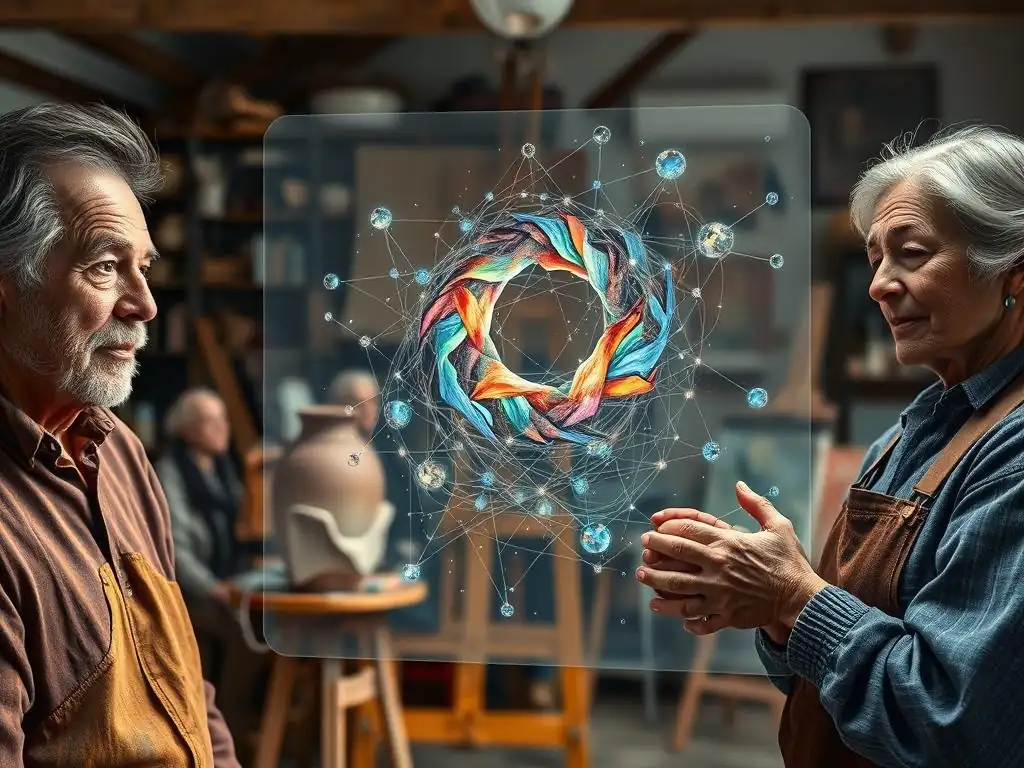
Welcome to Blockchain Trends, your compass in the rapidly evolving world of decentralized technology. Beyond the buzzwords, we delve into the real-world applications of blockchain, from revolutionizing finance to reshaping enterprise solutions. Are you a traditional artist curious about entering the digital realm? In this article, we explore NFTs for traditional artists, demystifying the process and bridging the gap to digital ownership. Discover how you can leverage blockchain to connect with new audiences and unlock new revenue streams, and how this trend is shaping the future of art ownership. Intrigued? Let's dive in!
- Understanding NFTs and Digital Ownership for Artists
- The Challenges Traditional Artists Face Entering the NFT Space
- Bridging the Gap: Solutions for Traditional Artists to Embrace NFTs
- Leveraging NFTs to Monetize Traditional Art
- Case Studies: Traditional Artists Successfully Navigating the NFT World
- The Future of Traditional Art in the NFT Space
-
Frequently Asked Questions
- How can traditional artists benefit from creating NFTs?
- What are the main challenges traditional artists face when entering the NFT space?
- What tools and platforms can help traditional artists create and sell NFTs?
- How can traditional artists protect their intellectual property when creating NFTs?
- What are some examples of successful traditional artists who have embraced NFTs?
- Final Reflection: Embracing the Digital Canvas
- Unleash Your Art in the Digital Realm!
Understanding NFTs and Digital Ownership for Artists
What are NFTs and Why Should Traditional Artists Care?
NFTs, or Non-Fungible Tokens, are unique digital assets stored on a blockchain. Unlike cryptocurrencies like Bitcoin or Ether, which are fungible (meaning each unit is interchangeable), an NFT represents a specific, one-of-a-kind item. This item can be anything digital – an image, a video clip, a piece of music, or even a tokenized version of a physical object.
For traditional artists, NFTs offer a revolutionary way to assert ownership and authenticity over their digital creations or digital representations of their physical work, providing a verifiable certificate of ownership on a decentralized ledger. The concept of NFTs for traditional artists is fundamentally about translating the value and provenance of physical art into the digital realm.
The significance of NFTs for traditional artists lies in their ability to unlock new avenues for creation, distribution, and monetization in the digital space. Historically, replicating digital art was effortless, making it difficult to establish scarcity or value in the same way as a physical painting or sculpture.
NFTs solve this by creating a verifiable record of ownership, allowing artists to sell unique digital editions or link tokens to physical pieces. This opens up global marketplaces accessible directly to collectors, bypassing traditional gatekeepers like galleries or auction houses, and enabling artists to connect directly with their audience and benefit more directly from sales of NFTs for traditional artists.
The Concept of Digital Ownership and Scarcity in the Digital Realm
Digital ownership, facilitated by NFTs, is a paradigm shift from simply possessing a digital file. When a collector purchases an NFT, they are not necessarily buying the copyright or the exclusive right to view the associated digital asset (which might still be publicly viewable online). Instead, they are acquiring a unique token on the blockchain that proves they own that specific instance of the digital item, recorded immutably.
This is akin to owning a signed limited-edition print versus having a regular copy; everyone can see the image, but only the owner possesses the authenticated, scarce version. This mechanism introduces verifiable scarcity into the digital world, a concept traditionally difficult to replicate for digital goods.
This verifiable scarcity is crucial for establishing value and creating a collector's market for digital art and tokenized traditional art. Before NFTs, a digital image could be copied infinitely with no loss of quality. With an NFT, an artist can declare that only one unique version exists, or perhaps a limited series of 100 editions.
The blockchain confirms the total supply and tracks every owner. This allows NFTs for traditional artists to command value based on their uniqueness, provenance (the history of ownership recorded on the blockchain), and the artist's reputation, mirroring how value is attributed to physical artworks based on similar factors like authenticity and rarity.
Demystifying Blockchain Technology for Non-Technical Artists
At its core, blockchain is a distributed, immutable ledger that records transactions across many computers. Think of it as a shared, constantly updated digital notebook that everyone involved can see, but no single person controls, and once something is written, it's nearly impossible to erase or change. For NFTs, this ledger records who created the token, who currently owns it, and every time it has been sold or transferred.
This transparency and security are what make NFTs trustworthy as certificates of digital ownership. Artists don't need to understand the intricate cryptographic processes; they just need to know that the blockchain provides a secure and public record of their tokenized work's history and ownership.
When a traditional artist decides to create an NFT (often called "minting"), they are essentially creating an entry on this distributed ledger. This entry contains metadata about the artwork – its title, description, a link to the digital file (which is usually stored elsewhere, like on IPFS), and the smart contract code that governs the NFT's behavior (like enabling royalties on future sales).
The complexity of the underlying technology is often hidden by user-friendly platforms, allowing NFTs for traditional artists to be created and managed without requiring deep technical expertise in blockchain programming. The artist interacts with a platform, which handles the complex blockchain interactions behind the scenes, making the process accessible.
The Challenges Traditional Artists Face Entering the NFT Space
Technical Barriers and the Learning Curve of NFT Creation
One of the most significant hurdles for traditional artists exploring NFTs is the perceived technical complexity. While platforms are becoming more user-friendly, the initial steps – setting up a digital wallet, acquiring cryptocurrency (often Ether, Solana, or other specific tokens depending on the blockchain), connecting the wallet to a marketplace, and understanding the minting process – can be daunting. Artists accustomed to working with physical materials may find navigating the digital infrastructure challenging. The terminology itself, from "gas fees" and "smart contracts" to "wallets" and "marketplaces," represents a new vocabulary to learn.
Furthermore, preparing artwork for tokenization might require new skills. While a high-resolution scan or photograph of a painting can be tokenized, many artists explore creating purely digital or animated versions of their work. This necessitates learning digital art tools, animation software, or even 3D modeling, adding another layer to the technical learning curve. Bridging the gap for NFTs for traditional artists requires not just technical literacy regarding blockchain but potentially expanding their digital art creation skill set, depending on how they choose to represent their work in the NFT space.
Overcoming the Fear of the Unknown: Addressing Artist Concerns
Beyond technical difficulties, traditional artists often face psychological barriers and skepticism towards the nascent and rapidly evolving NFT market. Concerns about volatility, scams, copyright infringement, and the environmental impact of certain blockchains (particularly proof-of-work chains like Ethereum before its transition to proof-of-stake) are prevalent and valid. Artists may feel overwhelmed by the speed at which the space changes or wary of investing time and resources into something they don't fully understand or trust. Addressing these fears requires clear, factual information and building confidence in the legitimate opportunities NFTs for traditional artists present.
Another common concern is the perceived artistic value of digital assets compared to physical pieces. Artists who have dedicated years to mastering traditional techniques may question whether a digital token can ever hold the same cultural or financial weight as a tangible artwork. This apprehension is often rooted in a lack of understanding of how digital value is created and perceived in the digital age. Highlighting successful case studies and explaining how NFTs can complement, rather than replace, physical art can help alleviate these concerns and demonstrate the potential for NFTs for traditional artists to expand their practice.
Financial Considerations: Gas Fees, Minting Costs, and Marketplaces
Entering the NFT space involves various financial outlays that can be unpredictable and potentially costly, especially on certain blockchains during periods of high network activity. The most notorious cost is "gas fees," the transaction fees paid to the blockchain network to process and validate actions, including minting an NFT or transferring ownership.
On the Ethereum blockchain, gas fees fluctuate significantly based on network congestion; during peak times in early 2022, minting an NFT could cost anywhere from $50 to several hundred dollars or more in Ether. While alternative blockchains like Polygon, Solana, or Tezos offer much lower, sometimes negligible, transaction fees, artists must still consider these potential costs.
In addition to gas fees, marketplaces often charge listing fees, sales commissions, or subscription fees. OpenSea, a major marketplace, historically charged a percentage (e.g., 2.5%) of the final sale price, while others like Foundation might take a higher percentage (e.g., 15%). Artists also need to factor in the initial cost of acquiring the cryptocurrency needed to pay for minting and listing. These financial barriers, particularly the unpredictable nature of gas fees on some popular chains, can be a significant deterrent for traditional artists, especially those without a large initial budget for creating NFTs for traditional artists.
Bridging the Gap: Solutions for Traditional Artists to Embrace NFTs
User-Friendly NFT Platforms and Marketplaces for Beginners
Fortunately, the NFT ecosystem is rapidly evolving, with platforms increasingly focusing on ease of use for creators, including NFTs for traditional artists. Marketplaces like Rarible, Mintable, and OpenSea have streamlined their interfaces, offering step-by-step guides for connecting wallets and uploading artwork.
Newer platforms built on alternative blockchains like Solana (e.g., Magic Eden) or Polygon (often integrated into existing marketplaces) offer significantly lower transaction costs, making experimentation more affordable. Some platforms even offer "lazy minting," where the NFT isn't actually created on the blockchain until the first sale occurs, deferring the gas fee to the buyer and eliminating upfront costs for the artist.
These platforms abstract away much of the underlying blockchain complexity, allowing artists to focus on uploading their work and setting the terms of the sale. They provide intuitive dashboards for managing collections, tracking sales, and interacting with collectors. The growing availability of mobile-friendly interfaces and integrated wallet solutions further lowers the technical barrier, making the process of creating and selling NFTs for traditional artists more akin to using familiar e-commerce or social media platforms.
Simplified NFT Minting Processes: No-Code Solutions
The development of no-code or low-code minting tools has been a game-changer for artists without programming skills. Instead of writing smart contracts or interacting directly with blockchain command lines, artists can use graphical interfaces on marketplaces or dedicated minting services. They simply upload their digital file, add details like the title, description, and desired number of editions, and click a button to mint the NFT. The platform handles the technical process of interacting with the blockchain and creating the token.
Many platforms now offer guided workflows that walk the artist through each step, from connecting their wallet securely to defining royalty percentages for future sales. This simplification is crucial for making NFTs for traditional artists accessible, removing the need for specialized technical knowledge and allowing them to leverage their existing creative skills within the new digital landscape. The focus shifts from how the NFT is technically created to what the NFT represents artistically and its value proposition.
Educational Resources and Support for Traditional Artists Entering the NFT Space
A wealth of educational resources has emerged to help traditional artists navigate the NFT world. Online tutorials, webinars, and workshops are available from marketplaces, blockchain companies, and independent creators. Communities on platforms like Discord, Telegram, and Twitter provide spaces for artists to ask questions, share experiences, and learn from others. Many established artists who have successfully entered the space also share their knowledge and processes, demystifying the journey for newcomers.
Furthermore, dedicated agencies and consultants are beginning to offer services specifically tailored to helping traditional artists tokenize their work and build a presence in the NFT market. These resources address everything from setting up wallets and understanding gas fees to marketing strategies and legal considerations. The availability of comprehensive support networks is vital for building confidence and empowering NFTs for traditional artists to explore this new medium effectively and safely.
Leveraging NFTs to Monetize Traditional Art
Creating Digital Collectibles from Physical Artworks
One of the most direct ways traditional artists can leverage NFTs is by creating digital collectibles based on their physical art. This can involve high-quality scans or photographs of paintings, sculptures, or drawings, transformed into unique digital tokens. Artists might also create digital interpretations, animations, or 3D models inspired by their physical pieces. For instance, an artist could mint a series of NFTs featuring close-up details of a famous painting or create animated versions of characters from their sculptures.
This process allows artists to generate new revenue streams from existing physical works and reach a global audience of digital art collectors. The NFT acts as a verifiable, tradable digital twin or derivative of the physical piece. In some cases, the artist might even link the NFT's ownership to specific rights or privileges regarding the physical artwork, such as access to view it or even the option to claim the physical piece itself (though this requires careful legal structuring and is less common for NFTs for traditional artists just starting out).
Exploring New Revenue Streams: Royalties and Fractional Ownership
NFTs offer unprecedented opportunities for artists to earn passive income through programmable royalties. When an artist mints an NFT, they can embed a royalty percentage (typically ranging from 5% to 15%) into the smart contract. This means that every time the NFT is resold on a secondary market, the artist automatically receives a percentage of the sale price. This is a significant departure from the traditional art market, where artists typically only profit from the initial sale of their work. This continuous revenue stream can provide financial stability and long-term income for artists.
Fractional ownership is another innovative concept enabled by NFTs. A single, high-value NFT (or an NFT representing a physical artwork) can be split into multiple smaller tokens, allowing multiple individuals to own a share of the asset. This lowers the barrier to entry for collectors who may not be able to afford the full price of an artwork but wish to own a piece of it. For traditional artists, fractionalization can broaden their collector base and potentially increase the overall market value of their work by making it accessible to a wider audience interested in NFTs for traditional artists.
Building a Community Around Your Art Through NFTs
NFTs can serve as powerful tools for community building and direct engagement between artists and their patrons. Owning an NFT can give collectors a sense of belonging to the artist's world. Artists can use NFTs to offer exclusive content, early access to new releases, behind-the-scenes glimpses, or even direct interactions like virtual studio visits or Q&A sessions. This fosters a stronger connection than traditional transactional relationships.
Many artists leverage platforms like Discord and Twitter to build dedicated communities around their NFT collections. These spaces allow for direct communication, feedback, and the cultivation of loyal fans who feel invested in the artist's journey. By creating unique tokens and engaging directly with buyers, traditional artists can transform passive admirers into active participants and advocates, significantly enhancing their reach and influence in the digital art ecosystem and building a sustainable audience for their NFTs for traditional artists.
Case Study 1: Damien Hirst's Digital Exploration and NFT Potential
Damien Hirst, a prominent figure in contemporary art known for his provocative and often controversial works, launched "The Currency" in 2021 – a project that directly bridges the gap between traditional art and NFTs. The project involved 10,000 unique physical artworks (spot paintings on paper) created in 2016. Each physical artwork had a corresponding NFT.
Buyers initially received both the physical piece and the NFT but were given one year to decide whether to keep the physical artwork or the NFT. If they chose the NFT, the physical artwork was destroyed; if they chose the physical piece, the NFT was burned.
This project is a fascinating real-world experiment in value and ownership in the digital age. Out of the 10,000 initial pieces, 4,851 owners chose to keep the physical artwork, leading to the burning of 5,149 NFTs. Conversely, 5,149 owners opted for the NFT, resulting in the destruction of the corresponding physical paintings. This demonstrated a significant appetite for digital ownership even among collectors of established physical art and highlighted the potential for NFTs for traditional artists to challenge conventional notions of value and permanence.
Case Study 2: Beeple's Crossover Success and Inspiration for Traditional Artists
While Mike Winkelmann, known as Beeple, is primarily a digital artist, his meteoric rise in the NFT world serves as a powerful source of inspiration and a demonstration of market potential for NFTs for traditional artists. In March 2021, Beeple's NFT "Everydays: The First 5000 Days" sold for a staggering $69.3 million at Christie's auction house. This sale was groundbreaking, marking the first time a major auction house had sold a purely digital artwork with an NFT as the certificate of ownership, and placing Beeple among the top three most valuable living artists at auction.
Beeple's success, built over years of creating daily digital artworks, legitimized the NFT art market in the eyes of traditional art world institutions and collectors. It showed that purely digital creations could command significant value and be collected with the same seriousness as physical masterpieces. For traditional artists, Beeple's trajectory highlighted the potential for building a dedicated following and achieving significant commercial success in the digital realm, proving that the market for NFTs for traditional artists was not just a niche trend but a potentially transformative shift.
Lessons Learned and Key Takeaways from Successful NFT Implementations
The experiences of artists like Damien Hirst and the market impact of figures like Beeple offer crucial lessons for traditional artists considering NFTs. Firstly, the value of an NFT is often tied not just to the digital asset itself but to the artist's reputation, the narrative behind the work, and the community built around it. Hirst's project leveraged his established name and created a compelling conceptual framework around ownership. Secondly, engaging with collectors and building a strong online presence is paramount; Beeple's consistent output and engagement with his audience were key to his success.
Finally, these cases demonstrate that the market for NFTs for traditional artists is diverse and evolving. Artists can experiment with different approaches, whether tokenizing existing physical work, creating new digital pieces, or developing hybrid models. The key is authenticity, understanding the unique aspects of the NFT medium, and strategically leveraging it to connect with collectors and unlock new forms of value for their art.
The Future of Traditional Art in the NFT Space
The Evolution of Digital Art and Its Impact on Traditional Art
The rise of digital art, amplified by the NFT market, is not a threat to traditional art but rather an expansion of the artistic landscape. As digital tools become more sophisticated and integrated into creative processes, the lines between purely digital and traditionally created art will continue to blur. Artists who work primarily with physical mediums are increasingly incorporating digital elements into their practice, from initial sketches and concept development using tablets to creating digital companions or extensions of their physical works.
NFTs accelerate this evolution by providing a viable market for digital art. This encourages traditional artists to experiment with digital mediums, pushing the boundaries of their creativity. The skills developed in creating NFTs for traditional artists – such as preparing digital files, understanding digital aesthetics, and engaging with online communities – will become increasingly valuable in the broader art world, regardless of the final medium.
The Potential for Cross-Medium Collaboration: Physical and Digital Art
NFTs are uniquely positioned to facilitate innovative collaborations between physical and digital art forms. An artist could sell a physical sculpture alongside an NFT that unlocks augmented reality features when scanned, allowing viewers to see digital animations or information overlaid onto the physical piece. Another possibility is creating limited-edition prints of a digital NFT artwork, with the NFT granting ownership of the original digital master file and royalties on future digital resales.
Hybrid projects, where an NFT represents ownership rights or unique digital experiences linked to a physical object, are becoming more common. This allows traditional artists to maintain their core practice while tapping into the digital market and offering collectors unique value propositions that blend the tangible with the digital. The potential for creative exploration in cross-medium projects utilizing NFTs for traditional artists is vast and largely untapped.
Predictions for the NFT Market and Opportunities for Artists
While the NFT market has experienced significant volatility, predictions suggest continued growth and maturation, with increasing adoption by institutions, brands, and a broader base of collectors. Future trends may include more sophisticated utility tied to NFTs (beyond just ownership), integration into virtual worlds (metaverses), and the development of more stable and environmentally friendly blockchain technologies. The market for NFTs for traditional artists is expected to benefit from this overall growth and increasing acceptance of digital assets.
For traditional artists, the opportunities lie in staying informed, experimenting with the technology, and finding authentic ways to integrate NFTs into their existing practice. As platforms become even more user-friendly and educational resources more widespread, the technical barriers will continue to decrease. The future likely holds a landscape where traditional and digital art markets are more integrated, and NFTs for traditional artists are a standard tool for creation, distribution, and community engagement, offering unprecedented control and direct connection with their audience.
Frequently Asked Questions
How can traditional artists benefit from creating NFTs?
NFTs provide traditional artists with a new revenue stream, allowing them to sell digital representations of their physical artwork directly to collectors and build a wider audience. This can bypass traditional gallery systems.
What are the main challenges traditional artists face when entering the NFT space?
Many traditional artists struggle with the technical complexities of creating, minting, and marketing NFTs. They also need to understand blockchain technology and navigating the digital art market.
What tools and platforms can help traditional artists create and sell NFTs?
Several platforms offer user-friendly interfaces and tutorials designed for artists with limited technical experience. These include platforms focusing on simplified minting processes and artist support.
How can traditional artists protect their intellectual property when creating NFTs?
It's crucial to understand copyright law and include clear ownership information within the NFT metadata. Watermarking digital images and using reputable NFT marketplaces can also help.
What are some examples of successful traditional artists who have embraced NFTs?
Numerous traditional artists have seen success by offering digital versions of their physical work as NFTs. Some have also created unique digital art pieces specifically for the NFT space, building a new community around their art.
Final Reflection: Embracing the Digital Canvas
The journey of traditional artists into the NFT space, as explored in this article, highlights a crucial moment in art history. The convergence of tangible artistry and blockchain technology is not just a trend, but a fundamental shift in how art is created, valued, and owned. It's a democratization of the art world, empowering artists to connect directly with collectors and forge new pathways to sustainability.
The impact of NFTs on the cultural landscape is undeniable, offering traditional artists unprecedented opportunities for recognition and financial independence. This shift resonates deeply, as it champions the creative spirit and challenges conventional notions of ownership and value. The purpose of art is washing the dust of daily life off our souls.
- Pablo Picasso. This quote encapsulates the transformative power of art, a power now amplified by the accessibility and reach of NFTs, allowing traditional artists to share their unique perspectives with a global audience.
As we stand at the cusp of this digital revolution, let us embrace the potential of NFTs to empower traditional artists. Consider how you can support these creators, whether through collecting their work, sharing their stories, or simply advocating for a more inclusive and equitable art ecosystem. The future of art is being written now, and your participation can help shape a vibrant and thriving landscape for all.
Okay, I'm ready to craft a Call to Action based on the title "NFT Accessibility for Traditional Artists: Bridging the Gap to Digital Ownership" for the website "Blockchain Trends" (blockchaintrends.org). Here's the CTA:
Unleash Your Art in the Digital Realm!
Thank you for exploring the exciting world of NFTs and how they can empower traditional artists like you! You've now gained valuable insights into navigating the digital ownership landscape and connecting with new audiences. It's time to put that knowledge into action and share your creativity with the world.
Here's how you can start:
- Digitize your art today! Transform your physical masterpieces into unique NFTs and unlock new revenue streams.
- Explore our Blockchain Trends community forum to connect with other artists venturing into the NFT space and share your experiences.
- Experiment with different NFT marketplaces – research platforms tailored for artists and find the perfect fit for showcasing your work.
Ready to mint your first NFT and start building your digital art portfolio?
Leave a Reply