
NFT Avatars: Identity and SelfExpression in the Digital Creator Space

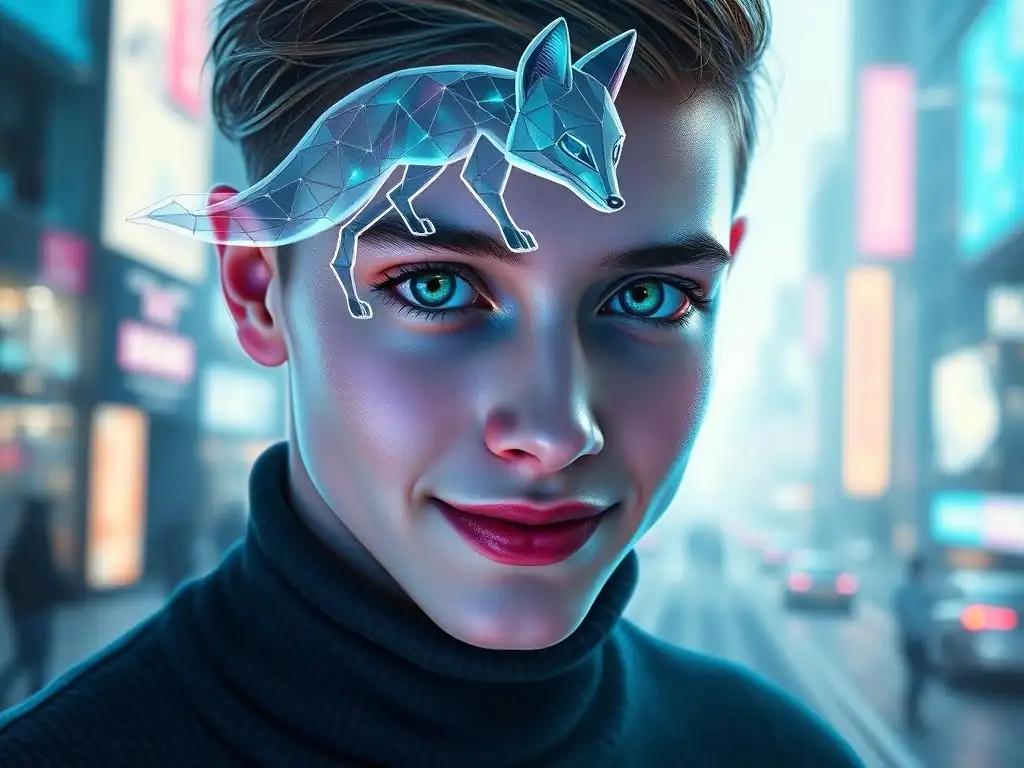
Welcome to Blockchain Trends, your go-to resource for navigating the ever-evolving world of blockchain technology. Beyond the hype of cryptocurrencies lies a universe of possibilities, and we're here to explore them with you. Ever wondered how blockchain is reshaping digital identity? Dive into our latest article and discover how NFT avatars are revolutionizing self-expression and ownership in the digital creator space. What does it truly mean to own your online persona, and how is blockchain making it possible? Keep reading to find out!
- NFT Avatars: Shaping Digital Identity and Self-Expression for Creators
- NFT Avatars as a Form of Digital Identity
- Self-Expression and Creativity: Unleashing Potential with NFT Avatars
- The Utility of NFT Avatars Beyond Digital Representation
- The Future of NFT Avatars and Digital Identity
- Choosing the Right NFT Avatar for Your Digital Identity
- NFT Avatars and the Metaverse: A Synergistic Relationship
- Case Studies: Creators Leveraging NFT Avatars for Success
-
Frequently Asked Questions
- What are NFT avatars, and how are they related to digital identity?
- How do NFT avatars enhance self-expression in the digital creator space?
- What are the potential benefits of using NFT avatars for digital identity verification?
- What are some challenges or concerns associated with using NFT avatars for digital identity?
- How might regulations impact the use of NFT avatars for digital identity in the future?
- Final Reflection: Forging Identity in the Metaverse
- Unleash Your Digital Persona!
NFT Avatars: Shaping Digital Identity and Self-Expression for Creators
What are NFT Avatars? A Definition and Overview
NFT avatars represent unique digital images or characters that are tokenized on a blockchain, making them scarce, verifiable, and tradable assets. Unlike traditional digital images that can be endlessly copied, an NFT avatar's ownership is recorded on a decentralized ledger, providing a clear provenance trail. These digital collectibles often come as part of larger collections, sometimes numbering in the thousands, each with varying traits and rarities. They serve as a visual representation of the owner in digital spaces, from social media profiles to virtual worlds.
The concept gained significant traction with the rise of Profile Picture (PFP) projects like CryptoPunks and Bored Ape Yacht Club. These projects demonstrated the potential for unique digital images to become valuable assets and symbols of status or belonging within online communities. While fundamentally digital art, their tokenized nature gives them unique properties regarding ownership and transfer, distinguishing them from simple JPEGs. This underpins their emerging role in the digital creator economy, offering new ways for creators to build brands and communities around their digital personas.
The Growing Popularity of NFT Avatars in the Creator Landscape
The popularity of NFT avatars has surged, fueled by the growth of the broader NFT market and the increasing convergence of online identity with digital assets. Creators, artists, and online personalities are adopting NFT avatars not just as collectibles but as central elements of their online presence and brand. Major PFP projects have seen trading volumes in the billions of dollars, indicating a significant market appetite for these digital representations. For instance, the Bored Ape Yacht Club collection alone has generated over \$2.9 billion in total trading volume on OpenSea as of late 2023.
This trend is particularly pronounced among digital natives and those operating within Web3 spaces. Influencers and celebrities showcasing their NFT avatars on platforms like Twitter normalized their use as a form of digital identity. Beyond status symbols, creators recognize the potential for these assets to represent their artistic style, build a loyal following, and even serve as access passes to exclusive content or communities. The inherent uniqueness and provable ownership of an NFT avatar make it a powerful tool for establishing a distinct and verifiable presence in the crowded digital landscape.
How NFT Avatars Differ from Traditional Profile Pictures
The fundamental difference between NFT avatars and traditional profile pictures lies in ownership, scarcity, and underlying technology. A traditional profile picture is merely a digital image file that can be copied and used by anyone, lacking any inherent claim of unique ownership tied to an individual. While a person might use a specific image as their profile picture, they don't own the digital artifact itself in a provable, transferable way.
In contrast, an NFT avatar is a unique digital asset whose ownership is immutably recorded on a blockchain. This means that when someone owns an NFT avatar, they possess a verifiable token representing that specific digital item. This verifiable ownership enables scarcity and authenticity in the digital realm, which is impossible with traditional images. Furthermore, NFT avatars can carry associated metadata, traits, and even embedded functionalities (like access rights), making them more than just static images; they are programmable assets that contribute to the evolving concept of NFT avatars digital identity.
NFT Avatars as a Form of Digital Identity
Representing Yourself in Virtual Worlds with NFT Avatars
NFT avatars are becoming the standard for representing oneself within emerging virtual worlds and metaverse environments. In platforms designed with blockchain integration, owning an NFT avatar allows users to port their unique digital identity across different experiences. Instead of creating a new, generic avatar for each game or virtual space, users can utilize their owned NFT avatar, maintaining a consistent and recognizable persona. This interoperability is a key promise of the metaverse, with NFT avatars acting as the digital passport.
For example, platforms like Decentraland and Somnium Space allow users to integrate certain NFT avatars, enabling owners to navigate these virtual environments as their owned digital character. This capability extends beyond mere aesthetics; the specific NFT avatar a user owns can signify their participation in certain communities, their status, or even unlock specific in-world interactions or assets. As these virtual worlds grow, the ability to carry a persistent, unique digital identity via an NFT avatar becomes increasingly valuable for social interaction and self-representation.
Building a Unique Digital Persona Through NFT Customization
NFT avatars offer significant potential for building a unique digital persona, often through customization and trait combinations. While many NFT avatar projects consist of generative art with predefined traits, the sheer variety within a collection allows individuals to select an avatar that resonates with their desired online identity. Projects often feature thousands of unique combinations of attributes like clothing, accessories, hairstyles, and expressions, enabling a degree of personalization even within a fixed collection.
Beyond selecting from pre-generated options, some advanced NFT avatar projects are exploring dynamic NFTs or offering mechanisms for owners to influence their avatar's appearance over time. This could involve adding new traits, evolving the avatar based on activity, or even allowing for cosmetic upgrades purchased as separate NFTs. This layer of customization enhances the avatar's role as a personal representation, allowing creators and users to fine-tune their NFT avatars digital identity to better reflect their personality, brand, or aspirations in the digital realm.
Verifying Ownership and Authenticity: The Blockchain Advantage of NFT Avatars
The core strength of NFT avatars regarding digital identity is the verifiable ownership and authenticity provided by blockchain technology. Each NFT avatar is linked to a unique token on a distributed ledger, typically Ethereum or similar smart contract platforms. This record is transparent, immutable, and publicly accessible, allowing anyone to verify who currently owns a specific NFT avatar and trace its transaction history back to its creation.
This verifiable ownership is crucial for establishing authenticity in a digital world prone to copying and fakery. When a creator or individual uses an NFT avatar as their profile picture or in a virtual world, the underlying blockchain record serves as proof that they are the legitimate owner of that specific, unique digital asset. This contrasts sharply with traditional digital media, where verifying the original source or true owner of an image is often difficult or impossible. This built-in authenticity is a cornerstone of the value and trust associated with NFT avatars digital identity.
Self-Expression and Creativity: Unleashing Potential with NFT Avatars
NFT Avatars: A Canvas for Artistic Expression and Personal Branding
NFT avatars serve as a powerful canvas for both artistic expression by their creators and personal branding by their owners. For artists, creating an NFT avatar collection is a way to showcase a specific style, theme, or artistic vision to a global audience. Projects often feature distinct artistic approaches, from pixel art and cartoon styles to detailed illustrations and 3D renders, allowing artists to build a brand around their unique aesthetic. The success of projects like CryptoPunks or Cool Cats highlights how a specific artistic style can become iconic within the NFT space.
For individuals and creators who acquire these avatars, they become tools for personal branding and self-expression. Choosing a specific NFT avatar allows an individual to align themselves with a particular artistic style, community, or set of values associated with that project. Displaying a rare or distinctive NFT avatar on social media profiles immediately communicates certain affiliations or tastes. This makes the NFT avatar an active part of a creator's visual identity and online brand narrative, extending their self-expression into the digital asset layer.
Exploring Different Styles and Themes in NFT Avatar Design
The world of NFT avatar design is incredibly diverse, reflecting a vast spectrum of artistic styles, themes, and cultural influences. This variety allows individuals to find an avatar that truly resonates with their personal taste and desired digital persona. Styles range from minimalist and abstract designs to highly detailed and intricate characters. Popular themes include animals (like the Bored Apes or Pudgy Penguins), fantasy creatures, futuristic robots, pop culture references, and human-like characters with diverse traits.
This wide array of choices ensures that the concept of NFT avatars digital identity is not monolithic but allows for nuanced self-representation. A creator might choose a vibrant, cartoonish avatar to reflect a playful brand, while another might opt for a more serious or futuristic design. The specific traits within an avatar (e.g., a certain hat, background, or expression) further refine this expression, often carrying symbolic meaning or indicating rarity. This exploration of different styles and themes is fundamental to how users leverage NFT avatars for creative and personal expression.
The Community Aspect: Sharing and Showcasing Your NFT Avatar
A significant aspect of owning and using an NFT avatar is the strong community element that often surrounds specific projects. Many successful NFT avatar collections have cultivated vibrant online communities, typically centered around platforms like Discord and Twitter. Owning an avatar from a particular collection often serves as a de facto membership token, granting access to private channels, events, and interactions with fellow holders.
Sharing and showcasing one's NFT avatar within these communities and on public platforms is a key form of engagement. Users proudly display their avatars as profile pictures, discuss their traits and rarity, and participate in community-organized activities. This shared ownership of a collection fosters a sense of belonging and collective identity. The act of showcasing your chosen NFT avatar digital identity becomes a way to connect with like-minded individuals and participate in a shared cultural phenomenon within the digital space.
The Utility of NFT Avatars Beyond Digital Representation
Integrating NFT Avatars into Games and Virtual Worlds
The utility of NFT avatars extends significantly beyond static profile pictures, particularly in their integration into games and virtual worlds. As discussed earlier, the ability to use an owned NFT avatar as your in-game character or virtual world representation is a major driver of value and interoperability. This isn't just about aesthetics; in some games, owning a specific NFT avatar might unlock unique abilities, items, or access to exclusive areas.
For example, certain blockchain-based games are designed to recognize specific NFT avatar collections, allowing owners to play as their owned character. This integration blurs the lines between collecting digital art and having functional assets within interactive environments. This growing trend highlights the potential for NFT avatars to become dynamic elements within the digital ecosystem, offering tangible utility that enhances user experience and provides owners with advantages or unique interactions within connected platforms.
Accessing Exclusive Communities and Events with Your NFT Avatar
One of the most prevalent forms of utility for NFT avatars is their function as access tokens to exclusive communities and events. Many NFT projects utilize the ownership of their avatars as a gating mechanism for private Discord servers, online forums, or real-world gatherings. Owning an avatar from a collection like the Bored Ape Yacht Club (BAYC) grants access to their private Discord server, exclusive merchandise drops, and invitations to holder-only parties and events.
This utility transforms the NFT avatar from a simple collectible into a membership pass. It creates strong incentives for community building and fosters loyalty among holders. For creators, this model offers a powerful way to build a dedicated fanbase and offer tiered access to content or experiences based on ownership. This "token-gated" access is a significant innovation enabled by NFTs, leveraging the verifiable ownership of the NFT avatar digital identity to create exclusive social and experiential value.
Monetizing Your NFT Avatar: Exploring Commercial Opportunities [Example: Merchandise]
NFT avatar ownership can also unlock various commercial opportunities for the holder, allowing for potential monetization beyond simply selling the NFT itself. Many NFT avatar projects grant owners commercial rights to the specific avatar they own. This means the owner can use their avatar's likeness to create and sell derivative works, such as merchandise.
For instance, a holder of a CryptoPunks or Bored Ape Yacht Club NFT typically receives commercial rights to their specific Punk or Ape. This allows them to print their avatar onto t-shirts, mugs, or other merchandise and sell these items. Some ambitious holders have even used their avatars to brand businesses, open virtual restaurants, or create animated series. While the extent of commercial rights varies significantly between projects, this potential for monetization adds another layer of utility and value to the NFT avatar, transforming it from a digital collectible into a potential revenue-generating asset tied to your digital identity.
The Future of NFT Avatars and Digital Identity
Evolving Trends in NFT Avatar Design and Functionality
The landscape of NFT avatars is constantly evolving, with new trends emerging in both design and functionality. We are seeing a shift towards higher fidelity 3D avatars, designed for greater realism and better integration into immersive metaverse environments. Projects are also exploring dynamic NFT features, where avatars can change appearance based on external data, user activity, or interactions within virtual worlds. This could include avatars that age, gain new traits, or react to real-world events.
Another trend is the focus on interoperability standards, aiming to make NFT avatars usable across a wider range of platforms and metaverses without requiring specific integrations for each. This involves developing common protocols for avatar representation and metadata. Furthermore, we are seeing increased interest in avatars that can be customized post-minting, allowing owners more agency in shaping their digital likeness. These evolving trends suggest a future where NFT avatars are more dynamic, functional, and seamlessly integrated into our digital lives, further solidifying their role in NFT avatars digital identity.
The Impact of NFT Avatars on the Creator Economy and Digital Ownership
NFT avatars are having a profound impact on the creator economy by providing artists and creators with new business models and direct connections with their audience. Artists can bypass traditional gatekeepers and sell their digital creations directly to collectors worldwide, earning royalties on subsequent sales. PFP projects have enabled artists to build massive brands and communities around their work, generating substantial revenue streams.
For individual creators and internet users, NFT avatars introduce a new paradigm of digital ownership. Unlike traditional digital content where users often license rather than own, NFT avatars represent verifiable ownership of a unique digital asset. This shift empowers individuals, giving them tangible assets within the digital realm that can be traded, used for utility, or leveraged for commercial purposes. This fundamental change in digital ownership facilitated by NFT avatars is reshaping how value is created and exchanged in the online world.
Despite their potential, the widespread adoption of NFT avatars faces several challenges and concerns that need to be addressed. A prominent concern has been the environmental impact associated with the energy consumption of blockchain networks, particularly those using Proof-of-Work (PoW) like Ethereum historically did. Minting and trading NFTs on such networks consumed significant energy.
However, the blockchain space is actively addressing this. Ethereum's transition to Proof-of-Stake (PoS) in September 2022 significantly reduced its energy consumption by over 99%. Many newer blockchain platforms designed for NFTs also utilize more energy-efficient consensus mechanisms from the outset. Other challenges include market volatility, security risks like scams and hacks, intellectual property rights issues, and the need for greater user-friendliness to onboard non-technical users. Addressing these issues through technological advancements, improved security practices, clearer legal frameworks, and better user interfaces is crucial for the continued growth and acceptance of NFT avatars digital identity.
Choosing the Right NFT Avatar for Your Digital Identity
Factors to Consider When Selecting an NFT Avatar
Choosing an NFT avatar that truly represents your desired digital identity involves considering several factors. Firstly, the artistic style and aesthetic are paramount; does the avatar's look align with your personal taste or brand? Secondly, research the project's community and roadmap. A strong, active community can enhance the ownership experience and potential utility. Consider the project's long-term vision, proposed utility (e.g., game integration, community access), and the reputation of the founding team.
Another factor is the rarity of the avatar's traits. While not solely indicative of value or suitability for identity, rarer traits can sometimes offer unique status or utility within a collection. Consider the price point relative to your budget and perceived value. Finally, think about the blockchain the NFT is minted on, considering factors like transaction fees (gas costs) and the ecosystem's maturity. Carefully weighing these aspects helps ensure the chosen NFT avatar is a good fit for your intended NFT avatars digital identity and usage.
Exploring Different NFT Avatar Marketplaces and Platforms
NFT avatars can be acquired on various marketplaces and platforms, each with its own features, supported blockchains, and fee structures. The most prominent marketplace is OpenSea, which supports multiple blockchains including Ethereum, Polygon, and Solana, offering a vast selection of NFT avatar collections. Other popular marketplaces include Blur (targeting professional traders), Magic Eden (primarily for Solana NFTs), and LooksRare.
Some platforms are specific to certain blockchains or types of NFTs. For example, certain gaming platforms might have integrated marketplaces for in-game avatars. When exploring these platforms, consider factors like ease of use, security features, the range of collections available, transaction fees, and the blockchain network they operate on. Researching and comparing different marketplaces is an essential step in the process of acquiring your desired NFT avatar for your digital identity.
Tips for Protecting Your NFT Avatar and Digital Identity
Protecting your NFT avatar and the associated digital identity requires vigilance regarding security best practices in the Web3 space. The most critical step is securing your private keys or recovery phrase for your cryptocurrency wallet where the NFT is stored. Never share this information with anyone and ideally store it offline in a secure location. Use hardware wallets (like Ledger or Trezor) for storing valuable NFTs, as they provide a higher level of security against online threats.
Be extremely cautious of phishing attempts, fake websites, and unsolicited messages or links promising free NFTs or requiring you to connect your wallet. Always double-check URLs and the legitimacy of websites before connecting your wallet or approving transactions. Understand the permissions requested by smart contracts when interacting with marketplaces or dApps. Revoke permissions for applications you no longer use. Implementing these security measures is vital to safeguarding your NFT avatar digital identity and preventing theft or loss of your valuable digital assets.
NFT Avatars and the Metaverse: A Synergistic Relationship
How NFT Avatars Enhance the Metaverse Experience
NFT avatars are poised to significantly enhance the metaverse experience by providing users with unique, persistent, and verifiable identities across different virtual environments. In the vision of an interconnected metaverse, your NFT avatar could be the single digital representation you use to socialize, play games, attend events, and conduct business across various platforms. This moves beyond the siloed avatar systems of current online games or social platforms, where your identity is locked within a single application.
Using an owned NFT avatar allows for a richer, more personalized experience. Your avatar carries your history, reputation (potentially linked to on-chain activity), and aesthetic choices across different virtual spaces. This continuity fosters a stronger sense of self and presence within the metaverse. Furthermore, the rarity or specific traits of your NFT avatar could unlock unique interactions or access within specific metaverse experiences, adding layers of depth and personalization that generic avatars cannot provide.
The Role of Interoperability in NFT Avatar Adoption Across Metaverses
Interoperability is the crucial technical challenge and opportunity for widespread NFT avatar adoption across diverse metaverses. Currently, using an NFT avatar from one project or platform in another is often difficult or impossible due to differing technical standards, rendering engines, and avatar systems. Achieving true interoperability requires agreement on common standards for avatar representation, including 3D models, rigging, animations, and metadata.
Efforts are underway to develop these standards, such as those by organizations like the Open Metaverse Alliance for Web3 (OMA3). Success in creating interoperable NFT avatars would mean a user could buy an avatar on one marketplace, store it in their wallet, and then use it seamlessly in any compatible metaverse environment, regardless of who developed it. This would unlock the full potential of NFT avatars digital identity, allowing users to truly own and control their representation across the entire digital landscape.
The Future of Digital Identity and Avatars in a Decentralized Metaverse
The future of digital identity, particularly within the context of a decentralized metaverse, is intrinsically linked to the evolution of NFT avatars. In a decentralized future, identity is not controlled by a single corporation but is owned and managed by the individual, often anchored by self-custodied blockchain assets. NFT avatars fit perfectly into this vision, serving as the visual, and potentially functional, representation of this self-sovereign digital identity.
As metaverses become more sophisticated and interconnected, the NFT avatar will likely evolve beyond a simple visual representation. They could potentially aggregate reputation, store credentials, or even serve as a base for composable identity elements (e.g., adding NFT-based wearables or accessories from different projects). This future envisions an NFT avatar digital identity that is rich, portable, owned by the user, and capable of interacting across a vast network of decentralized virtual spaces, fundamentally changing how we perceive and inhabit the digital world.
Case Studies: Creators Leveraging NFT Avatars for Success
Beeple: Utilizing NFT Avatars for Profile Pictures and Digital Representation
While primarily known for his groundbreaking "Everydays" digital art and the record-breaking \$69 million sale of "Everydays: The First 5000 Days," Mike Winkelmann, known as Beeple, has also engaged with the NFT avatar space, albeit differently than a typical PFP project founder. Beeple himself has used NFT avatars, including pieces from other collections, as his own profile pictures on social media. This act, by a prominent digital artist, helped normalize the use of NFT avatars as a form of digital representation among the creative community and beyond.
Furthermore, Beeple's work often features characters and themes that resonate with the visual language seen in many NFT avatar collections. His influence on the broader digital art landscape indirectly fuels the aesthetic trends in avatar design. While he hasn't launched a large-scale generative PFP project himself, his adoption and showcasing of NFT avatars demonstrate their significance even for established artists as a way to participate in and represent themselves within the Web3 ecosystem, contributing to the narrative of NFT avatars digital identity in the high-art sphere.
Profile Picture (PFP) projects are perhaps the most iconic example of creators leveraging NFT avatars for success, primarily by building massive, engaged communities. Projects like CryptoPunks, Bored Ape Yacht Club (BAYC), and Cool Cats didn't just sell digital art; they sold membership to exclusive clubs. The creators launched collections of thousands of unique avatars with varying traits. Owning one of these avatars granted the holder not just a digital collectible but access to private communities, events, and often commercial rights.
The success of BAYC, for example, lies heavily in the strong brand and community built around the ape avatars. Holders proudly use their apes as profile pictures, creating a visible network online. The creators have successfully launched spin-off collections (like Mutant Apes and Bored Ape Kennel Club), introduced a utility token (\$APE), and developed plans for a metaverse ("Otherside"), all centered around the core NFT avatar collection. This model demonstrates how NFT avatars can be the foundation for building enduring brands and highly valuable, community-centric ecosystems in the creator economy.
RTFKT Studios: Merging Fashion and NFT Avatars for Virtual Wearables
RTFKT Studios, now owned by Nike, is a prime example of creators successfully merging digital fashion, collectibles, and NFT avatars. RTFKT specializes in creating high-quality digital sneakers and collectibles, often paired with or designed for use with digital avatars. They have launched several avatar-centric projects, including the CloneX collection, which features 3D avatars designed with metaverse compatibility in mind.
RTFKT's success lies in its ability to create highly desirable digital assets that bridge the gap between digital identity and virtual fashion. They often release digital wearables (like NFT sneakers or clothing) that can be equipped by their CloneX avatars, allowing owners to customize their digital appearance with exclusive, verifiable items. This approach highlights how NFT avatars can be platforms for further creation and commerce, enabling creators to build entire digital fashion lines and ecosystems around their avatar projects, solidifying the link between digital fashion and NFT avatars digital identity.
Frequently Asked Questions
NFT avatars are unique digital representations of individuals, often used in online spaces. They are secured on a blockchain as non-fungible tokens (NFTs), which verifies ownership and authenticity, contributing to a verifiable digital identity.
How do NFT avatars enhance self-expression in the digital creator space?
NFT avatars allow creators to express their personality and brand through unique digital assets. They can customize their avatar's appearance and attributes, creating a distinct online presence that reflects their values and style.
What are the potential benefits of using NFT avatars for digital identity verification?
NFT avatars can provide a secure and verifiable method for proving identity online. Because the avatar is linked to a blockchain, it's difficult to forge, offering a higher level of trust than traditional methods.
What are some challenges or concerns associated with using NFT avatars for digital identity?
Concerns include privacy issues related to linking real-world identities to blockchain addresses. There are also concerns about accessibility and inclusivity, as NFT avatars may be expensive for some users.
How might regulations impact the use of NFT avatars for digital identity in the future?
Regulations surrounding NFT ownership and data privacy could significantly impact the adoption of NFT avatars. Laws may address issues like data security and user control over their digital identities.
Okay, here's a final reflection designed to close your article "NFT Avatars: Identity and Self-Expression in the Digital Creator Space," optimized for the keyword "NFT avatars digital identity," and following the structure you outlined:
Final Reflection: Forging Identity in the Metaverse
The exploration of NFT avatars as tools for digital identity has revealed a fascinating intersection of technology, art, and self-expression. The rise of NFT avatars is not merely a trend, but a fundamental shift in how we construct and present ourselves online. This evolution is particularly relevant today, as the metaverse becomes increasingly integrated into our daily lives, demanding new forms of self-representation and ownership.
The impact of NFT avatars extends far beyond simple profile pictures; they are becoming integral components of our digital personas, influencing how we interact, build communities, and even conduct business in virtual spaces. This journey into the world of NFT avatars has underscored the profound human need for self-expression, even in the digital realm. We are all works in progress, and our digital identities are no exception. NFT avatars offer a canvas for continuous self-discovery and evolution in the metaverse.
As we navigate this evolving digital landscape, let us embrace the potential of NFT avatars to foster creativity, connection, and authentic self-expression. Consider how you can leverage these tools to craft a digital identity that reflects your true self, contributes to vibrant online communities, and shapes the future of the metaverse. The power to define your digital presence is in your hands – how will you choose to express yourself?
Unleash Your Digital Persona!
Thank you for exploring the exciting world of NFT avatars and their impact on digital identity. We hope you've gained valuable insights into how these unique assets are transforming self-expression online. Now, it's time to take action and become part of this evolving landscape!
Here's how:
- Create your own NFT avatar to express your digital personality! This is your opportunity to define yourself in the metaverse.
- Browse various NFT avatar marketplaces and discover artistic styles that align with your personal brand.
- Join the conversation on social media using a dedicated hashtag and share your thoughts on the future of digital identity. Surprise us with your unique perspectives!
What kind of avatar best reflects your personality and values in the digital world? Share your thoughts in the comments below!
Leave a Reply