
Security vs. Utility Tokens: Legal Distinctions That Matter for Tokenization


Welcome to Blockchain Trends, where we delve into the groundbreaking applications of blockchain beyond the hype. Are you ready to unlock the legal complexities surrounding tokenization? This week, we're dissecting the critical blockchain legal distinctions between security and utility tokens. Understanding these nuances is paramount for navigating the evolving landscape of decentralized finance and enterprise blockchain adoption. Dive in and discover how these distinctions shape the future of tokenomics and regulatory compliance!
Security vs. Utility Tokens: Legal Distinctions That Matter for Tokenization
- Understanding Tokenization and the Importance of Legal Classification
- Security Tokens: A Deep Dive into Regulatory Compliance
- Utility Tokens: Functionality and Regulatory Scrutiny
- Key Legal Distinctions Between Security and Utility Tokens
- The Impact of Legal Classification on Tokenomics
- Case Studies: Real-World Examples of Security and Utility Token Classifications
- Navigating the Legal Landscape of Tokenization: Best Practices
- The Future of Tokenization and the Role of Legal Clarity
-
Frequently Asked Questions
- What is the fundamental legal difference between security and utility tokens?
- How do securities laws impact security token offerings (STOs)?
- What are the implications of a token being classified as a security by regulatory bodies?
- How does the Howey Test relate to the classification of tokens?
- What are some examples of real-world applications of utility tokens?
- Final Reflection: Navigating the Blockchain's Legal Frontier
- Unlock Your Tokenization Strategy
Understanding Tokenization and the Importance of Legal Classification
Tokenization: A Gateway to New Asset Classes
Tokenization is the process of converting rights to an asset into a digital token on a blockchain. This can apply to a vast range of assets, from real estate and art to company equity and intellectual property. By representing ownership or fractional ownership on a distributed ledger, tokenization unlocks new levels of liquidity, transparency, and efficiency.
For instance, a single piece of real estate valued at $10 million could be fractionalized into 10,000 tokens, each representing a $1,000 share, potentially making it accessible to a wider pool of investors globally. This process leverages the inherent properties of blockchain technology, such as immutability and transparency, to create novel investment and ownership structures.
The potential impact of tokenization extends beyond traditional financial assets. It enables the creation of entirely new asset classes based on digital goods or services. For example, gaming platforms can issue tokens representing in-game items, allowing players to truly own and trade digital assets outside the game environment. Supply chain management can use tokens to represent goods moving through the system, providing a verifiable and transparent audit trail. The flexibility of blockchain allows for tokens to be programmed with specific rules and functionalities, paving the way for innovative business models and decentralized applications.
Why Legal Classifications of Tokens are Crucial for Blockchain Projects
The legal classification of a blockchain token fundamentally dictates the regulatory framework under which it operates. Misclassifying a token can lead to severe legal consequences, including hefty fines, cease-and-desist orders, and even civil or criminal charges for project founders. This is particularly critical when considering the legal distinctions between security and utility tokens, as securities are subject to strict registration and disclosure requirements designed to protect investors. A project that inadvertently issues what regulators deem a security token without adhering to these laws faces significant legal jeopardy.
Understanding the proper legal classification from the outset is vital for project planning, fundraising strategies, and market access. A project launching a utility token intended for use within a specific ecosystem will have vastly different compliance obligations compared to one issuing a security token representing equity in the company.
Navigating these blockchain legal distinctions tokens requires careful legal analysis, often involving tests like the Howey Test in the United States, to determine if the token constitutes an investment contract. Proactive legal counsel helps projects structure their token offerings and ongoing operations to comply with relevant regulations and avoid costly legal battles down the line.
Security Tokens: A Deep Dive into Regulatory Compliance
Defining Security Tokens: Characteristics and Attributes
Security tokens are digital assets issued on a blockchain that represent ownership in an underlying asset or enterprise, such as equity, debt, real estate, or investment funds. Unlike utility tokens, their primary purpose is typically to serve as an investment, with the expectation of future profit derived from the efforts of a third party. Key characteristics include the representation of traditional securities, the expectation of profit, and often, rights associated with ownership, such as dividends, profit share, or voting rights. These tokens are essentially digitized forms of conventional investment contracts or securities.
Attributes often associated with security tokens include:
- Investment Intent: Purchased with the primary goal of financial gain.
- Underlying Asset: Linked to a tangible or intangible asset or a share in a company/project.
- Passive Income/Rights: Holders may receive dividends, interest, or have voting rights.
- Regulatory Compliance Focus: Designed to comply with securities laws from inception.
How Security Tokens Fall Under Securities Laws
In many jurisdictions, the determination of whether a digital asset is a security hinges on its economic substance, not merely its technological form. The most prominent framework for this assessment is the Howey Test, established by the U.S. Supreme Court in SEC v. W.J. Howey Co. This test defines a security as an "investment contract" if it involves:
- An investment of money
- In a common enterprise
- With an expectation of profits
- To be derived solely from the efforts of the promoter or a third party.
If a token meets all four prongs of the Howey Test, it is likely to be deemed a security, regardless of whether it is labeled a "security token" or a "utility token" by its issuer. Regulators globally often apply similar principles, looking beyond the marketing to the true nature and purpose of the token offering and the expectations it creates for purchasers. For instance, if investors are led to believe their tokens will increase in value based on the development efforts of the issuing company, it strongly suggests an investment contract.
Regulatory Frameworks Governing Security Tokens: United States, European Union, Singapore
Security tokens are subject to stringent regulations similar to traditional securities, varying significantly by jurisdiction. In the United States, security tokens fall under the purview of the Securities and Exchange Commission (SEC). Issuers must comply with the Securities Act of 1933 and the Securities Exchange Act of 1934, typically requiring registration of the offering unless an exemption applies (e.g., Regulation D for private placements, Regulation A+ for smaller public offerings). Platforms trading security tokens must register as broker-dealers or alternative trading systems (ATS).
The European Union's approach is evolving, with regulations like MiFID II (Markets in Financial Instruments Directive II) potentially applicable depending on how tokens are structured. The proposed Markets in Crypto-Assets (MiCA) regulation aims to provide a more harmonized framework across member states, though its primary focus is on utility tokens, stablecoins, and e-money tokens, with security tokens generally remaining under existing financial regulations. Individual member states also have specific laws; for example, Germany's Electronic Securities Act (eWpG) allows for the issuance of certain securities purely in electronic form on a distributed ledger.
Singapore has a progressive stance, with the Monetary Authority of Singapore (MAS) regulating tokens under the Securities and Futures Act (SFA) if they constitute "capital markets products." MAS provides clear guidance on when digital tokens are considered securities.
Implications of Security Token Classification: Compliance Costs and Investor Protection
The classification of a token as a security carries significant implications, primarily related to compliance costs and investor protection. Issuing security tokens requires adhering to complex regulatory processes, including detailed disclosure requirements, potential registration with regulatory bodies, and ongoing reporting obligations. This necessitates substantial legal, accounting, and administrative expenses. Estimates for conducting a compliant Security Token Offering (STO) can range from hundreds of thousands to millions of dollars, significantly higher than typical Initial Coin Offerings (ICOs) for utility tokens.
However, this regulatory burden also enhances investor protection. Security laws mandate transparency, requiring issuers to provide potential investors with comprehensive information about the project, risks, and financials through prospectuses or offering memoranda. This allows investors to make informed decisions. Furthermore, security token regulations often include provisions for anti-money laundering (AML) and know-your-customer (KYC) checks, mandatory audits, and mechanisms for dispute resolution, offering a level of legal recourse and safety net not typically available with unregulated utility tokens.
Utility Tokens: Functionality and Regulatory Scrutiny
What are Utility Tokens? Defining Functionality and Use Cases
Utility tokens are digital assets designed to provide holders with access to a specific product or service within a blockchain-based ecosystem or platform. Their value is derived from their usability within this ecosystem, rather than from speculative investment with an expectation of profit from the issuer's efforts. Think of them like digital vouchers, membership passes, or loyalty points specific to a particular application. A key aspect is that the token should be functional at the time of sale or shortly thereafter for its intended use case, not merely a promise of future functionality contingent on the issuer's development efforts.
Common use cases for utility tokens include:
- Accessing Services: Paying for services on a decentralized application (dApp).
- Discounts: Receiving discounted fees or services within the ecosystem.
- Governance: Participating in the decision-making process of a decentralized autonomous organization (DAO).
- In-Platform Currency: Used for transactions within a specific platform (e.g., buying digital goods in a game).
- Network Usage: Paying for computational power or storage on a decentralized network.
The "Howey Test" and its Application to Utility Tokens
The "Howey Test," while primarily used to identify securities, is also the benchmark regulators apply to determine if a token not explicitly labeled a security might still be considered one. For utility tokens, the critical prong of the Howey Test is the expectation of profits derived solely from the efforts of a third party. If purchasers are buying tokens with the expectation that the token's value will increase primarily due to the active management and development work of the token issuer or associated third parties, it leans towards being an investment contract.
Regulators examine the totality of circumstances surrounding a token offering, including promotional materials, how the token is marketed, and the economic realities of the transaction. If marketing materials emphasize potential price appreciation and portray the token as an investment opportunity, even if it has some theoretical utility, it increases the risk of being classified as a security. Conversely, if the focus is strictly on the token's functional use within a developed or near-developed platform, and its value fluctuates based on the demand for that utility, it is more likely to withstand scrutiny under the Howey Test.
Avoiding Security Token Classification: Building a Functional Ecosystem
To minimize the risk of a utility token being classified as a security, issuers must prioritize building a functional ecosystem where the token has genuine utility from the outset. This means developing the platform or service that the token accesses before or concurrently with the token distribution, rather than merely promising future development. The token's value proposition should be centered on its use case within this ecosystem, not on speculative investment potential.
Strategies to strengthen the case for a utility token classification include:
- Demonstrable Utility: The token provides immediate access to a working product or service.
- Usage-Based Value: The token's value correlates primarily with the demand for the underlying utility.
- Limited Transferability (Initially): Restricting trading on secondary markets until the platform is fully functional can help demonstrate that the token is primarily for use, not speculation.
- Marketing Focus on Utility: Promotional materials should emphasize the token's function and integration within the ecosystem, not potential investment returns.
- Decentralization: As the network becomes more decentralized, the reliance on a single "third party" (the issuer) diminishes, potentially weakening the "efforts of others" prong of the Howey Test.
The Blurred Lines: When Utility Tokens Become Security Tokens
The line between utility and security tokens can become significantly blurred, leading to regulatory uncertainty. This often occurs when tokens initially marketed for utility are also promoted as investment opportunities with expectations of significant price appreciation based on the issuer's future success. The SEC, for example, has pursued enforcement actions against issuers of tokens initially claimed to be utility tokens, arguing that based on the Howey Test criteria, they were, in fact, unregistered securities.
Factors that can push a seemingly utility token into security territory include:
- Fundraising Motivation: The primary purpose of the token sale is raising capital for the company's operations, rather than distributing access to a finished product.
- Lack of Immediate Utility: The platform or service the token is intended for is not operational at the time of the sale, making the purchase primarily speculative.
- Marketing Emphasis on Profit: Promotional materials highlight potential financial returns and list price predictions.
- Issuer Control: The issuer retains significant control over the network and token supply, and the token's value is heavily dependent on the issuer's ongoing efforts.
- Resale Market Focus: The offering emphasizes the ability to trade the tokens on secondary markets for profit.
Key Legal Distinctions Between Security and Utility Tokens
Fundraising Methods: ICOs vs. STOs
One of the most significant practical legal distinctions for blockchain tokens lies in the fundraising methods employed. Utility tokens have historically been associated with Initial Coin Offerings (ICOs), which typically involve selling tokens directly to the public, often with minimal regulatory oversight (though this is changing). ICOs gained popularity for their ease and speed of execution, raising billions globally between 2017 and 2018, though many faced regulatory challenges later.
Security tokens, conversely, are issued through Security Token Offerings (STOs). STOs are designed from the ground up to comply with securities regulations. This means they often involve registered offerings or utilize specific exemptions (like Reg D, Reg A+, Reg S in the US) that dictate who can invest (e.g., accredited investors only for some exemptions), disclosure requirements, and marketing limitations. STOs are generally more complex, time-consuming, and costly than ICOs but offer a legally compliant pathway for raising capital by selling tokens that represent ownership or investment rights.
Investor Rights and Protections
The legal classification of a token profoundly impacts the rights and protections afforded to investors. Purchasers of security tokens benefit from the comprehensive investor protection frameworks established by securities laws. These frameworks typically include rights such as:
- Disclosure: Access to detailed information about the issuer, the project, risks, and financials through prospectuses or offering documents.
- Anti-Fraud Provisions: Legal recourse against issuers who make material misrepresentations or engage in fraudulent activities.
- Registration Requirements: Assurance that the offering has undergone regulatory review (unless an exemption applies).
- Shareholder Rights: Depending on the token's structure, holders may have rights akin to traditional shareholders, such as voting rights or the right to receive dividends.
Utility token purchasers, particularly in unregulated ICOs, historically had significantly fewer legal protections. They bought tokens primarily for their functional use, and if the project failed or proved to be a scam, investors often had little to no legal recourse under securities laws, as the tokens were not classified as such. While consumer protection laws might offer some minimal safeguards, they are not designed to protect investment capital in the same way securities regulations are.
Regulatory Oversight and Compliance Requirements
Regulatory oversight is vastly different for security tokens compared to utility tokens. Security tokens are subject to continuous oversight by securities regulators (e.g., SEC in the US, ESMA in the EU, MAS in Singapore). This oversight includes requirements for:
- Initial Registration/Exemption Filing: Formal submission to regulators before the offering.
- Ongoing Reporting: Periodic disclosure of financial performance and material events.
- Broker-Dealer/Platform Registration: Platforms trading security tokens must often be registered entities.
- AML/KYC Compliance: Strict identity verification and anti-money laundering procedures.
Utility tokens, particularly if they genuinely function as intended and avoid the characteristics of securities, may fall outside the direct purview of securities regulators. However, they can still be subject to other regulations, such as consumer protection laws, data privacy regulations (like GDPR), and potentially money transmission laws if they are easily convertible into fiat currency or other cryptocurrencies.
The compliance burden for a pure utility token is generally lower than for a security token, but it is not non-existent, and the risk of regulatory reclassification always looms if the token's use or promotion changes. Understanding these blockchain legal distinctions tokens is paramount for compliance.
Transferability and Liquidity
The legal classification also impacts the transferability and liquidity of blockchain tokens. Security tokens, due to regulatory requirements, are often subject to transfer restrictions, especially when issued under exemptions like Reg D (Rule 506(c)) which may require tokens to be held for a specific period (e.g., one year) before they can be freely traded. Trading of security tokens typically occurs on regulated platforms, such as registered Alternative Trading Systems (ATS) in the US, which provide a compliant environment but may have fewer trading pairs or lower volume compared to unregulated crypto exchanges.
Utility tokens, particularly those that achieve widespread adoption, tend to have higher transferability and liquidity. They are often listed on numerous cryptocurrency exchanges globally, allowing for relatively free trading among participants.
However, this ease of transferability can also attract regulatory attention if the token is perceived to be primarily traded for speculative purposes, further blurring the lines and increasing the risk of reclassification as a security. The regulatory landscape for exchanges listing tokens is also evolving, with increasing pressure on platforms to only list tokens that are clearly not securities or to register as securities exchanges if they do list security tokens.
The Impact of Legal Classification on Tokenomics
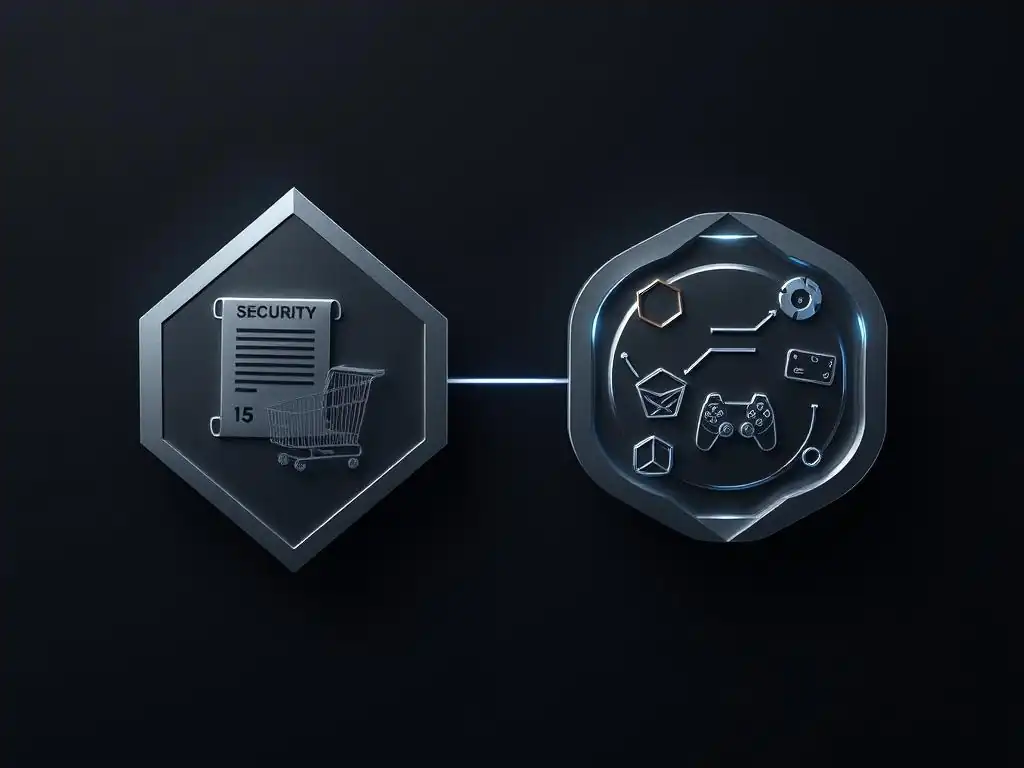
Token Value and Price Discovery
The legal classification of a token has a profound impact on its value and how its price is discovered in the market. For security tokens, value is typically tied to the performance of the underlying asset or enterprise, similar to traditional stocks or bonds. Price discovery happens on regulated exchanges, reflecting supply and demand dynamics influenced by the issuer's financial health, market conditions for the underlying asset, and investor expectations based on disclosed information. The regulatory framework aims to ensure that price discovery is based on transparent and non-manipulative trading practices.
For utility tokens, value is theoretically derived from the demand for the utility or service they provide. Price discovery occurs on cryptocurrency exchanges, driven by user adoption of the platform, the perceived value of the utility, and speculative trading. However, in practice, the value of many utility tokens has been heavily influenced by speculative trading rather than actual utility, especially during market bubbles.
This speculative element, particularly when fueled by issuer marketing, is a key reason regulators scrutinize utility tokens under securities laws. The distinction is crucial for understanding the fundamental drivers of value for different blockchain legal distinctions tokens.
Token Distribution Strategies
Legal classification significantly shapes token distribution strategies. Security token offerings (STOs) must comply with securities distribution rules, which often involve selling to accredited investors through private placements or conducting public offerings with full registration. This might involve working with broker-dealers and adhering to strict marketing rules, such as limitations on general solicitation depending on the exemption used. Distribution is typically more controlled and targeted compared to many historical ICOs.
Utility token distributions (ICOs, IEOs - Initial Exchange Offerings, etc.) have historically been less constrained by securities laws, allowing for broad public sales. While this enabled rapid fundraising and wide distribution, it also led to issues like lack of investor qualification and potential market manipulation. As regulators have increased scrutiny, even utility token distributions are adopting more stringent practices, including KYC/AML checks and geographical restrictions, to mitigate the risk of being deemed unregistered securities offerings. Some projects opt for "airdrops" or distributions based on usage rather than investment to further distance themselves from securities characteristics.
Ecosystem Development and Sustainability
The legal classification influences how an ecosystem develops and its long-term sustainability. For security tokens, the compliant fundraising process provides a clear path for capital formation to build the underlying business or asset. The ongoing regulatory obligations, while costly, also impose a level of discipline and transparency that can foster investor confidence and contribute to the project's long-term viability. Ecosystem development is often focused on the performance of the underlying asset and generating returns for token holders.
For utility tokens, ecosystem development hinges on driving adoption and use of the platform or service. The sustainability of the token's value relies on consistent demand for its utility. If the platform fails to gain traction or the utility is not compelling, the token's value can plummet, undermining the entire ecosystem.
While potentially easier to distribute initially, the lack of regulatory oversight in some early models meant less accountability for issuers and higher risk of projects failing to deliver on their promises, negatively impacting the ecosystem's sustainability. Successful utility token ecosystems are built on strong product-market fit and active user participation, validating the token's functional value.
Case Studies: Real-World Examples of Security and Utility Token Classifications
Case Study 1: tZERO: A Security Token Offering (STO) Example
tZERO, a subsidiary of Overstock.com, is often cited as a pioneering example of a compliant Security Token Offering (STO). Launched in 2017, tZERO aimed to build a regulated trading platform for security tokens. Their own token offering was structured as an STO, selling tokens that represent a percentage of the company's adjusted gross revenue. This structure clearly positioned the tZERO token as an investment contract, with purchasers expecting profits derived from the operational success of the tZERO platform, managed by Overstock/tZERO.
The tZERO STO was conducted in compliance with U.S. securities laws, utilizing Regulation D exemptions. This involved selling primarily to accredited investors and adhering to transfer restrictions. The process was significantly more complex and time-consuming than an ICO, involving extensive legal documentation and regulatory filings.
The tZERO platform itself is designed as an Alternative Trading System (ATS), registered with the SEC, specifically built to facilitate the compliant trading of security tokens, demonstrating the infrastructure required to support regulated digital assets. This case highlights the deliberate decision to classify and issue a token as a security to ensure regulatory compliance from the outset.
Case Study 2: Filecoin: A Utility Token with Evolving Legal Status
Filecoin is a decentralized storage network that allows users to buy and sell unused storage space. Its native token, FIL, is designed as a utility token used to pay for storage and retrieval services on the network. Users (storage miners) earn FIL by providing storage and proving they are storing data correctly. The token's primary function is to facilitate transactions within the Filecoin network ecosystem, paying for and incentivizing decentralized storage.
Filecoin conducted an ICO in 2017, raising over $200 million. While marketed as a utility token for accessing the storage network, the significant capital raised and the fact that the network was not fully operational at the time of the sale led to scrutiny. The SEC reportedly investigated the Filecoin offering.
Protocol Labs, the company behind Filecoin, took steps to address potential securities concerns, including structuring the sale to primarily accredited investors in the US and emphasizing the token's future utility. The launch of the mainnet in October 2020 provided the functional utility for the FIL token, strengthening its claim as a utility token based on actual use within the network. This case illustrates the challenges and evolving nature of classifying tokens, where initial fundraising circumstances can create securities risks even for tokens intended for utility, and the importance of delivering the promised functionality.
Seeking Legal Counsel: The Importance of Expert Advice
Given the complexity and evolving nature of blockchain legal distinctions tokens, seeking expert legal counsel is not merely a best practice but a critical necessity for any project involving tokenization. Engaging lawyers with specific expertise in blockchain, securities law, and relevant jurisdictional regulations from the earliest stages of planning can help projects properly structure their token, offering, and operations. A lawyer can analyze the proposed token design, its intended use cases, marketing materials, and distribution methods through the lens of securities law tests like the Howey Test.
Expert legal advice helps projects understand the regulatory requirements applicable to their specific token type and jurisdiction, identify potential risks, and develop compliance strategies. This includes determining whether an offering needs to be registered, which exemptions might apply, and the ongoing obligations associated with the chosen path. Trying to navigate this landscape without specialized legal guidance significantly increases the risk of non-compliance, which can be far more costly than upfront legal fees.
Due Diligence and Compliance Programs
Implementing robust due diligence and ongoing compliance programs is essential for mitigating legal and regulatory risks associated with tokenization. Due diligence before a token offering involves thoroughly assessing the project's structure, technology, team, and market to ensure accuracy in disclosures and identify potential compliance challenges. For utility tokens, this includes verifying that the utility is real and demonstrable. For security tokens, it involves rigorous financial and operational reviews.
Ongoing compliance programs ensure that the project adheres to relevant regulations post-offering. This might include monitoring token usage and market activity, maintaining accurate records, fulfilling reporting obligations (for security tokens), and conducting regular reviews of marketing materials. For platforms listing tokens, due diligence on the tokens and issuers is crucial to avoid facilitating transactions in unregistered securities. A proactive approach to compliance demonstrates a commitment to operating within legal boundaries and builds trust with users and regulators.
Staying Updated on Evolving Regulations
The regulatory landscape for blockchain technology and digital assets is constantly evolving across jurisdictions. New laws, regulations, and enforcement actions are frequently being introduced as regulators gain a deeper understanding of the technology and its implications. Projects involved in tokenization must make a concerted effort to stay updated on these developments in all relevant jurisdictions where they operate or where their tokens are accessible.
This involves monitoring regulatory announcements from bodies like the SEC, CFTC, FinCEN, ESMA, MAS, and others. Subscribing to legal and industry news, participating in relevant conferences, and maintaining an open dialogue with legal counsel are vital. Regulatory changes can impact everything from how tokens are classified to how they can be traded or used. Staying informed allows projects to adapt their strategies, update their compliance programs, and proactively address potential issues before they lead to enforcement actions, ensuring long-term viability in the dynamic world of blockchain legal distinctions tokens.
The Future of Tokenization and the Role of Legal Clarity
The Maturing Tokenization Market
The tokenization market is moving beyond its initial speculative phase and is beginning to mature, particularly with the increasing focus on security tokens and regulated environments. While utility tokens continue to play a vital role in powering decentralized applications and ecosystems, there is growing recognition of the potential for security tokens to tokenize vast classes of traditional assets, estimated to be worth trillions of dollars globally. This includes private equity, debt, real estate funds, and even individual properties or luxury goods.
The development of regulated infrastructure, such as security token platforms (ATSs) and compliant issuance mechanisms, is facilitating this maturation. Large financial institutions and corporations are exploring tokenization for efficiency gains in capital markets, supply chain finance, and asset management. As institutional adoption increases, the demand for clear legal frameworks and compliant token structures will only grow, pushing the market towards greater professionalism and adherence to established financial regulations.
The Need for Clearer Regulatory Guidelines
Despite the progress, the lack of universally clear and harmonized regulatory guidelines remains a significant challenge for the widespread adoption of tokenization. The reliance on applying existing, often decades-old, securities laws (like the Howey Test) to novel digital assets creates uncertainty. Different jurisdictions interpret and apply these tests differently, leading to fragmentation and complexity for projects operating globally.
There is a pressing need for regulators worldwide to provide more specific guidance tailored to blockchain tokens. This could involve creating new regulatory categories for digital assets, refining existing definitions, or establishing clearer pathways for token issuance and trading that balance innovation with investor protection. Clearer guidelines would reduce legal ambiguity, lower compliance costs for legitimate projects, and foster greater confidence among investors and institutions, ultimately accelerating the growth of the tokenized economy.
Blockchain's Potential for Innovation with Legal Certainty
Blockchain technology offers immense potential for innovation across various sectors, from finance and supply chain to gaming and digital identity. However, realizing this potential at scale requires operating within a framework of legal certainty. Projects need to understand the rules of the road to build sustainable businesses and attract mainstream adoption. The legal distinctions between security and utility tokens, while complex, are fundamental to achieving this clarity.
As the market evolves and regulators provide more tailored guidance, the path for compliant tokenization will become clearer. This will enable blockchain technology to fulfill its promise of creating more efficient, transparent, and accessible markets for a wide range of assets and services. Navigating the legal landscape effectively, understanding the nuances of blockchain legal distinctions tokens, and prioritizing compliance will be key determinants of success for projects aiming to leverage tokenization for future innovation and growth.
Frequently Asked Questions
What is the fundamental legal difference between security and utility tokens?
The primary legal distinction lies in the functionality and purpose of the token. Security tokens are considered investment contracts, subject to securities laws, while utility tokens offer access to a product or service.
How do securities laws impact security token offerings (STOs)?
STOs must comply with strict securities regulations, including registration requirements and investor protection measures, similar to traditional securities offerings. This impacts compliance costs and investor accessibility.
What are the implications of a token being classified as a security by regulatory bodies?
If a token is deemed a security, the issuer is subject to stringent regulatory oversight, potentially facing fines, legal action, and limitations on market accessibility. It also impacts tax implications.
How does the Howey Test relate to the classification of tokens?
The Howey Test is a crucial legal framework used to determine if a transaction qualifies as an investment contract, and therefore a security. If a token meets the Howey Test criteria, it will likely be classified as a security token.
What are some examples of real-world applications of utility tokens?
Utility tokens can be used for accessing premium features within a software platform, earning rewards in a loyalty program, or participating in governance decisions within a decentralized network.
The intricacies of distinguishing between security and utility tokens, as explored throughout this article, are not merely academic exercises; they are fundamental to the sustainable growth and responsible innovation within the blockchain ecosystem. The legal distinctions outlined directly impact fundraising strategies, regulatory compliance, and ultimately, the viability of tokenized projects in today's rapidly evolving landscape. Ignoring these nuances is akin to navigating uncharted waters without a compass, risking severe legal and financial repercussions.
The ongoing debate and evolving legal interpretations surrounding token classifications have profoundly shaped, and continue to shape, the cultural and social perception of blockchain technology. This constant flux underscores the critical need for informed decision-making and proactive engagement with regulatory frameworks. The future of tokenization hinges on our collective ability to understand and respect these legal boundaries. The law has to be stable and yet it cannot stand still.
- Roscoe Pound, highlighting the inherent tension between legal stability and the need for adaptation.
As you navigate the exciting, yet complex, world of tokenization, remember the lessons explored here. Consider the implications of each token design choice, consult with legal experts, and strive to build projects that not only innovate but also adhere to the principles of responsible and transparent governance. The future of blockchain depends on our collective commitment to building a legally sound and ethically driven ecosystem. Let us all contribute to shaping a future where innovation and compliance go hand in hand.
Unlock Your Tokenization Strategy
Thanks for exploring the critical differences between security and utility tokens! Understanding these legal nuances is key to successful tokenization. Ready to put that knowledge into action?
- Define your token's purpose! Clearly establish whether your token functions primarily as an investment ( security token) or grants access to specific goods or services ( utility token). This is the cornerstone of compliance.
- Dive deeper:Research real-world examples of both token types to see how different projects navigate these legal considerations.
- Share your insights: Discuss this article with colleagues in the blockchain space and explore diverse perspectives on token classification.
Which token type best aligns with your project's vision, and what unique challenges do you anticipate facing? Let's talk about it in the comments!
Leave a Reply