
The Social Impact of NFTs: Empowering Creators in Emerging Economies

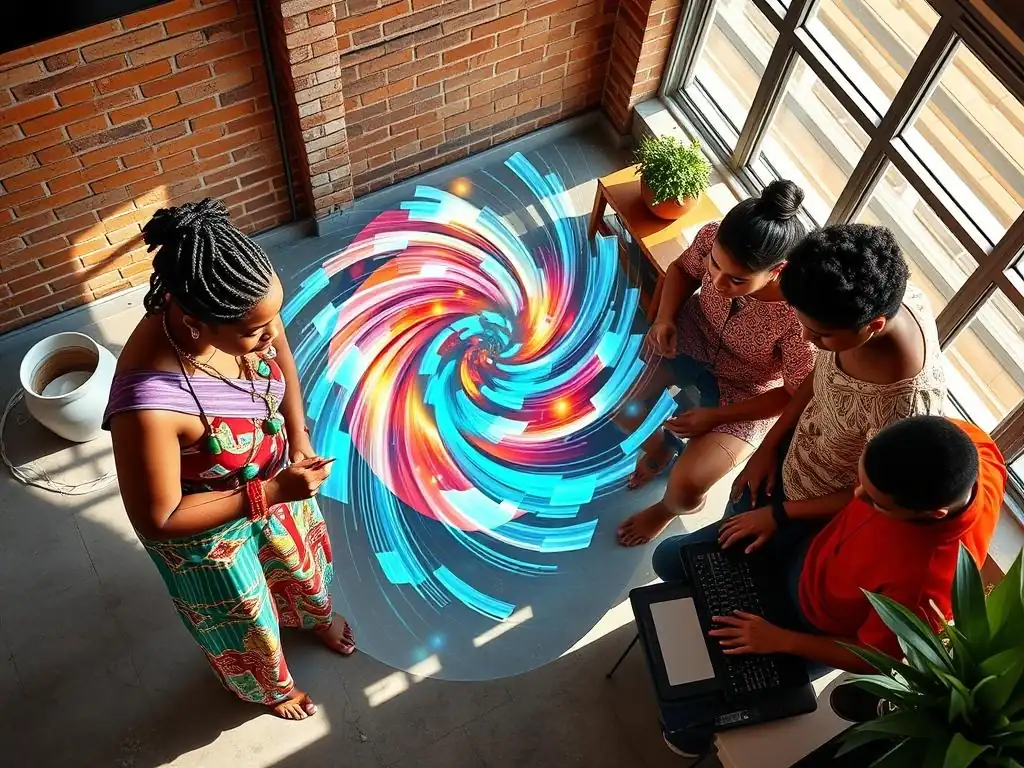
Welcome to Blockchain Trends, your guide to navigating the dynamic world of decentralized technology. Dive deep into how blockchain is reshaping industries and transforming economies, far beyond the realm of digital currencies. This week, we're exploring the exciting intersection of Tokenization and Tokenomics, focusing on how NFTs are empowering emerging creators and fostering new opportunities in unexpected corners of the globe. Intrigued? Discover how these digital assets are fueling a revolution and changing lives. Read on to learn more!
- The Social Impact of NFTs: Empowering Creators in Southeast Asia
- Understanding the NFT Ecosystem and its Potential for Southeast Asia
- NFTs: A Catalyst for Creator Empowerment in Southeast Asia
- Case Studies: NFT Success Stories from Southeast Asia
- Addressing the Challenges of NFT Adoption in Southeast Asia
- The Future of NFTs and Creator Empowerment in Southeast Asia
- Conclusion: NFTs Fueling a New Era of Creativity and Economic Opportunity
-
Frequently Asked Questions
- How are NFTs empowering creators in emerging economies?
- What are some of the key social benefits of NFTs for artists in developing nations?
- What challenges do creators in emerging economies face when adopting NFTs?
- How does blockchain technology contribute to the security and authenticity of NFTs?
- What is the future outlook for NFTs in supporting creative industries in emerging markets?
- Final Reflection: The Enduring Power of Digital Ownership
- Unleash Your NFT Potential: Become a Changemaker Today!
Introduction: NFTs Revolutionizing the Creator Landscape in Southeast Asia
The digital landscape of Southeast Asia is vibrant and rapidly evolving, home to millions of talented artists, musicians, writers, and digital content creators. Historically, many of these creators have faced significant hurdles in monetizing their work effectively, often relying on traditional intermediaries, dealing with high platform fees, or struggling with inconsistent income streams.
The rise of Non-Fungible Tokens (NFTs) presents a transformative opportunity, offering a decentralized pathway for creators to connect directly with audiences and collectors, thereby unlocking new economic possibilities. This paradigm shift is particularly impactful in emerging economies within the region, where access to traditional financial infrastructure might be limited, but digital adoption is soaring.
NFTs empowering emerging creators in Southeast Asia are redefining the relationship between artists and their patrons. By tokenizing unique digital or physical assets on the blockchain, creators can establish verifiable ownership and scarcity, enabling them to sell their work directly, earn royalties on secondary sales, and build dedicated communities around their art.
This direct model bypasses traditional gatekeepers like galleries, record labels, or publishers, which often take substantial cuts of revenue. For creators in countries like Indonesia, the Philippines, Thailand, and Vietnam, where the digital economy is booming, NFTs offer a powerful tool for financial independence and global reach, fundamentally altering the trajectory of their creative careers.
Understanding the NFT Ecosystem and its Potential for Southeast Asia
What are NFTs and How Do They Work? A Simplified Explanation
Non-Fungible Tokens (NFTs) are unique digital assets recorded on a blockchain, typically Ethereum, but increasingly on other chains like Polygon, Solana, or Binance Smart Chain. Unlike cryptocurrencies like Bitcoin or Ether, which are fungible (meaning each unit is interchangeable and identical), each NFT is distinct and holds specific, verifiable information about its ownership and origin.
This uniqueness makes them ideal for representing ownership of digital items such as art, music, videos, collectibles, or even virtual real estate. When a creator "mints" an NFT, they are essentially creating a digital certificate of authenticity and ownership that is permanently stored on the blockchain, making it transparent and tamper-proof.
The process usually involves uploading the digital asset to an NFT marketplace, which then facilitates the creation of the token on the blockchain. The creator sets a price or puts the NFT up for auction. Upon sale, the ownership of the NFT is transferred to the buyer's digital wallet, recorded on the blockchain.
A key feature for creators is the ability to program royalties into the NFT contract, ensuring they receive a percentage (often ranging from 5% to 15%) of the sale price every time the NFT is resold on the secondary market. This provides a sustainable, long-term revenue stream that is often absent in traditional creative sales models, significantly empowering creators in Southeast Asia and beyond.
The Current State of the Creator Economy in Southeast Asia: Challenges and Opportunities
Southeast Asia's creator economy is experiencing rapid growth, fueled by high internet penetration and widespread social media usage. Platforms like YouTube, TikTok, and Instagram have enabled millions to share their talents, from digital artists in Malaysia to indie musicians in Singapore and craftspeople in Cambodia. However, challenges persist. Monetization often relies heavily on advertising revenue, brand sponsorships, or platform-specific tipping features, which can be inconsistent and subject to platform policy changes. Many creators, particularly those outside major urban centers, also face difficulties accessing traditional financial services or international payment systems, limiting their ability to sell globally.
Despite these challenges, the region's tech-savvy population and increasing adoption of digital payments present fertile ground for innovation. The total value of transactions in Southeast Asia's digital economy reached an estimated $200 billion in 2022, projected to grow significantly.
This digital fluency, coupled with a burgeoning interest in blockchain technology and cryptocurrencies among younger demographics, creates a unique opportunity for NFTs empowering emerging creators. NFTs offer a direct, borderless method for creators to monetize their unique digital assets, bypassing traditional financial bottlenecks and tapping into a global collector base eager for authentic, unique digital content originating from diverse cultural backgrounds.
NFTs: A Catalyst for Creator Empowerment in Southeast Asia
NFTs as a Direct-to-Fan Revenue Stream: Bypassing Traditional Gatekeepers
One of the most significant impacts of NFTs on creators in Southeast Asia is the establishment of a direct-to-fan revenue channel. Traditionally, artists, musicians, and writers relied on intermediaries – galleries, record labels, publishers, or even large online marketplaces – to reach their audience and sell their work. These intermediaries often took a substantial percentage of the revenue, sometimes up to 50% or more, leaving creators with a fraction of the profit. NFTs disrupt this model by allowing creators to sell their digital assets directly to collectors and fans on decentralized marketplaces.
This direct connection not only increases the creator's share of revenue but also fosters a stronger relationship with their audience. Fans can become patrons and investors, directly supporting the creators they admire.
For example, a digital artist in Vietnam selling an NFT artwork on a platform like OpenSea or Rarible can receive close to 100% of the initial sale price (after marketplace fees, which are typically much lower than traditional cuts, often ranging from 2.5% to 15%) and earn programmed royalties on future sales. This financial autonomy is a game-changer, enabling creators to invest back into their craft, fund new projects, and build sustainable careers without relying on opaque and often exploitative traditional structures.
Overcoming Geographical Barriers: NFTs Connecting Creators to a Global Audience
Geographical location has long been a barrier for many creators in Southeast Asia, limiting their access to international markets and collectors. While the internet has provided some level of global reach, selling physical goods internationally can be complex and expensive due to shipping, customs, and payment processing issues. Even selling digital goods can be complicated by international payment gateways and currency conversions. NFTs, being blockchain-based and borderless, effectively eliminate these geographical constraints, enabling creators to sell their unique digital assets to anyone, anywhere in the world, with an internet connection and a crypto wallet.
This global accessibility is particularly powerful for artists in countries with less developed art markets or limited access to international galleries. A musician in the Philippines can release an album as a series of NFT collectibles and sell them directly to fans in Europe, North America, or anywhere with interest in their music.
This expanded market reach significantly increases the potential pool of buyers and collectors, providing creators with opportunities that were previously unimaginable. The ability of NFTs empowering emerging creators to tap into a global audience democratizes access to the international market, leveling the playing field regardless of where the creator is based.
Building Sustainable Careers: How NFTs Enable Creators to Retain Ownership and Control
Beyond initial sales revenue, NFTs offer mechanisms that help creators build more sustainable careers by allowing them to retain ownership rights and control over their creations. When a creator sells a physical artwork or licenses their music through traditional channels, they often relinquish certain rights or have limited ability to benefit from future appreciation of their work. With NFTs, the ownership of the token is transferred, but the creator typically retains the copyright and intellectual property rights to the underlying asset, unless specifically agreed otherwise.
Furthermore, the built-in royalty mechanism is crucial for long-term sustainability. As mentioned earlier, creators can earn a percentage of every secondary sale of their NFT. This means that if an artwork or collectible becomes more valuable over time and is resold multiple times, the original creator continues to earn passive income from its success.
This provides a continuous revenue stream that rewards creators for the enduring value of their work, a stark contrast to traditional models where creators often only benefit from the initial sale. This ability to earn royalties and maintain control is fundamentally changing how creators in Southeast Asia can plan for and build lasting careers.
Case Studies: NFT Success Stories from Southeast Asia
An Artist in Indonesia Leveraging NFTs for Financial Independence
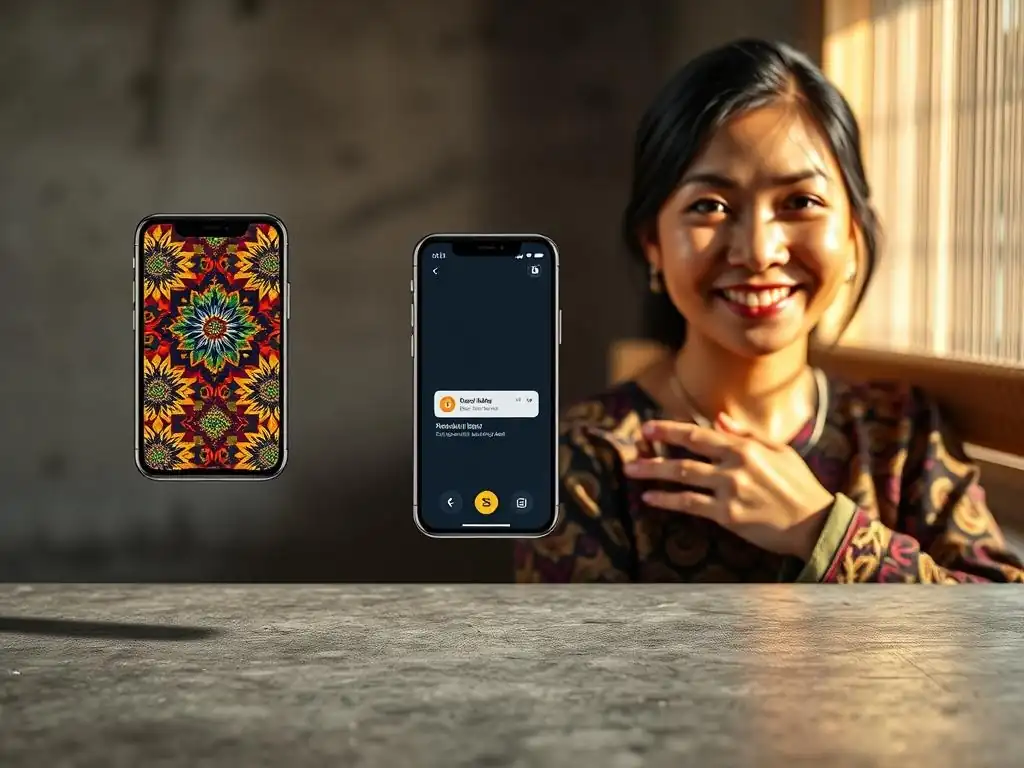
Consider the story of a digital artist based in Yogyakarta, Indonesia. Before discovering NFTs, she primarily relied on commissions from local clients and occasional sales of prints, struggling to make a consistent living. Her income was often unpredictable, and reaching international buyers was a significant challenge due to the complexities of shipping physical art and high transaction fees for international payments. She began experimenting with minting her vibrant digital illustrations as NFTs on a blockchain marketplace.
Within months, she started gaining traction, selling several pieces to collectors in the United States and Europe. One of her early NFT collections, inspired by traditional Indonesian batik patterns fused with futuristic elements, sold out rapidly, generating revenue equivalent to several months of her previous income. Crucially, she programmed a 10% royalty into her NFTs.
As some of her pieces were resold on the secondary market, she continued to earn passive income, allowing her to quit her part-time job and focus entirely on her art. This example highlights how NFTs empowering emerging creators can provide not just a revenue stream but a pathway to genuine financial independence.
A Musician in the Philippines Building a Community Through NFT-Based Collectibles
A struggling indie musician in Manila, Philippines, faced the common challenge of generating meaningful income from streaming platforms, which typically pay fractions of a cent per stream. Touring was expensive, and selling physical merchandise had limited reach. He turned to NFTs, deciding to release his new album as a series of limited-edition NFT collectibles, offering unique digital artwork for each track, behind-the-scenes content, and even special access tokens for future online Q&A sessions.
He launched his NFT collection on a platform popular with music fans. The collection sold out quickly, generating more revenue than his previous album releases combined. More importantly, the NFT buyers became a core community of dedicated fans and patrons.
He used the funds to upgrade his home studio and finance the production of music videos. The NFT holders felt a deeper connection to his work, actively promoting it and anticipating future drops. This case demonstrates how NFTs can be used not just for direct sales but as a powerful tool for community building and fan engagement, enabling musicians in Southeast Asia to forge stronger connections and build sustainable careers.
A Filmmaker in Vietnam Funding Projects with NFT Presales
Independent filmmakers in Vietnam often face significant hurdles in securing funding for their projects, relying on grants, loans, or personal savings. A young filmmaker with a compelling short film concept decided to explore an alternative funding model using NFTs. She created a series of NFTs representing different tiers of participation in her upcoming film project – from basic digital posters and concept art (lower tiers) to exclusive access to script excerpts, virtual set visits, and even a producer credit (higher tiers).
She marketed these NFT "presale" opportunities to film enthusiasts and potential patrons online. The campaign successfully raised enough funds to cover her production costs, bypassing traditional film financing avenues. Buyers of the NFTs felt invested in the project's success and became advocates, sharing the film's progress online. This innovative approach allowed her to maintain creative control over her film and build a community of supporters from the outset. It serves as a compelling example of how NFTs empowering emerging creators can unlock new funding models for ambitious creative projects in Southeast Asia.
Addressing the Challenges of NFT Adoption in Southeast Asia
Digital Divide and Accessibility: Bridging the Gap for Creators
Despite growing digital adoption, a significant digital divide persists in parts of Southeast Asia. Access to stable internet, affordable smartphones or computers, and the technical literacy required to navigate cryptocurrency wallets and NFT marketplaces remains a challenge for many potential creators, especially those in rural or less developed areas. While smartphone penetration is high, consistent and high-speed internet access can still be unreliable or expensive. Furthermore, understanding the technical aspects of blockchain, gas fees, and digital security poses a barrier for newcomers.
Addressing this requires concerted efforts from various stakeholders. Educational initiatives are crucial to teach creators about blockchain technology, how NFTs work, and how to safely participate in the ecosystem. Community-based workshops and online resources tailored to local languages and contexts can help bridge the knowledge gap. Furthermore, the development of more user-friendly NFT platforms with simpler interfaces and potentially lower transaction fees (perhaps on different blockchains) can improve accessibility. Efforts focused on expanding digital infrastructure and ensuring affordable internet access are also fundamental to truly unlock the potential of NFTs empowering emerging creators across the region.
The regulatory landscape for cryptocurrencies and NFTs in Southeast Asia is still evolving and varies significantly from country to country. Some nations, like Singapore, have adopted a more progressive stance, providing clearer guidelines, while others have stricter regulations or have yet to develop comprehensive frameworks. This uncertainty can create challenges for creators and platforms, making it difficult to understand legal obligations regarding taxation, intellectual property rights in the digital realm, and consumer protection.
Creators need clarity on how income from NFT sales is taxed in their respective countries. The legal status of NFTs themselves – whether they are considered assets, securities, or something else – also needs to be defined. Platforms operating in the region must navigate these disparate rules.
Collaboration between blockchain industry participants, legal experts, and policymakers is essential to develop clear, fair, and supportive regulatory frameworks. Providing clear guidance and potentially creating specific legal categories for digital assets like NFTs can help instill confidence and foster a more stable environment for creators and collectors alike, facilitating the growth of NFTs empowering emerging creators within legal boundaries.
Environmental Concerns and Sustainable NFT Practices: Minimizing the Impact
Early concerns about the environmental impact of NFTs, particularly those minted on energy-intensive proof-of-work blockchains like Ethereum (before its transition to proof-of-stake), have been a point of criticism. While many newer NFT platforms and blockchains use more energy-efficient proof-of-stake or other consensus mechanisms, addressing environmental concerns remains important for the long-term sustainability and public perception of the technology.
Creators and platforms can actively choose to mint NFTs on eco-friendly blockchains that consume significantly less energy. Educating creators and collectors about these options is vital. Some platforms are also exploring carbon offsetting initiatives or integrating sustainability into their core operations.
While the energy consumption of the underlying blockchain is the primary factor, promoting mindful minting practices (e.g., avoiding unnecessary transactions) and supporting projects focused on environmental themes can also contribute positively. Ensuring that the growth of NFTs empowering emerging creators does not come at a significant environmental cost is crucial for its widespread and positive social impact in Southeast Asia.
The Future of NFTs and Creator Empowerment in Southeast Asia
Potential for Collaboration and Innovation: New Models for Creator Funding and Community Building
The future of NFTs in Southeast Asia holds immense potential for fostering new forms of collaboration and innovative models within the creator economy. Beyond selling individual pieces, NFTs can be used to represent fractional ownership of larger creative projects, enabling multiple patrons to collectively fund films, albums, or art installations. Decentralized Autonomous Organizations (DAOs) powered by NFTs can allow communities of fans and creators to collectively own and govern creative ventures, sharing in the profits and decision-making.
Imagine a collective of animators across different Southeast Asian countries collaborating on a web series, funded and owned by their community through a series of NFTs. These NFTs could grant voting rights on plot points, access to exclusive content, and a share of revenue from distribution. This move towards collective ownership and governance represents a significant evolution from traditional hierarchical creative industries. It allows for more equitable distribution of value and fosters deeper engagement between creators and their audiences, further solidifying the role of NFTs empowering emerging creators through shared ownership and collaborative potential.
The Role of Blockchain Technology in Supporting Creator Rights and Fair Compensation
At its core, blockchain technology offers inherent features that can significantly bolster creator rights and ensure fair compensation. The immutable and transparent nature of the blockchain provides a verifiable record of ownership and transaction history for every NFT. This can help combat piracy and unauthorized use of digital assets, as the original creator and legitimate owner can always be traced back to the blockchain record. Smart contracts, the self-executing code that underpins NFTs, automatically enforce terms like royalty payments, ensuring creators receive their due share on secondary sales without relying on intermediaries.
This built-in system of verifiable ownership and automated compensation is particularly valuable in regions where intellectual property rights enforcement might be challenging through traditional legal means. Blockchain provides a global, decentralized system for tracking and compensating the use and resale of creative work. As the technology matures and integrates with other digital tools, it will further empower creators by giving them greater control over their digital footprint and ensuring they are fairly rewarded for the value they create. This fundamental shift in power dynamics is central to the promise of NFTs empowering emerging creators across Southeast Asia.
Ultimately, NFTs have the potential to serve as a powerful tool for social and economic development in Southeast Asia. By providing a direct pathway to global markets and enabling sustainable income streams, NFTs can lift creators out of poverty, stimulate local economies, and preserve cultural heritage by tokenizing traditional art forms or performances for a global audience. The ability to earn international currency through NFT sales can provide economic stability in regions susceptible to currency fluctuations.
Furthermore, the skills developed through participating in the NFT ecosystem – understanding blockchain, digital marketing, community building – are valuable in the broader digital economy. As more creators and collectors engage with NFTs, it fosters a local ecosystem of blockchain knowledge and innovation. This can lead to the development of new platforms, tools, and services tailored to the region's needs. By democratizing access to the global digital economy and providing new avenues for wealth creation, NFTs empowering emerging creators are not just changing individual lives but contributing to broader economic resilience and cultural preservation efforts across Southeast Asia.
Conclusion: NFTs Fueling a New Era of Creativity and Economic Opportunity
Frequently Asked Questions
How are NFTs empowering creators in emerging economies?
NFTs provide a direct pathway for creators to monetize their work, bypassing traditional intermediaries and geographical limitations. This democratizes access to global markets.
NFTs offer greater financial independence and control over intellectual property for artists. They can also foster community building and direct engagement with fans.
What challenges do creators in emerging economies face when adopting NFTs?
Challenges include limited access to technology, lack of awareness about NFTs, and regulatory uncertainties surrounding digital assets. Bridging the digital divide is crucial.
How does blockchain technology contribute to the security and authenticity of NFTs?
Blockchain provides a transparent and immutable ledger, ensuring the provenance and authenticity of each NFT. This reduces fraud and protects creator rights.
What is the future outlook for NFTs in supporting creative industries in emerging markets?
The future involves increased adoption as infrastructure improves, innovative use cases emerge, and regulatory frameworks become clearer. NFTs have the potential to revolutionize creative ecosystems.
Final Reflection: The Enduring Power of Digital Ownership
The journey we've explored, tracing the impact of NFTs on empowering creators in emerging economies, culminates in a powerful realization: digital ownership is fundamentally reshaping the landscape of artistic expression and economic opportunity. The stories of artists breaking free from traditional gatekeepers and directly connecting with global audiences are not isolated incidents, but rather a harbinger of a more equitable and decentralized future.
This shift, driven by the innovative use of NFTs, has profoundly influenced the cultural and social fabric of these emerging economies. Witnessing the rise of these creators, armed with the tools of blockchain technology, has been deeply inspiring, highlighting the potential for NFTs to transcend mere digital collectibles and become instruments of genuine empowerment. Technology is nothing. What's important is that you have a faith in people, that they're basically good and smart, and if you give them tools, they'll do wonderful things with them.
- Steve Jobs. This quote encapsulates the spirit of this movement, where NFTs are simply the tools enabling creators to unlock their potential.
Now, as you reflect on the narratives shared and the potential unveiled, consider how you can contribute to this burgeoning ecosystem. How can you support these emerging creators, amplify their voices, and champion the principles of digital ownership that are reshaping their futures? The power to shape this future lies within each of us. Embrace the opportunity to be a part of this transformative movement, and together, we can build a more inclusive and equitable world for artists everywhere.
Unleash Your NFT Potential: Become a Changemaker Today!
Thank you for exploring how NFTs can uplift creators in emerging economies. We hope you've gained valuable insights into the transformative power of this technology. Now, it's time to turn that knowledge into action!
You can contribute to the NFT revolution in meaningful ways:
- Launch your own NFT project to support a creator in an emerging economy. Your effort can make a real difference in their artistic journey and livelihood.
- Discover and collect NFTs created by artists from underserved communities. Your support helps foster their growth and recognition.
- Share this article with your network and spark conversations about the ethical considerations surrounding NFTs. Help spread awareness and promote responsible innovation.
What actions will you take to empower creators through NFTs? Share your ideas in the comments below!
Leave a Reply