
Tokenized Identities and Assets: The Convergence of SelfSovereign Ownership and Digital Assets

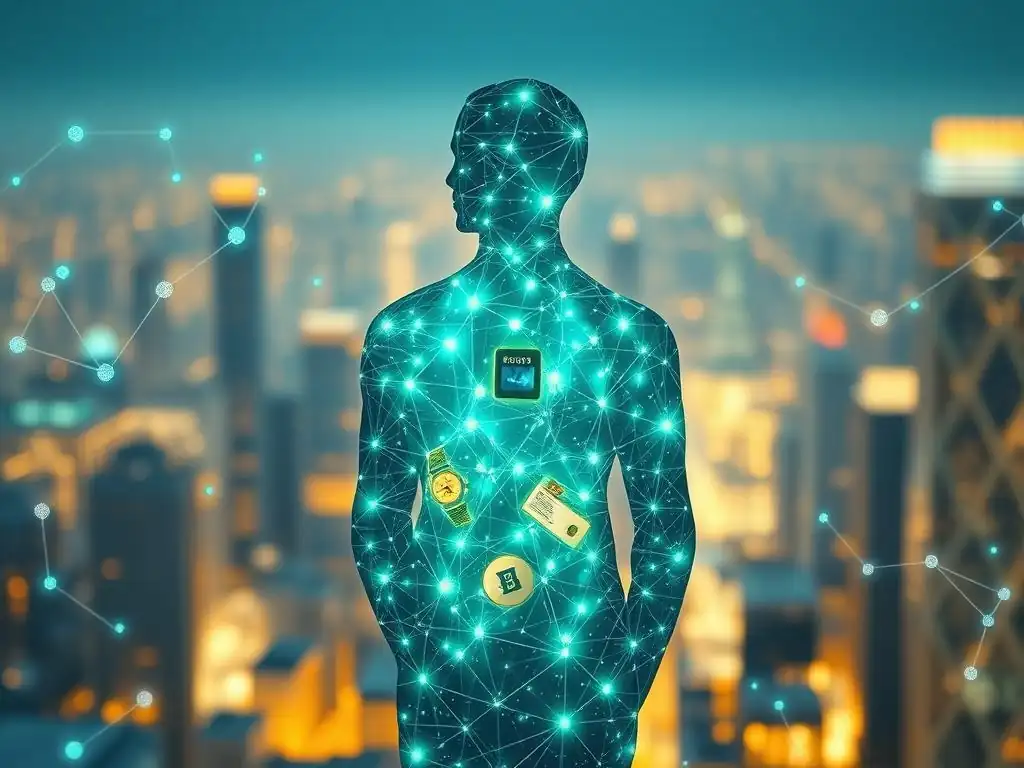
Welcome to Blockchain Trends, your premier source for understanding the real-world impact of blockchain technology. Beyond the hype, we delve into the transformative potential of decentralized systems. Are you ready to unlock the power of self-sovereign ownership? This article explores the game-changing blockchain identity management solutions benefits and how they're revolutionizing everything from digital asset security to personal data control. Intrigued? Discover how tokenized identities are paving the way for a future of truly decentralized ownership.
- Blockchain Identity Management Solutions Benefits: A Deep Dive
-
Frequently Asked Questions
- What are the main benefits of using blockchain for identity management?
- How does tokenization play a role in the convergence of self-sovereign identity and digital assets?
- What are some potential enterprise applications for blockchain-based identity management?
- What regulations are currently impacting the adoption of blockchain identity management solutions?
- How does blockchain contribute to self-sovereign ownership in the context of digital assets?
- Final Reflection: Embracing the Future of Self-Sovereign Identity
Blockchain Identity Management Solutions Benefits: A Deep Dive
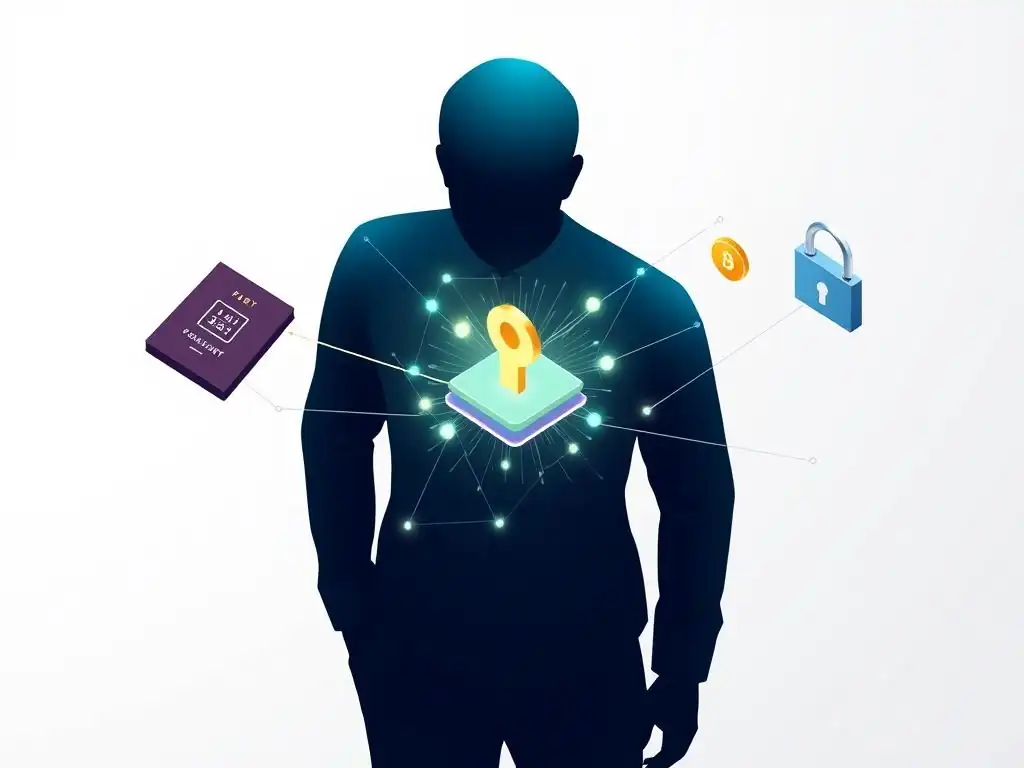
Enhanced Security and Privacy for Digital Assets
Blockchain identity management solutions bring a paradigm shift in how digital assets are secured and user privacy is upheld. Unlike traditional centralized systems where identity data is stored in vulnerable databases, often becoming targets for large-scale breaches, blockchain-based approaches distribute control and leverage cryptographic principles.
This decentralized model significantly reduces the risk of a single point of failure, making it substantially harder for malicious actors to compromise vast amounts of sensitive personal information tied to asset ownership. For instance, instead of a platform holding copies of user IDs and proofs of address, users can hold verifiable credentials on their own device, proving attributes (like age or jurisdiction) without revealing underlying sensitive data, thereby securing access to their tokenized assets.
The security benefits extend directly to the protection of tokenized assets themselves. By linking verifiable digital identities to asset ownership on a blockchain, unauthorized transfers or access attempts become far more difficult. A malicious actor attempting to move a tokenized security or a fractional share of tokenized real estate would need to compromise the user's private key and potentially bypass identity verification layers that confirm the transaction is initiated by the legitimate, verified owner.
This multi-layered security approach, inherent in robust blockchain identity management solutions, provides a stronger defense against theft and unauthorized manipulation of digital assets compared to systems relying solely on passwords or single-factor authentication. The average global cost of a data breach reached approximately $4.45 million in 2023, highlighting the financial incentive for attackers and underscoring the value of preventative security measures provided by these solutions.
Reduced Fraud and Identity Theft in Tokenized Ecosystems
Fraudulent activities, particularly identity theft, pose a significant threat to the integrity and trust of digital asset ecosystems. In traditional or less secure digital environments, it is relatively easier for bad actors to create fake identities or impersonate legitimate users to engage in fraudulent transactions, such as claiming ownership of assets they don't possess or participating in markets under false pretenses.
Blockchain identity management solutions directly counter this by enabling the creation and verification of unique, tamper-resistant digital identities. These identities, often linked to real-world credentials verified by trusted third parties (issuers), make it exceedingly difficult for fraudsters to operate anonymously or create multiple fake accounts (Sybil attacks) within a tokenized ecosystem.
The immutability of blockchain records, combined with verifiable digital identities, provides a robust mechanism for preventing and detecting fraud. Every transaction involving a tokenized asset can be cryptographically linked to a specific, verified identity (or a pseudonymous identifier tied to one), creating an auditable trail that is resistant to tampering. This inherent transparency and verifiability deter fraudulent behavior because malicious actions can be traced back to the responsible party.
For example, in a tokenized art platform, a blockchain identity management solution can ensure that only the verified owner of a tokenized artwork can initiate its sale, preventing a scammer from listing art they do not rightfully own. Reports indicate that digital identity fraud continues to be a major concern, with global losses estimated in the billions annually; blockchain identity management solutions offer a critical defense line against such pervasive threats in the growing tokenized economy.
Improved Regulatory Compliance and Auditability
Navigating the complex landscape of financial regulations, such as Know Your Customer (KYC) and Anti-Money Laundering (AML) rules, is a significant challenge for platforms dealing with tokenized assets, especially those representing securities or real-world assets. Traditional compliance processes are often manual, time-consuming, and expensive. Blockchain identity management solutions offer a streamlined approach by enabling the verification of participant identities in a secure, privacy-preserving manner.
Instead of every platform re-collecting and storing sensitive identity documents, users can obtain verified credentials from a trusted issuer and selectively share proof of required attributes (like being an accredited investor or being over 18) with different platforms without revealing their full identity details unnecessarily. This not only simplifies the user onboarding experience but also drastically reduces the compliance burden on asset issuers and trading platforms.
Furthermore, the inherent transparency and auditability of blockchain technology are significantly enhanced when combined with verifiable digital identities. While blockchain transactions are often pseudonymous, regulatory requirements often necessitate linking on-chain activity to real-world identities for specific use cases, such as reporting suspicious transactions or verifying eligibility for certain asset classes. Blockchain identity management solutions provide the infrastructure to achieve this linkage in a controlled and compliant manner.
Auditors and regulators can, with appropriate authorization, verify the identities associated with specific transactions or asset holdings, facilitating efficient audits and ensuring adherence to regulations like MiCA in the EU or evolving securities laws elsewhere. This capability is a core benefit of blockchain identity management solutions for fostering trust and enabling regulatory acceptance of tokenized markets.
Cost Savings Through Automation and Efficiency
The operational costs associated with identity verification and compliance in traditional systems can be substantial, involving significant manual effort, data storage, and processing fees. Implementing blockchain identity management solutions can lead to considerable cost savings by automating and streamlining these processes.
The ability for users to reuse their verified digital identities and credentials across multiple platforms eliminates the need for repetitive, expensive KYC checks every time they interact with a new service or acquire a different tokenized asset. This shared, verifiable credential model reduces the overhead for businesses, allowing them to onboard users faster and at a lower cost per user.
Beyond onboarding, blockchain identity management solutions improve efficiency in various aspects of tokenized asset management. Managing access control, distributing dividends or rewards to verified token holders, and conducting shareholder votes for tokenized equity all become more efficient when participant identities are securely managed and verifiable on-chain.
The automation potential extends to areas like fraud detection and regulatory reporting, where verifiable identity data can be programmatically checked against rules or automatically aggregated for reports. While specific figures vary widely depending on the industry and scale, studies and pilot programs have demonstrated that automated digital identity verification processes can reduce onboarding time by over 50% and cut associated costs by a significant margin compared to purely manual methods, illustrating a compelling benefit of blockchain identity management solutions for businesses operating in the tokenized space.
Frequently Asked Questions
What are the main benefits of using blockchain for identity management?
Blockchain identity management solutions offer several advantages, including enhanced security through cryptography, improved privacy by giving users control over their data, and increased efficiency in identity verification processes.
How does tokenization play a role in the convergence of self-sovereign identity and digital assets?
Tokenization allows for the representation of identities and assets as unique tokens on a blockchain. This facilitates secure ownership, transfer, and management of both, creating a unified and decentralized ecosystem.
What are some potential enterprise applications for blockchain-based identity management?
Enterprises can leverage blockchain identity management for secure supply chain tracking, streamlined employee onboarding, and improved customer relationship management by ensuring data integrity and user consent.
What regulations are currently impacting the adoption of blockchain identity management solutions?
Regulations like GDPR and CCPA, while not specifically targeting blockchain, influence the data privacy and consent requirements for identity management systems, impacting how blockchain solutions are implemented.
How does blockchain contribute to self-sovereign ownership in the context of digital assets?
Blockchain enables individuals to directly control their digital assets and identities without relying on intermediaries. This empowers users with complete ownership and the ability to manage their data as they see fit.
Final Reflection: Embracing the Future of Self-Sovereign Identity
The exploration of tokenized identities and assets, as detailed in this article, isn't merely a theoretical exercise; it's a critical examination of how we can reclaim control over our digital lives. The promise of blockchain identity management solutions benefits us all by offering a path towards greater autonomy, security, and efficiency in a world increasingly dominated by centralized systems. This shift towards self-sovereign ownership is not just a technological advancement, but a fundamental reimagining of the relationship between individuals and their data.
The impact of this convergence is already rippling through our cultural and social landscape. The ability to own and manage our digital identities and assets independently is profoundly empowering, fostering trust and transparency in online interactions. Identity is the new perimeter of security,
as Jeremy Grant, former Senior Executive Advisor at NIST, aptly stated. This quote underscores the urgency and importance of developing robust and user-centric blockchain identity management solutions. The future hinges on our ability to secure and control our digital selves.
As we stand on the cusp of this transformative era, I invite you to reflect on your own digital footprint. How much control do you truly have over your data? What steps can you take to embrace the principles of self-sovereign identity? Let us all strive to become active participants in shaping a future where digital ownership empowers individuals and fosters a more equitable and secure digital world.
Please provide the article content so I can craft a compelling call to action that fits the context. I need to understand the subject and tone to create an effective and relevant message.
Leave a Reply