
Tokenizing Luxury Goods: Expanding Markets for HighEnd and Exclusive Assets

Welcome to Blockchain Trends, your gateway to understanding the revolutionary impact of blockchain technology.
Ever imagined owning a fraction of a priceless artifact or a limited-edition supercar? Our deep dive into luxury goods blockchain tokenization explores how this cutting-edge approach is reshaping the world of high-end assets, opening up unprecedented investment opportunities and transforming traditional ownership models. Intrigued? Discover how blockchain is unlocking new value and accessibility in the exclusive world of luxury. Read on to learn more!
Tokenizing Luxury Goods: Expanding Markets for High-End and Exclusive Assets
- Introduction: Unlocking New Value with Luxury Goods Blockchain Tokenization
- What is Luxury Goods Tokenization?
- The Advantages of Luxury Goods Blockchain Tokenization
- Use Cases: Real-World Examples of Tokenized Luxury
- Challenges and Considerations in Luxury Goods Tokenization
- The Future of Luxury Goods and Blockchain Technology
- Conclusion: The Transformative Power of Blockchain in the Luxury Sector
-
Frequently Asked Questions
- How does blockchain tokenization benefit the luxury goods market?
- What are some examples of luxury goods that can be tokenized?
- What security measures are in place to protect tokenized luxury goods?
- How does regulation impact the tokenization of luxury goods?
- What is the future outlook for luxury goods blockchain tokenization?
- Final Reflection: The Democratization of Desire
- Unlock Your Luxury Future: Step into Tokenization!
Introduction: Unlocking New Value with Luxury Goods Blockchain Tokenization
The Rising Trend of Tokenizing Real-World Assets: A New Era for Luxury
The concept of representing real-world assets on a blockchain, known as tokenization, is rapidly gaining traction across various sectors. While initially popularized by cryptocurrencies, the application of blockchain technology is expanding to encompass tangible and intangible assets alike. This trend is particularly relevant to the luxury market, which deals with high-value, often illiquid assets like fine art, rare collectibles, luxury real estate, and exclusive consumer goods. Tokenization offers a novel way to manage, trade, and invest in these traditionally inaccessible or cumbersome assets.
The global luxury market is projected to reach significant figures, with estimates often exceeding €300 billion annually for personal luxury goods alone. However, this market often operates with limited transparency and liquidity, creating barriers for broader participation. The rising trend of asset tokenization seeks to address these limitations by creating digital tokens that represent ownership or fractional ownership of these valuable items. This introduces a new era where luxury assets can potentially be traded more efficiently and transparently on global digital marketplaces, fundamentally altering how value is exchanged in this exclusive domain.
Understanding Blockchain's Role in Revolutionizing the Luxury Market
Blockchain technology provides the foundational infrastructure for luxury goods blockchain tokenization. Its core characteristics – immutability, transparency (for public blockchains), and decentralization – are uniquely suited to address some of the long-standing challenges within the luxury sector. Every transaction involving a tokenized luxury asset, from creation to transfer, can be recorded on the blockchain, creating an indelible and verifiable history.
This inherent transparency and security offered by blockchain are crucial for a market plagued by issues like counterfeiting and opaque supply chains. By linking a digital token to a physical luxury item, blockchain can serve as an immutable record of authenticity, ownership history, and provenance. This not only builds trust among buyers and sellers but also streamlines processes that were previously reliant on extensive paperwork and manual verification. The adoption of blockchain technology is not merely a technological upgrade; it represents a potential paradigm shift in how luxury assets are authenticated, owned, and traded globally.
What is Luxury Goods Tokenization?
Defining Tokenization in the Context of High-End Assets
Tokenization, in the context of luxury goods, is the process of issuing a digital token on a blockchain that represents a fractional or full ownership stake in a specific physical luxury asset. This digital token acts as a verifiable and transferable certificate of ownership or rights associated with the underlying asset. The token is typically linked to the physical item through various means, such as unique serial numbers, digital certificates, or even embedded NFC chips, ensuring a connection between the digital representation and the tangible item.
Unlike cryptocurrencies which are native digital assets, luxury goods tokenization involves creating a digital wrapper around a pre-existing physical or even intangible asset (like intellectual property related to a luxury brand). The value of the token is directly derived from the value of the underlying luxury item it represents. This process makes illiquid assets more liquid by creating divisible and easily transferable digital units that can be traded on secondary markets, thereby expanding the potential pool of investors and collectors beyond traditional boundaries.
How Tokenization Transforms Physical Luxury Items into Digital Assets
The transformation of physical luxury items into digital assets through tokenization involves several technical and procedural steps. First, the luxury asset undergoes verification and appraisal to establish its authenticity and market value. Then, a smart contract is created on a blockchain platform (like Ethereum, Flow, or others suitable for asset tokenization). This smart contract defines the rules for the token, such as the total number of tokens to be issued (often representing fractional ownership), the rights conveyed by holding the token (e.g., ownership, access, voting rights), and the mechanisms for transfer.
Tokens are then issued according to the smart contract, with each token representing a predefined share or the entirety of the asset. For instance, a rare watch valued at \$1 million could be tokenized into 1,000 tokens, each representing 0.1% ownership and valued at \$1,000. These tokens are stored in digital wallets and can be traded on compatible marketplaces.
The physical asset itself is often held in secure, third-party storage, with the token holder possessing the digital key to its ownership. This process effectively creates a digital twin of the luxury item, enabling digital trading and management while the physical asset remains secure.
Benefits of Digital Representation for Luxury Items
The digital representation of luxury items via tokenization offers a multitude of benefits that address inherent inefficiencies in the traditional market. One significant advantage is enhanced divisibility, allowing high-value assets to be broken down into smaller, more affordable units. This lowers the entry barrier for potential investors and collectors, democratizing access to exclusive items that would otherwise be unattainable for most individuals. For example, investing in a fractional share of a multi-million dollar artwork becomes feasible through tokenization.
Furthermore, digital representation facilitates easier transfer and trading of ownership. Instead of complex legal procedures and physical delivery, token ownership can be transferred digitally and near-instantaneously on a blockchain. This increased ease of transaction contributes significantly to potential market liquidity. The digital token also serves as a permanent, tamper-proof record of ownership and transaction history on the blockchain, providing an unprecedented level of transparency and verification for both buyers and sellers in the luxury goods blockchain tokenization ecosystem.
The Advantages of Luxury Goods Blockchain Tokenization
Increased Liquidity for Luxury Assets Through Tokenization
One of the primary challenges in the traditional luxury asset market is the lack of liquidity. High-value items like rare art, vintage cars, or exclusive jewelry are often difficult to sell quickly at their market value due to a limited pool of potential buyers and the complexity of transactions. Luxury goods blockchain tokenization directly addresses this issue by transforming illiquid assets into divisible, tradable digital tokens. By creating smaller, more affordable units of ownership, tokenization significantly broadens the potential buyer base from a small group of ultra-high-net-worth individuals to a global network of investors and collectors.
This expanded market access, coupled with the ease of digital transfer provided by blockchain, enables tokenized luxury assets to be traded on secondary marketplaces much more readily than their physical counterparts. While the market for tokenized luxury is still developing, the potential exists for trading volumes to increase dramatically, allowing owners to unlock capital from their assets more efficiently. For instance, selling a \$50,000 tokenized fraction of a vintage wine collection on a digital exchange is considerably faster and simpler than finding a buyer for the entire physical collection through traditional channels.
Enhanced Transparency and Provenance Tracking with Blockchain
Transparency and provenance are critical concerns in the luxury market, especially given the prevalence of counterfeiting and complex ownership histories. Blockchain technology offers a robust solution by providing a transparent and immutable ledger for tracking the history of a tokenized luxury item. From the moment an asset is tokenized, its ownership, transfer history, and potentially even maintenance records can be immutably recorded on the blockchain.
Each transaction is timestamped and publicly verifiable (depending on the blockchain used), creating a clear and auditable trail from the asset's origin to its current owner. This eliminates the need for relying solely on physical certificates or potentially forgeable documents. For luxury goods blockchain tokenization, this means a buyer can easily verify the authenticity and complete ownership history of a tokenized asset by reviewing the blockchain data associated with its token, significantly reducing the risk of acquiring stolen or counterfeit goods and building greater trust within the market.
Fractional Ownership: Democratizing Access to Exclusive Items
Fractional ownership, enabled by luxury goods blockchain tokenization, is a powerful mechanism for democratizing access to exclusive and high-value assets. Traditionally, owning a piece of a multi-million dollar artwork, a rare diamond, or a vintage collector car was only feasible for the extremely wealthy. Tokenization allows these assets to be divided into hundreds or thousands of digital tokens, each representing a small percentage of ownership.
This means that individuals with more modest capital can now invest in or collect a portion of these assets. For example, instead of needing millions to buy a Picasso, an investor might purchase tokens representing a \$10,000 stake. This opens the luxury market to a much wider audience, allowing more people to participate in the potential appreciation of these assets and diversifying investment portfolios beyond traditional stocks and bonds. Fractional ownership through tokenization makes the exclusive world of luxury collecting and investing significantly more inclusive.
Reducing Counterfeiting and Ensuring Authenticity Through Tokenized Luxury
Counterfeiting is a major problem for the luxury industry, costing brands billions annually and eroding consumer trust. Luxury goods blockchain tokenization offers a powerful tool to combat this issue by creating a secure, verifiable digital identity for authentic items. When a genuine luxury product is manufactured or authenticated, a corresponding digital token is created on the blockchain, immutably linked to the physical item via unique identifiers like serial numbers, QR codes, or NFC tags embedded in the product itself.
This token serves as a digital certificate of authenticity, recorded on a decentralized ledger that cannot be altered or forged. Consumers or subsequent buyers can scan the tag or verify the token on the blockchain to confirm the item's legitimacy and trace its provenance back to the source.
While the physical act of counterfeiting still exists, tokenization makes it significantly harder to pass off fakes as authentic goods within the tokenized ecosystem, as the fake item will lack the verifiable blockchain-based token. This enhanced security feature is a critical advantage for both luxury brands seeking to protect their reputation and consumers wanting assurance of authenticity when purchasing valuable items, driving the adoption of luxury goods blockchain tokenization.
Use Cases: Real-World Examples of Tokenized Luxury
Tokenized Rare Whisky: Secure and Transparent Trading
Rare whiskies have become a popular alternative investment asset, with specific bottles appreciating significantly over time. However, verifying provenance and ensuring secure storage and transfer can be challenging. Luxury goods blockchain tokenization provides a solution by tokenizing ownership of individual bottles or casks of rare whisky. Platforms are emerging that allow investors to buy tokens representing shares in valuable whisky collections.
For instance, a cask of rare Scotch valued at several hundred thousand dollars can be tokenized into smaller units, allowing multiple investors to own a share. The physical cask remains stored in a secure, climate-controlled facility, while ownership tokens are traded on a blockchain. This provides unprecedented transparency regarding the whisky's origin, age, and storage conditions, all immutably recorded on the ledger. It also facilitates easier trading compared to physically transferring a valuable cask, enhancing liquidity for this niche luxury asset class.
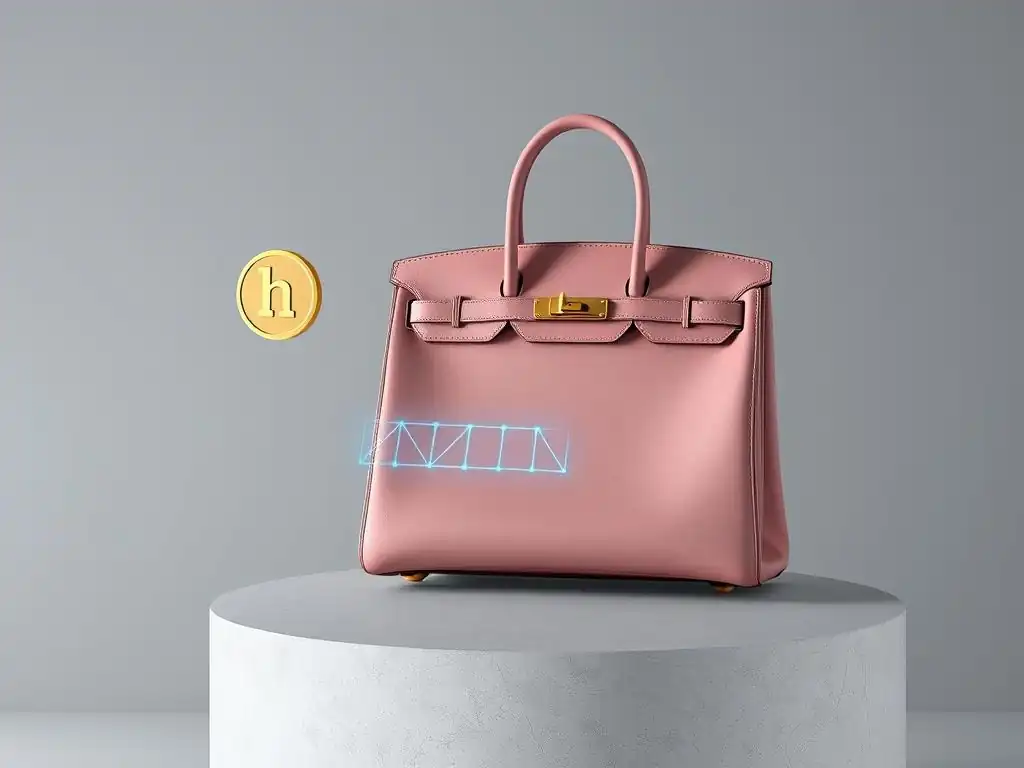
Tokenized Designer Handbags: Increased Accessibility and Investment Opportunities
High-end designer handbags, particularly limited editions or vintage pieces, hold significant resale value and are increasingly viewed as investment assets. Tokenization makes this market more accessible. Platforms are tokenizing ownership of coveted handbags from brands like Hermès or Chanel, allowing individuals to buy fractional shares.
This model addresses issues of authenticity verification in the resale market, as the token is linked to the verified genuine bag. It also lowers the entry cost for investing in these items; instead of paying tens or hundreds of thousands for a single bag, an investor can buy tokens representing a smaller stake. This not only creates new investment opportunities but also potentially stabilizes the resale market by providing a more transparent and liquid trading environment for tokenized designer handbags.
Tokenized Classic Cars: Streamlining Ownership and Investment
Classic cars are another high-value, illiquid luxury asset class with passionate collectors and investors. Tokenizing classic cars can streamline the complexities of shared ownership, maintenance, and investment. A classic car valued at over a million dollars can be tokenized, allowing a syndicate of investors to collectively own it through tokens.
The blockchain records each owner's share, simplifies the process of buying and selling stakes, and can even manage shared expenses or usage rights through smart contracts. This bypasses the legal and logistical hurdles typically associated with co-owning such a significant physical asset. Furthermore, tokenization on a secure ledger provides a transparent history of the car's ownership and potentially its restoration and maintenance, adding value and trust for collectors and investors interested in luxury goods blockchain tokenization within the automotive sector.
Tokenized Diamonds: Verifying Authenticity and Value
The diamond industry has long faced challenges with supply chain transparency, origin verification, and preventing the trade of conflict diamonds. Tokenizing individual diamonds or parcels of diamonds offers a powerful solution for enhanced traceability and authenticity. By assigning a unique digital token to a specific diamond, linked perhaps through laser inscription or other unique identifiers, its journey from mine to market can be recorded on a blockchain.
This creates an immutable record of the diamond's origin, cuts, carats, and certifications (the 4 Cs plus provenance), providing verifiable proof of authenticity and ethical sourcing. For investors, tokenizing high-value, certified diamonds allows for easier trading of ownership stakes without the need for physical handling or repeated appraisals. This increased transparency and security in the diamond supply chain and ownership structure adds significant value to the luxury goods blockchain tokenization landscape for gemstones.
Challenges and Considerations in Luxury Goods Tokenization
One of the significant challenges for luxury goods blockchain tokenization is navigating the evolving and often uncertain regulatory landscape surrounding tokenized assets. Different jurisdictions classify tokens differently – some may be considered securities, others commodities, and some unique digital assets. This lack of a unified global framework creates legal complexities for platforms issuing and trading luxury asset tokens, as well as for investors.
Compliance with existing financial regulations, such as Know Your Customer (KYC) and Anti-Money Laundering (AML) laws, is crucial. Issuers of tokens representing fractional ownership of assets may need to adhere to securities regulations, which can involve stringent disclosure requirements and limitations on who can invest. The fragmented nature of regulations across countries necessitates careful legal counsel and a robust compliance framework for any entity operating in the tokenized luxury asset space.
Security Concerns and Mitigation Strategies for Blockchain-Based Luxury Assets
While blockchain itself is designed to be secure, the broader ecosystem around luxury goods blockchain tokenization presents potential security risks. These include vulnerabilities in smart contracts, risks associated with the platforms or marketplaces where tokens are traded, and the security of users' digital wallets holding the tokens. A flaw in a smart contract could potentially lead to the loss of assets or ownership rights.
Mitigation strategies are essential. This includes rigorous auditing of smart contracts by reputable third parties before deployment. Platforms should implement robust cybersecurity measures, including multi-factor authentication, secure storage for private keys, and regular security audits. Furthermore, educating users on best practices for securing their digital wallets and being wary of phishing attacks is critical to protecting tokenized luxury assets from theft or loss.
Educating Consumers and Building Trust in Digital Luxury Assets
A major hurdle for widespread adoption of luxury goods blockchain tokenization is the need to educate traditional luxury consumers and investors about this new paradigm. Many potential buyers are accustomed to physical certificates and traditional ownership models and may be wary of holding ownership in the form of a digital token. Building trust in the concept of owning a valuable physical asset through a digital representation requires clear communication and successful real-world examples.
Platforms must clearly explain how tokenization works, the security measures in place, and the benefits it offers, such as enhanced transparency and liquidity. Demonstrating the immutability of blockchain records and the link between the token and the physical asset is crucial. Overcoming skepticism and building confidence in the security and validity of digital luxury assets is an ongoing process that requires significant effort in consumer education and transparent operations.
Valuation and Appraisal of Tokenized Luxury Assets
Accurately valuing unique, often subjective luxury assets like art, rare collectibles, or vintage items is inherently complex, and this complexity extends to their tokenized forms. While tokenization facilitates trading, it doesn't solve the fundamental challenge of appraising the underlying asset's true market value, which can fluctuate based on trends, provenance, condition, and subjective appeal.
For luxury goods blockchain tokenization, establishing a reliable and widely accepted appraisal process is critical. This often involves engaging expert appraisers from the traditional luxury market. The challenge lies in ensuring these appraisals are transparent, consistent, and trusted by potential token buyers and sellers. As the market matures, developing standardized valuation methodologies specifically for tokenized luxury assets, potentially incorporating market data from token trading, will be necessary to provide confidence to investors and facilitate fair pricing.
The Future of Luxury Goods and Blockchain Technology
The Potential for Metaverse Integration: Virtual Luxury Experiences
The convergence of luxury goods blockchain tokenization and the emerging metaverse presents exciting future possibilities. As virtual worlds develop, there will be a demand for authentic, high-status digital assets. Tokenized luxury items could seamlessly transition into the metaverse, allowing owners to display their tokenized watches, wear digital twins of their designer clothes, or showcase their tokenized art collections in virtual environments.
This integration could create new forms of value and utility for luxury goods. Owning the token for a physical luxury item could grant access to exclusive virtual experiences, events, or communities within the metaverse. Brands could issue digital twins of their physical products as NFTs (Non-Fungible Tokens), which are a form of tokenization, allowing consumers to own and use these items in both the physical and virtual realms. This dual-reality ownership enabled by blockchain could significantly expand the market and appeal of luxury goods.
Decentralized Finance (DeFi) and Luxury Assets: Exploring Lending and Borrowing Opportunities
The intersection of Decentralized Finance (DeFi) and luxury goods blockchain tokenization opens up new financial opportunities for asset owners. Once luxury assets are tokenized, these tokens can potentially be used as collateral within DeFi protocols. This would allow owners to borrow stablecoins or other cryptocurrencies against the value of their tokenized luxury items without needing to sell the underlying physical asset.
For instance, an owner of a tokenized rare watch could lock their tokens in a DeFi lending protocol to get a short-term loan. This provides liquidity to asset holders who might otherwise have capital tied up in illiquid luxury goods. As the tokenized luxury market matures and liquidity increases, DeFi platforms could develop specialized pools for lending against these assets, further integrating the luxury market into the broader decentralized financial ecosystem and creating innovative ways to leverage the value of luxury holdings.
The Evolution of Luxury Goods Marketplaces Through Tokenization
Luxury goods blockchain tokenization is poised to drive the evolution of marketplaces for high-end assets. Traditional luxury marketplaces often suffer from limited reach, high transaction fees, and issues with trust and authenticity. Tokenized marketplaces, built on blockchain technology, can offer greater transparency, lower costs, and increased accessibility to a global audience.
These platforms allow for peer-to-peer trading of tokenized luxury assets, removing intermediaries and potentially reducing fees. The inherent transparency of blockchain transactions builds trust, and the verifiable provenance offered by tokens combats counterfeiting. Future marketplaces could integrate advanced features like fractional trading, automated royalty payments to original creators or brands via smart contracts, and seamless integration with digital wallets, creating a more efficient, secure, and globally connected market for luxury goods.
Growth of Tokenized Luxury Assets: Impact of NFTs and DAOs
The recent surge in popularity of NFTs (Non-Fungible Tokens) has significantly raised awareness and understanding of digital ownership and tokenization, indirectly benefiting the luxury goods blockchain tokenization space. While many NFTs represent digital art or collectibles, the underlying technology is the same used for tokenizing physical luxury goods. This increased familiarity with NFTs is paving the way for wider acceptance of tokens representing physical assets.
Furthermore, Decentralized Autonomous Organizations (DAOs) could play a role in the future of tokenized luxury. DAOs could be formed to collectively own and manage high-value tokenized assets, allowing token holders to vote on decisions regarding the asset's storage, display, or potential sale. This decentralized governance model could introduce new ways for communities of collectors or investors to interact with and manage shared luxury assets, further driving the growth and innovation within the luxury goods blockchain tokenization market.
Conclusion: The Transformative Power of Blockchain in the Luxury Sector
Embracing Tokenization to Unlock New Markets and Opportunities
The luxury sector, traditionally characterized by exclusivity, opacity, and illiquidity, is undergoing a significant transformation driven by blockchain technology and tokenization. Luxury goods blockchain tokenization is not just a technological novelty; it is a powerful mechanism that is unlocking new markets and creating unprecedented opportunities for both asset owners and potential investors. By converting physical assets into divisible, tradable digital tokens, tokenization is democratizing access, enhancing liquidity, and attracting a new generation of digitally native collectors and investors to the luxury space.
This shift allows a broader audience to participate in the value appreciation of high-end assets, moving beyond the confines of traditional wealth brackets. For luxury brands and owners, tokenization provides new avenues for capital generation, enhanced brand protection through verifiable authenticity, and direct engagement with a global digital community. Embracing tokenization is becoming essential for stakeholders in the luxury sector looking to remain relevant and capitalize on the efficiencies and expanded possibilities offered by blockchain technology.
Luxury Goods Blockchain Tokenization: A Sustainable and Transparent Future
Looking ahead, luxury goods blockchain tokenization points towards a more sustainable and transparent future for the luxury sector. The enhanced provenance tracking offered by blockchain helps combat the trade of counterfeit goods and supports ethical sourcing by providing verifiable records of an item's origin and journey. This increased transparency benefits not only consumers but also brands committed to ethical practices and supply chain integrity.
The potential for greater market efficiency and liquidity through tokenization can also contribute to a more dynamic and resilient luxury market. As regulatory frameworks mature and consumer understanding grows, luxury goods blockchain tokenization is set to become an integral part of how high-value assets are owned, traded, and experienced. This transformative power of blockchain is paving the way for a future where luxury is not only about exclusivity but also about verifiable authenticity, fractional access, and a transparent, digital ecosystem.
Frequently Asked Questions
How does blockchain tokenization benefit the luxury goods market?
Tokenization allows for fractional ownership of luxury goods, making them more accessible to a wider range of investors. This also enhances liquidity and provides a transparent record of ownership.
What are some examples of luxury goods that can be tokenized?
Examples include high-end watches, rare artwork, exclusive wines, and collectible cars. Essentially, any high-value asset with verifiable provenance can be tokenized.
What security measures are in place to protect tokenized luxury goods?
Blockchain offers enhanced security and traceability. Smart contracts can automate ownership transfer and verify authenticity, minimizing the risk of fraud and counterfeiting.
How does regulation impact the tokenization of luxury goods?
Regulatory frameworks are still evolving, but compliance with securities laws and anti-money laundering regulations is crucial. Clear guidelines are needed to foster trust and adoption.
What is the future outlook for luxury goods blockchain tokenization?
The future looks promising, with increasing adoption expected as blockchain technology matures and regulatory clarity improves. This could lead to a democratization of luxury asset ownership and new investment opportunities.
Okay, here's a final reflection crafted for your article "Tokenizing Luxury Goods: Expanding Markets for High-End and Exclusive Assets," designed to resonate with the reader and encourage further thought, while also incorporating your keyword and the specified Markdown format:
Final Reflection: The Democratization of Desire
The exploration of luxury goods blockchain tokenization reveals more than just a technological advancement; it signals a fundamental shift in how we perceive and interact with exclusivity. The potential to fractionalize ownership and expand access to high-end assets is no longer a futuristic fantasy, but a tangible reality reshaping the landscape of luxury and investment. This convergence of technology and aspiration holds profound implications for both creators and consumers.
The influence of blockchain technology on luxury goods extends far beyond mere transactions; it's about fostering transparency, authenticity, and a deeper connection between brands and their clientele. This shift towards digital ownership and verifiable provenance resonates deeply with a generation that values authenticity and ethical consumption. Luxury is no longer about exclusivity; it's about experience and connection.
- Anonymous Luxury Brand Strategist. This quote encapsulates the evolving ethos of luxury, where accessibility and engagement are becoming as important as rarity and price.
As we stand at the cusp of this new era, let us consider the transformative power of tokenization. How can we leverage this technology to not only expand markets but also to cultivate a more inclusive and sustainable future for luxury? The answer lies in our collective ability to embrace innovation, prioritize transparency, and foster a deeper understanding of the value we place on the objects we covet. Let us all reflect on how we can contribute to a future where luxury is not just a symbol of status, but a testament to innovation, accessibility, and enduring value.
Unlock Your Luxury Future: Step into Tokenization!
Thanks for diving into the world of tokenized luxury! We hope you've gained valuable insights into how blockchain is revolutionizing high-end markets and making exclusive assets more accessible. Now, it's time to take the next step.
Here are a few actions you can take today:
- Revolutionize Your Portfolio: Explore Fractional Ownership of a Rare Collectible!: This is your chance to experience the benefits firsthand.
- Dive deeper:Research upcoming NFT drops featuring luxury brands to stay ahead of the curve.
- Share your thoughts: Start a conversation with fellow enthusiasts on social media about the future of luxury tokenization, using #LuxuryBlockchain.
What luxury asset are you most excited to see tokenized and why? Share your dream token in the comments below!
Leave a Reply